
Barcelona: The Complete Travel Guide (2026)
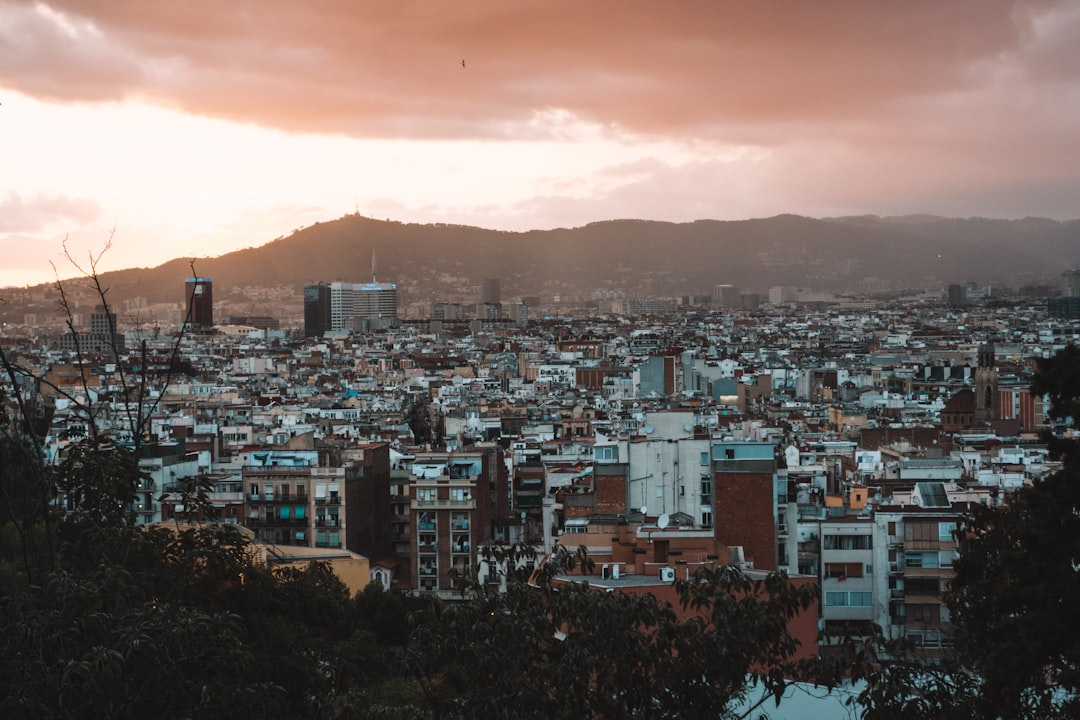
Barcelona Travel Guide: Everything You Need to Know (2026)
Barcelona, founded as a Roman colony called Barcino around 10 BC, is home to 1.6 million residents in the city proper and sits on the Mediterranean coast between two rivers, the Besòs and the Llobregat. The city has 9 UNESCO World Heritage sites — all Gaudí works — and receives over 12 million tourists annually, making thoughtful planning essential. At just 12 meters above sea level in the old town and rising to 512 meters at Tibidabo, Barcelona packs an extraordinary vertical and cultural range into 101 square kilometers.
Arrival & Airport
Which airport serves Barcelona and how do I get into the city from it?
**Barcelona El Prat (BCN)** is your airport, located **17 km** southwest of the city centre. In my experience, the **Aerobus** to **Plaça de Catalunya** is the fastest door-to-centre option at **€6.75** one-way, running every **5 minutes** and taking **35 minutes**. The **R2 Nord Rodalies train** costs just **€4.60** to **Passeig de Gràcia** but only runs every **30 minutes** and requires a platform change at **Barcelona Sants**. My tip: avoid the unlicensed taxi touts inside arrivals — only use the official yellow-and-black cabs from the designated rank, which cost **€35–45** fixed to the centre.
How long is the journey from Barcelona El Prat airport to the city centre?
The Aerobus reaches **Plaça de Catalunya in 35 minutes** under normal traffic. In my experience, taxi journeys to the **Gothic Quarter** take **25–50 minutes** depending on rush hour — morning arrivals between **8–9 AM** on weekdays can push that to a full hour on the **Gran Via** approach. The train is a reliable **30-minute** option but adds **10 minutes** of walking at both ends. What surprised me: the **T10 metro card does not cover the airport** — you need a supplementary **Zone 1 supplement of €4.60** if taking metro **L9 Sud** from the terminal, which adds complexity most guides don’t warn you about.
Which transport options from Barcelona El Prat airport do you recommend?
I recommend the **Aerobus** for first-time visitors dropping at **Plaça de Catalunya**, **Passeig de Gràcia**, or **Plaça Espanya** — it’s direct, frequent, and hassle-free. For budget travellers, the **Rodalies R2 Nord** at **€4.60** beats everything on cost. The **L9 Sud metro** sounds logical but requires a transfer at **Torrassa** or **Collblanc** and costs **€5.15** with supplement — not worth the confusion. My honest caveat: none of these options work well with oversized luggage at peak hours. If you arrive after **10 PM** with heavy bags, a licensed **taxi at €40** flat rate is simply the right call.
Are there direct train connections into Barcelona from other Spanish cities?
Yes — **Barcelona Sants** is the main high-speed hub with direct **AVE trains from Madrid in 2h 30min** (from **€25 in advance**), from **Valencia in 3h 15min**, and from **Seville in around 5h 30min**. In my experience, booking on **Renfe.com at least 2 weeks ahead** drops prices dramatically. The sleek **Ouigo and Iryo** low-cost high-speed operators now compete on the **Madrid–Barcelona corridor from €9**, which is remarkable value. My warning: **Barcelona França station** handles some regional and international trains from France via **Portbou**, but it’s in the **Barceloneta** district — don’t confuse it with Sants or you’ll arrive confused on the wrong side of the city.
Which neighbouring cities near Barcelona are worth a day trip?
**Montserrat** is non-negotiable — the mountain monastery sits **50 km** northwest and is reachable in **1h 15min** by FGC train from **Plaça Espanya plus a rack railway** for around **€32 return** including connections. **Sitges**, a glamorous beach town **35 km** south, takes just **40 minutes** on the **Rodalies R2 Sud from Passeig de Gràcia (€4.60)**. **Girona** is **100 km** north via AVE in just **37 minutes from €8** — the medieval Jewish quarter alone justifies the trip. My honest caveat: **Tarragona’s Roman ruins** are genuinely world-class and criminally undervisited, only **1h** by regional train, but the frequency drops sharply on weekends.
How does Barcelona’s public transport network work for getting around the city?
Barcelona’s **TMB network** covers **8 metro lines, 1,000+ bus routes**, and the **FGC suburban trains** under a unified zone system. A **T-Casual 10-trip card costs €12.15** and is the best value for short stays — it covers metro, bus, tram, and Rodalies within **Zone 1**. In my experience, the metro alone covers **95%** of tourist needs; lines **L2, L3, and L4** connect the key neighbourhoods. My tip: download the **TMB app** for real-time bus tracking. The honest trade-off: metro stations in the **Gothic Quarter** are spaced widely so you’ll walk more than expected — **Jaume I** on L4 is the only station actually inside the old city core.
City Transport
In Barcelona, should I take a taxi or use public transport?
Use **public transport for 90% of your trips** — a metro ride costs **€1.22 per trip** on the T-Casual versus **€6–8 minimum taxi fare**. In my experience, taxis shine for late-night returns from **El Born or Barceloneta after midnight** when metro frequency drops, and for airport runs with luggage. **Free Now and Cabify apps** give upfront pricing and beat street-hail taxis in transparency. My warning: **Uber operates in Barcelona but uses licensed VTC drivers** — legally fine but sometimes **30% pricier than taxis** during surge. The honest caveat most guides omit: the **Gothic Quarter’s narrow streets mean taxis drop you 200–300 meters from your hotel** regardless of the address.
Is Barcelona bike-friendly and is there a bike-share scheme?
Barcelona is **moderately bike-friendly** — the **Bicing bike-share scheme has 500+ stations and 7,000 bikes** including electric, but it’s exclusively for residents with a **€50/year subscription**. Tourists are locked out. In my experience, **Donkey Republic and Biciclot rental shops in Barceloneta** rent decent city bikes for **€15–20/day**. The beachfront **Passeig Marítim cycling lane runs 5 km** without a single car crossing — genuinely pleasant. My honest caveat: the **Eixample grid looks flat on maps but the blocks are long**, and cycling on **La Rambla or through the Gothic Quarter is technically prohibited and practically dangerous**. Stick to designated lanes shown in the **Google Maps cycling layer**.
Which neighbourhoods in Barcelona can I explore comfortably on foot?
The **Gothic Quarter (Barri Gòtic)**, **El Born**, and **Barceloneta** form a contiguous walkable triangle covering **4–5 km** end to end — I did it daily without once touching the metro. **Gràcia**, uphill from **Passeig de Gràcia**, rewards slow walkers with independent boutiques and zero tourist menus on **Carrer de Verdi**. The **Eixample’s grid** is extremely walkable — each block is exactly **133 meters**, making distance intuitive. My warning: **La Barceloneta promenade becomes genuinely impassable on July and August Saturday afternoons** with solid crowds. The honest caveat: **Montjuïc requires a cable car or bus** — walking up the hill in summer heat is miserable and not recommended.
What does a single metro ticket or day pass cost in Barcelona?
A **single metro ticket costs €2.55** in 2025, rising likely to around **€2.60–2.70 in 2026** after annual adjustments. The **T-Casual 10-trip card at €12.15** brings the per-ride cost down to **€1.22** and is valid on metro, bus, tram, and suburban trains within Zone 1. A **T-Dia (1-day unlimited) costs €11.00**, only worth it if you make **9+ trips in one day**. In my experience, the **Hola BCN! 3-day card at €21.60** suits tourists perfectly — unlimited transport including the airport L9 supplement is included. My tip: buy cards at **automatic machines in any metro station** — the queues at staffed windows are consistently **15–20 minutes longer**.
Which neighbourhood in Barcelona should I base myself in?
Stay in **El Born** if this is your first visit — it sits between the Gothic Quarter and Barceloneta, metro **L4 Jaume I** is **3 minutes walk**, and the neighbourhood has Barcelona’s best cocktail bars and pintxos spots on **Carrer del Parlament**. The **Eixample** around **Passeig de Gràcia** puts Gaudí’s Casa Batlló and La Pedrera literally outside your hotel. For nightlife, **Sant Pere** edges closer to the Rambla del Poblenou scene. My honest caveat: the Gothic Quarter sounds romantic but **noise from stag parties and bar crawls on Carrer de la Mercè runs until 4 AM** — earplugs are not optional if you sleep before midnight.
Which areas of Barcelona are most tourist-friendly?
The **Eixample Dreta** (right side of the grid) around **Passeig de Gràcia** is the most polished tourist zone — wide pavements, Gaudí landmarks, rooftop bars, and good English fluency in every restaurant. **El Born** around **Carrer del Comerç** gives a more authentic feel while remaining completely tourist-safe with solid infrastructure. **Barceloneta** works brilliantly for beach-focused stays. In my experience, **Gràcia** above **Diagonal** is where locals actually live and eat — friendlier service, lower prices, zero tourist-menu traps. My tip: **Poblenou**, the former industrial district along the coast, has transformed into a creative hub and is genuinely welcoming to visitors willing to explore **Rambla del Poblenou**.
Accommodation & Neighbourhoods
Which areas of Barcelona should I avoid?
Avoid **staying** in the **lower Raval below Carrer de Sant Pau** — petty theft, aggressive hawking, and uncomfortable late-night streets make it a poor base despite its interesting daytime culture. The **stretch of La Rambla between Liceu and the port** is the pickpocket capital of Europe; keep bags in front and phones in pockets there without exception. **Besòs riverside neighbourhoods** like parts of **Bon Pastor** are not tourist areas. My honest warning most guides omit: **Barceloneta in August is not an avoiding issue but a comfort issue** — beach towel-to-towel density makes it feel more like a festival queue than a beach. The **Garraf beaches 30 km south** are dramatically quieter.
What does a good hotel cost per night in Barcelona?
A solid **3-star hotel in El Born or Eixample runs €120–160/night** in shoulder season (March–May, October–November). Expect **4-star properties on Passeig de Gràcia to start at €220** and reach **€400+ in July and August**. In my experience, **boutique hotels in Gràcia like Hotel Casa Fuster** offer better value-per-charm than the big chains. Budget hostels in **El Raval start at €25–35 per dorm bed**. My honest caveat: Barcelona introduced a **tourist tax (taxa turística) of €3.25–6.75 per person per night** depending on hotel category in 2023, and this is consistently rising — always factor **€20–50 extra per room per week** into your budget as it’s never included in advertised rates.
How far in advance should I book a hotel in Barcelona?
For **July and August**, book at least **3–4 months ahead** — the city runs at near-full capacity and prices double after May. For **shoulder season (April–June, September–October)**, **4–6 weeks** is sufficient for mid-range options. In my experience, the **Mobile World Congress in late February** and **Primavera Sound festival in late May/early June** create micro-peaks where even budget rooms disappear **8–10 weeks out**. My tip: use **Booking.com’s free cancellation filter** to lock in rates early without commitment — prices genuinely do rise as dates approach in Barcelona. The honest warning: **apartments via Airbnb in Barcelona are severely restricted** since 2024 city regulations; supply has dropped sharply and remaining listings carry premium prices.
Are there cheaper accommodation alternatives to Barcelona’s tourist districts?
Yes — staying in **Poblenou** along the **Rambla del Poblenou** puts you **20 minutes** from the Gothic Quarter by metro L4 but at **€40–60/night less** for equivalent quality. **Sant Andreu** in the north is fully local, has excellent metro connections on **L1**, and 3-star hotels run **€80–100/night** versus **€140** for comparable rooms in Eixample. In my experience, **Sants neighbourhood** around the main train station offers great transport links with hotel prices **30–35% below the tourist centre**. My honest caveat: these savings come with a trade-off — evening walks back after dinner in El Born feel less convenient, and ride costs add up. Calculate the **full cost including taxis home after midnight** before booking the budget outlier.
What are the absolute top sights in Barcelona?
**La Sagrada Família** tops every list for justified reasons — Gaudí’s unfinished basilica is one of architecture’s greatest living achievements and entrance costs **€26–36 depending on tower access**. **Park Güell’s monumental zone** requires advance booking at **€10**. **Casa Batlló** is the most dramatic interior at **€35** and worth every cent after dark during the **Magic Nights experience**. In my experience, **Palau de la Música Catalana** — a UNESCO Modernista concert hall in El Born — is criminally underrated compared to the Gaudí circus. My honest caveat: **La Pedrera (Casa Milà)** rooftop at sunset is extraordinary but the **€28 entry feels steep** for the interior alone — combine it with the evening rooftop event for better value.
Which museums in Barcelona are genuinely worth it and which are overrated?
The **Picasso Museum in El Born at €14** is worth every minute — the early work collection in a series of **medieval palaces on Carrer de Montcada** is world-class. The **MNAC (Museu Nacional d’Art de Catalunya) at €12** on Montjuïc has Romanesque art no other museum on earth can match. In my experience, the **Barcelona History Museum (MUHBA) under the Gothic Quarter at €7** is wildly undervisited — you walk through **Roman Barcino underground**. My honest warning: the **Museu d’Història de Catalunya** is fine but largely in Catalan with limited English, frustrating for non-linguists. The **Wax Museum on La Rambla at €17** is genuinely one of the worst tourist traps in southern Europe — skip it without hesitation.
Highlights & Must-Sees
What can I experience for free in Barcelona?
The **exterior of every Gaudí building** is free — walking the **Eixample Modernista block** from **Casa Batlló to La Pedrera to Casa Lleó Morera** costs nothing. The **MACBA (Museum of Contemporary Art)** offers free entry on **Sundays after 4 PM**. The **Barceloneta beach and Poblenou beach** are completely free. In my experience, the **Mercat de Santa Caterina** in El Born has better local character than the tourist-crowded **Mercat de la Boqueria** and is completely free to wander. My tip: the **Bunkers del Carme viewpoint in El Carmel** gives the **best panoramic view in all of Barcelona** at zero cost, with a **15-minute walk from metro L5 El Carmel** — sunset here beats any paid rooftop bar.
What is Barcelona’s evening and nightlife scene like?
Barcelona nightlife starts **genuinely late** — dinner before **9 PM** marks you as a tourist, bars fill after **11 PM**, and clubs don’t heat up until **2 AM**. The **Eixample Esquerra’s Gayxample** around **Carrer del Consell de Cent** has the best cocktail bar density. In my experience, **Sala Apolo in Poble Sec** is the finest mid-size live music venue in the city. **Bar Marsella in El Raval**, open since **1820**, serves absinth to a genuinely local crowd. My honest caveat: most **beachfront clubs in Port Olímpic (CDLC, Shoko)** are tourist-facing with **€15–20 drink prices and enforced face selection at the door** — save the effort and explore **Poblenou’s creative bar scene on Carrer Pallars** instead.
What experiences in Barcelona are truly unique and found nowhere else?
Attending a **FC Barcelona match at the renovated Spotify Camp Nou** (reopening 2025-26 season with **105,000-seat capacity**) is the singular football experience in Europe. In my experience, watching the **Castellers (human tower builders)** at a local competition in **Plaça de Sant Jaume on La Mercè festival weekend (late September)** is genuinely unlike anything on earth. The **Sagrada Família at the exact moment sunlight hits the stained glass on the Nativity façade around 10 AM** creates a colour explosion I’ve never seen replicated anywhere. My tip: a **correfoc (fire run) during La Mercè** — where fire-breathing dragons chase crowds through the streets — is terrifying, extraordinary, and completely unmediated by tourism infrastructure.
Which spots in Barcelona are not yet overcrowded?
**Poblenou’s Rambla** on a weekday morning has Barcelona’s café culture with zero tourist density. The **Sant Pau Recinte Modernista** — a complete Modernista hospital complex by **Lluís Domènech i Montaner, 2 blocks from Sagrada Família** — charges **€16 entry** and sees a fraction of the neighbouring basilica’s queue. In my experience, the **Piscines Bernat Picornell Olympic pool on Montjuïc** where you swim in the 1992 Olympic pool for **€13** is known almost exclusively to locals. My honest caveat: **these places will not stay quiet** — Instagram discovers them in cycles. **Bunkers del Carme** was a local secret in 2018 and now draws crowds at sunset from April through October. Go in the morning if you want solitude.
Which neighbourhoods in Barcelona have the best restaurants?
**El Born** around **Carrer del Parlament and Carrer del Rec** has the highest concentration of quality-to-price cooking in the city. **Eixample Esquerra** on **Carrer de Muntaner** hosts Barcelona’s most interesting contemporary Catalan restaurants. In my experience, **Gràcia’s Plaça de la Vila de Gràcia** square restaurants offer genuine neighbourhood dining where locals actually eat. **Poble Sec below Montjuïc on Carrer de Blai** is the city’s premier **pintxos street** — 15 bars serving €1.50–2 pintxos from noon onward. My honest warning: **La Boqueria’s sit-down stalls charge €4–6 per piece of fruit** and are categorically tourist traps — buy nothing to eat inside. The adjacent **Carrer de la Petxina** has real restaurants at half the price.
What are Barcelona’s local food specialities I must try?
**Pa amb tomàquet** — bread rubbed with ripe tomato and olive oil — is the Catalan culinary foundation and costs **€1–2** done properly. **Croquetes de bacallà (salt cod croquettes)** at **Bar del Pla in El Born** are the city benchmark at **€2 each**. In my experience, **fideuà** (paella’s noodle cousin, done properly only in **Barceloneta’s beachside restaurants**) beats tourist paella every time. **Crema catalana** is the original version of crème brûlée — try it at **Els Quatre Gats on Carrer de Montsió**. My honest caveat: **saffron paella is a Valencian dish**, not Barcelonan — restaurants pushing it hard on La Rambla are tourist traps. Order **arròs negre (black rice with squid ink)** instead for the genuinely coastal Catalan experience.
Food & Drink
What does a typical local lunch cost in Barcelona?
A **menú del dia (set lunch) costs €12–15** in neighbourhood restaurants — three courses with bread and a drink included. This is the single best-value eating strategy in Barcelona; in my experience, the **same dishes ordered à la carte at dinner cost 40% more**. In the Eixample, **menús run €14–18** but quality steps up accordingly. A **pintxos lunch on Carrer de Blai** comes to **€8–12 for a satisfying meal** if you’re disciplined. My honest warning: restaurants within **150 meters of La Rambla or Barceloneta promenade** charge a predictable **€4–6 premium per dish** purely for location — cross one block inland and prices drop immediately. The **menú del dia is rarely offered on Saturdays or Sundays** — a detail most visitors discover too late.
Are there good markets or street food scenes in Barcelona?
**Mercat de Sant Antoni** (reopened after renovation in 2019) in Eixample Esquerra is the best all-round market in Barcelona — fresh produce Monday–Saturday, an extraordinary **second-hand book and vinyl Sunday market** from **9 AM–2 PM** with zero tourist posturing. In my experience, the **Mercat de l’Abaceria in Gràcia** is the most authentic neighbourhood food market in the city. **La Boqueria on La Rambla** is visually spectacular but functions primarily as a paid attraction — vendors quote **€8–12 for a fruit cup** that costs **€2** at Sant Antoni. My tip: the **Fira de Mostres street food event at Parc de la Ciutadella** in spring brings **40+ local food trucks at €4–8 per plate** — check the city events calendar for exact dates.
Which bars or cafes in Barcelona do you specifically recommend?
**El Xampanyet on Carrer de Montcada in El Born** — a tavern open since 1929 serving house cava at **€2.50 a glass** with free anchovies on the bar — is my non-negotiable Barcelona recommendation. **Federal Café in Sant Antoni** (Carrer del Parlament) does the best flat white in the city and draws a genuinely international creative crowd. In my experience, **Bar Calders on Carrer del Parlament** is the perfect neighbourhood aperitivo bar — **vermut and patatas bravas at €8 total** with locals of all ages. My honest caveat: **rooftop bars on Passeig de Gràcia like the Sir Victor Hotel** charge **€16–18 for cocktails** but the views justify one drink — more than that and you’re paying a luxury tax for atmosphere that wears off quickly.
How many days do I need to see Barcelona properly?
**4 full days covers the essentials** without rushing. Day 1: Gothic Quarter and El Born. Day 2: Sagrada Família, Park Güell, Gràcia. Day 3: Eixample Modernista, Montjuïc. Day 4: Barceloneta, Poblenou, Camp Nou. In my experience, **5–6 days** allows a day trip to **Montserrat or Sitges** and genuinely unhurried meals. My honest caveat: Barcelona suffers from **itinerary bloat** — trying to add Costa Brava day trips, Girona, and Tarragona to a 4-day stay results in spending more time on trains than in any single place. Pick one day trip maximum. What surprised me: the city changes dramatically after **10 PM** — allocating two proper late nights to the bar scene reveals a Barcelona that daytime visitors never encounter.
When is the best time to visit Barcelona?
**Late September to early November** is objectively the finest time — sea temperature still **22–23°C**, crowds drop by **30–40%** after school terms resume, and accommodation prices fall sharply. **April and May** offer perfect sightseeing weather at **18–22°C** before the summer surge. In my experience, **La Mercè festival in the last week of September** adds free concerts, fire runs, and human towers across the entire city — extraordinary timing. My honest caveat: **Christmas markets from late November** draw large crowds to **Fira de Santa Llúcia** but hotel prices remain lower than summer. Avoid **July and August if you hate crowds** — the city operates at maximum tourist density and temperatures hit **30–35°C** with high humidity near the coast.
How safe is Barcelona for tourists?
Barcelona is **safe physically** but has Europe’s highest concentration of **pickpocketing per tourist area** — specifically on **La Rambla, in metro L3 between Liceu and Catalunya, and on Barceloneta beach**. In my experience, a money belt or zipped front pocket eliminates **99% of the risk**. The **Gothic Quarter after midnight** can feel edgy near the lower Raval border but is not genuinely dangerous for alert adults. My honest warning most guides soften: **bag snatching from café chairs happens daily** in the Gothic Quarter — never place your phone or bag on a table outdoors. Violent crime against tourists is genuinely rare. Keep digital copies of your passport on your phone and you’ll manage any incident smoothly.
Practical Tips
Is the Barcelona Card worth buying?
The **Barcelona Card costs €45 for 3 days or €55 for 5 days** and includes unlimited public transport plus discounts at **25+ museums**. In my honest experience, it only pays off if you plan to visit **at least 4 paid museums** in addition to using the metro daily — run the numbers before buying. For visitors focused on Gaudí sites, note that **Sagrada Família, Casa Batlló, and Park Güell are NOT discounted** on the Barcelona Card — a critical omission most marketing glosses over. The **Articket BCN at €35** covers **6 major art museums** including MACBA, MNAC, and Fundació Miró — far better value for culturally focused visitors. My tip: buy the **Articket at the first museum you visit** rather than online to confirm you’ll use it.
What are the common tourist traps in Barcelona I should know about?
**La Boqueria sit-down vendors** charge criminal prices for mediocre food — treat it as a visual experience only. **Paella restaurants on La Rambla** almost universally serve frozen seafood at **€18–25 for a dish worth €8**. In my experience, any restaurant displaying a **photo menu with English, German, and Chinese** on La Rambla or in the lower Gothic Quarter applies a **30–40% tourist premium** as standard business practice. **’Free’ walking tours** that end with aggressive tip pressure are ubiquitous — the **Context Travel small-group tours at €65** deliver genuine academic depth and clear pricing. My honest warning: the **open-top Bus Turístic at €30/day** is a comfortable orientation tool but teaches you nothing about Barcelona’s actual neighbourhoods — combine one loop with real metro exploration.
What SIM card or eSIM options are available for visiting Barcelona?
EU roaming rules mean **most European visitors pay nothing extra** using their home SIM in Barcelona. For non-EU visitors, an **Orange or Vodafone Spain SIM from El Prat airport costs €15–20** with **20–30 GB of data** — available in arrivals before customs exit. In my experience, **Airalo eSIM Spain plans start at €6 for 1 GB** and activate before you land — useful for navigation from the moment you step off the plane. **Holafly’s unlimited data Spain eSIM at €19 for 7 days** is the best value for heavy users. My honest caveat: **physical SIMs from airport kiosks require ID registration** under Spanish law and takes **10–15 minutes** — if you’re in a hurry with a bag, the eSIM purchased in advance is genuinely superior.