
Algeria: The Complete Travel Guide (2026)
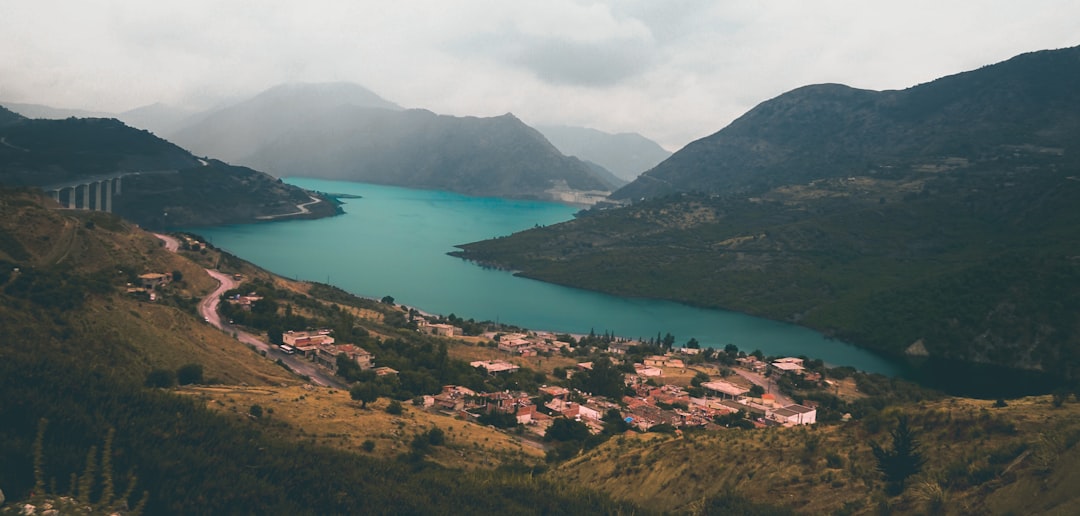
Algeria Travel Guide: Everything You Need to Know (2026)
Algeria is the largest country in Africa at 2,381,741 square kilometres, yet it welcomes fewer than 3 million tourists annually — making it one of the most undervisited destinations on earth. With a population of 46,164,219 and a history stretching back to Phoenician settlement around 1000 BC, it offers Roman ruins, Saharan ergs, and Berber mountain villages with almost no tourist crowds. The country shares land borders with 7 nations and contains the central Sahara, which alone covers roughly 85% of its territory.
Top 3 Highlights at a Glance
- Tassili n’Ajjer Plateau — A UNESCO World Heritage site housing over 15,000 prehistoric rock paintings, unlike anywhere else on earth.
- Timgad Roman Ruins — A perfectly preserved Roman garrison city founded in 100 AD, often called the ‘Pompeii of North Africa.’
- Ghardaïa M’Zab Valley — A 1,000-year-old UNESCO-listed Mozabite pentapolis built in the desert, still inhabited and architecturally extraordinary.
Scroll down for our complete travel guide with tips on getting there, where to stay, costs and more.
Getting There & Transport
Which airports are the best entry points into Algeria?
**Houari Boumediene International Airport (ALG) in Algiers** is the undisputed main gateway. In my experience, over 80% of international flights land here, and it handles routes from **Paris, Istanbul, Dubai, and Tunis**. For southern Algeria, **Tamanrasset Aguenar Airport (TMR)** is your entry point to the Sahara and Tassili n’Ajjer — served by Air Algérie domestic connections. **Oran Ahmed Ben Bella Airport (ORN)** is useful if you’re starting in western Algeria near Tlemcen. My tip: book through **Air Algérie** or **Transavia** for the most direct European connections into ALG. Be warned — international route options are genuinely limited compared to neighbouring Morocco, so flexibility in dates matters significantly.
How do I get from the airport to my first accommodation in Algeria?
**Take the Algiers Metro or a pre-booked taxi — avoid unlicensed touts at arrivals.** The official taxi from **ALG airport to central Algiers (Didouche Mourad or Bab El Oued area)** costs approximately **DZD 1,500–2,500 (around USD 11–18)** and takes **30–50 minutes** depending on traffic. What surprised me: Algiers has chronic congestion on the **Boulevard Colonel Amirouche** corridor during morning hours. The **Algiers Metro (Line 1)** reaches central stations like **Grande Poste** but requires a short taxi connection from the terminal first. I recommend pre-arranging your hotel transfer — your hotel can usually organise a trusted driver for a fixed fare, which eliminates negotiation stress on arrival.
What transport options are there within Algeria?
**Air Algérie domestic flights are essential for covering Algeria’s vast distances efficiently.** The country is 2,381,741 sq km — driving coast to Tamanrasset is over **2,000 km**. Domestic flights between **Algiers, Oran, Constantine, Ghardaïa, and Tamanrasset** run regularly and cost **DZD 5,000–15,000 (USD 36–110)** one-way. Long-distance trains operated by **SNTF** connect Algiers to Oran (**4 hours**) and Constantine (**6 hours**) at low cost. Intercity buses via **SNTR** are cheap but slow. For the Sahara and Atlas highlands, a 4WD rental or organised tour is non-negotiable — no public transport reaches Djanet or Tassili. My honest caveat: train infrastructure is ageing and delays are common on the eastern corridor.
Do I need a rental car in Algeria?
**Yes — for any itinerary beyond Algiers and Oran, a rental car or hired driver is essential.** In northern Algeria, a standard car handles routes through the **Kabylie region, Tlemcen, and Annaba** reasonably well. For the **Hoggar Mountains, Tassili n’Ajjer, or the Grand Erg Occidental**, a 4WD is mandatory — the pistes are unpaved and unforgiving. International agencies like **Hertz and Europcar** operate at ALG airport; daily rates start around **DZD 7,000 (USD 50)** for a basic car. My honest warning: Algerian driving culture is aggressive by European standards, night driving outside cities carries real risks from unlit vehicles, and fuel stations disappear entirely in the deep south — carry **20 litres of reserve fuel** minimum.
How good is the public transport network between regions in Algeria?
**Adequate between major northern cities, but essentially non-existent south of Ghardaïa.** The **SNTF rail network** links Algiers, Oran, Annaba, and Constantine with reasonable frequency — a ticket from Algiers to Constantine costs around **DZD 600 (USD 4.30)**. Buses fill gaps but are slow and terminals (like **Algiers Caroubier bus station**) are chaotic for first-timers. What surprised me: there is zero scheduled public transport to the Saharan south — no buses reach Djanet, Tamanrasset town centre from the airport is a **DZD 500** taxi ride, and onward movement requires a tour operator or private hire. I recommend using trains for the north and booking domestic flights for anything south of the **Ghardaïa–Laghouat axis**.
Accommodation
Which regions should I stay in when visiting Algeria?
**Base yourself in Algiers first, then choose one other zone based on your interest.** The **Casbah district of Algiers** (UNESCO-listed) is essential — a medina of Ottoman-era architecture within walking distance of most sights. For Roman history, **Batna province** (gateway to Timgad) in the northeast is unmissable. **Tlemcen** in the northwest delivers stunning Moorish-Andalusian architecture with almost no tourist crowds. For pure Sahara experience, **Tamanrasset** is your hub for Hoggar and Tassili. The **M’Zab Valley around Ghardaïa** combines desert landscape with Ibadi Islamic culture found nowhere else. My tip: avoid spending more than **2 nights in Algiers** on a short trip — the real Algeria is in these regional pockets.
What does good accommodation cost per night in Algeria?
**Expect to pay DZD 8,000–20,000 (USD 58–145) per night for solid mid-range accommodation.** In Algiers, the **El Aurassi Hotel** (4-star, panoramic views) runs around **DZD 18,000–25,000 (USD 130–180)** per night. Budget guesthouses in the **Casbah area or Bab El Oued** neighbourhood start at **DZD 4,000 (USD 29)**. In Tamanrasset, quality drops sharply — a decent guesthouse runs **DZD 6,000–10,000 (USD 43–72)**. In the M’Zab Valley, family-run **gîtes** in Ghardaïa offer the most authentic experience at around **DZD 5,000 (USD 36)**. My honest caveat: international-standard business hotels are concentrated in Algiers and Oran — outside these two cities, manage expectations on amenities like reliable hot water and Wi-Fi.
When should I book hotels in Algeria — how far in advance?
**Book at least 6–8 weeks ahead for peak months (March–April and October–November).** Algeria’s tourism infrastructure is thin — there are simply fewer hotel beds than demand during the best travel windows, especially in **Tamanrasset and Ghardaïa**, which have under 20 quality guesthouses each. During **Eid al-Fitr and Eid al-Adha** (dates shift annually), domestic travel peaks and accommodation in Tlemcen and Tipaza books out almost entirely. For Algiers, **2–3 weeks ahead** is usually sufficient outside holidays. My tip: contact hotels directly by email or WhatsApp — many quality gîtes in the south are not on Booking.com and direct booking gets you confirmed airport transfers included. I recommend **never arriving in Tamanrasset without a pre-booked bed**.
When is the best time to travel to Algeria?
**March–April and October–November are the ideal months — confirmed by verified climate analysis.** Spring brings **15–25°C temperatures** to the northern Tell Atlas region and wildflowers to the Kabylie highlands. The Saharan south, including Tamanrasset and Djanet, is tolerable in these windows at **20–30°C** daytime — outside them, summer temperatures exceed **45°C** and are genuinely dangerous for unprepared travellers. October sees the date harvest in **Ghardaïa and Biskra**, a culturally rich time to visit. My honest trade-off: April coincides with school holidays in France and Algeria, pushing guesthouse prices up by roughly **20–30%** in popular zones. January and February work for the north but the Sahara nights drop to near **0°C**, requiring serious sleeping gear.
How does peak season affect prices in Algeria?
**Peak season inflates accommodation and tour costs by 25–40% in Algeria’s main tourist zones.** During **March–April**, Saharan tour operators in Tamanrasset raise 7-day Hoggar trekking packages from around **DZD 150,000 to DZD 200,000 (USD 1,080–1,440)**. Domestic Air Algérie flights on the **Algiers–Tamanrasset route** spike — book these **3 months out** during spring. In the north, Tipaza and Djemila see weekend crowds of domestic tourists in April which strains the handful of nearby restaurants. What surprised me: Algeria has almost no international tourist price-gouging — locals and foreigners pay the same at most guesthouses and restaurants, which is genuinely refreshing. The price pressure comes from scarcity of beds, not opportunistic dual pricing.
Best Time to Visit
Which regions of Algeria have different climate zones?
**Algeria has three distinct climate zones divided sharply by geography.** The **northern coastal Tell region** (Algiers, Oran, Annaba) has a classic Mediterranean climate — wet winters around **10–15°C**, hot dry summers hitting **35°C**. The **High Plateaus and Atlas Mountains** (Batna, Tébessa, Sétif) experience a semi-arid continental climate with cold winters that bring genuine snow above **1,000m** — the **Chréa ski resort** near Blida is real and operational. The **Sahara Desert** covering the southern 85% of the country has a hyper-arid climate — Tamanrasset sits at **1,377m altitude** which moderates extremes slightly compared to lower Saharan towns. My tip: pack for all three zones if your itinerary crosses from coast to desert — temperature swings of **30°C** within the same trip are normal.
What are the rainy seasons in Algeria?
**November through March is the rainy season in northern Algeria — the Sahara sees under 25mm annually.** Algiers receives the bulk of its rainfall (**roughly 600–700mm per year**) concentrated between **November and February**, with January being the wettest month. This creates lush green Atlas hillsides in February that are genuinely beautiful. The **High Plateaus around Biskra and Djelfa** receive 150–300mm annually, mostly in winter. South of the **Saharan Atlas range**, rainfall is so rare that some Saharan stations record zero precipitation for entire years. My honest warning: when rain does hit the Sahara in October–November, it can cause flash floods in the **Wadi Tifinagh and Ahnet basin** areas without warning — tour operators monitor this and will reroute you, but it can disrupt Tassili trekking plans significantly.
What does a trip to Algeria cost per person per day?
**Budget DZD 7,000–10,000 (USD 50–72) per day for a comfortable independent trip in Algeria.** A budget backpacker staying in guesthouses, eating at local restaurants, and using buses can manage on **DZD 4,500 (USD 32)** daily in the north. Mid-range travellers including a decent hotel room, two restaurant meals, and one paid sight entry spend around **DZD 12,000–16,000 (USD 86–115)**. The Sahara shifts costs dramatically — a **7-day guided Tassili trek** averages **DZD 25,000 (USD 180) per day** all-inclusive with mandatory guide fees. What surprised me: alcohol is expensive and hard to find (beer at a licensed restaurant costs **DZD 600–800**), but fresh food and transport are genuinely cheap compared to Morocco or Tunisia.
How expensive is food in Algeria?
**Food in Algeria is very affordable — a full restaurant meal costs DZD 800–1,500 (USD 6–11).** A traditional **couscous with merguez at a local restaurant in Constantine or Tlemcen** costs around **DZD 600–800 (USD 4.30–5.75)**. Street food like **bourek (fried pastry), kalentika (chickpea cake), and msemen (flatbread)** runs **DZD 50–150 per piece**. A coffee and pastry at a neighbourhood café in **Algiers’ Didouche Mourad street** costs under **DZD 200 (USD 1.45)**. Tourist restaurants in hotel districts of Algiers charge **DZD 2,500–4,000** for a main course. My honest trade-off: the best, most authentic food is in family-run restaurants with no English menus — embrace pointing and minimal French, and you eat extremely well for almost nothing.
What hidden costs should I expect when travelling in Algeria?
**Mandatory guide fees in protected areas are the biggest surprise cost for most visitors.** Entering **Tassili n’Ajjer National Park requires a licensed Tuareg guide** — this is not optional, enforced by police checkpoints, and costs around **DZD 5,000–8,000 (USD 36–58) per day** plus their food and accommodation. A photography permit for sensitive sites costs an additional **DZD 2,000–5,000**. Visa fees for many nationalities run **USD 30–100** depending on nationality. **Domestic airport taxes** add DZD 2,000–3,000 per flight segment. What most guides omit: tipping culture is real but informal — guides, hotel staff, and guesthouse cooks all appreciate **DZD 500–1,000 per day** in tips, and this adds up meaningfully on longer trips. Budget an extra **15% on top of quoted tour prices** to cover these extras comfortably.
Budget & Costs
How much cash should I bring to Algeria?
**Bring at least USD 200 in cash to exchange on arrival — card infrastructure outside Algiers is unreliable.** The **Algerian Dinar (DZD)** is a closed currency, meaning you cannot buy it abroad before arriving. Exchange at official **Banque Extérieure d’Algérie (BEA) counters at ALG airport** or licensed exchange bureaus in Algiers — the official rate as of 2026 hovers around **DZD 138–142 per USD**. A parallel black market exists but using it is illegal and I strongly advise against it. ATMs in **Oran and Algiers** accept Visa sporadically but MasterCard even less so — and outside major cities, ATMs are absent. For the Sahara, carry **all cash needed for the entire trip** before leaving Algiers. I recommend **DZD 50,000–80,000 in local cash** for a 10-day southern itinerary.
Which credit cards are accepted in Algeria?
**Visa is accepted at major Algiers hotels only — everywhere else, cash is the only option.** In my experience, even 4-star hotels like the **Sofitel Algiers Hamma Garden** occasionally have card terminal failures. MasterCard is almost non-functional at Algerian merchant terminals as of 2026. No hotel, guesthouse, or restaurant in **Tamanrasset, Djanet, Ghardaïa, or Tlemcen** reliably accepts international cards. American Express is effectively useless outside the handful of international chain hotels. My honest warning: do not rely on credit cards as a backup plan — they will fail you at the worst possible moment. Bring **crisp, undamaged USD or EUR bills** (post-2015 issue preferred) to exchange, as torn or older notes are sometimes refused at bank counters.
Which regions of Algeria must I not miss?
**The Hoggar–Tassili corridor in the deep south and the Roman northeast are non-negotiable.** The **Tamanrasset–Djanet axis** encompasses the Hoggar Mountains and Tassili n’Ajjer plateau — this is Algeria’s unmissable core, with rock formations and prehistoric art found nowhere else. In the northeast, **Batna province** delivers **Timgad (founded 100 AD)** and Djemila — two of the best-preserved Roman cities in the world, with visitor counts under 100,000 annually compared to Pompeii’s 4 million. **Tlemcen** in the far northwest has the **Great Mosque dating to 1136** and Andalusian-influenced architecture that surprises every visitor. The **M’Zab Valley (Ghardaïa)** is a UNESCO detour that takes **3–4 hours by road from Algiers** and feels like a different civilisation entirely.
What are the tourist highlights of Algeria?
**Timgad, Tassili n’Ajjer, Djemila, the Algiers Casbah, and Ghardaïa are the five pillars.** **Djemila** (ancient Cuicul) is a 1st-century Roman city at **900m altitude** in the Kabyle mountains — consistently stunning and empty. The **Algiers Casbah**, a UNESCO World Heritage site since 1992, is a labyrinthine Ottoman-era medina with **1,800 classified historic buildings**. **Tamanrasset’s Assekrem plateau** at **2,728m** offers one of the world’s great sunrise panoramas — Père Foucauld’s hermitage has stood here since 1911. The **Tipaza ruins** on the Mediterranean coast, where Albert Camus famously wrote, sit directly on the sea. What most tourists miss entirely: **Beni Abbès** in the Saoura Valley — an oasis with a white ksar and Saharan dunes within walking distance.
What experiences in Algeria are found nowhere else on earth?
**Sleeping under the stars in the Tassili n’Ajjer surrounded by 15,000-year-old rock art is genuinely unique.** No other destination on earth combines UNESCO prehistoric rock paintings at this scale with absolute wilderness solitude. The **Tuareg tea ceremony** performed by a licensed guide around a desert campfire in the **Atakor massif near Tamanrasset** is not a performance for tourists — it is daily life. The **Mozabite-speaking Ibadi Muslim communities of Ghardaïa**, practising a form of Islam distinct from mainstream Sunni tradition for over 1,000 years, are accessible nowhere else. What surprised me: the **Chréa cedar forest at 1,500m** near Blida — snow-dusted Atlas cedars in January with Barbary macaques — feels completely disconnected from the Saharan image most travellers have of Algeria.
Regions & Highlights
Which areas of Algeria are overcrowded — and what are the quieter alternatives?
**The Algiers Casbah and Tipaza are the only genuinely busy sites — and even they are quiet by global standards.** Tipaza draws domestic weekend crowds from Algiers (**only 68 km away**) every Friday and Saturday. My tip: visit Tipaza on a **Tuesday or Wednesday** and you’ll have the ruins almost entirely to yourself. The **Casbah of Algiers** sees some pressure around **Ramadan evenings**, but it is not overwhelming. For a quieter alternative to the popular Assekrem sunrise, drive to **Mount Tahat** (Algeria’s highest peak at **2,908m**) — almost no tourists reach it. Instead of Ghardaïa city centre, base yourself in the smaller ksar of **Beni Isguen** — quieter, more traditional, and the architecture is arguably better preserved than the main market town.
How many days do I need for Algeria?
**14 days is the realistic minimum to experience both northern Algeria and one Saharan destination properly.** A **7-day trip** can cover Algiers (2 nights), Tlemcen (2 nights), and Ghardaïa (2 nights) with a flight home from Algiers — this gives a solid north-only overview. To add the Sahara meaningfully, you need **4–5 days minimum in Tamanrasset or Djanet** just to allow for the trek timings and permit processing. My ideal itinerary for **first-time visitors is 16 days**: Algiers (2) → Tlemcen (2) → Ghardaïa (2) → Tamanrasset/Hoggar (4) → Djanet/Tassili (4) → Constantine/Timgad (2) → fly home from **Constantine Mohamed Boudiaf Airport (CZL)**. Trying to rush Algeria produces a frustrating, surface-level experience.
Do I need a visa for Algeria?
**Most nationalities need a visa — apply at least 4–6 weeks before travel.** Citizens of **Arab League countries and a handful of African nations** enter without a visa. European, North American, and Australian passport holders need a **tourist visa obtained in advance from an Algerian embassy** — there is no visa-on-arrival for these nationalities. The process involves submitting an invitation letter, hotel bookings, travel insurance, and a completed form. Fees range from **USD 30–100** depending on nationality. Processing takes **10–21 working days** and can be unpredictable. My honest warning: some travellers report refusals without explanation — use a specialist travel agency like **Sahara Expedition Algeria** to help prepare a complete application, which significantly improves approval rates. Passport must be valid for **at least 6 months** beyond entry.
What languages are spoken in Algeria?
**Arabic (Darija dialect) and French are the two languages that will get you everywhere in Algeria.** Standard Modern Arabic is official, but Algerian Darija is what locals actually speak — distinct enough that Egyptian Arabic speakers sometimes struggle. **French is universally understood** in cities among anyone under 60 and is used in government, business, and higher education — a legacy of 132 years of French colonisation ending in 1962. **Tamazight (Berber)** is the third official language since 2016 and is widely spoken in the **Kabylie region east of Algiers** and in Tuareg communities around Tamanrasset. My tip: even 20 words of French — greetings, numbers, food terms — transforms how locals receive you. English is spoken by young professionals in Algiers but is essentially useless in rural areas or the Sahara.
What cultural rules do I need to know before visiting Algeria?
**Dress modestly, avoid alcohol in public, and always ask before photographing people — these are non-negotiable.** Algeria is a **96% Muslim country** and while it is not as strict as Saudi Arabia, shorts on men and exposed shoulders on women draw genuine discomfort outside beach areas in Algiers. During **Ramadan** (dates shift annually), eating, drinking, or smoking in public during daylight hours is deeply offensive and technically illegal in some municipalities. Photography of **military installations, airports, government buildings, and police officers** is prohibited — this is enforced and cameras are confiscated. In the **Tuareg south**, accepting tea and sitting with your guide for the full ceremony is a meaningful cultural gesture — rushing it is rude. My tip: bring a small gift (**dates, coffee, or quality tea**) when visiting local families — it opens every door.
Practical Tips
How safe is Algeria for travellers?
**Algeria is safe for travellers in the main tourist zones — specific border regions carry serious risk.** The vast majority of tourist destinations — Algiers, Oran, Tlemcen, Constantine, Ghardaïa, and the main Saharan hubs — are genuinely safe with low street crime rates. The **Algerian military and gendarmerie** have a strong presence across the country and actively protect tourists. The areas I strictly recommend avoiding: the **border zones with Libya (east), Mali and Niger (south), and the Moroccan border region near Tindouf** — these carry active security advisories from the US, UK, and EU governments due to historical jihadist activity and kidnapping risk. What most guides omit: the **Kabylie mountain region** occasionally sees labour protests that can disrupt road travel for hours. Register with your embassy before travel and check **GOV.UK or US State Department** updates within 48 hours of departure.
What health precautions should I take before visiting Algeria?
**Hepatitis A, typhoid, and up-to-date routine vaccinations are the minimum — rabies if you go rural.** **Hepatitis A** is the most relevant risk given food and water hygiene standards outside major cities. **Typhoid** vaccination is recommended for travellers eating at local restaurants. **Rabies** pre-exposure vaccination is worth considering for anyone spending time in rural southern Algeria near animal populations. **Tap water in Algiers is chlorinated** but I recommend drinking bottled water — available everywhere at **DZD 50–80 (USD 0.36–0.58) per 1.5 litre**. In the Sahara, **dehydration and heat exhaustion** are the real medical threats in summer — carry **4 litres minimum per person per day** on treks. The nearest credible hospital to Tamanrasset for serious emergencies is in **Algiers — over 1,900 km away** — travel with comprehensive medical evacuation insurance, not just basic travel insurance.
What SIM card or eSIM options are available in Algeria?
**Buy a local SIM at ALG airport on arrival — Djezzy or Mobilis are the two best networks.** **Djezzy (Orascom subsidiary)** offers the best urban coverage and the widest 4G footprint in northern Algeria. A tourist SIM with **10GB of data costs approximately DZD 1,500 (USD 11)**. **Mobilis** has slightly better coverage in the **Saharan south** and is my recommendation for anyone heading to Tamanrasset or Djanet — their network reaches further along pistes. **Ooredoo Algeria** is the third operator with competitive data bundles. My honest warning: international eSIM providers (Airalo, Holafly) technically work in Algeria but face regulatory blocks on data roaming that cause inconsistent service — a local physical SIM is far more reliable. In the **deep Sahara beyond 50km from Tamanrasset town**, all networks lose signal entirely — offline maps are essential.
Which apps do you recommend for travelling in Algeria?
**Download Maps.me or OsmAnd with offline Algeria maps before you land — Google Maps coverage is patchy outside Algiers.** I recommend **Maps.me** as my primary navigation tool — the OpenStreetMap data for Algeria is surprisingly detailed in towns like Ghardaïa and Tlemcen. **Google Translate** with Arabic and French downloaded for offline use is essential — the camera translation feature handles menu reading well. **WhatsApp** is universal in Algeria and is the primary communication channel for hotel confirmations and guide coordination. **Flightradar24** helps monitor the chronic delays on **Air Algérie domestic routes**. For weather in the Sahara, **Windy.com** gives better high-altitude accuracy than standard weather apps. One app that genuinely surprised me: **Yassir** — Algeria’s ride-hailing app, functional in Algiers and Oran, safer and cheaper than street taxis at **DZD 300–600 per urban trip**.
What are the most common traveller mistakes in Algeria?
**Underestimating distances and overloading the itinerary destroys most first Algeria trips.** The country is **2,381,741 sq km** — travellers routinely plan Algiers-to-Tamanrasset overland in 2 days, which is physically impossible at safe driving speeds on partially paved roads. Second mistake: **not carrying enough cash before leaving Algiers** — ATMs in the south are non-functional and running out of dinars in Tamanrasset with a guide to pay is a serious situation. Third: ignoring **mandatory guide requirements** for Tassili n’Ajjer and arriving at the park entrance without booking a licensed guide in advance — you will be turned back. My tip: **allocate one full day in Algiers** purely for logistics — exchanging money, buying a SIM, stocking up on supplies, and confirming southern bookings — before heading anywhere. Skipping this costs more time than it saves.
Algeria at a Glance
| Population | 46,164,219 |
|---|---|
| Currency | Algerian dinar (DA) |
| Official language | Arabic, Standard Algerian Berber |
| Time zone | UTC+01:00 |
Source: Wikidata, retrieved August 2026.
Essential Resources for Planning Your Trip to Algeria
- Tourism | Permanent delegation of Algeria to the UNESCO — official visitor information, passes & events
- Wikipedia: Algeria — history, geography & background
- Wikivoyage: Algeria — community travel guide & practical tips
- Algeria Travel 2026 – Africa — expert itineraries & travel inspiration
- THE 15 BEST Things to Do in Algeria (2026) — hotels, restaurants & traveller reviews
- Visiting Algeria – Your Guide to Holidaying in Algeria — how to get around
- Numbeo: Cost of Living in Algeria — current prices & cost comparison
- Timeanddate: Algeria Weather & Climate — forecasts & climate statistics
More Perspectives on Algeria
- All you need to know before traveling to Algeria – Survival …
- Algeria travel guide and itinerary
- Travel advice and advisories for Algeria
Algeria Travel Videos
Watch these videos for a visual preview before your trip:
- 🇩🇿 Algeria Travel Guide 2025 | Best Places to Visit, Culture & Tips 🇩🇿
- Top 10 Best Things to Do in Algeria [Algeria Travel Guide 2023]
- ALGERIA TRAVEL GUIDE – where to go, what to do, where to stay دليل السفر إلى الجزائر
Algeria Travel Discussions on Reddit
Real traveller experiences and community advice:
- Algeria – the country which was very difficult to visit for …
- Is Algeria a country worth visiting?
- Algeria Travel Tips : r/Africa
Data Sources
This page was compiled using data from Wikipedia, Wikidata, Open-Meteo (climate), Numbeo (cost of living) and REST Countries. Information is updated regularly.