
Argentina: The Complete Travel Guide (2026)
Argentina Travel Guide: Everything You Need to Know (2026)
Argentina spans 2,780,085 km² across South America, making it the eighth-largest country in the world and home to 3,954,911 people in its capital Buenos Aires alone. Founded as a Spanish colonial territory in the 16th century, the country stretches from the subtropical north to the sub-Antarctic south, covering Patagonian glaciers, Andean peaks, and Pampas grasslands. In my experience, no single country on the continent packs such dramatic geographic and cultural contrast into one itinerary.
Top 3 Highlights at a Glance
- Perito Moreno Glacier, Patagonia — One of the world’s only advancing glaciers, spanning 250 km² and audibly calving ice daily.
- Iguazú Falls, Misiones Province — 275 individual waterfalls wider than Niagara, with the Devil’s Throat dropping 82 metres straight down.
- Buenos Aires, San Telmo & La Boca — The birthplace of tango, with milongas operating nightly in 19th-century cobblestone neighbourhoods.
Scroll down for our complete travel guide with tips on getting there, where to stay, costs and more.
Getting There & Transport
Which airports are the best entry points into Argentina?
**Ezeiza International Airport (EZE)** in Buenos Aires is your primary gateway — it handles 90% of international arrivals. My tip: EZE sits **35 km** south of the city centre and connects to every major global hub. For Patagonia-focused trips, flying into **El Calafate Airport (FTE)** or **Bariloche Airport (BRC)** saves you days of overland travel. For northern Argentina and wine country, **Mendoza Airport (MDZ)** and **Salta Airport (SLA)** are far more practical than backtracking from Buenos Aires. What surprised me: **Aeroparque Jorge Newbery (AEP)**, just **8 km** from downtown Buenos Aires, handles domestic connections and some regional flights to Uruguay and Chile — always check it for shorter hops.
How do I get from the airport to my first accommodation in Argentina?
Take the **Manuel Tienda León shuttle bus** from EZE directly to the Retiro terminal in central Buenos Aires — it costs around **$15 USD** and runs every 30 minutes. In my experience, this is far better value than taxis, which charge a metered **$30–40 USD** for the same journey. The Retiro bus terminal is walking distance from most Palermo and Recoleta hotels. **Warning most guides omit:** Unofficial taxi touts inside the arrivals hall overcharge dramatically — only use the official pre-paid taxi booths or the Tienda León counter. Uber technically operates from EZE but drivers must meet you outside the official terminal zone, which creates confusion at night.
What transport options are there within Argentina?
Argentina’s internal transport runs on three pillars: **domestic flights, long-distance buses, and rental cars**. Aerolíneas Argentinas and low-cost carrier Flybondi connect Buenos Aires to Patagonia in **3 hours** versus 40+ hours by road. Long-distance buses are the backbone of mid-range travel — the **Andesmar and Flecha Bus** companies run lie-flat ‘cama’ seats between major cities for **$20–60 USD**. I recommend buses for the Buenos Aires–Mendoza corridor and flights for anything south of Bariloche. **Honest caveat:** Argentina’s domestic rail network is almost non-existent outside the Buenos Aires metropolitan area — do not plan a national rail journey. The exception is the **Tren a las Nubes** scenic tourist train departing from Salta.
Do I need a rental car in Argentina?
**Yes, for Patagonia and wine regions — no, for Buenos Aires.** I drove a rental from **El Calafate** to Torres del Paine crossing and it was the only practical way to reach trailheads, estancias, and viewpoints on a flexible schedule. Expect to pay **$50–80 USD per day** for a basic 4WD, which is essential on Patagonian gravel roads (Ruta 40 is notorious). In Mendoza’s wine valleys, a car unlocks **Luján de Cuyo** and **Valle de Uco** wineries that buses simply don’t reach. **Warning:** Argentine traffic laws require an international driving permit alongside your home licence, and many rental contracts prohibit crossing into Chile — verify this before booking if you plan a border crossing.
How good is the public transport network between regions in Argentina?
**Excellent for buses, poor for trains, and unreliable for remote areas.** The long-distance bus terminal in **Retiro, Buenos Aires** connects to every province, with companies like **Andesmar** covering the 1,100 km to Mendoza in **14 hours** for around **$25 USD** in a semi-cama seat. In my experience, Argentine buses are punctual, clean, and include meals on overnight routes — genuinely one of South America’s better intercity bus systems. The caveat: once you leave main corridors — say, exploring the **Quebrada de Humahuaca** in Jujuy or the **Iberá Wetlands** in Corrientes — public transport becomes infrequent and timetables are unreliable. Remote Patagonia below Bariloche is essentially car or tour-bus territory.
Accommodation
Which regions of Argentina should I stay in?
**Stay in Buenos Aires (Palermo or Recoleta), Mendoza city, and El Calafate** as your three anchors. Palermo Soho in Buenos Aires has the highest concentration of boutique hotels, restaurants, and nightlife within walking distance. Mendoza city’s **Quinta Sección** neighbourhood puts you 10 minutes from wine-region day trips. El Calafate is the non-negotiable base for **Los Glaciares National Park** — the glacier is 80 km away by road. My tip: for the northwest, base yourself in **Salta city** rather than smaller towns — it’s beautiful on its own and within 3 hours of Jujuy, Purmamarca, and Tilcara. What surprised me: **Bariloche** divides travellers — ski-season visitors should stay near the **Catedral** base area, not the town centre.
What does good accommodation cost per night in Argentina?
**Expect $80–150 USD per night for a solid mid-range hotel in Buenos Aires.** In Palermo, boutique hotels like those around **Armenia Street** run $90–130 USD with breakfast. Patagonia commands a premium — **El Calafate** lodges near the glacier access road average $120–200 USD for a double. Mendoza wine-region **posadas** (vineyard guesthouses) start at $100 USD and top out above $400 USD for luxury lodge experiences in Valle de Uco. Budget hostels in Buenos Aires dorms cost $15–25 USD per bed. My honest caveat: Argentina’s peso-dollar dual exchange rate historically created significant discounts when paying in cash USD — always ask about the **tipo de cambio** when settling bills, as it can reduce effective costs by 30–50% depending on current monetary policy.
When should I book hotels in Argentina — how far in advance?
**Book Patagonia lodges at least 6 months ahead; Buenos Aires needs only 4–6 weeks.** The **El Chaltén and El Calafate** corridor during November–February fills completely — I’ve seen every bed within 30 km of Perito Moreno sold out by August for the following summer. For Buenos Aires outside of **Carnival in February** and the **Vendimia wine harvest festival in early March**, 3–4 weeks is usually sufficient. Mendoza during Vendimia (first weekend of March) is the trickiest booking in the country — accommodation disappears a full year in advance for that weekend specifically. My tip: Airbnb is widely used in Buenos Aires and often 30% cheaper than hotels for stays over 5 nights in Palermo.
When is the best time to travel to Argentina?
**February and April are the verified optimal months** based on climate data. February catches Patagonia at its warmest (**15–20°C** in El Calafate) and Buenos Aires at its most festive, though it’s also peak season with peak pricing. April is my personal favourite — summer crowds clear, Mendoza’s vineyards turn gold for harvest, and temperatures across the north stay comfortable around **25°C**. The Northwest (Salta, Jujuy) is best visited **April–June** before winter cold, while Buenos Aires is enjoyable **March–May** and **September–November**. What most guides omit: January in Buenos Aires is brutally hot (**35°C+**) and humid, and many locals flee to the coast — some restaurants and businesses close for weeks.
How does peak season affect prices in Argentina?
**Peak season in Patagonia (December–February) inflates accommodation by 60–100% versus shoulder season.** A lodge outside **El Calafate** that costs $100 USD in April will charge $200 USD in January. Domestic flights on Aerolíneas Argentinas between Buenos Aires and **Ushuaia** spike from $80 USD to $200+ USD during the summer school holiday period in January. Buenos Aires peaks during **Tango Buenos Aires Festival in August** and around New Year. My tip: travelling in April or October cuts Patagonia costs dramatically while still delivering reliable weather. The caveat no guide mentions: Argentina’s inflation has historically meant that peso-denominated services (taxis, local restaurants, buses) become **cheaper in USD terms** over time even as dollar-pegged accommodation prices rise.
Best Time to Visit
Which regions of Argentina have different climate zones?
**Argentina spans 5 distinct climate zones across its 3,700 km north-to-south extent.** The subtropical **Misiones province** (Iguazú) receives over **2,000 mm of rain annually** and stays warm year-round. **Mendoza and Córdoba** sit in a semi-arid Mediterranean-style zone — hot dry summers, cold winters. **Buenos Aires** has a humid subtropical climate with no dry season. **Patagonia** is cold, windswept, and semi-arid — the wind at **Torres del Paine** can exceed 100 km/h even in summer. The **Andean northwest** (Salta, Jujuy) is high-altitude desert — Purmamarca sits at **2,324 metres** — with cold nights even in summer. In my experience, packing for 3 climate zones on one itinerary is the trip’s biggest logistical challenge.
What are the rainy seasons in Argentina?
**Argentina’s rainy seasons vary dramatically by region.** Iguazú Falls in **Misiones** is wettest October–March, with **January–February** seeing the heaviest rainfall — ironically this also produces the most spectacular waterfall volume. Buenos Aires gets scattered rain year-round but no true rainy season — **March and October** are historically wetter months. **Patagonia’s** rain and wind peak in July–August (winter), making glacier visits uncomfortable. The **Andean northwest** follows a summer monsoon pattern — **December–March** brings afternoon storms that flood the Quebrada de Humahuaca roads. My honest warning: Mendoza’s harvest season in March can bring **granizo** (hailstorms) that winemakers dread — wine tours still run, but vineyard scenery looks battered after a bad storm.
What does a trip to Argentina cost per person per day?
**Budget $60–80 USD per day for mid-range travel; $150+ USD for comfort.** A realistic breakdown for Buenos Aires: hostel dorm $20, two restaurant meals $25, transport $5, one museum $5 — totalling around $55 USD. Patagonia costs significantly more — even budget travellers spend $100+ USD daily once you factor in park entrance fees (**Los Glaciares National Park costs $30 USD**), transfers, and elevated regional accommodation. A luxury traveller staying at boutique lodges in El Calafate and Mendoza posadas should budget $250–350 USD daily. What surprised me: if you exchange USD cash at the informal (but tolerated) **blue-chip dollar rate** in Buenos Aires, effective daily costs can drop by 30–40% for peso-denominated expenses.
How expensive is food in Argentina?
**Argentine food is excellent value — a proper lunch costs $8–15 USD in most cities.** A **menú del día** (set lunch) at a local restaurant in Buenos Aires or Mendoza runs $6–10 USD and includes a main, drink, and dessert. A proper **asado (barbecue)** dinner for two at a mid-range **parrilla** like those in **Las Cañitas neighbourhood** costs $30–50 USD with wine. High-end steakhouses in Puerto Madero charge $40–60 USD per person. Empanadas from a bakery cost $1–2 USD each. My tip: Argentine wine is extraordinary and absurdly cheap — a bottle of Malbec that sells for $30 USD in Europe costs $8–15 USD at a Mendoza wine shop. The caveat: tourist-zone restaurants near **Plaza de Mayo** and **La Boca** overcharge by 40–60% for identical food.
What hidden costs should I expect in Argentina?
**Three costs consistently catch travellers off-guard.** First, the **reciprocity fee** situation — Argentina no longer charges US/Australian citizens an entry fee, but always verify current policy before travel as it changed multiple times in recent years. Second, **domestic airport taxes** add $10–25 USD to every internal flight ticket not shown in the base fare. Third, Patagonia transfer costs are brutal — a private transfer from **Punta Arenas airport** to Torres del Paine costs $80–120 USD per person. In my experience, travellers also underestimate **tipping culture** — 10–15% is expected at restaurants and not included in bills. What most guides omit: ATM withdrawal fees in Argentina are notoriously high, sometimes charging a fixed **$5–8 USD per transaction** plus your home bank’s international fee.
Budget & Costs
How much cash should I bring to Argentina?
**Bring $300–500 USD in physical cash for a 2-week trip, in addition to cards.** Argentina’s dual exchange rate system has historically rewarded cash USD holders — local businesses, guesthouses, and tour operators often quote prices in USD and accept cash at a favourable rate. Use **100 USD bills** wherever possible as they attract the best exchange rate; damaged or pre-2013 series notes are sometimes refused. My honest warning: the exchange rate policy shifts with each Argentine government — by 2026 the situation may be more normalised following Milei’s economic reforms, so verify the **official vs blue-chip dollar spread** before departure. I always carry a mix of USD cash and a **Wise or Revolut card** for when businesses only accept digital payment.
Which credit cards are accepted in Argentina?
**Visa and Mastercard are accepted in 80% of mid-range and upscale establishments.** American Express works at major hotels and upscale restaurants but is refused at smaller businesses. In my experience, **Palermo and Recoleta** in Buenos Aires are nearly cashless for larger purchases, while markets, empanada shops, and smaller towns require pesos cash. The critical caveat: card transactions in Argentina typically process at the **official exchange rate**, which has historically been significantly less favourable than the cash USD rate — meaning paying by card can effectively cost 30–50% more in real terms depending on current monetary policy. My tip: use cards for hotel check-in holds and emergencies; pay restaurant and activity bills in USD cash or pesos acquired at the best available rate.
Which regions of Argentina must I not miss?
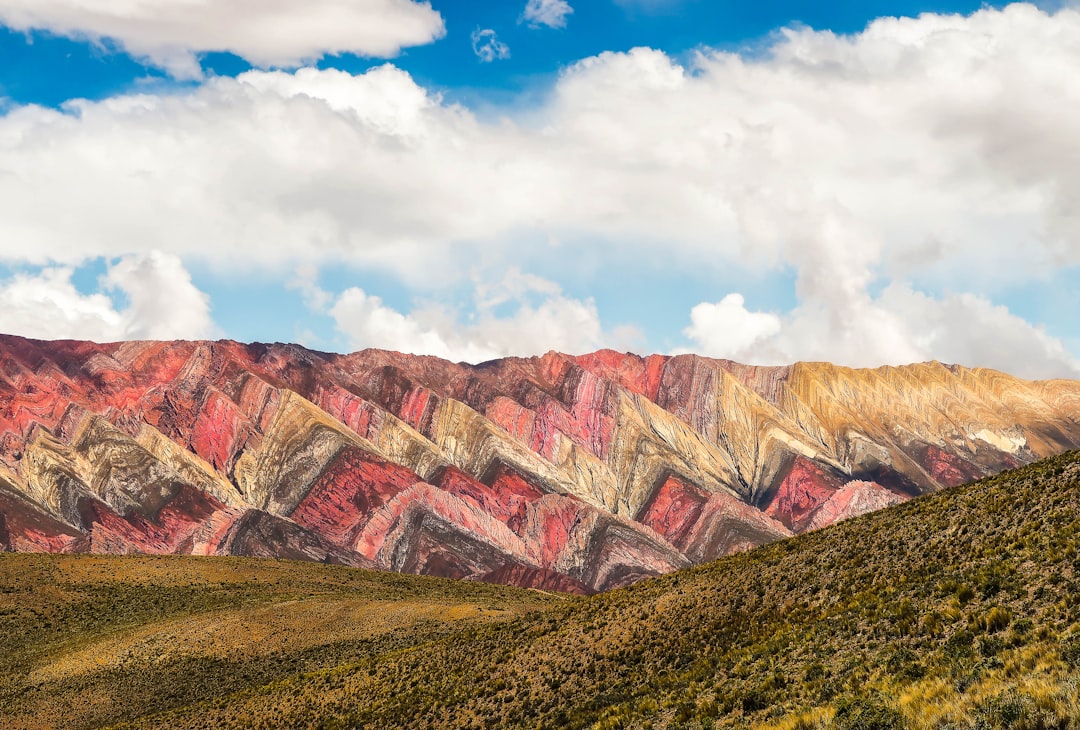
**Buenos Aires, Patagonia, and the Andean Northwest are non-negotiable.** Buenos Aires’ **San Telmo and Palermo** neighbourhoods are the cultural core — tango, beef, and architecture that rivals Paris. Patagonia’s **Los Glaciares National Park** and the trekking village of **El Chaltén** are bucket-list calibre for hikers. The Andean Northwest — specifically the **Quebrada de Humahuaca**, a UNESCO World Heritage Site — delivers a completely different Argentina of colonial villages, llamas, and 14-colour mountain landscapes. My personal addition: **Mendoza province’s Valle de Uco** wine district is unmissable for any wine lover and rivals Napa Valley in quality at a fraction of the price. What surprised me: most travellers skip **Córdoba city**, Argentina’s second-largest city, which has a superb Jesuit heritage and a thriving food scene.
What are the tourist highlights of Argentina?
**The five non-negotiable highlights are Iguazú Falls, Perito Moreno Glacier, Buenos Aires, Mendoza wine country, and Ushuaia.** Iguazú’s **275 waterfalls** straddle the Brazil border — the Argentine side gives you walkways directly above the falls, which no guide elsewhere on earth matches. Perito Moreno is one of **only 3 advancing glaciers globally** and puts on a free calving spectacle daily. Buenos Aires’ **Teatro Colón** opera house is technically one of the top 5 opera venues in the world by acoustics. Ushuaia, the world’s southernmost city, is the departure point for **Antarctic cruises** and Tierra del Fuego hiking. My tip: combine Mendoza’s **Malbec wine route** with a crossing into Chile via the Andes — a single day drive that is visually extraordinary.
What experiences in Argentina are found nowhere else on earth?
**Four experiences are genuinely unique to Argentina.** First, watching **Perito Moreno Glacier calve** from a steel walkway 50 metres from the ice face — no other advancing glacier offers this access. Second, a traditional **asado on an estancia** in the Pampas, where a whole lamb slow-cooks over open fire for 5 hours while gauchos demonstrate horsemanship — **Estancia El Ombu** near San Antonio de Areco is my recommendation. Third, the UNESCO-listed **Quebrada de Humahuaca** landscape at dawn, when 14 geological layers of coloured rock glow before tour buses arrive at 9am. Fourth, a **milonga** (tango dance hall) in **Confitería Ideal** in downtown Buenos Aires — not a tourist show but a real social dance event where 70-year-olds lead beginners effortlessly.
Regions & Highlights
Which areas of Argentina are overcrowded — and what are quieter alternatives?
**El Calafate in January and Iguazú on weekends are the two most overcrowded spots.** The **Perito Moreno walkways** get so congested in January that you can barely move — visit in **April or November** for the same glacier with 70% fewer people. Iguazú’s Argentine side at 10am on a Saturday is a moving queue, not an experience — arrive at **8am on a weekday** when the park opens. My quieter alternatives: instead of El Calafate, spend extra time in **El Chaltén** (40 km away) where the trekking to Fitz Roy is free and the village has genuine character without tour-bus crowds. Instead of the standard Iguazú day trip, take the **Yacutinga Lodge** jungle experience **40 km from the falls** — wildlife-rich and tourist-free.
How many days do I need for Argentina?
**Minimum 14 days; 21 days is the ideal for a proper Argentina experience.** A 14-day itinerary covers Buenos Aires (**5 nights**), Mendoza (**3 nights**), and Patagonia (**6 nights** split between El Calafate and El Chaltén). Adding the Andean Northwest (Salta and Jujuy) requires **4 more days** minimum. Iguazú Falls deserves **2 nights** — one night on the Argentine side, one at the Brazilian hotel for the panoramic view. My honest caveat: Argentina’s vast distances mean you lose 1–2 days of your itinerary to transit even with domestic flights — budget for this rather than overpacking your schedule. What surprised me: 3 days in Buenos Aires feels rushed; **5–6 nights** is needed to properly explore beyond the tourist circuit.
Do I need a visa to visit Argentina?
**Citizens of the US, UK, EU, Canada, and Australia do not need a visa for stays under 90 days.** Argentina operates a visa-free agreement with over 80 countries, making it one of South America’s most accessible destinations. My tip: your passport must be valid for the duration of your stay — Argentina does not require 6 months validity beyond entry, unlike many countries. The caveat most guides omit: Argentina charges a **reciprocidad (reciprocity) fee** that has been suspended and reinstated multiple times based on diplomatic relations — in 2023 it was eliminated for US citizens, but always verify the current status at **Argentina’s official consulate website** before travel. Citizens of India, China, and most African nations require a visa obtained in advance from an Argentine embassy.
What languages are spoken in Argentina?
**Spanish is the sole official language, spoken by essentially 100% of the population.** Argentine Spanish is immediately distinctive — the **voseo** (use of ‘vos’ instead of ‘tú’) and the Italian-influenced intonation mark it as unique across the continent. In my experience, Buenos Aires is the most English-friendly city in South America — hotel staff, upscale restaurant servers, and tour operators in **Palermo and Recoleta** typically speak workable English. Outside Buenos Aires, English drops off sharply — in Patagonian towns like **El Chaltén** or the Northwest, Spanish is essential for anything beyond pointing at a menu. My tip: learn 20 key Argentine Spanish phrases before going — locals genuinely appreciate the effort and it transforms your interactions in markets, estancias, and local restaurants.
What cultural rules do I need to know before visiting Argentina?
**Three cultural rules will save you from embarrassing mistakes.** First, greetings are physical — Argentines greet with a **single kiss on the right cheek**, including between men in social settings. Extending a handshake to a local woman instead of a kiss signals cultural unfamiliarity. Second, dinner does not begin before **9pm** in Buenos Aires — restaurants opening at 7pm are empty by choice; showing up before 9pm labels you as a tourist. Third, never call Brazilians and Argentines the same — Argentine national identity is fierce and distinct. My honest caveat: **Fútbol (football) culture** is tribal and occasionally volatile — avoid wearing a club jersey of a rival team anywhere near a stadium on match day. Tipping is expected at **10–15%** and leaving nothing is considered rude, not frugal.
Practical Tips
How safe is Argentina for travellers?
**Argentina is one of South America’s safer destinations, but Buenos Aires requires street awareness.** I walked **Palermo, Recoleta, and San Telmo** at night without incident across multiple visits, but **La Boca** outside the Caminito tourist strip is genuinely unsafe after dark — no exceptions. **Express kidnapping** (brief abductions for ATM withdrawals) occurs in Buenos Aires, almost exclusively to people hailing unofficial taxis from the street — never do this. Use **Uber, Cabify, or radio taxis** called from your hotel. Patagonia, Mendoza, and the Northwest are calm and low-risk by any global standard. My tip: store a backup card and $100 USD in your accommodation safe, keep your phone in your front pocket in crowded areas, and you will have zero problems on 95% of an Argentine itinerary.
What health precautions should I take before visiting Argentina?
**Yellow fever vaccination is required if arriving from an endemic country; recommended for Iguazú.** The Argentine health ministry recommends yellow fever vaccination for travellers visiting **Misiones, Corrientes, and Entre Ríos** provinces where Iguazú Falls is located — get vaccinated at least **10 days before departure**. Altitude sickness is a real concern in the Andean Northwest — **Purmamarca sits at 2,324 metres** and some passes exceed 4,000 metres; ascend gradually and take **acetazolamide (Diamox)** if susceptible. Argentina’s public tap water is safe in Buenos Aires and most cities. My honest caveat: Argentina’s public health system is good but overwhelmed — purchasing **comprehensive travel insurance** covering medical evacuation is essential, particularly for remote Patagonia where a helicopter evacuation from the **Fitz Roy trekking area** can cost $15,000+ USD.
What SIM card or eSIM options are available in Argentina?
**Buy a Claro or Personal SIM at Ezeiza Airport arrivals immediately on landing.** A **10 GB data SIM** from **Claro Argentina** costs approximately $10–15 USD at the airport kiosk and covers 4G LTE across Buenos Aires, Mendoza, and most major cities. In my experience, coverage drops sharply in Patagonia — between **El Calafate and El Chaltén** expect dead zones for 30-minute stretches on the road. For eSIM users, **Airalo’s Argentina plan** offers 1 GB for $4.50 USD or 5 GB for $13 USD — convenient but the same underlying coverage limitations apply. My tip: download **offline Google Maps** for every region before leaving your hotel in Buenos Aires — cellular data is unreliable enough in rural Argentina that navigation without offline maps creates genuine problems on Ruta 40.
Which apps do you recommend for travelling in Argentina?
**Six apps are genuinely essential for Argentina travel.** **Uber and Cabify** for safe, fare-transparent transport in Buenos Aires — both work without Spanish needed. **Maps.me** with offline Argentina maps downloaded — more detailed than Google Maps offline for Patagonian trails. **Despegar.com** for domestic flight and bus booking (Argentina’s equivalent of Kayak, with better local inventory). **Mercado Pago** for cashless payments at markets and smaller vendors — set it up before arrival using a foreign card. **WhatsApp** is how Argentines communicate everything — restaurants take reservations via WhatsApp, tour operators confirm bookings on it, and guesthouses send check-in instructions through it. My tip: **Windy.com** is essential for Patagonia — it shows real-time wind speed at **Perito Moreno** and **Torres del Paine** so you can decide whether conditions are worth the transfer cost that day.
What are common traveller mistakes in Argentina?
**The five mistakes I see repeatedly from travellers in Argentina.** First, skipping the **blue-chip dollar rate** research before arrival and losing 30–40% of purchasing power by only using cards. Second, booking only **3 nights in Buenos Aires** — the city needs 5–6 to scratch the surface. Third, visiting **La Boca’s Caminito** and thinking you’ve seen the neighbourhood — it’s a tourist stage set; real Buenos Aires is in **Villa Crespo and Chacarita**. Fourth, underestimating Patagonia’s wind — a packable **windproof layer rated for 80 km/h** is not optional gear, it’s survival gear for the glacier walkways. Fifth, eating at the first **parrilla** near Plaza de Mayo — it will be overpriced and mediocre. Walk 8 blocks to any side street and the quality doubles while the price halves. What surprised me: travellers consistently underbook time in **Mendoza**, allocating 2 nights when the wine valleys alone justify 4.
Argentina at a Glance
| Population | 47,327,407 |
|---|---|
| Currency | Argentine convertible peso ($) |
| Official language | Spanish |
| Time zone | time in Argentina |
Source: Wikidata, retrieved August 2026.
Essential Resources for Planning Your Trip to Argentina
- Argentina Travel Advisory | Travel.State.gov — official visitor information, passes & events
- Wikipedia: Argentina — history, geography & background
- Wikivoyage: Argentina — community travel guide & practical tips
- Complete guide to Argentina – Lonely Planet | South America — expert itineraries & travel inspiration
- THE 15 BEST Things to Do in Argentina (2026) — hotels, restaurants & traveller reviews
- Travel to Argentina in 2024 – All You Need to Know — how to get around
- Numbeo: Cost of Living in Argentina — current prices & cost comparison
- Timeanddate: Argentina Weather & Climate — forecasts & climate statistics
More Perspectives on Argentina
- A First Timer’s Guide to Argentina
- What to do in Argentina: our highlights guide
- Argentina Travel Advisory | Travel.State.gov
Argentina Travel Videos
Watch these videos for a visual preview before your trip:
- Top 10 Places To Visit in Argentina – Travel Guide
- Wonders of Argentina | Most Amazing Places in Argentina | 4K Travel Guide
- ARGENTINA 101 | Everything You Need to Know Before Coming (31 tips)
Argentina Travel Discussions on Reddit
Real traveller experiences and community advice:
- What I wish I knew before going to Argentina : r/travel
- r/ArgentinaTravel
- Argentina…..MEH! : r/travel
Data Sources
This page was compiled using data from Wikipedia, Wikidata, Open-Meteo (climate), Numbeo (cost of living) and REST Countries. Information is updated regularly.