
Bulgaria: The Complete Travel Guide (2026)
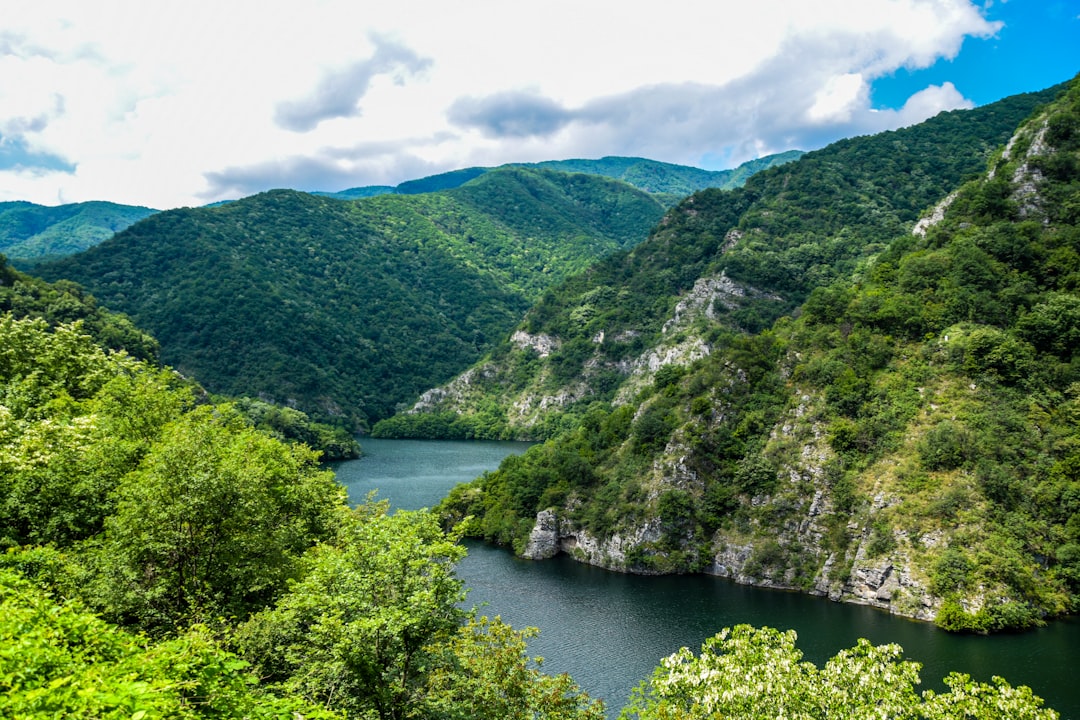
Bulgaria Travel Guide: Everything You Need to Know (2026)
Bulgaria, home to 6,423,207 people, sits at the crossroads of Southeast Europe where the Balkans meet the Black Sea coast — a country founded as the First Bulgarian Empire in 681 AD, making it one of Europe’s oldest states. The country spans 110,879 square kilometers, stretching from the Danube River in the north to the Rhodope Mountains in the south, packing extraordinary variety into a compact geography. What surprises most travelers is that Bulgaria remains one of the EU’s most affordable destinations, with costs running 40–60% below Western European averages.
Top 3 Highlights at a Glance
- Rila Monastery — UNESCO-listed monastery founded in the 10th century sits at 1,147m altitude with jaw-dropping frescoed archways.
- Plovdiv Old Town — Bulgaria’s second city hosts a Roman amphitheater built in 90 AD, still used for live concerts today.
- Black Sea Coast near Sozopol — Ancient Thracian town turned summer haven with 2,000-year-old ruins steps from sandy beaches.
Scroll down for our complete travel guide with tips on getting there, where to stay, costs and more.
Getting There & Transport
Which airports are the best entry points into Bulgaria?
**Sofia Airport (SOF)** is Bulgaria’s primary gateway, handling the vast majority of international traffic. In my experience, SOF is the best starting point for most itineraries — it connects to **30+ European cities** with carriers like Wizz Air, Ryanair, and Bulgaria Air. **Varna Airport (VAR)** is your best bet for Black Sea coast trips, especially in summer when charter flights from the UK, Germany, and Russia pack it out. **Plovdiv Airport (PDV)** handles seasonal charter traffic but has limited year-round scheduled routes. Warning most guides omit: SOF’s Terminal 1 is outdated and confusing — always confirm which terminal your airline uses before arrival, as they are not connected internally.
How do I get from the airport to my first accommodation in Bulgaria?
**Metro Line 1** from Sofia Airport to city center costs **1.60 BGN (≈€0.80)** and takes **20 minutes** — it is the smartest move. In my experience, the metro drops you at **Serdika Station**, walking distance from most central hotels. Official taxis from SOF should cost **10–15 BGN** to the center, but only use the **OK Supertrans** or **Yellow Taxi** dispatchers inside Arrivals — never accept offers from men approaching you in the terminal. From Varna Airport, official taxis to the city center run **15–20 BGN**. My tip: install the **Taxi Me** or **Bolt** app before landing to avoid overcharging entirely. Caveat: the metro does not run 24 hours — last service is around midnight.
What transport options are there within Bulgaria?
Bulgaria’s domestic transport is a patchwork of decent buses, slow trains, and affordable taxis. **National Express (Etap-Adress)** and **Biomet buses** connect Sofia to Plovdiv in **2 hours for 14 BGN**, and to Varna in **6.5 hours for 30 BGN** — these are far more reliable than trains. In my experience, Bulgarian **State Railways (BDZ)** are cheap but painfully slow — a Sofia-Plovdiv train takes **2.5 hours versus 2 hours by bus**, and rolling stock is often outdated. **Bolt** operates in Sofia, Plovdiv, and Varna and charges a fraction of unmetered taxis. What surprised me: intercity bus stations (**Central Bus Station Sofia**) can be chaotic with no central booking platform — buy tickets at the counter or use **bgrazpisanie.bg** to check schedules. Domestic flights exist but are rarely worth it given short distances.
Do I need a rental car to explore Bulgaria properly?
Yes, a rental car unlocks the best of Bulgaria — the Rhodopes, Pirin Mountains, and rural villages are nearly inaccessible otherwise. **Daily rental rates start at 35–50 BGN** for a compact car from **Europcar or Budget at SOF**. In my experience, the roads between Sofia and Bansko or Rila Monastery are well-maintained, but mountain roads to places like **Trigrad Gorge** are narrow and require confidence. Honest caveat most guides skip: Bulgarian drivers can be aggressive, particularly on **Trakia Motorway** (A1) — maintain distance and expect tailgating. Fuel costs roughly **2.40 BGN per liter**. If you are limiting yourself to the Sofia-Plovdiv-Varna triangle or staying in major cities, you can skip the car entirely. My tip: book rental cars at least **3 weeks ahead** in July-August as fleet availability drops sharply.
How good is the public transport network between regions of Bulgaria?
Between major cities, buses are genuinely reliable and comfortable. The **Sofia–Plovdiv corridor** is excellently served with buses every **30–40 minutes** throughout the day. However, the network fractures badly once you leave urban centers — reaching the **Valley of Roses near Kazanlak**, the **Rhodope villages**, or the **Danube Plain** without a car involves infrequent local buses with no English signage. In my experience, the train from **Sofia to Bansko requires a transfer at Septemvri** for the narrow-gauge line, taking nearly **5 hours** for 150 km — charming but impractical for time-limited travel. Regional bus services often stop running by **6:00 PM**. My recommendation: use the national bus network for city-to-city moves, then rent a car for rural exploration. The **bgrazpisanie.bg** website is essential for checking all timetables.
Accommodation
Which regions of Bulgaria should I stay in?
Stay in **Sofia** as your base for western Bulgaria — it gives access to Vitosha Mountain, Rila Monastery, and Plovdiv as a day trip. **Plovdiv’s Old Town (Kapana neighborhood)** is my personal favorite base: walkable, full of character, and central to the Thracian Valley, Rose Valley, and Rhodopes. For the Black Sea, base yourself in **Sozopol** rather than Sunny Beach — Sozopol has authentic atmosphere while Sunny Beach is a package-holiday strip with 2 AM karaoke. For mountain holidays, **Bansko** is Bulgaria’s premier ski and hiking resort at **925m altitude**, while **Koprivshtitsa** offers a perfectly preserved 19th-century Bulgarian Revival village experience with no tourist traps. Avoid spreading yourself too thin — Bulgaria’s road infrastructure means regional jumps eat more time than maps suggest.
What does good accommodation cost per night in Bulgaria?
Good mid-range accommodation in Bulgaria runs **€40–70 (80–140 BGN) per night** for a well-rated double room with breakfast. In my experience, the best-value stays are in **Plovdiv’s Kapana district** where boutique guesthouses charge **€45–60** and include homemade breakfast. In **Sofia’s center near Vitosha Boulevard**, three-star hotels average **€55–80**. Luxury stays at properties like **InterContinental Sofia** run **€130–180**. On the Black Sea, prices spike during July-August: a decent room in **Sozopol** hits **€70–100**, while package resorts like **Golden Sands** bundle accommodation and flights from the UK for less than the parts separately. Caveat: many smaller Bulgarian guesthouses do not appear on Booking.com — check **почивка.bg (pochivka.bg)** for locally listed rural properties that can be 30% cheaper.
When should I book hotels in Bulgaria — how far in advance?
For **July and August on the Black Sea coast**, book at least **3–4 months ahead** — good properties in Sozopol and Nessebar sell out by April. For Sofia and Plovdiv year-round, **2–3 weeks ahead** is sufficient except during major events. In my experience, the **Plovdiv Opera Nights festival in June** and **Bansko Jazz Festival in August** spike hotel prices by 40–60% with rooms selling out months ahead. Ski season at Bansko from **December to March** requires booking 6–8 weeks ahead for any reasonable apartment. My honest caveat: Bulgarian accommodation cancellation policies are often stricter than Western Europe — read the fine print before confirming, as many guesthouses charge **50% non-refundable deposits**. Last-minute deals appear in Sofia during November and early December when tourism drops sharply.
When is the best time to travel to Bulgaria?
**July, August, and September** are the best months based on verified climate data — and each serves a different purpose. July-August maximizes beach weather on the Black Sea with temperatures around **28–32°C** in Varna. September is my personal top pick: the coast quiets down, the Rhodope and Pirin mountains are perfect for hiking, grape harvest begins in **Thracian Valley wine country**, and prices drop 20–30%. Spring (**April–May**) is excellent for Plovdiv and Sofia sightseeing with mild temperatures and the **Rose Harvest Festival in Kazanlak** happening in early June. Avoid **February** for anything except ski tourism in Bansko — cities feel bleak and many coastal businesses shut entirely. What surprised me: Bulgarian winters are colder than many visitors expect, with Sofia averaging sub-zero nights and heavy snowfall above **800m**.
How does peak season affect prices in Bulgaria?
Peak season (July–August) inflates Black Sea coast prices dramatically — hotel rates jump **50–80%** compared to June. In my experience, a room in Sozopol that costs **€50 in May** hits **€90–110 in August**. Restaurant prices near **Sunny Beach** and **Golden Sands** double once the package-holiday crowds arrive, with cocktails hitting **€8–10** versus **€3–4** inland. Sofia and Plovdiv prices stay relatively stable year-round since these cities attract business travelers and cultural tourists rather than mass tourism. My caveat: what the brochures don’t say is that **Sunny Beach in August** becomes genuinely unpleasant — overcrowded, loud until 5 AM, and with noticeably lower food quality at inflated prices. The good news: even at peak Black Sea prices, Bulgaria remains 40% cheaper than comparable Greek or Croatian resorts.
Best Time to Visit
Which regions of Bulgaria have different climate zones?
Bulgaria’s topography creates four distinct climate zones in one compact country. The **Danube Plain in the north** has a continental climate — cold winters and hot, dry summers reaching **35°C**. The **Black Sea coast** enjoys a maritime influence that moderates temperatures and extends the warm season into October, with **Varna averaging 23°C in September**. The **Rhodope and Pirin mountains** in the south operate on an alpine schedule — Bansko at **925m** receives reliable snow from December to March and stays cool even in August at **17–19°C**. The **Upper Thracian Plain around Plovdiv** is Bulgaria’s warmest lowland region, pushing **38°C** in July — perfect for wine production. In my experience, this variety means you can ski in Bansko and sunbathe on the Black Sea within the same week, just **400km apart**.
What are the rainy seasons in Bulgaria?
Bulgaria does not have a single concentrated rainy season — precipitation distributes relatively evenly. The wettest months are **May and June**, when Atlantic fronts push east and afternoon thunderstorms hit the mountains and plains. In my experience, hiking in the **Pirin Mountains in late June** means packing rain gear because afternoon storms build fast after **2 PM** and can be severe. The **Black Sea coast** is drier in summer, with August typically the driest month. **November and December** bring grey, drizzly conditions to Sofia and Plovdiv that can last weeks — not ideal for sightseeing. What surprised me: Bulgaria’s mountain areas can receive snow as late as **April at elevations above 1,500m**, catching hikers off guard. My tip: September hits the sweet spot — storm season is winding down, sunshine is reliable, and the heat has broken.
What does a trip to Bulgaria cost per person per day?
A realistic daily budget in Bulgaria breaks down clearly by travel style. **Budget travelers** covering hostel beds in **Sofia’s Hostel Mostel**, bus transport, and market lunches can manage on **€25–35 per day**. Mid-range travelers with a private hotel room, sit-down meals, and a museum or two should budget **€60–90 per day**. A comfortable day with good restaurant dinners, a rental car, and a quality hotel runs **€120–160**. In my experience, food is where Bulgaria truly over-delivers — a full traditional lunch with **shopska salad, kavarma stew, and a beer** at a local **mehana (tavern)** costs **€8–12 per person**. The honest caveat: Black Sea resort areas in July-August break the budget model — tourist-facing restaurants there charge **2–3 times inland prices** for noticeably worse food.
How expensive is food in Bulgaria compared to the rest of Europe?
Food in Bulgaria is among the cheapest in the EU — a sit-down meal at a local restaurant costs **€6–10 per person** including a drink. In my experience, the best-value eating is at a traditional **mehana** in Plovdiv or the **Women’s Market area of Sofia**, where a three-course lunch hits **€10–12 including wine**. Street food like **banitsa (cheese pastry)** costs **0.80–1.20 BGN (€0.40–0.60)** from bakeries everywhere. A **500ml beer at a café** runs **2–3 BGN (€1–1.50)** outside tourist zones. Supermarket prices are equally low: a **1kg loaf of bread costs 1.50 BGN**, local yogurt (which is exceptional) runs **1.20 BGN per 400g**. The honest warning: tourist-facing restaurants near **Vitosha Boulevard in Sofia** or the Nessebar Old Town charge €14–20 for main courses — the moment you walk one street back, prices halve.
What hidden costs should I expect in Bulgaria?
Bulgaria’s low headline prices can disguise specific costs that add up. **Parking in Sofia center** costs **2–3 BGN per hour** in the Blue Zone and enforcement is active. Entry to top sights like **Rila Monastery’s main church** requires a **10 BGN photography fee** on top of the free entry — easily missed. My tip: many smaller mountain huts (**hizhas**) charge **2–5 BGN** for basic toilet facilities. **ATM fees** from Bulgarian banks (especially DSK and UniCredit) can hit **2–4 BGN per withdrawal** for foreign cards — use **Revolut** to avoid these. Travel insurance with winter sports cover for Bansko typically adds **€30–50** to a policy. What surprised me: tipping is genuinely expected in Bulgarian restaurants — **10% is standard** and rounding up does not count. Budget an extra **€5–10 per day** for incidentals to avoid running short.
Budget & Costs
How much cash should I bring to Bulgaria?
Bring enough cash for your first **24 hours (€50–80)** and withdraw the rest locally. Bulgaria uses the **Bulgarian Lev (BGN)**, pegged at **1.96 BGN per euro** — this fixed rate makes conversion easy. In my experience, cash is essential in rural areas: village guesthouses, mountain huts, local markets, and roadside mehanas rarely accept cards. Larger cities — **Sofia, Plovdiv, Varna** — are increasingly card-friendly, with supermarkets, most restaurants, and hotels accepting Visa and Mastercard. My tip: withdraw from **Postbank or Fibank ATMs** which typically charge no foreign transaction fee compared to DSK Bank. Avoid airport and hotel exchange counters — they charge **3–5% commission**. The **Central Exchange Office near Vitosha Metro Station** in Sofia offers competitive rates with zero commission. Never exchange money with street touts near **Vitosha Boulevard**.
Which credit cards are accepted in Bulgaria?
**Visa and Mastercard** are accepted at most hotels, larger restaurants, and shops in urban Bulgaria — contactless payments work reliably. In my experience, **American Express** is accepted at only **20–30% of establishments** even in Sofia, so do not rely on it as your primary card. **Google Pay and Apple Pay** work at modern terminals in supermarkets like **Billa, Kaufland, and Lidl** throughout the country. The critical caveat: outside Sofia, Plovdiv, and Varna, card acceptance drops sharply — **plan to carry 100–200 BGN cash** when heading to the Rhodope villages, Koprivshtitsa, or smaller Black Sea towns. Rural petrol stations sometimes accept cards but always have a backup. My recommendation: travel with **Revolut or Wise** as your primary card to avoid foreign transaction fees and use the pegged **1.96 BGN/EUR** rate to your advantage.
Which regions of Bulgaria must I not miss?
Four regions define a complete Bulgarian experience. **The Valley of Roses and Thracian Plain** around Kazanlak and Plovdiv combines Bulgaria’s oldest wine culture with the world’s largest rose-oil production — **70% of global rose oil** comes from this valley. **The Rhodope Mountains** are Bulgaria’s soul: deep gorges like **Trigrad**, medieval fortresses, and the ancient Thracian site of **Perperikon**. **Rila and Pirin National Parks** offer the highest peaks in the Balkans outside the Caucasus — **Musala at 2,925m** is a genuine mountain experience. The **Black Sea coast south of Burgas**, particularly **Sozopol and Sinemorets**, delivers beautiful beaches without the Sunny Beach nightmare. In my experience, Sofia deserves **2 full days minimum** for its layered Roman, Ottoman, and Soviet architectural history — most travelers give it half a day and leave having missed everything.
What are the top tourist highlights of Bulgaria?
Bulgaria’s highlights span 3,000 years of history compressed into accessible geography. **Rila Monastery** (UNESCO, founded 10th century) at **1,147m** is non-negotiable. **Plovdiv’s Ancient Theatre**, a **6,000-seat Roman amphitheater** from 90 AD still hosting concerts, ranks among Europe’s best-preserved. The **Thracian Tomb of Kazanlak** (UNESCO) is one of the finest examples of Hellenistic art in the Balkans, dating to the **4th century BC**. **Boyana Church** on the outskirts of Sofia contains 13th-century frescoes so refined they predate Italian Renaissance painting by 50 years. My tip: do not skip **Nessebar Old Town** on the Black Sea — a UNESCO-listed peninsula with Byzantine churches and wooden houses, best visited in the **early morning before 9 AM** when day-trippers arrive. What surprised me: Bulgaria has **10 UNESCO World Heritage Sites** — more than many travelers expect.
What experiences in Bulgaria are found nowhere else on earth?
Three experiences are genuinely unique to Bulgaria. First: witnessing the **Rose Harvest in Kazanlak’s Rose Valley in late May to early June** — at dawn, pickers harvest **Rosa damascena** in fields stretching to the horizon, and the scent is indescribable. Bulgaria produces **3 tons of rose oil annually**, used in 70% of the world’s perfumes. Second: the **Nestinarstvo fire-dancing ritual** in the villages of **Balgari and Bulgari** near Strandzha — participants dance barefoot on hot embers in a trance state during the **SS Constantine and Helena festival on June 3–4**. Third: soaking in **mineral spring baths at Velingrad** — the town sits above **80+ hot mineral springs** with temperatures reaching **91°C**, and public baths charge as little as **3–5 BGN per entry**. In my experience, none of these can be replicated elsewhere and all three require deliberate planning to witness.
Regions & Highlights
Which areas of Bulgaria are overcrowded — and what are the quieter alternatives?
**Sunny Beach** is Bulgaria’s most overcrowded destination — **350,000 tourist beds** packed into a 9km strip, with queues, noise, and overpriced mediocrity dominating July-August. My recommendation: stay in **Sozopol** or **Sinemorets** instead — both are 30–60km south, retain authentic Bulgarian character, and have uncrowded beaches even in August. **Rila Monastery on weekends in summer** gets genuinely packed — go on a **Tuesday or Wednesday before 10 AM** to have the frescoed courtyard almost to yourself. **Vitosha Boulevard in Sofia** is a tourist-trap corridor — locals eat on **Rakovski Street** and in **Lozenets neighborhood** instead. The **Pirin Mountains near Gotse Delchev** and the **Eastern Rhodopes around Kardzhali** see a fraction of the tourists that hit Bansko and Pamporovo, yet offer equally dramatic landscapes and much better authenticity.
How many days do I need to see Bulgaria properly?
**10–14 days** gives you a genuine, unhurried Bulgarian experience. My recommended structure: **2 days in Sofia**, **2–3 days in Plovdiv with a Rose Valley day trip**, **1 day at Rila Monastery**, **2 days in the Rhodopes** (Trigrad, Bachkovo Monastery), and **3–4 days on the Black Sea coast** around Sozopol. In my experience, travelers who spend fewer than **7 days** leave having seen monuments but missed the culture — the real Bulgaria reveals itself in slow evenings at a mehana, hiking above **2,000m** in the Pirin, or attending a village festival. A **5-day rush** is enough for Sofia and Plovdiv only. What surprised me: distances look short on the map but mountain roads add serious time — **Sofia to Trigrad Gorge is technically 200km but takes 3.5 hours** on winding roads. Budget generously for driving time.
Do I need a visa to enter Bulgaria?
**EU, EEA, and US, Canadian, Australian citizens do not need a visa** — you enter with a passport valid for at least 6 months beyond your travel date. Bulgaria joined the **Schengen Area on January 1, 2025**, meaning EU citizens can now cross borders without passport checks. In my experience, British citizens (post-Brexit) can stay **90 days in any 180-day period** without a visa under the standard Schengen rules. Citizens of **Russia, China, India, and most African nations** require a Bulgarian visa applied for at an embassy in advance — processing takes **10–15 business days**. The honest caveat most travelers don’t know: despite Schengen membership, some **land border crossings with Serbia and North Macedonia** can still experience **1–3 hour waits** due to non-Schengen neighbors on the other side. Always check the **Bulgarian Ministry of Foreign Affairs website** for your specific nationality.
What languages are spoken in Bulgaria?
**Bulgarian** is the official language, written in Cyrillic script — learning to read Cyrillic takes about **2 hours** and makes navigation dramatically easier. In my experience, **English is widely spoken in Sofia, Plovdiv, and coastal resorts** among people under 40, but drops off sharply in rural areas and among older generations. Hotel and restaurant staff in major cities manage English confidently. **German and Russian** are also common in tourist areas, reflecting historic visitor patterns. The honest caveat: menus in rural mehanas and village markets are often **Cyrillic-only** with no pictures — bring **Google Translate’s camera feature** and it solves 90% of problems. My tip: learning five Bulgarian words — **mersi (thanks), molya (please), izvinete (excuse me), da (yes), ne (no)** — generates extraordinary goodwill from locals who genuinely appreciate any effort with their language.
What cultural rules do I need to know before visiting Bulgaria?
Bulgaria’s most disorienting cultural rule: **nodding means NO and shaking your head means YES** — the exact opposite of Western convention. This is not a joke — I have personally ordered the wrong dish, declined correct change, and caused real confusion before internalizing this. Confirm verbally with ‘da’ or ‘ne’ until it becomes automatic. **Shoes off** is expected when entering someone’s home — always. Orthodox churches require **covered shoulders and knees** for both genders; carry a scarf. **Tipping 10%** is expected in restaurants — Bulgarians are direct and will notice if you don’t. What surprised me: Bulgarians are initially reserved with strangers but extraordinarily hospitable once trust is established — accepting **homemade rakia (brandy)** when offered is both culturally correct and genuinely enjoyable. Refusing repeatedly is considered rude. Photography inside many Bulgarian Orthodox churches requires a **separate 5–10 BGN fee**.
Practical Tips
How safe is Bulgaria for travelers?
Bulgaria is genuinely safe for tourists — **violent crime against visitors is rare**. In my experience, the main risks are petty theft and scams rather than personal danger. **Pickpocketing on Sofia’s Metro Line 1** and in crowded **Vitosha Boulevard** is real — keep valuables in front pockets. The **Yellow Taxi scam at Sofia Airport** is the most documented tourist trap: unofficial drivers quote fares in euros then convert at fabricated rates, charging **€30–40** for an **€8 trip** — only use **OK Supertrans** or **Bolt**. Road safety is Bulgaria’s most serious concern — the country has one of the EU’s highest road fatality rates, particularly on **rural national roads at night**. My honest advice: avoid driving after dark outside cities. **Stray dogs** in rural areas and some Sofia neighborhoods can be aggressive — give them wide berth. Overall, Bulgaria scores well for safety relative to its price point.
What health precautions should I take before traveling to Bulgaria?
**No mandatory vaccinations** are required for Bulgaria, but I recommend being up to date on **hepatitis A, tetanus, and routine vaccines** before traveling. In my experience, tap water in Sofia and major cities is safe to drink — tested regularly and perfectly drinkable. Rural mountain spring water is also generally safe. **Tick-borne encephalitis** is a genuine risk in forested areas of the **Rhodopes and Strandzha** from April to November — if you plan serious hiking, the vaccine requires **2 doses spaced 1–3 months apart** so plan ahead. **European Health Insurance Cards (EHIC)** cover EU citizens for emergency treatment at Bulgarian public hospitals. Private travel insurance with **€50,000+ medical evacuation cover** is worth the **€30–50 cost** — public hospital facilities outside Sofia can be basic. Pharmacies (**apteka**) are well-stocked throughout cities and open until **9–10 PM**, often with English-speaking staff.
What SIM card or eSIM options are available in Bulgaria?
**A2 Mobile, Yettel (formerly Telenor), and Vivacom** are Bulgaria’s three main carriers — all offer tourist SIMs at SOF Airport and city-center shops. In my experience, a **Yettel prepaid SIM with 10GB data costs 20 BGN (≈€10)** and activates in **10 minutes** — coverage is solid across Sofia, Plovdiv, Varna, and main highways. **Vivacom has the best mountain coverage** and is my recommendation if you plan hiking in the Rhodopes or Pirin. For eSIM users, **Airalo’s Bulgaria eSIM offers 3GB for €5** and can be activated before departure — convenient but slightly pricier per GB than a physical SIM. The honest caveat: deep mountain valleys like **Trigrad Gorge** have zero signal on all networks, so download offline maps on **Maps.me or Google Maps** before heading into the Rhodopes. Roaming within the EU is free for EU-issued SIMs.
Which apps do you recommend for traveling in Bulgaria?
**Bolt** is non-negotiable — it covers ride-hailing in Sofia, Plovdiv, and Varna and eliminates taxi scams entirely. **bgrazpisanie.bg** (also as an app) is the only reliable source for bus and train schedules across Bulgaria — bookmark it before you arrive. **Maps.me** with Bulgaria downloaded offline is essential for mountain areas without signal. **Google Translate** with Bulgarian downloaded for offline camera use solves Cyrillic menus in seconds. For accommodation, **Booking.com** works well for cities but **Airbnb** has strong inventory in coastal areas. My tip: **Waze** works reliably for Bulgarian road navigation and gives real-time speed camera warnings — relevant because **mobile speed cameras on A1 Trakia Motorway** are aggressively deployed and fines start at **100 BGN**. What surprised me: Bulgaria has no single dominant food delivery app — **Glovo** covers Sofia and Plovdiv most reliably.
What are the most common traveler mistakes made in Bulgaria?
The biggest mistake is **spending too much time in Sofia** at the expense of Plovdiv and the countryside — most travelers reverse this after their first visit. Second: **booking accommodation in Sunny Beach** thinking it represents Black Sea Bulgaria — it does not. Third: **underestimating driving times** on mountain roads — Google Maps shows straight-line distances that bear no relation to actual road times in the Rhodopes. Fourth: **not carrying cash** when leaving the cities. Fifth: **ignoring the head shake/nod reversal** (nodding = no) which causes real miscommunications, especially when confirming orders or directions. In my experience, tourists also consistently **overlook Bulgarian wine** — the **Thracian Valley produces world-class Mavrud and Rubin varietals** costing **8–15 BGN per bottle** in supermarkets. Final caveat: do not rely on **English-language opening hours** listed on Google for smaller museums — Bulgarian holidays and off-season closures are poorly updated online, and showing up on a **Monday** typically means closed doors.
Bulgaria at a Glance
| Population | 6,423,207 |
|---|---|
| Currency | EUR (€) |
| Official language | Bulgarian |
| Time zone | UTC+02:00 |
Source: Wikidata, retrieved August 2026.
Essential Resources for Planning Your Trip to Bulgaria
- Visit Bulgaria – Official Tourism Portal of Bulgaria — official visitor information, passes & events
- Wikipedia: Bulgaria — history, geography & background
- Wikivoyage: Bulgaria — community travel guide & practical tips
- Bulgaria travel – Lonely Planet | Europe — expert itineraries & travel inspiration
- THE 15 BEST Things to Do in Bulgaria (2026) — hotels, restaurants & traveller reviews
- Bulgaria Travel Guide: Everything you need to know — how to get around
- Numbeo: Cost of Living in Bulgaria — current prices & cost comparison
- Timeanddate: Bulgaria Weather & Climate — forecasts & climate statistics
- 00301-EN-WORD.doc
More Perspectives on Bulgaria
- Bulgaria Travel Guide by Rick Steves
- Tips for traveling Bulgaria? : r/bulgaria
- Bulgaria Travel Tips and Useful Info
Bulgaria Travel Videos
Watch these videos for a visual preview before your trip:
- Bulgaria
- 12 Best Places That Prove Bulgaria Is Europe’s Most Underrated Country 🇧🇬 | Bulgaria Travel Guide
- THINGS TO KNOW BEFORE YOU GO TO BULGARIA
Bulgaria Travel Discussions on Reddit
Real traveller experiences and community advice:
- Bulgaria – the most underrated country in Europe : r/travel
- Travelling to Bulgaria : r/AskBulgaria
- Trip Report: 6 Days in Bulgaria : r/solotravel
Data Sources
This page was compiled using data from Wikipedia, Wikidata, Open-Meteo (climate), Numbeo (cost of living) and REST Countries. Information is updated regularly.