
Japan: The Complete Travel Guide (2026)
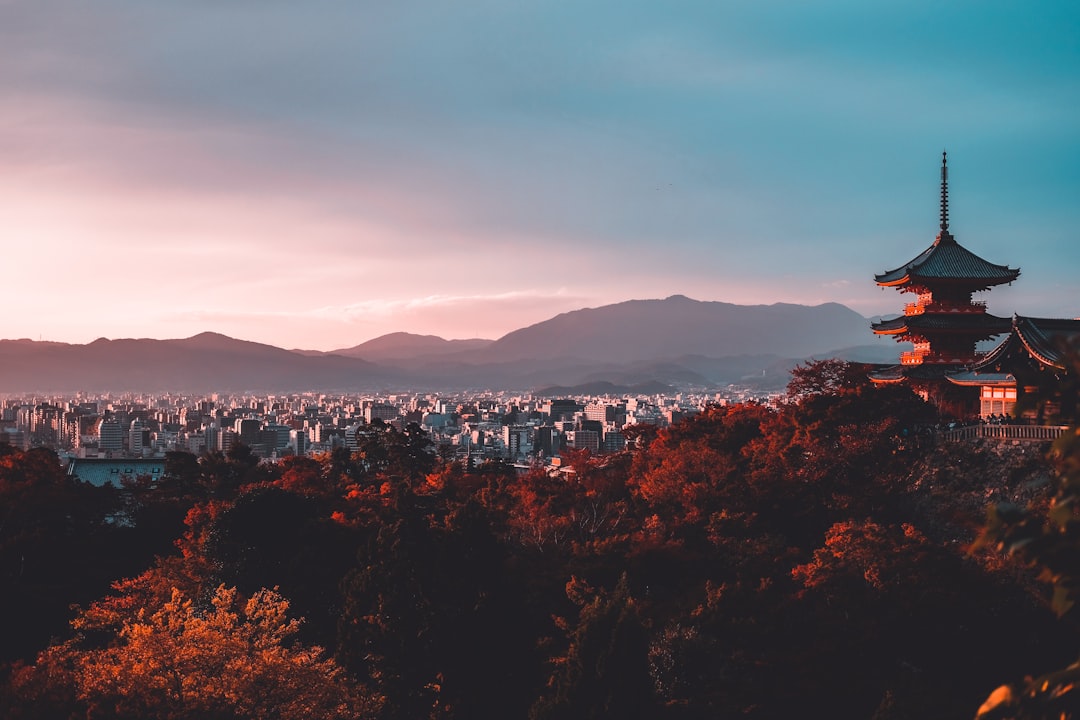
Japan Travel Guide: Everything You Need to Know (2026)
Japan is an archipelago of over 14,000 islands with a population of 125,570,246, stretching across four major landmasses — Hokkaido, Honshu, Shikoku, and Kyushu. Tokyo, the capital, sits at sea level and is home to 37 million people in its greater metro area, making it the world’s most populous urban agglomeration. The country spans approximately 3,000 km from north to south, giving it one of the most dramatic climate ranges of any single-country itinerary on Earth.
Top 3 Highlights at a Glance
- Fushimi Inari Taisha, Kyoto — Over 10,000 vermillion torii gates wind 4 km up a sacred mountain — completely free to enter at any hour.
- Shinkansen Ride: Tokyo to Osaka — The 515 km journey takes just 2 hours 22 minutes at 320 km/h with Mount Fuji visible on clear days.
- Dotonbori, Osaka — Japan’s most electric street-food district packs takoyaki, ramen, and neon signage into one unmissable canal-side strip.
Scroll down for our complete travel guide with tips on getting there, where to stay, costs and more.
Getting There & Transport
Which airports are the best entry points into Japan?
**Tokyo Narita (NRT)** and **Tokyo Haneda (HND)** are your two primary gateways. In my experience, **Haneda** is the superior choice — it sits just **14 km from central Tokyo**, while Narita is **66 km out** and adds cost and travel time. For western Japan, fly directly into **Osaka Kansai (KIX)**, which puts you instantly in range of Kyoto, Nara, and Hiroshima. **Fukuoka (FUK)** is underrated as an entry point if you plan to explore Kyushu first. My tip: avoid routing through Narita if you can help it — the limousine bus can take **90 minutes in traffic**, and that’s before you’ve even started your trip.
How do I get from the airport to my first accommodation in Japan?
From **Haneda**, take the **Tokyo Monorail** to Hamamatsucho in **18 minutes for ¥500**, or the Keikyu Line direct to Shinjuku. From **Narita**, the **Narita Express (N’EX)** reaches Shinjuku in **90 minutes for ¥3,070** — the IC card pre-loaded with ¥1,000 makes this seamless. From **Kansai (KIX)**, the **Haruka Express** to Kyoto Station takes **75 minutes for ¥2,850**. What surprised me: taxis from any Japanese airport are eye-wateringly expensive — a cab from Narita to central Tokyo runs **¥20,000–¥25,000**. Always use rail. Buy a **Suica or ICOCA IC card** at the airport vending machine — it works on almost every train and bus in Japan.
What transport options are there within Japan?
Japan’s transport network is the best-engineered on the planet. The **Shinkansen bullet train** connects major cities at up to **320 km/h** — Tokyo to Kyoto in **2 hours 15 minutes**. Within cities, subway systems in **Tokyo, Osaka, and Sapporo** are punctual to the second. For rural areas, local JR lines and private railways fill the gaps. IC cards (**Suica, ICOCA, Pasmo**) work across nearly all urban transit. My tip: the **JR Pass** (currently around **¥50,000** for 14 days) is worth it only if you’re doing multiple Shinkansen legs — do the math before you buy. Buses are cheap but slow, and domestic flights between islands like **Okinawa** are genuinely necessary.
Do I need a rental car in Japan?
**No for cities, yes for rural areas** — this is a firm answer. In Tokyo, Osaka, and Kyoto, a car is a liability: parking costs **¥400–¥800 per hour** and traffic is brutal. However, for **rural Hokkaido**, the **Noto Peninsula**, or inland **Tohoku**, a rental car transforms the trip. I drove through Hokkaido’s Furano lavender fields in July — impossible to replicate by train. Rental costs average **¥5,000–¥8,000 per day** from companies like **Nissan Rent-a-Car**. You need an **International Driving Permit** — Japan does not accept foreign licences alone. Warning most guides skip: Japanese GPS systems are often only in Japanese, so download **Maps.me** offline before you collect the car.
How good is the public transport network between regions of Japan?
Between major regions, Japan’s inter-city transport is **world-class**. The **Tokaido Shinkansen** running Tokyo–Nagoya–Kyoto–Osaka is the busiest high-speed rail corridor on Earth, with trains departing every **10–15 minutes**. The **Sanyo Shinkansen** extends this to Hiroshima and Fukuoka. Hokkaido is reachable by Shinkansen through the **Seikan Tunnel** to **Hakodate**, though Sapporo’s extension opens fully in 2031. Shikoku and Okinawa require ferries or flights. In my experience, the honest caveat is that deep rural prefectures like **Akita or Shimane** have infrequent local trains — a bus or rental car becomes necessary. Never assume a town on the map has hourly train service; check **Hyperdia** before planning.
Accommodation
Which regions of Japan should I stay in?
**Kyoto’s Higashiyama district** for traditional Japan, **Tokyo’s Shinjuku or Asakusa** for urban immersion, and **Osaka’s Namba** for food and nightlife are the classic trio. I recommend **Kanazawa** as your fourth base — it delivers Kyoto-level heritage with **5% of the tourist crowds**. For nature, **Nikko** (2 hours from Tokyo), **Hakone** (for Mount Fuji views), and **Hiroshima/Miyajima** round out a complete itinerary. Avoid basing yourself in **central Tokyo only** — Japan’s regional diversity is the point of the trip. My tip: stay at least **2 nights in Kyoto** to get beyond the day-tripper crowds at Arashiyama and actually feel the city slow down after 8 PM.
What does good accommodation cost per night in Japan?
**Budget to mid-range runs ¥6,000–¥18,000 per night** depending on city and style. A clean **business hotel** like a **Toyoko Inn** room in Osaka costs around **¥8,000 single**. A solid 3-star hotel in Tokyo’s **Shinjuku** runs **¥15,000–¥22,000**. A traditional **ryokan with two meals included** starts at **¥25,000 per person** in places like **Kinosaki Onsen**. Capsule hotels in **Asakusa** cost as little as **¥3,500 per night** and are genuinely comfortable for solo travellers. The honest warning: prices in Tokyo have surged **30–40% since 2023** due to the weak yen driving record tourism. Book anything under ¥15,000 in Tokyo early — those rooms disappear 6 months out in peak season.
When should I book hotels in Japan — how far in advance?
**Book 3–6 months ahead for peak periods, 4–8 weeks for off-peak.** Cherry blossom season (**late March to mid-April**) and autumn foliage (**mid-November**) are the hardest periods — I’ve seen ryokans in Kyoto fully booked **8 months in advance** for late March weekends. The **Golden Week** holiday block (late April to early May) is a blackout period for last-minute travellers. **Booking.com** and **Jalan** (Japan’s domestic platform) are your two best tools. My tip: if you find a cancellation policy of 2–3 days before arrival, book it immediately as a placeholder and keep searching for better options — Japanese hotels honour cancellations meticulously and rarely charge no-show fees outside the stated policy window.
When is the best time to travel to Japan?
**March to May and October to November** are the classic sweet spots, but August deserves serious consideration. Climate data confirms **August** as statistically optimal for many regions — particularly **Hokkaido**, which is comfortably cool at **22°C** while the rest of Japan bakes. Cherry blossom season (late March–April) is spectacular but brutally crowded. In my experience, **early November** is Japan’s most underrated month: autumn foliage peaks in **Nikko and Kyoto**, crowds thin compared to spring, and the weather holds at a perfect **15–20°C**. Summer in Tokyo (July–August) means **34°C+ heat and humidity** that exhausts even experienced travellers. Avoid January in most regions unless you’re skiing **Niseko’s 15-metre annual snowfall**.
How does peak season affect prices in Japan?
**Prices spike 40–80% during cherry blossom and Golden Week.** A **¥12,000 hotel room** in Kyoto’s **Gion district** in February becomes **¥20,000+ in late March** for the exact same room. Domestic flights to **Okinawa** double during Golden Week (April 29–May 5). What most guides omit: the weak yen has compressed Japan’s price advantage significantly — international visitors are paying more in real terms than 5 years ago, while Japanese domestic travellers increasingly avoid tourist hotspots due to overtourism. My tip: book the **Shinkansen at least 1 month ahead** during peak seasons using the **EX Reservation app** — reserved seats sell out and standing on a 2-hour bullet train is genuinely unpleasant.
Best Time to Visit
Which regions of Japan have different climate zones?
**Japan spans 5 distinct climate zones across its 3,000 km length.** **Hokkaido** in the north has subarctic winters with snow from November through April — **Sapporo** averages **-8°C** in January. Central Honshu (**Tokyo, Kyoto, Osaka**) has a humid subtropical climate with scorching summers and mild winters. The **Sea of Japan coast** (Kanazawa, Toyama) receives extraordinary winter snowfall due to cold Siberian winds — **Shirakawa-go** villages regularly hit **2 metres of snow depth**. The **Pacific coast** of Kochi and Wakayama is warm year-round and subtropical. **Okinawa**, 1,500 km south of Tokyo, is fully tropical with a rainy season from May to June and typhoon risk through October.
What are the rainy seasons in Japan?
**Japan has two distinct rainy periods.** The **tsuyu (梅雨) rainy season** runs from **early June to mid-July** across Honshu, Shikoku, and Kyushu — bringing persistent drizzle for weeks at a time, particularly in **Kyoto and Tokyo**. Rainfall averages **180–220 mm per month** during peak tsuyu. Hokkaido largely escapes tsuyu and stays dry in June, making it an excellent escape. The second wet period is **typhoon season (August–October)**, most severe in **Okinawa and Kyushu**. Typhoons can cancel ferries to **Miyajima** and shut **Fuji-san trails** for days. My honest warning: June is rarely mentioned as a bad time in guidebooks, but 14 consecutive grey drizzly days in Kyoto will wear you down — factor this into your planning.
What does a trip to Japan cost per person per day?
**Budget ¥8,000–¥12,000/day, mid-range ¥18,000–¥30,000/day, comfort ¥40,000+/day.** A budget day covers a capsule hotel (¥3,500), convenience store meals from **7-Eleven or Lawson** (¥1,500 total), and subway rides (¥800). A mid-range day in **Tokyo** with a business hotel, one sit-down ramen lunch at **Ichiran** (¥1,000), a museum entry, and an izakaya dinner comfortably hits ¥22,000. The hidden budget-killer is **transport between cities** — a Tokyo–Kyoto–Hiroshima–Osaka loop on Shinkansen costs roughly **¥35,000–¥40,000** in tickets alone. In my experience, most Western travellers underestimate Japan by 25–30% because they don’t pre-calculate their rail costs before departure.
How expensive is food in Japan?
**Japan is one of the best-value food destinations on Earth at the street level.** A bowl of ramen at **Ichiran (Shinjuku)** costs **¥1,100**, a conveyor-belt sushi lunch at **Kurazushi** runs **¥1,500–¥2,500**, and a full bento from **Lawson convenience store** is **¥600**. Mid-range restaurant dinners average **¥2,500–¥4,500 per person without drinks**. What surprises most visitors: alcohol at izakayas in **Osaka’s Namba** is actually affordable — draft beer from **¥400**. The honest caveat: high-end dining escalates fast — a **kappo or omakase** dinner at a multi-star restaurant in Ginza can cost **¥30,000–¥80,000 per person**. But you’ll never go hungry on a budget — Japan’s convenience stores serve genuinely excellent food at any hour.
What hidden costs should I expect in Japan?
**Three costs consistently blindside first-time visitors to Japan.** First, **coin lockers at train stations** (¥400–¥900 per day) become essential when lugging luggage between cities — budget ¥3,000+ for a 2-week trip. Second, **onsen entry fees**: a public bathhouse in **Kinosaki Onsen** charges ¥800 per bath, and if you visit 3 baths daily for 2 days, that’s ¥4,800 before accommodation. Third, **temple and garden entry fees** add up fast in Kyoto — **Kinkaku-ji (¥500), Ryoan-ji (¥600), Arashiyama Bamboo Grove (free) but the surrounding Tenryu-ji garden (¥500)** — a single Kyoto sightseeing day easily hits ¥3,500 in admission alone. My tip: buy the **Kyoto sightseeing pass** if visiting 4+ paid sites.
Budget & Costs
How much cash should I bring to Japan?
**Bring or withdraw ¥50,000–¥80,000 cash for a 2-week trip** alongside card access. Japan is more cashless than it was in 2019, but rural **onsen towns, small temples, and local izakayas** still run cash-only. **7-Eleven ATMs** accept all major international cards and work **100% of the time** — I’ve never had one fail. ATMs at **Japan Post offices** are also reliable. Avoid airport exchange counters — their rates are typically 3–5% worse than **7-Eleven’s interbank-adjacent rate**. The caveat most guides omit: some high-end ryokans still require cash payment on checkout even if you booked by card, so ask in advance. Keep ¥10,000 in small bills at all times for vending machines, shrines, and toll roads.
Which credit cards are accepted in Japan?
**Visa and Mastercard are accepted most widely; American Express has gaps.** Department stores like **Takashimaya and Isetan**, chain restaurants like **Yoshinoya**, and convenience stores accept all major cards. However, independent restaurants in **Gion (Kyoto)**, rural guesthouses, and many **sento bathhouses** remain strictly cash-only in 2026. **IC cards (Suica/ICOCA)** now function as contactless payment at convenience stores, vending machines, and even some taxis — load ¥10,000 on arrival and top up at any station machine. My honest warning: **JCB** is the domestic card brand and gets special discounts at some venues — if your bank offers a JCB partnership, it’s worth having for Japan specifically. Never rely solely on card; you will hit a cash-only wall somewhere.
Which regions of Japan must I not miss?
**The Kansai region (Kyoto–Osaka–Nara) is non-negotiable.** Beyond the obvious, I’d add **Hiroshima and Miyajima Island** — the floating torii gate of **Itsukushima Shrine** at high tide is one of Japan’s most genuinely moving sights. **Hakone** (90 minutes from Tokyo) offers open-air art museums and Fuji views without the crowds of the mountain itself. **Kanazawa** on the **Sea of Japan coast** gives you samurai districts, the **Kenroku-en garden** (one of Japan’s top 3 ranked gardens), and exceptional seafood without the tourist queues of Kyoto. For the adventurous: **Tohoku region** — particularly **Yamadera temple** carved into a cliff face — is criminally undervisited by international travellers and feels like Japan 20 years ago.
What are the tourist highlights of Japan?
**The top verified draws are: Mount Fuji, Kyoto’s temple circuit, and Tokyo’s electric neighbourhoods.** **Fushimi Inari Taisha** (Kyoto) — 10,000 torii gates, free, open 24 hours — remains Japan’s single most photographed location. **Shibuya Crossing** in Tokyo handles **3,000 pedestrians per light cycle** and is genuinely staggering in person. **Hiroshima Peace Memorial Museum** (¥200 entry) is profound and essential. **Arashiyama Bamboo Grove**, the **Nishiki Market** in Kyoto, and **Dotonbori in Osaka** complete most first-timers’ lists. What I’d add that guides underplay: **Naoshima Island** in the Seto Inland Sea — an art island with **Yayoi Kusama installations** and a Tadao Ando-designed museum, reachable by ferry from Uno Port in **20 minutes for ¥130**.
What experiences are found nowhere else but Japan?
**Four experiences are genuinely unreplicable outside Japan.** First, **sleeping in a traditional ryokan** with futon bedding, multi-course kaiseki dinner, and private onsen — try **Nishimuraya Honkan in Kinosaki Onsen**, a 130-year-old inn. Second, attending a **sumo basho (tournament)** — Tokyo’s **Ryogoku Kokugikan** hosts 3 tournaments annually, tickets from **¥2,200**. Third, the **convenience store culture**: a 3 AM onigiri from Lawson during a rainstorm in Osaka is somehow deeply Japanese. Fourth, **Onsens in snow (rotenburo)**: sitting in a **45°C outdoor bath at Noboribetsu** while snowflakes fall on you in February — nothing in Europe or the Americas comes close to this specific, deeply restorative experience.
Regions & Highlights
Which areas of Japan are overcrowded — and what are the quieter alternatives?
**Kyoto’s Arashiyama and Fushimi Inari are the most overcrowded sites in Japan.** Arashiyama Bamboo Grove at 10 AM in April is a wall of selfie sticks — I’ve walked it at **6 AM** in complete solitude. Alternatives that genuinely deliver: **Ohara village** (30 minutes north of Kyoto by bus, ¥530) has Sanzen-in temple in a moss garden with perhaps 50 visitors on a weekday. **Nara’s Isuien Garden** outshines Arashiyama for atmosphere with a fraction of the crowds. For a Kyoto alternative entirely, **Matsue** in Shimane prefecture has feudal castle, samurai districts, and Lake Shinji — and sees roughly **2% of Kyoto’s visitor numbers**. Tokyo’s **Yanaka neighbourhood** gives you old shitamachi atmosphere without a tourist in sight.
How many days do I need for Japan?
**14 days is the minimum to do Japan proper justice; 21 days is ideal.** A **10-day trip** can cover Tokyo (3 nights), Kyoto (3 nights), and Osaka (2 nights) with day trips to Nara and Hiroshima — tight but doable. With **14 days**, add Hakone, Kanazawa, or Hiroshima as a standalone night. At **21 days**, you can meaningfully add Hokkaido, Kyushu, or a deeper dive into rural Tohoku. The honest caveat most itineraries skip: **travel days cost you half a day** even on the Shinkansen — factor rest days into any trip over 10 days or jet lag and temple fatigue will hit hard around day 8. I always build in **1 unplanned day per week** in Japan — something unexpected always fills it.
Do I need a visa for Japan?
**Citizens of 68 countries enter Japan visa-free for 90 days**, including the US, UK, EU nations, Australia, Canada, and New Zealand. You receive a tourist stamp on arrival — no pre-registration required as of 2026 for most nationalities. However, Japan introduced a **tourist tax system** at some prefectures and has active debate about a **¥3,000 Mt. Fuji climbing fee** (mandatory since 2024 on the Yoshida Trail). Passport must be valid for the duration of stay — Japan does not require 6 months validity beyond your departure date, unlike many other countries. My tip: check the **Japan Tourism Agency’s official site** 4 weeks before departure — entry rules for digital nomads and longer stays are evolving rapidly and unofficial sources often lag behind.
What languages are spoken in Japan?
**Japanese is the sole official language; English proficiency is functional but inconsistent.** In **Tokyo, Osaka, and Kyoto**, major train stations, airports, and tourist sites have **English signage and staff** who can handle basic requests. However, in rural areas like **Shimane, Akita, or inland Shikoku**, English drops off sharply. Restaurant menus outside tourist districts are often Japanese-only. My essential tools: **Google Translate’s camera function** translates menus in real time — this alone is worth downloading before you land. The **DeepL app** is more nuanced for written Japanese. What most guides don’t admit: Japanese people are extraordinarily helpful even without a shared language — pointing, maps, and a willingness to try goes a very long way, and embarrassment on your part is entirely unnecessary.
What cultural rules do I need to know before visiting Japan?
**Five rules matter most and violating them causes genuine offence.** First: **remove shoes before entering homes, many ryokans, and some restaurants** — look for a raised floor (genkan) as your cue. Second: **no eating while walking** — Japanese people eat at the stall or a bench, never in motion through the street. Third: **tattoos ban you from most public onsens** — call ahead or book a **private onsen (kashikiri)** for ¥2,000–¥4,000. Fourth: **tipping is not just unnecessary — it is considered rude** — never leave cash on the table. Fifth: on trains, **phones on silent, no calls, give up priority seats** — these are social contracts, not suggestions. My tip: buy and carry a small **tenugui hand towel** — public bathrooms often lack hand dryers and this signals cultural awareness to locals.
Practical Tips
How safe is Japan for travellers?
**Japan is among the 5 safest countries on Earth for travellers.** Violent crime against tourists is statistically negligible — I’ve left a camera bag unattended in a **Kyoto café** for 20 minutes and returned to find it untouched. Petty theft is rare, but **pick-pocketing in Shinjuku and Dotonbori crowds** does happen — use a crossbody bag in dense areas. The main safety concerns are environmental: **typhoons (August–October)** can disrupt transport and close attractions; **earthquake preparedness** is worth understanding — your hotel will have an emergency procedure card, and Japan’s early warning system gives **15–60 seconds notice** before shaking. Download the **Safety tips app** (free, government-issued) which pushes earthquake, tsunami, and typhoon alerts in English to your phone.
What health precautions should I take before visiting Japan?
**Japan requires no mandatory vaccinations**, but I recommend being current on **hepatitis A, hepatitis B, and routine boosters** before departure. Japan has an exceptional healthcare system — **hospitals in Tokyo and Osaka** rival any in Europe. The practical health issue most travellers face is **heat illness** in July–August: Tokyo hits **37°C+ with 80% humidity**, and tourists walking 20,000+ steps daily collapse at a real rate — carry a **cooling spray bottle (sold at any convenience store for ¥300)** and electrolyte drinks. Pharmacies (**Matsumoto Kiyoshi** chain is everywhere) stock quality OTC medication, but instructions are Japanese-only. Travel insurance with medical evacuation is strongly advised — a hospital visit for non-residents without insurance can cost **¥50,000–¥300,000** depending on treatment.
What SIM card or eSIM options are available in Japan?
**eSIM is the fastest and cheapest solution for Japan in 2026.** Purchase before departure from **Airalo** (10GB for ~$15 USD) or **Ubigi** — you’ll have data the moment you land. Physical SIM options: **IIJmio and Docomo tourist SIMs** are available at **Narita and Haneda airport counters** for **¥3,500–¥6,000** for 15–30 days of data. What most guides omit: Japan tourist SIMs are **data-only** — you cannot receive local phone calls on most tourist plans, which matters if you’re booking restaurants with reservation lines. For those needing voice calls, rent a **pocket WiFi device at the airport** (¥500–¥800/day) — it supports multiple devices and handles calling apps. My clear recommendation: **Airalo eSIM + WhatsApp/Line for calls** beats any physical SIM for pure convenience.
Which apps do you recommend for travelling in Japan?
**Seven apps will transform your Japan trip.** **Google Maps** for navigation — it integrates Japan’s rail system better than any local alternative. **Hyperdia** or **Navitime** for precise train route planning including platform numbers and transfer minutes. **Google Translate** camera mode for menus and signs. **PayPay** — Japan’s dominant mobile payment app, accepted at 6 million+ stores, loads easily with an international Visa card. **Tabelog** for restaurant reviews in Japanese (use Chrome auto-translate) — more accurate than TripAdvisor for local quality signals. **Safety Tips** (government earthquake/typhoon alert app — free). **Japan Official Travel App** by JNTO for offline maps and attraction details. I genuinely use all seven on every Japan trip — each fills a gap the others don’t cover.
What are the most common traveller mistakes in Japan?
**Five mistakes consistently derail Japan trips.** First: **overpacking the itinerary** — trying to hit Kyoto, Tokyo, Hiroshima, Hokkaido, and Okinawa in 10 days creates a blur of Shinkansen platforms and no genuine experience. Second: **buying a JR Pass without calculating costs** — for short Tokyo–Osaka trips, individual tickets are cheaper. Third: **not booking popular restaurants in advance** — top ramen shops in **Shinjuku** have **90-minute queues** at lunch; use **Tableall or Omakase** booking platforms. Fourth: **underestimating luggage** — carrying a 23 kg suitcase through Tokyo’s subway stairs is punishing; ship bags between hotels via **Yamato Takkyubin (¥1,500–¥2,500 per piece)**. Fifth: **ignoring jet lag on day one** — Tokyo’s 9-hour time difference from Europe will flatten you by 3 PM; plan a low-key arrival day in **Asakusa** rather than a museum marathon.