
Budapest: The Complete Travel Guide (2026)
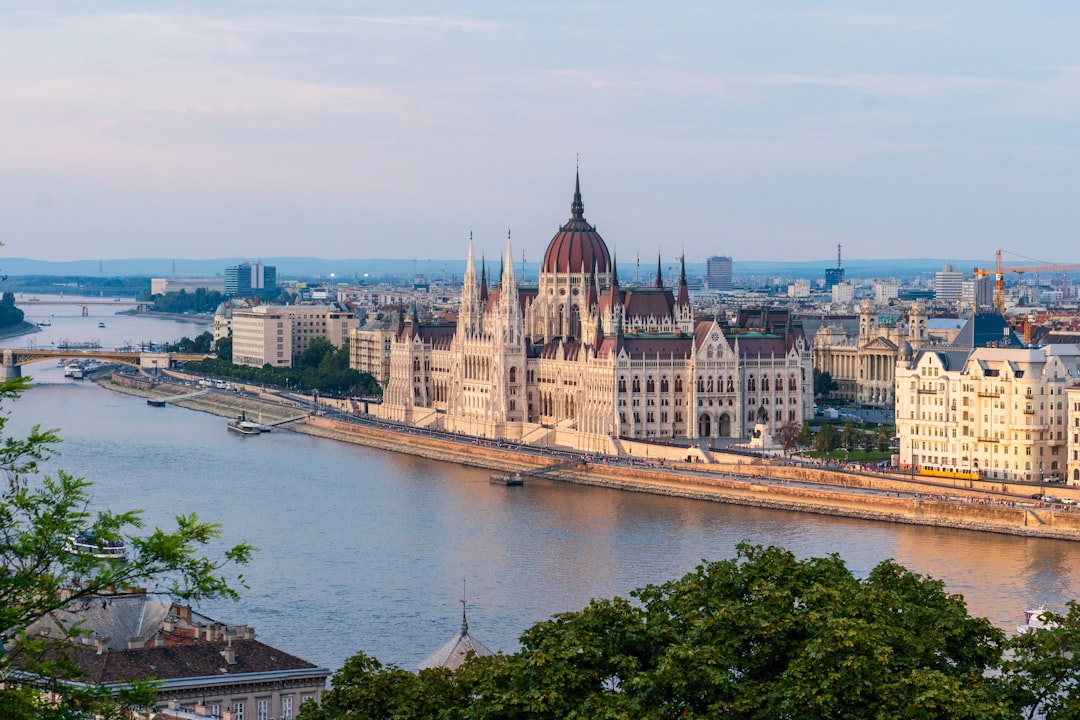
Budapest Travel Guide: Everything You Need to Know (2026)
Budapest, Hungary’s capital of 1,744,665 residents, sits at 117 meters above sea level straddling the Danube River, unified from three separate cities — Buda, Óbuda, and Pest — in 1873. The city produces over 40% of Hungary’s entire economic output and draws millions of visitors annually to its thermal baths, UNESCO-listed riverbanks, and extraordinary ruin bar scene. July and September are statistically the best months to visit, based on five-year climate analysis.
Top 3 Highlights at a Glance
- Széchenyi Thermal Bath — Budapest’s largest thermal bath complex, built in 1913, fits 6,000 bathers daily across 18 indoor and outdoor pools.
- Fisherman’s Bastion — Seven neo-Romanesque towers on Castle Hill offer the city’s single best panoramic view of the Danube and Parliament.
- Ruin Bars of the Jewish Quarter — Szimpla Kert, opened 2002 in a derelict factory, invented an entire nightlife genre found nowhere else in Europe.
Scroll down for our complete travel guide with tips on getting there, where to stay, costs and more.
Arrival & Airport
How do I get to Budapest — by plane, train, or bus?
Fly into **Budapest Ferenc Liszt International Airport (BUD)**, located **23 km southeast** of the city centre. In my experience, direct flights from most European hubs run under **3 hours**, and budget carriers like Ryanair and Wizz Air keep fares competitive. From Western Europe, the **Vienna–Budapest train** (2.5 hours, roughly **$25–35**) is a brilliant option with superb scenery. Flixbus also serves Budapest cheaply from Prague, Vienna, and Bratislava for under **$15**. My tip: avoid arriving by night bus — the main Kelenföld and Népliget bus stations are inconvenient and poorly lit after dark.
Which airport serves Budapest and how close is it?
**Budapest Ferenc Liszt International Airport (BUD)** is the sole commercial airport, sitting **23 km** from the city centre in the Ferihegy district. It handles roughly 17 million passengers annually and has two active terminals — **Terminal 2A and 2B** — connected by a short indoor walk. What surprised me: there is no direct metro link, which feels like a genuine city-planning gap for a capital this size. The **100E airport bus** runs every **10–20 minutes** directly to Deák Ferenc tér metro hub for **$4**, making it the most reliable budget option. Taxis are metered and cost roughly **$25–30** to the centre.
How long does the journey from Budapest airport to the city take?
The **100E express bus** reaches **Deák Ferenc tér** in approximately **35–45 minutes**, depending on traffic. A licensed taxi from the **Főtaxi** rank outside arrivals takes **25–35 minutes** in normal conditions and costs around **$25–30**. In my experience, rush hour (7–9am and 4–7pm) can stretch taxi journeys to **55 minutes**. My honest caveat: Uber operates in Budapest but its pickup zone at the airport is awkward — drivers circle a remote car park, adding **10 minutes** to the wait. I recommend the **100E bus** for solo travellers and taxis for groups of 3 or more splitting the cost.
Do I need a rental car to explore Budapest?
Absolutely not — Budapest’s public transport makes a car a liability, not an asset. The **BKK network** covers metro, trams, buses, and suburban rail comprehensively, with a single ticket costing just **$1.12**. Parking in **District V (Inner City)** costs **$2.50–4/hour** and is a genuine frustration even for locals. In my experience, the only reason to rent a car is for day trips to the **Danube Bend** or **Lake Balaton**, where trains are slower. If you do rent, pick up at the airport — city-centre pickup adds congestion headaches. Honest warning: Budapest’s tram tracks and one-way systems catch foreign drivers off guard constantly.
City Transport
What are the best areas to stay in Budapest?
Stay in **District V (Belváros-Lipótváros)** for walkable access to the Parliament, Chain Bridge, and waterfront. For nightlife proximity, **District VII (the Jewish Quarter)** puts you steps from ruin bars and the Great Synagogue. I personally prefer **District VI (Terézváros)** around **Andrássy Avenue** — it balances elegance, good restaurants, and metro access on **Line M1** without the hostel-party noise of District VII. Budget travellers cluster near **Keleti train station** (District VIII), which is fine but noticeably scruffier. Avoid staying in **District XIII beyond Margit Bridge** unless you get an exceptional deal — it’s residential and distant from everything worth seeing.
What does accommodation in Budapest cost per night?
An economy hotel or mid-range guesthouse runs **$60/night** based on current Numbeo data. Hostel dorm beds in the **Jewish Quarter** start at **$15–20/night**. A solid 3-star hotel in **District V** or **District VI** costs **$80–110/night**. What surprised me: Budapest’s luxury hotels — particularly the **Four Seasons Gresham Palace** on the Danube — are genuinely world-class but priced at **$400–600/night**, a big jump from the mid-range. My tip: boutique guesthouses in **District I (Castle Hill)** offer charm and views for **$90–130** and are often quieter than the Pest-side equivalents. Book with free cancellation — prices shift significantly with events.
How far in advance should I book accommodation in Budapest during high season?
For **July and August**, book at least **6–8 weeks ahead**, especially in District V and VII where stock fills fast. The **Budapest Grand Prix weekend** (last Sunday of July) is the single most disruptive event — hotel prices triple citywide and availability near zero inside **4 weeks**. In my experience, **September** — statistically one of the two best travel months — is easier, with **3–4 weeks** advance booking sufficient. For the **New Year’s Eve period**, treat it like peak summer and book **3 months out**. My honest caveat: last-minute deals on weekend nights exist in shoulder season (March–April, October–November) but disappear completely in summer.
What special accommodation types can I find in Budapest?
Budapest has a genuinely unique offer in **thermal bath hotels** — properties like **Danubius Hotel Gellért** and **Hotel Lukács** include access to historic thermal pools built into the building. Staying in one of these is a Budapest-only experience you won’t replicate anywhere else in Europe. **District VII ruin-bar hostels** blend nightlife directly into accommodation for budget travellers — fun but loud past **2am**. The **Castle District** offers a handful of boutique hotels inside 18th-century Baroque townhouses for **$120–180/night**. In my experience, Airbnb apartments in **District VI** near Liszt Ferenc tér give you the best value — full kitchens, local feel, and prices **30–40% below** equivalent hotels.
Accommodation & Neighbourhoods
What are the absolute must-sees in Budapest?
Three sights belong on every Budapest itinerary without debate. First, **Hungarian Parliament Building** — the third-largest parliament in the world, best seen at night when floodlit, with guided interior tours for **$20**. Second, **Széchenyi Thermal Bath** in **City Park** — 18 pools, built 1913, and genuinely unmissable even for non-spa travellers. Third, **Fisherman’s Bastion** on **Castle Hill** — free to enter the lower terraces. Beyond those, walk across the **Chain Bridge**, explore the **Great Market Hall** on Fővám tér, and visit the haunting **Shoes on the Danube** memorial. My honest caveat: **Buda Castle Palace** itself is under heavy renovation through 2026 — the exterior remains photogenic but interior access is limited.
What can I experience for free in Budapest?
Substantial chunks of Budapest cost nothing. **Fisherman’s Bastion** lower terraces are free; only the upper tower charges **$3**. The **Chain Bridge** and **Liberty Bridge** walks are free and offer exceptional Danube views. **Andrássy Avenue** — a UNESCO World Heritage street — is free to walk end to end, including past the Opera House facade. **Heroes’ Square** and **City Park** cost nothing to enter. In my experience, the **Great Synagogue on Dohány Street** courtyard and memorial garden are sometimes freely accessible outside ticketed hours. The **weekly Sunday flea market at Ecseri Piac** is free to browse and genuinely fascinating for antique hunters — it’s **14 km from the centre** but worth the trip.
Which day trips from Budapest are worth doing?
Three day trips stand out clearly. **Eger** (2 hours by train, **$10 return**) offers a stunning Baroque old town, Turkish minaret, and the famous **Egri Bikavér** red wine — my personal favourite Hungarian day trip. The **Danube Bend** towns of **Visegrád, Esztergom, and Szentendre** are reachable by **HÉV suburban rail or ferry** and pack medieval castles and Serbian Orthodox churches into one loop. **Lake Balaton’s northern shore** (90 minutes, around **$8**) gives you Hungary’s inland sea with volcanic hills, wine towns, and swimming. My caveat: the Danube Bend is best done by renting a car or joining a guided tour — public transport connections between the three towns are slow and infrequent.
What are Budapest’s signature local specialities?
Start with **gulyás** (goulash) — Hungary’s national dish, a beef and paprika soup that bears no resemblance to the thick stew tourists expect. **Lángos** (deep-fried dough with sour cream and cheese) from the **Great Market Hall** for under **$3** is essential street food. **Töltött káposzta** (stuffed cabbage with smoked pork) is the winter comfort dish locals actually eat. For pastries, the **Gerbeaud café** on Vörösmarty tér has served Budapest since 1858 — try the **Dobos torte** (layered caramel cake). In my experience, the best gulyás in the city is at **Menza restaurant** on Liszt Ferenc tér for around **$12**, not the tourist traps near the Parliament.
Highlights & Must-Sees
What makes Budapest genuinely unique compared to other European cities?
Three things separate Budapest from every other European capital. First, the **thermal bath culture** — over 80 geothermal springs beneath the city, with historic bath houses dating to Ottoman occupation in the 16th century, still functioning daily. Second, the **ruin bar phenomenon** — **Szimpla Kert** and its successors turned derelict Jewish Quarter buildings into permanent open-air bar complexes, a format that copied everywhere but originated here in **2002**. Third, the dramatic **Danube split** between Buda’s hilly medieval west and Pest’s flat grid creates a cityscape unlike any other — you’re actually standing in two entirely different urban characters within a **15-minute walk**. No other European capital delivers this combination.
How many days do I need to see Budapest properly?
**4 full days** cover Budapest’s core thoroughly without rushing. Day 1: **Castle Hill, Fisherman’s Bastion, Matthias Church**. Day 2: **Parliament tour, Chain Bridge, Great Market Hall**. Day 3: **Széchenyi Thermal Bath, City Park, Heroes’ Square, Andrássy Avenue**. Day 4: **Jewish Quarter, Great Synagogue, ruin bars at night**. Add a **5th day** if you want one of the Danube Bend day trips or a deeper dive into the **Hungarian National Museum**. In my experience, 2 days leaves you feeling genuinely shortchanged — Budapest rewards slow walking and unplanned detours. What surprised me: the **Margaret Island** alone needs **3 hours**, and most 2-day itineraries skip it entirely.
When is the best time to visit Budapest?
**July and September** are statistically the best months, confirmed by five-year climate analysis. **September** is my personal recommendation — temperatures are warm but not aggressive, crowds drop noticeably after August, and the **Budapest Wine Festival** at **Buda Castle** runs in mid-September with superb local producers. **July** is peak festival month with outdoor cinema and the Grand Prix but brings the biggest crowds and highest hotel prices. **Late April to June** is excellent shoulder season with blooming parks and manageable crowds. My honest caveat: **December** is atmospheric for Christmas markets at **Vörösmarty tér** but temperatures drop to near freezing — pack seriously warm layers or thermal bath visits become 80% of your day.
What are the major local festivals in Budapest worth attending?
**Budapest Wine Festival** (second weekend of September, **Buda Castle**) is 4 days of 200+ Hungarian producers — entry around **$15** includes tasting glass. **Sziget Festival** (first week of August, **Óbudai-sziget island**) is one of Europe’s largest music festivals, running since 1993 with 500,000+ attendees — book accommodation **6 months ahead** for this week. **Budapest Spring Festival** (late March/April) fills concert halls and the **State Opera House** with classical performances. The **Formula 1 Hungarian Grand Prix** (late July, **Hungaroring, 20 km northeast**) transforms the city entirely. In my experience, the **Wine Festival** is the most genuinely local-feeling event — Sziget is brilliant but thoroughly international in character.
Food & Drink
How does Budapest’s weather affect what activities I can do?
Thermal baths are **year-round** and frankly better in winter — sitting in **38°C outdoor pools** at Széchenyi while snow falls is one of Budapest’s genuinely magical experiences. Summer (June–August) unlocks **Danube river cruises**, outdoor ruin bar terraces, **Margaret Island** open-air theatre, and **Balaton day trips** fully. Spring and autumn suit walking tours of **Castle Hill** and **Andrássy Avenue** without heat fatigue. My caveat: Budapest summers regularly hit **35°C+**, making afternoon sightseeing in the treeless **District V** genuinely uncomfortable — start days before **10am** and retreat to the **National Museum** or a café between **1–4pm**. Winter fog along the Danube can obscure the dramatic views that make the city iconic.
How crowded does Budapest get in peak season?
**July and August** bring intense crowds — **Fisherman’s Bastion** at midday has queues for the best viewpoints, **Széchenyi Thermal Bath** can have **45-minute waits** for locker rooms, and the **Chain Bridge** pedestrian walkway is shoulder-to-shoulder. The **Jewish Quarter ruin bars** on Friday and Saturday nights in summer are packed beyond comfortable. What surprised me: **weekday mornings arrive early** — showing up at Széchenyi at **8am** gives you near-empty pools that by 11am are overflowing. My tip: book **Parliament tours** for the **9am slot** online in advance (**$20**) — afternoon walk-up queues regularly stretch to **90 minutes** in summer. Shoulder seasons (April–May, September–October) cut crowd pressure by roughly half.
How safe is Budapest for tourists?
Budapest is genuinely safe — violent crime against tourists is rare. The primary risk is petty theft: pickpocketing on **tram 4/6** (the busy ring route) and in **District VII** around Szimpla Kert at night. **Taxi scams** are the other documented trap — always use the **Bolt or Főtaxi apps**, never unmarked cabs outside tourist spots. In my experience, the area around **Keleti train station** (District VIII) after midnight warrants the same alert awareness you’d apply in any major European station district. The **Jewish Quarter** at 3am is rowdy but not dangerous — more noise than threat. My honest warning: overpriced bill scams in hostess bars near **Vörösmarty tér** still operate — if someone invites you in off the street, walk past.
Is English widely spoken in Budapest?
In tourist areas — **Districts V, VI, VII, and Castle Hill** — English is spoken reliably in restaurants, hotels, and attractions. **Under-35 Budapestians** almost universally speak functional English; older locals often do not. In my experience, venturing to local restaurants in **Districts VIII, IX, or XIII** means you’ll encounter menus only in Hungarian — use **Google Translate’s camera mode** and you’ll be fine. Public transport announcements are in Hungarian only, but stop names are visible on screens. My honest tip: learn **three Hungarian words** — ‘köszönöm’ (thank you), ‘kérem’ (please), and ‘egészségedre’ (cheers) — and you’ll be met with noticeably warmer service across the board, especially outside tourist circuits.
Practical Tips
What is the daily travel budget for Budapest?
Budget travellers can manage **$55–70/day** covering a hostel dorm (**$15–20**), cheap meals at **$9.92 per sitting** (Numbeo-verified), local transport at **$1.12 per ride**, and one paid attraction. Mid-range comfort — 3-star hotel, two restaurant meals, one thermal bath entry (**$20**), and tram passes — runs **$120–160/day**. A mid-range dinner for two costs **$24.81** per verified data. In my experience, Budapest is **30–40% cheaper** than Vienna or Prague for equivalent quality, which makes it exceptional value in Central Europe. My caveat: the **thermal bath entry fees** ($15–22 at Széchenyi), **Parliament tour ($20)**, and **boat cruises ($15–25)** stack up fast — budget an extra **$30/day** for activities if you plan to tick off multiple paid sights.
How does Budapest’s public transport work for visitors?
The **BKK network** covers **4 metro lines, 30+ tram routes, and extensive bus coverage** — a single ticket costs **$1.12** and must be validated before boarding. The **72-hour travel card ($12)** is excellent value for a 4-day visit. **Tram 2** along the Pest Danube embankment is one of the world’s most scenic urban tram rides — free with your pass. **Metro Line M1** (Europe’s oldest electric underground, built 1896) runs the length of **Andrássy Avenue** to City Park. My honest caveat: the ticket validation system is strictly enforced — inspectors in plain clothes board without warning and **$50 on-the-spot fines** apply to unvalidated tickets. **Bolt** (ride-hailing) fills gaps at night when trams thin out after **11pm**.
Which apps do you recommend for navigating Budapest?
Five apps cover everything you need. **BKK Futár** (official transport app) gives real-time arrivals for every metro, tram, and bus in Budapest — non-negotiable download. **Bolt** for taxis and ride-hailing — dramatically cheaper and more reliable than street hails. **Google Maps** works excellently in Budapest with accurate transit routing. **Návratník** is a local app showing which thermal baths have current queue times — genuinely useful in summer. For food, **Wolt** (Hungary’s dominant delivery app) doubles as a restaurant discovery tool with actual local ratings. In my experience, **offline Google Maps** downloaded before arrival is the single most important safety net — the **metro tunnels** have zero connectivity and you’ll be navigating underground constantly.