
Cannes: The Complete Travel Guide (2026)
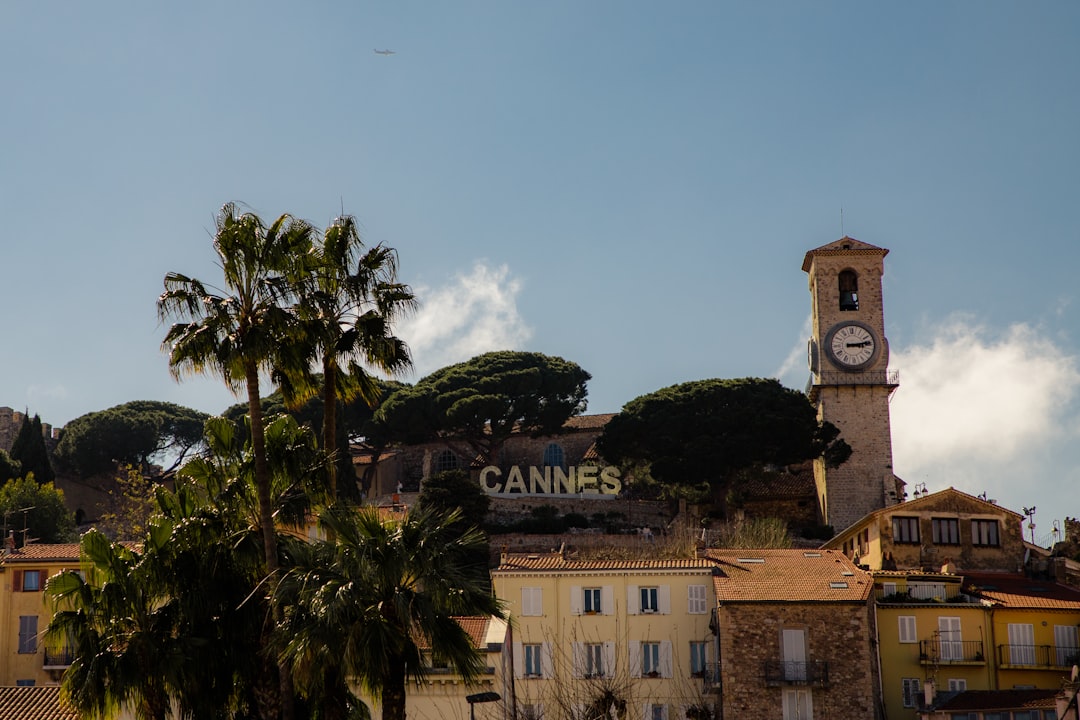
Cannes Travel Guide: Everything You Need to Know (2026)
Cannes, a resort city on the French Riviera with a population of 73,325, has built its global reputation on glamour, film, and Mediterranean light. Founded as a fishing village and transformed by Lord Brougham in the 1830s, it sits 26 km southwest of Nice and hosts the world-famous Cannes Film Festival every May. The Boulevard de la Croisette alone stretches 2 km of palm-lined seafront between palace hotels worth billions in combined real estate.
Top 3 Highlights at a Glance
- Boulevard de la Croisette — The iconic 2 km palm-lined promenade fronting the Mediterranean — where Festival red carpets unfold each May.
- Îles de Lérins — A 15-minute ferry ride delivers you to Île Saint-Honorat, home to monks who have brewed wine since the 5th century.
- Le Suquet (Old Town) — Cannes’ medieval hilltop quarter offers panoramic Riviera views and a 12th-century watchtower above the modern glitz.
Scroll down for our complete travel guide with tips on getting there, where to stay, costs and more.
Arrival & Airport
How do I get to Cannes?
Fly into **Nice Côte d’Azur Airport (NCE)**, then take the **TER regional train** directly to **Cannes train station** — the journey takes **30 minutes** and costs roughly **$7**. Alternatively, a taxi from NCE runs **$80–$110** depending on traffic. In my experience, the train is the smarter move: it drops you a 5-minute walk from La Croisette. If you’re traveling from Paris, the **TGV from Paris Gare de Lyon** reaches Cannes in under **5.5 hours** and advance tickets start at **$35**. The caveat most guides omit: Nice airport traffic during summer and Film Festival week is brutal — budget an extra 45 minutes if you insist on a taxi during those periods.
Which airport is closest to Cannes?
**Nice Côte d’Azur Airport (NCE)** is the closest major airport, sitting **26 km east** of Cannes. It’s France’s second-busiest airport and handles direct flights from most European hubs, New York (JFK), and Dubai. For budget travelers, **Marseille Provence Airport (MRS)** is **150 km west** and serves more low-cost carriers like Ryanair and easyJet — but the transfer by train or bus adds **1.5–2 hours**. My tip: unless you score a significant fare difference, always fly into NCE. What surprised me is that some itineraries route through **Milan Malpensa** — that’s a **200 km** drive and never worth it unless you’re renting a car for an extended road trip along the Riviera.
How long does the journey from Nice Airport to Cannes take?
By **TER train** the journey takes exactly **30 minutes** from Nice-Ville station — add **20 minutes** to reach the station from the terminal by the free airport shuttle to **Nice-Riquier** then a short train hop to Nice-Ville. Door-to-door, budget **55–65 minutes** total. A taxi or Uber direct from the terminal takes **40–55 minutes** without traffic. During the **Cannes Film Festival in May**, road traffic doubles and taxi times easily stretch to **90 minutes**. In my experience, the train is both faster and more reliable. The honest trade-off: the TER requires light luggage management on a crowded commuter train — if you’re hauling large suitcases, the taxi does eliminate that stress.
Do I need a rental car in Cannes?
No — Cannes itself is entirely walkable and you do not need a car in the city. The **Croisette, Le Suquet, and Rue d’Antibes** are all within a **1.5 km radius** of the train station. Local buses (Lignes d’Azur) cost **$1.80 per trip** and connect to nearby towns. However, if you want to explore **Gorges du Verdon (120 km inland)**, the **Esterel Massif**, or remote Provençal villages, renting a car unlocks a completely different Riviera experience. My tip: don’t rent a car on the first day — park prices in central Cannes run **$25–$35 per day**. The caveat no one mentions: parking during Film Festival week is essentially impossible without pre-reserved underground parking at **Palais des Festivals**.
City Transport
What are the best areas to stay in Cannes?
I recommend **La Croisette** if budget is no object — this is where the **Hôtel Martinez** and **Carlton Intercontinental** sit, and the beachfront access is unbeatable. For mid-range travelers, the **Banane district** (just behind Rue d’Antibes) gives walkable access to everything at lower nightly rates. Budget travelers should look at **La Bocca**, a residential neighborhood **3 km west** of centre with authentic local restaurants and bus connections. The honest trade-off: La Bocca feels nothing like the Cannes of postcards — you trade glamour for €30–$40 less per night. What surprised me is how many visitors book **Mougins or Antibes** (both within **12 km**) and commute in, which works perfectly well outside festival season.
What does accommodation cost per night in Cannes?
An economy hotel in Cannes averages **$140 per night** based on current Numbeo data. Mid-range three-star hotels on or near **Rue d’Antibes** typically run **$180–$260** per night in summer. The iconic **Hôtel Carlton on La Croisette** starts at **$600 per night** in high season. Budget hostels and apartment rentals in **La Bocca** can bring costs down to **$80–$100**. The massive caveat most guides ignore: during the **Cannes Film Festival (May)**, prices across all categories triple or quadruple — a room that costs $150 in April will cost $500+ in Festival week, and properties are booked **12 months in advance**. My tip: Airbnb apartments in the **Carnot district** offer the best value for stays of 4+ nights.
How far in advance should I book accommodation in Cannes during high season?
For **July and August**, book at least **3–4 months** in advance for decent mid-range options. For the **Cannes Film Festival in May**, industry insiders book **10–12 months** out — I have personally seen $200 rooms unavailable 6 months ahead during that week. The **Cannes Lions festival in June** creates a secondary crunch where **La Croisette hotels** sell out **4–6 months** early. My tip: if you’re flexible on dates, arriving Tuesday-Thursday in July avoids the weekend surge when Nice and Marseille residents flood in. The honest trade-off: last-minute bookings in **La Bocca or Juan-les-Pins** (10 km away) sometimes surface at reasonable rates, but you lose the Croisette walking access that makes Cannes, Cannes.
Are there special or unique accommodation types in Cannes?
Yes — Cannes offers **private beach club cabanas** attached to hotels like **Plage du Martinez**, where you rent a day bed plus room access as a package from **$80 per person daily**. **Belle Époque palace hotels** like the **Carlton (built 1911)** and **Majestic Barrière** are architectural experiences in themselves, not just rooms. For something genuinely different, several **superyacht charter companies** dock in **Vieux Port** and rent berth accommodation from **$500 per night** — unconventional but unforgettable. My tip: boutique hotels in **Le Suquet** (old town) offer medieval stone-wall rooms at half the Croisette price with better character. What surprised me is how few visitors know about the **mas provençaux** (Provençal farmhouses) available 15 km inland near **Mougins** — quieter, cheaper, and stunning.
Accommodation & Neighbourhoods
What are the must-sees in Cannes?
Three absolute priorities: **Boulevard de la Croisette** for the full 2 km seafront walk past palace hotels and manicured gardens; **Île Saint-Honorat** (15-minute ferry, **$16 return**), where Cistercian monks have made wine since 410 AD and still sell it at the island’s boutique; and **Le Suquet**, Cannes’ medieval hilltop with the **Musée de la Castre** housed in a 12th-century castle offering panoramic views from its tower for **$7 entry**. The **Palais des Festivals** is photogenic outside and free to visit — the famous **Allée des Stars** handprints are right there on the steps. My tip: the **Marché Forville** covered market opens every morning except Monday and is where real Cannois shop for $3 espresso and $8 rotisserie chicken.
What can I experience for free in Cannes?
More than most Riviera cities. The **Croisette promenade walk** is completely free and the best people-watching on the coast. **Plage du Midi** and **Plage de la Bocca** are free public beaches — a fact hidden from tourists steered toward €20-per-day private beach clubs. The **Allée des Stars** celebrity handprints outside Palais des Festivals cost nothing. **Le Suquet’s viewpoint** from Rue Mont Chevalier is accessible without entering the museum. In my experience, attending the **Marché Forville** on Saturday morning is Cannes at its most authentic and entirely free to browse. The honest caveat: Cannes’ culture revolves around spending — free experiences exist but require deliberate searching, unlike cities with major free museums.
Which day trips from Cannes are worth doing?
**Antibes** (**12 km east**, **15 minutes by train, $4**) holds the **Picasso Museum** in a medieval castle — one of the best Picasso collections in Europe at **$8 entry**. **Monaco** is **50 km east** and reachable in **70 minutes by train for $12** — worth a half-day for the Casino gardens and Prince’s Palace. **Grasse** (**18 km north, 25 minutes by bus**) is the world perfume capital where Fragonard and Molinard offer free factory tours. The **Îles de Lérins** is technically a day trip at **$16 return by ferry** and my personal favorite. The honest trade-off: **Nice (26 km, 30 minutes, $7)** offers far more museums and architecture than Cannes itself — some visitors find themselves spending more time there than their base city.
What are the local specialities to eat in Cannes?
Cannes sits in Provence, so the local food is distinctly southern French. **Socca** — a crispy chickpea pancake — costs **$3–$5 at Marché Forville** stalls and is essential. **Bouillabaisse** (the authentic Provençal fish stew) runs **$35–$55 per person** at serious restaurants on **Rue Saint-Antoine in Le Suquet**. **Tapenade, pissaladière** (onion tart with anchovies), and **pan bagnat** sandwiches are the working-class staples at **$6–$9**. My tip: eat one meal at **La Brouette de Grand-Mère** on Rue d’Oran — it’s a family-run spot Cannois actually eat at, not tourists. What surprised me: the local **rosé wines from Provence** (Côtes de Provence AOC) are served by the carafe from **$9** and far better than anything shipped internationally.
Highlights & Must-Sees
What makes Cannes unique compared to other French Riviera cities?
Cannes is uniquely built around **event-driven glamour** rather than historical monuments. No other city on the Riviera has the same concentration of **palace hotels, private beach clubs, and film industry infrastructure** within 2 km. The **Palais des Festivals** hosts over **50 international events annually** — not just the Film Festival — creating a year-round convention economy that keeps the city buzzing when other resort towns go quiet. In my experience, Cannes feels more cosmopolitan than **Saint-Tropez** (which is sleepier) and more manageable than **Nice** (which is much larger at 342,000 people). The honest caveat: Cannes’ soul is genuinely transactional — it exists to be seen in. Travelers seeking authentic Provençal culture will find **Antibes or Valbonne** far more satisfying.
How many days in Cannes are worthwhile?
**2 full days** cover Cannes itself completely. Day 1: morning at **Marché Forville**, afternoon walk from **Le Suquet to the Croisette**, evening dinner on **Rue Saint-Antoine**. Day 2: morning ferry to **Île Saint-Honorat** (allow 4 hours), afternoon **Plage du Midi** or shopping on **Rue d’Antibes**. Add a third day only if you’re doing the **Grasse or Antibes day trip** from your base here. My honest assessment: 4+ days in Cannes itself gets repetitive unless you’re here during a major festival. I recommend using Cannes as a **2-night base** within a broader 7-day Riviera itinerary combining **Nice (1 night), Antibes (1 night), and Monaco (day trip)**. The caveat: Film Festival week warrants 3–4 days if you have credentials or love the spectacle.
When is the best time to visit Cannes?
**July and September** are the best months based on verified climate data. July delivers peak Mediterranean sunshine with warm sea temperatures around **24°C** — ideal for beach days on **Plage du Midi**. September is my personal preference: crowds thin noticeably after August 15, hotel rates drop **20–30%**, and the sea stays warm through the month. **May is world-famous** for the Film Festival (mid-month, 10 days) but brings astronomical prices and chaotic crowds unless you’re industry-connected. **April and October** offer mild weather (**18–20°C**) for exploring **Le Suquet and day trips** without summer heat or cost. The honest trade-off: winter (December–February) is quiet and affordable but many beach clubs and tourist restaurants close entirely.
What is the local festival scene like in Cannes?
The **Cannes Film Festival (mid-May, 12 days)** is the world’s most prestigious film event — over 4,000 journalists and industry professionals descend and the Croisette becomes a controlled spectacle. **Cannes Lions (late June)** brings **15,000 advertising professionals** and fills hotels a second time. **MIPIM (March)** is the world’s largest real estate convention, again filling every hotel. For cultural locals, the **Fête de la Musique on June 21** is free across all city squares. My tip: the **Nuit des Étoiles** (August meteor shower viewing) on Plage du Midi is a free, uncrowded event that reveals a different, quieter Cannes. The caveat: if you visit during any convention week without knowing about it, you’ll face double prices and zero restaurant availability.
Food & Drink
How does the weather in Cannes affect activities throughout the year?
Cannes gets roughly **300 sunny days per year** — Mediterranean climate means summers are hot and dry, winters mild and occasionally rainy. **June–September** is beach and watersports season on **Plage du Midi**, with sea temperatures hitting **24–26°C** in August. **April–May and October** are perfect for walking **Le Suquet**, cycling to **Mandelieu-la-Napoule (8 km west)**, and day trips to **Gorges du Verdon**. December–February brings cool, bright days (**12–15°C**) ideal for the **Marché Forville** and exploring without crowds, but occasional **mistral winds** make outdoor dining uncomfortable. In my experience, October is the most underrated month — warm enough for swimming until mid-October, with 40% fewer visitors than July.
How crowded does Cannes get in peak season?
**July and August are extremely crowded** — the free public beach **Plage du Midi** gets packed by 10am and private beach clubs charge **$20–$35 daily access** partly as crowd management. The **Croisette** becomes genuinely difficult to walk freely on summer weekends. Film Festival week in **May** is the single most congested event: the area around **Palais des Festivals** has controlled access zones and even locals avoid the centre. My honest assessment: Cannes handles crowds less gracefully than Nice because its central area is so compact — **2 km of Croisette** absorbs millions of visitors annually for a city of only **73,325 permanent residents**. My tip: arrive at **Marché Forville** before 8:30am in July for a genuinely local experience before tour groups arrive.
How safe is Cannes for tourists?
Cannes is **generally very safe** — violent crime against tourists is rare. The primary risk is **pickpocketing on the Croisette and at Cannes train station**, particularly during Festival season when crowds provide cover. The **Le Suquet and Carnot districts** are safe to walk at night. **Avoid isolated areas around the train station after midnight** — not dangerous but occasionally uncomfortable. In my experience, the biggest real threat to tourists in Cannes is financial: aggressive upselling at beach clubs, unlicensed taxi drivers charging **$180 for a $90 NCE airport run**, and restaurant menus with undisclosed service charges. My tip: always confirm taxi fares upfront and use the **Uber app** for transparent pricing. Police presence on the Croisette during summer is high and visible.
Is English widely spoken in Cannes?
**Yes — English is very widely spoken in Cannes**, more so than almost any other French city outside Paris. The city’s entire economy revolves around international festivals and tourism, so hotel staff, restaurant waiters, and shop owners in the **Croisette and Rue d’Antibes** area all speak functional to fluent English. During **Cannes Film Festival and Lions**, English effectively becomes the working language of the city. The honest caveat: venture into **La Bocca or the residential areas north of Rue d’Antibes** and you’ll encounter far less English — basic French phrases go a long way there. In my experience, making the effort to say “bonjour” and “merci” before switching to English genuinely improves service quality in Cannes, where locals are occasionally tired of tourists who assume French is optional.
Practical Tips
What is the daily budget for visiting Cannes?
Budget traveler staying in **La Bocca**: **$100–$130 per day** (economy hotel at **$140/night** amortized, cheap meals at **$18**, public beach, local bus at **$1.80**). Mid-range traveler: **$220–$300 per day** (Carnot district hotel, sit-down lunches, one private beach club day, ferry to Îles de Lérins). Luxury Croisette traveler: **$600–$1,200+ per day** before shopping. The hidden cost most guides omit: **private beach clubs** are aggressively marketed as the Cannes experience and add **$30–$80 per person per day** to budgets unexpectedly. My tip: eat lunch at **Marché Forville** for **$12–$15** and save restaurant spending for dinner on **Rue Saint-Antoine** — the quality-to-price ratio is highest there in the evening.
How does public transport work in Cannes?
Cannes runs on the **Lignes d’Azur network** — a single bus ticket costs **$1.80** and covers the city and coastal connections to **Antibes and Nice**. The **Bus 200** (the Côte d’Azur express bus) connects Cannes to Nice in **1.5 hours for $2** — the most cost-effective coastal transit on the Riviera. The **TER regional train** from **Gare de Cannes** reaches Nice in **30 minutes for $7** and Antibes in **12 minutes for $4**. Within central Cannes, walking beats every transport option — the Croisette to Le Suquet is **20 minutes on foot**. The honest caveat: there is no metro. During peak summer, buses on the coastal route get overcrowded and unreliable — the train is always preferable for intercity movement. Taxis from the **rank on Boulevard de la Croisette** are metered and reliable.
Which apps do you recommend for visiting Cannes?
**Lignes d’Azur** (official app) for real-time bus tracking and tickets on the **Bus 200 coastal route** — saves queuing entirely. **SNCF Connect** for booking TER trains to **Nice, Antibes, and Monaco** in advance; fares are cheaper booked 24+ hours ahead. **Uber** works well in Cannes and is **20–30% cheaper than street taxis** for airport runs to **NCE**. **TheFork (LaFourchette)** for restaurant reservations — essential during Festival weeks when **Rue d’Antibes restaurants** book up 3 days ahead. **Google Translate with camera mode** handles French menus instantly. My tip: download **Navionics** if you’re interested in renting a small boat from **Vieux Port** to reach the Îles de Lérins independently — it maps the 3 km crossing safely and most guides completely ignore this option.