
Copenhagen: The Complete Travel Guide (2026)
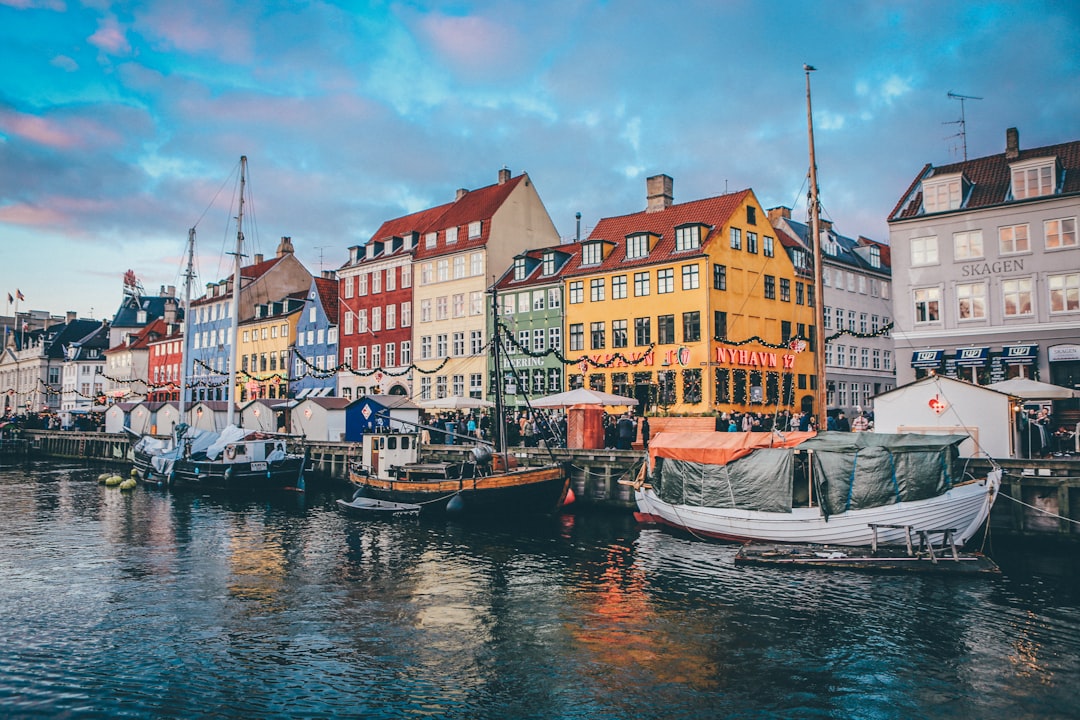
Copenhagen Travel Guide: Everything You Need to Know (2026)
Copenhagen, founded as a Viking fishing village around 1000 AD, is today a city of 602,481 residents sitting just 14 meters above sea level on the island of Zealand. It ranks consistently as one of the world’s most livable cities and is home to the world-famous Nyhavn harbor, the Tivoli Gardens amusement park founded in 1843, and a Michelin-starred restaurant scene that punches far above its size. The city is connected to Malmö, Sweden by the 16-kilometer Øresund Bridge, making it a natural gateway to Scandinavia.
Top 3 Highlights at a Glance
- Nyhavn Waterfront — Copenhagen’s iconic 17th-century canal lined with colorful townhouses is the city’s most photographed street.
- Tivoli Gardens — The world’s second-oldest amusement park, open since 1843, blends rides, live concerts, and illuminated gardens.
- The National Museum of Denmark — Free entry to Scandinavia’s largest cultural history museum, housing 14,000-year-old artifacts and Viking treasures.
Scroll down for our complete travel guide with tips on getting there, where to stay, costs and more.
Arrival & Airport
How do I get to Copenhagen?
Fly into **Copenhagen Airport (CPH)** — it’s the easiest and most connected entry point. In my experience, CPH is one of Europe’s most efficient airports, located just **8 km from the city center**. Direct flights connect Copenhagen to over 150 destinations, and the **Metro M2 line** runs from the airport to the city in **15 minutes** for **kr 36 (approx. $5)**. If you’re coming overland from mainland Europe, the **Hamburg–Copenhagen train** takes about **5 hours** and is a scenic, comfortable option. What surprised me: budget airlines like Ryanair use CPH’s main terminal, not a secondary one, so you won’t waste time. The honest caveat: Amtrak-style rail from southern Europe adds layovers in Hamburg and is rarely faster than flying.
Which airport is closest to Copenhagen?
**Copenhagen Airport Kastrup (CPH)** is the only major airport and sits **8 km southeast** of the city center on the island of Amager. It’s Scandinavia’s busiest airport, handling over **28 million passengers annually**. In my experience, it’s exceptionally well-organized — immigration queues for EU passport holders rarely exceed **10 minutes**. The **Metro M2** connects the airport directly to **Kongens Nytorv** and **Vanløse** without any transfers. My tip: avoid taking a taxi unless you have heavy luggage, as cabs cost roughly **kr 300–350 ($43–50)** versus **kr 36 by Metro**. The caveat most guides omit: the airport’s Terminal 2 and 3 are connected but a **10-minute walk apart**, so check your departure hall carefully to avoid a stressful sprint.
How long does the journey to Copenhagen take from the airport?
The Metro M2 from **Copenhagen Airport (CPH)** to the city center takes exactly **15 minutes** to **Kongens Nytorv** station. Trains run **every 4–6 minutes** during peak hours and **every 15–20 minutes** overnight, so you’ll never wait long. By taxi, the same journey takes **20–30 minutes** depending on traffic and costs **kr 300–350 ($43–50)**. In my experience, the Metro is always the right call — it drops you in the heart of the city near **Nyhavn** and major hotels. What surprised me: the airport Metro station is directly inside the terminal, so you’re on the train within **5 minutes** of clearing customs. The caveat: if your hotel is in **Vesterbro** or **Frederiksberg**, a bus or a short second Metro leg adds another **10–15 minutes**.
Do I need a car in Copenhagen?
No — a car in Copenhagen is actively counterproductive. The city is **10 km across** at its widest point, the Metro and S-tog train cover all major areas, and **62% of Copenhageners commute daily by bike**. Parking in the center costs **kr 40–60 ($6–9) per hour** and spaces are scarce. In my experience, I never once missed having a car across multiple visits. The public transport day pass costs only **kr 130 ($19)** and covers all zones. My tip: if you plan a day trip to **North Zealand** to see **Kronborg Castle** (Hamlet’s castle) or **Frederiksborg Palace**, the **DSB regional train** from **Copenhagen Central Station** reaches **Helsingør** in **46 minutes** for **kr 110 ($16)**. The honest warning: the Øresund region’s attractions are all reachable by rail — renting a car adds cost and stress with zero benefit for most itineraries.
City Transport
What are the best areas to stay in Copenhagen?
**Indre By** (the Old City) puts you within walking distance of Tivoli, Nyhavn, and the National Museum — ideal for first-time visitors. **Vesterbro**, centered on **Kødbyen** (the Meatpacking District), is my personal favorite: grittier, more local, full of excellent restaurants, and **15–20% cheaper** than Indre By hotels. **Nørrebro** is the most multicultural district and suits travelers who want authentic street food and neighborhood cafés over tourist infrastructure. For families, **Frederiksberg** is quiet, green, and sits next to **Copenhagen Zoo**. In my experience, avoid hotels right on **Strøget** (the main pedestrian street) — they’re overpriced and noisy. The honest caveat: **Amager** and **Ørestad** are cheap but feel soulless and add **20 minutes** to every journey into the city.
What does accommodation cost per night in Copenhagen?
Budget honestly for accommodation in Copenhagen. An economy hotel runs **$150/night (approx. kr 1,040)** per verified Numbeo data — that’s the baseline, not a luxury figure. Mid-range hotels in **Vesterbro** or **Indre By** run **kr 1,200–1,800 ($165–250) per night**. Design hotels like **Hotel SP34** in the Latin Quarter cost **kr 1,800–2,500 ($250–345)**. Hostels in areas like **Nørrebro** offer dorm beds from **kr 250–350 ($35–48) per night**. In my experience, Airbnb apartments in **Frederiksberg** offer the best value for groups of 3 or more, often undercutting hotels by **30–40%**. The caveat most guides omit: Copenhagen’s city tax (**turistskat**) adds **kr 17–32 ($2.50–4.50) per person per night** on top of quoted rates — always check if it’s included.
How far in advance should I book accommodation in Copenhagen during high season?
Book at least **8–10 weeks ahead** for any summer travel to Copenhagen. June, July, and August are peak months, and mid-range hotels in **Indre By** and **Vesterbro** sell out fast. My tip: if you’re traveling during **Copenhagen Jazz Festival** (first two weeks of July), book **4–5 months in advance** — the festival draws over **250,000 visitors** and hotel prices spike by **25–40%**. For shoulder season (April–May or September–October), **3–4 weeks** ahead is usually sufficient. In my experience, booking directly with the hotel’s own website often unlocks a **5–10% discount** over booking platforms. The honest warning: flexible cancellation rates in Copenhagen are typically **kr 200–400 ($28–55) more expensive per night** than non-refundable rates — decide your risk tolerance before clicking.
Are there special or unique accommodation types in Copenhagen?
Yes — Copenhagen has genuinely distinctive places to sleep. **CPH Living** is a floating hotel boat moored in the harbor, offering double rooms from **kr 1,400 ($194) per night** with direct water views. Several historic manor houses within **30 km** of the city, like **Sølyst** near Klampenborg, offer countryside stays reachable by **S-tog in 20 minutes**. **Generator Copenhagen** in **Indre By** is one of Europe’s best design hostels with private rooms from **kr 700 ($97)**. In my experience, staying in a **Danish summer house (sommerhus)** in **North Zealand** — rented via websites like Novasol — is the most authentically Danish experience possible and sleeps 4–6 people for the same price as a city hotel room. The caveat: sommerhus rentals usually require a **minimum 3-night stay**.
Accommodation & Neighbourhoods
What are the must-see sights in Copenhagen?
Three sights I would never skip: **Tivoli Gardens** (open since 1843, entry kr 149/$21), the **National Museum of Denmark** on **Ny Vestergade** (free entry, genuinely world-class Viking collection), and **Rosenborg Castle** in the King’s Garden, which houses the actual Danish Crown Jewels for **kr 130 ($18)**. My tip: the **Little Mermaid statue** is universally disappointing — it’s **1.25 meters tall** and always surrounded by tour groups. Skip it unless you’re ticking boxes. What surprised me: the **Glyptotek art museum** near Tivoli houses one of Europe’s finest collections of French Impressionist paintings and Egyptian antiquities — entry is **free on Sundays**. In my experience, the view from **Rundetårn** (Round Tower, 1642) at sunset beats any rooftop bar in the city.
What can I experience for free in Copenhagen?
Copenhagen is expensive but genuinely generous with free experiences. The **National Museum of Denmark** is completely free and easily fills a **half day**. **Frederiksberg Gardens**, adjacent to Copenhagen Zoo, is a vast royal park with free entry. The **changing of the guard at Amalienborg Palace** happens daily at **noon** and costs nothing. Street food at **Reffen** on the harbor in **Refshaleøen** is free to enter (just pay for food). In my experience, cycling the **Harbour Circle** (Havneringen) — a **13 km signed bike route** — is the single best free activity in the city. The honest caveat: most of Copenhagen’s top museums like **Louisiana** (in nearby Humlebæk, **kr 175/$24 entry**) and **Designmuseum Danmark** (**kr 145/$20**) charge admission, so budget accordingly if you’re a museum person.
Which day trips from Copenhagen are worth doing?
Three day trips are genuinely worth the journey. **Kronborg Castle** in **Helsingør** — Shakespeare’s Elsinore — is **46 minutes by train** from **Copenhagen Central** and costs **kr 110 ($15)** in entry. **Louisiana Museum of Modern Art** in **Humlebæk** is a **35-minute train ride** and ranks among Europe’s top 10 modern art museums — entry is **kr 175 ($24)**. The third: **Malmö, Sweden** is reachable in **35 minutes** by the **Øresund train** across the famous bridge; your Copenhagen Metro card covers the Danish side, and you just pay a **kr 113 ($16) supplement** for the bridge crossing. In my experience, the **North Zealand loop** — Kronborg plus **Frederiksborg Palace** in Hillerød — is the best full-day trip from Copenhagen. The honest warning: **Legoland** in Billund requires a **2.5-hour train and bus journey** — save it for a dedicated trip.
What are the local specialities to eat and drink in Copenhagen?
Copenhagen’s food identity is built on **smørrebrød** — open-faced rye bread sandwiches topped with pickled herring, roast beef, or **stjerneskud** (fried plaice with shrimp). Eat them properly at **Schønnemann** on **Hauser Plads**, open since 1877, where a traditional lunch with two smørrebrød and a beer costs **kr 250–320 ($35–44)**. **Flæskesteg** (crispy roast pork) is Denmark’s unofficial national dish and appears on every Christmas market menu. For drink, try **Carlsberg** (brewed in Copenhagen since 1847) or the craft beers from **To Øl** brewery. My tip: the cheapest authentic Danish food is at **Torvehallerne** market — a **rullepølse** (spiced rolled meat) sandwich costs **kr 55 ($8)**. The honest caveat: trendy **New Nordic cuisine** restaurants around **Vesterbro** are excellent but expensive — a tasting menu at any Michelin-starred spot starts at **kr 1,500 ($207) per person**.
Highlights & Must-Sees
What makes Copenhagen unique compared to other European cities?
Three things genuinely set Copenhagen apart. First, **cycling infrastructure** — the city has **390 km of dedicated cycle lanes** and 62% of residents bike to work daily, creating an urban rhythm unlike any other capital. Second, Copenhagen has the highest concentration of **Michelin-starred restaurants per capita** in Scandinavia, anchored by **Noma** (recently closed but spawned a generation of world-class chefs still cooking here). Third, the city’s relationship with **water** is unique — you can swim in the harbor at **Islands Brygge Harbour Bath** (free, open June–August), something unthinkable in most European capitals. In my experience, what truly surprises visitors is how **small and walkable** it is — you can walk from **Tivoli** to **Nørrebro** in **35 minutes** on foot. The honest caveat: Copenhagen’s reputation for coolness is real, but so is its price tag — budget travelers will find it relentlessly expensive.
How many days do I need to see Copenhagen properly?
**3 full days** covers Copenhagen’s core without feeling rushed. Day 1: **Indre By** — Tivoli, Rosenborg Castle, Strøget, Nyhavn evening. Day 2: **Vesterbro and Frederiksberg** — Glyptotek, Kødbyen lunch, Frederiksberg Gardens. Day 3: **Nørrebro and Refshaleøen** — street food at Reffen, the harbour bath at **Islands Brygge**. Add a **4th day** if you want to do the **Kronborg or Louisiana** day trip. In my experience, 2 days is genuinely not enough — you’ll spend half of it walking between sights and miss the neighborhood texture that makes the city special. The honest caveat: **5+ days** risks fatigue because Copenhagen is compact; at that point, you’re better off adding a **1-night trip to Malmö or Helsingør** rather than looping the same streets again.
When is the best time to visit Copenhagen?
**June through September** are the verified best months based on climate data. July is the warmest with long daylight hours — sunset after **10 PM** — and the city’s outdoor culture peaks. **Copenhagen Jazz Festival** runs the first two weeks of July with **500+ free outdoor concerts**. My personal favorite is **late August to mid-September**: crowds thin noticeably after the school holidays end around August 15, prices drop **15–20%**, and the weather stays pleasant. April and May are genuinely lovely for cycling but unpredictably rainy. In my experience, a **September visit** is the sweet spot — golden light, harvest menus at restaurants, and hotel rooms at sane prices. The honest warning: **December** is cold and dark but Tivoli’s Christmas market (open mid-November to January 3) is one of Europe’s best and worth braving the **2–4°C temperatures**.
What local festivals and events are worth attending in Copenhagen?
**Copenhagen Jazz Festival** (first two weeks of July) is the city’s crown jewel — over **500 concerts**, the majority free and held in streets, squares, and parks across all neighborhoods. **Copenhagen Pride** runs for a full week in mid-August and draws **300,000+ participants** to one of Northern Europe’s largest LGBTQ+ events. **Culture Night (Kulturnatten)** in mid-October opens **200+ museums, theaters, and institutions** until midnight for a single **kr 120 ($17) wristband** — in my experience, the best value cultural event in the city. **Distortion festival** in late May/early June transforms **Nørrebro and Vesterbro** into outdoor street party zones for 5 days. The honest caveat: Jazz Festival week means hotel prices surge — book **4–5 months ahead** or stay in **Frederiksberg** where accommodation is slightly cheaper.
Food & Drink
How does Copenhagen’s weather affect activities by season?
Weather shapes the Copenhagen experience dramatically. **Summer (June–August)**: outdoor dining, harbour swimming at **Islands Brygge**, cycling, and open-air concerts are all viable — this is when the city truly comes alive. **Spring (April–May)**: good for museum visits and cycling but pack a waterproof layer; rain is common. **Autumn (September–October)**: my recommended season — comfortable temperatures around **12–16°C**, fewer tourists, and the best restaurant menus featuring Danish game and root vegetables. **Winter (November–March)**: dark by **3:30 PM** in December, but **Tivoli Christmas Market** and the cozy **hygge** café culture make it worthwhile for the right traveler. In my experience, the biggest weather trap is underestimating the wind — Copenhagen’s coastal location means **15–20 km/h winds** even on sunny days, so always bring a windproof jacket regardless of the season.
How crowded does Copenhagen get in peak season?
Copenhagen gets genuinely crowded in July but never reaches the suffocating levels of **Barcelona or Venice**. The most congested spots are **Nyhavn** (impossibly packed on sunny July days), **The Little Mermaid** (always a scrum), and **Tivoli** on weekend evenings. In my experience, arriving at **Rosenborg Castle before 10 AM** or **after 4 PM** cuts queue times from **30 minutes to under 5**. The Jazz Festival’s first weekend (early July) is the single most crowded moment of the year. My tip: the **Meatpacking District (Kødbyen)** in **Vesterbro** and **Refshaleøen** harbor island remain uncrowded even in peak July — locals dominate these areas. The honest caveat: the city’s **Metro system** becomes noticeably strained on summer evenings — allow extra time for connections at **Kongens Nytorv** station, which handles transfers between all four Metro lines.
How safe is Copenhagen for travellers?
Copenhagen is extremely safe — it consistently ranks in the **top 5 safest capitals in Europe**. Violent crime against tourists is genuinely rare. The area around **Nørrebro’s Blågårds Plads** and parts of **Tingbjerg** (far northwest) have seen gang-related incidents, but these never target tourists and you’re unlikely to wander there. Petty theft is the main risk: watch your bag at **Strøget** and on the **Metro** during Jazz Festival week when crowds are dense. In my experience, I have walked alone at **2 AM** through **Vesterbro** and **Indre By** without a moment of concern. The honest caveat most guides skip: **bicycle theft** is Copenhagen’s most common crime — if you rent a bike, use the provided lock **plus** a secondary chain lock through the frame, not just the wheel. Replacement costs run **kr 800–1,200 ($110–165)**.
Is English widely spoken in Copenhagen?
English fluency in Copenhagen is effectively universal — **86% of Danes** speak English, the highest rate in continental Europe outside the Netherlands. In my experience, every restaurant, hotel, shop, and museum operates seamlessly in English, and locals switch without hesitation or visible irritation. Danish is never required as a traveler. What surprised me: even older Danes (60+) in neighborhoods like **Frederiksberg** speak excellent English — this is not a city-center-only phenomenon. My tip: learning three Danish words earns disproportionate goodwill — **tak** (thank you), **hej** (hello), and **skål** (cheers) will get you warm smiles at any **Vesterbro** bar. The honest caveat: menus in traditional **smørrebrød** restaurants like **Schønnemann** are sometimes Danish-only — ask for the English menu, which exists but isn’t always placed on the table automatically.
Practical Tips
What is the daily budget for Copenhagen?
Budget honestly for Copenhagen — it’s one of Europe’s most expensive cities. A verified **cheap meal costs ~$22 (kr 152)** and a **mid-range dinner for two runs ~$54 (kr 373)** per Numbeo data. A realistic daily budget breaks down as: economy hotel **kr 1,040 ($150)**, breakfast at a bakery **kr 55 ($8)**, two meals **kr 300–450 ($41–62)**, Metro day pass **kr 130 ($19)**, and one paid attraction **kr 130–175 ($18–24)**. Total: **kr 1,655–1,850 ($228–255) per person per day** at the budget end. Mid-range travelers spending on design hotels and sit-down dinners should budget **kr 2,500–3,500 ($345–483) daily**. My tip: buying lunch at **Torvehallerne market** cuts food costs by **40%** versus restaurant dining. The honest caveat: a single Carlsberg beer in a tourist-area bar costs **kr 75–95 ($10–13)** — drinking adds up faster than anything else in Copenhagen.
How does public transport work in Copenhagen?
Copenhagen’s public transport is excellent and runs on a **zone-based ticketing system**. The **Metro** has 4 lines (M1–M4) running **24/7**, the **S-tog** commuter rail covers greater Copenhagen, and buses fill the gaps. A single ticket costs **kr 26 ($3.60)** for 1–2 zones; a 24-hour **City Pass** covering all zones costs **kr 130 ($18)**. In my experience, the **Rejsekort** contactless card (or simply tap-in with your contactless bank card) is the most cost-effective option for stays over 3 days, charging exact fare with a **20–25% discount** versus single tickets. My tip: the **Metro M2** is the key line for tourists — it connects the airport, **Christianshavn**, **Kongens Nytorv** (near Nyhavn), and **Vanløse** in one clean arc. The honest caveat: the **M4 Harbour Line** to **Refshaleøen** only runs every **7–8 minutes** and stops earlier than other lines — check last departure times before visiting the harbor area at night.
Which apps do you recommend for visiting Copenhagen?
Four apps I use personally in Copenhagen: **DOT Mobilbillet** is the official Copenhagen public transport app — buy tickets, plan routes, and check real-time arrivals for the Metro and S-tog without needing a physical card. **Too Good To Go** was invented in Copenhagen and lets you buy surplus restaurant food bags for **kr 40–60 ($6–9)** — a genuine budget hack. **Donkey Republic** is the city’s main bike-share app with **700+ bikes** across docking stations; day rental costs **kr 79 ($11)**. **Rejseplanen** is Denmark’s national journey planner and handles train connections to **Kronborg, Hillerød**, and **Malmö** better than Google Maps. In my experience, Google Maps works perfectly for Copenhagen navigation but consistently underestimates Metro journey times by **3–5 minutes** — always add a buffer for connections. The honest caveat: DOT Mobilbillet tickets cannot be refunded once purchased, so double-check your zone selection before paying.