
Copenhagen: The Complete Travel Guide (2026)
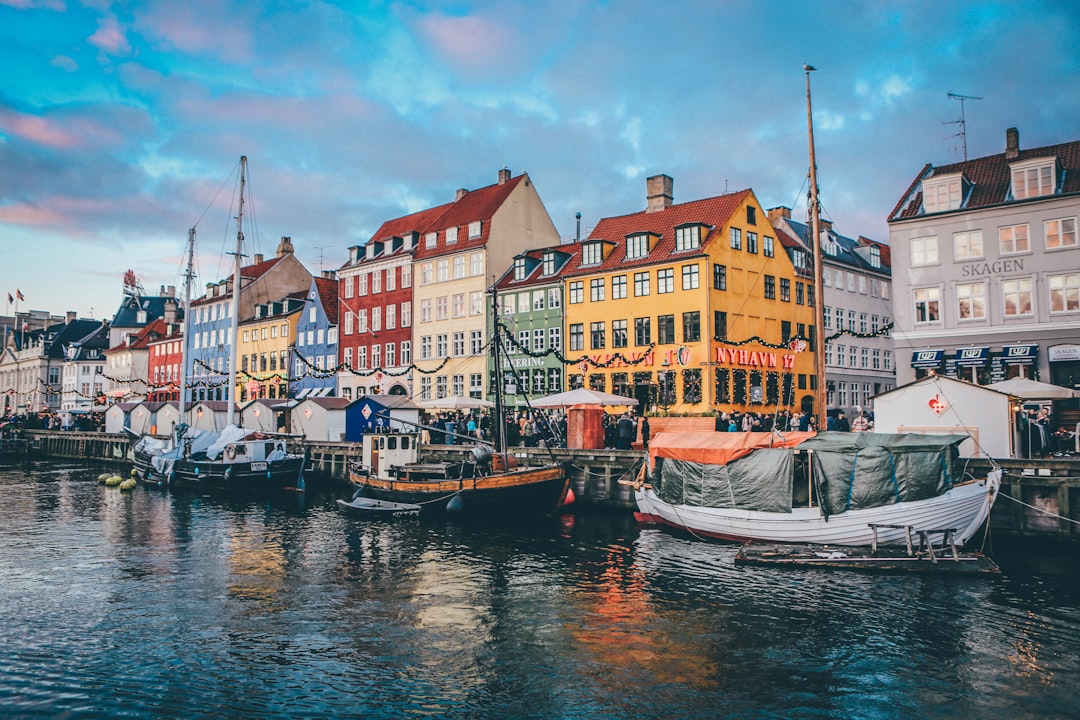
Copenhagen Travel Guide: Everything You Need to Know (2026)
Copenhagen, Denmark’s capital of 602,481 residents, sits at just 14 metres above sea level on the island of Zealand and has been a royal seat since the 15th century. It ranks consistently among Europe’s most liveable cities and is home to the world’s oldest amusement park still in operation, Tivoli Gardens, founded in 1843. The city’s cycling infrastructure is so advanced that over 62% of residents commute by bike daily, making it unlike almost any other European capital.
Top 3 Highlights at a Glance
- Nyhavn Canal — Iconic 17th-century waterfront lined with coloured townhouses — the most photographed street in Scandinavia.
- Tivoli Gardens — The world’s second-oldest amusement park, open since 1843, with rides, gardens, and live concerts.
- Freetown Christiania — A self-governed commune of 1,000 residents founded in 1971 — a countercultural experiment unlike anything in Europe.
Scroll down for our complete travel guide with tips on getting there, where to stay, costs and more.
Arrival & Airport
How do I get to Copenhagen — what are my transport options?
Fly directly into **Copenhagen Airport (CPH)** — it’s the main hub. In my experience, CPH is one of Europe’s most efficient airports, with over **60 direct transatlantic and European routes**. You can also arrive by train via the **Øresund Bridge** from Malmö, Sweden, in just **35 minutes**, or by ferry from Oslo (overnight, roughly **16 hours**). The honest caveat: budget airlines sometimes route you through **Billund Airport**, which is **240 km west** of Copenhagen — always double-check your arrival city before booking.
Which airport is closest to Copenhagen?
**Copenhagen Airport (CPH), also called Kastrup**, is the closest — just **8 km southeast** of the city centre on the island of Amager. It’s directly connected to the city by the **Metro M2 line**, which runs 24 hours a day, every 4–6 minutes during peak hours. My tip: ignore the taxi touts at arrivals. What surprised me is how fast the metro gets you to **Kongens Nytorv** station in the heart of the city — under **15 minutes** from the terminal. A single metro ticket costs **$3.22**.
How long does the journey from Copenhagen Airport to the city take?
The journey from **Copenhagen Airport (CPH)** to the city centre takes **14 minutes by Metro M2** to **Kongens Nytorv**. By taxi it’s roughly **20–25 minutes** depending on traffic, but costs **$30–40 USD** versus the **$3.22** metro fare. In my experience, the metro is always the smarter call unless you have excessive luggage. The caveat: during major events like **Copenhagen Jazz Festival** in July, taxi demand spikes and surge pricing applies — book a metro ticket at the automated machines before you even exit baggage claim.
Do I need a car to explore Copenhagen?
Absolutely not — a car in Copenhagen is a liability. In my experience, the **Metro, S-Tog suburban rail, and city bikes** cover everything you need. Parking in **Indre By (the city centre)** costs upwards of **$5 USD per hour**, and many streets are bike-only. The honest trade-off: if you plan day trips to **Kronborg Castle in Helsingør** (45 km north) or **Roskilde** (30 km west), a rental or train ticket makes sense — but the **DSB regional trains** serve both comfortably for under **$15 USD** each way. Leave the car at home.
City Transport
What are the best areas to stay in Copenhagen?
I recommend staying in **Indre By** (the old city centre) for first-timers — you’re within walking distance of **Tivoli, Strøget, and Nyhavn**. **Vesterbro**, just west of Central Station, is my personal favourite: grittier, hipper, with excellent restaurants along **Kødbyen (the Meatpacking District)**. **Frederiksberg** suits travellers wanting quieter streets and a more residential feel. The caveat most guides skip: **Nørreport area** looks central on a map but is a busy transit hub with less charm at night. For families, **Østerbro** offers green space and calm streets near **Fælledparken**.
What does accommodation cost per night in Copenhagen?
Copenhagen is not cheap. An **economy hotel** runs around **$150 USD per night** based on verified 2025 data. Mid-range hotels in **Vesterbro or Indre By** average **$180–230 USD**. Design boutique hotels like those around **Ørstedsparken** push **$300+**. My tip: hostels in **Nørrebro** like **Generator Copenhagen** offer dorm beds from **$35 USD**, which dramatically cuts costs. The honest warning: Copenhagen applies a city tourist tax of approximately **$5–8 USD per room per night** on top of listed rates — always check the final checkout price, not just the headline rate.
How far in advance should I book accommodation in Copenhagen during high season?
Book **at least 3 months ahead** for June through August. Copenhagen’s high season is intense — **Copenhagen Jazz Festival** in July and **Distortion street festival** in June fill every mid-range hotel within days of announcement. In my experience, anything under **$180 USD** in **Vesterbro or Indre By** disappears by March for July stays. What surprised me: **Copenhagen Fashion Week** in August is a second spike that most travellers don’t anticipate. For shoulder season — **April, May, September** — **4–6 weeks** advance booking is usually sufficient, and you’ll often find the same hotels at **20–30% lower** rates.
Are there special or unique accommodation types in Copenhagen?
Yes — **houseboats on the canals** around **Christianshavn** are genuinely special and book up months in advance. Platforms like Airbnb list several, averaging **$130–180 USD per night**. The **Steel House Copenhagen** in Vesterbro is a remarkable design hostel with a rooftop pool — unusually good value at around **$50 USD** per private room. My tip: the **Nimb Hotel** inside **Tivoli Gardens** itself is a bucket-list splurge at **$500+ USD per night**, but you get 24-hour access to the park when it’s closed to the public — an experience genuinely available nowhere else in the world.
Accommodation & Neighbourhoods
What are the must-see sights in Copenhagen?
**Tivoli Gardens** (founded 1843) is essential — even non-theme-park people are won over by the gardens and live music. **Nyhavn canal** is the postcard image of Copenhagen, best at golden hour. **The National Museum of Denmark** on **Ny Vestergade** is world-class and often overlooked in favour of the smaller **Louisiana Museum of Modern Art** (35 km north but worth it). **Freetown Christiania** is unlike any neighbourhood in Europe. My honest caveat: **The Little Mermaid statue** is genuinely underwhelming in person — she’s smaller than expected and always surrounded by crowds. See her, but don’t make it a centrepiece of your day.
What can I experience for free in Copenhagen?
More than most European capitals. The **National Museum of Denmark** is free for permanent collections. **Rosenborg Castle Gardens (Kongens Have)** — Copenhagen’s oldest royal garden — costs nothing to enter. **Freetown Christiania** is free to walk through (respect the no-photography zone on **Pusher Street**). The **Copenhagen Harbour Baths** at **Islands Brygge** offer free open-air swimming in the harbour from June to August. My tip: the **Superkilen urban park** in **Nørrebro** is a free design landmark featuring objects from 60 countries — genuinely fascinating and almost always uncrowded.
Which day trips from Copenhagen are most worthwhile?
**Kronborg Castle in Helsingør** — Shakespeare’s Elsinore — is my top pick: **45 minutes by train** from **Copenhagen Central Station**, entry around **$15 USD**, and the coastal setting is stunning. **Roskilde** is **30 minutes by DSB train**, home to the **Viking Ship Museum** with 5 original 1,000-year-old ships — worth **3–4 hours**. **Louisiana Museum of Modern Art** in **Humlebæk** (35 minutes by train) is one of Europe’s finest modern art museums with direct sea views. The honest caveat: **Malmö, Sweden** is just **35 minutes away** via the Øresund Bridge but requires a valid ID — don’t forget your passport.
What are Copenhagen’s local food specialities?
**Smørrebrød** — open-faced rye bread with toppings — is the defining local dish. At **Aamanns Deli** in **Indre By**, a proper smørrebrød lunch runs **$20–25 USD** per person. **Wienerbrød** (Danish pastry) from any local bakery like **Hart Bageri** in **Frederiksberg** costs **$4–6 USD** and bears zero resemblance to what’s sold internationally. The **new Nordic cuisine** movement started here — a tasting menu at **Geranium** (3 Michelin stars) runs **$450 USD per person**. My tip: the most underrated local experience is a **pølse (hotdog)** from a street cart — a genuinely Danish institution for under **$7 USD**.
Highlights & Must-Sees
What makes Copenhagen unique compared to other Scandinavian capitals?
Copenhagen uniquely combines world-class gastronomy with radical urban cycling culture — **62% of commuters bike daily**, something Oslo and Stockholm don’t come close to matching. The city invented **new Nordic cuisine**, with more Michelin stars per capita than any other Scandinavian city. **Freetown Christiania**, a self-governed anarchist commune operating since **1971** within city limits, is genuinely one-of-a-kind. What surprised me most: Copenhagen’s **harbour is clean enough to swim in** — that’s not marketing, locals actually do it. No other capital in Northern Europe has achieved that standard of urban water quality.
How many days do I need to see Copenhagen properly?
**4 full days** is the sweet spot. Day 1: **Indre By, Nyhavn, Tivoli**. Day 2: **Christianshavn, Christiania, harbour baths**. Day 3: day trip to **Kronborg Castle or Louisiana Museum**. Day 4: **Vesterbro’s Meatpacking District, Frederiksberg, National Museum**. In my experience, 2 days leaves you rushing and missing the neighbourhood character that makes Copenhagen special. The caveat: if you’re combining with a **Malmö day trip**, budget a 5th day — the Øresund crossing alone deserves proper time. 7 days risks repetition unless you extend into **North Zealand’s coast**.
When is the best time to visit Copenhagen?
**June through September** is definitively the best window based on verified climate data. July is peak warmth with long daylight hours — sunset after **10 PM** near the solstice. **June** is my personal recommendation: **Copenhagen Jazz Festival** fills the city with free outdoor concerts, hotels aren’t quite at peak pricing, and the city feels electric. The honest caveat: **December** has its own appeal — **Tivoli’s Christmas market** (one of Europe’s oldest) runs from mid-November, and the hygge atmosphere is real. But temperatures average **2–4°C** and daylight is just **7 hours**, so it’s a very different trip.
Are there local festivals in Copenhagen worth timing your visit around?
Absolutely. **Copenhagen Jazz Festival** in **July** is 10 days of free outdoor concerts across the city — over **1,000 events** in 2024, many at no cost. **Distortion** street festival in **late May/early June** takes over different neighbourhoods each day for **5 days** and is free to attend outdoors. **Copenhagen Fashion Week** in **August** opens some runway shows to the public. My tip: **Roskilde Festival** (30 minutes from the city) in late June is one of Europe’s largest music festivals — **130,000 attendees** — book accommodation **6 months ahead** if your dates overlap. The caveat: Distortion makes **Nørrebro and Vesterbro** genuinely loud and chaotic.
Food & Drink
How does the weather in Copenhagen affect what activities are possible?
Summer (June–August) unlocks the city’s outdoor soul — **harbour swimming at Islands Brygge**, canal kayaking, rooftop bars, and cycling is genuinely pleasant. In winter, outdoor activities shrink dramatically: **7 hours of daylight in December** limits sightseeing windows. Rain is unpredictable year-round — Copenhagen averages **170 rain days annually**, so always carry a compact jacket regardless of month. What surprised me: spring (April–May) can be brilliant for cycling and café culture, and crowds are **40–50% thinner** than July. The honest trade-off: autumn (October) has stunning light for photography but outdoor swimming ends and some boat tours shut down.
How crowded does Copenhagen get in peak season?
**July is the peak** — Nyhavn and Tivoli become genuinely congested, with waits of **30–45 minutes** for popular restaurants without reservations. **The Little Mermaid** statue draws tour buses from 9 AM; go before **8 AM** or after **7 PM** for any semblance of peace. In my experience, even at peak, Copenhagen never reaches the suffocating overcrowding of Prague or Amsterdam’s old town. The honest caveat: **accommodation prices surge 35–50%** above April rates in July, and availability in **Indre By and Vesterbro** at under **$200 USD** becomes near-impossible without advance booking. Shoulder months of **May and September** offer 80% of the experience at 60% of the stress.
How safe is Copenhagen for tourists?
Copenhagen is extremely safe — one of the top 5 safest capitals in Europe by crime index. In my experience walking the city at **2 AM**, including through **Vesterbro and Nørrebro**, I never felt threatened. The one genuine caveat: **Pusher Street in Christiania** has an open cannabis market and occasional gang-related tension — in **2024** there were isolated incidents. Don’t photograph there and don’t linger after dark if you’re uncomfortable with that environment. Pickpocketing exists around **Strøget and Central Station** — use a money belt in crowds. Overall, Copenhagen demands far less vigilance than most European capitals of comparable size.
Is English widely spoken in Copenhagen?
**English is spoken virtually everywhere** in Copenhagen — it’s not an exaggeration. Denmark ranks **1st in the world** on the EF English Proficiency Index among non-native countries. In my experience, I’ve never once needed Danish in a restaurant, hotel, shop, or transport setting. Even elderly residents typically speak functional English. The honest caveat: learning **’tak’ (thank you)** and **’hej’ (hello)** earns genuine warmth from locals — Copenhageners appreciate any effort, however minimal. Menu translations are standard in all but the most aggressively local neighbourhood spots, and even those usually have a bilingual server available.
Practical Tips
What is the daily budget for visiting Copenhagen?
Copenhagen is expensive. A realistic **budget traveller** spending on hostels, cheap meals, and public transport needs **$100–120 USD per day**. A **mid-range traveller** staying in a **$150 economy hotel**, eating one sit-down meal (a **mid-range dinner for 2 costs $53.63**), and doing 1–2 paid attractions should budget **$200–250 USD per person per day**. A cheap restaurant meal costs **$22 USD**. Local transport is **$3.22 per trip**. My tip: the **Copenhagen Card** (from **$75 USD for 24 hours**) covers unlimited public transport and entry to **89 attractions** — worth it if you’re hitting museums intensively for **2+ days**.
How does Copenhagen’s public transport system work?
Copenhagen’s public transport is run by **Movia and DSB** under a unified zone system. The **Metro runs 24/7** — unique in Scandinavia — with **4 lines (M1–M4)**. **S-Tog suburban trains** extend to **Helsingør, Roskilde, and the airport**. A single zone ticket costs **$3.22 USD** and covers **75 minutes** of unlimited transfers between metro, bus, and S-Tog within that zone. My tip: buy a **24-hour city pass for roughly $14 USD** if you’re making more than 4 journeys. The honest caveat: the zone system is confusing for first-timers — always check whether your destination falls in **zone 1–2 (city)** or requires a more expensive multi-zone ticket.
Which apps do you recommend for navigating Copenhagen?
**Rejseplanen** is non-negotiable — it’s the official Danish public transport app and covers every metro, bus, S-Tog, and regional train with real-time updates. **DOT Mobilbilletter** lets you buy zone tickets directly on your phone without hunting for machines. For cycling, **Donkey Republic** handles Copenhagen’s public bike-share with rentals from **$4 USD per hour**. **Too Good To Go** is a Danish-invented app letting you buy surplus restaurant food for **$4–6 USD** — I’ve eaten brilliantly on it. The honest caveat: **Google Maps** works but occasionally misses regional train nuances — always cross-check with **Rejseplanen** for connections outside the city.