
Côte d’Azur: The Complete Travel Guide (2026)
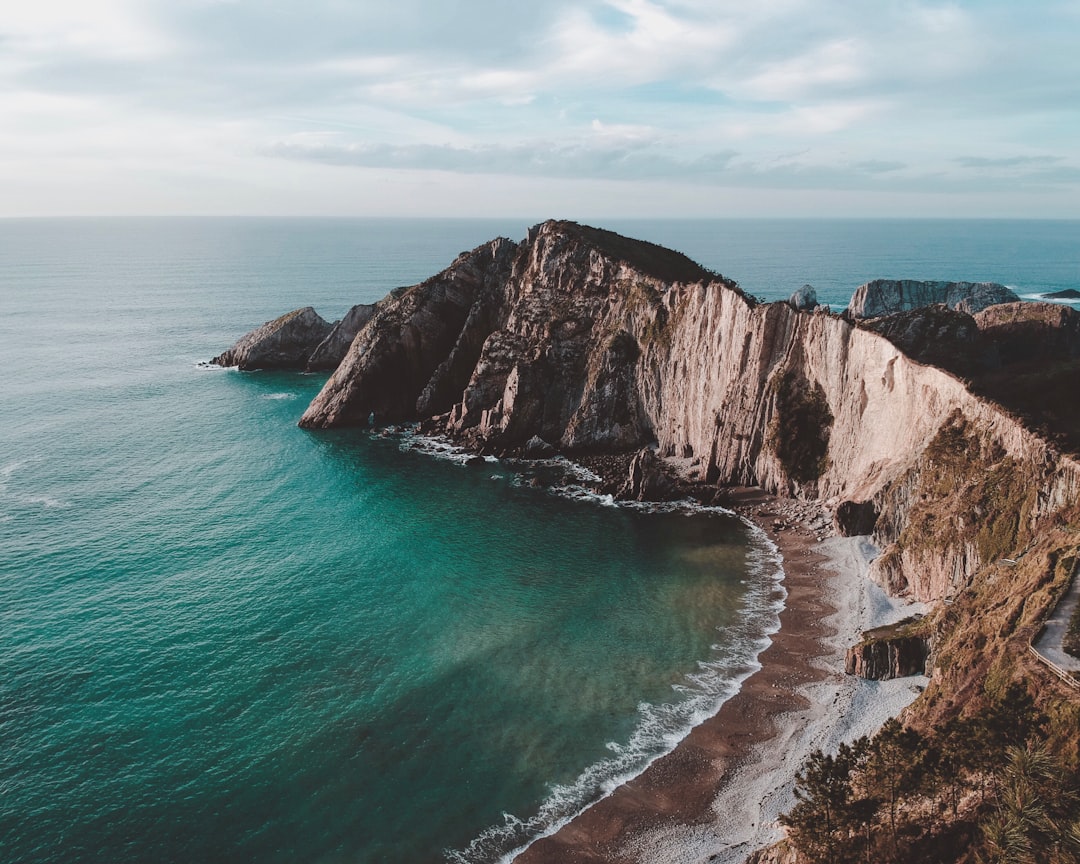
Côte d’Azur Travel Guide: Everything You Need to Know (2026)
The Côte d’Azur stretches roughly 300 km along France’s Mediterranean southeast coast, from the dramatic red cliffs of the Massif de l’Esterel to the Italian border at Menton. Nice, the region’s capital, sits at sea level and hosts over 4 million tourists annually, making this one of Europe’s most visited coastlines. The French Riviera was officially ‘discovered’ by British aristocrats in the early 19th century, and 200 years later it still commands some of the highest real-estate prices on the planet.
Top 3 Highlights at a Glance
- Monaco’s Casino de Monte-Carlo — Opened in 1863, this gilded gambling palace defines Riviera excess — entry to the main rooms costs €17.
- Èze Village — A medieval perched village at 427 m altitude with vertigo-inducing views straight down to the sea.
- Antibes’ Musée Picasso — Picasso lived and painted here in 1946, leaving 23 paintings and 44 drawings directly to the museum.
Scroll down for our complete travel guide with tips on getting there, where to stay, costs and more.
Getting There
How do I best reach the Côte d’Azur?
Fly into Nice or take a high-speed TGV train — both are genuinely excellent options. **Nice Côte d’Azur Airport (NCE)** is the second-busiest airport in France, with direct flights from **over 100 international destinations**. From Paris, a TGV from **Gare de Lyon** reaches Nice in roughly **5.5 hours** and costs from **€35** booked in advance. In my experience, the train beats flying when you’re based in Paris because you arrive right in the city centre without airport transfers. My tip: avoid driving from Paris — the **A8 autoroute toll fees** alone can hit **€60** each way, and summer traffic near Cannes is genuinely brutal.
Which airport is closest to the Côte d’Azur?
**Nice Côte d’Azur Airport (NCE)** is the main gateway, located just **7 km west of Nice city centre**. It handles budget carriers including easyJet and Ryanair alongside Air France long-haul connections. A secondary option is **Marseille Provence Airport (MRS)**, about **180 km west**, which occasionally offers cheaper fares — useful if you plan to explore the western Esterel end of the Riviera first. What surprised me: **Cannes has no commercial airport** despite its fame, so everyone flying for the Film Festival lands at Nice. The tram line **T2** now connects NCE directly to Nice city centre in **8 minutes for €1.70**, which is genuinely one of the best airport-to-city connections in France.
How long is the journey from Nice to key Côte d’Azur destinations?
Distances along the Côte d’Azur are shorter than most visitors expect. **Nice to Monaco is 21 km — about 25 minutes by train for €4.10**. Nice to Cannes is **33 km**, roughly **40 minutes by train for €7**. Nice to Menton, the eastern edge of the French Riviera, takes just **35 minutes by train**. In my experience, the train is faster than driving in July and August because the coastal road, the **Corniche Inférieure (D6098)**, turns into a car park in peak season. My honest caveat: Antibes, one of the most rewarding stops, is slightly awkward to reach by bus from Nice — the train is far more reliable.
Are there direct bus connections along the Côte d’Azur?
Yes, and they are surprisingly affordable. The **Lignes d’Azur** network and the regional **Zou!** bus service cover most of the coast. Critically, **all regional buses in the Alpes-Maritimes department cost a flat €1.50 per journey** — this includes the coastal route from Nice to Menton and the inland route to Grasse. In my experience, Bus **No. 100** along the Corniche Inférieure between Nice and Monaco is one of the most scenic €1.50 rides in Europe. The honest trade-off: buses run infrequently after 8 pm and connections to hilltop villages like Èze-Village require combining bus **No. 83** with a steep 30-minute walk. Plan around daylight hours.
Is a rental car necessary for exploring the Côte d’Azur?
Not necessary for the coast itself, but essential for inland villages. The train and €1.50 buses handle **Nice, Cannes, Antibes, Monaco, and Menton** perfectly well. However, perched villages like **Gourdon, Peille, and Lucéram**, plus the **Gorges du Verdon** (about **140 km northwest of Nice**), are inaccessible without a car. My tip: rent for just **2-3 days mid-trip** rather than the whole stay — **Europcar at Nice Airport** typically quotes from **€45/day** for a compact car in shoulder season, rising to **€80+ in August**. Parking in Cannes and Monaco is a genuine nightmare and expensive; budget **€3-5/hour** in any coastal town during summer.
Accommodation
Which towns make good bases on the Côte d’Azur?
**Nice is the best all-round base** — it has the airport, the train hub, a proper city with a historic old town (**Vieux-Nice**), and beaches. Cannes suits people who want a more glamorous, resort-town feel with the famous **Boulevard de la Croisette** on the doorstep. Antibes is my personal favourite for a quieter rhythm — it has **Picasso’s museum, 16th-century ramparts**, and better-value restaurants than Nice or Cannes. Avoid basing yourself in Monaco unless your budget is limitless — a mid-range hotel there costs **€300+/night**. What surprised me: **Juan-les-Pins**, immediately next to Antibes, has some of the best sandy beaches on the entire Riviera and half the crowds of Cannes.
Where should I stay on the Côte d’Azur?
Stay in **Vieux-Nice (Nice’s old town)** for maximum atmosphere — narrow baroque streets, excellent restaurants, and a 10-minute walk to the Promenade des Anglais. For Cannes, the **Le Suquet neighbourhood** behind the old port is more authentic than the hotel strip along the Croisette. In Antibes, anywhere within the **old town walls** is ideal. If you want a villa or apartment rental, the **Cap d’Antibes peninsula** offers spectacular properties but commands prices starting at **€500/night** in July. In my experience, booking an Airbnb apartment in **Villefranche-sur-Mer** — a tiny harbour village between Nice and Monaco — gives you a stunning base at roughly **40% less** than equivalent Nice accommodation.
What does accommodation cost on the Côte d’Azur?
Budget a minimum of **€90-120/night for a clean 3-star hotel** in Nice during shoulder season. In peak July-August, the same room hits **€160-220**. Cannes runs about **20% more expensive** than Nice across all categories. A luxury hotel on the **Promenade des Anglais** — like the iconic **Negresco** — starts at **€450/night**. Hostels in Nice’s centre cost around **€35-45/night** for a dorm bed. My tip: self-catering apartments via Airbnb in residential Nice neighbourhoods like **Libération or Madeleine** average **€100-130/night** for a full apartment, saving significantly on meals. The honest warning: the Côte d’Azur has essentially no genuine budget hotel stock in July and August.
How far in advance should I book accommodation on the Côte d’Azur?
**Book at least 3 months ahead for July and August** — this is non-negotiable. The **Cannes Film Festival in May** (around **12 days in mid-May**) locks up every hotel within **30 km** of Cannes at inflated rates; book **6 months out** if visiting in that window. For shoulder months like **June or September**, 4-6 weeks is sufficient for mid-range options. What surprised me: the **Monaco Grand Prix weekend in late May** has the same effect as Cannes — hotels in Nice triple in price. My honest caveat: last-minute deals essentially do not exist on the Côte d’Azur in summer; the region is too popular and too small to have unsold inventory by June.
When is the best time to visit the Côte d’Azur?
**July, August, and September are the best months** based on climate data — longest sunshine, warmest sea (hitting **26°C in August**), and all beach facilities fully operational. My personal recommendation is **September**: crowds drop sharply after the French school term starts on 1 September, prices fall by **20-30%**, yet the sea stays warm through the entire month. June is excellent if you want fewer crowds and prices closer to **€90/night** for hotels. Avoid **mid-July to mid-August** unless you specifically want the full buzzing Riviera experience — beaches get genuinely packed and restaurant queues are long. In my experience, late September along the **Cap Ferrat peninsula** is as close to paradise as this coast gets.
Best Time to Visit
How does the weather affect activities on the Côte d’Azur?
The Riviera gets **300 sunshine days per year**, so weather disruption is rare in summer. Swimming is pleasant from **June through October** — sea temperature stays above **20°C** for 5 months. The **Mistral wind** can blow hard in March-April, making outdoor dining and boat trips unpleasant; it can gust to **90 km/h** in exposed spots near Saint-Tropez. Hiking in the **Mercantour National Park** (about **100 km north of Nice**) is best in July-August when snow has cleared from higher trails above **2,000 m**. Winter is mild — Nice averages **13°C in January** — making it viable for sightseeing, though most beach clubs close from November to March. In my experience, spring rain is brief but can be heavy.
Are there local festivals on the Côte d’Azur worth attending?
**Absolutely yes — several are world-class events.** The **Nice Carnival** in February is Europe’s largest carnival outside Venice, running for **2 weeks** with tickets from **€15**. The **Cannes Film Festival** in May is technically open to the public for screenings in the **Cinéma de la Plage** — free beach cinema every evening during the festival. **Monaco Grand Prix** in late May draws **200,000 spectators** and is genuinely unmissable if you can afford grandstand tickets (**€150-700**). The **Menton Lemon Festival** in February celebrates the town’s famous citrus with sculptures made from **130 tonnes of lemons and oranges**. My tip: book accommodation 6 months ahead for any of these — hotels price-gouge aggressively around all four events.
When does the Côte d’Azur get most crowded?
**The peak is mid-July to mid-August — French school holidays drive extreme crowding.** The beaches of **Pampelonne near Saint-Tropez** get so packed in August that sunbeds must be reserved days ahead. Nice’s old town is walkable but restaurant waits hit **45-60 minutes** without reservations. The **Promenade des Anglais** is essentially a slow-moving pedestrian highway. What surprised me: **Monaco is paradoxically less crowded in summer** than you’d expect because day-trippers come and go quickly. For a quieter Riviera fix in peak season, head to less-publicised spots like **Beaulieu-sur-Mer** or the beaches of **Théoule-sur-Mer** near the Esterel — genuinely far fewer tourists than Nice or Cannes in August.
What does a daily budget cost on the Côte d’Azur?
**Budget travellers can survive on €100-120/day; mid-range comfort costs €180-250/day.** Breakdown for mid-range: accommodation **€120-160**, lunch at a nice brasserie **€20-30**, dinner **€35-50**, transport **€5-10** (flat-rate buses), one museum or activity **€15-20**. A genuine luxury day — beach club sunbed, Michelin lunch, evening cocktails in Monaco — hits **€400+ easily**. In my experience, eating the **€15-18 plat du jour lunch menu** at restaurants away from the seafront is the single best way to eat well without overspending. My honest warning: a single cocktail at a **Saint-Tropez beach club** costs **€22-28** — these places eat budgets at extraordinary speed.
Is the Côte d’Azur more expensive than other French regions?
**Yes — it is the most expensive region in France outside Paris.** A café crème costs **€3.50 in Nice versus €2.50 in Lyon**. Restaurant mains average **€22-28 in Cannes versus €14-18 in Bordeaux**. Petrol at coastal stations runs roughly **€0.10-0.15/litre more** than the national average. In my experience, the gap widens sharply the closer you get to Monaco and Saint-Tropez — a simple pizza that costs **€14 in Nice costs €22 in Monaco**. The honest good news: the **€1.50 flat bus fare** across the entire Alpes-Maritimes department is a genuine anomaly — public transport here is actually cheaper than in Paris, where a single metro ticket costs **€2.15**.
Budget
What free highlights are there on the Côte d’Azur?
Plenty — and they are genuinely among the best experiences. **Walking the Promenade des Anglais** in Nice at sunrise costs nothing and is extraordinary. The **Èze Botanical Garden** is paid, but the village itself and panoramic views are free to wander. **Nice’s Cours Saleya market** (Tuesday-Sunday mornings) is free to browse and one of the most vibrant flower and food markets in France. **Cinéma de la Plage during Cannes Film Festival** offers free evening screenings on the beach in May. The hike from **Èze-sur-Mer station up to Èze Village** is a free **45-minute climb** through incredible coastal scenery — Nietzsche famously walked this path and wrote parts of *Thus Spoke Zarathustra* here.
What do local specialities cost on the Côte d’Azur?
**Socca (chickpea pancake) costs €3-4 at Vieux-Nice market stalls** — it’s the definitive Riviera street food. A bowl of **soupe de poisson** (Provençal fish soup) at a decent Nice brasserie runs **€12-16**. **Salade Niçoise** — the authentic version with anchovies, tuna, hard-boiled egg, and no lettuce — costs **€14-18** at sit-down restaurants. **Pan bagnat**, the tuna-stuffed bread roll sold at takeaway counters, is a filling lunch for **€6-8**. In my experience, the **Cours Saleya market on Tuesday mornings** sells the best local olives, tapenade, and fresh fruit at reasonable prices — far better value than supermarket equivalents. Avoid ordering bouillabaisse in tourist-facing restaurants; it costs **€45-65** and is often mediocre.
Which route do you recommend for 5-7 days on the Côte d’Azur?
**Base yourself in Nice and make day trips — this is the most efficient structure.** Day 1-2: Explore **Vieux-Nice**, the **Colline du Château** (free hilltop viewpoint), and **Promenade des Anglais**. Day 3: Train to **Monaco (€4.10, 25 minutes)** — walk the palace rock, visit the **Oceanographic Museum (€20)**, and take the free Casino terrace view. Day 4: Train to **Antibes (€7, 30 minutes)** — **Musée Picasso**, old town ramparts, then walk to **Juan-les-Pins beach**. Day 5: Hire a car for the day (**€45-50**) and drive inland — **Èze Village, La Turbie’s Roman trophy monument, and Gourdon** perched village. Day 6-7: Head west to **Cannes and the Îles de Lérins** by ferry (**€20 return**) for the best swimming of the trip.
What are the must-see sights on the Côte d’Azur?
**These five are non-negotiable in my book.** First, **Nice’s Vieux-Nice** — Baroque architecture, Cours Saleya market, and the best socca in France. Second, **Monaco’s Oceanographic Museum**, founded by Prince Albert I in 1910, with a rooftop terrace overlooking the harbour that costs just **€20 entry**. Third, **Antibes’ Musée Picasso**, housed in the **Château Grimaldi** where Picasso actually worked in 1946 — the collection is intimate and genuinely moving. Fourth, **Cap Ferrat peninsula** — walk the **5.7 km coastal path** around Europe’s second-most expensive real estate. Fifth, **the Îles de Lérins**, a pair of islands off Cannes where monks have made Cistercian wine since the 5th century — reachable by **20-minute ferry for €20 return**.
What natural highlights does the Côte d’Azur offer?
Far more than most visitors expect — this coast backs directly onto dramatic terrain. The **Massif de l’Esterel**, with its blood-red porphyry rock plunging into the sea between Cannes and Saint-Raphaël, is one of France’s most photogenic coastlines and largely free to hike. The **Gorges du Verdon**, about **140 km northwest of Nice**, is Europe’s deepest canyon at **700 m** — kayaking the gorge floor takes a full day. **Mercantour National Park** directly behind Nice reaches **3,143 m** at Mont Gélas and has marked trails starting from **€0 entry**. In my experience, the **Sentier du Littoral coastal path** from **Menton to Roquebrune** offers 6 km of wild coastline with no beach clubs, no crowds, and stunning views of both France and Italy.
Routes & Highlights
What local specialities should I try on the Côte d’Azur?
**Socca is mandatory — eat it hot from the pan at Chez René Socca in Vieux-Nice.** This ancient chickpea-flour pancake costs **€3.50** and is unlike anything found elsewhere in France. **Daube Niçoise** (beef slow-cooked in wine with olives) is the proper winter dish. **Tarte de blettes** — a sweet chard tart with pine nuts and raisins — sounds odd but is exceptional. **Pissaladière**, a caramelised onion flatbread with anchovies, is the local answer to pizza. For wine, **Bellet AOC** is a tiny appellation of just **50 hectares** on Nice’s northern hills — you’ll rarely find it outside the region. In my experience, ordering the **plateau de fruits de mer (seafood platter)** at a harbour-side restaurant in **Villefranche-sur-Mer** is the single most memorable meal this coast can offer.
What activities are available on the Côte d’Azur?
The range is exceptional. **Sailing lessons** at **Nice’s Port Lympia** start at **€60 for a half-day beginner session**. **Scuba diving** around **Cap Ferrat’s underwater reserves** costs **€50-65 per dive** with equipment. Paragliding from **Gourdon** (900 m altitude, 40 km inland) offers a 20-minute tandem flight over the coast for **€110**. **Sea-kayaking** the calanques near **Théoule-sur-Mer** is largely self-guided from **€25/half-day kayak rental**. The **Nice to Monaco Cycle Path** is a mostly flat **20 km coastal route** running along the lower Corniche — easily done in **90 minutes** on a hired e-bike (**€30/day**). In my experience, a half-day **Provençal cooking class in Antibes** for around **€85** teaches you more about this food culture than any restaurant.
What distinguishes the Côte d’Azur from other French regions?
**The collision of sea, mountains, and extreme wealth within 20 km is genuinely unique.** Nowhere else in France can you swim in the Mediterranean in the morning, ski at **Isola 2000 (2,000 m altitude, 90 km from Nice)** in the afternoon in winter, and eat Michelin-starred food in Monaco at night. The **international flavour is unlike anything in the French interior** — 30% of Monaco’s residents are not French nationals, and Nice has had Italian DNA since the city was part of the Kingdom of Sardinia until **1860**. What surprised me: the Niçois dialect and culinary tradition is genuinely distinct from both French and Italian — **socca, pan bagnat, and pissaladière** have no close equivalent in either neighbouring culture.
Which day trips are possible from the Côte d’Azur?
**The best day trip is to Ventimiglia in Italy — 40 minutes by train for €5 return.** The Friday market there is enormous, cheap, and gives you Italy without the tourist premium. **Grasse**, the perfume capital of the world (**17 km north of Cannes**, bus or car), where **Chanel No. 5’s jasmine is sourced**, makes a fascinating half-day. **Saint-Paul-de-Vence**, an artists’ village with the **Fondation Maeght** modern art museum (**€20 entry**), is 30 minutes by bus from Nice. The **Gorges du Verdon** by rental car is a long but rewarding full day — allow **3 hours driving** each way from Nice. In my experience, the single most underrated day trip is to **Bergamo-adjacent Peille village**, just **22 km from Monaco**, almost completely unknown to tourists.
Are there language barriers on the Côte d’Azur?
**English is widely spoken in tourist areas — language is rarely a practical problem.** In Nice, Cannes, Monaco, and Antibes, hotel and restaurant staff almost universally speak functional to excellent English. Monaco is genuinely multilingual — French is official but Italian and English are heard constantly. The honest caveat: venture into **local markets, inland villages, or non-tourist restaurants** and French becomes essential — locals appreciate any effort, however basic. In my experience, learning **5 key phrases** (bonjour, s’il vous plaît, merci, l’addition s’il vous plaît, parlez-vous anglais?) transforms how you’re treated in smaller restaurants. **Niçois signage and some older menus** use local dialect terms that even standard French speakers find confusing.
Practical Tips
Which apps do you recommend for the Côte d’Azur?
**These four are genuinely essential for the Riviera.** First, **Lignes d’Azur** app for real-time bus timetables across the Alpes-Maritimes — the €1.50 flat fare system is only navigable easily with this app. Second, **SNCF Connect** for train bookings — buy **Nice to Monaco or Nice to Cannes tickets in advance** for slightly better scheduling options. Third, **Météo-France** rather than generic weather apps — the Mistral wind forecasts here are meaningfully more accurate. Fourth, **Google Maps offline** downloaded for the entire Côte d’Azur region — mobile data in coastal tunnels and on the Moyenne Corniche mountain road drops regularly. In my experience, **TheFork (LaFourchette)** for restaurant reservations is also worth downloading — it offers **up to 50% discounts** at participating Nice and Cannes restaurants during low-season.
Are there medical facilities on the Côte d’Azur?
**Yes — the region is extremely well-served medically.** **CHU de Nice (Centre Hospitalier Universitaire)** is a full university hospital with international patient services and English-speaking staff. Cannes has **Hôpital Simone Veil**, and Monaco’s **Centre Hospitalier Princesse Grace** is a private-standard public hospital. Pharmacies (identified by a green cross) are on virtually every main street in coastal towns and open until **8-9 pm**; the duty pharmacy rota (pharmacie de garde) covers nights and Sundays. My honest tip: EU citizens should carry an **EHIC/GHIC card** for free or reduced-cost treatment; non-EU visitors must carry travel insurance — a single emergency room visit in Nice costs upwards of **€150** without coverage.
How safe is the Côte d’Azur?
**Generally very safe — but petty theft is a real and specific problem.** Pickpocketing on Nice’s **tramway lines T1 and T2** and at the **Cours Saleya market** is the most common issue — keep bags in front of you. The **Promenade des Anglais at night** is well-lit and busy; I’ve walked it at 1 am without concern. **Monaco is statistically one of the safest places on Earth** — it has more police per capita than anywhere in Europe. The honest warning: **moped bag-snatching near Nice’s old port** has been a persistent problem — don’t hang bags from café chairs near **Quai des États-Unis**. Outer residential areas of Nice beyond **Ariane** and some parts of **Les Moulins** are best avoided at night.
What are common traveller mistakes on the Côte d’Azur?
**The biggest mistake is renting a car for the entire trip.** Parking costs in Cannes and Nice run **€30-40/day** in summer, traffic on the coastal road is genuinely gridlocked from mid-July to mid-August, and the train does the job better. Second mistake: eating anywhere on the **first row of restaurants facing the Promenade des Anglais** — the view is free, the food is overpriced and mediocre. Third: visiting **Monaco just for the Casino** — many tourists gamble €50, are disappointed, and miss the **Oceanographic Museum and the Palace Changing of the Guard at 11:55 am daily**. In my experience, the worst mistake is skipping **Antibes entirely** because it’s less famous — it’s genuinely the most rewarding stop on the entire coast.
Which accommodation types suit the Côte d’Azur best?
**For most visitors, a centrally located hotel or apartment in Nice is the best value structure.** Boutique hotels in **Vieux-Nice** averaging **€120-160/night** give you walkable access to everything without a car. Self-catering apartments via Airbnb in Nice’s **Libération neighbourhood** (10 minutes from the beach by tram) cut food costs dramatically — a full kitchen saves **€30-40/day** on breakfasts and lunches. For a splurge, villa rentals on **Cap d’Antibes** between 2-4 people actually work out reasonable — **€500/night split 4 ways is €125 per person** with a private pool. My honest caveat: avoid budget hostels in **Nice’s République area** east of the station — several are poorly maintained and noise levels are extreme in summer.