
Denmark: The Complete Travel Guide (2026)
Last reviewed: August 2026 · key facts checked against Wikidata
Denmark Travel Guide: Everything You Need to Know (2026)
Denmark, a Nordic nation of 5,822,863 people, packs Viking history, world-class design, and one of the world’s happiest populations into a compact country spanning just 43,094 km² on the Jutland Peninsula and 443 islands. Copenhagen alone draws over 13 million overnight stays annually, yet most travelers never venture beyond the capital to discover the dramatic west-coast beaches of Jutland or the medieval grandeur of Funen. Founded as a unified kingdom around 935 AD under Harald Bluetooth, Denmark rewards travelers who plan carefully — the short distances are deceptive, and every region punches far above its weight.
Top 3 Highlights at a Glance
- Nyhavn, Copenhagen — 17th-century colored townhouses lining a canal — Hans Christian Andersen lived at No. 20 for 18 years.
- Kronborg Castle, Helsingør — UNESCO-listed fortress immortalized as Hamlet’s Elsinore, sitting 45 km north of Copenhagen on the Øresund strait.
- Wadden Sea National Park — Denmark’s only UNESCO natural site, home to 12 million migrating birds and Europe’s largest tidal flat system.
Scroll down for our complete travel guide with tips on getting there, where to stay, costs and more.
Getting There & Transport
Which airports are the best entry points into Denmark?
Copenhagen Airport (CPH) is Denmark’s dominant gateway, handling over 30 million passengers annually. My tip: CPH is in Kastrup, just 8 km from central Copenhagen, making it the most practical entry point for most visitors. Billund Airport (BLL) in central Jutland is the second-largest and ideal if you’re heading to Legoland or western Denmark — it’s a 2-hour drive from Copenhagen by car. Aarhus Airport (AAR) technically serves Denmark’s second city but is 45 km from Aarhus city center, which is a hassle. What surprised me is that Billund often offers cheaper connecting flights from budget European hubs, so check both airports before booking.
How do I get from the airport to my first accommodation in Denmark?
From Copenhagen Airport (CPH), the Metro Line M2 runs directly to Kongens Nytorv in the city center in 14 minutes, costing DKK 36 (approximately USD 5). Trains to Copenhagen Central Station take 13 minutes and run every 10 minutes. In my experience, the Metro is faster than a taxi during rush hour. The honest caveat: taxis from CPH cost DKK 250–350 and aren’t worth it unless you’re traveling with heavy luggage to a non-central address. From Billund Airport, no direct train exists — you’ll need a bus or rental car. My tip: pre-book the Flixbus connection to Vejle for onward rail links if you don’t rent a car.
What transport options are there within Denmark?
Denmark has an excellent integrated transport network. DSB trains connect Copenhagen to Aarhus in 3 hours and to Odense in 1.5 hours — comfortable, punctual, and bookable cheaply in advance. Flixbus and Kombardo Expressen cover routes trains miss, especially in Jutland. Domestic ferries link islands like Bornholm (2.5-hour crossing from Køge) and Fanø (12-minute crossing from Esbjerg). In my experience, the Rejsekort travel card is the most convenient option — it works across trains, buses, and metro nationwide with automatic discounts. What most guides omit: regional bus connections in rural Jutland are infrequent, often 1 bus every 2 hours, so always check timetables before planning.
Do I need a rental car to explore Denmark?
For Copenhagen and the main cities, absolutely not — public transport covers everything. However, I recommend a rental car specifically for western Jutland, the North Jutland coast, and island-hopping beyond Funen. My tip: renting from Copenhagen Airport costs approximately DKK 400–700 per day for a compact car through major operators like Europcar or Hertz. The honest trade-off: parking in Copenhagen costs DKK 30–60 per hour in the center, making a car actively counterproductive there. What surprised me is how fast Denmark is to drive across — Jutland tip to Flensburg border is only 3.5 hours — so a car for the final 3–4 days of a trip is a very efficient strategy.
How good is the public transport network between regions of Denmark?
Between major cities, Denmark’s public transport is genuinely world-class. DSB InterCity trains between Copenhagen, Odense, and Aarhus run hourly and are punctual 95% of the time. The Øresund Bridge connects Copenhagen to Malmö, Sweden in 35 minutes by train. What most guides omit is that the further north or west into Jutland you go, the patchier connections become — Skagen, Denmark’s northernmost town, requires a train to Frederikshavn plus a regional bus. In my experience, the Rejseplanen app is the single most useful tool for navigating Danish public transport — it integrates every mode of transport and gives real-time departures. Never assume a direct connection exists without checking it first.
Accommodation
Which regions should I stay in when visiting Denmark?
Copenhagen is the obvious base for first-timers — the Vesterbro and Nørrebro neighborhoods offer better value than the tourist-heavy center around Strøget. For historic Denmark, base yourself in Odense on Funen — birthplace of Hans Christian Andersen and central enough to day-trip to Egeskov Castle and Faaborg. Aarhus is Denmark’s best-kept city secret: compact, culturally rich, and far less crowded than Copenhagen. For nature, the North Sea coast near Blåvand or Skagen is spectacular. What surprised me: staying in Helsingør (45 km from Copenhagen) gives you Kronborg Castle on your doorstep plus fast train access to the capital, at accommodation costs 30% lower than central Copenhagen.
What does good accommodation cost per night in Denmark?
Denmark is expensive — I won’t sugarcoat it. A solid 3-star hotel in central Copenhagen costs DKK 900–1,400 (USD 130–200) per night. In Aarhus or Odense, the same quality runs DKK 700–1,000 (USD 100–145). Budget hostels in Copenhagen’s Danhostel network start at DKK 250 per dorm bed. My tip: Danish summerhouses (sommerhus) rented through platforms like DanCenter offer exceptional value — a full house sleeping 6 near the Jutland coast can cost DKK 600–900 per night split across a group. The honest caveat: Copenhagen hotels during June–August or Christmas markets often sell out and prices spike — budget accordingly.
When should I book hotels in Denmark — how far in advance?
For Copenhagen in July and August, book a minimum of 3 months in advance — the city fills up fast, especially during Distortion festival (late May/early June) and Copenhagen Jazz Festival (July). My tip: for Skagen and the North Jutland coast, book 4–6 months ahead because the summerhouse stock is limited and Danish families dominate reservations from January. For Aarhus and Odense in shoulder season, 4–6 weeks is usually sufficient. What most guides omit: Danish school holidays — particularly week 7 (February) and the summer holiday from late June to mid-August — drive domestic demand sharply, meaning rural coastal areas fill up faster than Copenhagen itself.
When is the best time to travel to Denmark?
Based on verified climate data, June, July, August, and September are the best months to visit Denmark. My recommendation: late June and September hit the sweet spot — weather is reliably warm, crowds are thinner than peak July, and prices drop slightly after the Danish school summer holiday ends in mid-August. July delivers the longest days with sunset around 10 PM in Copenhagen, ideal for outdoor exploration. In my experience, May is genuinely underrated — temperatures reach 15–18°C, the countryside is green, and the tourist infrastructure is fully operational. The honest trade-off: even in summer, Denmark can deliver a rainy week — pack a waterproof layer regardless of the forecast.
How does peak season affect prices in Denmark?
Peak season — July and August — inflates accommodation prices by 30–50% compared to shoulder months. In Copenhagen, a hotel room averaging DKK 900 in May can hit DKK 1,400–1,600 in July. Restaurant prices don’t surge dramatically, but popular dining spots like Torvehallerne market get genuinely congested. My tip: ferry routes to Bornholm and Fanø book out weeks in advance in July — I’ve seen foot passengers turned away without reservations. What most guides omit: Danish domestic tourists dominate the North Sea coast in summer, meaning English-speaking infrastructure thins out in places like Hvide Sande — charming but plan accordingly. Visiting in September saves real money without sacrificing much weather quality.
Best Time to Visit
Which regions of Denmark have different climate zones?
Denmark has a temperate oceanic climate nationwide, but regional differences are notable. Western Jutland facing the North Sea is windier, rainier, and cooler — Esbjerg and Blåvand average significantly more rainfall than the east. Copenhagen and eastern Zealand enjoy the driest and sunniest conditions in Denmark, thanks to their sheltered position. Bornholm, Denmark’s easternmost island, gets more sunshine hours than any other part of the country — often 600+ hours in summer — earning it the nickname ‘the sunshine island.’ In my experience, the North Jutland coast near Skagen can be simultaneously sunny and blustery on the same afternoon — pack wind protection even in August. Funen sits comfortably between extremes.
What are the rainy seasons in Denmark?
Denmark has no single defined monsoon-style rainy season — rainfall is distributed fairly evenly across the year. October and November are statistically the wettest months, while February and March are driest. That said, no month averages more than 70 mm of rainfall, so ‘rainy season’ is relative. In my experience, autumn storms in October can make western Jutland’s coast genuinely challenging — waves close beaches and ferries to smaller islands get cancelled. My tip: if you visit in April or May, expect classic Nordic changeability — sun, rain, and wind within a single day. Pack merino wool layers that dry fast. The honest warning: Danish summer is beautiful but never guaranteed — even July can deliver 5 consecutive grey days.
What does a trip to Denmark cost per person per day?
Denmark is one of Europe’s more expensive destinations. A budget traveler staying in dorm hostels, cooking some meals, and using public transport should plan DKK 500–700 (USD 70–100) per day. A mid-range traveler with a private hotel room, restaurant lunches, and attraction entries realistically spends DKK 1,200–1,800 (USD 170–260) per day in Copenhagen. My tip: food costs drop significantly if you eat your main meal at lunch — many Copenhagen restaurants offer frokost (lunch menus) at DKK 120–180 versus dinner prices of DKK 280–450 for similar dishes. What surprised me: museum costs add up fast — budget DKK 200–250 per museum and consider the Copenhagen Card if you’re hitting 4+ attractions.
How expensive is food in Denmark?
Food in Denmark is genuinely expensive — budget for it honestly. A sit-down lunch at a mid-range restaurant costs DKK 150–220 (USD 22–32). A smørrebrød (open-faced sandwich) from a traditional Danish lunch restaurant like Aamanns in Copenhagen runs DKK 85–130 per piece. Street food at Copenhagen Street Food on Refshaleøen offers better value — expect DKK 80–120 per dish. Supermarkets like Netto or Rema 1000 are the budget traveler’s best friend — a full picnic assembly costs DKK 50–80. My tip: a sit-down dinner at a good but non-Michelin restaurant averages DKK 350–550 per person with a beer. The honest caveat: alcohol is heavily taxed — a 0.5L beer in a bar costs DKK 55–80.
What hidden costs should I expect when traveling in Denmark?
Several costs catch first-time visitors off guard. Luggage storage at Copenhagen Central Station costs DKK 60–80 per bag per day. Many public toilets in Denmark charge DKK 5–10 to enter, including at some train stations. Ferry surcharges for bikes or cars add DKK 100–300 per crossing on routes to Bornholm or Fanø. My tip: the Danish plastic bag levy is minor (DKK 3–5) but indicative of how small charges accumulate. What most guides omit: many Copenhagen attractions charge separately for temporary exhibitions on top of standard entry — Nationalmuseet is free but the Viking Ship Museum in Roskilde costs DKK 175. Restaurant service charge is included in prices, but rounding up by 10% is appreciated.
Budget & Costs
How much cash should I bring to Denmark?
Bring minimal cash — Denmark is effectively a cashless society. In my experience across 4 visits, I went entire weeks spending DKK 0 in physical cash. Even market stalls, food trucks at Reffen in Copenhagen, and rural farm shops accept Dankort (Danish debit card) or Visa/Mastercard. That said, keep DKK 200–300 in cash as emergency backup for the rare coin-operated locker, toll booth, or older parking meter. The honest caveat: some very small local festivals or church collection boxes are cash-only. ATMs (Hæveautomater) are widely available in all towns — use your bank’s network to avoid DKK 30–50 withdrawal fees charged by independent ATM operators. Never exchange currency at airport kiosks.
Which credit cards are accepted in Denmark?
Visa and Mastercard are accepted essentially everywhere in Denmark — restaurants, hotels, transport, and shops. American Express is accepted at larger hotels and international chains but refused by many independent restaurants and smaller retailers. In my experience, contactless payment is the default in Copenhagen — just tap your card or phone without a PIN for amounts under DKK 350. My tip: inform your bank before travel to avoid fraud blocks — Danish terminals process quickly and multiple transactions in one day can trigger alerts. What surprised me: the Dankort, Denmark’s national debit card, sometimes gets preferential processing at smaller merchants, but your international Visa/Mastercard works fine everywhere. Apple Pay and Google Pay are widely accepted, especially in Copenhagen.
Which regions of Denmark must I not miss?
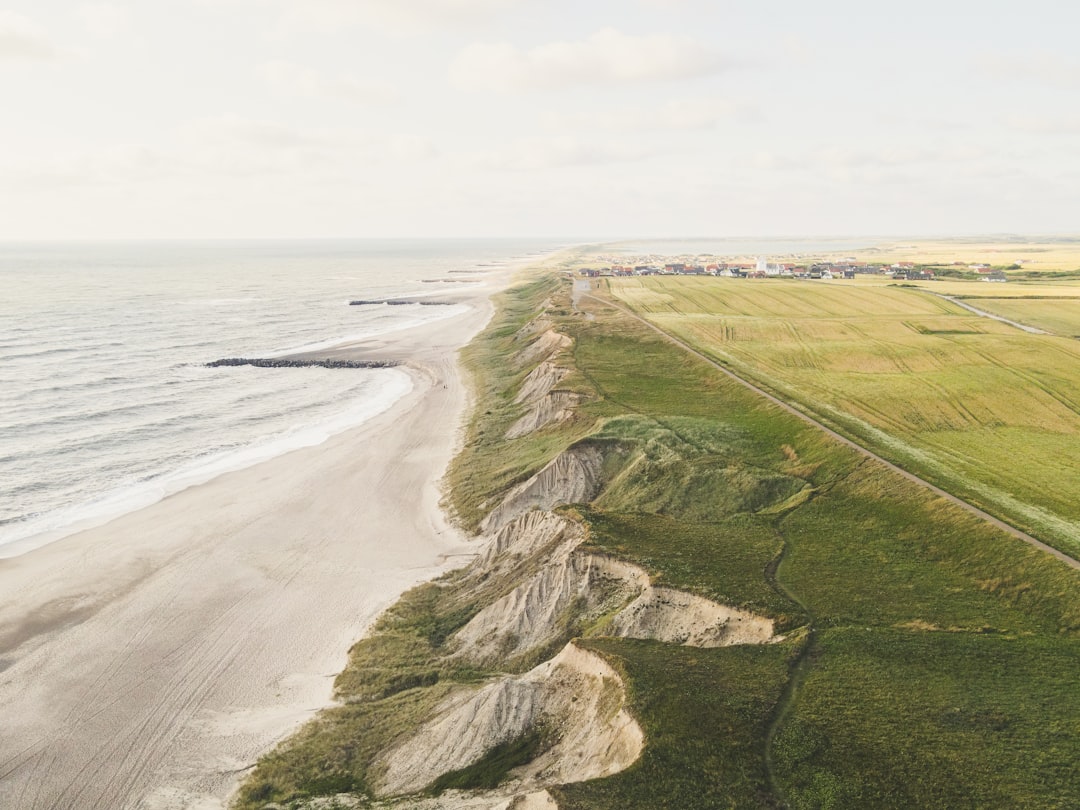
Copenhagen and North Zealand are non-negotiable for first-timers — the capital plus Kronborg Castle (45 km away) and Louisiana Museum of Modern Art in Humlebæk cover culture comprehensively. Aarhus is Denmark’s most underrated city — the ARoS art museum with its rainbow panorama walkway and the Den Gamle By open-air museum are genuinely excellent. Bornholm rewards the effort to reach it — clifftop Hammershus Castle ruins, Gudhjem smoked herring, and round churches unique to the island. My top surprise: the North Jutland coast between Skagen and Løkken has beach dunes and light quality that painters have celebrated for 150 years — Skagens Museum documents this movingly. Don’t treat Funen and Odense as a pass-through.
What are the tourist highlights of Denmark?
The must-do list for Denmark hits hard. Nyhavn in Copenhagen is iconic — photograph it at golden hour rather than midday. Tivoli Gardens, the world’s second-oldest amusement park (opened 1843), is worth the DKK 150 entry even without rides — the atmosphere is genuinely magical. Kronborg Castle in Helsingør (a 40-minute train from Copenhagen) is a UNESCO site and the real-world setting of Shakespeare’s Hamlet. The Viking Ship Museum in Roskilde houses 5 original 1,000-year-old Viking ships — the most moving museum in Denmark in my view. In Jutland, the Ribe Cathedral and medieval old town — Denmark’s oldest city, founded around 700 AD — is strikingly well preserved and rarely overcrowded.
What experiences in Denmark are found nowhere else?
Three experiences are genuinely unique to Denmark. First: starling murmurations (sort sol) in the South Jutland marshes near Tønder — in March and October, up to 1 million starlings perform aerial formations at dusk that have to be seen to be believed. Second: eating smørrebrød at a traditional Danish lunch restaurant — the ritual of open-faced rye bread with pickled herring, liver paste, and roast beef is a cultural institution unlike anything elsewhere in Scandinavia. Third: visiting Christiania, the self-governing commune in Copenhagen that has operated autonomously since 1971 — 84 acres of alternative community, workshops, and live music, controversial but genuinely unlike any neighborhood on earth.
Regions & Highlights
Which areas of Denmark are overcrowded — and what are the quieter alternatives?
Nyhavn in July is wall-to-wall tourists by 11 AM — the canal itself is beautiful but the experience is frustrating. My alternative: walk 10 minutes to Frederiksstaden and the Amalienborg Palace square — equal beauty, half the crowds. Legoland in Billund during Danish school holidays requires 2–3 hour queue times for main rides — visit on a Tuesday or Wednesday in early June when Danish schools are still in session. Skagen in late July is genuinely packed — stay in Løkken, 25 km south, which has equally dramatic dunes and a fraction of the visitors. What surprised me: Bornholm’s east coast around Svaneke stays quieter than the famous Gudhjem even in peak summer — the charming harbors are nearly identical.
How many days do I need to see Denmark properly?
A minimum of 7 days covers Copenhagen thoroughly plus one region. 10–12 days is the sweet spot to add Aarhus, Bornholm, and North Jutland without feeling rushed. My recommended split: 3 days Copenhagen, 1 day North Zealand (Kronborg + Louisiana), 1 day Roskilde, 2 days Aarhus, 2 days Bornholm, and 2 days Jutland coast. The honest trade-off: Denmark’s small size is deceptive — the ferry to Bornholm from Køge takes 2.5 hours each way and an overnight stay is essential to make it worthwhile. In my experience, travelers who allocate only 5 days see Copenhagen and leave feeling they’ve ‘done Denmark’ — they’ve missed the best parts.
Do I need a visa to visit Denmark?
Denmark is a Schengen Area member, so EU and EEA citizens enter freely with a national ID card. US, Canadian, Australian, and UK citizens can visit visa-free for up to 90 days within any 180-day period. My tip: from 2025, the EU’s ETIAS pre-travel authorization applies to visa-exempt non-EU nationals — it costs EUR 7 and is valid for 3 years, applied for online before travel. What most guides currently omit: UK citizens post-Brexit are in the visa-exempt category but are subject to passport expiry rules — your passport must be valid for the duration of stay. Citizens of most other nations need a Schengen visa — apply through the Danish Embassy in your country at least 6–8 weeks in advance.
What languages are spoken in Denmark?
Danish is the official language, but English proficiency in Denmark ranks among the world’s highest — consistently in the top 3 globally in the EF English Proficiency Index. In my experience across Copenhagen, Aarhus, and rural Jutland, I was never once unable to communicate in English, including at local supermarkets, ferry terminals, and farm shops. My tip: learning 5–10 Danish phrases (tak = thank you, undskyld = excuse me, skål = cheers) earns genuine goodwill — Danes appreciate the effort even though they won’t need it. The honest caveat: in very remote areas of North Jutland and among older rural residents, English may be more limited — Google Translate’s camera function handles Danish menus and signs perfectly.
What cultural rules do I need to know before visiting Denmark?
Denmark has a flat, informal social culture — but several unwritten rules matter. Queue discipline is sacred: jumping a queue at a Danish bakery or deli counter is genuinely offensive. Cycling rules are enforced: pedestrians walking in the red cycle lanes of Copenhagen risk collisions with commuters — always check before stepping off the pavement. Punctuality matters in social and professional contexts — arriving more than 5 minutes late to a Danish home invitation is rude. In my experience, Danes value personal space — don’t initiate physical contact beyond a handshake. What surprised me: the Janteloven cultural concept means visible boasting about wealth or status is actively frowned upon — keep conspicuous consumption low-key. Tipping is appreciated but never expected.
Practical Tips
How safe is Denmark for travelers?
Denmark is one of the world’s safest countries — ranked consistently in the top 5 on the Global Peace Index. Violent crime against tourists is extremely rare. Copenhagen has seen isolated gang-related shootings in specific neighborhoods like parts of Nørrebro’s Mjølnerparken area, but these don’t target tourists and are geographically contained. In my experience walking at night through Vesterbro, the Latin Quarter, and Frederiksberg, I never felt remotely unsafe. The honest caveat: pickpocketing does occur on the S-tog trains and around Strøget shopping street — keep phones in front pockets and bags zipped. Nørreport Station is the highest-risk spot for bag theft in Copenhagen. Standard European city precautions apply — Denmark is otherwise remarkably safe.
What health precautions should I take before visiting Denmark?
No vaccinations are required for Denmark beyond standard up-to-date immunizations. The European Health Insurance Card (EHIC) covers EU citizens for emergency treatment through Denmark’s public healthcare system. Non-EU travelers should carry comprehensive travel insurance — a GP visit in Denmark costs approximately DKK 300–500 without coverage. My tip: bring sufficient prescription medication for your stay — Danish pharmacies (Apotek) are excellent but won’t always stock foreign brand equivalents. What surprised me: tick-borne encephalitis is a genuine risk in forested areas of Bornholm and South Jutland from April to October — wear long sleeves and use DEET repellent if hiking in long grass. Tap water is among the world’s purest — drink it directly from the tap everywhere in Denmark.
What SIM card or eSIM options are available in Denmark?
EU travelers can use their home SIM with EU roaming included at no extra charge — Denmark’s networks are fully covered. Non-EU visitors should buy a local SIM or eSIM before or upon arrival. At Copenhagen Airport, Telia, Telenor, and YouSee kiosks sell tourist SIMs starting at DKK 99 for 10 GB of data. My tip: Airalo eSIM pre-loaded before departure covers Denmark within a Nordic or European data bundle from around USD 5–8 for 1 GB — convenient and avoids airport queues. The honest caveat: 4G coverage is excellent across Copenhagen and main cities but can drop to 3G or edge in remote North Jutland moors — download offline maps.me or Google Maps before venturing off major routes.
Which apps do you recommend for traveling in Denmark?
Rejseplanen is the single most important app — it covers all Danish public transport including trains, buses, metros, and ferries with real-time updates. DOT Mobilbillet lets you buy Copenhagen transport tickets directly on your phone. Arriva covers regional buses in Jutland. For navigation, Google Maps works excellently in Denmark but CityMapper gives better multi-modal routing within Copenhagen. My tip: download the Visit Denmark app for curated route ideas and event listings. Too Good To Go saves money on surplus restaurant food — I’ve gotten DKK 150 worth of bakery items for DKK 39 in Copenhagen. For cycling, Donkey Republic is the best bike-share app operating across Danish cities. MobilePay is Denmark’s dominant payment app — your foreign card works fine as an alternative.
What are the most common traveller mistakes in Denmark?
The biggest mistake: assuming Denmark is just Copenhagen. Travelers who spend all 5 days in the capital miss Bornholm, Aarhus, and the Jutland coast entirely. Second mistake: not booking ferries and trains in advance — DSB advance tickets can be 50% cheaper than walk-up fares, and Bornholm ferries in July fill up completely. Third: walking in Copenhagen’s cycle lanes — I’ve seen tourists nearly hit by commuter cyclists doing 25 km/h in the red lanes. My tip: always look for the red asphalt before stepping off a curb. Fourth mistake: eating every meal in tourist restaurants near Nyhavn — a three-course dinner there costs DKK 500+ for food you can get better and cheaper in Vesterbro or Nørrebro for DKK 280–350. Finally: underestimating Danish weather — always pack a waterproof jacket.
Explore Denmark by Region
Denmark at a Glance
| Population | 5,822,863 |
|---|---|
| Currency | Danish krone (kr.) |
| Official language | Danish |
| Time zone | UTC+01:00 |
Source: Wikidata, retrieved August 2026.
Essential Resources for Planning Your Trip to Denmark
- Answer your travel questions with our Denmark A – Z — official visitor information, passes & events
- Wikipedia: Denmark — history, geography & background
- Wikivoyage: Denmark — community travel guide & practical tips
- Complete guide to Denmark – Lonely Planet | Europe — expert itineraries & travel inspiration
- THE 15 BEST Things to Do in Denmark (2026) — hotels, restaurants & traveller reviews
- Answer your travel questions with our Denmark A – Z — how to get around
- Numbeo: Cost of Living in Denmark — current prices & cost comparison
- Timeanddate: Denmark Weather & Climate — forecasts & climate statistics
More Perspectives on Denmark
- Denmark Travel Guide by Rick Steves
- Travel Guide: One Week in Denmark & My Favorite Spots
- 25 Things You Need to Know Before Visiting Copenhagen …
Denmark Travel Videos
Watch these videos for a visual preview before your trip:
- Denmark Beyond Copenhagen
- How to Spend 3 Days in COPENHAGEN Denmark | Travel Itinerary
- Copenhagen Vacation Travel Guide | Expedia
Denmark Travel Discussions on Reddit
Real traveller experiences and community advice:
- denmark – first time visitor, and first time …
- American Family Visiting Denmark
- Denmark Trip Advice : r/travel
Data Sources
This page was compiled using data from Wikipedia, Wikidata, Open-Meteo (climate), Numbeo (cost of living) and REST Countries. Information is updated regularly.