
Dubrovnik: The Complete Travel Guide (2026)
Last reviewed: September 2026 · key facts checked against Wikidata
Dubrovnik Travel Guide: Everything You Need to Know (2026)
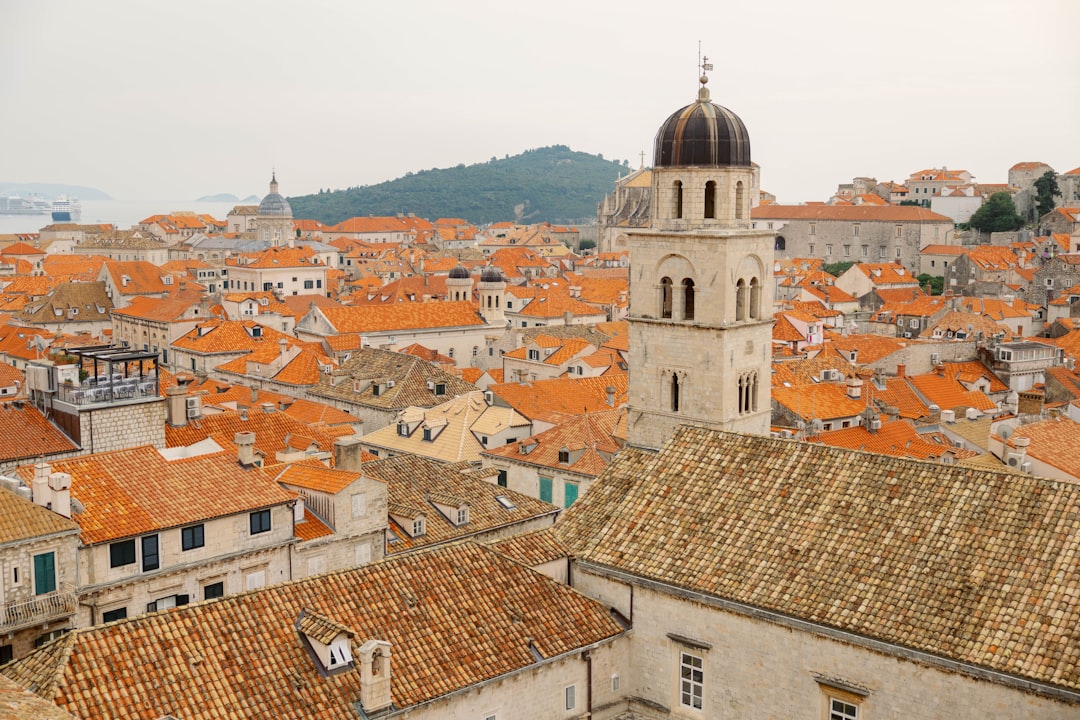
Dubrovnik, founded in the 7th century and sitting at the southern tip of Croatia’s Dalmatian Coast, is one of Europe’s most perfectly preserved medieval walled cities — its Old Town walls stretch 1,940 metres and enclose a population of just around 1,500 permanent residents today. The city sits at sea level on the Adriatic and draws over 1.5 million cruise passengers annually, making crowd management your single biggest logistical challenge. Flying into Dubrovnik Airport (DBV), located 19 km south of the Old Town, remains the fastest entry point for most international travellers in 2026.
Arrival & Airport
How do I get to Dubrovnik — do I need a car?
You do not need a car in Dubrovnik itself — in fact, a car is actively a liability inside the Old Town. No private vehicles enter the historic core, and parking at Ilijina Glavica garage costs 80–120 HRK per hour in peak season. I recommend flying into Dubrovnik Airport (DBV) and using the Atlas airport bus (45 HRK) or a rideshare like Bolt directly to Pile Gate. What most guides omit: if you plan day trips to Montenegro or Pelješac Peninsula, renting a car for 1–2 specific days is smarter than a full rental, saving you roughly €40–60 in unnecessary daily fees.
Is Dubrovnik worth staying overnight or is it a day trip?
Dubrovnik absolutely demands at least 2 overnight stays — do not treat it as a day trip. The city transforms completely after 6 PM when cruise passengers leave and the Old Town breathes again. Walking the 1,940-metre walls at sunset costs 35 EUR entry and the experience is incomparable without crowds. My honest caveat: if you’re based in Split, the 4.5-hour bus ride each way makes a day trip brutally exhausting and you’d arrive during peak cruise hours. Budget travellers visiting from Korčula by catamaran (2.5 hours) can pull off a single overnight more comfortably.
Where should I stay when visiting Dubrovnik?
Stay inside or immediately outside Pile Gate — this is my non-negotiable recommendation. The Ploče neighbourhood just east of the Old Town gives you walkable access without the noise of Stradun bars. Avoid booking in Lapad, which is 4 km from the walls and requires a bus for every outing — a detail most booking platforms hide. For budget stays, Gruz harbour area is a reasonable compromise at 15–20% cheaper nightly rates. I’ve found that Apartment Allure and similar privately owned units inside the walls offer unbeatable atmosphere, though walls are thin and summer nights loud until midnight.
City Transport
How much time should I plan for Dubrovnik?
Plan 3 full days minimum to see Dubrovnik without rushing. Day 1: walk the city walls early (open from 8 AM, arrive by 8:15 AM to beat groups). Day 2: cable car up Mount Srđ (778 metres) and an afternoon on Banje Beach. Day 3: day trip to Lokrum Island by boat (15 EUR return, departs every 30 minutes from the Old Harbour). What most people miss: a fourth day for Cavtat by boat (20 minutes south) is genuinely worthwhile and almost empty compared to Dubrovnik itself. Anything under 2 nights leaves you feeling like you only scratched the surface.
What makes Dubrovnik special compared to other Croatian cities?
Dubrovnik’s UNESCO-listed Old Town is the only fully car-free, intact medieval walled city on the Adriatic coast — Split and Zadar can’t match that completeness. The Republic of Ragusa, which ruled here independently from 1358 until 1808, left an architectural uniformity unlike anywhere else in Croatia — every building inside the walls is built from the same white Korčula limestone. What surprised me most: the city’s Game of Thrones filming legacy (King’s Landing scenes) genuinely adds an interesting layer even for non-fans. The honest trade-off is this: that uniqueness commands a 40–60% price premium over Split for identical accommodation quality.
What are the key sights in Dubrovnik I shouldn’t miss?
The City Walls (35 EUR) are the centrepiece — walk them clockwise for the best sea-facing light. Rector’s Palace (15 EUR) gives the richest insight into Ragusan Republic history with genuinely excellent English labelling. The Franciscan Monastery Pharmacy, operating since 1317 and one of Europe’s oldest active pharmacies, costs only 5 EUR and most visitors walk past it. Fort Lovrijenac, standing on a 37-metre cliff outside the walls, offers the best elevated photo angle of the Old Town for 35 EUR (combined ticket with walls). My honest warning: Stradun, the main marble street, is photogenic but every restaurant lining it overcharges by 30–40% compared to streets one block back.
Accommodation & Neighbourhoods
What is there to do in the surroundings of Dubrovnik?
The Elaphiti Islands — Koločep, Lopud, and Šipan — are reachable by ferry from Gruz harbour in 25–75 minutes and remain dramatically less visited than Dubrovnik itself. Cavtat, a small Venetian-era town 20 km south, is my personal favourite half-day escape and the boat ride costs 20 EUR return. Pelješac Peninsula, known for Plavac Mali red wine and oysters from Ston, is 90 minutes by car and frankly outclasses any wine experience available in the city. The caveat: Mostar in Bosnia (2.5 hours by car or organized tour at 45–65 EUR) is heavily promoted but I find it genuinely worthwhile despite the tourist density — the Stari Most bridge is stunning.
What local specialities should I try in Dubrovnik?
Order black risotto (crni rižot) made with cuttlefish ink — 12–18 EUR at restaurants off Stradun, 22–28 EUR directly on it. Oysters from Ston (40 minutes north) are the regional pride: fresh, briny, and available for 1–1.50 EUR each at the Ston harbour wall, or 2.50–3 EUR in Dubrovnik restaurants. Rozata, a Croatian flan with rose liqueur, is the local dessert most tourists skip in favour of gelato — find it at Konoba Kolona in the Old Town for 5 EUR. My caveat: Peka (meat or octopus slow-cooked under a bell) is delicious but requires 24-hour advance ordering at most restaurants — book it on arrival day, not the morning you want it.
What does a visit to Dubrovnik cost in 2026?
Budget €100–130 per person per day in peak summer — Dubrovnik is the most expensive destination in Croatia by a significant margin. City walls entry: 35 EUR. Cable car: 25 EUR return. A sit-down lunch on a side street: 18–25 EUR. A beer on Stradun: 6–8 EUR versus 3.50 EUR two streets back at Buža Bar (the cliff bar cut into the city walls). Accommodation inside the Old Town runs €120–250 per night for a decent double in 2026. My honest assessment: a 3-day budget including accommodation, sights, food, and one day trip realistically costs €550–750 per person — anyone claiming you can do it for less is staying in Lapad and skipping half the experience.
Highlights & Must-Sees
When is the best time to visit Dubrovnik in 2026?
Visit Dubrovnik in late May or early October — non-negotiable in my view. June through August sees the city walls reaching 40°C surface temperature by midday, and up to 8,000 cruise passengers disembark daily in July, turning Stradun impassable by 10 AM. May offers sea temperatures of 18–20°C (swimmable for most), wall entry without queues, and hotel rates 30–40% lower than August peaks. October is my personal favourite: the Adriatic hits 22–23°C, the light is golden, and Lokrum Island feels like a private garden. The honest warning: Dubrovnik Summer Festival runs July 10 – August 25 — culturally fantastic but accommodation books out 8–10 months ahead for those dates.
Is Dubrovnik accessible year-round, or does it close in winter?
Dubrovnik stays open year-round but November through February is genuinely quiet — most restaurants inside the Old Town close or operate reduced hours, and the Elaphiti Island ferries drop to 1–2 daily departures. Winter temperatures average 10–14°C, which is mild but the Bura wind can be fierce and the Adriatic is closed for swimming. What most guides omit: winter Dubrovnik is legitimately beautiful — the walls are free of crowds, locals reclaim Stradun, and hotel rates drop to €60–90 per night for properties costing €200+ in summer. I’d recommend it specifically for photography-focused travellers and anyone interested in the city’s actual lived culture rather than its tourist performance.
How crowded does Dubrovnik get and when should I avoid it?
Dubrovnik is the most overcrowded small city in the Mediterranean relative to its size — the Old Town covers just 1.3 square kilometres and receives over 4,000 day-trippers simultaneously on peak July days. The city has implemented a cruise passenger cap of 5,000 per day since 2019, but enforcement remains inconsistent. Avoid 9 AM–2 PM any day between June 15 and September 15 if cruise ships are docked — check arrivals at cruisetimetables.com the night before. My practical tip: the walls are worst on Tuesday and Thursday mornings when multiple large ships dock simultaneously. Arrive at Pile Gate by 8 AM or after 4 PM for a genuinely pleasant experience even in peak season.
Food & Drink
What are common mistakes tourists make when visiting Dubrovnik?
The biggest mistake: eating on Stradun — every restaurant there charges a 35–50% markup for the view. Walk to Od Sigurate or Prijeko Street for identical food at honest prices. Second mistake: visiting the walls at midday in summer — the limestone surface reaches 40°C and there’s zero shade for 1,940 metres. Third mistake: booking accommodation in Lapad to save money, then spending €15–20 daily on taxis into the Old Town and missing the magical early-morning and late-evening atmosphere. What surprises most visitors: Game of Thrones tours (45 EUR, 2 hours) are actually well-run and genuinely informative about the city’s architecture even if you haven’t watched the show.
Should I use parking or public transport when visiting Dubrovnik?
Use public transport or taxis exclusively — parking in Dubrovnik is the worst decision you can make. The Ilijina Glavica car park (closest to Pile Gate) charges 10–15 EUR per hour in July and August and queues form by 8:30 AM. City buses 1, 1A, and 3 connect Lapad, Gruz harbour, and Pile Gate for 2 EUR per ride (buy tickets from kiosks — drivers charge 3 EUR cash). Bolt operates reliably in Dubrovnik and is 30–40% cheaper than metered taxis. My honest warning: if you’re driving from Split or Sarajevo, use the Dubrovnik Cable Car car park at the base station in Gornja Lapad — it’s cheaper and a 10-minute bus ride from Pile Gate.
Which nearby towns pair well with a visit to Dubrovnik?
Cavtat (20 km south) is my top pairing — a Venetian harbour town with the Račić Mausoleum by sculptor Ivan Meštrović, almost zero cruise tourists, and restaurants serving the same Dalmatian food at 25–30% lower prices. Ston (60 km north), famous for the 5.5-km defensive walls (Europe’s longest) and its oyster beds, pairs perfectly for a half-day. Korčula Island (reachable by 2.5-hour catamaran, 20 EUR) is genuinely the best overnight extension — a miniature walled town claiming to be Marco Polo’s birthplace, with Pošip white wine you won’t find easily elsewhere. My caveat: Mostar is heavily sold by tour operators but the 2.5-hour journey each way makes it a rushed experience unless you sleep there.
Tours & Activities in Dubrovnik
More Destinations in Europe
Explore our complete travel guides for more Europe destinations: Brest Travel Guide (2026), La Rochelle Travel Guide (2026), Île de Glénan Travel Guide (2026), Hauts-de-France Travel Guide (2026), Languedoc-Roussillon Travel Guide (2026).
Dubrovnik at a Glance
| Population | 41,562 |
|---|---|
| Currency | EUR (€) |
| Official language | Croatian |
| Time zone | UTC+01:00 |
Source: Wikidata, retrieved September 2026.
Useful Resources for Planning Your Trip to Dubrovnik
- Wikipedia: Dubrovnik — history, geography and background
- Lonely Planet: Dubrovnik — itineraries and travel inspiration
- TripAdvisor: Dubrovnik — hotels, restaurants and traveller reviews
🎥 Dubrovnik Travel Videos

24 Tips I Wish I Knew Before Visiting Dubrovnik, Croatia
Camden David

DUBROVNIK – Everything I wish I Knew Before I Went | Plus …
Chip Hammontree
Dubrovnik Croatia 7 Things You Should Know Before Visiting …
The BOLD Traveller
You are currently viewing a placeholder content from Vimeo. To access the actual content, click the button below. Please note that doing so will share data with third-party providers.
More InformationYou are currently viewing a placeholder content from YouTube. To access the actual content, click the button below. Please note that doing so will share data with third-party providers.
More InformationYou need to load content from reCAPTCHA to submit the form. Please note that doing so will share data with third-party providers.
More InformationYou are currently viewing a placeholder content from GetYourGuide. To access the actual content, click the button below. Please note that doing so will share data with third-party providers.
More Information