
Hungary: The Complete Travel Guide (2026)
Last reviewed: August 2026 · key facts checked against Wikidata
Hungary Travel Guide: Everything You Need to Know (2026)
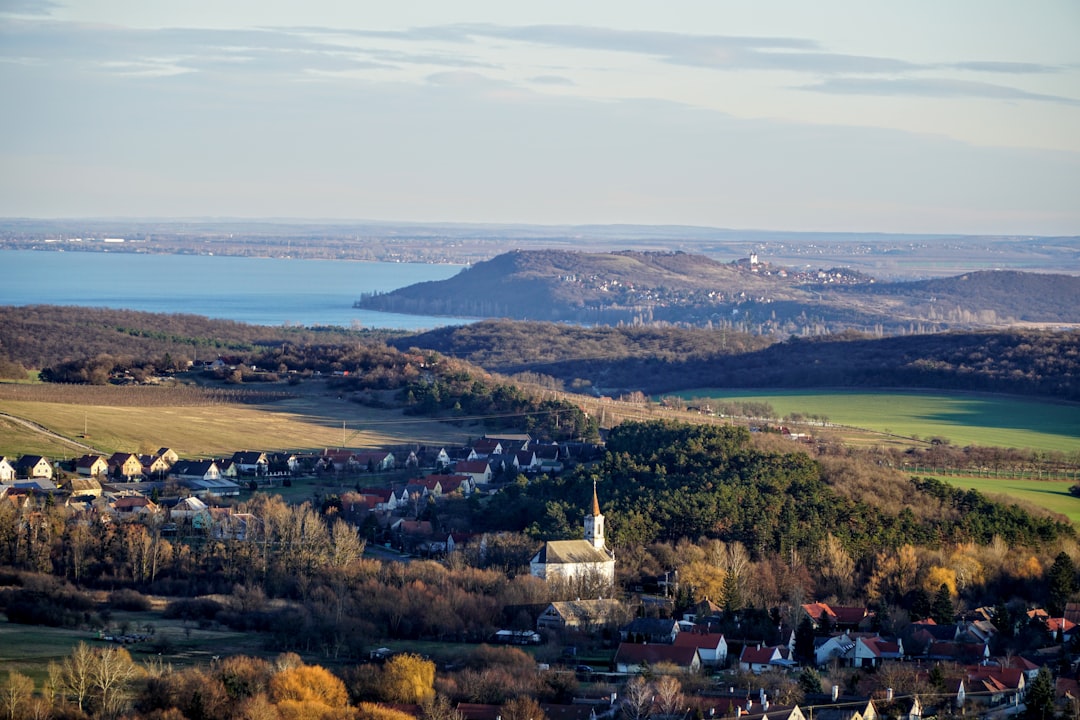
Hungary, home to 9,603,634 people, sits at the heart of Central Europe in the Carpathian Basin, bordered by 7 countries including Austria, Slovakia, and Romania. Budapest alone attracts over 5 million international visitors annually, making it one of Europe’s most visited capitals. The country spans 93,028 km² and contains Central Europe’s largest lake, Lake Balaton, stretching 77 km from end to end.
Top 3 Highlights at a Glance
- Budapest’s Thermal Baths — Széchenyi Bath, built in 1913, holds 18 pools and draws 1.5 million visitors per year — bathing culture is uniquely Hungarian.
- Tokaj Wine Region — UNESCO-listed since 2002, this volcanic-soil wine region produces Aszú, a dessert wine Napoleon called ‘wine of kings.’
- Hortobágy National Park — Hungary’s first national park, covering 800 km², is Europe’s largest continuous natural grassland — a landscape unlike anywhere else.
Scroll down for our complete travel guide with tips on getting there, where to stay, costs and more.
Getting There & Transport
Which airports are the best entry points into Hungary?
Budapest Ferenc Liszt International Airport (BUD) is Hungary’s overwhelmingly dominant gateway — it handles over 16 million passengers annually. In my experience, BUD connects directly to virtually every major European hub and has solid long-haul links via Wizz Air and Ryanair for budget travelers, plus Lufthansa, KLM, and British Airways for full-service. My tip: if you’re heading to western Hungary or Lake Balaton, consider flying into Vienna Airport (VIE), just 240 km away, which often has cheaper transatlantic fares. There is no second major commercial airport inside Hungary itself, so BUD is your realistic entry point for 95% of itineraries. The caveat most guides skip: BUD is undergoing expansion, meaning construction delays in terminals are ongoing through 2026.
How do I get from Budapest airport to my first accommodation in Hungary?
Take the 100E express bus — it runs directly from the terminal to Deák Ferenc tér in central Budapest in roughly 35 minutes for 1,100 HUF (approx. $3). In my experience, this is the single best value transfer in Budapest. My tip: avoid the unlicensed taxi touts at arrivals — they charge 4x the legitimate rate. Licensed Főtaxi from the official rank costs around 7,000–9,000 HUF ($18–23) to the city centre and takes 30–45 minutes depending on traffic. The honest caveat: the 100E doesn’t run 24 hours — after midnight your only realistic option is a licensed taxi or Bolt ride-share app, which typically costs 5,000–6,500 HUF. Pre-booking your hotel in District V or VII puts you closest to the bus terminus.
What transport options exist within Hungary?
Hungary’s national rail network MÁV connects Budapest to every major city — Debrecen in 2.5 hours, Pécs in 3 hours, Győr in 1.5 hours. Intercity buses operated by Volánbusz fill gaps MÁV misses, especially for smaller towns. In my experience, the InterCity train is comfortable and punctual on main corridors. Domestic flights don’t exist — the country is too compact. What surprised me: Keleti, Nyugati, and Kelenföld stations each serve different regions, so knowing your departure station matters. The honest warning most guides skip: rural bus timetables in northeastern Hungary can mean 1 bus per day on some routes, making a rental car essential outside the main rail corridors. Bolt and Uber work well in Budapest but don’t function in provincial towns.
Do I need a rental car to explore Hungary properly?
For Budapest only: absolutely not. For Lake Balaton, the Puszta, Eger wine country, or Transdanubia villages: yes, a car transforms your trip. I recommend hiring from Budapest Airport with Europcar or Hertz — expect to pay $35–55 per day for a compact car including basic insurance. Hungarian roads are generally good; the M1, M7, and M3 motorways are fast and toll-required via a digital vignette costing 5,765 HUF ($15) for 10 days. My honest caveat: parking in Budapest’s District I (Castle District) is a nightmare — park-and-ride at Keleti station and use metro instead. If your itinerary is purely Budapest plus Balaton, the train from Keleti to Balatonfüred (1 hour 50 minutes) makes a car unnecessary.
How good is Hungary’s public transport network between regions?
Between major cities, Hungary’s intercity rail is genuinely good. Budapest to Debrecen: 6 daily InterCity trains, 2h30m, around 4,990 HUF ($13). Budapest to Pécs: 7 daily connections, 2h45m. What surprised me: MÁV’s app and website have improved substantially — you can book seats online now. The weakness is east-west connectivity: getting from Debrecen to Pécs without routing through Budapest adds 3+ hours. Rural northeastern Hungary and the Zemplén Hills region are genuinely difficult without a car. I recommend the Hungary Pass for rail if you’re covering 4+ cities in a week — it saves roughly 30% versus individual tickets. The honest warning: older rolling stock still operates on secondary lines, meaning some regional trains run slow and without air conditioning.
Accommodation
Which regions of Hungary should I stay in?
Stay in Budapest’s District VII (Jewish Quarter) for nightlife and central access — it’s also the most affordable inner district for accommodation. For wine and history, base yourself in Eger in northern Hungary. For water and summer relaxation, Balatonfüred on Lake Balaton’s north shore is classier than the crowded south shore towns. In my experience, Tokaj in the northeast is criminally underused as a base — tiny, authentic, and surrounded by UNESCO vineyards. For the flat Puszta experience, Hortobágy village or nearby Debrecen work well. My honest caveat: outside Budapest, English-language signage and menus become inconsistent, particularly in Szabolcs-Szatmár-Bereg county in the far northeast — worth knowing before you go.
What does good accommodation cost per night in Hungary?
In Budapest, a solid 3-star hotel in District V or VII runs $65–95 per night. Quality 4-star properties like those around Andrássy Avenue cost $120–180. In my experience, the best value is a private apartment via Airbnb in District VIII — around $45–70 for a clean, well-located space. Outside Budapest, prices drop sharply: a comfortable guesthouse in Eger or Pécs costs $40–65, and Lake Balaton pension-style guesthouses run $55–85 in peak summer. The honest trade-off: the cheapest hostels in Budapest’s party district are genuinely noisy until 4am — pay the extra $15 for a quieter street. Prices in verified 2025 data average around $80/night for mid-range Budapest options.
When should I book hotels in Hungary — how far in advance?
For Budapest in July and August, book at least 8–10 weeks ahead — the city fills up fast, especially around the Sziget Festival (typically second week of August), when hotel prices spike 40–60%. For Lake Balaton in peak summer, book 3–4 months ahead — good properties on the north shore sell out by April. In my experience, booking 6–8 weeks ahead is sufficient for Budapest in May, June, or September. What surprised me: New Year’s Eve in Budapest requires booking 4–6 months ahead — it’s one of Europe’s biggest celebrations and hotels near Vörösmarty tér sell out by October. My tip: use Booking.com with free cancellation and lock in rates early — you can always cancel if plans shift.
When is the best time to travel to Hungary?
Based on verified climate data, July, August, and September are Hungary’s best travel months. July and August bring warm, sunny weather ideal for Lake Balaton and outdoor festivals. September is my personal favourite — crowds thin after Sziget Festival, temperatures stay around 22°C, harvest season opens Tokaj’s wine cellars, and Budapest’s outdoor terraces are still fully open. In my experience, late April and May are also excellent — the city is green, the Hungarian Grand Prix crowds haven’t arrived, and prices sit 20–30% below peak. My honest warning: Hungarian summers can hit 38–40°C heat waves in July — Budapest’s concrete heat island makes this genuinely uncomfortable without air conditioning. December is magical for Christmas markets on Vörösmarty tér but cold.
How does peak season affect prices in Hungary?
Peak season — July and August — pushes Budapest hotel rates up 35–50% above shoulder season levels. The Sziget Festival week in August is the single most expensive week: a hotel that costs $80 in May can reach $140–160 that week. Lake Balaton accommodation doubles in July compared to May prices. In my experience, flights into BUD also spike — booking from the UK or Germany in August costs roughly €40–80 more than the same routes in October. My tip: travelling in September gives you 90% of the summer experience at roughly May pricing. The trade-off: Balaton water temperature peaks in August at 24–26°C — September is cooler at 20–22°C but still swimmable. What surprised me: Christmas markets (late November–December) also create a mini price spike of about 20%.
Best Time to Visit
Which regions of Hungary have different climate zones?
Hungary has a continental climate, but meaningful variation exists. Budapest and the Danube Bend experience the hottest summers and coldest winters — July averages 28°C, January dips to -2°C. The Northern Uplands (Eger, Miskolc, Tokaj) are slightly cooler and wetter, making them Hungary’s most forested, green region. Transdanubia (west of the Danube) is the most temperate, influenced by Atlantic systems — Sopron and Kőszeg near the Austrian border receive more rainfall and see milder winters. Lake Balaton creates its own microclimate, moderating temperatures slightly — the lake stores heat and stays swimmable into late September. The Puszta (Great Plain) is the most extreme zone: scorching, dry summers and bitter, wind-exposed winters. In my experience, the Puszta in August feels noticeably hotter than Budapest.
What are Hungary’s rainy seasons?
Hungary has no defined monsoon-style rainy season — rainfall is spread relatively evenly year-round, averaging 550–600mm annually. The wettest months are June and November, when afternoon thunderstorms are common. In my experience, June rain in Hungary means short, intense 30-minute storms — rarely all-day drizzle. July and August are actually drier than June despite being peak season. What surprised me: Budapest’s October is genuinely pleasant with low rainfall and golden light — one of the most underrated months to visit. The honest warning: spring flooding along the Danube and Tisza rivers (typically March–April) occasionally affects riverside towns like Győr and Szolnok — worth checking before visiting those areas. Pack a light rain jacket regardless of month; don’t rely on sunshine being guaranteed.
What does a trip to Hungary cost per person per day?
Budget traveller in Budapest: $45–60/day covering a hostel dorm, public transport, street food, and one paid attraction. Mid-range traveller: $90–130/day covering a 3-star hotel, sit-down meals at local restaurants, thermal bath entry, and museum tickets. Comfortable traveller: $180–250/day in a 4-star hotel with dinner at a proper restaurant like Onyx or Borkonyha. Outside Budapest in towns like Eger or Pécs, deduct roughly 25% — the country gets noticeably cheaper away from the capital. My honest caveat: Budapest has gentrified fast — the days of it being ultra-cheap are over. In my experience, it now sits at Czech Republic pricing levels, not the bargain it was a decade ago. Factor in thermal bath entry (3,200–5,500 HUF, $8–14) as a near-daily cost.
How expensive is food in Hungary?
A lángos (deep-fried dough with sour cream and cheese) from a market stall costs 800–1,200 HUF ($2–3). A sit-down lunch at a local étterem (traditional restaurant) with soup, main, and soft drink runs 2,500–4,500 HUF ($6–11). In Budapest’s tourist centre (District V), expect to pay 4,500–7,500 HUF ($11–19) for a main course. A 0.5L draft beer at a ruin bar costs 700–1,000 HUF ($1.80–2.50). What surprised me: the Great Market Hall on Fővám tér food stalls are 30% cheaper than Váci Street restaurants for identical food. My honest warning: restaurants in the Castle District (Budavári) and around Fisherman’s Bastion are tourist traps charging double — always walk one street off the main drag to pay local prices.
What hidden costs should I expect when travelling Hungary?
The motorway vignette for driving is 5,765 HUF ($15) for 10 days and is mandatory — many rental companies don’t mention it upfront. City tourist taxes in Budapest add 4% to hotel bills — not always shown in booking totals. Thermal baths charge extra for locker rental (400–600 HUF) and towel hire (800 HUF) beyond the entry fee. In my experience, the biggest surprise is restaurant table fees (terítékdíj) — a charge of 200–500 HUF per person just for sitting down, often not explained to tourists. Tipping culture is real: 10–15% is expected at sit-down restaurants. ATM fees for foreign cards average $3–5 per withdrawal at non-bank machines in tourist zones — use OTP Bank or Erste Bank ATMs for lower fees. What surprised me: some museums charge separately for photography permits.
Budget & Costs
How much cash should I bring to Hungary?
Hungary uses the Hungarian Forint (HUF) — not the euro, which catches first-timers off guard. I recommend arriving with 20,000–30,000 HUF ($50–75) in cash for your first day to cover transport, market food, and tips. Most Budapest restaurants and shops accept cards, but markets, smaller guesthouses, thermal bath locker deposits, and rural pálinka distilleries are cash-only. My tip: withdraw cash from OTP Bank or K&H Bank ATMs inside the branch — they offer better rates than airport exchange booths, which charge commissions of 5–8%. Never exchange at the airport’s InterChange counters — the rates are genuinely terrible. What surprised me: Balaton resort towns and rural farmhouses are more cash-reliant than Budapest — carry at least 15,000 HUF ($38) in notes when leaving the capital.
Which credit cards are accepted in Hungary?
Visa and Mastercard are accepted at virtually all Budapest hotels, restaurants, and shops. American Express works at higher-end establishments but is refused at roughly 40% of local restaurants — don’t rely on it exclusively. In my experience, contactless payment via phone (Apple Pay, Google Pay) works seamlessly across Budapest and larger cities. The honest caveat: in rural Hungary — think Őrség National Park villages or northern Zemplén — card machines are sparse and older terminals sometimes decline foreign cards without explanation. My tip: always carry 10,000–15,000 HUF backup cash outside Budapest. Revolut and Wise cards work excellently in Hungary with zero foreign transaction fees — I used Revolut for 10 days without issues. Avoid Dynamic Currency Conversion at card terminals — always choose to pay in HUF, never in your home currency.
Which regions of Hungary must I not miss?
Budapest is non-negotiable — no other Hungarian city competes for architecture, food, or culture. Beyond the capital, Eger in northern Hungary is the most rewarding regional city: a Baroque old town, Dobó Castle, the famous Bull’s Blood wine, and Turkey-era thermal baths within a 15-minute walk of each other. Lake Balaton deserves a minimum of 2 nights — focus on the north shore, particularly between Balatonfüred and Badacsony where volcanic hills meet the water. The Tokaj wine region is unlike anywhere else in Hungary — 27 wine villages on UNESCO-protected volcanic soil. In my experience, Hortobágy National Park is Hungary’s most underrated region: the flat, ancient grassland with its csikós horsemen and migratory bird spectacles is genuinely other-worldly and gets a fraction of Budapest’s visitors.
What are Hungary’s tourist highlights?
The Széchenyi Thermal Bath in Budapest — 18 pools, neo-baroque architecture, built in 1913 — is the most iconic single experience. The Hungarian Parliament Building, the world’s third-largest parliament at 268 metres long, is unmissable from the Danube embankment and accessible by guided tour for 8,000 HUF ($20). Fisherman’s Bastion in Buda offers the best panorama of the Danube and Pest — free to enter outside peak hours. The Hortobágy Puszta (800 km² national park) shows you a landscape unchanged for 1,000 years. In my experience, the Great Synagogue on Dohány Street — the largest in Europe, seating 3,000 — is genuinely moving and under-visited compared to western European Jewish heritage sites. Visegrád Royal Palace in the Danube Bend is a 45-minute drive from Budapest and sees 10x fewer tourists than Buda Castle.
What experiences in Hungary are found nowhere else on earth?
Pálinka culture: Hungary’s fruit brandy tradition is legally protected — authentic plum or apricot pálinka from a family distillery in Szabolcs county is a sensory experience you cannot replicate abroad. The csikós horsemen of Hortobágy — performing cracking whip tricks and standing astride galloping horses — is a living tradition, not a staged show. Budapest’s ruin bar scene (originating in Szimpla Kert in 2002) in abandoned Jewish Quarter buildings is genuinely unique to this city. Hungarian thermal bath culture — soaking in geothermal water while old men play chess — exists elsewhere but nowhere with the architectural grandeur of Széchenyi or Gellért. What surprised me: the Tokaj Aszú experience of tasting wine aged in hand-carved volcanic cellars under Mád village at -1°C while harvest happens above you is something I’ve found nowhere in my 10+ years of travel.
Regions & Highlights
Which areas of Hungary are overcrowded — and what are the quieter alternatives?
Buda Castle, Fisherman’s Bastion, and Váci Street in Budapest are crushingly crowded June–August — expect selfie-stick gridlock. My alternatives: cross to Margaret Island (Margit-sziget) where Budapestians actually relax, virtually tourist-free; or take the HÉV suburban rail to Szentendre (30 minutes, 740 HUF), a Danube-side artists’ town that empties after 5pm. On Lake Balaton, Siófok on the south shore is Hungary’s party capital — packed and overpriced. Instead, base in Szigliget or Balatongyörök on the north shore — equally beautiful, 60% quieter, and with better local wineries. In my experience, Eger in wine country sees crowds only on August weekends — visit midweek and you’ll have the castle and wine cellars almost to yourself. The Aggtelek cave system (UNESCO) near the Slovak border sees fewer than 50,000 visitors annually versus millions at Budapest sights.
How many days do I need to see Hungary properly?
7 days minimum to experience Hungary’s variety beyond Budapest. I recommend this split: 3 nights Budapest (enough to see main sights, at least 1 thermal bath, Jewish Quarter, Castle District); 2 nights Eger or Tokaj for wine and history; 2 nights Lake Balaton for nature and swimming. A 10-day trip lets you add Pécs (Hungary’s sunniest city, with remarkable early Christian UNESCO tombs) and a day in Hortobágy. In my experience, Budapest alone rewards 4 nights if you’re a museum, food, and nightlife person — the ruin bar scene alone justifies an extra night. The honest caveat: trying to see Budapest, Balaton, Eger, Tokaj, Pécs, and Hortobágy in one week means 5+ hours of driving daily — either extend the trip or choose 2–3 regions maximum.
Do I need a visa to travel to Hungary?
Hungary is a Schengen Zone member — citizens of EU/EEA countries, the UK, USA, Canada, Australia, and 60+ other nations enter visa-free for up to 90 days within any 180-day period. In my experience, border checks entering from Austria or Slovakia are minimal. The critical update for 2026: ETIAS (European Travel Information and Authorisation System) is expected to launch for non-EU visitors — Americans, Australians, Canadians, and British travellers will likely need a pre-travel ETIAS authorisation costing €7, valid for 3 years. Check the official eu-LISA website before travelling in 2026 — the implementation timeline has shifted repeatedly. Citizens of Ukraine, Russia, and Belarus face significantly more complex visa requirements. Indian and Chinese passport holders require a full Schengen visa — apply at the Hungarian consulate minimum 3 weeks before travel.
What languages are spoken in Hungary?
Hungarian (Magyar) is the official language and one of Europe’s most linguistically isolated tongues — it shares no meaningful vocabulary with German, Slavic, or Romance languages. In my experience, trying even 3 words (köszönöm = thank you, szia = hi, kérem = please) earns you immediate warmth from locals. English is widely spoken in Budapest’s hospitality industry — restaurants, hotels, and tour operators. Outside the capital, English fluency drops sharply: in Debrecen, Miskolc, and Nyíregyháza, German is often more useful than English among older locals. What surprised me: German is the second language of choice across western Hungary, especially in towns near the Austrian border like Sopron. Very few tourism staff in rural guesthouses speak English — download Google Translate with Hungarian offline before leaving home.
What cultural rules do I need to know before visiting Hungary?
Hungarians are direct, not effusive — small talk with strangers is uncommon and silence is not rude. Don’t interpret a straight-faced shop assistant as hostility. Clinking beer glasses is a taboo that many Hungarians still observe — it’s historically tied to Austrian soldiers celebrating the execution of Hungarian generals in 1849. Locals genuinely appreciate it if you respect this. In thermal baths, swimwear is mandatory — attempting to use pools without it will get you removed. At sit-down restaurants, saying ‘köszönöm’ when paying signals you’re done — staff won’t rush you, which is refreshing but confusing for first-timers. What surprised me: tipping in cash directly to the server is preferred over card tipping — servers at some restaurants don’t receive card tips electronically. Remove shoes when entering Hungarian private homes — always.
Practical Tips
How safe is Hungary for travellers?
Hungary is one of Central Europe’s safest countries for tourists — violent crime against visitors is genuinely rare. The main risk in Budapest is pickpocketing, concentrated on the No. 2 tram along the Danube embankment, inside Keleti railway station, and around Vörösmarty tér markets. In my experience, the most common scam is the ’friendly local’ nightclub invitation in District VII — you’re taken to a bar, given overpriced drinks, then shown an enormous bill backed by intimidating staff. Only go to bars you’ve independently chosen. Taxis at Keleti station without meters are notorious for overcharging foreigners — only use Bolt or the official Főtaxi stand. Rural Hungary is exceptionally safe — I’ve walked alone at midnight in Eger and Pécs without concern. The honest note: political demonstrations occasionally occur near Parliament — avoid large gatherings and monitor local news.
What health precautions should I take before visiting Hungary?
No vaccinations are specifically required for Hungary. Ensure your routine vaccinations (tetanus, hepatitis A, MMR) are up to date. Hungary has universal healthcare — EU citizens with a valid EHIC card receive free emergency treatment at state hospitals. Non-EU travellers should carry comprehensive travel insurance covering at least €100,000 medical evacuation. In my experience, Hungarian state hospitals in Budapest are functional but crowded — private clinics like FirstMed Centers on Hattyú Street offer English-speaking GPs for around $90 per consultation. The practical health tip most guides skip: tap water in Hungary is safe to drink throughout the country — don’t waste money on bottled water. Summer heat waves exceed 38°C — sunscreen, hydration, and rest between 12:00–15:00 prevent the heat exhaustion I’ve seen hit tourists at outdoor Danube embankment events.
What SIM card or eSIM options are available in Hungary?
The 3 main Hungarian carriers are Telekom, Vodafone HU, and Yettel — all sell tourist SIM cards at Budapest Airport arrivals and in city-centre shops. A 10GB data SIM valid for 30 days costs approximately 3,000–4,500 HUF ($7.50–11). In my experience, Telekom Hungary has the best rural coverage, which matters when driving through the Puszta or Zemplén Hills where Vodafone signals drop. For EU residents, your home EU plan’s roaming covers Hungary at no extra cost — no local SIM needed. For international visitors, Airalo eSIM for Hungary offers 5GB for approximately $8 and activates instantly — my preferred option since 2023. What surprised me: eSIM adoption at Hungarian airport shops is still limited — if you want a physical SIM, buy at a Telekom store in Budapest within your first day rather than paying airport premiums.
Which apps do you recommend for travelling Hungary?
Bolt — the dominant ride-hailing app in Budapest, cheaper and more reliable than taxis, works across major Hungarian cities. MÁV alkalmazás (MÁV app) — Hungary’s national rail app for timetables and ticket booking, though the interface is clunky; the web version on jegy.mav.hu is cleaner. Bolt Food — food delivery that also reveals which local restaurants are genuinely popular with Hungarians, not just tourists. Google Maps works excellently for navigation including BKK public transport in Budapest. BKK Futár is the official Budapest public transport real-time app — shows exact tram, metro, and bus arrival times. iWaze for parking payment in Budapest (saves hunting for a machine). My personal tip: download Google Translate with Hungarian offline — photographing menus for instant translation saves real confusion in provincial restaurants where English menus don’t exist.
What are the most common traveller mistakes in Hungary?
Mistake 1: Paying with euros — Hungary uses HUF, and businesses that accept euros apply terrible exchange rates, costing you 10–15% extra. Always pay in forint. Mistake 2: Eating on Váci Street or in the Castle District — you pay tourist prices for mediocre food when genuine Hungarian kitchens are 2 streets away. Mistake 3: Underestimating Hungary’s size — trying to day-trip to Pécs from Budapest (3 hours each way) eats your entire day for 2 hours of sightseeing. Mistake 4: Skipping Eger, Tokaj, or the Puszta because Budapest fills the itinerary — the capital is exceptional but the rest of Hungary is what makes the trip memorable. In my experience, the biggest mistake is missing the thermal bath experience entirely out of hesitation — Széchenyi and Rudas are among the greatest public spaces in Europe and cost under $14 to enter.
Explore Hungary by Region
Hungary at a Glance
| Population | 9,603,634 |
|---|---|
| Currency | forint (Ft) |
| Official language | Hungarian |
| Time zone | UTC+01:00 |
Source: Wikidata, retrieved August 2026.
Essential Resources for Planning Your Trip to Hungary
- Visit Hungary — official visitor information, passes & events
- Wikipedia: Hungary — history, geography & background
- Wikivoyage: Hungary — community travel guide & practical tips
- Hungary travel – Lonely Planet | Europe — expert itineraries & travel inspiration
- THE 15 BEST Things to Do in Hungary (2026) — hotels, restaurants & traveller reviews
- Visit Hungary — how to get around
- Numbeo: Cost of Living in Hungary — current prices & cost comparison
- Timeanddate: Hungary Weather & Climate — forecasts & climate statistics
- Hungary – UNESCO World Heritage Convention
More Perspectives on Hungary
Hungary Travel Videos
Watch these videos for a visual preview before your trip:
- BUDAPEST: 15 Things you MUST KNOW before visiting! | Hungary Travel Guide
- Top 10 Places To Visit in Hungary – Travel Guide
- Budapest: The Best of Hungary
Hungary Travel Discussions on Reddit
Real traveller experiences and community advice:
- First time traveling, is Hungary great to go to ? : r/travel
- Advice for a first time visitor from the us? : r/askhungary
- Looking to travel to Hungary next year and want to have …
Data Sources
This page was compiled using data from Wikipedia, Wikidata, Open-Meteo (climate), Numbeo (cost of living) and REST Countries. Information is updated regularly.