
Paris: The Complete Travel Guide (2026)
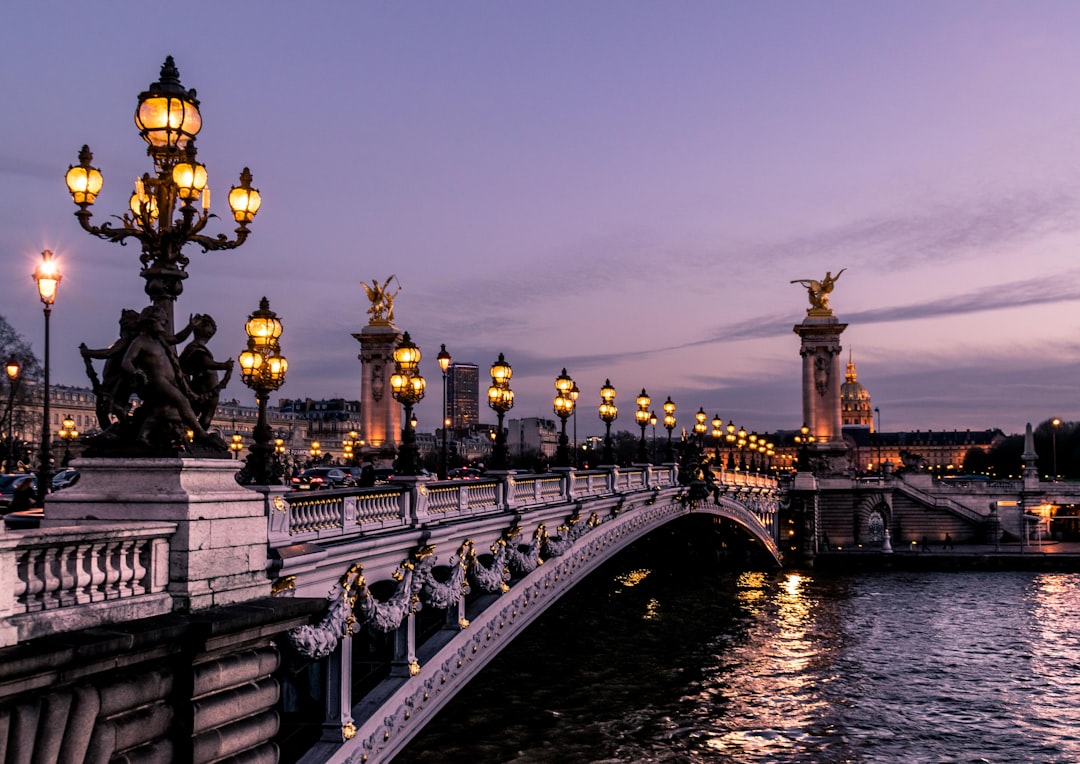
Paris Travel Guide: Everything You Need to Know (2026)
Paris, the capital of France, sits on the River Seine at just 28 metres above sea level and holds a city population of 2,145,906 within its 105.4 km² — making it one of the densest cities on Earth. Founded by the Parisii tribe around 250 BC, it now anchors a metropolitan area of 13.2 million people and draws roughly 40 million international visitors annually. In 2026, post-Olympic infrastructure upgrades have made navigating the city faster and more seamless than ever.
Top 3 Highlights at a Glance
- Eiffel Tower at Dusk — The iron lattice tower stands 330 metres tall and sparkles for 5 minutes every hour after dark.
- Musée du Louvre — Home to 35,000 displayed works including the Mona Lisa, it is the world’s most visited museum.
- Le Marais District — A medieval neighbourhood packed with free art galleries, the Place des Vosges, and the best falafel in Paris.
Scroll down for our complete travel guide with tips on getting there, where to stay, costs and more.
Arrival & Airport
How do I get to Paris from abroad or from within France?
Fly into **Paris Charles de Gaulle (CDG)** or **Paris Orly (ORY)** — CDG handles the majority of intercontinental routes. From CDG, the **RER B train** reaches **Châtelet–Les Halles** in **35 minutes for €11.80**. From Orly, the **Orlyval shuttle** connects to the RER B at **Antony station** in about **30 minutes for €13.40**. Taxis from CDG run **€50–65** fixed rate to central Paris. My tip: avoid airport taxis during rush hour — the RER B is faster below the Périphérique. From within France, **Gare de Lyon** and **Gare du Nord** serve high-speed TGV connections from Lyon (**2 hours**), Marseille (**3 hours 20 minutes**), and London via Eurostar (**2 hours 16 minutes**). The caveat most guides skip: CDG Terminal 2 connections to the RER can involve a **15-minute walk** with heavy luggage — factor that in.
Which airport is closest to Paris city centre?
**Paris Orly (ORY)** is physically closer at just **14 km south** of the city centre, versus **CDG at 25 km northeast**. In my experience, Orly is significantly less stressful — the terminal is smaller, queues are shorter, and the **Orlyval to RER B** gets you to **Saint-Michel–Notre-Dame** in **35 minutes**. However, CDG handles far more international routes, so realistically most long-haul travellers land there. The honest trade-off: Orly serves mainly European and domestic flights, so it only works if your routing allows it. What surprised me is how many travellers default to CDG without checking if their airline also flies into Orly — budget carriers like **Transavia** and **Air France domestic** use Orly heavily, often at lower fares.
How long does the journey from the airport to central Paris take?
From **CDG**, budget **35–45 minutes** by RER B to the centre under normal conditions. By taxi it is nominally faster but traffic on the **A1 autoroute** can stretch this to **75 minutes** during peak hours. From **Orly**, the **Orlyval plus RER B** combination takes **30–40 minutes** to central stations. I recommend the **RER B** without hesitation for solo or light-pack travellers — it departs every **4–8 minutes** during the day. The caveat: strike action (**grèves**) on the RATP network is a genuine Paris reality — always check the **RATP app** the morning of your airport transfer. My tip: if you arrive late at night, the **Noctilien night bus N143** from CDG to **Gare du Nord** costs just **€2.50** but takes **60–90 minutes**.
Do I need a car in Paris?
Absolutely not — a car in Paris is a liability, not an asset. The **RATP metro network** covers 302 stations across 16 lines, and I have never needed a taxi for intra-city travel. Driving within the **Périphérique** means navigating one-way streets, **€50+ daily parking fees**, and the **Crit’Air vignette** emissions sticker requirement for all vehicles. Car rental only makes sense if you are planning day trips to **Versailles by road**, the **Loire Valley**, or **Normandy** — and even then, I’d take the train to Versailles (**35 minutes from Montparnasse**) and hire a car only for the Loire. The honest trade-off: renting a car from **Europcar** at CDG for a Loire day trip runs roughly **€55–80/day** including insurance — reasonable, but the parking stress in Paris itself negates any benefit.
City Transport
What are the best areas to stay in Paris?
For first-time visitors, **Le Marais (3rd and 4th arrondissements)** is my top pick — central, walkable, and packed with free galleries, Jewish delis, and the **Place des Vosges**. For atmosphere and proximity to the **Eiffel Tower**, **Saint-Germain-des-Prés (6th)** delivers, though hotel prices are **20–30% higher** than Marais. Budget travellers should look at **Batignolles (17th)** or **Oberkampf (11th)** — both have strong metro links and authentic neighbourhood restaurants without tourist-menu pricing. I personally avoid staying near **Opéra Garnier** despite its central location — the streets are dominated by chain hotels and tourist buses. What surprised me: the **13th arrondissement** near the **Bibliothèque François Mitterrand** has excellent value apartments and direct metro access to the Left Bank, but almost no travel guides mention it.
What does accommodation cost per night in Paris?
In my experience, a clean economy hotel in Paris runs around **€110–130/night** — verified data puts the benchmark at approximately **€110/night** for a basic room. Mid-range three-star hotels in **Le Marais** or **Saint-Germain** average **€160–220/night**. Boutique hotels in **Saint-Germain-des-Prés** can hit **€300+** easily. Budget alternatives: a private room in a well-reviewed hostel like **Generator Paris** near **Gare du Nord** runs **€70–90/night**. Airbnb apartments in the **11th arrondissement** offer genuine value at **€90–150/night** for a full flat, especially for stays over 4 nights. The caveat: Paris hotels add a **taxe de séjour (tourist tax)** of **€0.25–5.30 per person per night** depending on hotel category — this is rarely included in advertised prices and catches most first-timers off guard.
How far in advance should I book accommodation in Paris during high season?
For July and August, book at least **8–10 weeks ahead** — the city receives its peak tourist volume and major trade fairs at **Paris Le Bourget** and events like **Paris Fashion Week** create sudden demand spikes. For the shoulder months of April and September, **4–6 weeks** is sufficient for most budgets. In my experience, the worst time to be without a booking is during **Roland Garros** (last week of May, first week of June) — hotel prices in the **16th arrondissement** near the **Bois de Boulogne** triple overnight. My tip: use **Booking.com** with free cancellation to hold a room early, then keep checking — rates often drop **2–3 weeks** before arrival as unsold inventory gets discounted. The honest trade-off: last-minute deals exist but cluster in the **10th and 19th arrondissements**, further from the main sights.
Are there special or unique accommodation types in Paris?
Yes — Paris has genuinely distinctive options beyond standard hotels. **Hôtels particuliers** are restored 17th-century private mansions converted into boutique hotels; **Hôtel de la Tamise** in the **1st arrondissement** is one of the more accessible examples at around **€220/night**. Péniche houseboats moored along the **Canal Saint-Martin** and the **Port de l’Arsenal** offer short-term rentals — expect **€120–180/night** for a genuine floating apartment. For literary travellers, staying near **Shakespeare and Company** in the **5th arrondissement** and booking through curated platforms like **Plum Guide** gets you access to architecturally listed apartments. The honest caveat: houseboat rentals sound romantic but noise from passing bateaux starts at **6:30 AM** — I’d recommend them only for light sleepers. My tip: search **Airbnb Luxe** for Haussmann-era apartments with original parquet floors and ceiling mouldings — often better value than equivalent hotels.
Accommodation & Neighbourhoods
What are the absolute must-sees in Paris?
Three non-negotiables: the **Eiffel Tower** (book timed entry online, **€29.40** for the summit by lift), the **Musée du Louvre** (pre-book for **€22**, arrive at opening at **9:00 AM** on Wednesday or Friday when it stays open until **9:45 PM**), and **Notre-Dame de Paris**, which reopened in December 2024 after its 2019 fire — free entry, but timed reservations are required. Beyond those, the **Sainte-Chapelle** in the **Île de la Cité** is the most underrated sight in the city — **€13.50 entry**, 15-metre stained-glass windows, and queues a fraction of the Louvre’s. My honest trade-off: the **Arc de Triomphe** rooftop (**€13**) has the better Chaussées-Élysées view than most people expect, but the climb is **284 steps** with no lift.
What can I experience for free in Paris?
Paris rewards walkers with exceptional free content. The **Musée Carnavalet** (history of Paris) and **Musée d’Art Moderne de la Ville de Paris** in the **16th arrondissement** are both permanently free and genuinely world-class. Walking across the **Pont des Arts**, along the **Canal Saint-Martin**, and through the **Coulée Verte René-Dumont** elevated park in the **12th** costs nothing. The **Centre Pompidou** forecourt has free street performers and the exterior escalators give a great rooftop view without paying the **€15** museum entry. In my experience, the **Marché d’Aligre** in the **12th arrondissement** on a Saturday morning is the best free cultural immersion in Paris — a genuine working-class food market that tourists almost never reach. My tip: every first Sunday of the month, the **Louvre, Musée d’Orsay**, and **Versailles** offer free entry — arrive **30 minutes before opening**.
Which day trips from Paris are most worthwhile?
**Versailles** is the essential day trip — **35 minutes from Gare Montparnasse** by TGV or **40 minutes by RER C**, palace entry from **€21.50**, and the gardens are free outside of the musical fountain season. **Mont Saint-Michel** is reachable in **3.5 hours** by TGV from **Gare Montparnasse** plus a shuttle bus — a full day but absolutely worth it. For something less crowded, **Provins** (**1 hour 20 minutes from Gare de l’Est**, **€14 return**) is a UNESCO-listed medieval walled town that sees a fraction of Versailles’ crowds. My honest caveat: Versailles in July without pre-booked timed entry means queues of **90+ minutes** at the main palace gates — I’ve seen people turn back in frustration. The **Loire Valley** by car is the finest regional day trip but requires at least **7–8 hours** to do even two châteaux justice.
What local specialities must I try in Paris?
Start with a **croissant au beurre** from **Du Pain et des Idées** in the **10th arrondissement** — widely considered the finest in Paris at **€1.60**. Steak frites at a traditional **bistrot** like **Le Relais de l’Entrecôte** (no reservations, **€30 fixed menu** including all-you-can-eat frites) is the definitive Parisian meal. For cheese, go to **Fromagerie Laurent Dubois** on **Boulevard Saint-Germain** — a **Meilleur Ouvrier de France**. French onion soup (**soupe à l’oignon**) is best at **Au Pied de Cochon** in **Les Halles**, open 24 hours. The honest trade-off: the famous **macarons at Ladurée** cost **€2.80 each** and are genuinely good, but **Pierre Hermé on Rue Bonaparte** produces a superior product at the same price — most tourists queue at the wrong shop.
Highlights & Must-Sees
What makes Paris truly unique compared to other European capitals?
Paris is the only major capital where the city itself is the attraction — not just its museums or landmarks. The **Haussmann grid** of wide boulevards, uniform cream-stone façades, and zinc-roofed six-storey buildings creates an unbroken architectural coherence across **105 km²** that no other city matches. What surprised me most in my first visit: the concentration of world-class institutions within walking distance — **four UNESCO World Heritage Sites** within **2 km** of **Notre-Dame**. The café culture is also genuinely distinct — a **€2.50 espresso** at a zinc counter in **Saint-Germain** is a social ritual, not just a caffeine delivery. The honest caveat: Paris can feel performatively romantic in tourist zones — the real city emerges in the **18th arrondissement’s** **Rue Lepic market**, the **20th’s Belleville**, or a Sunday afternoon at the **Piscine Joséphine Baker** floating pool on the Seine.
How many days do I need to properly see Paris?
I recommend a minimum of **5 full days** for a first visit. Days 1–2 cover the iconic Right Bank: **Louvre, Marais, Notre-Dame**. Day 3: Left Bank — **Musée d’Orsay** (**€16 entry**), **Eiffel Tower**, **Saint-Germain-des-Prés**. Day 4: neighbourhood deep dive — **Montmartre** and the **Sacré-Cœur** in the morning, **Canal Saint-Martin** afternoon. Day 5: **Versailles** day trip. With **7 days**, add **Père Lachaise cemetery**, the **Palais Royal gardens**, and an evening Seine river cruise with **Bateaux-Mouches** (**€17**). The honest trade-off: Paris has a steep drop-off in satisfaction for rushed 2-day visits — you spend more time in queues than in the city. What surprised me: most travellers underestimate walking distances; **Notre-Dame to the Eiffel Tower** is **4.5 km** — beautiful on foot but exhausting after a full day.
When is the best time to visit Paris?
Climate data points to **June** as the optimal month — long daylight hours, average temperatures around **20–23°C**, and the city’s cultural calendar in full swing with outdoor events. **September** is my personal preference — crowds thin after the August holiday exodus, temperatures remain warm, and **Fashion Week** adds energy to the **Marais and Saint-Honoré** districts. Avoid **mid-July to mid-August** unless you specifically want a quieter, more local Paris — many neighbourhood restaurants close, but tourist sites are at peak capacity. The honest caveat: **June** brings increasing crowds post-school-year-end, and the **Fête de la Musique** on **June 21st** makes accommodation in central arrondissements scarce and loud. My tip: arriving in **Paris the last week of September** gives you golden-hour light for photography, post-summer pricing, and the **Nuit Blanche** all-night arts festival in early October.
What local festivals in Paris are worth planning around?
**Bastille Day on July 14th** is unmissable — the military parade on the **Champs-Élysées** starts at **10:00 AM** and the Eiffel Tower fireworks at **11:00 PM** are spectacular. Book viewing spots near the **Champ de Mars** at least **3 hours early**. **Nuit Blanche** (first Saturday of October) turns the city into a free open-air contemporary art festival until dawn — I’ve wandered from the **1st to the 13th arrondissement** in a single night. **Paris Jazz Festival** runs June–July in the **Parc Floral de Vincennes** (**€7.50 park entry, concerts free**). The honest caveat: **Roland Garros** (French Open, late May to early June) is spectacular if you have tickets (**€30–200**) but causes a significant hotel price spike within **5 km** of the **16th arrondissement**. My tip: the **Beaujolais Nouveau** release night in November is celebrated in every wine bar in Paris — a genuinely local festivity tourists rarely plan around.
Food & Drink
How does the weather in Paris affect what I can do there?
Paris is genuinely enjoyable year-round but weather shapes the experience significantly. Winter (December–February) averages **5–8°C** — the **Louvre, Musée d’Orsay**, and indoor covered passages like **Galerie Vivienne** reward cold-weather visits, and Christmas markets along the **Champs-Élysées** run through late December. Spring (March–May) brings **12–18°C** and blooming **Jardin du Luxembourg** — my favourite season for outdoor cafés. Summer peaks at **25–30°C** in July, making the **Piscine Joséphine Baker** and Seine-side **Paris Plages** (free urban beach, July–August) the best hot-weather options. The honest caveat: Paris rain is unpredictable — even in June I’ve had **3 consecutive wet days** without forecast warning. My tip: always carry a compact umbrella; the covered **Palais Royal arcades** and the **Passages Couverts** around **Grands Boulevards** are perfect rain refuges that double as free sightseeing.
How crowded does Paris get in peak season, and how do I avoid the worst of it?
Peak Paris in July and August is intense — the **Eiffel Tower** sees **up to 25,000 visitors per day** and the **Louvre** can hit **40,000**. Without pre-booked timed entries, queue times of **90–120 minutes** are normal at both. My strategy: book all major site tickets **6–8 weeks ahead** via official websites, and visit the **Eiffel Tower at night** (last entry **10:30 PM**) when day-trippers have left. The honest caveat: even with tickets, the summit lifts at the Eiffel Tower have a **30–45 minute internal wait** regardless of season. For a crowd-free Paris experience, head to the **Palais de Tokyo** (contemporary art, open until **midnight** on Thursdays, **€14**) or explore **Belleville** and **La Villette** in the **19th arrondissement** — both genuinely off the tourist circuit even in August. My tip: pre-book the **Musée d’Orsay for a Wednesday evening** slot — it stays open until **9:45 PM** and empties significantly after **6:00 PM**.
How safe is Paris for tourists in 2026?
Paris is broadly safe for tourists, but petty theft is a real and specific risk. Pickpocketing is concentrated around the **Eiffel Tower, Sacré-Cœur steps in Montmartre**, the **RER B between CDG and central stations**, and **Line 1 of the metro** (the tourist spine from **La Défense to Château de Vincennes**). In my experience, distraction scams — fake petition signers, friendship bracelet enforcers on the **Pont de l’Alma** steps — target visitors who make eye contact. The honest caveat: violent crime against tourists is rare, but phone snatching on **Line 13** between **Saint-Denis–Université** and **Châtelet** has increased since 2023. My tips: use a crossbody bag with a zip, keep your phone in your front pocket on the metro, and avoid the **Châtelet–Les Halles** underground interchange late at night — it is poorly lit and monitored despite being the network’s busiest hub.
Is English widely spoken in Paris?
More than its reputation suggests — in **2026**, English is spoken fluently in hotels, major restaurants, museums, and any business within the tourist zones. At the **Louvre, Centre Pompidou**, and **Musée d’Orsay**, all signage and audio guides are available in English. In my experience, the language barrier is largely a confidence issue: most Parisians under 40 speak functional English and will switch languages if you open with a basic **’Bonjour, parlez-vous anglais?’** The honest caveat: in neighbourhood **boulangeries, fromageries**, and the outer arrondissements (**18th, 19th, 20th**), English is far less common — I always carry a translated list of food items and dietary requirements. My tip: even attempting **10 words of French** dramatically improves service quality — the stereotype of Parisian coldness often dissolves the moment you lead with **’Bonjour’** and a smile.
Practical Tips
What is a realistic daily budget for Paris in 2026?
Budget traveller: **€65–80/day** — hostel dorm (**€35**), boulangerie breakfast (**€4**), two street-food or market lunches (**€12 each**), free museum Sunday or **€13.50 Sainte-Chapelle**, metro day pass (**€8.65**). Mid-range: **€160–200/day** — economy hotel (**€110**), café breakfast (**€8**), sit-down lunch (**€18–22**), one major museum (**€16–22**), bistrot dinner (**€35–45**). Comfortable: **€280–350/day** adds a three-star hotel in **Le Marais**, a wine-paired dinner, and a Seine cruise. Verified baseline: a cheap meal costs approximately **€14**, a mid-range dinner for two around **€29**. The honest caveat: Paris bleeds money through incidentals — **€4.50 café crèmes**, **€12 museum cloakroom fees**, and **€3.50 bottled water** in tourist-facing cafés add up fast. My tip: buy water at **Monoprix supermarkets** (**€0.35/litre**) and use the city’s free drinking fountains — there are **1,200** across Paris.
How does public transport work in Paris?
The **RATP network** operates **16 metro lines, 5 RER lines, 350+ bus routes**, and the **T3 tramway** around the Périphérique — together serving the entire city comprehensively. A single metro ticket costs **€2.15** with the new **Navigo Easy card** (replacing paper tickets since 2022). A **Navigo Day pass** at **€8.65** covers unlimited travel within Zones 1–5 including the airports. In my experience, the metro runs every **2–3 minutes** at peak times and coverage is so dense that almost no sight requires more than a **5-minute walk** from a station. The honest caveat: the **Line 13** between **Saint-Lazare** and **Châtillon–Montrouge** is notoriously overcrowded during rush hour (8:00–9:30 AM) — I avoid it entirely and take **Line 4** or bus **28** for north-south movement. My tip: buy the **Navigo Semaine (weekly pass) at €30.75** if you are staying 4+ days — it pays for itself in under **4 days** of normal sightseeing.
Which apps do you recommend for navigating and enjoying Paris?
**RATP app** is non-negotiable — real-time metro and bus status, strike alerts, and route planning in English. **Citymapper** is my preferred navigation tool for Paris; it outperforms Google Maps for multimodal routing including **Vélib’ bike-share** integration. For restaurant reservations, **TheFork (LaFourchette)** regularly offers **50% discount vouchers** at mid-range Paris restaurants — I’ve eaten at **€40-per-head restaurants for €22** using this. **Klook** and the **Paris Museum Pass app** help pre-book timed entries. **Too Good To Go** lets you collect surplus food from top Paris boulangeries and patisseries for **€3–5** — I’ve collected pastry bags worth **€18** from **Stohrer on Rue Montorgueil** for **€3.99**. The honest caveat: Google Maps occasionally routes you through closed pedestrian areas or incorrect RER platforms — always cross-reference with the **RATP app** for transit accuracy.