
Vienna: The Complete Travel Guide (2026)
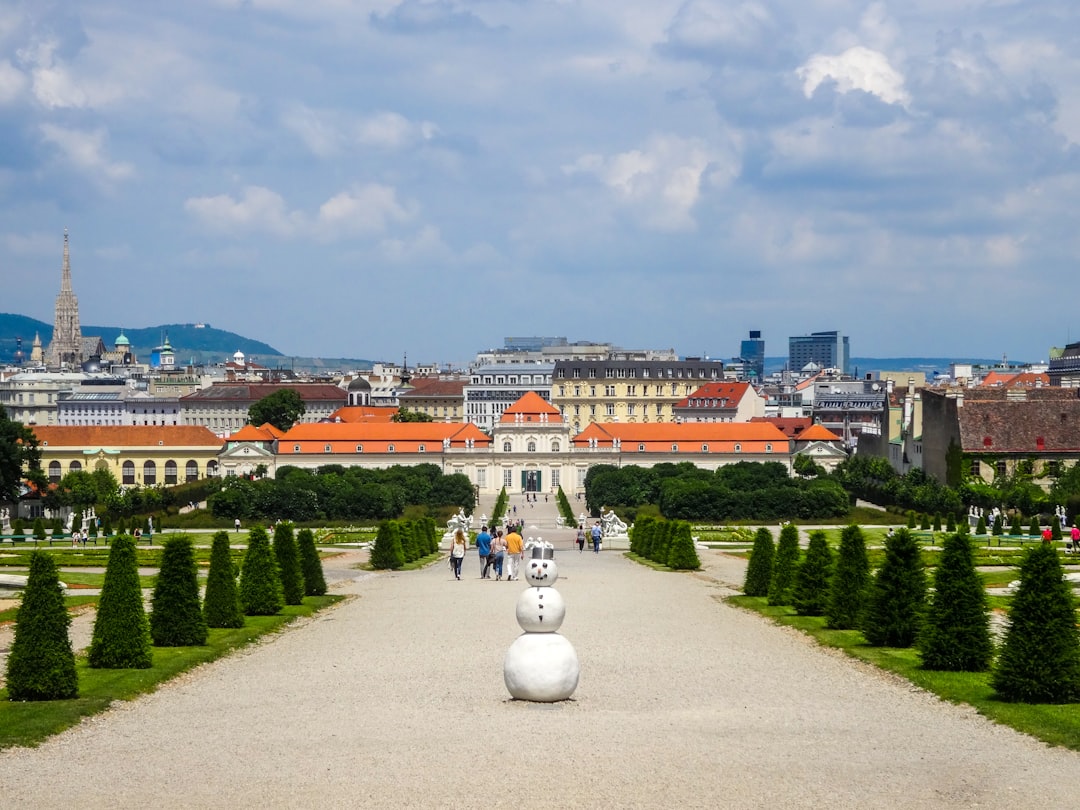
Vienna Travel Guide: Everything You Need to Know (2026)
Vienna, Austria’s capital, sits at 151 metres above sea level along the Danube and is home to 1,973,403 residents — making it by far Austria’s largest city and one of Europe’s great imperial capitals. Founded as a Roman outpost called Vindobona around 15 BC, it served as the Habsburg Empire’s seat of power for over 600 years. Today Vienna consistently ranks as the world’s most liveable city, blending Baroque palace architecture with a café culture that UNESCO recognised as Intangible Cultural Heritage.
Top 3 Highlights at a Glance
- Schönbrunn Palace — A 1,441-room Habsburg imperial palace with Europe’s oldest zoo, dating to 1752, set in immaculate formal gardens.
- Kunsthistorisches Museum — One of the world’s richest art museums, housing Vermeer, Raphael, and the largest Bruegel collection on earth.
- Vienna State Opera (Wiener Staatsoper) — Standing-room tickets cost just €4, making world-class opera accessible to every budget traveller.
Scroll down for our complete travel guide with tips on getting there, where to stay, costs and more.
Arrival & Airport
How do I get to Vienna — by plane, train, or bus?
Fly into **Vienna International Airport (VIE)**, **18 km** southeast of the city centre — it’s the obvious choice for most international travellers. My tip: if you’re coming from Germany, the **Railjet from Munich** takes roughly **4 hours** and deposits you directly at **Wien Hauptbahnhof**, which I find far more convenient than the airport. Budget bus lines like **FlixBus** serve Vienna cheaply but add **2–4 hours** to most journeys. The honest caveat: VIE has limited low-cost carrier options compared to London or Paris, so fares can run high on short notice.
Which airport is closest to Vienna?
**Vienna International Airport (VIE)** in **Schwechat** is the sole major airport, sitting **18 km** from the First District. In my experience, it’s efficient and well-connected. What surprised me: there is no second major airport serving Vienna — **Bratislava Airport (BTS)** in Slovakia is **60 km** away and served by budget carriers like Ryanair, with a **1-hour bus transfer** to central Vienna costing around **€5–€10**. This Bratislava option is genuinely useful but most guides ignore it entirely, especially for Wizz Air routes.
How long does the journey from Vienna Airport to the city centre take?
The **City Airport Train (CAT)** reaches **Wien Mitte** in exactly **16 minutes** and costs **€14.90** one-way. I recommend it for speed and comfort. However, the honest trade-off is cost: the **S-Bahn S7** covers the same route in **25 minutes** for just **€2.40** using a standard city transport ticket. My tip: take the S7 on arrival and save the €12 difference for a coffee at **Café Central**. Both trains run every **30 minutes** through the night, so late arrivals are no problem.
Do I need a car in Vienna?
Absolutely not — a car in Vienna is a liability, not an asset. The **U-Bahn** network covers **5 lines and 109 stations**, trams run on **28 routes**, and the entire inner city is walkable. Parking in the First District costs **€2.20 per 30 minutes** and street parking is permit-only in most neighbourhoods. In my experience, even day trips to **Klosterneuburg** or the **Vienna Woods** are easily done by regional train. The only exception: if you plan to drive onward to the **Wachau Valley** immediately after arrival, renting at the airport makes sense.
City Transport
What are the best areas to stay in Vienna?
Stay in the **First District (Innere Stadt)** for maximum walking access to the Hofburg, **Stephansdom**, and the State Opera — but expect to pay a premium. My recommendation for most travellers is the **Seventh District (Neubau)**, a 10-minute U3 ride from the centre, packed with independent restaurants and boutique hotels. **Mariahilf (Sixth District)** along **Mariahilfer Strasse** is ideal for budget-conscious shoppers. The caveat nobody mentions: the **Second District (Leopoldstadt)**, once overlooked, is now Vienna’s coolest neighbourhood but hotel supply is still limited so book early.
What does accommodation cost per night in Vienna?
Expect to pay around **€90 per night** for a decent economy hotel based on current Numbeo data. Mid-range hotels in the **Seventh District** run **€110–€160**, while a five-star property on the **Ringstrasse** like the **Hotel Imperial** exceeds **€400**. In my experience, well-rated hostels in **Neubau** charge **€25–€35** per dorm bed. The honest caveat: Vienna hotel taxes (**€3.02 per person per night**) are rarely included in advertised prices, and this catches many first-timers off guard at checkout.
How far in advance should I book accommodation in Vienna during high season?
Book **at least 6–8 weeks ahead** for July and September, Vienna’s two best travel months. During the **Vienna Ball Season** (January–February) and **Christmas Markets** (late November through December), I’ve seen mid-range hotels sell out **3–4 months** in advance. What surprised me: the **Wiener Festwochen** festival in May fills the **First and Seventh Districts** almost as aggressively as summer. My tip: if you’re flexible, searching for properties in **Favoriten (Tenth District)** near **Wien Hauptbahnhof** often reveals last-minute deals ignored by most tourists.
Are there special or unique accommodation types in Vienna?
Yes — Vienna has a genuine speciality: **Palais hotels**, former aristocratic city mansions converted into boutique properties. The **Palais Coburg** and **Hotel Beethoven** are standout examples in the **First and Fourth Districts**. I recommend checking **Airbnb** for **Gründerzeit apartments** — late 19th-century apartments with 4-metre ceilings and original parquet floors, particularly in **Josefstadt (Eighth District)**. The honest trade-off: these character apartments often lack air conditioning, which matters in July when temperatures regularly hit **30°C**, so check listings carefully before booking.
Accommodation & Neighbourhoods
What are the absolute must-sees in Vienna?
My non-negotiable three: **Schönbrunn Palace** (allow **3 hours** minimum), the **Kunsthistorisches Museum** (**2–3 hours** for the highlights), and a standing-room performance at the **Vienna State Opera** for just **€4**. Beyond those, the **Belvedere Upper Palace** to see Klimt’s *The Kiss* in person is genuinely unmissable — the reproduction never does it justice. The caveat most guides omit: **Hofburg Palace** is vast and confusing without a clear plan — buy the **combined ticket at €19.50** and focus on the Imperial Apartments and Treasury rather than attempting everything.
What can I experience for free in Vienna?
More than almost any European capital. The **Prater park** and its famous **Hauptallee** boulevard are entirely free, as is the **Naschmarkt** browsing experience. The **Kunsthistorisches Museum** offers free entry on the **first Sunday of every month**. In my experience, the **Ringstrasse walk** past the Opera, Parliament, and Rathaus is one of Europe’s great free architectural promenades, taking roughly **45 minutes**. The honest caveat: **Schönbrunn Gardens** are free but the **Grand Tour of the palace interior** costs **€29.50** — worth it once, but the gardens alone are genuinely satisfying.
Which day trips from Vienna are most worthwhile?
**Krems and the Wachau Valley** by regional train (**75 minutes, ~€20 return**) is my top recommendation — the Danube wine terraces and Benedictine monastery at **Melk** are stunning. **Bratislava, Slovakia** is just **55 minutes** by fast Railjet (**€15–€20 return**) and delivers a completely different city for barely any effort. **Klosterneuburg Monastery**, only **20 minutes** on the S40, is criminally undervisited. The honest trade-off: **Salzburg** (a popular day trip suggestion) is **2.5 hours** each way — that’s a full day of travel for limited exploration time.
What are Vienna’s local culinary specialities?
The **Wiener Schnitzel** is the flagship — a veal cutlet pounded thin, breaded, and pan-fried in clarified butter, not oil. Insist on **veal (Kalbsschnitzel)**, as pork versions are cheaper substitutes. The **Tafelspitz** (boiled beef with horseradish and chive sauce) at **Plachutta Wollzeile** is what Viennese eat for Sunday lunch. Dessert means **Apfelstrudel** or **Sachertorte** — but Hotel Sacher charges **€9 per slice** versus **€5.50** at **Café Landtmann**. In my experience, the **Würstelstand sausage stands** open until **4 AM** are Vienna’s most authentic late-night food experience.
Highlights & Must-Sees
What makes Vienna unique compared to other European capitals?
Vienna is the only major European capital that operates its own **municipal wine estates** — the **Heuriger taverns** in **Grinzing** and **Neustift am Walde** serve wine grown within the city limits, a tradition unique in Europe. The coffeehouse culture is another genuine differentiator: a **Melange coffee** at **Café Hawelka** earns you an unspoken right to sit for **3 hours** with a newspaper. What surprised me most: Vienna has more **Jugendstil (Art Nouveau)** architecture per square kilometre than any other city on earth, yet most visitors walk past it without noticing.
How many days do I need to properly see Vienna?
**4 full days** covers the essential Vienna without feeling rushed. Day 1: First District and **Stephansdom**. Day 2: **Schönbrunn Palace** and **Naschmarkt**. Day 3: **Belvedere** and **Ringstrasse**. Day 4: **Prater**, a Heuriger in **Grinzing**, and an evening at the **State Opera**. Add a 5th day for the **Kunsthistorisches Museum** or a **Wachau day trip**. The honest caveat: many travellers spend 2 days and feel satisfied — Vienna is compact and the density of sights means even a short visit feels complete if you’re strategic with your time.
When is the best time to visit Vienna?
**July and September** are the optimal months based on climate analysis. July offers the longest days and outdoor café season at full swing, while September brings cooler temperatures, the new opera season opening, and thinner crowds than August. In my experience, **September is the single best month** — the **Prater** turns golden, hotel rates drop slightly from July peaks, and the **Wiener Wiesn** (Vienna’s own Oktoberfest) runs in late September. The honest trade-off: **December** is magical for Christmas markets but hotel prices spike **40–60%** above the annual average.
Are there local festivals in Vienna worth planning around?
Absolutely. The **Vienna Ball Season** runs January through February with over **450 formal balls**, the most prestigious being the **Vienna Opera Ball** in late February — standing tickets start at **€16** but floor tickets cost **€340+**. The **Wiener Festwochen** (May–June) is a **5-week performing arts festival** centred on **Rathausplatz** with many free events. In summer, the **Film Festival on Rathausplatz** screens free opera and concert films nightly throughout **July and August**. My tip: this free outdoor screening is one of Europe’s best-kept secrets and completely transforms the city centre.
Food & Drink
How does Vienna’s weather affect what activities I can do?
Summer (**June–August**) unlocks the outdoor terraces at **Strandbar Herrmann** on the Danube Canal and the **Prater beer gardens** — these are genuinely Vienna at its most sociable. Winter closes outdoor terraces but the **coffeehouse culture** peaks from October to March, making **Café Central** and **Café Schwarzenberg** essential refuges. The honest caveat: Vienna gets real winters — January temperatures average **-1°C to 4°C** — so pack accordingly if visiting for the Christmas markets. Spring (April) brings **Schönbrunn Gardens** into bloom but also the highest rainfall months of the year.
How crowded does Vienna get in peak season?
The **First District** is severely overcrowded in July and August, particularly around **Stephansplatz** and the **Hofburg** between 10 AM and 3 PM. In my experience, arriving at **Schönbrunn Palace at 8:30 AM** (when it opens) cuts queue times from **45 minutes to under 5 minutes**. The honest trade-off: Vienna never reaches the suffocating density of Venice or Dubrovnik — the city is large enough that moving to **Mariahilf** or **Josefstadt** provides instant relief. Pre-book timed entry for the **Belvedere** in summer — walk-up queues on Saturday afternoons regularly exceed **30 minutes**.
How safe is Vienna for travellers?
Vienna is exceptionally safe — it ranks among the top **3 safest cities globally** in the Economist Intelligence Unit’s annual survey. Petty theft is the primary risk: watch your bag at **Naschmarkt** and on **U6 tram line** late at night. In my experience, walking alone at **2 AM** through the **First or Seventh District** is perfectly comfortable. The honest caveat: the area around **Praterstern U-Bahn station** has visible drug activity at night and I’d avoid it after **10 PM** even though it’s not dangerous by most cities’ standards. Overall, Vienna requires less vigilance than virtually any comparable European capital.
Is English widely spoken in Vienna?
English is spoken fluently by the vast majority of Viennese under 50, especially in the **First, Sixth, and Seventh Districts**. In my experience, museum staff, restaurant servers, and hotel receptionists switch to English before you even ask. The honest caveat: at traditional **Heuriger wine taverns** in **Grinzing** or local butchers in **Favoriten (Tenth District)**, English can be limited and a few German words go a long way — *Bitte* (please), *Danke* (thank you), and *Ein Melange, bitte* for ordering coffee will earn you genuine warmth from locals.
Practical Tips
What is the daily travel budget for Vienna?
Budget travellers can manage **€60–€75 per day** using hostel dorms (**€25–€35**), the **€8 24-hour transit pass**, a cheap meal at **€15**, and free sights. Mid-range travellers should budget **€150–€200 per day** covering a **Neubau hotel (€110–€130)**, two restaurant meals, and paid museum entries averaging **€15–€20 each**. In my experience, the biggest budget-buster is the opera and concert scene — a good seat at the **Musikverein** can cost **€60–€120**. The honest caveat: Vienna’s famous coffeehouses charge **€5–€7 per coffee**, roughly double what a supermarket Melange costs, but the experience is non-negotiable.
How does Vienna’s public transport system work?
Vienna’s **Wiener Linien** network is one of Europe’s finest — **5 U-Bahn lines, 28 tram routes, and 131 bus lines** covering nearly every corner of the city. A single ticket costs **€2.40** and a **24-hour pass costs €8.00**. My tip: buy the **72-hour pass at €17.10** if you’re staying 3 days — it pays for itself after **8 rides**. The honest trade-off: the **U-Bahn runs only until midnight** on weekdays (until **0:30 AM** on weekends), after which night buses take over — they’re reliable but slower and less intuitive for first-time visitors navigating after a late opera performance.
Which apps do you recommend for getting around and enjoying Vienna?
Install **Wiener Linien** (official transit app with real-time departures) and **Qando** for seamless navigation across trams, U-Bahn, and night buses. **WienMobil** integrates public transit with **Citybike Vienna** rentals — the first **30 minutes** of cycling is free with registration. For restaurant reservations, **OpenTable** covers the English-language market but **Resy** is increasingly used by top-tier **Naschmarkt-area** restaurants. The honest caveat: **Google Maps** works well for Vienna but occasionally suggests tram routes that have been temporarily replaced by rail replacement buses — cross-check with the **Wiener Linien** app during your trip.