
Île d’Yeu: The Complete Travel Guide (2026)
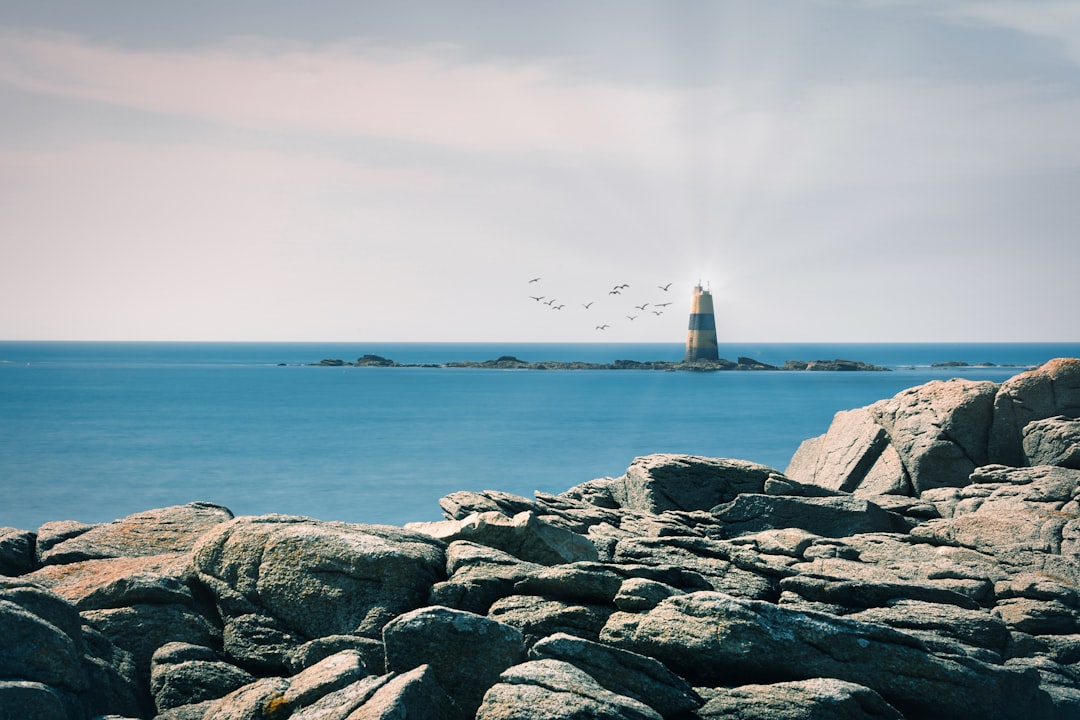
Île d’Yeu Travel Guide: Everything You Need to Know (2026)
Île d’Yeu is a compact Atlantic island off the Vendée coast of western France, home to just 5,001 permanent residents and sitting at only 27 metres above sea level. The island spans roughly 23 km² and is famous for a dramatic split personality: a sheltered northern harbour at Port-Joinville built around tuna fishing, and a wild granite southern coastline with lobster boats tucked into Port de la Meule. Victor Hugo called it one of France’s hidden gems, and the fact that Marshal Pétain was imprisoned here until his death in 1951 gives it a quietly extraordinary historical weight.
Top 3 Highlights at a Glance
- Port de la Meule — A jaw-dropping lobster-fishing harbour wedged into southern granite cliffs — one of France’s most photogenic small ports.
- Château Vieux (Old Castle Ruins) — A medieval coastal fortress perched on Atlantic clifftops, offering unobstructed 360-degree ocean views.
- Côte Sauvage Coastal Path — A raw, 10 km clifftop trail along the wild southern granite coast with zero tourist infrastructure.
Scroll down for our complete travel guide with tips on getting there, where to stay, costs and more.
Arrival & Airport
How do I get to Île d’Yeu?
Take the ferry from **Fromentine** on the Vendée mainland — the only public access point. In my experience, **Compagnie Yeu-Continent** runs the crossing and it takes **around 70 minutes** on the classic ferry or **30 minutes** on the fast Vendée Jet catamaran. Drive or take a bus to Fromentine from **Saint-Gilles-Croix-de-Vie** or **Noirmoutier direction**. The honest caveat most guides skip: there is **no car ferry** — you arrive as a foot passenger only, which is actually part of the island’s charm but requires planning your luggage carefully.
Which airport is closest to Île d’Yeu?
**Nantes Atlantique Airport (NTE)** is your best gateway, approximately **80 km** from Fromentine by road. In my experience, flying into NTE then renting a car to drive to Fromentine takes about **1 hour 15 minutes**. **La Roche-sur-Yon Airport (EDM)** is closer at roughly **55 km** but has very limited commercial routes — mainly regional flights. My tip: book NTE for international connections and leave your rental car in Fromentine’s paid car park, which costs around **€10–14 per day**. Don’t assume you can take the car across — you cannot.
How long does the journey to Île d’Yeu take from the mainland?
Door-to-boat-to-island takes **3–4 hours total** from central Nantes. The **Fromentine ferry crossing itself is 70 minutes** on the standard service or **30 minutes** on the fast catamaran. What surprised me is how the last-mile logistics add time: parking at Fromentine, queuing for tickets, and boarding all add **45–60 minutes** buffer. From Paris by TGV to Nantes then road transfer, budget **4.5 hours minimum**. My tip: always book the fast Vendée Jet in summer — the standard ferry can feel painfully slow on a hot August day with luggage.
Do I need a car on Île d’Yeu?
Absolutely not — and you physically cannot bring one. The island is **car-free for visitors**, which is one of its greatest assets. **Bicycles are the standard transport**, and the island is only about **10 km long**, making every point reachable within **30 minutes by bike**. Rental bikes are available at multiple shops in **Port-Joinville** from around **€12–15 per day** for a standard bike, **€25–35 for electric**. The honest trade-off: if you have mobility issues or heavy luggage, electric bikes are essential — the southern granite coast road has real hills that catch people off guard.
City Transport
What are the best areas to stay on Île d’Yeu?
**Port-Joinville** is the obvious base — it’s the main town with restaurants, bakeries, fish markets, and ferry access. I recommend staying within **5 minutes’ walk of the harbour front** for maximum convenience. For something quieter, the hamlet of **Saint-Sauveur** in the island’s centre puts you equidistant from north and south coasts and has a genuinely local feel. Avoid booking accommodation on the far western tip if it’s your first visit — it feels isolated without a bike. What surprised me is how small the island is: even ‘remote’ spots are only **4–5 km** from Port-Joinville.
What does accommodation cost on Île d’Yeu?
Expect to pay **€90–140 per night** for a decent gîte or B&B in shoulder season and **€160–250+ in July and August**. Hotel options in **Port-Joinville** like **Hôtel Atlantic** typically run **€110–160** per double room in peak season. Self-catering apartments and weekly rentals are the dominant model on the island — a **studio apartment rents for €600–900 per week** in high summer. The honest warning: budget options are genuinely scarce. This is not a backpacker island — even camping at the island’s single campsite fills **weeks in advance** for July.
How far in advance should I book accommodation on Île d’Yeu during high season?
Book **at least 3–4 months ahead for July and August** — this is non-negotiable. In my experience, the island’s limited bed stock of roughly **5,000 tourist beds** for a summer population that swells dramatically means anything desirable disappears by April. For the **last two weeks of July and first two of August**, I’d push that to **5–6 months ahead**. Shoulder season — June and September — gives you more flexibility at **4–6 weeks’ notice**. My tip: if you miss the window, check **Abritel (HomeAway France)** for last-minute cancellations rather than mainstream booking platforms.
Are there special or unique accommodation types on Île d’Yeu?
Yes — traditional **Vendée stone fishermen’s cottages** converted into gîtes are the standout accommodation type. These whitewashed granite houses with blue shutters are genuinely characteristic of the island and cost **€800–1,500 per week** in summer for a 2–4 person property. A handful are positioned on the **Côte Sauvage** with direct Atlantic views. In my experience, booking directly through the **Office de Tourisme de l’Île d’Yeu** website often surfaces listings unavailable on Airbnb. The honest caveat: many traditional cottages have low ceilings and no air conditioning — in a rare August heatwave, this becomes uncomfortable.
Accommodation & Neighbourhoods
What are the must-sees on Île d’Yeu?
**Port de la Meule** is unmissable — a lobster harbour carved into southern granite cliffs that genuinely looks painted. **Château Vieux**, the ruined medieval castle on the Atlantic-facing cliffs, takes about **45 minutes to explore** and rewards with sweeping ocean views. The **Grand Phare lighthouse** in the northwest stands **56 metres tall** and is climbable for panoramic views over the entire island. Don’t skip the **Vieux Château cemetery** where Marshal Pétain is buried — historically divisive but genuinely fascinating. My tip: do Port de la Meule at golden hour — the light on the granite is extraordinary between **7–9 PM in summer**.
What can I experience for free on Île d’Yeu?
Almost all of the island’s best experiences cost nothing. The entire **Côte Sauvage coastal path** is free to walk or cycle — roughly **10 km** of cliff-edge Atlantic scenery. **Port-Joinville fish market** operates free to browse every morning around **7–9 AM** when tuna and lobster boats unload. The **Vieux Château ruins** have no entry fee. Beaches including **Plage des Vieilles** and **Plage de la Source** are free and uncrowded compared to mainland Vendée. What surprised me: the island’s **interior bocage lanes** — tiny hedge-lined paths through farmland — are completely unknown to most visitors and deeply atmospheric to cycle.
What day trips are possible from Île d’Yeu?
The ferry back to **Fromentine** opens up **Noirmoutier Island** — just **20 km north** along the coast — as a logical day trip pairing. From Fromentine, Noirmoutier is accessible via the famous **Passage du Gois causeway** that floods at high tide. **Saint-Jean-de-Monts**, a large Vendée beach town, is **30 minutes by car** from Fromentine for those who want a contrast. In my experience, day-tripping off Île d’Yeu defeats the point — the island rewards slowness. The honest trade-off: the ferry schedule limits flexibility, with crossings roughly **every 2–3 hours**, so logistics require careful planning.
What local specialities should I try on Île d’Yeu?
Fresh **bluefin tuna (thon rouge)** is the island’s signature dish — Port-Joinville is one of France’s last active Atlantic tuna ports. Order it simply grilled at **Le Ker Noyal** or any harbour-front restaurant for **€18–26 per main**. **Yeu lobster** from Port de la Meule is exceptional — a whole lobster runs **€45–65** depending on size and season. Local **sel gris** grey salt harvested nearby in the Vendée marshes finishes every dish. My tip: buy fresh tuna directly from the **fish market quayside in the morning** for **€15–20 per kg** and ask your gîte host to cook it — it’s the best meal you’ll have.
Highlights & Must-Sees
What makes Île d’Yeu unique compared to other French islands?
Three things make it genuinely unlike Brittany islands or Corsica. First, the **dual personality** — a sheltered northern tuna-fishing harbour versus a savage granite southern coastline — within an island you can cross in **15 minutes by bike**. Second, the **no-cars rule for visitors** creates a silence and pace of life that feels like the 1970s. Third, it holds an extraordinary historical anomaly: **Marshal Pétain**, the Vichy leader, is buried here having died in imprisonment in 1951 — his grave at Vieux Château remains a place of quiet controversy. In my experience, no other French island concentrates this mix of wildness, gastronomy, and dark history so compactly.
How many days should I spend on Île d’Yeu?
**3 full days is the sweet spot** — enough to cycle every corner, eat tuna twice, and watch a sunset from the Côte Sauvage without rushing. Day 1: Port-Joinville and the northern beaches. Day 2: full southern granite coast circuit by bike including Port de la Meule and Château Vieux. Day 3: Grand Phare, interior bocage lanes, and a final fish market morning. In my experience, 2 days feels slightly rushed and 4+ days is only rewarding if you’re genuinely seeking total decompression. The honest caveat: if you’re visiting in August, factor **1 extra day’s buffer** for ferry delays — rough Atlantic weather cancels crossings without warning.
When is the best time to visit Île d’Yeu?
**June, July, and August** are the verified best travel months based on climate data — longest days, warmest sea temperatures reaching **20–21°C**, and reliable sunshine. In my experience, **mid-June and early September** are the practical sweet spots: weather nearly as good as peak summer, prices **20–30% lower**, and the island quiet enough to actually breathe. July and August are busy but genuinely beautiful. **May** is underrated — mild at around **16–18°C**, spring wildflowers on the cliffs, and virtually no crowds. Avoid January–February unless you want moody Atlantic storms — which, honestly, have their own dramatic appeal on the Côte Sauvage.
What are the local festivals and events on Île d’Yeu worth attending?
The **Fête de la Mer** (Sea Festival) held in **Port-Joinville in July** is the island’s biggest annual celebration, with blessing of the tuna fleet, live music, and seafood markets along the quay — entirely free to attend. **La Fête du Thon** (Tuna Festival) in **late July or early August** draws mainland visitors specifically for fresh tuna competitions and cooking demonstrations. In my experience, the **14 July Bastille Day fireworks** launched over the harbour are genuinely impressive for an island of 5,001 people. The honest caveat: exact dates shift yearly — check the **Office de Tourisme de l’Île d’Yeu** website from **March onwards** for confirmed 2026 schedules.
Food & Drink
How does the weather affect activities on Île d’Yeu throughout the year?
Atlantic exposure means **wind is the constant variable** — the southern Côte Sauvage can be unnavigable by bike in strong westerlies even in July. Cliff path walks become genuinely hazardous in gale-force conditions, which arrive without much warning. **Summer swimming is excellent** from late June through September at sheltered northern beaches like **Plage des Vieilles**. The southern granite coast is too rocky and wave-exposed for swimming year-round. My tip: always check **Météo-France’s marine forecast** (météo marine) rather than standard forecasts — the island’s microclimate near cliffs can be **5–8 km/h windier** than general Vendée forecasts suggest.
How crowded does Île d’Yeu get in peak season?
**Very crowded in the last 3 weeks of July and first 2 weeks of August** — the island’s resident population of 5,001 effectively triples or more during this window. **Port-Joinville’s main quay becomes genuinely congested**, with bike queues at rental shops and 30-minute waits at the better restaurants. The ferry from Fromentine operates at near-full capacity and advance booking is mandatory — walk-up passengers get turned away on busy days. What surprised me: even at peak capacity, the **Côte Sauvage and interior lanes stay relatively uncrowded** because most visitors stick to Port-Joinville. My tip: start your coastal rides before **9 AM** in August.
How safe is Île d’Yeu?
Île d’Yeu is **extremely safe by any measure** — petty crime is virtually nonexistent in a community of 5,001 people where everyone knows everyone. The main genuine risks are **natural hazards**: Atlantic cliff edges on the Côte Sauvage have no guardrails in places, and rogue waves on rocky outcrops have caused fatalities over the years. **Cycling safety** is the other concern — the main road between Port-Joinville and Saint-Sauveur carries farm vehicles and delivery trucks that move faster than expected on narrow lanes. In my experience, keep children away from the cliff edge near **Port de la Meule** specifically — the rocks are slippery with spray even in calm weather.
Is English widely spoken on Île d’Yeu?
**English is spoken at a basic level in tourist-facing businesses** in Port-Joinville — ferry offices, main hotels, and rental shops. Beyond that, the island is thoroughly French-speaking, and in my experience, locals genuinely appreciate any attempt at French, however clumsy. The honest trade-off: Île d’Yeu draws almost exclusively **French domestic tourists** unlike Brittany or the Côte d’Azur, meaning staff have less daily English practice. My tip: download **Google Translate with offline French** before arriving since mobile data can be patchy in the southern part of the island. Knowing **’thon rouge’** (tuna), **’homard’** (lobster), and **’vélo électrique’** (electric bike) will handle 80% of your interactions.
Practical Tips
What is the daily budget for visiting Île d’Yeu?
Budget **€80–110 per person per day** for a comfortable mid-range experience excluding accommodation. Breakdown: ferry return from Fromentine **€30–38**, bike rental **€12–15**, two meals **€35–50**, snacks and drinks **€10–15**. A tighter budget squeezes to **€60–70** by self-catering with fish market purchases. The honest warning: Île d’Yeu is **10–15% more expensive than mainland Vendée** for food and any services — island logistics inflate costs. In my experience, the fish market morning purchase — fresh tuna for **€15–20 per kg** — is the single best budget hack, delivering a better meal than any restaurant at a fraction of the price.
How does public transport work on Île d’Yeu?
There is **no formal public bus network on Île d’Yeu** — the island runs entirely on bicycles, a handful of electric vehicles, and your own feet. **Compagnie Yeu-Continent** operates the ferry from Fromentine, with roughly **3–6 crossings daily** depending on season, each taking **70 minutes standard or 30 minutes fast catamaran**. A small **taxi service** operates on the island for mobility-impaired visitors — bookable through the Port-Joinville tourist office. In my experience, the absence of buses is a feature not a flaw: the island is genuinely scaled for cycling. My tip: book the **fast catamaran Vendée Jet on your return** — after days of island pace, the 70-minute standard crossing feels endless.
Which apps do you recommend for visiting Île d’Yeu?
Four apps I use personally: **Compagnie Yeu-Continent’s booking app** (or website) for ferry reservations — mandatory in summer. **Météo-France** for accurate local wind and swell forecasts, which matter enormously on cliff paths. **Komoot** for cycling route planning — download the offline map before arrival since the southern coast has **dead spots with no 4G**. **Geodair or Windy** for real-time Atlantic swell data if you’re interested in the coastal conditions. The honest caveat: **Google Maps underestimates cycling times** on the island’s hilly southern tracks — add **20–30% extra time** to any suggested cycling route on the Côte Sauvage. Orange and SFR have the best signal coverage.