
Île Madame: The Complete Travel Guide (2026)
Île Madame Travel Guide: Everything You Need to Know (2026)
Île Madame is a tiny 4-square-mile tidal island in the Charente estuary, connected to the French mainland via a causeway called the Passe aux Bœufs. Technically part of the commune of Port-des-Barques, the island itself is uninhabited — making it one of the most quietly extraordinary escapes on France’s Atlantic coast. It sits just 15 km north of Rochefort, a historic naval city founded in 1666, giving you a rich cultural base alongside the island’s raw natural beauty.
Top 3 Highlights at a Glance
- Passe aux Bœufs Causeway Walk — A 1.5 km tidal causeway passable only at low tide — timing it wrong means a wet wade back.
- Croix des Bretons Memorial — A haunting 19th-century stone cross marking where 254 Irish priests died on prison hulks in 1794.
- Coastal Salt Marsh Circuit — A 7 km loop through oyster beds and bird-rich marshes with zero tourist infrastructure — completely raw.
Scroll down for our complete travel guide with tips on getting there, where to stay, costs and more.
Arrival & Airport
How do I get to Île Madame?
Drive or cycle across the Passe aux Bœufs causeway from Port-des-Barques — it’s the only access. In my experience, the causeway is passable roughly 2 hours either side of low tide; check tide tables at maree.info before you go. The nearest train station is Rochefort, about 15 km south, served by TGV connections from Paris Montparnasse in under 3 hours. From Rochefort you’ll need a taxi or rental car to reach Port-des-Barques — no direct public bus runs to the causeway. My tip: park at the Port-des-Barques village car park (free) and walk the causeway on foot for the full dramatic effect. Warning most guides omit: arriving by car at high tide means you simply cannot cross — no exceptions.
Which airport is closest to Île Madame?
La Rochelle-Île de Ré Airport (LRH) is the closest, approximately 45 km northwest of Port-des-Barques. In my experience, LRH is a small regional airport with direct flights from London Stansted, Bristol, and several French cities, but the schedule thins dramatically outside summer. The larger alternative is Bordeaux-Mérignac (BOD), about 150 km south, with far more international connections including long-haul. I recommend flying into La Rochelle in July–August for convenience, but booking into Bordeaux for better fares and flexibility the rest of the year. What surprised me: no shuttle bus connects LRH to the Île Madame area — you need a rental car from the airport, which typically costs from €35/day with companies like Europcar on-site.
How long does the journey to Île Madame take from major cities?
From Paris by TGV to Rochefort takes approximately 2 hours 45 minutes, then add 25 minutes by car to Port-des-Barques. From Bordeaux by car it’s a straightforward 1 hour 30 minute drive north on the A10 and D733. From La Rochelle, the drive is only 40 minutes via the D137. In my experience, the coastal road through Fouras and along the Charente estuary adds 10 minutes but is far more scenic and worth it. The honest trade-off: if you’re arriving by train to Rochefort, taxis are scarce and should be pre-booked — I recommend calling Taxi Rochefort at least a day ahead, especially in peak season. Budget €25–35 for a taxi from Rochefort station to Port-des-Barques.
Do I need a car to visit Île Madame?
Yes, a car is effectively essential unless you’re cycling from Rochefort. In my experience, no regular bus service reaches Port-des-Barques or the Passe aux Bœufs causeway — the closest bus stop is in Rochefort itself. Cyclists can follow the Vélodyssée (EuroVelo 1) coastal route, which passes within a few kilometres of Port-des-Barques — a fit cyclist covers the stretch from Rochefort in under 45 minutes. The honest caveat most guides skip: even with a car, you park at the mainland and walk across — no vehicles are permitted on the causeway or island. Rental cars from La Rochelle airport start at €35/day and from Rochefort centre closer to €45/day through agencies like ADA or Hertz.
City Transport
What are the best areas to stay near Île Madame?
Since Île Madame itself is uninhabited, your base will be on the mainland. Port-des-Barques is the obvious first choice — literally steps from the causeway, with a genuine fishing-village atmosphere and almost zero tourist infrastructure. Rochefort is my top recommendation for a multi-night stay: it has the most accommodation variety, the extraordinary Hermione frigate museum, and great restaurants on Rue de la République. For something more beach-oriented, Fouras (8 km northwest) offers seafront hotels with views toward Fort Boyard. What surprised me: Port-des-Barques has fewer than 1,500 residents and accommodation options are limited to a handful of gîtes and chambres d’hôtes — book these months in advance for July and August.
What does accommodation cost near Île Madame?
In Port-des-Barques, a chambre d’hôte room runs €75–110/night in summer. In Rochefort, mid-range hotels like Hôtel de France or Ibis Styles Rochefort average €85–130/night in peak season. Self-catering gîtes near Port-des-Barques rent from €450–750/week in July and August — far better value for families. My tip: the Fouras area offers seafront hotels at roughly the same prices as Rochefort but with a more relaxed pace. The honest trade-off: budget options are genuinely scarce in this area — there is no hostel within 30 km of Île Madame. Camping is available at Camping de Port-des-Barques from approximately €18/night per pitch, making it the best budget solution in the area.
How far in advance should I book accommodation for Île Madame in high season?
Book at least 3–4 months ahead for July and August — this is non-negotiable for Port-des-Barques. In my experience, the tiny cluster of gîtes and chambres d’hôtes within walking distance of the causeway sell out by March or April for summer dates. Rochefort hotels have more availability but the best mid-range rooms go by May. What surprised me: the area attracts a loyal French domestic crowd who rebook year after year, meaning availability on platforms like Gîtes de France or Booking.com appears artificially low even in January. My tip: search leboncoin.fr for direct owner rentals in Port-des-Barques — these aren’t listed on international platforms and represent genuine last-minute or off-season bargains at 10–20% below listed rates.
Are there special or unique accommodation types near Île Madame?
The most distinctive option is renting an oyster farmer’s cottage (cabane ostréicole) along the Charente estuary — a handful have been converted for tourist rental around Bourcefranc-le-Chapus, roughly 20 km south. In my experience, staying in one puts you right in the working oyster landscape, waking to tractor noise at 5am and the smell of the sea — genuinely memorable. Cabanes flottantes (floating huts) exist near Marennes and can be booked through local rental agencies for around €120–180/night. The honest caveat: these are rustic — expect basic kitchens and no air conditioning. For a more polished version of the same coastal atmosphere, Château de Lalande near Rochefort offers chambres d’hôtes in a 17th-century manor from €120/night.
Accommodation & Neighbourhoods
What are the must-see sights on and around Île Madame?
Three things I would never skip: First, cross the Passe aux Bœufs at low tide and walk the island’s full 7 km coastal path — it takes about 2 hours and the light on the estuary marshes is extraordinary. Second, visit the Croix des Bretons, the memorial to 254 Irish priests and clergy who died on prison hulks moored here during the French Revolution’s Reign of Terror in 1794 — a genuinely moving and little-known piece of history. Third, from Port-des-Barques, take the seasonal ferry to Fort Boyard (the actual TV game show fortress, operational since 1804) — boats run from May to September for roughly €18 return. In Rochefort, the reconstructed Hermione frigate — the ship that carried Lafayette to America in 1780 — is unmissable and costs €12 entry.
What can I experience for free on and around Île Madame?
The island itself costs nothing — crossing the causeway and walking the entire coastal circuit is completely free. In my experience, the bird watching on the salt marshes is world-class at zero cost: avocets, herons, and egrets are visible year-round, and in spring the wader migration through the Charente estuary is spectacular. The Vieux Port of Rochefort and the riverside promenade are free to walk, as is the exterior viewing of the Pont Transbordeur de Rochefort, one of only eight surviving transporter bridges in the world. What most guides omit: the fish auction (criée) at Port-des-Barques occasionally allows public observation in the early morning — ask locally the evening before. Entry to Rochefort’s public gardens (the old naval garden, Jardin des Retours) is also free.
Which day trips are possible from Île Madame?
Île d’Aix is the best day trip — a car-free island 8 km offshore reached by ferry from Fouras in 20 minutes (around €16 return). Napoleon spent his final days before exile on Île d’Aix, and the Musée Napoléonien there costs only €5. La Rochelle is 45 km north — allow a full day for the Tour de la Chaîne, the old harbour, and the extraordinary Aquarium de La Rochelle (France’s largest, €19 entry). The Marais Poitevin (Green Venice wetlands) lies 60 km northeast and offers boat trips through flooded alder forests from €7/person. My tip: combine Île Madame in the morning (tide-dependent) with an afternoon ferry to Fort Boyard — both are accessible from Port-des-Barques on the same day in summer.
What local specialities should I try near Île Madame?
Charente-Maritime oysters — specifically Fines de Claires from the Marennes-Oléron basin 20 km south — are the defining local food. In my experience, buying directly from an oyster farmer’s roadside stall near Bourcefranc costs as little as €5 for a dozen, versus €14 in a Rochefort restaurant. Moules de bouchot (mussel cultivation is visible from the island itself) are a close second. The regional spirit is Pineau des Charentes, a fortified wine aperitif from the cognac country just 40 km inland — a glass costs around €4 in a local bar. What most tourists miss: cagouilles (the local Charentais word for snails, served in garlic butter) appear on almost every traditional restaurant menu in Rochefort and are exceptional at Le Fromveur brasserie.
Highlights & Must-Sees
What makes Île Madame unique compared to other destinations in France?
Île Madame is one of the only uninhabited tidal islands in France accessible entirely on foot without a guide, boat, or entry fee. The combination of a walkable causeway, raw salt marsh ecology, and the deeply obscure but genuinely tragic Noyades des Prêtres history (priests drowned or died of disease on hulks here in 1794) creates an atmosphere found nowhere else in the country. In my experience, what separates it from the far more famous Mont Saint-Michel is the complete absence of commercialisation — there is no gift shop, no café, no ticket booth on the island itself. It attracts hikers, birders, and history seekers rather than coach-tour crowds. The estuary light in the late afternoon, with Fort Boyard silhouetted offshore, is genuinely one of the most beautiful views I’ve encountered anywhere on the French Atlantic coast.
How many days are worthwhile for visiting Île Madame?
Île Madame itself can be done thoroughly in half a day — the full island circuit is 7 km and takes 2 hours walking. I recommend basing yourself in the area for 3–4 nights to do it justice as part of a broader Charente-Maritime stay. In my experience, 3 nights in Rochefort allows you to: cross Île Madame on day 1 (tide-dependent morning), visit Île d’Aix on day 2, and explore Rochefort’s naval heritage on day 3. A 5-night stay lets you add a day trip to La Rochelle and a half-day at the Marennes oyster beds. The honest caveat: coming solely for Île Madame for one night is overkill — the island has no facilities and takes hours, not days. Build it into a larger Charente-Maritime road trip for maximum value.
When is the best time to visit Île Madame?
July and August are the optimal months based on climate data — warmest temperatures and lowest rainfall make coastal walking genuinely pleasant. In my experience, late June and September are actually my preferred times: the causeway crowds drop by 40–50%, accommodation costs fall, and the estuary bird life is more active than in high summer. The island is accessible year-round (the causeway doesn’t close seasonally), but winter crossings in January can be bitterly cold with Atlantic winds. What surprised me: spring (April–May) brings spectacular wildflower blooms on the salt marshes and excellent wader migration — potentially the best time for nature photographers. The tide schedule, not the calendar, ultimately dictates your visit — always check maree.info before heading to Port-des-Barques regardless of the month.
Are there local festivals near Île Madame worth attending?
The Fête de la Mer in Port-des-Barques (typically held in late July) celebrates the local fishing and oyster culture with boat processions, seafood stalls, and live music — small, authentic, and attended almost exclusively by French locals. In Rochefort, the Les Francofolies de La Rochelle festival (4 days in mid-July, 45 km north) is one of France’s largest French-language music festivals, drawing 150,000 visitors — combine it with an Île Madame visit but book accommodation 6 months ahead for that window. The Marché des Producteurs in Rochefort runs every Saturday morning year-round on Place Colbert and is the best place to buy Charentais oysters, Pineau, and local goat’s cheese directly from producers. My tip: the Hermione frigate festival in Rochefort (June) re-enacts 18th-century naval life and is free to observe from the dockside.
Food & Drink
How does the weather affect activities on Île Madame?
Wind is the primary weather factor on Île Madame — the island is fully exposed to Atlantic westerlies, and even on warm sunny days, a force 5–6 wind can make the coastal path genuinely unpleasant. I recommend always bringing a windproof layer regardless of the forecast. Rain in this region tends to come in fast Atlantic fronts lasting 2–4 hours rather than all-day grey — check the Météo-France app the morning of your visit. The causeway itself is unaffected by rain but becomes treacherous in heavy fog, which occurs occasionally in November–February. What surprised me: summer temperatures on the island rarely exceed 25°C due to the sea breeze, making it far more comfortable for walking than the nearby Charente hinterland, where 35°C summer days are normal.
How crowded does Île Madame get in peak season?
On summer weekends in July and August, the Passe aux Bœufs causeway sees hundreds of walkers simultaneously — it becomes genuinely busy at the 2-hour low-tide window. In my experience, arriving at 7am on a weekday for the morning low tide is the single best way to have the island almost entirely to yourself even in August. The island’s uninhabited nature means there are no queues, no timed entries, and no capacity limits — crowds disperse naturally across the 7 km circuit. The honest warning most guides omit: the car park at Port-des-Barques fills completely by 9am on August weekends — you’ll be parking 500m–1 km away along the village road. Shoulder season (June, September) sees dramatically lower visitor numbers while conditions remain excellent.
How safe is Île Madame?
The island is extremely safe in terms of crime — essentially zero. The primary safety risk is the tidal causeway: the Passe aux Bœufs floods rapidly and people have required rescue after misjudging the tide. Local emergency services perform 5–10 rescues per year from visitors caught on the wrong side. In my experience, the tide rises faster than most people expect — 30 cm in 15 minutes is not unusual near the height of a spring tide. Always check the exact low tide time and leave the island with at least 90 minutes to spare. The causeway is marked with height poles showing water depth, but these are no substitute for tide table discipline. I recommend downloading the Tide Chart app or bookmarking maree.info/port-des-barques before your visit.
Is English widely spoken near Île Madame?
English is not widely spoken in Port-des-Barques or the immediate area — this is very much rural French Atlantic coast, not a tourist-polished destination. In my experience, basic French goes a very long way here and locals respond warmly to any effort. In Rochefort, staff at Hermione museum and larger hotels typically speak functional English, but expect French-only menus in village restaurants. What surprised me: despite the Croix des Bretons being an Irish memorial, there is essentially no English-language interpretation on the island itself — the single information panel is in French only. I recommend downloading Google Translate with the French offline pack before arrival, and printing or screenshotting the tide table — the website maree.info does not have an English version. A phrasebook app like Duolingo for a few basics on ferries and restaurants will genuinely improve your experience.
Practical Tips
What is the daily budget for visiting Île Madame?
A realistic budget day costs €60–80 per person: free island crossing, €18 ferry to Fort Boyard, €15 lunch at a Port-des-Barques crêperie, €5 for a dozen oysters from a roadside seller, and €8–10 for drinks. A mid-range day runs €100–140 including a sit-down seafood lunch in Rochefort (€25–35), Hermione museum entry (€12), and an afternoon wine tasting with Pineau. Accommodation is your biggest variable — camping at €18/night versus a Rochefort hotel at €100/night swings the daily total dramatically. What surprised me: the island itself adds zero cost to your day, making it exceptional value compared to French island destinations like Île de Ré, where bridge tolls alone cost €16.50 return in summer.
How does public transport work around Île Madame?
Public transport to Île Madame is essentially non-existent for the final stretch. SNCF trains connect Paris, Bordeaux, and Saintes to Rochefort station regularly — a Paris-Rochefort TGV costs €35–75 depending on booking lead time. From Rochefort, the Charente-Maritime bus network (Cara’bus) runs infrequently to surrounding villages but does not serve Port-des-Barques directly. In my experience, a taxi from Rochefort to Port-des-Barques costs €25–35 and must be pre-booked — call Taxis Rochefortais the day before. The ferry from Fouras to Île d’Aix runs on a public schedule from May to September. My honest assessment: this destination is fundamentally car-dependent beyond Rochefort, and anyone without a car should budget for taxis or rent a bike in Rochefort (€15/day) and plan a full cycling day to the causeway.
Which apps do you recommend for visiting Île Madame?
Four apps I consider essential: Maree.info (tide tables — bookmark the Port-des-Barques page specifically, not the generic one), Météo-France (the most accurate local forecast for Atlantic coastal France, better than Weather.com or AccuWeather in my experience), Google Maps offline (download the Charente-Maritime region — mobile signal on the island’s eastern shore can drop to zero), and iNaturalist (for identifying the salt marsh birds and plants — the Charente estuary has 200+ species catalogued). For navigation to oyster farm stalls and local producers, ViaMichelin is better than Google Maps for rural French road routing. What surprised me: the SNCF Connect app is essential for booking last-minute TGV seats to Rochefort — fares drop significantly within 3 days of travel if trains aren’t fully booked.
More Destinations in Europe
Explore our complete travel guides for more Europe destinations: Auvergne Travel Guide (2026), Versailles Travel Guide (2026), Crete Travel Guide (2026), Soria Travel Guide (2026), Toulon Travel Guide (2026).
Useful Resources for Planning Your Trip to Île Madame
- Wikipedia: Île Madame — history, geography and background
- Lonely Planet: Île Madame — itineraries and travel inspiration
- TripAdvisor: Île Madame — hotels, restaurants and traveller reviews
🎥 Île Madame Travel Videos
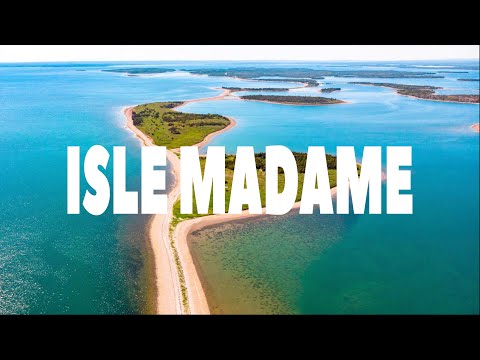
Exploring Isle Madame and staying at the Vipi Lodge
daveyandsky
You are currently viewing a placeholder content from Vimeo. To access the actual content, click the button below. Please note that doing so will share data with third-party providers.
More InformationYou are currently viewing a placeholder content from YouTube. To access the actual content, click the button below. Please note that doing so will share data with third-party providers.
More InformationYou need to load content from reCAPTCHA to submit the form. Please note that doing so will share data with third-party providers.
More InformationYou are currently viewing a placeholder content from GetYourGuide. To access the actual content, click the button below. Please note that doing so will share data with third-party providers.
More Information