
Côte d’Azur: The Complete Travel Guide (2026)
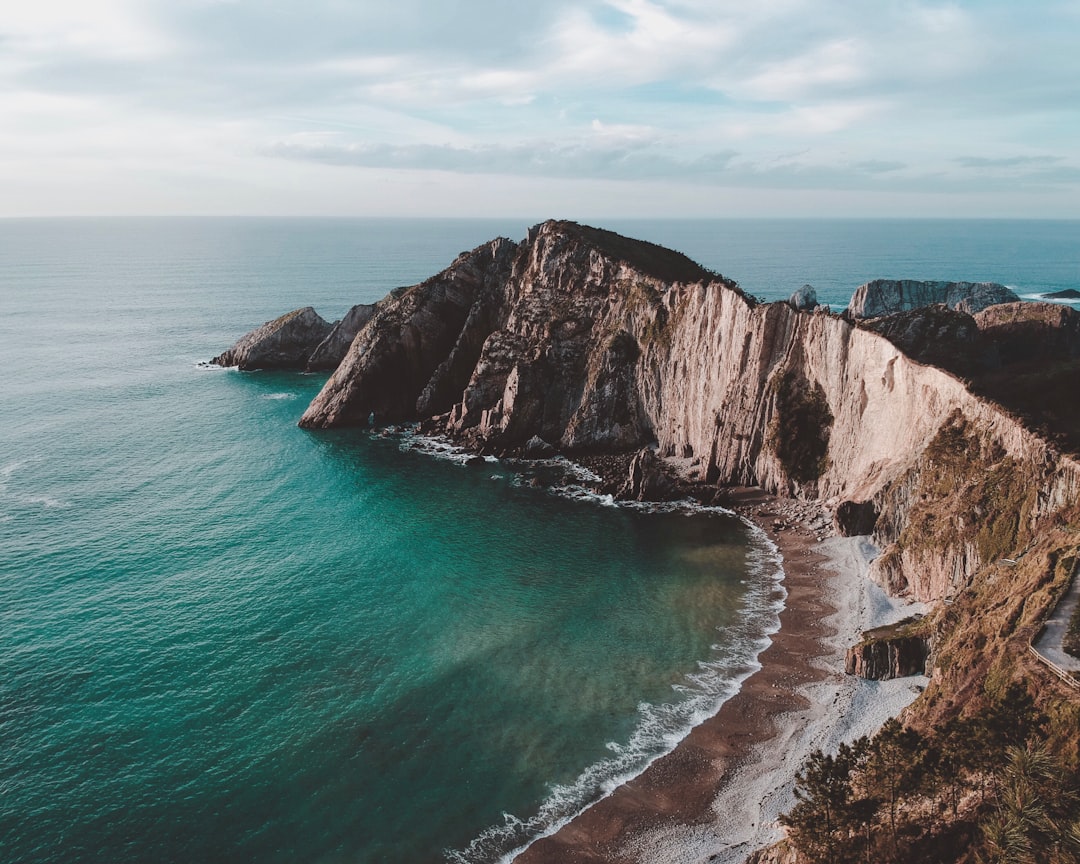
Côte d’Azur Travel Guide: Everything You Need to Know (2026)
The Côte d’Azur stretches roughly 300 km along France’s Mediterranean coast from the Massif de l’Esterel to Menton at the Italian border, encompassing the entire Alpes-Maritimes department. Nice, the region’s capital, sits at sea level and receives over 300 days of sunshine per year — one of the highest counts in metropolitan France. First popularized by British aristocrats in the early 19th century, today the Côte d’Azur draws over 11 million tourists annually, making it France’s second most visited region after Paris.
Top 3 Highlights at a Glance
- Monaco’s Prince’s Palace & Casino de Monte-Carlo — A 700-year-old royal palace perched on a 60-metre rock, paired with Europe’s most glamorous 1863-built casino — all within a 2 km² sovereign state.
- Gorges du Verdon — Europe’s largest canyon reaches 700 metres deep — a 90-minute drive from Nice that most coastal visitors never make.
- Promenade des Anglais, Nice — The iconic 7 km seafront boulevard, built in 1931, where old Belle Époque palaces face the turquoise Mediterranean — best at sunrise before crowds arrive.
Scroll down for our complete travel guide with tips on getting there, where to stay, costs and more.
Getting There
How do I best reach the Côte d’Azur?
Fly into Nice, then use train or bus for coastal connections. **Nice Côte d’Azur Airport** is the hub — it’s France’s second busiest airport with direct flights from over 100 cities including London, Amsterdam, Frankfurt, and New York JFK. The TGV high-speed train from Paris reaches Nice in **5 hours 30 minutes** and costs **€40–€120** booked in advance via SNCF. In my experience, flying is faster from northern Europe, but the train is far more comfortable and drops you centrally. Warning: driving into Nice during July and August means serious congestion — the A8 autoroute becomes a car park.
Which airport is closest to the Côte d’Azur?
**Nice Côte d’Azur Airport (NCE)** is the undisputed gateway — located just **7 km west of Nice city centre**. It handles over 14 million passengers annually and serves as the base for connecting to Cannes, Monaco, and Antibes. A secondary option is **Toulon-Hyères Airport (TLN)**, useful if you’re heading to the western Var coast, but it has far fewer international routes. My tip: NCE Terminal 1 handles most European flights; Terminal 2 handles long-haul. Avoid assuming Marseille-Provence Airport is close — it’s **200 km west** and adds 2+ hours of transfer time.
How long is the journey from Nice to other Côte d’Azur towns?
Journey times along the coast are short but deceptive in peak season. By train: **Nice to Monaco is 22 minutes (€4.10)**, Nice to Cannes is **40 minutes (€7)**, Nice to Menton is **35 minutes (€5)**. The regional TER train runs these routes every 30 minutes. What surprised me: the Basse Corniche coastal road from Nice to Monaco takes **45–90 minutes by car** in summer due to traffic, while the train takes 22 minutes. My recommendation — always choose the train for east-west movement along the coast. Car travel is only advantageous for heading inland toward villages like Èze or Saint-Paul-de-Vence.
Are there direct bus connections across the Côte d’Azur?
Yes, and they’re excellent value at **€1.50 per journey** on Lignes d’Azur regional buses. Bus 100 runs the full Nice–Monaco–Menton coastal route along the Basse Corniche and is one of the most scenic bus rides in Europe — though in July and August expect **20–40 minute delays**. **Zou! regional buses** connect inland villages including Vence, Saint-Paul-de-Vence, and Grasse from Nice for **€1.50 flat fare**. The caveat most guides omit: bus timetables thin out significantly after 8pm, and Sunday services can be hourly or less. Download the **Lignes d’Azur** app before you arrive.
Is a rental car necessary on the Côte d’Azur?
No, not for the main coastal strip — trains and buses cover it well. However, a car is essential if you plan to visit **Gorges du Verdon**, the perched villages of the arrière-pays (hinterland), or wine estates around **Bandol**. Expect to pay **€45–€80 per day** for a compact car from **Enterprise or Europcar at NCE airport**. The caveat: parking in Monaco is **€4–€6 per hour**, in Cannes and Nice coastal areas **€3–€5 per hour**, and free spots are nearly impossible in July–August. In my experience, rent a car only for 1–2 specific inland days, then return it and use trains for the rest.
Accommodation
Which towns make good bases on the Côte d’Azur?
**Nice** is the best all-round base — it has the strongest transport links, the most restaurants at non-tourist prices, and an airport. **Antibes** suits those wanting a more relaxed atmosphere with better beach access and proximity to both Cannes (**25 minutes**) and Nice (**20 minutes** by train). **Menton** appeals to couples and older travelers — quieter, Italian-flavoured, and **20 minutes from Monaco** by train. Avoid basing yourself in Cannes unless you’re attending the Film Festival or want pure beach-hotel luxury — daytime crowds are brutal and train connections west are limited. My tip: Juan-les-Pins near Antibes offers affordable hotels 3 minutes from the beach.
Where should I stay on the Côte d’Azur?
Stay in **Nice’s Carré d’Or district** for walkability to the beach, old town, and train station — this is where I’d put first-time visitors. The **Vieux-Nice** (Old Town) neighbourhood offers the best atmosphere but the noisiest nights due to bars and restaurants. For beach proximity, the **Promenade des Anglais** hotel strip is unbeatable but pricey. In Cannes, the **Croisette boulevard** is glamorous but add 30% to every price. What surprised me: **Cimiez neighbourhood** in Nice — hilltop, quieter, near the Chagall and Matisse museums, with better-value hotels and a 10-minute bus ride to the sea.
What does accommodation cost on the Côte d’Azur?
Budget **€80–€130 per night** for a clean 3-star hotel in Nice in shoulder season. In July–August, the same room costs **€150–€220**. Cannes and Monaco hotels run **€200–€500+ per night** for anything decent in peak season. Apartments via Airbnb in Nice’s **Libération neighbourhood** cost **€70–€110 per night** for a studio and offer much better value than hotels. The hidden cost most guides omit: tourist tax (taxe de séjour) of **€1–€5 per person per night** is added at checkout and not always included in booking platform prices. Hostels in Nice start at **€28–€40 per dorm bed** at places like **Villa Saint-Exupéry**.
How far in advance should I book accommodation on the Côte d’Azur?
Book **at least 3 months ahead** for July and August — this is non-negotiable. The Cannes Film Festival in **mid-May** sells out the entire coast from Cannes to Antibes **6–9 months in advance**; rates during that week triple. The Monaco Grand Prix in **late May** has the same effect on Monaco and nearby Nice. For shoulder season (April–June and September–October), **4–6 weeks** is sufficient. In my experience, booking via **Booking.com or directly with hotels** gives the most flexibility on cancellation. What surprised me: Christmas week on the Côte d’Azur books surprisingly fast — Nice is popular with European winter-sun seekers.
When is the best time to visit the Côte d’Azur?
**July, August, and September** are the optimal months based on climate data — reliably warm, dry, and sunny. My personal preference is **mid-September**: the sea temperature hits its annual peak at around **24°C**, crowds thin noticeably after September 1st, and prices drop **15–25%** from August highs. June is excellent — warm days, fewer crowds than July, and the Menton Lemon Festival runs in February for off-season interest. The honest caveat: July and August are genuinely overcrowded — the Promenade des Anglais becomes shoulder-to-shoulder, and restaurants in Vieux-Nice turn over tables every 45 minutes. Go in September if you have flexibility.
Best Time to Visit
How does the weather affect activities on the Côte d’Azur?
Summer heat of **28–34°C** from June through August makes midday sightseeing uncomfortable — plan beaches for morning, inland villages after 4pm when the heat eases. The **Mistral wind** can drop temperatures by **8–10°C** and creates choppy sea conditions, typically arriving October–March but occasionally in summer. Water sports — paddleboarding, snorkeling, sailing — are best **June through October**. Hiking in the **Mercantour National Park**, 90 minutes north of Nice, is ideal in July–August when lower-altitude trails become too hot. Winter (December–February) is mild at **12–15°C** with very little rain, making it perfect for the coastal walk from Nice to Villefranche-sur-Mer.
Are there local festivals on the Côte d’Azur worth attending?
Absolutely — the **Nice Carnival** in February (2 weeks, free street events plus paid grandstand seats from **€25**) is Europe’s third largest carnival. The **Cannes Film Festival** in mid-May transforms La Croisette into a celebrity circus — public screenings on the beach are free via Cinéma de la Plage. The **Antibes Jazz à Juan festival** in July draws world-class jazz acts with tickets from **€35–€85**. Menton’s **Fête du Citron (Lemon Festival)** in February features enormous citrus sculptures and draws 230,000 visitors over 2 weeks. My tip: book festival-week accommodation 6 months out; prices during Nice Carnival week increase **40–60%**.
When does the Côte d’Azur get crowded?
**July 14th through August 20th** is the absolute peak — French national holidays trigger an internal migration to the coast. Italian, German, and British tourists also peak in August. Cannes, Èze, and Saint-Paul-de-Vence become genuinely unpleasant — queues of **30–60 minutes** for popular restaurants, and parking in Saint-Paul-de-Vence fills by 9:30am. The Cannes Film Festival in **May** and Monaco Grand Prix in **late May** create localized gridlock. What surprised me: even in October, Nice’s Vieux-Nice is busy every weekend with French domestic visitors. True quiet only comes in **November through January**, when some restaurants and smaller hotels close entirely.
What does a daily budget cost on the Côte d’Azur?
Budget traveler: **€80–€110 per day** covering a hostel dorm, socca and pissaladière street food, bus transport, and 1 paid sight. Mid-range: **€180–€250 per day** for a 3-star hotel, sit-down lunches averaging **€18–€25**, and a boat trip or museum entry. Upscale: **€400–€600+ per day** with Croisette hotels, dinners at **Tetou in Golfe-Juan** or similar. The hidden cost: sunbed rental on Nice’s private beaches runs **€20–€35 per day** — public beach sections exist but are gravel, not sand. My tip: buy a **Lignes d’Azur 10-trip pass for €13** rather than single tickets to cut transport costs immediately.
Is the Côte d’Azur cheaper or more expensive than other French regions?
It’s significantly more expensive than inland France — roughly **30–40% pricier than Lyon or Bordeaux**. A café crème that costs **€2.50** in Lyon costs **€4–€5** on the Promenade des Anglais. Restaurant mains average **€22–€35** in Nice versus **€15–€22** in comparable French cities. However, compared to Monaco — where a sandwich costs **€12** and a hotel room starts at **€350** — Nice and Antibes are moderate. The honest caveat: grocery shopping at **Casino Supermarché** or **Lidl in Nice’s Ariane neighbourhood** costs standard French prices and is how locals stretch their budgets. Eating lunch rather than dinner at restaurants saves **25–35%** on the same menu.
Budget
What free highlights are there on the Côte d’Azur?
The **Promenade des Anglais** walk (7 km, free) is the single best free experience on the coast. **Vieux-Nice’s Cours Saleya market** runs Tuesday–Sunday mornings — free to browse, a riot of flowers, olives, and local produce. The **Fondation Maeght** sculpture garden in Saint-Paul-de-Vence charges entry, but the village streets and Chapelle des Pénitents Blancs are free. **Monaco’s Prince’s Palace Changing of the Guard** happens daily at **11:55am** and costs nothing. Hiking the **Tête de Chien** above Monaco gives panoramic views for zero cost. My tip: the **Matisse Museum in Cimiez, Nice** is free on the first Sunday of each month — worth timing your visit around.
What do local specialities cost on the Côte d’Azur?
**Socca** (chickpea pancake, the quintessential Nice street food) costs **€3–€4** at Chez Pipo or the Cours Saleya market stalls. A **pan bagnat** (Nice’s tuna sandwich) runs **€5–€7** from boulangeries. **Pissaladière** (onion-anchovy tart) is **€2–€3 per slice**. A sit-down **salade niçoise** at a proper brasserie costs **€14–€18** — insist on tuna confit, not canned tuna, which is the local standard. Rosé wine from the nearby **Provence AOC** starts at **€5–€7 per glass**. The caveat: tourist restaurants on Vieux-Nice’s Rue Masséna often use frozen socca — always look for the words *fait maison* (homemade) on menus.
Which route do you recommend for 5–7 days on the Côte d’Azur?
Day 1–2: **Nice** — Promenade des Anglais, Vieux-Nice, Cours Saleya market, Castle Hill (Colline du Château, free, **92 metres** elevation). Day 3: Train to **Monaco** (**22 minutes**) — Palace, Oceanographic Museum (**€18** entry), Casino exterior. Day 4: **Èze village** (bus 82 from Nice, **35 minutes**) then Villefranche-sur-Mer beach. Day 5: **Antibes** — Picasso Museum (**€8**), Cap d’Antibes coastal path. Day 6: **Cannes** — La Croisette walk, Île Sainte-Marguerite ferry (**€15 return**). Day 7: **Gorges du Verdon** day trip by rental car — **150 km** from Nice, unmissable canyon. In my experience this itinerary avoids the mistake of staying in one town too long.
What are the must-see sights on the Côte d’Azur?
Top 5 non-negotiables: **Vieux-Nice** (best walked before 9am), **Monaco’s Rocher** with the Prince’s Palace and Oceanographic Museum, **Cap Ferrat peninsula** (6 km coastal walk between Villefranche and Beaulieu, free), **Fondation Maeght** in Saint-Paul-de-Vence (**€20** entry, Miró and Giacometti sculptures in an outdoor garden), and **Gorges du Verdon**. What surprised me most was the Oceanographic Museum in Monaco — founded in 1910, its roof terrace offers the best coastal panorama I found anywhere on the Riviera. The caveat: Saint-Paul-de-Vence is genuinely worth it but go on a weekday before 10am; on summer weekends it’s a gallery of selfie sticks.
What natural highlights does the Côte d’Azur offer?
The **Calanques de l’Esterel** — red porphyry rock formations dropping into turquoise water near **Agay**, accessible by a 2-hour hike from the train stop at Agay. **Gorges du Verdon** (**700 metres deep**, a 90-minute drive north) is Europe’s Grand Canyon equivalent. **Mercantour National Park**, **90 km north of Nice**, offers alpine terrain above **2,500 metres** with ibex and chamois. The **Cap d’Antibes** coastal path takes **2 hours** to walk and passes secret coves inaccessible by road. My tip: the Corniche de l’Esterel between Cannes and Saint-Raphaël on the N98 coastal road is the most visually dramatic drive on the French Riviera — do it early morning with no traffic.
Routes & Highlights
What local specialities should I try on the Côte d’Azur?
Start with **socca** from Chez Pipo (19 Rue Bavastro, Nice) — a **100-year-old institution** serving the definitive version. **Daube niçoise** (beef braised in local red wine) is the winter comfort dish, found in Vieux-Nice bistros for **€18–€24**. **Ratatouille** originated here — order it cold as an entrée. **Tarte Tropézienne** (cream-filled brioche from Saint-Tropez) is worth the detour. For seafood, **bouillabaisse** is Marseille’s dish technically, but **bourride** (a local white fish stew with aioli) is the Côte d’Azur’s own version at around **€28–€35** per portion. Finish with **navettes** (orange-blossom cookies) from any proper boulangerie.
What activities are available on the Côte d’Azur?
Water activities dominate: snorkeling around the **Île Sainte-Marguerite** marine reserve (ferry **€15** return from Cannes), paddleboard rental in Juan-les-Pins (**€15–€20 per hour**), and sailing day charters from **Nice Port** from **€80 per person**. On land: the **GR51 footpath** traverses the entire coastal range — sections above Èze village are spectacular. **Paragliding** from **Col de la Madone above Menton** costs **€120–€140 for a tandem flight**. Mountain biking in the **Mercantour** is world-class. The overlooked activity: **perfume workshops in Grasse** (30 minutes from Cannes by bus) — the global perfume capital, workshops from **€20–€35** for 90 minutes.
What distinguishes the Côte d’Azur from other French regions?
The Côte d’Azur is the only French region where the **Alps meet the Mediterranean within 90 minutes’ drive** — you can ski in Isola 2000 and swim in Nice on the same winter day. It’s also the only region bordering a sovereign microstate (**Monaco**) and Italy simultaneously, creating a cultural blend found nowhere else in France. The Niçois identity is distinct — **Nice was Italian (Savoyard) until 1860**, which explains why local cuisine, architecture, and even the accent differ noticeably from Paris or Lyon. In my experience, this Italian-French cultural crossover is the region’s most underappreciated characteristic — far more interesting than just its famous beaches.
Which day trips from the Côte d’Azur are possible?
**Ventimiglia, Italy** is **50 minutes by train from Nice (€7 return)** — its Friday market is one of the best in the Western Mediterranean for leather goods and local produce. **Grasse** (30 minutes by bus from Cannes, **€1.50**) is the perfume capital with free museum entry at **Musée International de la Parfumerie**. **Verdon Gorge** requires a rental car — budget **€80 total** for car plus fuel for a full-day round trip. **Aix-en-Provence** is **2.5 hours west by TGV** and makes an excellent cultural day trip. My strongest recommendation: the **Three Corniches drive** (Grande, Moyenne, Basse) above Monaco — doable in a half day and more scenic than any paid attraction.
Are there language barriers on the Côte d’Azur?
English is widely spoken in tourist areas — **Nice Airport, hotels, and most Croisette restaurants** have English-speaking staff. However, venture into local markets, inland villages, or neighborhood restaurants in Nice’s **Libération or Ariane districts** and French becomes essential. Italian is often understood near Menton. In my experience, a basic French greeting — *Bonjour, parlez-vous anglais?* — unlocks significantly warmer service everywhere. The caveat most guides omit: **Niçois dialect** (a variant of Occitan) still appears on street signs and menus — *barba-jouan* (a local fried pastry) and *merda de can* (a spinach gnocchi) will confuse anyone relying solely on French or English translation.
Practical Tips
Which apps do you recommend for the Côte d’Azur?
**Lignes d’Azur** (iOS/Android, free) — essential for bus timetables and the **€1.50 ticket** purchase covering Nice, Monaco bus 100, and inland routes. **SNCF Connect** for all train bookings — buy in advance for the **€4.10 Nice–Monaco** fare before it sells out. **TheFork (LaFourchette)** for restaurant reservations — essential in July–August when top spots fill **3–5 days ahead**. **Komoot or AllTrails** for coastal and inland hiking routes. **Waze** if driving — it knows the A8 traffic better than any other nav app. My tip: download **Google Maps offline** for the full Alpes-Maritimes region before arrival — mobile data on the Corniche roads above Monaco can be patchy.
Are there medical facilities on the Côte d’Azur?
**Hôpital Pasteur in Nice** (30 Avenue de la Voie Romaine) is a full-service university hospital handling all emergencies — one of the best-equipped in southern France. **Centre Hospitalier de Cannes** and **Centre Hospitalier de Menton** cover the western and eastern ends of the coast. Pharmacies are plentiful — look for the green cross, open until **7:30–8pm** on weekdays. EU citizens with a **European Health Insurance Card (EHIC)** receive reimbursable treatment; non-EU visitors should carry comprehensive travel insurance covering **at least €100,000 in medical expenses**. The caveat: August hospital waiting times increase noticeably — even with insurance, bring a small supply of any prescription medication.
How safe is the Côte d’Azur?
Overall it’s safe — but petty theft is the real concern, not violent crime. **Nice train station (Gare de Nice-Ville)** and the **Promenade des Anglais** at night attract pickpockets targeting tourists. The **Ariane neighbourhood** in northeastern Nice has a higher crime rate and is worth avoiding after dark. Monaco is extremely safe — it has one of the highest police-to-resident ratios in the world (**1 officer per 70 residents**). In my experience, the standard precautions apply: don’t leave bags on café chairs, keep phones out of sight on crowded buses, and use hotel safes for passports. The coastal path between Villefranche and Saint-Jean-Cap-Ferrat is completely safe at any hour.
What are common traveller mistakes on the Côte d’Azur?
The biggest mistake: **renting a car for the full trip** — traffic and parking costs make it counterproductive between coastal towns. Mistake two: **eating on Rue Masséna or directly on the Promenade** — these are tourist traps charging **€22–€28 for mediocre pasta**; walk 3 streets inland for half the price and double the quality. Mistake three: spending all time in Nice and Cannes and missing **Cap Ferrat, Menton, and the hinterland villages**. Mistake four: booking a beach hotel in Cannes for the Film Festival week without realizing rooms cost **€500–€800 per night** and the beach is barricaded. My tip: the worst value experience on the entire coast is a **€15 mojito on a Cannes beach club sun lounger** — skip it entirely.
Which accommodation types suit the Côte d’Azur best?
**Boutique hotels in Vieux-Nice** offer the best atmosphere — properties like **Hôtel Windsor** (from **€110 per night**) balance location, character, and price. **Apartment rentals** in Nice’s **Carré d’Or or Libération** neighbourhood are ideal for stays of **4+ nights** — kitchens cut food costs significantly. **Villas with pools** in the hills above Cannes or near **Grasse** make sense for groups of 4–6 sharing costs. For luxury, the **Hôtel du Cap-Eden-Roc** in Antibes (**€800–€2,000 per night**) is the historic benchmark — opened in 1870, immortalized in Fitzgerald’s *Tender Is the Night*. The honest caveat: beachfront hotels on the Promenade des Anglais charge a **20–40% location premium** for rooms that face a gravel beach, not sand.