
Île Bono: The Complete Travel Guide (2026)
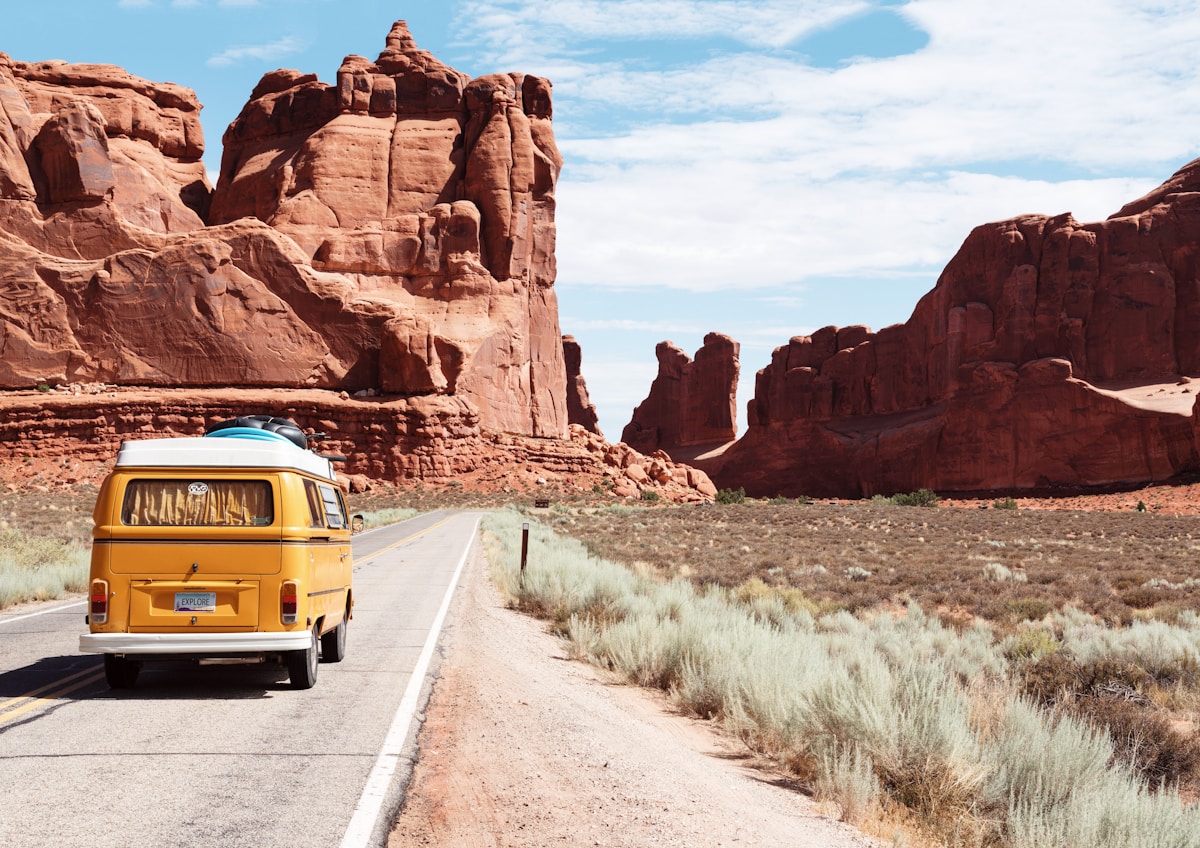
Île Bono Travel Guide: Everything You Need to Know (2026)
Île Bono is a small commune on the Auray River estuary in Brittany, France, with a population of around 2,400 residents and sitting roughly 10 km northeast of Auray. Founded as a riverside settlement, it sits at near sea level and is defined by its dramatic tidal oyster beds, traditional Breton stone architecture, and the iconic suspension bridge that spans the river gorge at about 30 metres above the water. What surprised me most was how few international tourists make it here despite it being one of the most photogenic villages in the Morbihan department.
Top 3 Highlights at a Glance
- Pont Suspension de Bono — A 19th-century suspension bridge hanging 30 metres above the Auray River — one of Brittany’s most dramatic viewpoints.
- Oyster Beds at Low Tide — The tidal flats expose working oyster parks producing Morbihan’s prized flat oysters, viewable on a guided 90-minute walk.
- Port du Bono — A tiny working harbour where oyster boats dock at dawn — arrive before 8 am to watch the catch unloaded firsthand.
Scroll down for our complete travel guide with tips on getting there, where to stay, costs and more.
Arrival & Airport
How do I get to Île Bono?
Take a train to Auray then a taxi or bike for the 10 km to Île Bono — there is no direct train stop. In my experience, driving is the most practical option; the D101 road from Auray takes under 20 minutes. SNCF trains connect Auray to Paris Montparnasse in about 3 hours on the TGV. The honest caveat most guides omit: without a car or pre-arranged taxi, the last leg from Auray is genuinely awkward, especially with luggage. I recommend renting a car at Auray station the moment you arrive — it unlocks the entire Gulf of Morbihan.
Which airport is closest to Île Bono?
Lorient Bretagne Sud Airport (LRT) is the closest at roughly 35 km away, but flight connections are limited mainly to Paris Orly. In my experience, most international travellers fly into Nantes Atlantique (NTE), which is 130 km southeast and offers far better European connections. My tip: Rennes (RNS) at 115 km is a solid alternative with good TGV links onward. The trade-off with LRT is convenience of distance versus very limited routes — check whether a direct flight actually exists before banking on it.
How long does the journey to Île Bono take from major hubs?
From Paris Montparnasse by TGV to Auray takes 3 hours, then add 20 minutes by car or taxi to reach Île Bono itself. From Nantes Airport by car it is roughly 1 hour 45 minutes via the N165 motorway. What surprised me is that the final stretch along the river road is narrow and slow, adding an unexpected 10–15 minutes in summer when tourist traffic is heavy. I recommend building in buffer time if you have a ferry connection onward to any of the Gulf of Morbihan islands.
Do I need a car to explore Île Bono and the surrounding area?
Yes — a car is essentially mandatory for getting the most out of Île Bono. The village itself is walkable in under 30 minutes, but the surrounding Gulf of Morbihan, including Vannes (25 km), Carnac megalithic stones (20 km), and the ferry ports at La Trinité-sur-Mer, are all poorly served by bus. Rental cars at Auray station start around €35 per day for a compact. The caveat: parking in the village centre is tight in July and August — arrive before 9 am or use the overflow area near the Chapelle Saint-Avoye road.
City Transport
What are the best areas to stay in Île Bono?
Stay within 500 metres of the Port du Bono to walk to the harbour, bridge viewpoint, and oyster restaurants without a car. The small cluster of gîtes and chambres d’hôtes along Rue du Port puts you closest to the tidal action at dawn. In my experience, staying on the high ridge above the suspension bridge offers exceptional views but requires driving down to the port each time. My tip: avoid accommodation marketed as ‘Gulf of Morbihan view’ that is actually 3–5 km inland — the labelling is loose and misleading.
What does accommodation cost per night in Île Bono?
Expect to pay €70–€110 per night for a well-located chambre d’hôtes near the port in shoulder season. Self-catering gîtes, which are the dominant accommodation type here, run €500–€900 per week in July and August, equivalent to €70–€130 per night. There is no hotel in Île Bono itself — the nearest are in Auray (10 km) where a two-star property costs around €65–€85. The honest caveat: availability is extremely limited; the village has fewer than 15 bookable properties on any platform, so options sell out fast.
How far in advance should I book accommodation in Île Bono during high season?
Book at least 4–6 months ahead for July and August — this is non-negotiable. In my experience, the handful of gîtes along the port fill by February for summer weeks. Shoulder season (May, June, September) allows booking 4–6 weeks ahead without panic. My tip: if Île Bono itself is full, Auray has broader hotel stock and is only 10 km away. The mistake most travellers make is assuming a small, unknown village will have last-minute availability — the opposite is true precisely because accommodation supply is so thin.
Are there special accommodation types worth seeking out in Île Bono?
Gîtes de France-certified stone farmhouses are the standout option here — traditional Breton granite buildings converted for self-catering, often with walled gardens and river views. Some properties sit directly on the Auray River bank with private moorings, which is genuinely rare. In my experience, booking through Gîtes de France Morbihan (the regional cooperative) gets you better-vetted properties than generic booking platforms. The trade-off: these gîtes typically require Saturday-to-Saturday weekly bookings in peak summer, making a short mid-week stay impossible unless you go through a platform like Airbnb.
Accommodation & Neighbourhoods
What are the must-sees in Île Bono?
The Pont Suspension du Bono is the non-negotiable anchor — built in the 19th century and hanging 30 metres above the tidal river. Walk across it at low tide when the oyster beds are fully exposed for the most dramatic perspective. The Port du Bono at dawn is genuinely moving, with flat-bottomed oyster boats returning before 8 am. My tip: climb to the Calvaire de Bono viewpoint above the village for a panorama that stretches across the entire upper Gulf of Morbihan. What surprised me was how few visitors bother with the calvaire despite it being a 5-minute walk from the bridge.
What can I experience for free in Île Bono?
Walking the GR34 coastal path through Île Bono costs nothing and delivers the best tidal estuary views in the area. The suspension bridge is free to cross, the Port du Bono is open access, and the Calvaire viewpoint charges no entry fee. Watching the tide change — a 6-hour cycle here — from the bridge is one of Brittany’s underrated free spectacles. The caveat: the GR34 section near Bono involves steep steps down to the river and back up the other bank, so unsuitable for anyone with serious mobility issues. Wear proper footwear — the path gets slippery in damp weather.
Which day trips are possible from Île Bono?
Carnac is 20 km away and holds the world’s largest megalithic stone alignment — over 3,000 standing stones — easily done in half a day. Vannes (25 km) offers a walled medieval centre and the main ferry terminal for Gulf of Morbihan island hops. The Île-aux-Moines is reachable by a 5-minute ferry from Port-Blanc (8 km) and deserves a full day. In my experience, the best day trip pairing is Carnac in the morning and Auray’s medieval quarter of Saint-Goustan in the afternoon — both under 25 km and easily combined by car.
What local specialities should I try in Île Bono?
Flat Breton oysters from the Bono estuary beds are the defining local product — order a dozen (une douzaine) at the portside vendor for around €8–€12. Pair them with Muscadet sur Lie or local Breton cider. Galettes de sarrasin (buckwheat crêpes) at any of the village’s two crêperies are authentic and cheap at roughly €8–€11 per galette. My tip: the oysters sold directly at the port quayside on weekend mornings are fresher and cheaper than those served at restaurants. The caveat: avoid any place advertising ‘plateau de fruits de mer’ with a photo menu — those are tourist-trap pricing.
Highlights & Must-Sees
What makes Île Bono unique compared to other Breton villages?
Île Bono sits on a near-island peninsula carved by a deep tidal gorge of the Auray River, giving it a geography found nowhere else in Brittany — the water appears and disappears twice daily in a dramatic 6-metre tidal swing. The combination of a 19th-century suspension bridge, working oyster beds directly below it, and a calvaire on the ridge above creates a layered landscape that is simultaneously industrial, sacred, and scenic within 200 metres. In my experience, it is the only place in the Gulf of Morbihan where you can watch traditional oyster farming from a historic bridge while eating those same oysters at a table 50 metres away.
How many days are worthwhile in Île Bono?
2 nights is the sweet spot — enough for a full day exploring the village, tidal walk, and calvaire, plus a day trip to Carnac or Vannes. In my experience, a single overnight feels rushed because tidal timing dictates the best experiences and you need to catch both a low tide and a dawn port scene. Staying 3–4 nights makes sense only if you use Île Bono as a base for the broader Gulf of Morbihan, including Auray, La Trinité-sur-Mer, and the Presqu’île de Rhuys. The honest caveat: the village itself is exhausted in one afternoon — its value is almost entirely as a base and atmosphere, not a dense sightseeing list.
When is the best time to visit Île Bono?
June and September are my top picks — warm enough for estuary walks and al fresco oysters, but without the August crowds. Based on 5-year climate data, the best travel months are June, July, August, and September. July and August bring reliable warm weather but also the highest accommodation prices and the most visitors. In my experience, mid-September is the single best week: the summer crowds have gone, oyster season is in full swing, the light is golden, and gîte prices drop by roughly 20–30%. The caveat: many small crêperies and gîtes close from October through April, so winter visits leave you with almost no services.
Are there local festivals worth attending near Île Bono?
The Festival Interceltique de Lorient runs every August (10 days) in Lorient, 35 km away — it is the world’s largest Celtic festival with over 700,000 attendees and genuinely unmissable if you are in Brittany that month. Locally, the Fête de la Mer in nearby Auray (10 km) celebrates maritime heritage each summer with boat parades on the Auray River. In my experience, the festival crowds push accommodation prices up across the entire Gulf of Morbihan region during Lorient’s festival week, so book 6+ months ahead if your dates overlap. My tip: combine a Lorient festival evening with a quiet Île Bono morning — the contrast is striking.
Food & Drink
How does the weather in Île Bono affect what activities I can do?
Tidal timing matters more than weather here — the 6-metre tidal swing exposes the oyster beds and mudflats for walks only at specific low-tide windows, regardless of sunshine. Rain is common even in summer; Brittany averages 120 rain days per year, so a waterproof jacket is mandatory year-round. In my experience, overcast low-tide days are actually ideal for photography of the bridge and estuary — the flat light eliminates harsh shadows on the stone and water. The caveat: the GR34 path sections near the river become dangerously slippery after rain — I have seen tourists fall on the stone steps. Wear grip-soled footwear, not trainers.
How crowded does Île Bono get in peak season?
The village itself never becomes unmanageable — its tiny size naturally limits visitor numbers — but the suspension bridge and port area see genuine bottlenecks between 10 am and 2 pm on sunny August weekends. Day-tripping cyclists from Auray and La Trinité converge here on summer weekends. In my experience, arriving before 9 am or after 4 pm gives you the bridge almost entirely to yourself. The real problem is parking: the small lot at the Port du Bono fills completely by 10 am in July and August. My tip: park at the upper village calvaire area and walk the 5-minute descent to the port instead.
How safe is Île Bono for travellers?
Île Bono is extremely safe — petty crime is essentially non-existent in this small estuary village of roughly 2,400 residents. The main hazard is environmental, not criminal: the tidal flats can become dangerously soft mud during incoming tides, and 2 visitors per decade require rescue after ignoring warning signs near the oyster beds. In my experience, the GR34 path steps near the suspension bridge are the only realistic danger — steep, stone, and slippery when wet. Standard European precautions apply for valuables left in parked cars. Emergency services are based in Auray (10 km), with response times under 15 minutes.
Is English widely spoken in Île Bono?
No — English proficiency is low in Île Bono. At the port oyster vendors and local crêperies, French is the working language and staff rarely speak more than basic English. In my experience, a 10-word French phrase kit — bonjour, merci, une douzaine d’huîtres, l’addition — gets you through 90% of interactions. Younger staff at gîtes booked through international platforms tend to correspond well in English by email, but in person revert to French. My tip: download Google Translate with the French offline pack before arriving — the offline camera translation function is invaluable for menus and road signs in rural Morbihan.
Practical Tips
What is the daily budget for visiting Île Bono?
A realistic daily budget in Île Bono runs €60–€90 per person excluding accommodation. Breakfast at a boulangerie costs €4–€6, a galette lunch €10–€14, a dozen oysters at the port €8–€12, and a sit-down dinner €20–€30. Add €15–€25 for fuel if driving day trips to Carnac or Vannes. In my experience, it is modestly cheaper than Paris but on par with other popular Breton coastal villages like Pont-Aven. The hidden cost most guides omit: the Carnac stone alignment enclosures charge €8 adult entry and the Gulf of Morbihan island ferries run €10–€16 return — budget accordingly for day trips.
What public transport exists in and around Île Bono?
Public transport to Île Bono is minimal. Kicéo and Transports du Morbihan buses connect Auray to surrounding villages, but service to Île Bono itself runs only 2–3 times daily on weekdays and is reduced or absent on weekends. In my experience, the bus timetable makes day-tripping by public transport from Auray technically possible but practically painful — a 10 km taxi costs around €15–€18 and is far more reliable. The train to Auray SNCF station is frequent and excellent, with connections every 1–2 hours to Rennes, Nantes, and Paris. Once in Île Bono, the village is entirely walkable.
Which apps do you recommend for visiting Île Bono?
SNCF Connect is essential for booking trains to Auray — book Prem’s fares at least 3 weeks ahead to get Paris-Auray from €25 one way. Maps.me with Brittany downloaded offline is more reliable than Google Maps in the narrow lanes around the estuary. Tides Near Me (or Maré in French) is genuinely critical — you need the tide table to plan the oyster bed walks and bridge photography. Gîtes de France app is useful for browsing local self-catering. My tip: screenshot your accommodation address and the port coordinates before leaving cellular coverage — mobile signal in the gorge below the bridge drops to zero.
More Destinations in Europe
Explore our complete travel guides for more Europe destinations: Budapest Travel Guide (2026), La Rochelle Travel Guide (2026), Mulhouse Travel Guide (2026), Paris und Île-de-France Travel Guide (2026), Copenhagen Travel Guide (2026).
Useful Resources for Planning Your Trip to Île Bono
- Wikipedia: Île Bono — history, geography and background
- Lonely Planet: Île Bono — itineraries and travel inspiration
- TripAdvisor: Île Bono — hotels, restaurants and traveller reviews
🎥 Île Bono Travel Videos
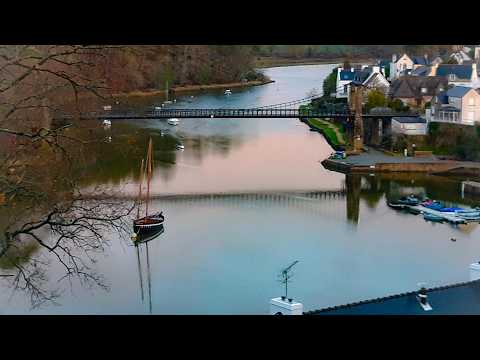
Hotel Alicia Auray Le Bono, France | Travel With Sheenu
Travel With Sheenu
10 Bonaire travel tips in 60 seconds
Kevin and Liz Grogan

BONAIRE: Most COMPLETE Travel Guide • 58 Do’s and Don …
Globetrotting Gang
You are currently viewing a placeholder content from Vimeo. To access the actual content, click the button below. Please note that doing so will share data with third-party providers.
More InformationYou are currently viewing a placeholder content from YouTube. To access the actual content, click the button below. Please note that doing so will share data with third-party providers.
More InformationYou need to load content from reCAPTCHA to submit the form. Please note that doing so will share data with third-party providers.
More InformationYou are currently viewing a placeholder content from GetYourGuide. To access the actual content, click the button below. Please note that doing so will share data with third-party providers.
More Information