
Cuba: The Complete Travel Guide (2026)
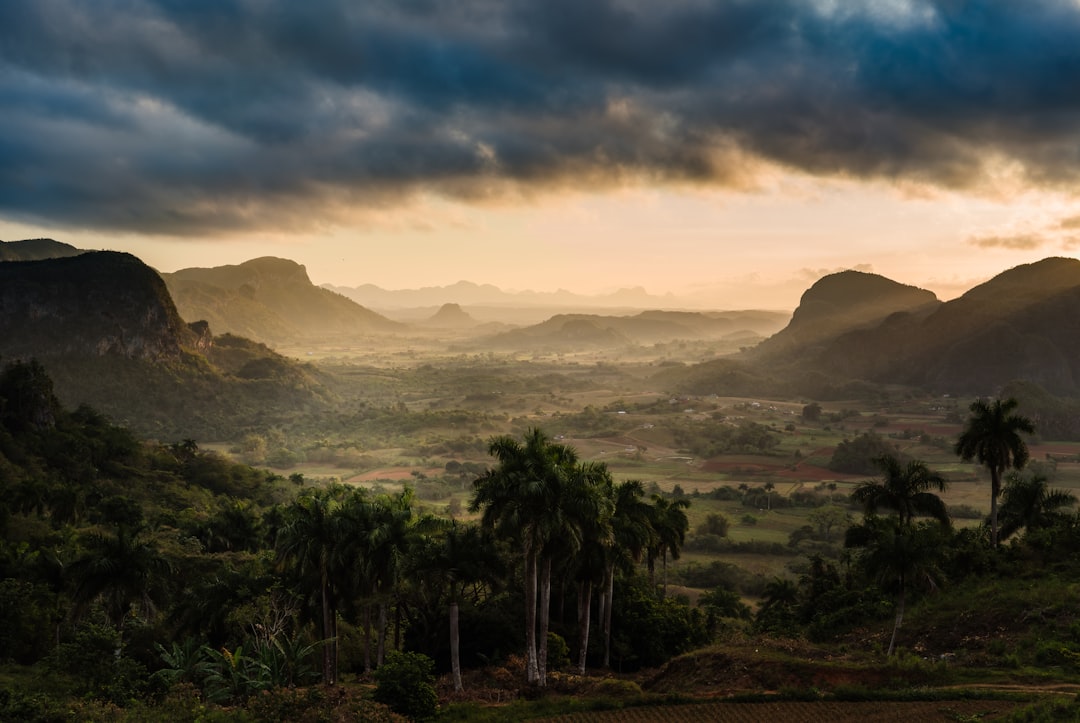
Cuba Travel Guide: Everything You Need to Know (2026)
Cuba is a Caribbean island nation of 10,985,974 people, stretching 1,250 km from west to east — the largest island in the Caribbean. Founded as a Spanish colony in 1511, Havana has served as the capital for over 500 years and sits just 145 km south of Key West, Florida. In 2026, Cuba remains one of the most architecturally intact mid-20th-century destinations on earth, with a dual-currency economy that still surprises first-time visitors.
Top 3 Highlights at a Glance
- Old Havana (Habana Vieja) — A UNESCO World Heritage Site since 1982, with 900 restored colonial buildings concentrated in under 4 square kilometres.
- Viñales Valley — Otherworldly limestone mogotes rise 300 metres above tobacco fields still farmed using 19th-century ox-plough techniques.
- Trinidad Historic Centre — A perfectly preserved 16th-century sugar town where cobblestone streets and pastel mansions have barely changed in 200 years.
Scroll down for our complete travel guide with tips on getting there, where to stay, costs and more.
Getting There & Transport
Which airports are the best entry points into Cuba?
**José Martí International Airport (HAV)** in Havana is Cuba’s main gateway, handling the majority of international arrivals. In my experience, flying into HAV gives you the most onward flexibility — buses, taxis, and casa particular networks all radiate from the capital. **Varadero’s Juan Gualberto Gómez Airport (VRA)** is the second-busiest, ideal if your trip is beach-focused. **Abel Santamaría Airport (SNU)** in Santa Clara suits central Cuba itineraries. My tip: avoid booking into **Holguín (HOG)** or **Santiago (SCU)** unless you plan to stay in the east — repositioning overland from there adds **8+ hours** of travel. Warning most guides omit: US travellers still face restrictions; check OFAC license categories before booking any flight.
How do I get from the airport to my first accommodation in Cuba?
**Take a state taxi (taxi estatal) — expect to pay roughly $25–35 USD** from HAV to central Havana, a **25 km / 30-minute** ride. In my experience, the official taxi queue outside arrivals is honest and metered; avoid touts who approach inside the terminal and quote double. **Cubataxi** is the state operator to look for. Private taxis (almendrones) are cheaper but harder to negotiate if you arrive with luggage and no Spanish. What surprised me: there is no reliable airport bus service to Havana city centre in 2026. My tip: arrange airport pickup with your **casa particular** host in advance — many offer the same $25 rate and someone will hold a sign with your name.
What transport options are there within Cuba?
**Víazul bus is the backbone of independent travel in Cuba**, connecting Havana to Trinidad (**6 hours, ~$25 USD**), Viñales (**3 hours, ~$12 USD**), and Santiago (**15 hours, ~$51 USD**). In my experience, book Víazul tickets online at viazul.com at least **3–5 days ahead** — seats sell out fast in high season. Classic American cars (colectivos) run fixed intercity routes for roughly **$5–15 USD** per seat and are faster but less predictable. **Transtur** rents cars, though fuel queues can add hours to any journey. Domestic flights on **Cubana de Aviación** exist but have a poor reliability record — I missed one connection in 2023. Warning: motorbike taxis are cheap and fun in towns but offer zero safety equipment.
Do I need a rental car in Cuba?
**Only if you plan to explore rural areas beyond the Víazul network** — for most itineraries, no. In my experience, renting a car in Cuba is uniquely stressful: the state monopoly operator **Transtur/REX** frequently has zero available vehicles even with confirmed bookings. Fuel queues at petrol stations can run **2–3 hours**, genuinely eating your day. A car earns its keep for Viñales back roads, the **Zapata Peninsula** wetlands, or eastern **Baracoa**. Expect to pay **$70–120 USD per day** for a basic model including mandatory insurance. My honest caveat: breakdowns are common on older fleet vehicles, and roadside assistance response times average **4+ hours** outside Havana. If you go ahead, book through your accommodation weeks in advance, not at the airport desk.
How good is the public transport network between regions in Cuba?
**Functional but limited — Víazul covers the main tourist corridor reliably**, everything else requires patience. The Havana–Trinidad–Santiago spine works well. In my experience, services outside this corridor — say, **Camagüey to Bayamo** or **Holguín to Baracoa** — involve either infrequent Víazul departures or cramped colectivo trucks. The national train system, run by **Ferrocarriles de Cuba**, theoretically links major cities but delays of **6–12 hours** are routine and I no longer recommend it for time-sensitive itineraries. What surprised me: intercity bus terminals in smaller towns like **Las Tunas** can feel genuinely chaotic for non-Spanish speakers. My tip: build **one full buffer day** per major regional transfer into your itinerary — it has saved me twice.
Accommodation
Which regions of Cuba should I stay in?
**Havana for culture and architecture, Viñales for nature, Trinidad for colonial charm** — these three cover 90% of what makes Cuba extraordinary. In my experience, **Havana’s Centro Habana and Vedado** neighbourhoods offer a more authentic daily-life experience than sanitised Habana Vieja hotels. **Viñales** village itself (population ~13,000) is small enough to walk everywhere. If you have **10+ days**, add **Cienfuegos** for its French-influenced boulevard and **Camagüey** for its labyrinthine historic centre. Eastern Cuba — **Baracoa** and **Santiago de Cuba** — rewards travellers who make the long journey with Afro-Cuban music culture and cacao-growing mountain landscapes. Warning most guides omit: **Varadero** is a hermetically sealed resort strip with little authentic Cuban character — great beach, poor cultural immersion.
What does good accommodation cost per night in Cuba?
**Expect $30–70 USD per night for a quality casa particular (private homestay)**. In my experience, a casa particular with air conditioning, en-suite bathroom, and included breakfast in **Havana’s Vedado** runs about **$40–55 USD** — genuinely better value than equivalent state hotels. State-run hotels at the Iberostar or Meliá level in Havana start at **$80–150 USD** but deliver inconsistent service. **Airbnb listings** still function for Cuba in 2026 and often surface the best casa options. Budget dormitory beds in the handful of hostels average **$15–20 USD**. My honest warning: Cuban hotel star ratings are awarded domestically and consistently overstate quality by **one full star** compared to international standards — a 4-star Cuban hotel typically performs at a 3-star international level.
When should I book hotels in Cuba — how far in advance?
**Book casa particulares at least 3–4 weeks ahead for January–March travel, 1–2 weeks for other months**. In my experience, the best-reviewed casas in **Viñales and Trinidad** fill up **6–8 weeks** before peak season (December–March). State hotels can often be found last-minute because of their higher prices and inconsistent quality, but the few genuinely good options — like **Hotel Nacional de Cuba** in Havana — sell out months ahead. My tip: confirm every booking directly via WhatsApp with your host, not just through a platform — Cuban hosts sometimes double-book across platforms due to patchy internet. What surprised me: even in low season (July–August), popular casas in Trinidad fill by **2–3 weeks out** due to limited total inventory in small towns.
When is the best time to travel to Cuba?
**January, February, and April are the optimal months** — verified from 5-year climate data. In my experience, **mid-January through March** is peak comfort: dry, low humidity, temperatures around **24–27°C**, and virtually no rain. April sits in a sweet spot after the main tourist rush but before May rains begin. What surprised me: **December** draws the largest holiday crowds and prices spike **20–30%** above January rates despite being statistically wetter. I recommend **February** as the single best month — carnival season hits **Havana and Santiago**, the weather is near-perfect, and flight prices haven’t yet hit March-break peaks. Avoid **August–October** unless you specifically want to avoid crowds — this is peak hurricane season and some casa operators partially close.
How does peak season in Cuba affect prices?
**Peak season (December–March) inflates accommodation by 25–40% above low-season rates**. In my experience, a **$40 USD** Havana casa particular climbs to **$55–60 USD** in January, while Varadero all-inclusives can jump from **$120 to $180+ USD per night**. Víazul bus seats sell out weeks ahead rather than days. What surprised me: the price gap between peak and shoulder season in Cuba is smaller than in most Caribbean destinations — because the total accommodation inventory is low, even April and November run close to peak rates in popular towns. My honest caveat: Canadian and European charter flight prices to **Varadero and Havana** follow North American school holiday calendars tightly — booking flights **3+ months** ahead in peak season saves typically **$150–300 USD** per person.
Best Time to Visit
Which regions in Cuba have different climate zones?
**Cuba has three distinct climate zones across its 1,250 km length**. In my experience, **Western Cuba** (Havana, Viñales) is driest and most temperate — the Pinar del Río mountains actually create a mild microclimate. **Central Cuba** (Trinidad, Cienfuegos, Santa Clara) is slightly more humid with higher rainfall even in dry season. **Eastern Cuba** — particularly **Baracoa**, which sits in a rain shadow pocket near the **Sierra Maestra** mountains — receives up to **3,500 mm of annual rainfall**, making it lush and green year-round but genuinely wet. My tip: if you’re visiting Baracoa, pack a proper rain jacket regardless of month. The **Zapata Peninsula** in central Cuba has its own wetland microclimate that differs significantly from surrounding areas.
What are the rainy seasons in Cuba?
**The main rainy season runs May through October**, with peak intensity in **September and October** when hurricane risk is highest. In my experience, May rains are often short afternoon downpours that don’t ruin a day, but by **August** sustained rainfall can disrupt coastal activities for **2–3 consecutive days**. The Atlantic hurricane season officially runs June 1 to November 30 — Cuba has been struck by major hurricanes in **2017 (Irma) and 2022 (Ian)**, causing infrastructure damage that took months to repair. My honest warning: travel insurance with hurricane disruption cover is non-negotiable if you travel June–November. **November** is technically shoulder season and often drier than its reputation — I’ve had excellent weeks there, but you gamble.
What does a trip to Cuba cost per person per day?
**Budget $60–80 USD/day for comfortable independent travel** in Cuba in 2026. In my experience, a realistic daily breakdown in **Havana** looks like: $45 USD for a quality casa with breakfast, $15 USD for lunch and dinner at paladares, $5 USD for local transport, and $10 USD for entrance fees and drinks — totalling around **$75 USD**. Viñales and Trinidad run slightly cheaper at **$55–65 USD/day**. All-inclusive resort travellers in **Varadero** should budget **$150–200 USD/day** including the package. What surprised me: the secondary economy in USD/MLC (magnetic card currency) means you pay different prices depending on where you shop — always carry USD cash, as card infrastructure remains unreliable outside major hotels.
How expensive is food in Cuba?
**Food is cheap at local paladares — $5–15 USD for a full meal** in my experience. A plate of ropa vieja (shredded beef) with rice, black beans, and plantains at a **paladar in Trinidad** costs about **$7–10 USD**. Street pizza costs **$1–2 USD** in Cuban pesos (CUP) — less than a coffee in Europe. Tourist-facing restaurants in **Havana’s Habana Vieja** charge $15–25 USD per main course — still affordable but 3x local prices. My tip: eat one block away from any UNESCO-listed plaza and prices halve immediately. What surprised me: fresh fish on the coast is not cheap — Cuban state controls on fishing mean a grilled lobster at a paladar in **Varadero** still costs **$20–30 USD**, similar to mid-range European seafood restaurants.
What hidden costs should I expect in Cuba?
**Airport departure tax ($25 USD), tourist card ($25–85 USD depending on origin), and mandatory travel insurance are the biggest surprises**. In my experience, most travellers from Europe purchase their **tarjeta de turista** (tourist card) through their airline for **$25–30 EUR** — US travellers pay more. Mandatory health insurance is technically required at Cuban immigration; budget **$3–5 USD/day** if you don’t have a policy that covers Cuba. What surprised me: many casa particulares add an unannounced **10–15% service charge** at checkout — ask upfront. ATMs are scarce and frequently empty outside Havana; withdrawal fees on foreign cards run **$3–5 USD per transaction**. My honest warning: tips are expected at a higher rate than most Caribbean destinations — budget an extra **$8–12 USD/day** for guides, drivers, and restaurant staff.
Budget & Costs
How much cash should I bring to Cuba?
**Bring all the USD cash you expect to spend — Cuba is effectively a cash-only economy** for foreign visitors. In my experience, **$100 USD/day** for a couple covers accommodation, food, transport, and tips comfortably. US-issued credit and debit cards are blocked by OFAC regulations and do not work anywhere in Cuba — this applies to **Visa, Mastercard, and Amex** linked to US banks. European and Canadian cards function at Havana’s **Cadeca exchange offices** but ATM availability is genuinely unreliable outside the capital. My tip: exchange USD or EUR at **Cadeca offices** rather than hotel desks — hotel rates are typically **3–5% worse**. I always carry a minimum of **$500 USD** emergency cash split between my luggage and money belt, even for a short trip.
Which credit cards are accepted in Cuba?
**No US-issued cards work in Cuba — period**. European and Canadian **Mastercard and Visa** work at major hotels and Cadeca ATMs in Havana but nowhere else reliably. In my experience, even in **Havana’s Meliá hotel chain**, card terminals fail 20–30% of attempts due to connectivity issues. Paladares, casa particulares, most restaurants, Víazul bus stations, and all street vendors are **cash-only**. What surprised me: Cuba introduced an **MLC (Moneda Libremente Convertible)** system — some transactions are priced in MLC, payable only via specific Cuban magnetic cards loaded with foreign currency at Banco Metropolitano. My honest warning: do not rely on any card as your primary payment method — treat cash as your only currency and cards as a backup that may or may not work on any given day.
Which regions of Cuba must I not miss?
**Havana, Viñales, and Trinidad are non-negotiable** on any first visit. In my experience, **Havana’s Habana Vieja** delivers more architectural drama per square metre than almost anywhere in the Americas. **Viñales Valley** — a UNESCO World Heritage Site — offers a completely different Cuba: limestone karst, tobacco farms, and horse riding through fields that look unchanged since 1900. **Trinidad** is the single best-preserved colonial town in the Caribbean, where the evening salsa scene at **Casa de la Música** on the steps of the Iglesia Parroquial is unforgettable. For travellers with **12+ days**, **Camagüey’s** historic centre (another UNESCO site) and **Baracoa** in the far east — Cuba’s oldest city, founded **1511** — reward the effort of the long journey enormously.
What are the tourist highlights of Cuba?
**Old Havana, Viñales Valley, and Trinidad’s colonial centre top the list**. In my experience, the **Malecón** seawall at sunset, stretching **8 km** along Havana’s coast, is one of the most atmospheric evening walks in the world — free and unforgettable. **Varadero beach**, a **20 km strip** of white sand, is genuinely world-class and suits anyone wanting Caribbean beach time. The **Bay of Pigs (Playa Girón)** combines extraordinary snorkelling on a pristine reef with Cold War history at the on-site museum. **Che Guevara’s Mausoleum** in Santa Clara draws history-focused travellers. My honest caveat: the **Tropicana nightclub** in Havana costs **$90–120 USD** entry and is heavily packaged for tour groups — fun but not authentic Cuban nightlife.
What experiences in Cuba are found nowhere else on earth?
**Classic car culture as daily transport — not a tourist prop — is uniquely Cuban**. In my experience, hailing a **1955 Chevrolet Bel Air** shared taxi on **Havana’s Línea Street** for $0.50 USD alongside commuting locals is a time-travel experience no other country replicates. Attending a **rumba ceremony** in Havana’s **Callejón de Hamel** on a Sunday morning — free, spiritually charged, rooted in Afro-Cuban Santería tradition — is something I’ve never experienced anywhere else. Rolling a cigar at source in a **Viñales tobacco farm** where the farmer grew the leaf is another. What surprised me: the near-total absence of global fast-food chains and multinational retail gives Cuban streets a visual authenticity that even 1960s photo archives of other countries can’t match anymore.
Regions & Highlights
Which areas of Cuba are overcrowded — and what are the quieter alternatives?
**Habana Vieja’s Plaza de la Catedral and Varadero beach strip are the most tourist-saturated spots**. In my experience, **Trinidad’s Plaza Mayor** between 10am–4pm in January resembles a cruise-ship crowd. My alternatives: stay in **Havana’s Vedado** neighbourhood instead of Habana Vieja — you experience authentic city life at **30% lower accommodation prices**. Swap Varadero for **Playa Ancón** near Trinidad — **3 km of equally white sand** with a fraction of the visitors. Instead of Trinidad’s daytime rush, arrive by the **6pm Víazul bus** from Havana — the town empties of day-trippers and transforms. **Camagüey** gets a fraction of Trinidad’s visitor numbers despite being equally beautiful — I walked its historic centre for **3 hours** without encountering another obvious tourist.
How many days do I need in Cuba?
**14 days is the minimum to do Cuba justice without feeling rushed**. In my experience, the classic itinerary — **Havana (4 nights), Viñales (2 nights), Trinidad (3 nights), with optional Cienfuegos stop** — needs exactly 10 days and leaves you wanting more. Adding **Santiago de Cuba** or **Baracoa** requires **17–21 days** total because the east is a **900 km overland journey** from Havana. A 7-day trip works only if you limit yourself to Havana and Viñales — and genuinely satisfies if you go deep on those two. What surprised me: Cuba is uniquely resistant to rushing — infrastructure constraints, power outages, and the Cuban pace of life mean every day takes 20% longer than planned. My honest recommendation: **add 2 buffer days** to whatever itinerary you build.
Do I need a visa to visit Cuba?
**Most nationalities need a tourist card (tarjeta de turista), not a traditional visa** — but requirements differ critically for US citizens. In my experience, EU, UK, Canadian, and Australian passport holders purchase the **pink tourist card** for **$25–35 USD** online or through their airline — valid for **30 days, extendable to 60 days** at a Cuban immigration office for $25 USD. US citizens require a specific **OFAC general license category** (most commonly ‘Support for Cuban People’) and carry the white tourist card at **$85 USD**. Warning most guides omit: a Cuban entry stamp in your passport can create complications at future US immigration — request they stamp a separate paper insert instead. Always verify current entry requirements at your Cuban embassy **30 days before travel** as rules change with little notice.
What languages are spoken in Cuba?
**Spanish is the sole official language — English is spoken patchily at best outside tourist zones**. In my experience, hotel staff in **Havana and Varadero** speak functional English, but casa particular hosts, Víazul bus staff, colectivo drivers, and market vendors almost universally do not. Learning **20 key Spanish phrases** transforms your trip — Cubans respond with extraordinary warmth to even minimal Spanish attempts. What surprised me: French is more commonly spoken than English in some tourism-heavy areas, reflecting the large Canadian and European visitor base. My tip: download **Google Translate’s Spanish offline pack** before you leave home — internet connectivity in Cuba is too unreliable to depend on real-time translation. In **Santiago de Cuba**, some older residents speak a Haitian Creole French dialect from 19th-century immigration waves.
What cultural rules do I need to know in Cuba?
**Photography of military installations, police, and government buildings is illegal — treat this seriously**. In my experience, asking before photographing individual Cubans is both respectful and practically important — some will request a small tip (**$0.50–1 USD**), especially performers and people in traditional dress in **Habana Vieja**. Santería (Afro-Cuban religion) is widely practised — if invited to a ceremony, dress modestly and ask before photographing rituals. What surprised me: political commentary is genuinely sensitive — avoid criticising the government or Castro legacy in public spaces; your hosts could face consequences. My tip: bring small gifts from home (**medicines, toiletries, school supplies**) — Cuba’s import shortages mean everyday items carry enormous practical value and gifting them is deeply appreciated without being patronising.
Practical Tips
How safe is Cuba for tourists?
**Cuba is one of the safest countries in the Caribbean for tourists — violent crime against visitors is rare**. In my experience, walking at night in **Havana’s Vedado and Miramar** neighbourhoods feels safe, and I’ve never felt threatened in **Trinidad or Viñales**. Petty theft — bag snatching, pickpocketing in **Habana Vieja’s** crowded plazas — is the real risk; keep your phone in your pocket, not your hand. **Jineteros** (street hustlers) are persistent in tourist areas, offering everything from cigars to ‘free tours’ — a firm but polite ‘no gracias’ handles most situations. My honest warning: **Centro Habana** after midnight warrants the same caution as any urban neighbourhood — don’t walk alone displaying expensive cameras or jewellery. The bigger safety concern in 2026 is Cuba’s economic instability — power outages are frequent and can affect hotel security systems.
What health precautions should I take before visiting Cuba?
**No mandatory vaccinations are required, but Hepatitis A and Typhoid are strongly recommended**. In my experience, Cuba’s tap water is technically treated but I always drink bottled water — intestinal upsets from tap water in **Santiago de Cuba** affected two travel companions on a 2022 trip. Dengue fever is present year-round; use **DEET-based repellent (30%+)** especially in the **Zapata Peninsula** wetlands and after rain. Cuba’s healthcare system is famously well-staffed — **Clínica Internacional Cira García** in Havana’s Miramar district treats foreigners at roughly **$50–80 USD per consultation**. My honest warning: medication shortages are severe across Cuba — bring a full supply of any prescription medication plus a **7-day buffer supply**, as Cuban pharmacies routinely lack basic drugs including common antibiotics and antihistamines.
What SIM card or eSIM options are available in Cuba?
**ETECSA is Cuba’s sole telecom provider — buy a SIM at Havana airport arrivals or any ETECSA office**. In my experience, a tourist SIM with **1 GB of data costs approximately $1.50 USD** (paid in CUP at the official rate) — data is cheap but connectivity is slow (**3G maximum** across most of the country). **eSIMs do not work in Cuba** — the network infrastructure does not support eSIM provisioning for foreign visitors as of 2026. Wi-Fi is available in public parks, hotels, and some casas via **ETECSA Nauta cards** costing **$1–2 USD per hour**. What surprised me: internet speeds in Cuba remain among the slowest in the Western Hemisphere — streaming video is effectively impossible outside Havana’s better hotels. My tip: download all maps, guides, and translation tools **offline before arrival**.
Which apps do you recommend for travelling in Cuba?
**Maps.me with Cuba offline maps downloaded before arrival is the single most important app**. In my experience, **Google Maps** works but requires mobile data — in Cuba that means it fails exactly when you need it most. **WhatsApp** is essential for communicating with casa hosts, arranging taxis, and staying in touch — Cubans use it as their primary communication platform. **XE Currency** helps track the USD/CUP rate, which fluctuates on the informal market. **Viazul’s website** (not an app, but mobile-optimised) lets you book bus tickets before arrival. My honest warning: **Airbnb** works in Cuba but listings are sometimes outdated — always confirm via WhatsApp after booking. Download **Google Translate’s Spanish pack offline**. What surprised me: **RevolutionOS** and curated Cuba travel apps are largely useless once on the ground — keep it simple.
What are the most common traveller mistakes in Cuba?
**Relying on any card payment system — including European cards — without ample USD backup is the number-one mistake**. In my experience, the second biggest error is underestimating travel times: **Havana to Trinidad takes 6 hours** by Víazul, not the 3 hours Google Maps suggests on an optimistic road assumption. Booking only hotels and skipping casas particulares is a significant missed opportunity — the best Cuba experiences happen over breakfast at a family table, not in a state lobby. What surprised me: many travellers bring USD with serial numbers pre-2006 or notes with minor tears — Cuban exchange offices legally reject these, so bring **clean, post-2006 printed bills**. My final warning: packing a power bank is critical — **daily power outages (apagones) of 4–12 hours** are common nationwide in 2026, and keeping your phone charged requires planning, not luck.
Cuba at a Glance
| Population | 10,985,974 |
|---|---|
| Currency | Cuban peso ($MN) |
| Official language | Spanish |
Source: Wikidata, retrieved August 2026.
Essential Resources for Planning Your Trip to Cuba
- Cuba International Travel Information — official visitor information, passes & events
- Wikipedia: Cuba — history, geography & background
- Wikivoyage: Cuba — community travel guide & practical tips
- Cuba travel – Lonely Planet | Caribbean — expert itineraries & travel inspiration
- THE 15 BEST Things to Do in Cuba (2026) — hotels, restaurants & traveller reviews
- Transportation to travel around Cuba | CubaTravel — how to get around
- Numbeo: Cost of Living in Cuba — current prices & cost comparison
- Timeanddate: Cuba Weather & Climate — forecasts & climate statistics
More Perspectives on Cuba
Cuba Travel Videos
Watch these videos for a visual preview before your trip:
- Cuba Vacation Travel Guide | Expedia
- Cuba Travel Guide: 9 BEST Things to do in Cuba (& Places to Visit)
- Cuba SUCKS! (Why You Should NEVER Travel There) 🇨🇺
Cuba Travel Discussions on Reddit
Real traveller experiences and community advice:
Data Sources
This page was compiled using data from Wikipedia, Wikidata, Open-Meteo (climate), Numbeo (cost of living) and REST Countries. Information is updated regularly.