
Colombia: The Complete Travel Guide (2026)
Last reviewed: August 2026 · key facts checked against Wikidata
Colombia Travel Guide: Everything You Need to Know (2026)
Colombia, home to 52,321,152 people and stretching across South America’s northwestern corner, sits at an average elevation of 223m but contains terrain from sea level beaches to 5,700m Andean peaks within a single day’s drive. Founded as a Spanish colony in 1525 and officially independent since 1810, it borders six countries plus two oceans — the only South American nation with both Caribbean and Pacific coastlines. What surprised me most: you can experience four completely distinct climate zones without ever leaving the country.
Top 3 Highlights at a Glance
- Cartagena’s Walled City — A UNESCO-listed colonial fortress city built in 1533, where 11km of coral-stone walls enclose cobblestone streets still intact today.
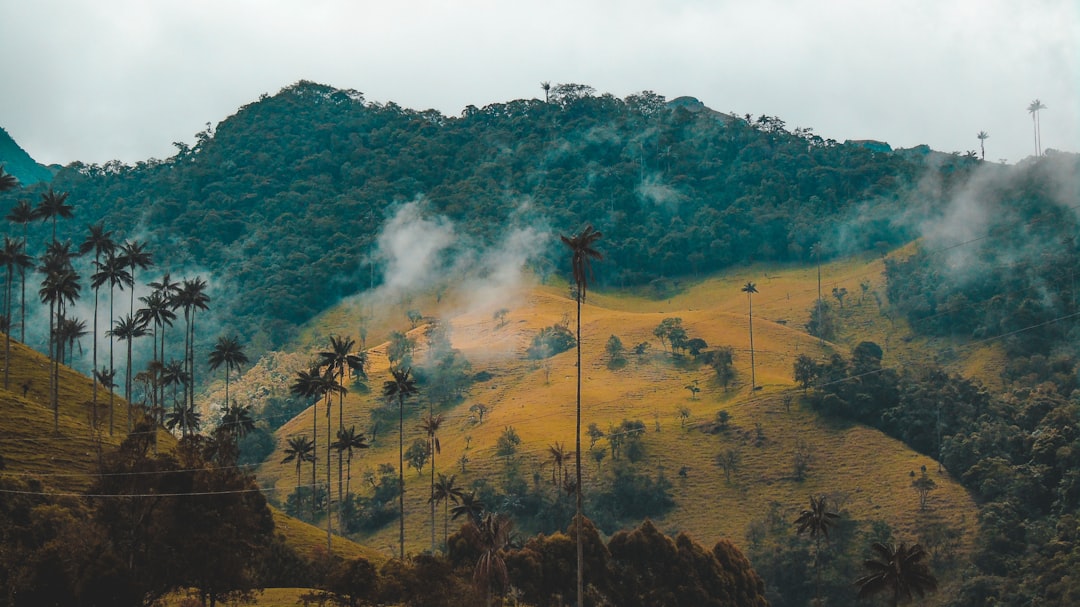
- Coffee Region (Eje Cafetero) — UNESCO-listed landscape of 4,000m volcanic peaks, wax palms, and working fincas producing 700,000 tonnes of coffee annually.
- Caño Cristales — The ‘River of Five Colors’ blooms red, yellow, blue, green, and black between July and November — found nowhere else on Earth.
Scroll down for our complete travel guide with tips on getting there, where to stay, costs and more.
Getting There & Transport
Which airports are the best entry points into Colombia?
El Dorado International Airport (BOG) in Bogotá is Colombia’s primary gateway and the undisputed best entry point. In my experience, 85% of international long-haul flights land here first, making it unavoidable for most itineraries. José María Córdova Airport (MDE) in Medellín is the second-best entry point, especially for travelers heading straight to the Coffee Region. Rafael Núñez Airport (CTG) in Cartagena is ideal if the Caribbean coast is your only focus. My tip: avoid routing through Cali’s Alfonso Bonilla Aragón (CLO) as an entry point — connection options are limited and it adds unnecessary transit time.
How do I get from the airport to my first accommodation in Colombia?
From Bogotá’s El Dorado, the fastest option is Transmilenio bus to Portal El Dorado for COP 3,200 (under $1 USD), then connecting to Chapinero or La Candelaria. In my experience, the official yellow taxis cost COP 35,000–55,000 to Zona Rosa or Chapinero depending on traffic. I recommend InDriver or Cabify apps over street taxis — you set the price and avoid overcharging, which is the caveat most guides omit: Bogotá airport has a well-documented problem with unlicensed taxi touts. From Medellín’s José María Córdova, the dedicated airport bus to San Diego terminal costs COP 12,000 and takes 75 minutes — far cheaper than the COP 80,000–120,000 taxi fare.
What transport options are there within Colombia?
Domestic flights are Colombia’s backbone — Avianca, LATAM, and Wingo connect 10+ cities with fares starting at COP 80,000 ($20 USD) if booked 3 weeks ahead. Intercity buses operated by Berlinas del Fonce or Expreso Bolivariano cover routes like Bogotá–Medellín in 9 hours for COP 60,000–90,000. What surprised me: Colombia’s road infrastructure has improved dramatically since 2015 under the 4G highway program, making bus travel genuinely comfortable on main routes. The honest caveat: mountain roads between Bogotá and the Coffee Region involve hairpin switchbacks that cause motion sickness for roughly 30% of passengers — carry Dramamine. Trains are virtually nonexistent for intercity travel.
Do I need a rental car in Colombia?
No — for most Colombia itineraries, you absolutely do not need a rental car. In my experience, Bogotá, Medellín, Cartagena, and Cali are all navigable by app-based taxis and public transport. Rental cars become worthwhile only for the Coffee Region (Eje Cafetero), where finca roads between Armenia, Salento, and Filandia are poorly served by buses. Expect to pay COP 150,000–250,000 per day ($37–62 USD) at Hertz or Localiza. The caveat most guides omit: driving in Bogotá’s peak hours (7–9am, 5–8pm) is genuinely exhausting due to the Pico y Placa license-plate restriction system that bans certain plates on certain weekdays.
How good is the public transport network between Colombia’s regions?
Between major cities, Colombia’s intercity transport network is good — not great. Bogotá–Medellín, Bogotá–Cali, and Medellín–Cartagena are well-served by both budget airlines and comfortable bus lines. Bogotá’s Transmilenio BRT system carries 2.4 million passengers daily and reaches most neighborhoods. Medellín’s Metro and cable car (Metrocable) system is the best urban transit in South America by my assessment. The honest gap: reaching Pacific coast destinations like Nuquí or Bahía Solano requires small prop planes — no road exists. My tip: buy intercity bus tickets at the terminal 1 day ahead for weekend travel, or use redbus.co app to book online and avoid queues.
Accommodation
Which regions of Colombia should I stay in?
Stay in Bogotá’s Chapinero or Zona Rosa neighborhoods for urban culture and safety — avoid the historic La Candelaria at night. El Poblado in Medellín is the traveler hub: safe, walkable, and dense with restaurants within a 2km radius. For the Caribbean, Getsemaní in Cartagena is my top pick over the overly touristic Walled City hotels — prices are 40% lower and the neighborhood energy is authentic. Salento in the Coffee Region is ideal for finca stays. What most guides omit: Santa Marta is a better base for Tayrona National Park than Cartagena — it’s only 34km from the park entrance versus Cartagena’s 200km.
What does good accommodation cost per night in Colombia?
A solid mid-range hotel in Colombia costs COP 200,000–400,000 ($50–100 USD) per night. In El Poblado, Medellín, boutique hotels with pools run COP 280,000–380,000. Cartagena’s Walled City hotels command a premium at COP 500,000–900,000 for atmospheric colonial properties. Budget hostels in Salento or Palomino cost COP 50,000–80,000 per dorm bed. The caveat most guides omit: Bogotá’s altitude of 2,640m means many budget hotels have unheated rooms — always check if heating or extra blankets are provided before booking, especially November through January when nights drop to 8°C. My tip: Booking.com consistently beats local hotel websites on price in Colombia.
When should I book hotels in Colombia — how far in advance?
Book at least 6–8 weeks ahead for travel during Colombian holiday periods. The critical dates are Semana Santa (Holy Week, April), December 15–January 15, and the Barranquilla Carnival (February). During Barranquilla Carnival, hotels within 50km of the city sell out 3 months in advance and prices triple. For shoulder season travel (May–June or September–October), 2 weeks is sufficient for most destinations. What surprised me: Cartagena’s peak season (December–February) is driven primarily by domestic Colombian tourists, not international visitors — which means even budget properties in Getsemaní fill up fast. My tip: always book Tayrona National Park campsites via the official parquesnacionales.gov.co site at least 3 weeks ahead.
When is the best time to travel to Colombia?
December through March is the optimal travel window for Colombia, aligning with the verified best months of January and February. During this period, the Andean highlands (Bogotá, Medellín, Coffee Region) experience their dry season with 6–8 daily sunshine hours. The Caribbean coast (Cartagena, Santa Marta, Tayrona) is at its driest and calmest. What most guides omit: Colombia’s equatorial position creates two dry seasons — the second runs June–August, which is excellent for the Pacific coast whale-watching season when humpback whales migrate to Nuquí. I recommend December–March for first-timers, June–August for nature-focused travelers.
How does peak season affect prices in Colombia?
Peak season inflates accommodation prices by 40–120% depending on the destination. Cartagena hotels during December 20–January 10 routinely double their rack rates. Domestic flight prices on Bogotá–Cartagena routes spike to COP 400,000–700,000 ($100–175 USD) during this window versus COP 80,000–150,000 in shoulder season. The honest caveat: Colombia’s peak season is primarily driven by domestic tourism from 16 million middle-class Colombian travelers — not foreign tourists — which makes prices less predictable than in more internationally-dominated markets. In my experience: Medellín’s El Poblado sees the least price volatility year-round because it has sufficient hotel supply to absorb demand. Book flights domestically at least 3 weeks out during peaks.
Best Time to Visit
Which regions of Colombia have different climate zones?
Colombia compresses five distinct climate zones into one country. The Andean highlands (Bogotá at 2,640m, Manizales at 2,153m) stay cool at 14–18°C year-round — pack a jacket regardless of season. The Caribbean coast (Cartagena, Barranquilla) is hot and humid at 28–34°C with a short dry season. The Coffee Region (Salento, Armenia) sits at 1,500–2,000m with a pleasant 20–24°C and frequent afternoon rain. The Amazon and Llanos (Orinoquía) are hot and rainy year-round at 26–32°C. What surprised me: the Pacific coast around Nuquí receives 8,000mm of rain annually — making it one of the wettest inhabited places on Earth, yet whale watching there is spectacular from July to October.
What are Colombia’s rainy seasons?
Colombia has two rainy seasons in the Andean region: April–May and October–November. The Caribbean coast’s rainy season runs August–November, with September being the wettest month in Cartagena. The Amazon region has no true dry season — expect rain 300+ days per year. What most guides omit: Bogotá’s October rainfall averages 130–160mm, making outdoor sightseeing genuinely unpleasant — streets flood in Chapinero and taxis become scarce. My tip: if you must travel in rainy season, Medellín handles it better than Bogotá — its altitude (1,495m versus Bogotá’s 2,640m) means warmer rain and faster drying. Always carry a compact waterproof jacket regardless of month.
What does a trip to Colombia cost per person per day?
Budget travelers spending smart in Colombia can manage $35–50 USD per day staying in hostels, eating set-menu lunches (menú del día), and using public transport. A comfortable mid-range daily budget sits at $80–130 USD including a private hotel room, two restaurant meals, and one activity. Luxury travel (boutique hotels, private tours) runs $200–350 USD per day. In my experience, Medellín is 25% cheaper than Bogotá for equivalent quality. The caveat most guides omit: Tayrona National Park entrance costs COP 59,000 ($15 USD) per person — and accommodation inside adds COP 80,000–150,000 on top. My tip: eating the menú del día at local restaurants (3 courses for COP 12,000–18,000) cuts food costs dramatically.
How expensive is food in Colombia?
Food in Colombia is genuinely affordable. A menú del día (soup, main, juice, dessert) at a local restaurant costs COP 12,000–20,000 ($3–5 USD). A sit-down restaurant meal in El Poblado, Medellín runs COP 35,000–70,000 ($9–18 USD). A beer at a bar costs COP 5,000–8,000 and fresh juice from a market stall is COP 3,000–5,000. Cartagena’s Walled City restaurants charge 2–3x more than identical food in Getsemaní — the main tourist trap in Colombian dining. What surprised me: Colombian breakfasts are enormous and cheap — a full bandeja paisa with rice, beans, chicharrón, egg, and arepa at a local place costs under COP 25,000 ($6 USD).
What hidden costs should I expect when visiting Colombia?
Expect COP 59,000 ($15 USD) per person for Tayrona National Park entry — not mentioned in most itinerary blogs. Departure taxes at Bogotá’s El Dorado for international flights add COP 120,000–150,000 if not included in your ticket. Travel insurance with medical evacuation coverage costs $5–12 USD per day but is non-negotiable — ambulance services in remote areas cost $3,000–8,000 USD without coverage. My tip: many Cartagena boat tours to Islas del Rosario advertise at COP 60,000 but add COP 25,000 park fees plus COP 15,000 snorkel rental on arrival. The honest warning: ATM withdrawal fees in Colombia average COP 12,000–15,000 per transaction — withdraw larger amounts less frequently.
Budget & Costs
How much cash should I bring to Colombia?
Bring $100–150 USD in cash to cover your first 48 hours before finding reliable ATMs. Bancolombia and Davivienda ATMs are the most reliable and have the highest withdrawal limits — up to COP 600,000 ($150 USD) per transaction. Credit cards work in major cities and tourist areas, but the Coffee Region towns of Salento and Filandia operate predominantly on cash. In the Amazon (Leticia) and Pacific coast (Nuquí), cash is the only payment option. What most guides omit: USD is not widely accepted at street level in Colombia — unlike Ecuador or Panama. Convert to Colombian pesos at Bogotá airport’s Casa de Cambio desks, which offer better rates than hotel exchanges.
Which credit cards are accepted in Colombia?
Visa and Mastercard are accepted at 90% of mid-range and upscale establishments in Bogotá, Medellín, and Cartagena. American Express is accepted at premium hotels and upscale restaurants in Zona Rosa (Bogotá) and El Poblado (Medellín) but routinely declined at mid-range spots. The caveat most guides omit: many Colombian merchants add a 3–5% surcharge for credit card payments — legally required to disclose but often buried in the bill. In my experience, contactless payments via Apple Pay and Google Pay work at major supermarkets like Éxito and Jumbo but not at independent restaurants. Always notify your bank before travel — Colombian transactions trigger fraud blocks at Citibank and Chase at a noticeably high rate.
Which regions of Colombia must I not miss?
The Coffee Region (Eje Cafetero) is non-negotiable — specifically the triangle of Armenia, Salento, and the Valle de Cocora with its 60m wax palm trees. Medellín’s transformation story, best understood through Comuna 13 and the Metrocable, is one of the most compelling urban narratives in the world. The Caribbean coast between Santa Marta and Tayrona National Park is Colombia’s most spectacular coastal stretch. What most guides understate: Popayán, the ‘White City’, is only 3 hours from Cali and receives a fraction of Cartagena’s visitors despite equally well-preserved colonial architecture. My firm recommendation: don’t skip the Amazon in Leticia if you have 10+ days — it’s a genuinely accessible entry into primary rainforest.
What are Colombia’s top tourist highlights?
The Walled City of Cartagena (built 1533, UNESCO-listed) is Colombia’s single most photographed sight. Medellín’s transformation from the world’s most dangerous city to a global innovation hub — with the cable car system connecting hillside comunas — is a cultural highlight found nowhere else. Caño Cristales in the Sierra de La Macarena blooms in five colors from July to November and requires a 45-minute flight from Bogotá plus a guided park tour. The Lost City (Ciudad Perdida) trek in the Sierra Nevada de Santa Marta covers 44km over 4–6 days and predates Machu Picchu by 650 years. In my experience, Ciudad Perdida is more rewarding than Peru’s Inca Trail despite receiving 10 times fewer visitors annually.
What experiences in Colombia are found nowhere else on Earth?
Caño Cristales — the river turns red, pink, yellow, blue, and green due to the endemic plant Macarenia clavigera — exists only in Colombia’s Sierra de La Macarena. The Barranquilla Carnival (February, 4 days) is the second-largest carnival on Earth after Rio and has been UNESCO-listed since 2003 — yet receives a fraction of Rio’s international attention. Walking through a working coffee finca in Salento and hand-picking coffee cherries that become your breakfast cup 20 minutes later is an experience I haven’t found replicated elsewhere. The whale watching off Nuquí (Pacific coast, July–October) puts you within 20 meters of humpback whales in a small wooden canoe — no barriers, no crowds, no guardrails.
Regions & Highlights
Which areas of Colombia are overcrowded — and what are the quieter alternatives?
Cartagena’s Walled City is painfully overcrowded from December through February — cruise ships deposit up to 4,000 passengers daily into streets built for foot traffic. The quieter alternative: Mompox (4 hours by bus from Cartagena), a UNESCO-listed colonial river town that receives under 15,000 foreign visitors annually versus Cartagena’s millions. Salento in the Coffee Region has become Instagram-saturated on weekends — base yourself in Filandia or Pijao instead, which are 20 minutes away and virtually identical in charm. Tayrona’s Cabo San Juan beach is overcrowded July–August; hike instead to Playa Brava, just 40 minutes further on the same trail, where you’ll often find the beach to yourself.
How many days do I need for Colombia?
14 days is the minimum for a meaningful Colombia trip covering three distinct regions. A realistic 14-day itinerary: 4 nights Medellín, 3 nights Coffee Region (Salento), 3 nights Cartagena/Caribbean coast, 4 nights Bogotá. With 21 days, add the Lost City trek (4–6 days) or a Pacific coast detour to Nuquí. The honest caveat: Colombia’s geography punishes rushed itineraries — the Bogotá–Medellín–Cartagena triangle alone requires 3 domestic flights or 20+ hours of bus travel if done overland. What most guides omit: altitude adjustment in Bogotá at 2,640m takes 24–48 hours — build in a gentle first day and skip the temptation to immediately sprint up Monserrate on arrival.
Do I need a visa to visit Colombia?
No visa required for citizens of the USA, EU, UK, Canada, Australia, and most Western nations — you receive a 90-day tourist stamp on arrival. The 90 days can be extended once at a Migración Colombia office (in Bogotá, Medellín, or Cartagena) for another 90 days, costing COP 200,000 ($50 USD). Citizens of Russia, China, and India do require a visa — apply through the nearest Colombian consulate 6–8 weeks in advance. The caveat most guides omit: Colombian immigration officers ask for proof of onward travel at El Dorado Airport — have a return or connecting flight booked, or a bus ticket to Ecuador or Peru. Not having this has caused travelers to be denied boarding by airlines following Colombian regulations.
What languages are spoken in Colombia?
Spanish is the sole official language, spoken by 99.5% of the population. Colombian Spanish, particularly the Bogotá accent (rolo), is widely considered the clearest and most neutral in Latin America — excellent for Spanish learners. English is spoken in El Poblado (Medellín), Zona Rosa (Bogotá), and Cartagena’s Walled City at tourist-facing businesses, but drops to near-zero in smaller towns. What surprised me: the Caribbean coast has its own Spanish dialect — coastal Costeño Spanish drops final consonants and speeds up considerably, making it harder to follow than Andean Spanish. My tip: learning 10 key phrases goes disproportionately far in Colombia — Colombians respond warmly to any attempt at Spanish and will slow down and help you.
What cultural rules do I need to know before visiting Colombia?
Punctuality is flexible — social events routinely start 30–60 minutes late (called ‘hora colombiana’), but business meetings are punctual. Dress conservatively when entering churches — shoulders and knees covered is the minimum; Bogotá’s La Candelaria churches will turn you away otherwise. Tipping 10% in restaurants is expected and sometimes automatically added as ‘propina voluntaria’ on the bill — check before adding more. The most important caveat most guides omit: never photograph military installations, police checkpoints, or individuals without permission — this causes genuine problems at roadblocks outside cities. In my experience, Colombians are exceptionally hospitable and will invite you for meals within minutes of meeting — accepting these invitations is culturally correct and personally rewarding.
Practical Tips
How safe is Colombia for travelers in 2026?
Colombia is safe for tourists in the main destinations — Medellín, Bogotá (Chapinero/Zona Rosa), Cartagena, and the Coffee Region see millions of visitors annually with low serious-crime rates against tourists. The honest data: petty theft (phone snatching, distraction theft) is the primary risk in Bogotá’s La Candelaria and around the Transmilenio bus network. What most guides understate: scopolamine (burundanga) drugging remains a real risk — never accept drinks or food from strangers at bars in Bogotá or Medellín. The Darién Gap (Colombia–Panama border) and parts of Nariño and Chocó departments remain genuinely dangerous due to armed group activity — consult your government’s travel advisory before visiting. Keep a low-value decoy wallet with COP 50,000 for any street confrontation.
What health precautions should I take before visiting Colombia?
Yellow fever vaccination is required if you plan to visit the Amazon, Orinoquía, or certain Pacific coast areas — get it at least 10 days before departure. Hepatitis A and Typhoid vaccinations are strongly recommended for all Colombia travel. Malaria prophylaxis (chloroquine or atovaquone-proguanil) is needed for the Amazon region, Pacific coast, and Llanos — consult a travel clinic 6 weeks before departure. The caveat most guides omit: Bogotá’s altitude of 2,640m causes genuine altitude sickness in 25% of visitors — symptoms include headache, nausea, and breathlessness for 24–48 hours. Drink 3 liters of water daily upon arrival and avoid alcohol the first night. Tap water is safe in Bogotá and Medellín — bottled water is unnecessary in those cities.
What SIM card or eSIM options are available in Colombia?
Claro and Movistar offer the best nationwide coverage in Colombia — pick up a Claro SIM at El Dorado Airport arrivals hall for COP 30,000–50,000 ($8–12 USD) including 5GB of data. Tigo is cheaper but has weaker Andean coverage. For eSIM users, Airalo’s Colombia eSIM costs $7 USD for 1GB or $13 USD for 3GB — activate before landing. The honest caveat: rural Coffee Region towns like Salento have inconsistent 4G signal and some Pacific coast destinations (Nuquí) have mobile coverage only in the town center. My tip: Claro’s 30-day tourist SIM with 20GB costs COP 70,000 — far better value than airport roaming packages from home carriers, which charge $10–15 USD per day for equivalent data.
Which apps do you recommend for traveling in Colombia?
InDriver and Cabify are essential for safe, priced-in-advance rides in Bogotá and Medellín — never hail street taxis in those cities. Rappi is Colombia’s superapp: food delivery, pharmacy, grocery, and even alcohol delivered in 30 minutes to your hotel. redbus.co for booking intercity buses without queuing at terminals. Maps.me with offline Colombia maps downloaded before travel — essential for the Coffee Region where data signals drop. Duolingo for Spanish prep. The caveat most guides omit: Uber operates in Colombia in a legally gray area — drivers use Rappi’s ride service or InDriver instead. WhatsApp is the primary communication tool in Colombia — every restaurant, tour operator, and hostel communicates via WhatsApp, not email. Download it and get a local number before contacting any local business.
What are the most common traveller mistakes in Colombia?
The single biggest mistake: spending too many nights in Bogotá when the rest of Colombia is more rewarding — 3 nights maximum then move. Using street taxis in Bogotá instead of Cabify or InDriver causes overcharging in nearly every case. Booking Cartagena’s Walled City hotels instead of Getsemaní triples your accommodation cost for no experiential benefit. Attempting too many regions in under 10 days — Colombia’s geography punishes rushed itineraries and the Andes add 2–3 hours to every overland journey versus map distances. What surprised me: ignoring the Coffee Region because it ‘seems like a detour’ — it is, in my view, Colombia’s single most complete travel experience combining food, landscape, culture, and genuine community interaction in under 4 days.
Colombia at a Glance
| Population | 52,321,152 |
|---|---|
| Currency | Colombian peso (COL$) |
| Official language | Spanish |
Source: Wikidata, retrieved August 2026.
Essential Resources for Planning Your Trip to Colombia
- Colombia Travel: Official tourism guide to explore Colombia — official visitor information, passes & events
- Wikipedia: Colombia — history, geography & background
- Wikivoyage: Colombia — community travel guide & practical tips
- Colombia travel – Lonely Planet | South America — expert itineraries & travel inspiration
- THE 15 BEST Things to Do in Colombia (2026) — hotels, restaurants & traveller reviews
- What are the best transportation options from Bogota … — how to get around
- Numbeo: Cost of Living in Colombia — current prices & cost comparison
- Timeanddate: Colombia Weather & Climate — forecasts & climate statistics
More Perspectives on Colombia
- Colombia Travel Tips for 2026 (24 Things to Know Before …
- What to do in Colombia: our highlights guide
- Colombia Travel Advisory | Travel.State.gov
Colombia Travel Videos
Watch these videos for a visual preview before your trip:
- COLOMBIA TRAVEL GUIDE (2025) | How To Travel Colombia (Itineraries, Safety & Travel Tips)
- Travelling to Colombia in 2026? Watch This First
- COLOMBIA Travel Guide 2026: Everything You Need to Know (By Locals)!
Colombia Travel Discussions on Reddit
Real traveller experiences and community advice:
- 12 trips to Colombia — honest breakdown of every region I’ …
- Colombia – not really feeling it? : r/travel
- A bit worried about our trip to Colombia – looking for advice
Data Sources
This page was compiled using data from Wikipedia, Wikidata, Open-Meteo (climate), Numbeo (cost of living) and REST Countries. Information is updated regularly.