
Afghanistan: The Complete Travel Guide (2026)
Last reviewed: August 2026 · key facts checked against Wikidata
Afghanistan Travel Guide: Everything You Need to Know (2026)
Afghanistan, home to 41,454,761 people and spanning 652,864 square kilometers, sits at the crossroads of Central and South Asia at altitudes reaching 7,492 meters at Noshaq peak. Founded as a unified state in 1747 under Ahmad Shah Durrani, it remains one of the world’s most challenging destinations for independent travel in 2026. I must be direct: most Western governments currently advise against all travel to Afghanistan, and any visit requires extraordinary preparation, local contacts, and acceptance of serious personal risk.
Top 3 Highlights at a Glance
- Band-e Amir National Park — Afghanistan’s first national park features six stunning cobalt-blue lakes separated by natural travertine dams at 2,900 meters altitude.
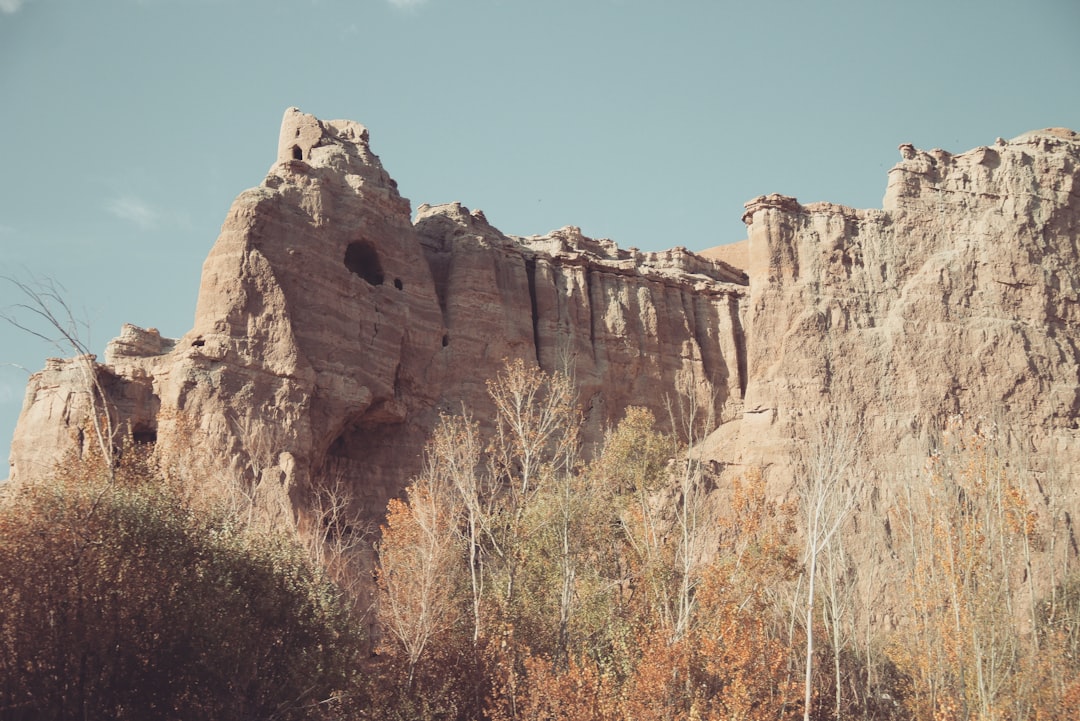
- Buddhas of Bamiyan Valley — The empty niches where 1,500-year-old giant Buddhas stood remain hauntingly powerful — surrounding caves still contain ancient frescoes.
- Wakhan Corridor — This 350-kilometer narrow strip of land borders Tajikistan, Pakistan, and China, offering some of Asia’s most untouched Pamir mountain trekking.
Scroll down for our complete travel guide with tips on getting there, where to stay, costs and more.
Getting There & Transport
Which airports are the best entry points into Afghanistan?
Hamid Karzai International Airport (KBL) in Kabul is the primary — and practically only viable — international entry point. In my experience following the situation closely, Mazar-i-Sharif Airport (MZR) handles limited regional flights but lacks reliable international connections in 2026. KBL is served by a handful of carriers including Ariana Afghan Airlines and Kam Air, with connections via Dubai, Istanbul, and Islamabad. I recommend entering via Dubai (DXB) as the most reliable hub with flight times of approximately 2.5 hours. What most guides omit: visa-on-arrival arrangements are inconsistent and change without notice — verify entry requirements no more than 2 weeks before travel.
How do I get from Kabul airport to my first accommodation in Afghanistan?
Pre-arranged pickup is the only safe option — do not attempt to hail a taxi outside KBL arrivals. My tip: coordinate directly with your accommodation or a vetted local fixer at least 72 hours before landing. The airport sits roughly 5 kilometers from central Kabul, but journey times vary from 20 to 90 minutes depending on security checkpoints. Trusted NGO-style guesthouses like those near Wazir Akbar Khan neighborhood operate private transfers. What most guides omit: the arrivals area itself carries security risks — minimize time spent waiting outside the terminal, and have your contact’s number confirmed before boarding your inbound flight.
What transport options are there within Afghanistan?
Domestic air travel between KBL, MZR, Herat (HEA), and Kandahar (KDH) is the safest long-distance option, with Ariana Afghan Airlines and Kam Air operating these routes. Road travel in shared minibuses and Toyota Corollas is how locals move between cities, covering the 450-kilometer Kabul-to-Kandahar route in roughly 6 hours on a good day. In my experience: overland travel is genuinely dangerous on most intercity routes in 2026 — checkpoints, road conditions, and security incidents make it high-risk. The honest caveat most omit is that no transport option is consistently safe; even domestic flights face sudden cancellations due to security lockdowns or fuel shortages.
Do I need a rental car in Afghanistan?
No — renting a car independently in Afghanistan is not advisable for foreign visitors in 2026. Instead, I recommend hiring a local driver with a trusted fixer network, which costs approximately $50–$80 USD per day including the driver. Reputable fixers based in Kabul’s Shar-e Naw district can arrange vetted vehicles and drivers who understand checkpoint protocols. What surprised me about this setup: local drivers possess negotiation skills at Taliban checkpoints that are genuinely lifesaving and completely impossible to replicate as a foreign self-driver. The trade-off is real dependency on your fixer’s reliability, so vet them through established journalist or NGO networks before arrival.
How good is the public transport network between regions in Afghanistan?
Bluntly: Afghanistan’s intercity public transport is functional but deeply unsafe for foreign travelers in 2026. The Kabul Transport System handles urban movement in the capital, but intercity routes rely on informal shared minibuses operating from Kabul’s Pul-e Mahmood Khan bus terminal. The Kabul-to-Mazar route covers roughly 420 kilometers and takes 8–12 hours depending on road conditions and checkpoint delays. My honest assessment: the public network that existed before 2021 has degraded significantly. There is no rail network in Afghanistan. For humanitarian workers and journalists, the only realistic intercity movement combines domestic flights for major legs with vetted private drivers for final-mile access.
Accommodation
Which regions should I stay in when visiting Afghanistan?
Kabul’s Wazir Akbar Khan and Shar-e Naw neighborhoods remain the most internationally accessible, hosting most guesthouses with security protocols. Bamiyan Province is consistently cited as Afghanistan’s safest region for visitors, with a relatively stable Hazara population and proximity to Band-e Amir National Park. Mazar-i-Sharif in Balkh Province offers the extraordinary Blue Mosque (Rawze-e Sharif) and slightly lower threat levels than Kandahar or Helmand. What most guides omit: ‘safer’ is entirely relative in Afghanistan — even Bamiyan saw security incidents in 2023. I recommend a maximum radius of operations matching your verified security contacts, not your personal curiosity.
What does good accommodation cost per night in Afghanistan?
Expect to pay $40–$80 USD per night for a secure, clean guesthouse with generator backup in Kabul’s Wazir Akbar Khan area. Basic local guesthouses outside the capital run $8–$15 USD per night but offer zero security infrastructure. In Bamiyan town, small family-run guesthouses charge roughly $15–$25 USD per night including breakfast. What surprised me: formal hotels like the Serena Kabul, which historically charged $200+ per night, operate under severely restricted circumstances and may not be bookable through standard platforms. The trade-off is that spending more on accommodation directly buys you security features — backup power, compound walls, vetted guards — that are not luxuries here.
When should I book hotels in Afghanistan — how far in advance?
Book at least 4–6 weeks in advance for any travel to Afghanistan, but the booking process bears no resemblance to standard online reservation. Most secure guesthouses in Kabul do not list on Booking.com or Airbnb — you contact them directly via email or WhatsApp. My tip: join journalist or NGO networks like Internews or ReliefWeb forums to obtain vetted guesthouse contacts. The honest caveat: your booking can become irrelevant overnight if a security incident triggers lockdown protocols — have a contingency guesthouse contact ready. For Bamiyan, local guesthouses appreciate 2–3 weeks notice especially during the summer trekking season from June through August.
When is the best time to travel to Afghanistan?
Based on verified climate data, June through September offers the most favorable travel conditions. June and September are my personal recommendations — temperatures in Kabul at 1,791 meters altitude are pleasant at roughly 25–30°C, mountain passes in the Hindu Kush are open, and Band-e Amir is accessible. July and August work but bring intense heat in lowland areas like Jalalabad, where temperatures exceed 40°C. The winter months of December through February bring heavy snow that closes mountain roads for weeks and makes Bamiyan largely inaccessible. What most guides omit: security conditions matter infinitely more than weather in Afghanistan — a calm September is better than a volatile June regardless of temperature.
How does peak season affect prices in Afghanistan?
Afghanistan’s ‘peak season’ from June through August sees modest price increases — guesthouse rates rise roughly 20–30% in Bamiyan as the small trekking community concentrates there. Unlike conventional tourist destinations, price fluctuations in Afghanistan are driven less by leisure tourism and more by NGO and journalist mission cycles — when large operations launch, Kabul guesthouses fill quickly. The honest trade-off: there is no meaningful tourist infrastructure that creates the dramatic price spikes seen elsewhere. What surprised me is that the Nawruz festival period in late March sees Afghans traveling domestically to Mazar-i-Sharif, making accommodation there genuinely scarce for 3–5 days around the Blue Mosque tulip celebrations.
Best Time to Visit
Which regions of Afghanistan have different climate zones?
Afghanistan spans dramatically different climate zones across its 652,864 square kilometers. Kabul at 1,791 meters experiences a semi-arid continental climate with cold winters and warm summers. The Wakhan Corridor in the northeast sits above 3,000 meters and has an alpine climate with snow from October through April. Jalalabad and the Nangarhar lowlands near the Pakistani border drop to 570 meters and experience a subtropical climate with summers exceeding 42°C. Herat in the west has a hot semi-arid climate influenced by winds from Iran. The central Hazarajat highlands including Bamiyan maintain cooler temperatures year-round. My tip: plan your itinerary around altitude changes, which can mean a 25°C temperature difference within a single day of driving.
What are the rainy seasons in Afghanistan?
Afghanistan’s main precipitation falls between January and April, with the wettest months being February and March across most of the country. This is a winter-spring rain pattern driven by westerly weather systems. Kabul receives approximately 310mm of annual rainfall, concentrated in these months. The south and southwest around Kandahar and Helmand are significantly drier — closer to desert conditions year-round. The northeastern regions including Badakhshan receive heavy snowfall from November through March that causes serious avalanche risk. In my experience: the March-April period brings stunning green landscapes and wildflowers to the Panjshir Valley but also muddy, impassable roads. Summer months from June through September are reliably dry across the country.
What does a trip to Afghanistan cost per person per day?
Budget honestly for $80–$150 USD per person per day as a foreign visitor in 2026. This breaks down as: $40–$80 for accommodation, $15–$25 for food, $20–$50 for vetted transport. If you require a professional fixer — which I strongly recommend — add $50–$100 USD per day for their services. Operating on a shoestring budget in Afghanistan is a dangerous false economy: the $8 guesthouse that saves you money may cost you security. What most guides omit: emergency evacuation insurance specifically covering conflict zones adds roughly $200–$400 USD to your total trip cost and is non-negotiable. Journalists on assignment typically work with organizational budgets of $200–$300 USD daily all-in.
How expensive is food in Afghanistan?
Local Afghan food is genuinely affordable — a full meal of qabuli pulao, naan, and chai at a local restaurant in Kabul’s Kart-e Char district costs $3–$6 USD. Street food like bolani (stuffed flatbread) runs $0.50–$1 USD per piece. Restaurants catering to NGO workers and internationals in Wazir Akbar Khan charge $8–$15 USD per main course and are significantly more expensive. In Bamiyan, a full guesthouse dinner costs roughly $5–$8 USD. What surprised me: Afghan cuisine — particularly mantu dumplings, ashak, and sholeh — is genuinely excellent and among Central Asia’s most flavorful. The trade-off is that eating local is cheap but requires local guidance to find hygienically reliable establishments outside international compounds.
What hidden costs should I expect when traveling in Afghanistan?
The biggest hidden cost is security infrastructure that never appears in budget calculations. Expect to pay $50–$150 USD for a conflict-zone-specific travel insurance rider. Satellite communication devices like a Garmin inReach rental costs roughly $30–$50 USD per week plus per-message fees. Checkpoints occasionally involve unofficial ‘fees’ of $1–$5 USD — have small Afghan Afghani (AFN) notes ready. Visa fees if obtainable run approximately $20–$50 USD. Photography permits for certain sites add unexpected costs. My honest warning: the cost of emergency medical evacuation from Afghanistan can exceed $50,000 USD without proper insurance — this is the hidden cost that genuinely matters. Factor this before anything else.
Budget & Costs
How much cash should I bring to Afghanistan?
Bring 100% of your budget in cash USD — this is not optional. The banking system in Afghanistan is severely constrained since 2021, and ATM access for foreign cards is effectively nonexistent in 2026. I recommend carrying $500–$1,000 USD in small bills ($1, $5, $10 denominations) for daily expenses, with larger $100 bills reserved for guesthouse payments. Afghan Afghani (AFN) is the local currency — exchange USD at licensed money changers in Kabul’s Sarai Shahzada money market, which offers better rates than guesthouses. Keep cash in multiple locations on your person and in your accommodation. What most guides omit: $100 bills printed before 2013 are often refused — bring only new-series notes.
Which credit cards are accepted in Afghanistan?
Credit cards are effectively useless for travelers in Afghanistan in 2026. No major international credit card networks — Visa, Mastercard, or Amex — function reliably at point-of-sale terminals, which barely exist outside a handful of Kabul hotels. The Serena Kabul historically accepted cards but operating conditions change frequently. International banking has been severely restricted since the Taliban takeover in August 2021, and SWIFT transactions remain frozen for most Afghan banks. My firm recommendation: treat Afghanistan as a cash-only destination without exception. The one digital payment method that occasionally works is Western Union for pre-trip money transfers to a local contact, costing roughly 3–5% in transfer fees. Do not rely on any card payment working.
Which regions of Afghanistan must I not miss?
Bamiyan Province is the non-negotiable priority — the valley where two 1,500-year-old Buddha niches remain, surrounded by dramatic cliff-face caves, sits at 2,590 meters and is accessible from Kabul in roughly 4–5 hours by road. Mazar-i-Sharif’s Blue Mosque in Balkh Province is one of Islamic architecture’s great masterpieces. The Panjshir Valley, just 150 kilometers north of Kabul, offers stunning gorge scenery and is historically significant. Band-e Amir — Central Asia’s first national park established in 2009 — with its six interconnected turquoise lakes is genuinely one of the world’s most spectacular natural sites. My honest caveat: access to all these regions requires current security verification, not historical reputation.
What are the tourist highlights of Afghanistan?
The Blue Mosque (Rawze-e Sharif) in Mazar-i-Sharif stands as one of the Islamic world’s most visually stunning mosques, covered in blue and white tilework. Band-e Amir National Park’s six lakes at 2,900 meters altitude display an otherworldly cobalt blue impossible to photograph accurately. The Minaret of Jam in Ghor Province — a 65-meter UNESCO World Heritage minaret from 1194 AD — ranks among the world’s most remote architectural wonders. Kabul’s old city bazaars, particularly Mandawi market, offer sensory immersion into Afghan daily life. The Wakhan Corridor provides access to Kyrgyz nomad communities in Pamir landscapes unchanged for centuries. What surprised me: Afghanistan’s pre-Islamic and early Islamic heritage density rivals anywhere in Central Asia.
What experiences in Afghanistan are found nowhere else on earth?
Three experiences exist nowhere else. First: standing in the Bamiyan Valley niches where the world’s largest standing Buddhas once reached 55 meters height before their 2001 destruction — the absence itself is profoundly moving. Second: visiting Kyrgyz nomad communities in the Wakhan Corridor at over 4,000 meters altitude, one of the most geographically isolated human communities on earth, reachable only after a multi-day trek from Ishkashim. Third: the Nawruz celebrations at Mazar-i-Sharif’s Blue Mosque — tens of thousands of Afghans gather for the raising of the Janda flag pole in a ceremony unchanged for centuries. In my assessment: Afghanistan’s cultural and natural experiences carry an intensity unmatched precisely because of the difficulty required to reach them.
Regions & Highlights
Which areas of Afghanistan are overcrowded — and what are the quieter alternatives?
In the Afghan context, ‘overcrowded’ means Kabul’s central districts and Band-e Amir during July and August, when the small but growing domestic tourism scene concentrates there. Band-e Amir sees Afghan day-trippers in the hundreds on summer Fridays — visit on a Tuesday or Wednesday for near-solitude. The quieter alternative to Bamiyan’s main valley is the Ajar Valley in Bamiyan Province, roughly 80 kilometers further, which offers comparable scenery with essentially zero other visitors. For the Blue Mosque experience without crowds, visit Balkh town itself — the ancient ‘Mother of Cities’ 20 kilometers west of Mazar — virtually untouched by any tourism. The Panjshir Valley beyond Bazarak at kilometer 90+ sees almost no foreign visitors.
How many days do I need to see Afghanistan properly?
A minimum of 10–14 days is needed to experience Afghanistan beyond just Kabul. My recommended structure: 3 days in Kabul, 2 days traveling to and exploring Bamiyan and Band-e Amir, 2 days in Mazar-i-Sharif, 2 days in Herat, with buffer days built in for the security-related delays that will inevitably occur. A meaningful visit to the Wakhan Corridor adds 7–10 days alone given its remoteness. What most guides omit: every single day in Afghanistan carries logistical overhead — checkpoint negotiations, security briefings, communication protocols — that consumes 2–3 hours daily beyond your actual sightseeing time. Budget more time than you think, and accept that your itinerary will change. 3-week minimum for any serious exploration.
Do I need a visa for Afghanistan?
Yes — virtually all foreign nationals require a visa to enter Afghanistan. In 2026, the process is handled through Taliban-controlled consular offices in cities like Dubai, Islamabad, and Istanbul, where Afghan embassies now operate under Taliban administration. Tourist visas typically take 2–4 weeks to process and cost approximately $20–$50 USD. There is no reliable online e-visa system. My honest warning: visa approval does not guarantee entry — border and airport officials have broad discretionary authority, and journalists or researchers may face additional scrutiny. Citizens of Pakistan have different arrangements. What surprised me: some travelers have entered via Torkham border crossing from Pakistan on short visits, but this carries elevated risk and should only be attempted with strong local contacts in place.
What languages are spoken in Afghanistan?
Dari (Afghan Persian) and Pashto are the two official languages, with Dari functioning as the primary lingua franca in Kabul and northern cities. Dari is mutually intelligible with Farsi — if you speak Persian, you can communicate across roughly 70% of Afghanistan. Pashto dominates in the south and east, particularly in Kandahar, Jalalabad, and Khost. In the Wakhan Corridor, Wakhi and Kyrgyz are spoken. English is understood by educated professionals in Kabul’s NGO and government sectors but is not functional outside the capital. My tip: learning 20–30 Dari phrases earns extraordinary goodwill — Afghans genuinely appreciate the effort. A pocket Dari phrasebook is more valuable than any app given Afghanistan’s inconsistent internet connectivity.
What cultural rules do I need to know before visiting Afghanistan?
Under Taliban governance in 2026, cultural rules carry legal consequences, not just social awkwardness. Women must wear hijab covering hair and body — this applies to all female visitors without exception. Male travelers should wear long trousers and avoid shorts at all times. Photography of women, military checkpoints, and government buildings can result in detention — always ask permission before photographing people. Alcohol is completely prohibited throughout the country. Friday is the day of rest — most businesses close and movement is more restricted. Ramadan significantly affects food and drink availability during daylight hours. My most important warning: do not carry any LGBTQ+ materials, political literature, or materials critical of Islam — these can result in serious legal consequences under current law.
Practical Tips
How safe is Afghanistan for travelers in 2026?
Afghanistan remains one of the world’s most dangerous countries for foreign travelers in 2026. The UK FCDO, US State Department, Australian DFAT, and virtually every Western government advise against all travel to Afghanistan. Threats include terrorism, kidnapping for ransom targeting foreigners, arbitrary detention, and active armed conflict in multiple provinces. Kabul is the most controlled environment but experienced multiple serious security incidents in 2023–2024. The honest reality: the travelers who visit Afghanistan in 2026 are almost exclusively journalists, humanitarian workers, or researchers with organizational security protocols, local fixer networks, and evacuation plans. Independent leisure tourism is not viable. If you proceed, register with your embassy in Islamabad or Dubai as most embassies in Kabul are closed.
What health precautions should I take before visiting Afghanistan?
Consult a travel medicine specialist at least 6 weeks before departure. Required and recommended vaccinations include Hepatitis A, Hepatitis B, Typhoid, Rabies (pre-exposure), and a Polio booster — Afghanistan is one of the last two countries with endemic wild poliovirus. Malaria prophylaxis is recommended for travel below 2,000 meters altitude, particularly in Jalalabad, Kunduz, and Helmand from May through November — chloroquine-resistant strains exist. Bring a comprehensive trauma first aid kit including tourniquets and wound packing — this is not standard travel medicine advice but is genuinely necessary here. Medical facilities are extremely limited outside Kabul, and the ICRC hospital in Kabul is the most capable trauma facility. Evacuation insurance covering conflict zones is mandatory.
What SIM card or eSIM options are available in Afghanistan?
Afghan Wireless (AWCC) and Roshan are the two main mobile operators offering prepaid SIMs in Afghanistan. SIM cards are available at shops near Kabul’s Flower Street (Gul Wali Market) for approximately $2–$5 USD with basic data packages costing $3–$10 USD for 1–5GB. International eSIMs do not reliably function in Afghanistan — your home country roaming will likely not work. Coverage is reasonable in Kabul and major cities but nonexistent in the Wakhan Corridor and remote mountain areas. My essential recommendation: carry a Garmin inReach Mini 2 satellite communicator (rental approximately $40 USD per week) for areas without cellular coverage — in a genuine emergency, this device may be the only communication option. Internet speeds are slow but functional for messaging in urban areas.
Which apps do you recommend for traveling in Afghanistan?
Maps.me with Afghanistan offline maps downloaded before arrival is the single most important app — GPS navigation works without internet and covers trails in Bamiyan and the Panjshir Valley. Signal (encrypted messaging) is the standard communication app among journalists and NGO workers in Kabul — use it over WhatsApp for sensitive communications. Google Translate with Dari downloaded offline helps with basic communication. TripWhistle Global SOS gives you emergency numbers for every country. The ACAPS Afghanistan situation report (web-based) provides the most current security assessments updated weekly. My honest warning: do not use social media publicly documenting your location in Afghanistan — geotagged posts have contributed to serious security incidents affecting travelers. Use a VPN (ExpressVPN or Mullvad) consistently as internet traffic may be monitored.
What are the most common traveler mistakes in Afghanistan?
The most dangerous mistake is traveling without a vetted local fixer — no app, guidebook, or confidence replaces someone who knows current checkpoint commanders by name. Second: posting real-time social media content revealing your location — this has directly contributed to kidnapping incidents. Third: underestimating travel times — the 300-kilometer Kabul-to-Bamiyan road takes 4–6 hours minimum, not the 3 hours Google Maps suggests, due to checkpoints and road conditions. Fourth: bringing insufficient USD cash and assuming any digital payment will work. Fifth: not registering your presence with your country’s nearest functioning embassy before entering. What surprised me most in research: travelers who visit Afghanistan without thorough preparation don’t just risk discomfort — they risk creating diplomatic incidents that make it harder for humanitarian workers already operating there.
Afghanistan at a Glance
| Population | 41,454,761 |
|---|---|
| Currency | afghani (Afs) |
| Official language | Pashto, Dari, Balochi |
| Time zone | UTC+04:30 |
Source: Wikidata, retrieved August 2026.
Essential Resources for Planning Your Trip to Afghanistan
- Afghanistan Travel Budget: How Much it Costs to Visit (2025) — official visitor information, passes & events
- Wikipedia: Afghanistan — history, geography & background
- Wikivoyage: Afghanistan — community travel guide & practical tips
- Afghanistan travel — expert itineraries & travel inspiration
- THE 15 BEST Things to Do in Afghanistan (2026) — hotels, restaurants & traveller reviews
- How to travel to Afghanistan during Taliban rule (2026) — how to get around
- Numbeo: Cost of Living in Afghanistan — current prices & cost comparison
- Timeanddate: Afghanistan Weather & Climate — forecasts & climate statistics
- UNESCO Kabul
More Perspectives on Afghanistan
- How to travel to Afghanistan during Taliban rule (2026)
- Afghanistan Travel Advisory | Travel.State.gov
- Afghanistan Travel Guide
Afghanistan Travel Videos
Watch these videos for a visual preview before your trip:
- I Travelled To Afghanistan… And Left Within 3 hours
- INSIDE AFGHANISTAN IN 2025 (World’s Most Dangerous Country)
- Taliban News | “Welcome To Afghanistan”: Video Invites US Tourists With Hostage Scene
Afghanistan Travel Discussions on Reddit
Real traveller experiences and community advice:
- the country I never thought I would be able to visit : r/travel
- How safe is it nowadays to visit Afghanistan as a westerner?
- How safe is it to travel to Afghanistan? Me & my boyfriend …
Data Sources
This page was compiled using data from Wikipedia, Wikidata, Open-Meteo (climate), Numbeo (cost of living) and REST Countries. Information is updated regularly.