
Antigua and Barbuda: The Complete Travel Guide (2026)
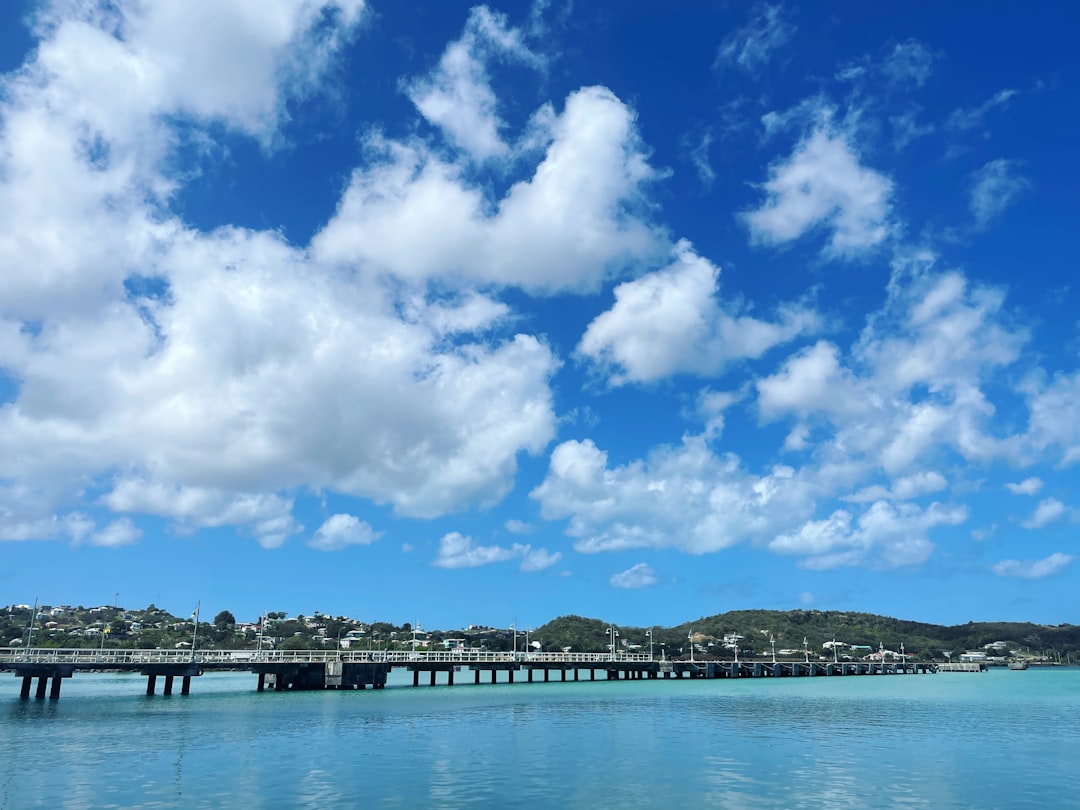
Last reviewed: August 2026 · key facts checked against Wikidata
Antigua and Barbuda Travel Guide: Everything You Need to Know (2026)
Antigua and Barbuda is a twin-island Caribbean nation covering just 440 km² with a combined population of 101,489, yet it packs 365 beaches — one for every day of the year — into that compact footprint. The capital St. John’s on Antigua has been the commercial heart since the 17th century, and the country sits roughly 1,700 km southeast of Miami in the Lesser Antilles. What surprises most visitors is how dramatically different the two main islands feel despite being only 48 km apart.
Top 3 Highlights at a Glance
- Nelson’s Dockyard National Park — The only continuously working Georgian-era dockyard in the world, fully restored and encircled by a UNESCO-listed harbour.
- Pink Sand Beach, Barbuda — A nearly deserted 17-km stretch of blush-pink sand accessible only by a short 15-minute ferry hop from Antigua.
- Shirley Heights Lookout — A former military signal station at 145 m altitude offering panoramic views and a legendary Sunday sunset barbecue party.
Scroll down for our complete travel guide with tips on getting there, where to stay, costs and more.
Getting There & Transport
Which airports are the best entry points to Antigua and Barbuda?
V.C. Bird International Airport (ANU) on Antigua is your primary — and essentially only — international gateway. In my experience, nearly every visitor flies into ANU, which sits 3 km northeast of St. John’s. The airport handles direct flights from London Gatwick, New York JFK, Miami, Toronto, and several European hubs. For Barbuda, you’ll connect via Codrington Airstrip (BBQ), a tiny domestic strip served by charter and regional carriers — there’s no international service there. My tip: flying into ANU via British Airways or Virgin Atlantic from London often yields the best transatlantic fares, especially booked 12+ weeks out. The hidden caveat most guides omit: ANU has limited gate space, so arrive early during peak season — December to April — as ramp congestion causes real delays.
How do I get from the airport to my first accommodation in Antigua and Barbuda?
Taxis from V.C. Bird Airport are the standard option and take roughly 15 minutes to St. John’s. In my experience, the fixed government rate to St. John’s is approximately USD 15–20, and to English Harbour in the south it’s around USD 38–45. There is no dedicated airport bus or rail link — public ‘banana buses’ do run but stop on the main road, not at your hotel door. My tip: prebook a transfer with your hotel if you’re staying in the English Harbour or Falmouth Harbour area, since taxis there often charge premium surge rates after dark. What surprised me: ride-hailing apps like Uber do not operate in Antigua, so agreeing on the fare before getting in is essential — meters are rare and disputes happen.
What transport options are there within Antigua and Barbuda?
On Antigua, you have three realistic choices: rental car, taxi, or the informal minibus network (locally called ‘banana buses’). Minibuses run fixed routes radiating out from West Bus Station and East Bus Station in St. John’s, fares cost just USD 1.50–2, but routes don’t reach most beach or resort areas directly. Taxis are widely available but expensive — a cross-island trip can hit USD 50. Between the two main islands, Barbuda Express ferry runs daily from Heritage Quay, St. John’s, taking about 90 minutes and costing around USD 70 return. Small charter flights to Codrington take 15 minutes but cost USD 100–160 per person. The honest caveat: on Barbuda there is essentially no public transport at all — you walk, rent a golf cart, or hire a local driver.
Do I need a rental car in Antigua and Barbuda?
Yes, for Antigua — a rental car makes an enormous difference. In my experience, the bus network misses nearly all the 365 beaches and most of the south coast highlights around English Harbour and Nelson’s Dockyard. Rental rates start at roughly USD 45–55 per day from agencies like AVIS or Hertz at the airport. A critical detail most guides skip: you must purchase a local Antiguan driving permit for USD 20 — your home licence alone is not valid. Driving is on the left, roads are generally paved but narrow and potholed in rural areas. For Barbuda, a car is pointless — a golf cart rented locally for about USD 80 per day covers the entire island. My tip: book your Antigua rental at least 3 weeks ahead in high season, as the island’s limited fleet sells out fast.
How good is the public transport network between regions in Antigua and Barbuda?
Bluntly: it’s functional but patchy. The minibus system on Antigua is frequent between St. John’s and All Saints or Liberta in the central corridor, with buses running roughly 6am to 8pm. Fares are a flat USD 1.50 and the buses are cheerful and full of locals — I genuinely enjoyed using them. However, services to the east coast around Half Moon Bay or the southwest around Cades Bay are infrequent or non-existent. There is no inter-island public ferry except the Barbuda Express, which runs once daily each way. My honest caveat: if your itinerary includes more than two different beaches or regions per day, public transport alone will leave you frustrated and stranded. Budget at least USD 25–35 per day for supplementary taxis if you go car-free.
Accommodation
Which regions of Antigua and Barbuda should I stay in?
English Harbour and Falmouth Harbour in the south are my top pick — this is where Nelson’s Dockyard, the best yachting scene, and the most atmospheric restaurants cluster. Dickenson Bay in the north is the mainstream resort strip with calm, flat water and all-inclusive hotels — ideal for families. St. John’s itself suits travellers who want cruise-ship proximity and shopping at Heritage Quay but it’s noisy and not particularly charming overnight. For honeymooners, the boutique hotels around Hermitage Bay on the west coast offer seclusion and stunning sunsets. The caveat almost nobody mentions: staying in English Harbour means you’re 40 minutes from the airport — factor that into departure-day logistics. For Barbuda, Codrington village is the only real settlement; accommodation there is extremely limited but uniquely peaceful.
What does good accommodation cost per night in Antigua and Barbuda?
Antigua runs expensive. In my experience, a solid mid-range hotel or guesthouse costs USD 150–220 per night in high season. Boutique properties like Antigua Inn at English Harbour land around USD 180–250. The luxury end — think Curtain Bluff or Jumby Bay Island — starts at USD 700 and climbs past USD 1,500 per night. All-inclusive resorts along Dickenson Bay average USD 300–450 per night per couple but include meals and drinks, which rebalances the value. Budget guesthouses in St. John’s exist for USD 80–110 but are basic. On Barbuda, the reopened Barbuda Belle Luxury Beach Hotel charges around USD 700 per night, and budget options are genuinely scarce. The honest truth: Antigua has very little in the middle ground — you’re either spending significantly or roughing it.
When should I book hotels in Antigua and Barbuda — how far in advance?
Book at least 3–4 months ahead for peak season travel between December and April. In my experience, the best rooms at properties like Curtain Bluff or Hermitage Bay sell out 6 months in advance, particularly around Antigua Sailing Week in late April and the Christmas–New Year’s window. Shoulder season — May and November — gives you more flexibility, and booking 6–8 weeks out is usually sufficient. The caveat most guides omit: Antigua Sailing Week (last week of April) inflates prices across the entire island by 30–50% and fills even mediocre guesthouses. My tip: if you’re visiting during Sailing Week deliberately, book the moment registration opens — often 8–10 months prior. Always check cancellation policies, as many high-season bookings are non-refundable within 30 days of arrival.
When is the best time to travel to Antigua and Barbuda?
Based on verified climate data, the best months are January, February, March, May, November, and December. In my experience, February and March are the sweet spot: rainfall is minimal, temperatures hover around a comfortable 26–28°C, and the humidity stays low. December and January are excellent but attract the highest prices. May is a hidden gem — the busy season is winding down, rates drop by 20–30%, and the weather remains reliable. The honest caveat: June through October is hurricane season, with September historically the most active month. While direct hits are not annual events, the threat is real — Hurricane Irma in 2017 caused severe damage particularly on Barbuda. Travel insurance with hurricane cancellation cover is non-negotiable if you visit between June and October.
How does peak season affect prices in Antigua and Barbuda?
Peak season runs mid-December through mid-April and the price impact is significant. Hotel rates in peak season are typically 40–60% higher than low season equivalents. A room at Dickenson Bay that costs USD 200 in October will run USD 320 in January. Flights from London or New York jump by USD 200–400 return during the same window. Car rental inventory shrinks and daily rates climb to USD 70–90. Restaurant prices technically stay similar, but demand means popular spots like Sheer Rocks at Cocobay require reservations weeks ahead in January. My tip: the first two weeks of December before schools break offer near-peak weather at shoulder prices — genuinely one of the best-value windows on the island. The caveat: ‘value’ in Antigua is relative — even low season is not cheap by Caribbean standards.
Best Time to Visit
Which regions of Antigua and Barbuda have different climate zones?
Antigua’s terrain is gentle — the Shekerley Mountains in the southwest reach only about 402 m at Boggy Peak (officially Mount Obama) — but they create a meaningful micro-climate difference. The southwest and west coasts around Jolly Harbour and Hermitage Bay receive slightly more rainfall and lush vegetation compared to the drier, flatter northeast. The north and east coasts around Long Island and Half Moon Bay are drier and windier, making them better for kitesurfing but rougher for swimming. Barbuda, 48 km to the north, is notably flatter and slightly drier than Antigua, with scrubby vegetation and less dramatic rainfall. The honest caveat: these differences are subtle — Antigua is a small island and no zone experiences dramatically different seasons. The critical climate variable here is hurricane exposure, which affects all areas equally.
What are the rainy seasons in Antigua and Barbuda?
The main wet season runs September through November, with October typically being the wettest single month. In my experience, even ‘rainy season’ in Antigua rarely means all-day downpours — showers tend to be short, intense bursts followed by sunshine. The secondary wet period falls in June and July. Annual rainfall for the island averages around 1,000 mm, which is low compared to other Caribbean islands — Antigua is actually one of the drier islands in the Lesser Antilles. The caveat that matters most: the wet season coincides precisely with hurricane season (June–November), and it’s the storm threat rather than daily rain that makes this window risky. My tip: if budget forces you into the wet season, late November sees rainfall dropping sharply and pre-Christmas deals remain available — a reasonable compromise for cost-conscious travellers.
What does a trip to Antigua and Barbuda cost per person per day?
Budget realistically for USD 180–220 per person per day in mid-range travel. That breaks down as: accommodation USD 75–110 (sharing a room), food USD 40–55, transport USD 25–35, and activities USD 20–30. A couple sharing a rental car and eating a mix of local and tourist restaurants can manage USD 150 per person daily. The luxury traveller spending at Curtain Bluff or Jumby Bay will exceed USD 500 per person per day easily. The caveat most guides skip: Antigua charges a 10% hotel accommodation tax plus an 8.5% tourism levy on many services — these additions are often not shown in headline prices and genuinely shock first-timers. My tip: eating at local spots in St. John’s like Big Banana or market stalls trims daily food costs to USD 15–25 without sacrificing quality.
How expensive is food in Antigua and Barbuda?
Food in Antigua spans a wide range. A local lunch plate — typically rice, peas, and grilled fish — at a St. John’s market stall costs USD 8–12. A mid-range restaurant meal at somewhere like The Cove in English Harbour runs USD 25–40 per person without drinks. Upscale dining at Sheer Rocks will set you back USD 60–90 per person for a full dinner. Rum punch at a beach bar costs USD 8–12. Groceries from Epicurean Supermarket are reasonable for self-catering — a week’s basics for two costs around USD 120–150. The honest caveat: dining on Barbuda itself is extremely limited to a handful of simple local cook-shops charging roughly USD 10–15 per meal — there’s no fine dining scene there. Import costs drive all food prices up; nothing is as cheap as it looks on the menu once drinks and a service charge are added.
What hidden costs should I expect in Antigua and Barbuda?
Several costs catch first-timers completely off-guard. First, the Antiguan driving permit (USD 20) is mandatory on top of your rental — agencies sometimes ‘forget’ to mention this until you’re at the counter. Second, a departure tax of USD 28 is charged at the airport, though it’s increasingly bundled into airfares — verify yours before you travel. Third, most mid-range and upscale restaurants add a 10–15% service charge automatically, then leave the gratuity line blank on the card machine — people routinely double-tip. Fourth, the Barbuda Express ferry (USD 70 return) is a significant add-on many budgets don’t account for. Fifth, watersports markups at resort beaches are steep — a half-day sailing trip from Falmouth Harbour costs USD 80–120 per person. My tip: ask restaurants and hotels explicitly whether tax and service are included in quoted prices before ordering.
Budget & Costs
How much cash should I bring to Antigua and Barbuda?
Bring roughly USD 200–300 in cash as a safety net, but you won’t need large amounts. The local currency is the Eastern Caribbean Dollar (XCD), pegged at a fixed rate of 2.70 XCD to 1 USD — US dollars are universally accepted at essentially all establishments. In my experience, cash is essential for: minibus fares, market stalls, beach vendors, local rum shops, and tips. ATMs are available at St. John’s and the airport — RBTT Bank and Antigua Commercial Bank have reliable machines — but they dispense XCD and sometimes run dry on weekends in high season. The caveat: Barbuda has no ATM — bring all cash you’ll need there before you cross. My tip: a mix of small USD bills (USD 1, 5, 10) is ideal; vendors often struggle to break USD 50 or 100 notes.
Which credit cards are accepted in Antigua and Barbuda?
Visa and Mastercard are accepted at the vast majority of hotels, restaurants, and larger shops. In my experience, American Express is accepted at upscale resorts like Curtain Bluff but declined at smaller establishments — always carry a Visa backup. Contactless payments work at most tourist-facing businesses in St. John’s and English Harbour. The honest caveat: foreign transaction fees of 1.5–3% charged by your home bank apply to every card swipe in Antigua — use a zero-fee travel card like Wise or Chase Sapphire to avoid this invisible drain. On Barbuda, card acceptance is minimal; assume cash-only for almost everything outside your hotel. My tip: always notify your bank before travel — fraud triggers on Caribbean transactions are common and having your card blocked on a Saturday in Barbuda with no ATM nearby is a genuine problem.
Which regions of Antigua and Barbuda must I not miss?
English Harbour and Falmouth Harbour are non-negotiable — this is the historic and social heart of Antigua, home to Nelson’s Dockyard and the best concentration of restaurants and bars. Barbuda itself is a must if you have even one extra day — the contrast with Antigua is striking: almost no tourist infrastructure, extraordinary wildlife at the Frigate Bird Sanctuary (the largest colony in the Western Hemisphere at around 5,000 birds), and that famous pink sand beach. The east coast around Half Moon Bay deserves at least a half-day — it’s wilder, windier, and far less visited than the west coast resorts. What surprised me: most visitors never leave the Dickenson Bay–St. John’s corridor and miss everything that makes Antigua genuinely special. The caveat: reaching Half Moon Bay without a rental car is nearly impossible.
What are the tourist highlights of Antigua and Barbuda?
The headline attractions are Nelson’s Dockyard National Park — a UNESCO World Heritage Site and working Georgian marina — and the 365 beaches, with Half Moon Bay and Darkwood Beach consistently ranked among the Caribbean’s finest. Shirley Heights Lookout delivers the island’s best panorama and a legendary Sunday party. Betty’s Hope is an atmospheric 17th-century sugar plantation ruin near Pares that most package tourists skip entirely. On Barbuda, the Frigate Bird Sanctuary near Codrington Lagoon is a genuine wildlife spectacle — a 15-minute boat ride takes you within metres of thousands of nesting birds. My honest caveat: Antigua’s ‘historic’ St. John’s around Redcliffe Quay looks charming in photos but much of it is now souvenir shops and cruise-ship retail — temper expectations and visit early morning before ships dock for the authentic atmosphere.
What experiences in Antigua and Barbuda are found nowhere else?
Three things stand out as genuinely irreplaceable. First, visiting the Frigate Bird Sanctuary on Barbuda between September and April — with roughly 5,000 magnificent frigatebirds nesting in the mangroves of Codrington Lagoon, it’s the largest colony in the Western Hemisphere and an otherworldly spectacle. Second, the Antigua Sailing Week regatta in late April — one of the Caribbean’s oldest and most prestigious sailing races, combining world-class racing with serious beachside parties at Falmouth Harbour in a way no other destination replicates. Third, the experience of having a private pink-sand beach on Barbuda to yourself on a weekday — a 17-km stretch with almost no infrastructure and near-zero other tourists. The caveat: Barbuda’s tourism infrastructure is still rebuilding post-Hurricane Irma (2017), which means the solitude is real but so are the limited facilities.
Regions & Highlights
Which areas of Antigua and Barbuda are overcrowded — what are the quieter alternatives?
Dickenson Bay in the north is the most crowded beach zone — lined with all-inclusives and popular with cruise passengers, it can feel more like Cancun than Caribbean on a busy day. The alternative I recommend is Darkwood Beach on the west coast — equally beautiful, far fewer people, with just a couple of low-key beach bars. Redcliffe Quay in St. John’s gets swamped when multiple cruise ships dock simultaneously (up to 4 ships and 10,000 passengers can arrive the same morning). My tip: check Antigua’s port schedule online and plan St. John’s visits on ship-free days. In the south, Nelson’s Dockyard can feel congested at noon in January — arrive before 9am or after 4pm. The genuinely quiet alternative for the whole island: the east coast villages of Seatons and Willikies see almost no tourists despite easy road access.
How many days do I need for Antigua and Barbuda?
7 days is the ideal minimum to do both islands justice without rushing. In my experience, spending 5 nights on Antigua and 2 nights on Barbuda covers the major highlights at a comfortable pace. A 4-day trip is doable for Antigua alone but forces you to skip Barbuda entirely, which I’d consider a significant loss. If you have 10 days, you can add slower beach time, a sailing day trip to Green Island or Bird Island, and explore the east coast properly. The caveat: Barbuda accommodation is limited to a handful of properties — if you can’t get a room there, a day trip via the Barbuda Express ferry (departing St. John’s at 8am, returning at 5pm) is a worthwhile compromise. My tip: structure the itinerary with Dickenson Bay first, move south to English Harbour mid-trip, then cross to Barbuda last — it builds naturally in atmosphere.
Do I need a visa for Antigua and Barbuda?
Most visitors do not need a visa in advance. US, UK, EU, Canadian, and Australian passport holders can enter visa-free for stays up to 6 months — one of the most generous allowances in the Caribbean. In my experience, entry is straightforward: you’ll complete an immigration form on the plane and show proof of onward travel and accommodation. Citizens of some countries including parts of Africa, South Asia, and the Middle East do require a visa — check the Antigua Immigration Department’s current list before booking. The honest caveat: Antigua immigration officers occasionally ask for proof of sufficient funds — having a credit card to show and a hotel booking confirmation on your phone prevents any friction. A USD 28 departure tax is charged on exit, though many airlines now include it in the ticket price — verify before your trip.
What languages are spoken in Antigua and Barbuda?
English is the sole official language and is spoken universally across both islands. In my experience, communication is entirely effortless for English-speaking travellers — there is no language barrier anywhere, including in local markets, minibuses, and rural villages. Antiguans speak a distinctive Creole-influenced English with a melodic Caribbean rhythm that can occasionally require a quick mental adjustment, particularly when spoken quickly among locals, but it’s never a barrier. A small number of Portuguese speakers exist, legacy of immigration from Madeira in the 19th century. Spanish is very rarely spoken despite proximity to Spanish-speaking Caribbean neighbours. The caveat worth noting: Barbudan English carries a slightly different accent and some local expressions unfamiliar even to other Antiguans — it adds to the charm of the island rather than creating any real communication challenge.
What cultural rules do I need to know before visiting Antigua and Barbuda?
The most important rule that catches visitors off-guard: wearing swimwear or going shirtless away from the beach is illegal in Antigua and considered genuinely offensive — cover up before entering St. John’s shops, restaurants, or any town area. The law is enforced. In my experience, Antiguans are warm and friendly but appreciate formal courtesy — greeting with ’good morning’ or ‘good afternoon’ before any transaction or question is standard practice and skipping it is noticed as rude. Sunday is culturally significant — many local businesses close and noise restrictions are observed. Bargaining is not standard practice in shops. The caveat: tipping is expected (10–15%) but the automatic service charge added by restaurants means you may already be tipping without realising it — check your bill carefully. Photography of locals always warrants a quick ask-first approach, especially at market stalls in St. John’s.
Practical Tips
How safe is Antigua and Barbuda?
Antigua is generally safe for tourists — petty theft is the primary risk, not violent crime. In my experience, the tourist areas of English Harbour, Dickenson Bay, and central St. John’s are relaxed and hassle-free. The caveat most guides downplay: opportunistic theft from rental cars and beach bags is a genuine issue — never leave valuables visible in a parked car, and don’t leave phones or cameras unattended on the beach, particularly along the northwest coast near St. John’s. Violent crime targeting tourists is rare but not zero — avoid walking alone in the back streets of St. John’s after 10pm. Barbuda is exceptionally safe and essentially crime-free. The FCDO and US State Department both rate Antigua and Barbuda at their standard low-risk advisory level. My tip: the biggest actual risk to most visitors is sunburn and water-related accidents — far more common than crime.
What health precautions should I take before visiting Antigua and Barbuda?
No vaccinations are mandatory for entry unless arriving from a yellow fever endemic country, in which case proof of vaccination is required. In my experience, I recommend being up-to-date on Hepatitis A, Typhoid, and routine vaccinations — the UKHSA and CDC both advise this for Caribbean travel. Dengue fever is present in Antigua — mosquito protection (DEET repellent, long sleeves at dusk) is genuinely important, not just precautionary. There is no malaria risk. The honest caveat: Sargassum seaweed on some beaches, particularly the east and south coasts, can be a real nuisance between May and October — check beach conditions before choosing where to swim. Drink bottled water in Barbuda where tap water quality is less reliable. The island has Holberton Hospital in St. John’s for emergencies, but for anything serious, medical evacuation to Puerto Rico or Barbados is the realistic option — travel insurance with medical evacuation cover is essential.
What SIM card or eSIM options are available in Antigua and Barbuda?
Digicel and Flow (formerly LIME) are the two main carriers and both sell prepaid SIMs at the airport arrival hall and St. John’s town centre. In my experience, a Digicel prepaid SIM costs around USD 10–15 including an initial data bundle of 3–5 GB, which is sufficient for a week of maps and messaging. 4G coverage on Antigua is solid across St. John’s, English Harbour, and the main tourist areas but drops in rural east coast zones. On Barbuda, mobile coverage exists but is patchy — WhatsApp calls over hotel WiFi is more reliable than cellular data there. The caveat: eSIM options from providers like Airalo or Holafly now cover Antigua and work well — I’d recommend this route for travellers with compatible phones as it avoids airport SIM queues. Activate your eSIM before boarding as ANU’s arrivals hall can be chaotic in peak season.
Which apps do you recommend for travelling in Antigua and Barbuda?
My essential list: Google Maps (works well on Antigua with offline download — do this before you arrive as data can be slow); Windy (critical for real-time weather and sea conditions if you’re doing water activities); WhatsApp (universally used by local taxi drivers, guesthouses, and tour operators — arrange everything here); and the Barbuda Express website for ferry bookings (no dedicated app, browser-only). For restaurant research, TripAdvisor remains the most populated platform for Antigua reviews. The honest caveat: there is no Uber, Bolt, or ride-hailing app in Antigua — anyone suggesting otherwise is out of date. For currency: XE Currency lets you quickly convert Eastern Caribbean Dollars (XCD) when market vendors quote local prices. My tip: download Maps.me as a backup offline map — it covers Antigua’s secondary roads better than Google Maps in rural areas.
What are common traveller mistakes in Antigua and Barbuda?
I see the same errors repeatedly. First: arriving without a local driving permit booked — you can’t explore properly without a car and the USD 20 permit is non-negotiable. Second: staying exclusively at Dickenson Bay and never venturing south to English Harbour — a 40-minute drive that transforms the entire trip. Third: skipping Barbuda because it feels complicated — the 90-minute ferry is straightforward and the island is incomparably more peaceful. Fourth: not checking the cruise ship schedule and wandering into St. John’s when 3 ships are docked — miserable crowds that vanish by 5pm. Fifth: assuming all-inclusive pricing is final — taxes and levies add real costs. Sixth: underestimating the sun — at 17°N latitude the UV index regularly hits 11+ and second-degree sunburn on day 1 ruins the rest of the trip. My tip: wear SPF 50+ and a rashguard for any midday water activity.
Antigua and Barbuda at a Glance
| Population | 101,489 |
|---|---|
| Currency | Eastern Caribbean dollar (EC$) |
| Official language | English |
| Time zone | UTC−04:00 |
Source: Wikidata, retrieved August 2026.
Essential Resources for Planning Your Trip to Antigua and Barbuda
- Antigua and Barbuda Reopens for Tourism, Receives First … — official visitor information, passes & events
- Wikipedia: Antigua and Barbuda — history, geography & background
- Wikivoyage: Antigua and Barbuda — community travel guide & practical tips
- A first-time guide to Antigua and Barbuda — expert itineraries & travel inspiration
- THE 15 BEST Things to Do in Antigua and Barbuda (2026) — hotels, restaurants & traveller reviews
- Antigua and Barbuda International Travel Information — how to get around
- Numbeo: Cost of Living in Antigua and Barbuda — current prices & cost comparison
- Timeanddate: Antigua and Barbuda Weather & Climate — forecasts & climate statistics
- Antigua and Barbuda – UNESCO World Heritage Convention
More Perspectives on Antigua and Barbuda
- Useful Advice on Antigua and Barbuda : r/travel
- First time travel tips to Antigua and Barbuda?
- Ultimate Antigua & Barbuda Travel Guide | 44 Things To …
Antigua and Barbuda Travel Videos
Watch these videos for a visual preview before your trip:
- Antigua Vacation Travel Guide | Expedia
- ANTIGUA AND BARBUDA Travel Guide – Top 10 Best Things To Do
- Ultimate ANTIGUA and BARBUDA TRAVEL GUIDE! Where To GO and What To EAT in Antigua
Antigua and Barbuda Travel Discussions on Reddit
Real traveller experiences and community advice:
- Useful Advice on Antigua and Barbuda : r/travel
- Can I have travel tips for Antigua please? : r/Caribbean
- ANTIGUA (and BARBUDA) : r/ThornTree
Data Sources
This page was compiled using data from Wikipedia, Wikidata, Open-Meteo (climate), Numbeo (cost of living) and REST Countries. Information is updated regularly.