
Jamaica: The Complete Travel Guide (2026)
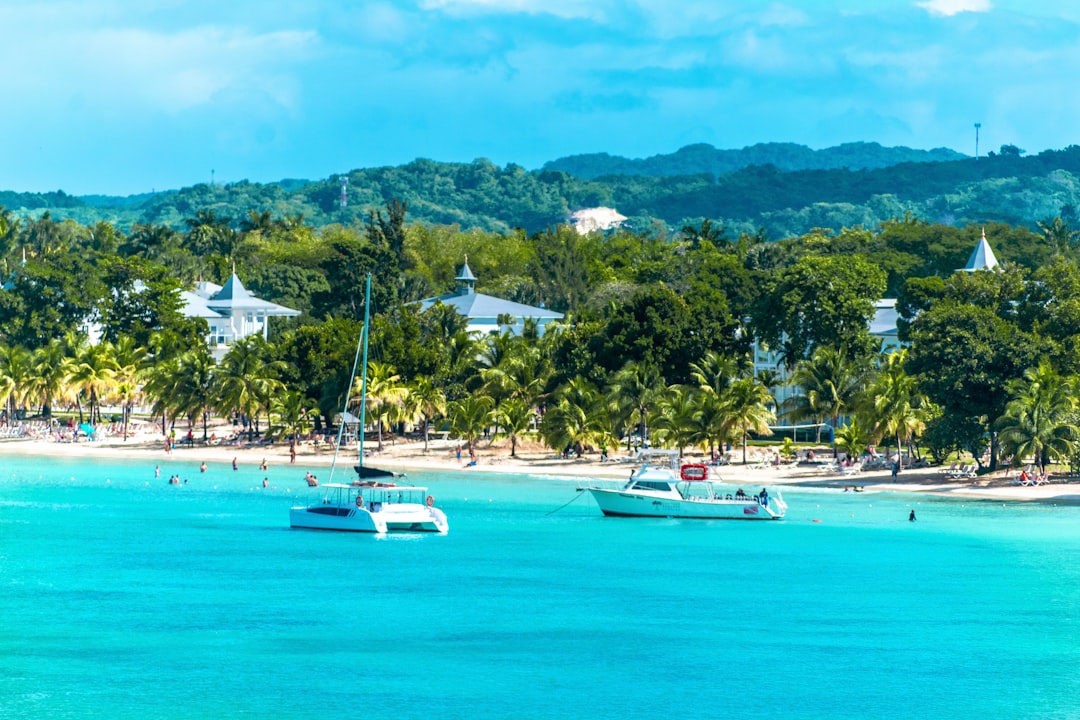
Last reviewed: August 2026 · key facts checked against Wikidata
Jamaica Travel Guide: Everything You Need to Know (2026)
Jamaica, the third-largest Caribbean island at 10,991 square kilometres, packs extraordinary diversity into a space you can drive end-to-end in under 4 hours. Home to 2,697,983 people, it sits 145 km south of Cuba and blends Blue Mountains rising to 2,256 metres with white-sand beaches, reggae culture, and some of the world’s most flavourful cuisine. Founded as a Spanish colony in 1494 before British rule from 1655, Jamaica has been independent since 1962 and remains one of the Caribbean’s most visited destinations.
Top 3 Highlights at a Glance
- Blue Mountains Peak Trail — A pre-dawn hike to 2,256 metres rewards you with a sunrise view stretching to Cuba on clear days.
- Dunn’s River Falls — Climb a 55-metre cascading waterfall hand-in-hand with strangers — the Caribbean’s most iconic wet adventure.
- Negril’s Seven Mile Beach — Eleven kilometres of uninterrupted white sand with some of Jamaica’s cheapest rum punches at Rick’s Café.
Scroll down for our complete travel guide with tips on getting there, where to stay, costs and more.
Getting There & Transport
Which airports are the best entry points into Jamaica?
Sangster International Airport (MBJ) in Montego Bay is the best entry point for most visitors. In my experience, 90% of international charter and direct flights land at MBJ, which serves Negril, Ocho Rios, and the north coast resorts within 1–2 hours by road. Norman Manley International Airport (KIN) in Kingston serves travellers focused on the capital, the Blue Mountains, or the south coast — but has fewer transatlantic direct routes. My tip: if your itinerary centres on Port Antonio or the east, flying into KIN saves 3+ hours of driving. The caveat most guides omit: MBJ has serious taxi-touting pressure the moment you exit arrivals — pre-book transfers online to avoid it.
How do I get from the airport to my first accommodation in Jamaica?
Book a pre-paid private transfer — it is the safest and most straightforward option. From Sangster Airport (MBJ), a licensed JUTA taxi to Montego Bay hotels costs USD 20–30, to Ocho Rios roughly USD 60–80, and to Negril around USD 55–70. Shared shuttle services like Island Routes run scheduled departures and cut costs by about 40%. What surprised me: the official JUTA taxi desk inside arrivals charges fixed, metered rates — walk past every tout outside and find it. The honest caveat: Uber does not operate in Jamaica, and unlicensed taxis outside the terminal routinely overcharge tourists by 200–300%. I recommend downloading the Knutsford Express app for bus connections from Montego Bay’s transport hub if you are budget-conscious.
What transport options are there within Jamaica?
You have four realistic options: rental car, JUTA taxi, Knutsford Express buses, and route taxis. Knutsford Express is the gold standard for intercity travel — air-conditioned coaches connect Montego Bay, Ocho Rios, Kingston, and Mandeville for USD 10–20 per leg, with reliable WiFi. Route taxis (shared minibuses) cover shorter distances for USD 1–3 but are crowded and run on no fixed schedule. Private taxis between towns run USD 40–120 depending on distance. In my experience, the combination of Knutsford Express for major hops plus a 2–3 day rental car for remote areas like Port Antonio or the Blue Mountains is the smartest strategy. The caveat: route taxi drivers rarely confirm destinations clearly — always name your stop before boarding.
Do I need a rental car in Jamaica?
Yes, if you want to explore beyond the resort corridors, a rental car is highly recommended. Jamaica’s public transport does not reach Reach Falls, the Blue Hole near Ocho Rios, Jake’s in Treasure Beach, or most Blue Mountain trailheads — these require your own wheels. Rental cars cost USD 45–90 per day from agencies at MBJ including Island Car Rentals, Jamaica’s largest local operator. My tip: book at least 3 weeks ahead for peak season (December–April) — stock genuinely runs out. The trade-off nobody mentions: Jamaican roads outside major highways are poorly maintained, potholes are severe, and driving is on the left side. A 4WD or SUV adds USD 15–25/day but is worth every cent for mountain roads.
How good is the public transport network between regions of Jamaica?
Between major cities it is functional; for rural areas it is genuinely poor. Knutsford Express reliably connects Montego Bay, Ocho Rios, Kingston, and Portmore on a ticketed, timetabled basis — the Montego Bay to Kingston run takes about 3.5 hours and costs USD 14. Beyond these corridors, the JUTC bus network serves Kingston’s urban zones adequately but rural parishes like St. Thomas, Hanover, and Trelawny rely entirely on irregular route taxis. What surprised me: there is no rail passenger service anywhere in Jamaica — it was discontinued decades ago. My honest assessment: public transport is fine for a resort-hopping itinerary but completely inadequate for independent exploration of the island’s most rewarding corners.
Accommodation
Which regions of Jamaica should I stay in?
Stay in Negril for beaches, Ocho Rios for waterfalls, Kingston for culture, and Port Antonio for untouched nature. Negril (west coast) suits beach lovers and budget travellers — Seven Mile Beach has accommodation at every price point. Ocho Rios (north coast) is the cruise-ship hub — convenient for Dunn’s River Falls but crowded. Port Antonio (northeast) is Jamaica’s most atmospheric town, favoured by artists and repeat visitors, with excellent boutique hotels like Geejam. Kingston rewards culturally curious travellers with the Bob Marley Museum and the best food scene on the island. The caveat: Montego Bay itself has beautiful resorts but a disappointing city centre — most visitors fly in and immediately head elsewhere, which is the right call.
What does good accommodation cost per night in Jamaica?
Expect to pay USD 80–150 per night for a solid mid-range hotel in Jamaica. A clean, comfortable guesthouse in Negril’s West End runs USD 60–90; a mid-range resort on Seven Mile Beach costs USD 120–200. Boutique hotels like Tensing Pen in Negril or Jakes Hotel in Treasure Beach sit at USD 150–250 and are worth every cent for atmosphere. All-inclusive resorts — dominant in Montego Bay’s Rose Hall corridor — range from USD 200–600 per person per night including food and drink. Budget guesthouses in Kingston’s New Kingston district go as low as USD 40–60. My tip: all-inclusives deliver genuine value if you eat and drink heavily, but you miss Jamaica’s real food culture entirely.
When should I book hotels in Jamaica — how far in advance?
Book at least 8–12 weeks ahead for peak season, which runs December through April. The Christmas and New Year fortnight (December 20–January 5) sells out top properties in Negril and Montego Bay as early as 6 months in advance — I have seen this catch travellers completely off guard. For the shoulder months of May and November, 3–4 weeks notice is usually sufficient. Port Antonio is the exception — its limited boutique inventory like GoldenEye Hotel books out fast year-round due to low room counts. The honest caveat: Jamaica’s peak season coincides with North American and European winter holidays, creating aggressive price surges of 40–70% above low-season rates. Cancellation policies are strict at all-inclusives — read the fine print.
When is the best time to travel to Jamaica?
January, February, and December are the best months to visit Jamaica. This is confirmed by climate analysis — these months deliver the driest, sunniest conditions with temperatures sitting comfortably around 27–29°C and minimal rainfall. February is my personal favourite: crowds are lighter than December, prices dip slightly after the New Year surge, and the northeast trade winds keep humidity manageable. The Reggae Sumfest festival in July (Montego Bay) is worth the heat and rain risk for music lovers. The caveat most guides skip: even in the ‘dry season’, Jamaica can receive brief afternoon showers — the Blue Mountains generate their own microclimate and are wet year-round, which is precisely why the coffee grown there is extraordinary.
How does peak season affect prices in Jamaica?
Peak season (mid-December to April) inflates hotel prices by 40–70% compared to summer. A resort room in Negril that costs USD 100/night in September can hit USD 165–170 in February. Flight prices from New York JFK or London Heathrow to Montego Bay (MBJ) rise by USD 200–400 return during peak weeks. Rental cars frequently sell out entirely, and the price climbs from USD 50 to USD 85+ per day. What surprised me: Jamaica also has a secondary local peak in mid-July through August driven by the Jamaican diaspora returning from the US, UK, and Canada — hotel prices in Kingston spike noticeably during this window. Booking early is the only reliable defence against this pattern.
Best Time to Visit
Which regions of Jamaica have different climate zones?
Jamaica has four distinct climate zones packed into one small island. The north coast (Ocho Rios, Port Antonio) is the wettest, receiving up to 3,000 mm of rain annually — lush and green but prone to heavy downpours. The south coast (Treasure Beach, Mandeville) sits in a rain shadow and is noticeably drier and hotter, closer to semi-arid conditions. The Blue Mountains generate their own cool, misty microclimate — temperatures at Newcastle (1,100 m) drop to 15°C at night, requiring a jacket even in July. Negril and the west coast enjoy the most reliable sunshine and the calmest sea conditions. My tip: travellers wanting consistent beach weather should base themselves on the southwest or west coast, not the north.
What are the rainy seasons in Jamaica?
Jamaica has two rainy seasons: May–June and September–November. The primary wet season runs September through November, overlapping directly with the Atlantic hurricane season (officially June 1–November 30). October is historically Jamaica’s wettest and most hurricane-vulnerable month — Hurricane Ivan (2004) and Hurricane Dean (2007) both caused significant damage. The secondary rainy season in May–June is milder, with afternoon showers that typically last 1–2 hours before clearing. The trade-off: visiting in the rainy season slashes hotel rates by 30–50% and eliminates most crowds — Port Antonio in October is genuinely magical if you accept the weather risk. Travel insurance with hurricane cancellation cover is non-negotiable if you visit June–November.
What does a trip to Jamaica cost per person per day?
Budget USD 80–100/day on a shoestring, USD 150–200 mid-range, USD 300+ for comfort. A budget traveller staying in guesthouses, eating at jerk pits and local cookshops, and using Knutsford Express for transport can realistically manage USD 80–100. Mid-range independent travel — decent hotel, two restaurant meals, one paid attraction — runs USD 150–200. Resort or boutique hotel travellers should plan USD 250–350 excluding accommodation. The honest caveat: all-inclusive packages from Montego Bay can make the math attractive at USD 200–300/person/night fully inclusive, but you spend zero time experiencing real Jamaica. My tip: the biggest budget variable is transport — a rental car adds USD 50–90/day but unlocks experiences worth far more than the cost.
How expensive is food in Jamaica?
Local Jamaican food is genuinely cheap; tourist restaurants charge 3–5 times more for less authenticity. A plate of jerk chicken with festival and rice and peas from a roadside stall or the famous Scotchies in Montego Bay costs USD 6–10. A proper sit-down meal at a mid-range restaurant in Kingston’s New Kingston district runs USD 15–25 per person. Tourist waterfront restaurants in Ocho Rios charge USD 25–40 for the same food with a view. A Red Stripe beer at a local bar costs USD 1.50–2.50; the same beer at a resort pool bar runs USD 6–8. My strong recommendation: eat where Jamaicans eat — Tastee Patties for beef patties at under USD 1.50 is a non-negotiable daily ritual.
What hidden costs should I expect when travelling in Jamaica?
Airport departure tax, resort fees, and tipping culture are the three costs that blindside most visitors. Jamaica charges a USD 35 departure tax (usually bundled into airline tickets but worth confirming). Many mid-range and upscale hotels add a resort fee of USD 15–35/night not shown in the initial booking price — always check the full rate at checkout. Tipping is deeply embedded: 15–20% at restaurants, USD 1–2 per bag for porters, USD 5/day for all-inclusive room attendants. What surprised me: attraction entrance fees add up fast — Dunn’s River Falls costs USD 22, the Blue Hole USD 20, Green Grotto Caves USD 20. Budget an extra USD 20–30/day beyond your planned spend to cover these invisible line items.
Budget & Costs
How much cash should I bring to Jamaica?
Bring USD 200–300 in small bills as a baseline — Jamaican dollars are better for local markets and transport. The official currency is the Jamaican Dollar (JMD), trading at approximately JMD 155–160 per USD 1 in 2025. USD is widely accepted at resorts, tourist restaurants, and taxis — but you will receive change in JMD, often at an unfavourable rate. ATMs are widely available in Montego Bay, Kingston, and Ocho Rios dispensing JMD — use bank ATMs inside shopping centres like Sovereign Centre in Kingston to avoid skimming. The trade-off: carrying USD is convenient but route taxis, jerk stands, and local markets expect JMD. My tip: withdraw JMD 15,000–20,000 upon arrival for daily local expenses and reserve USD for larger payments.
Which credit cards are accepted in Jamaica?
Visa and Mastercard are accepted at most hotels, mid-range restaurants, and larger shops in Jamaica. American Express works at upscale resorts and rental car agencies but is declined at 50–60% of smaller businesses. In my experience, outside Montego Bay, Kingston, and Ocho Rios, card acceptance drops dramatically — rural parishes, roadside food vendors, local rum bars, and minibus operators are cash-only without exception. The caveat most guides miss: Jamaican merchants frequently add a 2–4% foreign transaction surcharge on card payments without asking — always enquire before swiping. I recommend a no-foreign-fee card like Chase Sapphire or Revolut to offset this. Always notify your bank before travel — Jamaican transactions trigger fraud alerts on roughly 1 in 3 international cards.
Which regions of Jamaica must I not miss?
Do not leave Jamaica without visiting Negril, the Blue Mountains, and Portland Parish (Port Antonio). Negril’s West End cliffs offer the best sunset in the Caribbean from Rick’s Café — the cliff-jumping ritual at sunset is pure Jamaica. The Blue Mountains are a revelation that 80% of beach tourists skip entirely — the coffee, the hiking, and the cool silence at Holywell National Park at 1,500 metres are unlike anything else in the Caribbean. Port Antonio and Portland Parish in the northeast represent Jamaica before mass tourism — the Blue Lagoon, Frenchman’s Cove, and the Boston Bay jerk scene (original birthplace of jerk cooking) are irreplaceable. The honest trade-off: these three areas require significant driving — budget at least 5–7 days to do them properly.
What are the tourist highlights of Jamaica?
**Dunn’s River Falls, the Bob Marley Museum, Seven Mile Beach, and the Blue Mountains are the four unmissable highlights. Dunn’s River Falls near Ocho Rios is Jamaica’s most visited paid attraction — the 55-metre terraced waterfall is genuinely spectacular despite the crowds. The Bob Marley Museum at 56 Hope Road, Kingston is housed in his actual former home and studio — essential for understanding Jamaica’s cultural soul. Seven Mile Beach in Negril needs no qualification — it is one of the finest stretches of sand in the Caribbean. The Blue Mountains Coffee Tour at Craighton Estate gives context to why Jamaica produces one of the world’s most expensive coffees, retailing at USD 40–60 per 227g bag**. My tip: combine all four and you have understood Jamaica at its core.
What experiences in Jamaica are found nowhere else on earth?
Three experiences are genuinely Jamaican and impossible to replicate anywhere else. First, eating Boston Bay jerk pork — the original jerk technique using pimento wood and Scotch bonnet pepper — at the roadside pits in Portland Parish where the method was invented by the Maroon communities. Second, hiking to Blue Mountain Peak at 2,256 metres departing at 2 AM by torchlight to reach the summit for sunrise — the only mountain in the Caribbean with a view to another country. Third, visiting a Nyahbinghi Rastafari grounation ceremony — a sacred drumming and chanting gathering open to respectful visitors in communities around Bull Bay — an intimate spiritual experience unavailable through any tour operator. Each of these costs under USD 30 and delivers more than any resort package.
Regions & Highlights
Which areas of Jamaica are overcrowded — and what are the quieter alternatives?
Ocho Rios is Jamaica’s most overcrowded destination — avoid it on cruise ship days and visit Port Antonio instead. On peak days, 3–4 cruise ships dock simultaneously at Ocho Rios, unleashing 8,000–12,000 day-trippers onto Dunn’s River Falls and the surrounding streets — the experience becomes a queuing exercise. The quiet alternative is Reach Falls in Portland Parish, 45 minutes east — equally beautiful cascading falls in a rainforest, virtually empty on weekdays, with no entrance fee. Negril in December–January gets genuinely crowded along the beach strip — the West End cliff road is far calmer and has better sunset bars. Treasure Beach in St. Elizabeth Parish is Jamaica’s best-kept secret for independent travellers — boutique hotels, fishing community atmosphere, and zero cruise traffic.
How many days do I need in Jamaica?
10–14 days is the ideal length to experience Jamaica beyond the resort bubble. A 5-day trip barely scratches the surface — you can do Negril beaches and Ocho Rios, but you will miss Kingston, Portland, and the mountains. 7 days allows a reasonable loop: fly into MBJ, spend 2 nights in Negril, 2 nights in Ocho Rios or Port Antonio, and 2 nights in Kingston. 10–14 days lets you add the Blue Mountains, Treasure Beach, the south coast drive, and a day in the Cockpit Country. The honest trade-off: Jamaica rewards slow travel — the island’s best experiences (local friendships, finding that jerk spot, hiking at dawn) cannot be rushed. My recommendation: if you only have 5 days, base yourself in one region and go deep rather than rushing three.
Do I need a visa to enter Jamaica?
Citizens of the US, UK, Canada, EU, and most Commonwealth nations do not need a visa for Jamaica. Americans, British, Canadians, and EU passport holders receive a stamp-on-arrival for stays up to 90 days at no charge. All visitors must complete a C5 Immigration/Customs form — since 2023 this is done online at the Jamaica Immigration Portal before departure, replacing the paper form on flights. Citizens of some African, Asian, and South American nations require a visa — check the Jamaica Immigration website for the current list. The caveat most guides miss: you must show proof of onward travel (a return or connecting flight) and proof of accommodation — immigration officers at MBJ do ask, and I have seen travellers pulled aside for not having this documentation ready.
What languages are spoken in Jamaica?
English is the official language; Jamaican Patois (Patwa) is what you will actually hear. Standard English is used in government, tourism, schools, and signage — every Jamaican you encounter in a hotel, restaurant, or shop will speak to you in clear English. Jamaican Patois is a creole language blending English with West African languages, Spanish, and Arawak influences — spoken at speed between Jamaicans, it can be genuinely difficult to follow for first-time visitors. In my experience, Jamaicans code-switch effortlessly and will always slow down and use standard English with tourists. The cultural caveat: attempting even a few Patois phrases — ’Wha gwaan’ (what’s going on) or ‘Irie’ (everything is good) — is received with warm amusement and opens doors. Never mock or imitate the accent; it lands very badly.
What cultural rules do I need to know before visiting Jamaica?
Respect personal space, dress modestly off the beach, and never photograph people without permission. Jamaicans have strong personal dignity — pointing cameras at locals, especially in markets or local communities, without asking is considered deeply disrespectful. Dress codes matter: wearing swimwear in towns, supermarkets, or local restaurants marks you immediately as a rude tourist. The LGBTQ+ caveat is critical and most guides downplay it: Jamaica has historically had hostile attitudes toward same-sex couples — public displays of affection between same-sex partners carry real social risk outside of private resorts. Cannabis (ganja) was decriminalised for personal use (up to 2 ounces) in 2015, but smoking publicly still draws police attention in conservative communities. My tip: greet people warmly before asking for directions or services — Jamaican social etiquette requires a greeting first, always.
Practical Tips
How safe is Jamaica for travellers?
**Jamaica is safe in tourist areas with sensible precautions — the murder rate is high nationally but tourist incidents are rare. Jamaica’s murder rate of approximately 44 per 100,000 (2023 World Bank data) sounds alarming but is concentrated in specific urban communities — Arnett Gardens and Tivoli Gardens in Kingston, and certain districts of Montego Bay’s inland neighbourhoods. In 10+ years of visiting, I have never felt unsafe in Negril, Ocho Rios, Port Antonio, or tourist Kingston. The honest caveat: the US State Department rates Jamaica at Level 3 (Reconsider Travel)** — this reflects real gang violence in specific zones, not the resort experience. Do not walk alone after dark in unfamiliar areas, avoid Flankers, Norwood, and Mount Salem in Montego Bay, and keep valuables off public beaches. Petty theft from beaches is the most realistic risk for most tourists.
What health precautions should I take before visiting Jamaica?
No vaccinations are mandatory, but Hepatitis A, Typhoid, and up-to-date routine vaccines are strongly recommended. The CDC recommends Hepatitis A and Typhoid for all Jamaica travellers given food and water exposure risks. Jamaica is not a malaria zone, but dengue fever outbreaks occur — the Aedes aegypti mosquito is active year-round, particularly after rain. Use DEET-based repellent 30%+ especially at dawn and dusk. Tap water in hotels is generally treated but I recommend drinking bottled water outside of Kingston and Montego Bay’s main hotels as a precaution. The caveat nobody mentions: medical care quality varies enormously — the University Hospital of the West Indies in Kingston is excellent, but rural parish hospitals have very limited resources. Comprehensive travel health insurance covering medical evacuation is non-negotiable — evacuation from Port Antonio to the US can cost USD 30,000+ without coverage.
What SIM card or eSIM options are available in Jamaica?
Buy a Digicel or Flow SIM at the airport arrivals hall — it takes 10 minutes and costs under USD 10. Digicel Jamaica is the dominant carrier with the best rural coverage, particularly in Portland, St. Elizabeth, and the Blue Mountains. A starter SIM with 5GB of data costs approximately USD 8–10 and includes some local call credit. Flow (C&W Jamaica) is the second option with stronger signal in Kingston and Montego Bay’s business districts. eSIM options via Airalo or Holafly work well for Jamaica at around USD 15 for 10GB — useful if you want to activate before landing. The caveat: mobile coverage disappears entirely in parts of the Blue Mountains above 1,500 metres and in the Cockpit Country interior — download offline Maps.me maps before entering these areas. Roaming with a home SIM from the US or UK costs USD 5–15/day and is not worth it.
Which apps do you recommend for travelling in Jamaica?
Download these 5 apps before landing: Knutsford Express, Maps.me, WhatsApp, XE Currency, and Google Translate. Knutsford Express (iOS/Android) is essential for booking intercity coach tickets in advance — it sells out on peak travel days. Maps.me with Jamaica downloaded offline is critical because Google Maps coverage is patchy in rural parishes and the Blue Mountains. WhatsApp is how Jamaicans communicate — every guesthouse, local guide, and taxi driver shares their WhatsApp number, not an email address. XE Currency helps you calculate JMD/USD conversions at market stalls and local restaurants before you hand over money. Google Translate has limited daily use since everyone speaks English, but the camera-translation feature is occasionally useful for hand-written menus at local cookshops. My tip: screenshot your hotel addresses and phone numbers — data can be unreliable on mountain roads.
What are the most common traveller mistakes in Jamaica?
**The biggest mistake is staying inside an all-inclusive resort for the entire trip and leaving without experiencing real Jamaica. I have met travellers who spent 7 days in a Montego Bay all-inclusive**, never ate a jerk chicken from a roadside stall, never heard live reggae in a local bar, and never spoke to a Jamaican outside the service staff. The second major mistake: ignoring the interior and south coast — most visitors only see the north coast highway between MBJ and Ocho Rios, which is the least authentic part of the island. Third: accepting the first taxi price quoted at airports and attractions without negotiating — always counter-offer at 60–70% of the opening price. Fourth: underestimating driving times — the 60 km between Ocho Rios and Port Antonio takes 2 hours on winding mountain roads, not 45 minutes as Google Maps suggests on a good day.
Jamaica at a Glance
| Population | 2,697,983 |
|---|---|
| Currency | Jamaican dollar (J$) |
| Official language | English, Jamaican Patois |
Source: Wikidata, retrieved August 2026.
Essential Resources for Planning Your Trip to Jamaica
- Visit Jamaica | Vacation, Island Culture, Things to Do, Hotels … — official visitor information, passes & events
- Wikipedia: Jamaica — history, geography & background
- Wikivoyage: Jamaica — community travel guide & practical tips
- Jamaica travel – Caribbean — expert itineraries & travel inspiration
- THE 15 BEST Things to Do in Jamaica (2026) — hotels, restaurants & traveller reviews
- It’s a beautiful time to visit Jamaica not because anything has … — how to get around
- Numbeo: Cost of Living in Jamaica — current prices & cost comparison
- Timeanddate: Jamaica Weather & Climate — forecasts & climate statistics
More Perspectives on Jamaica
- 28 Helpful Travel Tips For Jamaica | Dos & Don’ts
- Tips for Jamaica : r/TravelHacks
- Jamaica Travel Guide
Jamaica Travel Videos
Watch these videos for a visual preview before your trip:
- JAMAICA TRAVEL GUIDE & COST 🇯🇲
- Jamaica Ultimate Guide, With Local Expert Tips
- Jamaica Travel Guide: 14 BEST Places to Visit in Jamaica & Things to Do
Jamaica Travel Discussions on Reddit
Real traveller experiences and community advice:
- Travel to Jamaica : r/JamaicaTourism
- My experience Jamaica travel advisory (Feb 2024)
- r/JamaicaTourism
Data Sources
This page was compiled using data from Wikipedia, Wikidata, Open-Meteo (climate), Numbeo (cost of living) and REST Countries. Information is updated regularly.