
Ireland: The Complete Travel Guide (2026)
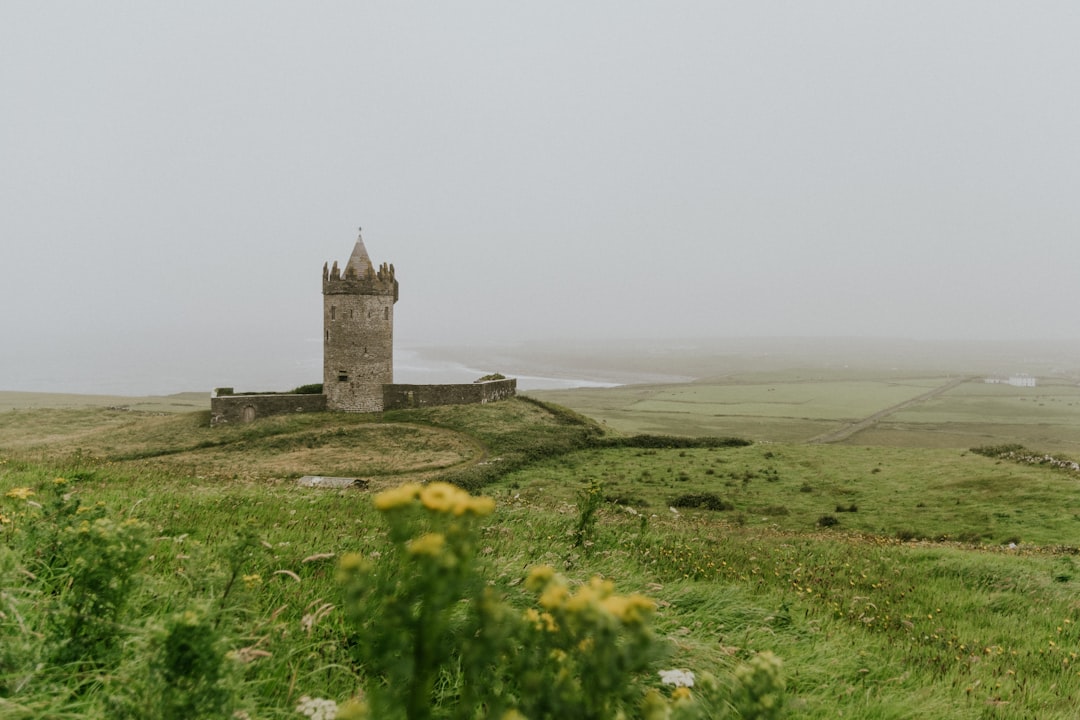
Last reviewed: August 2026 · key facts checked against Wikidata
Ireland Travel Guide: Everything You Need to Know (2026)
Ireland, with a population of 7,185,600 spread across the Republic and Northern Ireland, is a North Atlantic island nation where the westernmost point of Europe meets the wild Atlantic Ocean. The island covers 84,421 square kilometres and was first settled over 10,000 years ago, with Celtic culture taking hold around 500 BC. From the 600-metre sea cliffs of Moher to the ancient passage tombs of Newgrange predating Egypt’s pyramids by 500 years, Ireland packs an extraordinary density of history, landscape, and lived culture into a compact, driveable island.
Three Things Not to Miss in Ireland
- Cliffs of Moher — Sheer 214-metre sea cliffs stretching 14 km along the Clare coastline — Ireland’s single most dramatic natural viewpoint.
- Newgrange Passage Tomb — A 5,200-year-old megalithic monument aligned perfectly with the winter solstice sunrise — older than Stonehenge.
- Ring of Kerry Drive — A 179-km coastal loop through Killarney National Park delivering mountain, lough, and ocean scenery in a single day.
Scroll down for our complete travel guide with tips on getting there, where to stay, costs and more.
How to Reach Ireland
Which airports are the best entry points into Ireland?
Dublin Airport (DUB) is Ireland’s dominant gateway, handling over 32 million passengers annually and connecting to 180+ destinations. For the west, Shannon Airport (SNN) in County Clare is the smarter choice — it puts you within an hour of the Cliffs of Moher and saves a 3-hour drive from Dublin. Cork Airport (ORK) serves the south and is ideal if you plan to explore Kerry or West Cork first. My tip: fly into Shannon, drive the Wild Atlantic Way northward, and exit through Dublin — it creates a natural, non-backtracking itinerary. The hidden caveat most guides skip: Dublin Airport’s Terminal 1 and Terminal 2 are separate buildings with no direct airside connection, so double-check which terminal your airline uses before arrival.
How do I get from the airport to my first accommodation in Ireland?
From Dublin Airport, the Airlink Express bus (Route 747) runs to the city centre in roughly 30 minutes and costs €7 one way — far better value than a taxi, which costs €25–€35 depending on traffic. The Dublin Airport Coach also connects to Busáras central bus station. From Shannon Airport, no direct rail exists; a taxi to Limerick city costs around €35 and takes 25 minutes, or rent a car directly at the terminal — all major companies are in the arrivals hall. From Cork Airport, the Airport Bus Express runs to Cork Kent Station in 10 minutes for €5. My honest warning: Dublin city-centre traffic during morning rush hour (8–9:30am) can stretch that 30-minute bus ride to over an hour — schedule arrivals outside peak times when possible.
What transport options are there within Ireland?
Ireland’s internal transport has three realistic tiers. Intercity rail connects Dublin to Cork (2h 30min, from €19 one way), Galway (2h 15min), and Belfast (2h 10min) — fast and comfortable. Bus Éireann coaches cover most towns but run on infrequent rural schedules, often once daily. A rental car is the most flexible option and the only realistic way to reach the Wild Atlantic Way, Dingle Peninsula, or Connemara properly. In my experience, the rail network is excellent for city-to-city moves but fails entirely once you want to see the countryside. What surprised me: Northern Ireland uses a separate Translink bus and rail network, and crossing the border is seamless — no passport checks, but fares are in British pounds (£) rather than euros.
Do I need a rental car in Ireland?
Yes — for any itinerary beyond Dublin alone, a rental car is essentially mandatory. Ireland’s public transport leaves 60% of the island’s most scenic areas unreachable by bus or train. The Dingle Peninsula, Connemara, Glenveagh National Park, and most of the Wild Atlantic Way cannot be done meaningfully without a car. Rental rates average €40–€70 per day from major companies at Dublin Airport. My critical warning: Ireland drives on the left, roads in rural Kerry and Donegal are frequently single-lane with passing places, and Irish roads are genuinely narrower than most visitors expect — budget extra time for every rural journey. Booking through Rentalcars.com rather than at the desk typically saves 20–30%, and always pay for zero-excess insurance given the road conditions.
How good is the public transport network between regions in Ireland?
Between major cities, public transport in Ireland is reliable and affordable. Irish Rail connects Dublin, Cork, Galway, Limerick, Waterford, and Belfast with comfortable intercity trains. The Leap Card (available at Dublin Airport) consolidates bus and rail fares across the network and saves approximately 20% per journey versus cash. However, the moment you venture beyond regional capitals, the network collapses. Rural County Donegal, the Aran Islands (ferry required from Rossaveel), and most of Connemara have services so infrequent they are unusable for time-pressured travellers. In my experience, the Bus Éireann Expressway routes between cities work perfectly, but never assume a rural town has more than one bus a day — always verify at buseireann.ie before planning a route that depends on it.
Finding a Base in Ireland
Which regions should I stay in when visiting Ireland?
Stay in Dublin for urban culture and nightlife — the Portobello and Ranelagh neighbourhoods offer better value than tourist-heavy Temple Bar. Base yourself in Galway city for the west: it’s a 45-minute drive from the Cliffs of Moher and the gateway to Connemara and the Aran Islands. Killarney in County Kerry works well as a base for the Ring of Kerry and Dingle. For Northern Ireland, Belfast has transformed dramatically since the 1990s and is now a genuinely exciting city with a world-class food scene. My honest caveat: Killarney town itself is heavily tourist-focused and overpriced — it functions as a base, not a destination. If budget is a concern, staying in Kenmare instead saves money and gives a more authentic experience with equal access to the same scenery.
What does good accommodation cost per night in Ireland?
Expect to pay €120–€180 per night for a solid 3-star hotel in Dublin or Galway in high season. A comfortable B&B — Ireland’s genuine speciality — runs €80–€120 per night for two, including a full cooked Irish breakfast that eliminates the need for lunch spending. Budget hostels in Dublin charge €25–€40 per dorm bed. Country house hotels, particularly in Kerry and Wicklow, often deliver exceptional quality at €100–€150 per night outside peak summer weekends. What surprised me: Irish B&Bs are not a budget compromise — many are genuinely excellent, with owners who give better local advice than any guidebook. The hidden cost most travellers miss is city hotel parking in Dublin, which adds €20–€35 per day — stay somewhere with free parking or use the Red Line Luas tram in from the suburbs.
When should I book hotels in Ireland — how far in advance?
For July and August, book at least 3 months ahead — this is non-negotiable for popular areas like Killarney, the Dingle Peninsula, and Galway. For Dublin specifically, major concert weekends and the St Patrick’s Festival (March 17) sell out accommodation city-wide up to 6 months in advance. Shoulder months of May, June, and September typically require 4–6 weeks advance booking. In my experience, the biggest mistake is assuming rural Ireland has plentiful accommodation — villages like Doolin (near the Cliffs of Moher) have fewer than 10 accommodation options and fill entirely by April for summer. My tip: always book the first and last nights of your trip early; the middle nights are usually more flexible, especially if you’re moving between regions daily.
When is the best time to travel to Ireland?
Based on verified climate data, June, July, August, and September are Ireland’s optimal travel months. July averages the longest daylight hours — up to 17 hours of light — making evening drives along the Wild Atlantic Way spectacular. June is my personal preference: crowds are lighter than July/August, prices are 15–20% lower, and the landscape is at its most intensely green. September is genuinely underrated — Atlantic storms have not yet arrived, tourist numbers drop sharply after August, and accommodation prices fall noticeably. The honest caveat: Ireland’s weather is famously unpredictable in every month — rain can arrive on any summer day. May is increasingly viable as a warm-up to summer, but bank holiday weekends (early May) spike prices sharply. Avoid November through February unless you specifically enjoy dramatic, stormy Atlantic coastline photography.
How does peak season affect prices in Ireland?
Peak season — July and August — inflates Irish accommodation prices by 30–50% compared to May or September. A Dublin hotel room that costs €100 in October routinely hits €160–€200 in August. Car rental rates similarly spike: the same vehicle costing €40/day in April can reach €75–€90/day in July. Popular attractions like the Cliffs of Moher (admission €9 adults) don’t raise ticket prices but their car park fills by 10am in peak summer, effectively forcing a costly taxi or bus connection. Restaurants in tourist towns add 10–15% to menus in summer without improving quality. My tip: travelling in early June or late September gets you 80–90% of the summer experience at significantly lower cost — it’s the single most effective money-saving strategy in Ireland.
When to Travel to Ireland
Which regions of Ireland have different climate zones?
Ireland’s climate varies more than most visitors expect across its relatively small landmass. The west coast — Clare, Galway, Mayo, Donegal — receives the heaviest rainfall in Ireland, often 1,200–1,400mm annually, driven by Atlantic weather systems. This is also why the west is greener and more dramatic. The east coast around Dublin and Wicklow is measurably drier and milder — Dublin averages just 714mm of rain per year. The south coast around Cork and Waterford benefits from the Gulf Stream and has Ireland’s mildest temperatures, rarely dropping below 5°C in winter. The midlands are the least visited and flattest region — useful for transit but climatically unspectacular. In my experience, the west’s reputation for rain is deserved but exaggerated; two-hour weather windows between showers are common and entirely workable for hiking and sightseeing.
What are the rainy seasons in Ireland?
Ireland has no single rainy season — rain is distributed throughout the year, which is both its charm and its challenge. However, October through January brings the heaviest sustained rainfall, particularly on the west coast from Galway to Donegal, where Atlantic storms arrive with minimal warning. February and March are statistically the windiest months. June and July are the driest months on average, though brief daily showers remain possible in any month. My honest warning: Irish weather apps are essential but imperfect — forecasts beyond 48 hours are unreliable given the speed at which Atlantic systems move. I always layer up with a waterproof jacket regardless of the morning forecast. The trade-off is that post-rain light in Ireland is genuinely extraordinary for photography — moody, golden, and unlike anywhere else in Europe.
What does a trip to Ireland cost per person per day?
A realistic mid-range daily budget in Ireland is €120–€160 per person based on shared accommodation, one sit-down meal, one pub lunch, and entrance fees. Budget travellers staying in hostels and self-catering can manage €70–€90 per day. Comfortable travellers using mid-range hotels and dining at proper restaurants should budget €160–€220 per day. Car rental adds approximately €20–€35 per person per day when split between two travellers, plus fuel (petrol runs roughly €1.75–€1.90 per litre). What most guides omit: Ireland’s tourist tax is embedded in accommodation prices in some counties, and Dublin restaurants now routinely add a 12.5% service charge to bills — always check before adding a tip on top. My tip: shopping at Lidl or Dunnes Stores for breakfast and picnic lunches can cut daily food costs by €20–€30 without sacrificing quality.
How expensive is food in Ireland?
Food in Ireland is genuinely expensive by European standards. A pub lunch (soup and sandwich or fish and chips) costs €12–€18 in most towns. A sit-down dinner at a mid-range restaurant runs €30–€45 per person including a drink. A pint of Guinness costs €6–€7 in Dublin pubs and €5–€6 in rural towns — this surprises many visitors. The honest caveat: Irish pub food quality varies enormously. The best value sit-down meals I’ve found are at gastro pubs in Cork and Galway’s Latin Quarter, where seafood chowder with brown bread costs around €9–€11 and is genuinely excellent. Supermarket meal deals (sandwich, crisps, drink) from Centra or Spar run €5–€7 and are widely available. Avoid restaurants immediately adjacent to major attractions — a 5-minute walk away typically cuts prices by 20–25%.
What hidden costs should I expect in Ireland?
Ireland has several costs that catch first-time visitors completely off guard. Toll roads on the M50 Dublin orbital motorway and several national routes operate on e-toll systems — rental cars often lack a working transponder, and failing to pay within 24 hours triggers a €3 standard fee that becomes a €60 fine if missed entirely. Always ask your rental company about toll coverage upfront. Parking in Dublin costs €3–€4 per hour in the city centre. Many attractions now charge for car parking on top of entry fees — the Cliffs of Moher car park costs €9 per vehicle separately from admission. Baggage fees on Ryanair routes between Irish cities and UK destinations catch many travellers: cabin bag charges alone can add €20–€30 per flight. Finally, tipping has become effectively mandatory in Irish restaurants — 10–12.5% is standard.
Daily Costs in Ireland
How much cash should I bring to Ireland?
Bring minimal cash — Ireland is overwhelmingly card-based, and most transactions from supermarkets to market stalls now accept contactless payment. I carry no more than €50–€100 in cash at any time. The situations where you genuinely need cash: small rural B&Bs that don’t accept cards, traditional music sessions in small village pubs where a jar is passed for the musicians, market stalls in smaller towns, and church entry donations at heritage sites. ATMs are widely available in any town with more than 2,000 residents — look for AIB, Bank of Ireland, and Ulster Bank machines, which charge no withdrawal fee for overseas cards (though your home bank may charge). My tip: notify your bank before departure and use a Wise or Revolut card to avoid foreign transaction fees, which typically run 2–3% on standard debit cards.
Which credit cards are accepted in Ireland?
Visa and Mastercard are accepted virtually everywhere in Ireland — hotels, restaurants, petrol stations, and most tourist attractions. American Express is accepted at larger hotels and department stores but refused at roughly 40% of smaller restaurants and independent shops. Apple Pay and Google Pay work anywhere contactless terminals are present, which is the majority of Irish retail. The honest caveat: some rural B&Bs, small guesthouses, and traditional pubs in counties like Donegal and Mayo still operate cash-only — always ask at check-in rather than at checkout. My tip: a Wise card loaded in euros eliminates foreign transaction fees entirely and is my go-to card across Ireland. Avoid withdrawing cash at airport exchange bureaux — rates are typically 8–12% worse than using your card at a Bank of Ireland ATM in arrivals.
Which regions of Ireland must I not miss?
County Kerry in the southwest is non-negotiable — the Dingle Peninsula alone justifies the trip with its Gaeltacht culture, Iron Age forts, and ocean scenery. Connemara in County Galway is Ireland at its most raw: bog, mountain, and Atlantic coast with almost no tourist infrastructure away from Clifden. The Causeway Coast in Northern Ireland, from Ballycastle to Portrush, delivers the Giant’s Causeway, Carrick-a-Rede rope bridge, and Dark Hedges within a 30-km stretch. County Clare offers the Cliffs of Moher and the alien limestone landscape of the Burren — a UNESCO Global Geopark. What most guides omit: County Donegal, Ireland’s most northwesterly county, is arguably the country’s most spectacular and is visited by a fraction of the tourists who flock to Kerry — it rewards the extra driving distance significantly.
What are the tourist highlights of Ireland?
Ireland’s marquee attractions deliver on their reputation but require strategic timing. The Cliffs of Moher (€9 adult entry) are genuinely breathtaking — visit before 9:30am to beat tour buses. Newgrange in County Meath is a 5,200-year-old passage tomb that remains one of Europe’s most astonishing prehistoric sites — book the guided tour months ahead via heritageireland.ie. Killarney National Park covers 102 square kilometres of mountain and lough with free entry — the Torc Waterfall trail takes 45 minutes and rivals anything you’ll pay to see. Dublin’s Trinity College Library (home to the Book of Kells, from €16 entry) is smaller than expected but the Long Room is genuinely one of the world’s great rooms. The Giant’s Causeway in Antrim charges £15 for parking but the basalt columns themselves are free to walk on.
What experiences are found nowhere else in Ireland?
Three experiences are uniquely and irreplaceably Irish. First: attending a traditional music session (seisiún) in a small-town pub in Doolin, Milltown Malbay, or Ennis — not a tourist performance but local musicians turning up informally on a Tuesday evening. Second: spending a night in an Irish-speaking Gaeltacht community in Connemara or the Dingle Peninsula, where road signs are Irish-only and the pub conversation shifts to a language that has survived 800 years of pressure. Third: walking the Pilgrim Path on Croagh Patrick in County Mayo — a 764-metre quartzite mountain where 1 million people have climbed the same trail for 1,500 years, many in bare feet on the last Sunday of July. In my experience, these three things — live trad music, Gaeltacht immersion, and Croagh Patrick — are what make Ireland irreplaceable rather than merely beautiful.
Ireland Region by Region
Which areas of Ireland are overcrowded — and what are the quieter alternatives?
Killarney town and the Ring of Kerry main road are congested with tour buses from June through August — coaches block passing places on the N70 and the experience becomes a traffic procession. The quieter alternative is the Dingle Peninsula (Corca Dhuibhne), 40 km to the north, with comparable or superior scenery and a fraction of the coach traffic. The Giant’s Causeway gets 1 million visitors annually — arrive before 9am or after 5pm to photograph it without crowds. Instead of Dublin’s Temple Bar for nightlife, locals go to Stoneybatter, Rathmines, or Ranelagh — better pubs, lower prices, zero tourist theatre. The Aran Islands’ main island Inis Mór sees day-trip boat crowds from 11am to 4pm — stay overnight on Inis Meáin instead, which has 200 permanent residents and three guesthouses, and the island feels entirely your own.
How many days do I need in Ireland?
7 days is the minimum to see Ireland’s major regions without feeling rushed — Dublin (2 nights), the west coast via Galway and Clare (2 nights), and Kerry (2 nights) with a travel day. 10–14 days is the ideal length for a comprehensive trip that adds Connemara, Donegal, and Northern Ireland without driving more than 3 hours per day. A 4–5 day itinerary only works if you base yourself in one region — Kerry or the Connemara-Galway axis are the best choices for short trips. My honest caveat: Irish road speeds are slower than visitors anticipate. Google Maps will show a drive of 200 km as 2.5 hours — add 45–60 minutes for single-lane rural roads, sheep crossings, and the fact that stopping every 20 minutes for scenery is genuinely unavoidable.
Do I need a visa to visit Ireland?
Citizens of EU and EEA countries need only a valid national ID card or passport — no visa required. US, Canadian, Australian, and UK citizens can visit Ireland visa-free for up to 90 days with a valid passport. Note that Ireland is not in the Schengen Area — entry to Ireland does not count against your 90-day Schengen allowance, and vice versa. UK citizens can enter using either a passport or a national ID card under the Common Travel Area (CTA) agreement, which also covers movement between Ireland and Northern Ireland with no border checks. The critical caveat: Ireland and the UK share the CTA, so if your onward plans include mainland Europe via Schengen, your Ireland time is tracked separately. Citizens of approximately 100+ countries require advance visa applications — check the Irish Naturalisation and Immigration Service (inis.gov.ie) for the current list before booking.
What languages are spoken in Ireland?
English is the primary language across Ireland and is spoken universally — you will never encounter a communication barrier. Irish (Gaeilge) is the first official language of the Republic, appears on all official signage, and is a compulsory school subject, but fewer than 75,000 people speak it daily as a first language, almost exclusively in Gaeltacht regions in Connemara, Donegal, and Kerry. In Gaeltacht areas, road signs are in Irish only — no English translation — so download a map or screenshot key place names before entering. In Northern Ireland, English is universal; Irish and Ulster Scots have cultural recognition but you won’t need either. What surprised me: Irish people speak English with an enormous diversity of regional accents — the Cork accent, Donegal lilt, and Dublin northside dialect can be genuinely challenging to parse for the first 24 hours of your trip.
What cultural rules do I need to know before visiting Ireland?
Ireland is a relaxed, informal culture with a few specific norms worth knowing. In a pub, buying rounds (the ’round system’) is a genuine social institution — if you’re drinking with a group of Irish people and someone buys you a drink, you are expected to buy the next round for the group. Opting out without explanation reads as rude. Tipping is now standard at 10–12.5% in restaurants — service charge is frequently added automatically, so check your bill. Never confuse Ireland with the UK or call someone from the Republic British — it’s a sensitive historical point, not a casual mistake. In Gaeltacht areas, making an effort to say even basic Irish greetings (”Dia dhuit” — hello) is genuinely appreciated. Photographing people at traditional music sessions is acceptable but ask first; it’s their private social gathering, not a performance.
Local Know-How for Ireland
How safe is Ireland?
Ireland is one of Europe’s safest countries for tourists. The Global Peace Index 2023 ranked Ireland 3rd safest globally. Violent crime targeting tourists is exceptionally rare across the island. Dublin city centre has pockets of petty theft — particularly around O’Connell Street, Henry Street, and Temple Bar at night — standard pickpocket precautions apply. Rural Ireland is essentially risk-free for travellers. Northern Ireland is safe for tourists; the historical political tensions in specific Belfast interface areas like the Peace Walls on Falls and Shankill Roads are tourist attractions in 2026, not active danger zones. My honest caveat: road safety is the genuine risk in Ireland — narrow rural roads, overtaking on blind bends, and the left-hand drive adjustment trip up more visitors than any crime. Drive defensively and never exceed posted rural speed limits of 80 km/h.
What health precautions should I take before visiting Ireland?
No vaccinations are required or recommended specifically for Ireland beyond standard up-to-date immunisations. Routine vaccines (MMR, tetanus, COVID-19) should be current. EU citizens should carry their European Health Insurance Card (EHIC), which covers medical treatment in the Republic of Ireland at the same cost as Irish residents. UK citizens are covered under the Common Travel Area health reciprocity arrangement. US and non-EU travellers should purchase comprehensive travel insurance — a GP visit in Ireland costs €60–€80 without coverage, and hospital treatment is expensive. Tick-borne Lyme disease is a genuine but low risk in rural areas — wear long trousers when hiking in long grass and check after walks in Wicklow, Kerry, and Galway national parks. Irish tap water is safe everywhere and excellent quality — carry a reusable bottle and refill freely.
What SIM card or eSIM options are available in Ireland?
The three main Irish mobile networks are Three, Vodafone, and Eir — all offer prepaid tourist SIMs available at airport arrivals halls and any convenience store. A Three prepaid SIM with 30GB data and unlimited calls costs approximately €20 and is my consistent recommendation for coverage across rural Ireland. Three has the best rural coverage on the Wild Atlantic Way and in Connemara — the other networks have more dead zones on western roads. eSIM options via Airalo or Holafly are viable for compatible phones — Ireland eSIMs start at approximately €10 for 5GB, though I find physical SIMs better value for 7+ day trips. Critical note: EU roaming rules apply in the Republic of Ireland for EU-based SIMs, so European travellers can simply use their home plan without additional cost. Northern Ireland uses UK networks — your EU roaming plan may not cover it post-Brexit.
Which apps do you recommend for travelling in Ireland?
These are the apps I actually use in Ireland, not generic suggestions. Transportfor.ie for real-time bus and rail times across the Republic — more reliable than Google Maps for Irish transit. Leap Card app to top up your transit card without queuing. Met Éireann (Ireland’s national weather service) for the most accurate local forecasts — its 5-day Atlantic models outperform Google Weather significantly in my experience. Google Maps works well for driving navigation but What3words is worth having for rural emergencies where addresses don’t exist. Failte Ireland’s Discovery app provides offline attraction maps. Tidal or Magic Seaweed for surf and tide conditions if you’re coastal hiking. For Northern Ireland specifically, Translink NI Journey Planner replaces Transportfor.ie. Finally, Revolut for contactless payment and real-time exchange rates if you’re crossing between euro (Republic) and sterling (Northern Ireland) zones.
What are common traveller mistakes in Ireland?
The mistakes I see repeatedly on Irish roads and in pubs are specific and entirely avoidable. First: underestimating drive times — Irish rural roads rarely allow more than 60 km/h in practice, and Google Maps optimism costs people entire half-days. Second: spending the whole trip in Kerry and Galway while skipping Donegal and Clare — magnificent regions that deliver comparable scenery with a quarter of the crowds. Third: booking Temple Bar pubs for a ‘real Irish night’ — they’re tourist theatres; the authentic experience is in Mulligan’s on Poolbeg Street or any rural pub with a Tuesday session. Fourth: not pre-booking Newgrange — it sells out weeks ahead and cannot be entered without a pre-booked tour slot. Fifth: ignoring Northern Ireland entirely, which means missing the Causeway Coast, Titanic Belfast museum, and a genuinely fascinating political and cultural landscape. Ireland rewards the curious and punishes the itinerary-rigidity.
Ireland at a Glance
| Population | 7,185,600 |
|---|---|
| Time zone | UTC±00:00 |
Source: Wikidata, retrieved August 2026.
Essential Resources for Planning Your Trip to Ireland
- Ireland’s official holiday and travel guide | Ireland.com — official visitor information, passes & events
- Wikipedia: Ireland — history, geography & background
- Wikivoyage: Ireland — community travel guide & practical tips
- Ireland travel – Lonely Planet | Europe — expert itineraries & travel inspiration
- THE 15 BEST Things to Do in Ireland (2026) — hotels, restaurants & traveller reviews
- tourist travel passes and day trips from Dublin — how to get around
- Numbeo: Cost of Living in Ireland — current prices & cost comparison
- Timeanddate: Ireland Weather & Climate — forecasts & climate statistics
More Perspectives on Ireland
- 22 Essential Ireland Travel Tips to Not Look Like a Tourist
- Ireland Travel Tips: Tour Reviews, Itineraries & Local Advice
- 30 Essential Ireland Travel Tips (From an Irishman)
Ireland Travel Videos
Watch these videos for a visual preview before your trip:
- How To Travel IRELAND IN 2 WEEKS ☘️ The Ultimate Roadtrip to see the best of the Emerald Isle
- IRELAND TRAVEL TIPS FOR FIRST TIMERS | 20+ Must-Knows Before Visiting Ireland + What NOT to Do!
- Top 10 Places to Visit In Ireland – Travel Guide
Ireland Travel Discussions on Reddit
Real traveller experiences and community advice:
- What is something you wish you had known before your …
- First trip to Ireland completed: thoughts & travel tips 🇺🇸➡️
- For an American visiting Ireland next year what are some …
Data Sources
This page was compiled using data from Wikipedia, Wikidata, Open-Meteo (climate), Numbeo (cost of living) and REST Countries. Information is updated regularly.