
Kyrgyzstan: The Complete Travel Guide (2026)
Last reviewed: August 2026 · key facts checked against Wikidata
Kyrgyzstan Travel Guide: Everything You Need to Know (2026)
Kyrgyzstan is a landlocked Central Asian nation of 6 million people, where over 90% of the country sits above 1,500 metres elevation — making it one of the world’s most dramatically mountainous destinations. The capital Bishkek, founded as a Russian fortress in 1825, anchors a country bordered by Kazakhstan, China, Uzbekistan, and Tajikistan. With the Tian Shan peaks topping 7,439 metres at Jengish Chokusu, this is a raw, nomadic wilderness that rewards the adventurous traveller enormously.
Top 3 Highlights at a Glance
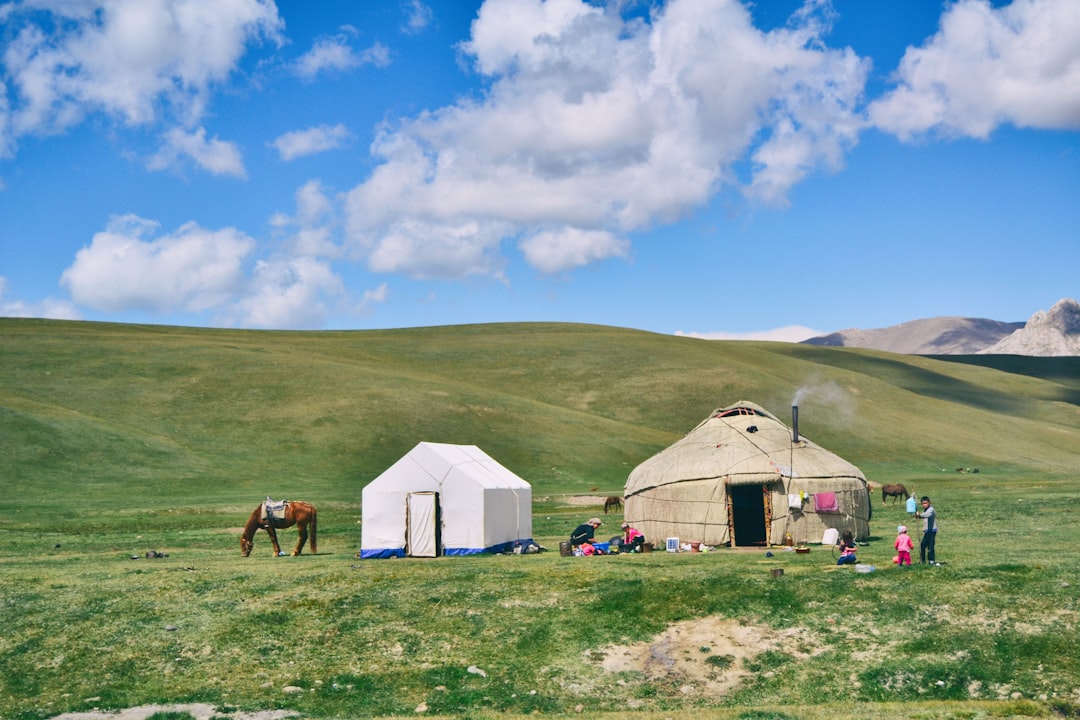
- Song-Kol Lake — A pristine alpine lake at 3,016 metres where Kyrgyz nomads still herd horses across open steppe in summer.
- Ala-Archa National Park — Glacier-fed gorges just 40 km from Bishkek offering world-class trekking without a single tourist queue.
- Karakol & the Tian Shan — Gateway town to extreme multiday trekking routes including the legendary 5-day Ak-Suu Traverse at 4,000+ metres.
Scroll down for our complete travel guide with tips on getting there, where to stay, costs and more.
Getting There & Transport
Which airports are the best entry points into Kyrgyzstan?
Manas International Airport (FRU) in Bishkek is your primary entry point — full stop. It handles the overwhelming majority of international arrivals and is 30 km from the city centre. A secondary option is Osh Airport (OSS) in the south, served by domestic Kyrgyzstan Air flights and useful if you plan to start your trip in the Fergana Valley or the southern Pamirs. In my experience, flying into Osh and out of Bishkek — or vice versa — creates a natural one-way route through the country. What most guides omit: FRU has limited direct connections from Western Europe, so you’ll almost certainly transit through Istanbul (IST), Moscow (SVO), or Almaty (ALA).
How do I get from the airport to my first accommodation in Kyrgyzstan?
Take a pre-booked taxi for around $8–12 from Manas to central Bishkek — the journey takes 40–55 minutes depending on traffic. My tip: use the Yandex Go app to book from the arrivals hall; it shows fixed prices and prevents overcharging. Official airport taxis at the exit will quote $20–30, which is a tourist premium you can easily avoid. The public bus Route 380 runs to the city for about 20 Kyrgyz som (under $0.25) but stops running around 10 PM and doesn’t accommodate large backpacks well. What surprised me: there is no rail link whatsoever between the airport and Bishkek, and Uber is not operational here.
What transport options are there within Kyrgyzstan?
Shared minibuses called marshrutkas are the backbone of intercity travel, connecting Bishkek to Karakol in roughly 6 hours for about 250–300 som ($3). Yandex Go taxis dominate city travel in Bishkek. For remote areas like Song-Kol or the Ala-Too range, you need either a hired 4WD vehicle or a CBT (Community Based Tourism) transfer. Domestic flights between Bishkek (FRU) and Osh (OSS) run daily and cost $30–60 — worth it to skip a brutal 12-hour road journey. I recommend avoiding overnight marshrutkas on mountain roads: they are genuinely dangerous in poor weather, and drivers push hard schedules regardless of conditions.
Do I need a rental car in Kyrgyzstan?
Yes, a 4WD rental is essential if you want freedom beyond main highways. Standard sealed roads connect Bishkek–Cholpon-Ata–Karakol reasonably well, but Song-Kol, Jety-Oguz, and the Suusamyr Valley require high-clearance vehicles. Expect to pay $60–100 per day for a decent 4WD with driver — self-drive with a local driver is my strong recommendation since GPS coverage is patchy in the mountains. International car hire brands are nearly absent; local operators like Bishkek Car Rental on Toktogul Street are your best bet. The honest caveat: road conditions in the mountains deteriorate rapidly after rain, and some passes like Tor-Ashuu (3,586 m) close entirely in winter.
How good is the public transport network between regions of Kyrgyzstan?
Between major cities it works adequately; into the mountains it largely fails. Bishkek’s West Bus Station sends marshrutkas to Jalal-Abad, Osh, and the Issyk-Kul lakeshore hourly from dawn. The Karakol run along Lake Issyk-Kul’s north shore is well served — 6 hours, ~300 som. However, there is no public transport to Song-Kol, Arslanbob walnut forest, or most trekking trailheads. Community Based Tourism (CBT) offices in towns like Kochkor and Naryn coordinate shared transfers to remote areas at reasonable group rates. My honest warning: schedules are informal and departures happen when the vehicle is full, not at advertised times — build buffer days into your itinerary.
Accommodation
Which regions should I stay in when visiting Kyrgyzstan?
Stay in Bishkek as your logistical hub — the Chui district around Erkindik Boulevard has the best guesthouses and restaurants. Karakol in the east is essential for Tian Shan trekking and requires at least 3 nights. Kochkor, a small town in Naryn Oblast, is the best base for accessing Song-Kol Lake and genuine nomadic culture. Osh anchors the south and gives access to the Fergana Valley and Suleiman Mountain. I recommend spending a night inside a yurt camp at Song-Kol — it is logistically inconvenient but the single most memorable sleep I’ve had in Central Asia. Avoid basing yourself solely in Bishkek; the city is a gateway, not the destination.
What does good accommodation cost per night in Kyrgyzstan?
Good accommodation is genuinely affordable by global standards. A comfortable guesthouse in Karakol or Kochkor costs $20–35 per night including breakfast. In Bishkek, a solid mid-range hotel like Hotel Hyatt Regency Bishkek runs $90–130, while guesthouses in the Ortosay neighbourhood cost $25–45. Yurt camps at Song-Kol charge $30–50 per person full board — outstanding value given the remoteness and meals included. Budget hostels in Bishkek start at $8–12 per dorm bed. The caveat most guides skip: in peak July–August, yurt camps fill entirely 6–8 weeks ahead and cannot be booked through any major OTA — you must contact CBT Kochkor directly or use a local agency.
When should I book hotels in Kyrgyzstan — how far in advance?
Book Bishkek hotels 2–4 weeks ahead outside of summer. For yurt camps at Song-Kol and Tash-Rabat, book 6–8 weeks ahead for July and August — I cannot stress this enough. These camps have 8–20 yurts maximum and fill entirely with organised tours. Karakol guesthouses like Yak Tours guesthouse book up 3–4 weeks before peak trekking season. The honest trade-off: Kyrgyzstan’s accommodation booking ecosystem is underdeveloped — Booking.com and Airbnb list only a fraction of available properties. WhatsApp direct contact with CBT offices in Naryn, Kochkor, and Karakol is often the only reliable booking method. Bring confirmation screenshots; email chains frequently go unanswered.
When is the best time to travel to Kyrgyzstan?
Travel June through September — this is non-negotiable for mountain access. July and August offer the warmest temperatures at altitude and are when nomads are at summer pastures (jailoos), making yurt stays authentic. June is excellent: fewer crowds, wildflowers in bloom, and the high passes open from late May onward. September is my personal favourite — golden steppe light, fewer tourists, and temperatures still comfortable at 15–20°C in valleys. Avoid November through April unless you’re a hardcore ski tourer; most mountain roads close, yurt camps shut entirely, and Song-Kol is inaccessible under 1–2 metres of snow. The shoulder months of May and October offer budget savings but unpredictable weather above 3,000 metres.
How does peak season affect prices in Kyrgyzstan?
Peak season (July–August) pushes accommodation prices up 30–50% and makes yurt camp availability a serious logistical challenge. A Bishkek hotel room that costs $35 in May can hit $55–70 in August. Guided trekking packages from operators like Dostuck Trekking command $80–120 per person per day in peak season versus $55–75 in June. The less-discussed impact: horse rental rates at Song-Kol double between June and August — expect $15–25 per horse per hour at peak. The good news is that food prices barely fluctuate seasonally — a lagman noodle bowl stays around 150–200 som year-round. Book transport and accommodation first; food budget is the one area where peak season won’t hurt you.
Best Time to Visit
Which regions of Kyrgyzstan have different climate zones?
Kyrgyzstan spans radically different microclimates across short distances. The Chui Valley (Bishkek, elevation 800 m) has a continental climate — hot summers up to 35°C, cold winters down to -15°C. Issyk-Kul Lake basin is surprisingly mild year-round thanks to the lake’s thermal mass — winters rarely drop below -5°C in Cholpon-Ata. The Fergana Valley around Osh (south) is the hottest zone, hitting 40°C in July. High-altitude zones above 3,000 m — including the Tian Shan and Pamir-Alay — can get frost in any month. What surprises visitors: it can snow at Song-Kol (3,016 m) in August, so packing a down jacket is not optional even in midsummer.
What are the rainy seasons in Kyrgyzstan?
Kyrgyzstan doesn’t have a classic tropical rainy season — precipitation is moderate and spread through spring. March through May sees the highest rainfall in lowland valleys, with Bishkek averaging 40–60 mm per month in spring. Mountain areas receive most of their precipitation as snow between October and April. Summer (June–August) is relatively dry in valleys but afternoon thunderstorms are common above 3,000 m — in my experience, plan high-altitude hikes for mornings before 1 PM. The honest caveat: October can bring surprise snowfalls that close the Torugart Pass to China and the Bishkek–Osh road through Taldyk Pass without warning, stranding travellers. Always have a 1-day buffer when crossing high mountain routes in autumn.
What does a trip to Kyrgyzstan cost per person per day?
Budget travellers can manage $25–35 per day staying in guesthouses, eating local, and using marshrutkas. A comfortable mid-range trip with a guesthouse, guided activities, and occasional restaurant meals runs $60–90 per day. Adding guided trekking with horses, cook, and gear pushes to $100–150 per day. In my experience, the biggest daily cost variable is transport: hiring a 4WD for a remote valley visit adds $40–60 per person to your daily budget if shared between two. Food, by contrast, is incredibly cheap — I routinely ate well on $8–12 per day. The hidden cost most miss: national park and nature reserve entry fees of 100–500 som per site accumulate fast if you’re hitting multiple parks in a week.
How expensive is food in Kyrgyzstan?
Food is among the cheapest aspects of travel in Kyrgyzstan. A lagman (hand-pulled noodle soup) or manti (steamed dumplings) at a local canteen costs 80–150 som ($1–1.75). A full meal with bread and tea at a chaikhana (teahouse) runs 200–350 som ($2.30–4). Tourist-oriented restaurants in Bishkek’s Ala-Too Square area charge 500–900 som ($6–10) for a main course. My tip: eat lunch at bazaars — Osh Bazaar in Bishkek has a food section where a heaped plate of plov costs 100 som. The honest trade-off: outside Bishkek and Karakol, restaurant variety is extremely limited. In villages and yurt camps, you eat what’s served — usually bread, dairy, and boiled meat — and that’s actually part of the authentic experience.
What hidden costs should I expect in Kyrgyzstan?
Several costs catch travellers unprepared. Permit fees for the Khan Tengri Base Camp zone and the Inylchek Glacier can cost $50–150 per person — paid in Bishkek before departure. Horse rental for Song-Kol or Jyrgalan treks is rarely included in quoted guesthouse prices — budget $10–20 per horse per day. Photography fees at some cultural sites and museums run $2–5 extra. ATM fees in remote towns can add $3–5 per withdrawal from foreign accounts. What most guides don’t mention: travel insurance with helicopter evacuation cover is not optional here — a serious mountain accident in the Tian Shan can cost $30,000–80,000 to evacuate without insurance. Don’t skip this.
Budget & Costs
How much cash should I bring to Kyrgyzstan?
Bring $200–300 in USD cash as your emergency reserve — US dollars are widely accepted for larger payments and preferred by guesthouses, trekking agencies, and car hire operators outside Bishkek. The local currency is the Kyrgyz som (KGS); exchange at licensed exchange booths (not banks, which have worse rates) in Bishkek’s Osh Bazaar area for the best rates. ATMs are reliable in Bishkek and Karakol but essentially absent beyond those towns — I went 4 days without ATM access in Naryn Oblast. My rule: withdraw 3,000–5,000 som in every town before heading into mountains. The caveat: torn or heavily marked USD bills are frequently refused at exchange booths — bring clean, post-2009 notes only.
Which credit cards are accepted in Kyrgyzstan?
Visa and Mastercard work at ATMs in Bishkek, Karakol, and Osh and at upscale hotels. Beyond those three cities, card acceptance is essentially zero — rural guesthouses, bazaars, marshrutka drivers, and yurt camps operate entirely in cash som. In my experience, even some Bishkek restaurants listed as card-accepting had broken terminals or refused foreign cards in practice. Maestro and Amex are functionally useless in Kyrgyzstan. The important warning: Russian Mir cards (widely promoted locally) are irrelevant for international travellers. I recommend carrying a Charles Schwab or Wise debit card with zero foreign ATM fees — Kyrgyzstan’s ATM network charges withdrawal fees that stack up painfully with fee-heavy home bank cards.
Which regions of Kyrgyzstan must I not miss?
Issyk-Kul Oblast is non-negotiable — it contains both the massive alpine lake and the Tian Shan trekking gateway of Karakol. Naryn Oblast holds Song-Kol Lake and the ancient caravanserai Tash-Rabat, two of the country’s most powerful experiences. Chui Oblast around Bishkek is your entry point and home to Ala-Archa National Park, reachable in 45 minutes from the capital. Osh and Jalal-Abad in the south deliver Silk Road history, the sacred Suleiman Mountain, and the UNESCO-listed Arslanbob walnut forest. The honest caveat: covering all four regions properly requires 14+ days; trying to rush them in under 10 days means spending more time in shared taxis than in the landscapes that make Kyrgyzstan extraordinary.
What are the tourist highlights of Kyrgyzstan?
The top draws are Song-Kol Lake (3,016 m) with its summer nomad camps, Ala-Archa National Park for accessible glacier trekking, and Karakol as the base for the Ak-Suu and Karakol Valley multiday routes. Tash-Rabat, a 15th-century Silk Road caravanserai in a remote valley near the Chinese border, is architecturally stunning and sees a fraction of the visitors it deserves. The Issyk-Kul lakeshore draws domestic tourists to beaches at Cholpon-Ata. For culture, Bishkek’s State History Museum and the Sunday animal market at Karakol (held every Sunday, free entry) are genuinely memorable. What surprised me: the Burana Tower minaret near Tokmok — a 1,000-year-old Silk Road monument just 80 km from Bishkek — is often skipped but takes only 2 hours to visit.
What experiences in Kyrgyzstan are found nowhere else on Earth?
Sleeping in a working nomadic yurt at Song-Kol during the summer migration is genuinely unmatched globally — this isn’t a staged performance but a continuation of a 2,000-year pastoral tradition. The World Nomad Games, held every 2 years in Kyrgyzstan, showcase Kok-Boru (horseback polo with a goat carcass) — I watched a match at the Cholpon-Ata hippodrome and it remains the most visceral sporting spectacle I’ve ever witnessed. Eagle hunting with Kyrgyz berkutchi (eagle hunters) in the Bokonbaevo area on Issyk-Kul’s south shore is also unique. The Tian Shan traverse trekking routes offer Himalayan-grade scenery without the Nepal-level permit bureaucracy and commercial infrastructure. These experiences collectively exist nowhere else in this combination.
Regions & Highlights
Which areas of Kyrgyzstan are overcrowded — and what are the quieter alternatives?
Song-Kol Lake in July–August has become genuinely busy with organised tour groups — 40–60 yurts now dot the main northern shore. My alternative: the eastern shore of Song-Kol near Jaman-Echki-Jailoo sees a fraction of the visitors with identical scenery. Ala-Archa gorge’s main trail on weekends is packed with Bishkek day-trippers — head instead to the Ak-Sai waterfall trail branching left at the Ratsek Hut junction. The Cholpon-Ata beach strip on Issyk-Kul is thoroughly over-touristed by domestic visitors in August — the south shore near Bokonbaevo is quieter, cheaper, and culturally richer. Jyrgalan Valley, a former coal-mining village 20 km from Karakol, has been developed as a tourism alternative and offers world-class trekking with almost no crowds.
How many days do I need for Kyrgyzstan?
A minimum of 10 days lets you cover Bishkek, Issyk-Kul, and Song-Kol adequately. 14 days allows you to add Karakol trekking and Naryn’s Tash-Rabat. A 21-day trip opens up the south — Osh, Arslanbob, and the Fergana Valley — creating a proper north-to-south traverse. In my experience, 7 days is the trip most travellers regret: you spend proportionally too much time in transit marshrutkas and too little time stationary in the landscapes. The honest caveat: mountain trekking requires buffer days — I built in 2 weather days per week on my Tian Shan traverse and used every one of them. Don’t arrive with a flight home booked the morning after a remote mountain night.
Do I need a visa for Kyrgyzstan?
Citizens of over 60 countries — including the USA, UK, EU members, Australia, and Japan — enter Kyrgyzstan visa-free for up to 30 or 60 days depending on nationality. Check the official e-visa portal (evisa.e-gov.kg) for your specific passport. Citizens from countries not on the visa-free list can apply for an e-Visa online for $35–70, processed in 3–7 business days. The important caveat most guides omit: if you plan to cross into Kyrgyzstan from China via the Torugart Pass, you must have a pre-arranged Kyrgyz guide and vehicle on the Kyrgyz side — the crossing cannot be done independently regardless of visa status. Also, GBAO permits are required for certain border zones near Tajikistan; these cost $20 and are obtained at the Bishkek State Border Service office.
What languages are spoken in Kyrgyzstan?
Kyrgyz and Russian are both official languages. In practice, Russian is the dominant language of business, government, and urban life — especially in Bishkek and Issyk-Kul towns. In rural areas and the south around Osh and Jalal-Abad, Kyrgyz is more predominant. English is spoken by younger urban Kyrgyz and tourism industry workers but remains limited in villages and bazaars. My tip: learn 10 basic Russian phrases — even broken Russian gets you dramatically better service, prices, and hospitality than English-only attempts. A few Kyrgyz words like ’Rakhmat’ (thank you) and ’Salam’ (hello) earn genuine warmth from nomadic families. The honest warning: in very remote valleys, you may need your guesthouse host to translate for any meaningful interaction.
What cultural rules do I need to know before visiting Kyrgyzstan?
Remove your shoes before entering yurts, guesthouses, and mosques — this is absolute. When offered food or tea by a host, always accept: refusing hospitality is genuinely offensive in nomadic culture. In mosques, women must cover heads and shoulders — carry a lightweight scarf at all times. Don’t walk directly in front of someone praying. At a yurt, the tör (back portion opposite the entrance) is the place of honour — wait to be directed there. Photography of local people, especially women, requires a direct ask and clear consent. The caveat not enough guides mention: Osh has a larger conservative Uzbek Muslim population than northern Kyrgyzstan — shorts and sleeveless tops attract negative attention in the Osh Bazaar area even in summer heat.
Practical Tips
How safe is Kyrgyzstan?
Kyrgyzstan is generally safe for travellers — petty crime exists in Bishkek’s Osh Bazaar area and around bus stations, but violent crime against tourists is rare. The 2010 Osh inter-ethnic riots are history; the south is now stable and welcoming. Mountain safety is the real concern: the Tian Shan sees multiple serious trekking accidents annually from altitude sickness, sudden weather changes, and river crossings — never trek above 4,000 m solo. I recommend hiring a local guide through CBT offices for any multiday mountain route. The border regions with Tajikistan near Batken Oblast occasionally see flare-ups — check your government’s travel advisory before visiting that specific area. Traffic in Bishkek is genuinely chaotic; cross streets carefully.
What health precautions should I take before visiting Kyrgyzstan?
Consult your doctor about Hepatitis A and typhoid vaccines — both are recommended for Kyrgyzstan. Rabies vaccination is advisable if you’ll be in rural areas interacting with animals. Altitude sickness is the most practical health concern: ascend gradually above 3,000 m, carry Acetazolamide (Diamox) as a preventive, and spend 1–2 nights acclimatising in Bishkek (800 m) or Karakol (1,770 m) before going higher. Tap water in Bishkek is technically treated but tastes poor — drink bottled or filtered water everywhere. In my experience, stomach issues from uncooked vegetables in rural areas hit about 30% of travellers in the first week — carry oral rehydration salts. Pharmacies in Bishkek’s Vefa Centre mall stock most international medications; beyond the capital, selection is limited.
What SIM card or eSIM options are available in Kyrgyzstan?
Buy a local SIM at Manas Airport arrivals immediately — Beeline and MegaCom are the two best networks for coverage. A SIM with 10 GB data costs around 300–500 som ($3.50–6) and is registered with your passport on the spot. MegaCom has marginally better rural mountain coverage in my testing. Coverage disappears above 3,000 m and in deep gorges — don’t rely on phone navigation for high-altitude trekking. eSIM options from providers like Airalo work in Kyrgyzstan and are convenient if you want data from the moment you land — a 1 GB Airalo Kyrgyzstan eSIM costs around $4.50. The honest trade-off: local SIMs are cheaper for longer stays, but eSIMs activate instantly without the airport queue and passport registration process.
Which apps do you recommend for travelling in Kyrgyzstan?
Yandex Go is essential for taxis in Bishkek — it’s reliable, priced, and eliminates haggling. Maps.me with Kyrgyzstan downloaded offline is your navigation lifeline where Google Maps coverage is patchy or absent on mountain trails. WhatsApp is how every local business, guesthouse, and CBT office communicates — have it installed and share your number freely. iOverlander shows verified camp spots, water sources, and road conditions from overlanders who’ve driven routes recently. Gaia GPS is what I use for serious mountain trekking — download the 1:50,000 topo maps for the Tian Shan before leaving Bishkek WiFi. The practical warning: Google Translate’s offline Kyrgyz and Russian packs are clunky but functional — download both. Signal is too unreliable for live translation outside cities.
What are the most common traveller mistakes in Kyrgyzstan?
The biggest mistake is underestimating distances and road conditions — what looks like 200 km on a map can take 8–10 hours on unpaved mountain tracks. Second: not booking Song-Kol yurt camps early enough — travellers arrive in August with no accommodation and nowhere to sleep at 3,016 m at night. Third: skipping travel insurance with mountain rescue cover, which I consider genuinely reckless here. Fourth: exchanging money at hotels (terrible rates) instead of street exchange booths. Fifth: bringing only clean-pressed city clothes — the terrain demands waterproof hiking boots even for ‘easy’ valley walks. The subtler mistake I see constantly: rushing the country in 7 days and spending more time in transit than in the landscapes that make Kyrgyzstan one of the most extraordinary destinations I’ve ever visited.
Kyrgyzstan at a Glance
| Population | 7,281,800 |
|---|---|
| Currency | Kyrgyz som (⃀) |
| Official language | Kyrgyz |
| Time zone | UTC+06:00 |
Source: Wikidata, retrieved August 2026.
Essential Resources for Planning Your Trip to Kyrgyzstan
- Kyrgyzstan Travel Guide — official visitor information, passes & events
- Wikipedia: Kyrgyzstan — history, geography & background
- Wikivoyage: Kyrgyzstan — community travel guide & practical tips
- Kyrgyzstan Travel 2026 – Lonely Planet | Asia — expert itineraries & travel inspiration
- THE 15 BEST Things to Do in Kyrgyzstan (2026) — hotels, restaurants & traveller reviews
- Kyrgyzstan Travel Guide — how to get around
- Numbeo: Cost of Living in Kyrgyzstan — current prices & cost comparison
- Timeanddate: Kyrgyzstan Weather & Climate — forecasts & climate statistics
- Kyrgyzstan
More Perspectives on Kyrgyzstan
- What I Wish I Knew Before Visiting Kyrgyzstan
- My guide to Kyrgyzstan
- Tips and how to travel to Kyrgyzstan (2026)
Kyrgyzstan Travel Videos
Watch these videos for a visual preview before your trip:
- Traveling to KYRGYZSTAN in 2026? You NEED To WATCH This TRAVEL GUIDE!
- Ultimate Kyrgyzstan Travel Guide for First-Timers (Tips from a Local)
- Everything You Need to Know Before Visiting Kyrgyzstan 🇰🇬
Kyrgyzstan Travel Discussions on Reddit
Real traveller experiences and community advice:
- r/Kyrgyzstan – People often ask these questions about …
- Is a guide necessary when traveling to Kyrgyzstan?
- Honest opinions on safety in Kyrgyzstan for a tourist? (Real …
Data Sources
This page was compiled using data from Wikipedia, Wikidata, Open-Meteo (climate), Numbeo (cost of living) and REST Countries. Information is updated regularly.