
Kuwait: The Complete Travel Guide (2026)
Last reviewed: August 2026 · key facts checked against Wikidata
Kuwait Travel Guide: Everything You Need to Know (2026)
Kuwait, a Gulf state of 4.6 million people at the head of the Persian Gulf, packs extraordinary contrasts into a country smaller than New Jersey — spanning just 17,818 sq km. Founded as a trading settlement around 1613, it transformed into one of the world’s wealthiest nations after oil was discovered in 1938, giving it a GDP per capita that consistently ranks among the global top 10. The coastline stretches roughly 500 km along the Persian Gulf, offering a waterfront that defines the country’s identity.
Top 3 Highlights at a Glance
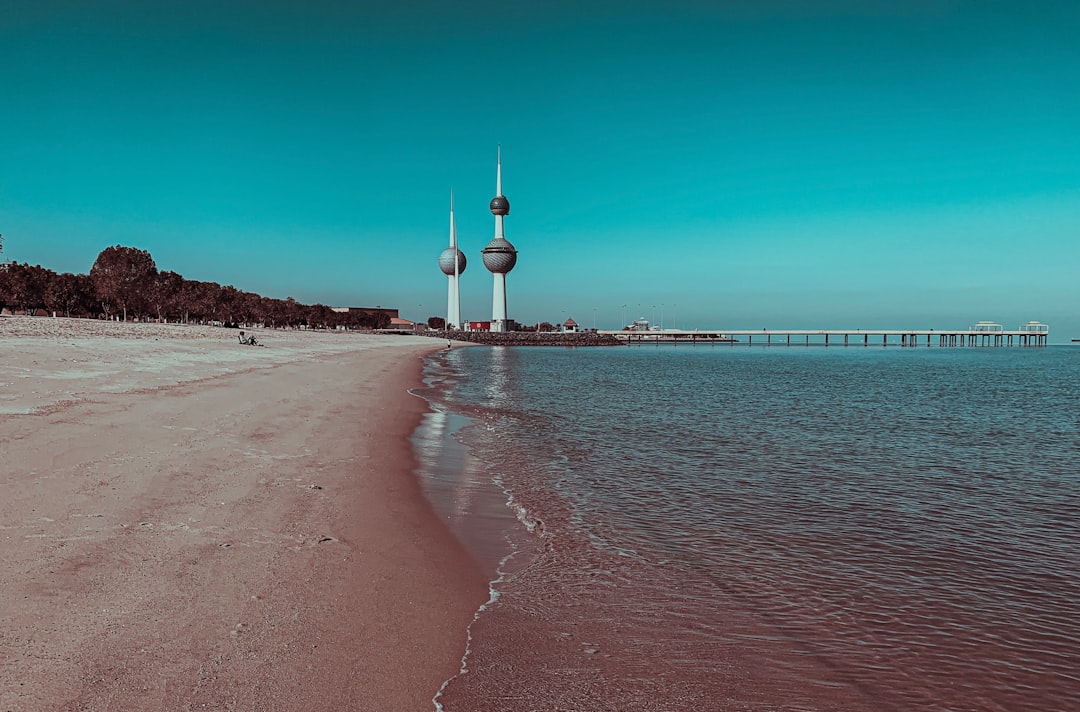
- Kuwait Towers — Iconic trio of Gulf modernist towers rising 187 metres, with a revolving observation deck delivering 360° city panoramas.
- Souq Al-Mubarakiya — Kuwait’s oldest market, operating since the 1920s, selling spices, gold, and fresh fish in one labyrinthine complex.
- Grand Mosque of Kuwait — The largest mosque in Kuwait, covering 45,000 sq metres, open to non-Muslim visitors on guided morning tours.
Scroll down for our complete travel guide with tips on getting there, where to stay, costs and more.
Getting There & Transport
Which airports are the best entry points into Kuwait?
Kuwait International Airport (KWI) is the only major entry point — there is no alternative. Located 15 km south of Kuwait City, it handles all international traffic. In my experience, the airport is compact and immigration clears surprisingly fast outside peak Eid travel periods. Qatar Airways, Emirates, and flydubai are the most reliable carriers. My tip: avoid connections through Riyadh or Doha during Ramadan peak, as flights fill weeks out. Warning most guides omit: KWI has almost no airside dining worth eating at, so eat before you board.
How do I get from Kuwait International Airport to my first accommodation in Kuwait?
A taxi to central Kuwait City takes 20–30 minutes and costs around KD 5–8 (roughly $16–26 USD). My tip: use the official taxi desk inside the arrivals hall — never accept touts outside. The app-based service Careem works well in Kuwait and usually undercuts metered taxis by 20%. There is a public bus (Route 501) that costs under KD 0.250, but it runs infrequently and stops nowhere near most hotels in Salmiya or Sharq. Honest caveat: Uber’s Kuwait coverage is inconsistent — Careem is far more reliable. Pre-book your Careem before landing if you arrive after midnight.
What transport options are there within Kuwait?
Kuwait is a car-first country — renting or hiring rides is the practical reality for most travellers. The Kuwaiti Public Transport Company (KPTC) operates buses, but routes are slow, infrequent, and not designed around tourist destinations. In my experience, Careem covers about 90% of daily movement needs efficiently. Fuel is extraordinarily cheap at under KD 0.100 per litre, making rental cars economical once you’re confident driving here. My tip: the expressway network is modern and fast — the Fahaheel Expressway connects Kuwait City to the southern districts in under 30 minutes. Caveat: rush hour between 7–9am and 4–7pm is genuinely brutal around the Fifth Ring Road.
Do I need a rental car in Kuwait?
Yes, strongly recommended — Kuwait has almost no tourist-oriented public transport. Distances between attractions like Kuwait Towers, the Scientific Center in Salmiya, and Al Ahmadi are spread across a sprawling urban landscape. Rental cars start from around KD 12–18 per day ($39–59 USD) from agencies at the airport including Hertz and Avis Kuwait. In my experience, an international driving permit is technically required but rarely checked. The honest warning: Kuwait’s drivers are aggressive and lane discipline is minimal — if you’re not comfortable in high-speed Gulf traffic, rely exclusively on Careem. Fuel costs are negligible, so running costs stay low once you have the car.
How good is the public transport network between regions in Kuwait?
Frankly poor for tourists — KPTC buses exist but are impractical for sightseeing purposes. Kuwait is a small country; the farthest point, Al Nuwaiseeb on the Saudi border, is only about 170 km from Kuwait City. But bus frequency between areas like Al Jahra, Fahaheel, and Hawalli is often hourly or worse. What surprised me: there is no rail system of any kind, and the metro project remains years from completion. My tip: for day trips to Failaka Island, the ferry from Al Rai Port is the one functional public transport link worth using. Budget around KD 5–7 ($16–23 USD) for a return ferry ticket.
Accommodation
Which regions should I stay in when visiting Kuwait?
Stay in Salmiya or Sharq — these two areas offer the best balance of access, dining, and atmosphere. Salmiya is Kuwait’s most walkable district, dense with restaurants, the marina, and the Al Kout and Marina Crescent waterfront strip. Sharq is more upscale and closer to the financial district and Kuwait Towers. My tip: avoid Hawalli as a base — it’s chaotic and light on tourist infrastructure despite being cheaper. Mangaf and Fintas in the south suit travellers visiting the Al Ahmadi oil district or planning day trips toward the Saudi border. In my experience, a base in Salmiya puts you within 15 minutes of most major sights by car.
What does good accommodation cost per night in Kuwait?
Expect to pay KD 35–70 ($115–230 USD) per night for a solid mid-range hotel in Kuwait. Budget options are genuinely scarce — Kuwait has almost no hostel culture. The Radisson Blu Kuwait and Holiday Inn Salmiya sit in the KD 45–60 range and deliver reliable quality. Five-star properties like the JW Marriott Kuwait City or Four Seasons Kuwait start at KD 90+ ($295 USD) per night. In my experience, apartment rentals through local platforms occasionally undercut hotels by 30%, especially for stays over 5 nights. Honest warning: many mid-range hotels in Hawalli look cheap online but are essentially long-stay worker accommodations — read reviews carefully before booking.
When should I book hotels in Kuwait — how far in advance?
Book at least 6–8 weeks ahead if travelling during Eid Al-Fitr or Eid Al-Adha — hotels sell out completely. Outside these holiday windows, 2–3 weeks’ notice is usually sufficient. In my experience, the National Day period in late February also creates a genuine hotel crunch in Kuwait City. Business hotels in Sharq fill mid-week year-round due to corporate travel, so Thursday–Friday stays are often cheaper and easier to secure. My tip: the rate difference between booking 3 months out versus 2 weeks out can be 30–40% during cool-season peak (November–March). Ramadan itself sees mixed patterns — leisure travel drops but some hotels run full on returning expat bookings.
When is the best time to travel to Kuwait?
Visit between November and April — this is unequivocally the only comfortable outdoor window. Based on verified climate analysis, March, April, and November are the optimal months, offering pleasant temperatures in the 18–28°C range. In my experience, February is also excellent and coincides with Kuwait National Day on February 25, adding cultural atmosphere. My tip: March is the sweet spot — cool enough for long outdoor walks along the Arabian Gulf Street, with minimal crowds compared to the December school-holiday rush. The honest warning: even April can spike above 35°C toward month’s end, so pack accordingly. May through October is genuinely punishing — June to August regularly hits 48–50°C.
How does peak season affect prices in Kuwait?
Hotel prices spike 40–60% during Eid holidays and Kuwait National Day weekend in late February. Flight prices from European hubs double or more during December–January school holidays as Gulf diaspora and expat families travel. In my experience, restaurants and attractions don’t surge in price the way accommodation does — food pricing stays stable year-round. The hidden dynamic: Kuwait’s peak tourism season (November–March) coincides with when the whole Gulf is most pleasant, so regional competition for hotel rooms is fierce. My tip: book flights and hotels separately — package deals are almost nonexistent for Kuwait. Thursday and Friday nights in Kuwait are the weekend, so hotels in leisure areas like Salmiya Marina charge weekend premiums.
Best Time to Visit
Which regions of Kuwait have different climate zones?
Kuwait is almost entirely uniform desert climate — there are no meaningful regional climate differences. The entire country sits in a hyper-arid zone with near-zero annual rainfall. That said, the coast along Arabian Gulf Street feels marginally cooler in summer due to sea breezes off the Gulf, while inland areas like Al Jahra in the northwest experience more extreme temperature swings. In my experience, Al Jahra hits noticeably hotter daytime highs in summer and colder nights in winter than coastal Kuwait City. The Warbah and Bubiyan islands in the northeast are exposed and windswept — sandstorms are more frequent there. Caveat: climate zone variation in Kuwait is measured in degrees, not meaningfully different ecosystems.
What are the rainy seasons in Kuwait?
Kuwait has no rainy season in any conventional sense — annual rainfall averages just 121mm across the entire year. Most precipitation falls in short, intense bursts between November and March, occasionally causing flash flooding in underpasses because drainage infrastructure is not built for rain. In my experience, a single heavy shower in January can bring Kuwait City to a brief standstill — it’s almost comical how unprepared the city is for water. My tip: if rain appears in the forecast during your visit, avoid low-lying roads near the Fourth Ring Road tunnels. Summer is completely rain-free. What surprised me: despite the heat, summer dust and sandstorms (shamal winds) in May–June can reduce visibility to under 500 metres for hours.
What does a trip to Kuwait cost per person per day?
Budget KD 25–40 ($82–131 USD) per day as a realistic mid-range daily spend. This covers a decent hotel share, three meals, local transport via Careem, and one paid attraction. Budget travellers sharing accommodation and eating at Indian and Filipino restaurant strips in Salmiya can get by on KD 15–18 ($49–59 USD). High-end travellers dining at Bikers Café or Mais Alghanim and staying at four-star hotels should budget KD 70–100 ($230–328 USD). In my experience, Kuwait’s costs are comparable to Dubai but without the same volume of budget accommodation to cushion the base rate. Alcohol is illegal and unavailable, which paradoxically removes one major travel expense entirely.
How expensive is food in Kuwait?
**Food ranges dramatically — a filling local meal costs KD 1.5–3 ($5–10 USD), a mid-range restaurant KD 8–15 ($26–49 USD) per person. Kuwait’s South Asian and Lebanese restaurant scene offers extraordinary value — shawarma in Salmiya’s Al-Hamra district runs KD 0.5–0.8 per piece. Machboos (the national rice dish) at a Kuwaiti family restaurant like Al Boom** costs around KD 4–6 per portion. Fine dining at hotel restaurants consistently hits KD 20–35 per person before soft drinks. My tip: Friday brunch buffets at hotels like the Sheraton Kuwait are extravagant and include unlimited food for around KD 12–16 — genuinely good value. Caveat: imported Western groceries at Sultan Center cost 40–60% more than equivalent European prices.
What hidden costs should I expect when travelling in Kuwait?
Visa fees, airport departure taxes, and the complete absence of free tap water in restaurants will surprise you. The Kuwait e-visa costs $8 USD for eligible nationalities, but overstay fines are steep at KD 10 per day. Bottled water is served automatically at restaurants and charged at KD 0.3–0.5 per bottle — it adds up across a week. Air conditioning in summer is so aggressive that lightweight layers become an unexpected purchase. My tip: parking fees at malls like The Avenues are free, but valet at restaurants can run KD 1–2 per visit. What surprised me: Friday prayers cause a genuine shutdown of shopping and services between 11:30am–1:30pm — plan your day around this. SIM cards are an unavoidable KD 3–5 setup cost.
Budget & Costs
How much cash should I bring to Kuwait?
Bring the equivalent of KD 50–80 ($164–262 USD) in cash as an emergency reserve — cards work almost everywhere. The Kuwaiti Dinar (KWD) is the world’s highest-valued currency unit, so even small amounts feel significant. ATMs from National Bank of Kuwait (NBK) and Gulf Bank are ubiquitous in malls and petrol stations. In my experience, Souq Al-Mubarakiya vendors strongly prefer cash, and bargaining is expected. My tip: exchange currency at NBK exchange counters rather than airport kiosks — airport rates are typically 3–5% worse. Avoid carrying large denominations because smaller vendors struggle to break KD 10 notes. Honest warning: some budget restaurants and small souqs are cash-only, so never leave the hotel with zero dinars.
Which credit cards are accepted in Kuwait?
Visa and Mastercard are accepted at virtually all hotels, malls, and mid-range restaurants in Kuwait. American Express is accepted at around 60% of upscale establishments. In my experience, The Avenues Mall and major supermarkets like Lulu Hypermarket are entirely card-friendly. Small shawarma joints, traditional souqs, and mosque-adjacent cafés are cash-only — no exceptions. My tip: notify your bank before arrival, as Gulf transactions frequently trigger fraud alerts that freeze cards without warning. Apple Pay and Samsung Pay are widely supported at modern POS terminals. Honest caveat: foreign card transaction fees from your home bank typically run 1.5–3% per transaction — a contactless-friendly travel card like Revolut or Wise saves meaningful money over a week-long trip.
Which regions of Kuwait must I not miss?
Kuwait City’s coastal strip, Al Mubarakiya, and the Al Ahmadi oil town are the three essential zones. The Kuwait City waterfront along Arabian Gulf Street delivers the skyline, Kuwait Towers, and the Grand Mosque within a walkable corridor. Souq Al-Mubarakiya in the old city is irreplaceable for culture and atmosphere. For something genuinely off the standard itinerary, Al Ahmadi — the planned oil company town built by Kuwait Oil Company (KOC) in the 1940s — feels like a British colonial garden suburb transplanted into the Gulf desert. In my experience, most visitors miss Al Ahmadi entirely, which is a genuine mistake. Failaka Island, accessible by a 45-minute ferry, adds archaeological depth with Greek ruins from Alexander the Great’s era.
What are the main tourist highlights of Kuwait?
Kuwait Towers, Souq Al-Mubarakiya, the Grand Mosque, and the Kuwait National Museum are the non-negotiable four. Kuwait Towers (187 metres, built 1979) remain the country’s most iconic structure and the observation deck is worth the KD 3 entry fee. The National Museum on Arabian Gulf Street covers pre-oil Kuwait with genuine depth — free entry on Saturdays. The Avenues Mall sounds like a tourist cliché but at 400,000 sq metres it is genuinely one of the world’s largest and architecturally distinctive. My tip: the Scientific Center in Salmiya, with its aquarium and IMAX, is underrated for adults. In my experience, the Dhow Harbour near the old port at sunset is one of the Gulf’s most atmospheric evening scenes.
What experiences in Kuwait are found nowhere else on earth?
Sailing on a traditional wooden dhow from the historic Kuwait Dhow Harbour is genuinely singular. Kuwait’s pearl diving history predates oil by centuries, and the Dhow Harbour near the old port is one of the last places in the Gulf where working wooden dhows are still maintained. Visiting Failaka Island to see the Tell Al-Khaznah archaeological site — a Greek temple complex from around 300 BCE — is unique in the Gulf. In my experience, attending a diwaniya (traditional male majlis gathering) if invited by a local contact offers a window into Kuwaiti social culture that no hotel experience replicates. The sheer spectacle of The Avenues at National Day (February 25) — flag-draped and packed with celebration — is specific to Kuwait’s particular civic pride.
Regions & Highlights
Which areas of Kuwait are overcrowded, and what are the quieter alternatives?
Kuwait Towers and The Avenues Mall are legitimately overcrowded on Friday evenings — visit weekday mornings instead. The Corniche along Arabian Gulf Street gets uncomfortably packed on public holidays. My quieter alternative for waterfront atmosphere: the Salmiya Marina Crescent on a Wednesday morning, when families haven’t yet arrived for the weekend. For souq shopping without the weekend crush, Souq Al-Mubarakiya opens by 8am and is most relaxed before 10am. In my experience, Failaka Island sees almost no foreign tourists despite being genuinely rewarding — you’ll likely have the Greek ruins largely to yourself. Al Jahra in the northwest is overlooked by almost every visitor, yet the Al Jahra Fort from the 1920 Battle of Jahra is historically fascinating.
How many days do I need to see Kuwait properly?
Four to five days covers Kuwait thoroughly — three days if you’re time-constrained but focused. Day 1: Kuwait City waterfront, Kuwait Towers, and Grand Mosque. Day 2: Souq Al-Mubarakiya, National Museum, and Dhow Harbour at sunset. Day 3: Failaka Island day trip (ferry from Al Rai Port, allow 8–9 hours including transit). Day 4: Al Ahmadi oil town and Kuwait Oil Company Museum (free entry). Day 5: The Avenues Mall and Salmiya beach walk. In my experience, visitors who allow fewer than 3 days leave frustrated — Kuwait’s charms are genuine but unhurried. Honest caveat: Kuwait rewards curiosity about its culture and history far more than it rewards passive sightseeing, so engagement matters.
Do I need a visa to enter Kuwait?
**Most Western nationalities can obtain a Kuwait e-visa online for $8 USD before departure — apply at least 72 hours in advance. Citizens of GCC countries (Saudi Arabia, UAE, Bahrain, Oman, Qatar) enter without a visa. Nationals of 42 countries** including the US, UK, EU states, Australia, and Japan are eligible for the e-visa or visa on arrival. In my experience, the Kuwait e-Visa portal (evisa.moi.gov.kw) processes applications in 24–48 hours. Standard tourist visa allows a 30-day stay. Honest warning: nationals of some countries (notably Israel) are refused entry entirely. Overstay fines are KD 10 per day and can lead to a ban — do not overstay. Always carry a printed visa confirmation alongside your passport.
What languages are spoken in Kuwait?
**Arabic is the official language, but English is widely spoken across Kuwait City’s commercial and hospitality sectors. In my experience, staff at hotels, malls, and most restaurants in Salmiya and Sharq speak functional to fluent English. Outside Kuwait City — in areas like Al Jahra** or smaller suburban souqs — Arabic becomes more important. Hindi, Urdu, Tagalog, and Malayalam are widely spoken among the large South Asian and Filipino expat communities who run much of Kuwait’s service sector. My tip: learning 10 basic Arabic phrases earns genuine warmth from Kuwaiti locals — ‘shukran’ (thank you) and ‘As-salamu alaykum’ (peace be upon you) go a long way. Google Translate’s Arabic camera function handles menus and signage reliably.
What cultural rules do I need to know before visiting Kuwait?
Alcohol is completely illegal — possession, consumption, and purchase are criminal offences with no exceptions. Kuwait is a conservative Muslim country and dress modestly in public, particularly around mosques, government buildings, and traditional souqs — covered shoulders and knees for both genders. In my experience, Western dress standards are tolerated in malls and hotels but attract stares in older neighbourhoods. Public displays of affection are illegal — holding hands as an unmarried couple risks police attention. Photography of government buildings, military installations, and locals (especially women) without permission is prohibited. Ramadan brings daytime eating, drinking, and smoking in public to a complete legal stop. My tip: Friday midday is sacred — plan quiet activities between 11am and 2pm when businesses shut for prayers.
Practical Tips
How safe is Kuwait for travellers?
Kuwait is one of the safest countries in the Middle East — petty crime against tourists is genuinely rare. The country ranks well on global safety indices, with violent crime toward foreigners virtually unheard of. In my experience, walking at night in Salmiya or along Arabian Gulf Street feels entirely comfortable. The main safety risks are road traffic — Kuwait has one of the world’s higher road fatality rates per capita, and driving is genuinely aggressive. My tip: always wear a seatbelt and avoid driving in the Fifth Ring Road area during peak hours. Political protests are rare and not directed at tourists. One honest caveat: the neighbourhood of Hawalli can feel tense in specific blocks, particularly late at night — stick to the main streets.
What health precautions should I take before visiting Kuwait?
No mandatory vaccinations are required for Kuwait, but hepatitis A and typhoid shots are recommended. Medical facilities in Kuwait are excellent — Al Adan Hospital and private clinics like Royale Hayat Hospital operate to high standards. In my experience, the greatest health risk is heat-related illness from May through September — if you visit in this window, drink at least 3 litres of water per day and limit outdoor exposure between 10am and 5pm. Tap water is technically desalinated and safe but tastes poor — bottled water is universally used. My tip: carry rehydration sachets. Air conditioning is so extreme in malls and restaurants that moving between 50°C outdoor heat and aggressively cooled interiors triggers respiratory problems — a light layer helps. Travel insurance with emergency evacuation cover costs roughly $50–80 USD for a week-long trip.
What SIM card or eSIM options are available in Kuwait?
Pick up a Zain or Ooredoo prepaid SIM at the airport arrivals hall for KD 3–5 ($10–16 USD) including data. Both carriers cover all urban areas with strong 4G LTE signal. In my experience, Zain Kuwait offers the most reliable data speeds in central Kuwait City and the southern Fahaheel corridor. Viva Kuwait is the third carrier and slightly cheaper but with patchier rural coverage — irrelevant for most tourist itineraries. eSIM options through Airalo work in Kuwait from $6 USD for 1GB, useful if you want connectivity before landing. My tip: buy a physical SIM at the NBK booth near arrivals rather than the airport telecom counters, which have longer queues. Data is fast enough that a 5GB plan at KD 5 covers a week comfortably.
Which apps do you recommend for travelling around Kuwait?
Careem is the single most essential app — download and create an account before you land in Kuwait. It covers taxis, food delivery, and even courier services. Google Maps works reliably for navigation, though Waze handles Kuwait’s traffic and road quirks more accurately in my experience. Talabat is Kuwait’s dominant food delivery app — essential if you want restaurant food delivered to your hotel. For trip planning, Visit Kuwait (the official tourism board app) has attraction listings and opening hours. My tip: download an offline Arabic keyboard for Google Translate’s camera mode — it saves enormous time deciphering menus in non-tourist restaurants. WhatsApp is the communication standard here — virtually every hotel, restaurant, and local business uses it for reservations and queries.
What are the most common traveller mistakes in Kuwait?
Underestimating the heat and overplanning outdoor activities in summer is mistake number one. Mistake two: arriving without sufficient Kuwaiti Dinar cash and relying solely on cards in traditional areas. Mistake three: photographing the Emir’s palace, military installations, or women without explicit permission — this has led to police detentions. In my experience, visitors also waste time in Hawalli looking for ‘authentic Kuwait’ when the genuinely rewarding cultural experiences are in Mubarakiya and Failaka. Skipping Failaka Island because the ferry feels like an effort is a regret I hear from almost every repeat visitor. My tip: don’t book a Friday evening for Kuwait Towers — the queue is 45+ minutes. And never, under any circumstances, attempt to bring alcohol into the country — even in checked luggage.
Kuwait at a Glance
| Population | 4,464,000 |
|---|---|
| Currency | Kuwaiti dinar (د.ك) |
| Official language | Arabic |
| Time zone | UTC+03:00 |
Source: Wikidata, retrieved August 2026.
Essential Resources for Planning Your Trip to Kuwait
- Kuwait Travel Advisory — official visitor information, passes & events
- Wikipedia: Kuwait — history, geography & background
- Wikivoyage: Kuwait — community travel guide & practical tips
- Kuwait travel – Lonely Planet | Kuwait, Middle East — expert itineraries & travel inspiration
- THE 15 BEST Things to Do in Kuwait City (2026) — hotels, restaurants & traveller reviews
- Kuwait Travel Guide — how to get around
- Numbeo: Cost of Living in Kuwait — current prices & cost comparison
- Timeanddate: Kuwait Weather & Climate — forecasts & climate statistics
- Rescue in Kuwait: a United Nations success story
More Perspectives on Kuwait
- What’s it Like to Travel in Kuwait? My 2026 Guide
- First timers guide to Kuwait City.
- Kuwait Travel Advice & Safety
Kuwait Travel Videos
Watch these videos for a visual preview before your trip:
- Top 10 Best Things to Do in Kuwait [Kuwait Travel Guide 2026]
- Exploring KUWAIT in 11 Minutes (geography, People, History)
- KUWAIT 🇰🇼 | What Not To Do ❌ | Do’s, Don’ts, Advice & Travel Tips
Kuwait Travel Discussions on Reddit
Real traveller experiences and community advice:
- Kuwait trip as a tourist review : r/travel
- Thinking about visiting Kuwait
- r/travel – Kuwait, Jan 2025- Least visited GCC Country
Data Sources
This page was compiled using data from Wikipedia, Wikidata, Open-Meteo (climate), Numbeo (cost of living) and REST Countries. Information is updated regularly.