
Senegal: The Complete Travel Guide (2026)
Last reviewed: August 2026 · key facts checked against Wikidata
Senegal Travel Guide: Everything You Need to Know (2026)
Senegal, the westernmost country of mainland West Africa with a population of 3,177,737 in its capital Dakar alone, sits on the Atlantic coast where the continent reaches closest to the Americas — just 2,850 km from Brazil. Founded as a French colonial territory in 1677 with the establishment of Saint-Louis, it became independent in 1960 and today stands as one of West Africa’s most stable democracies, drawing travelers with its teranga (legendary hospitality), pulsating music scene, and coastline stretching over 700 km.
Top 3 Highlights at a Glance
- Pink Lake (Lac Rose / Retba) — A surreal bubblegum-pink saltwater lake 35 km from Dakar with salt content rivaling the Dead Sea at 380g per liter.
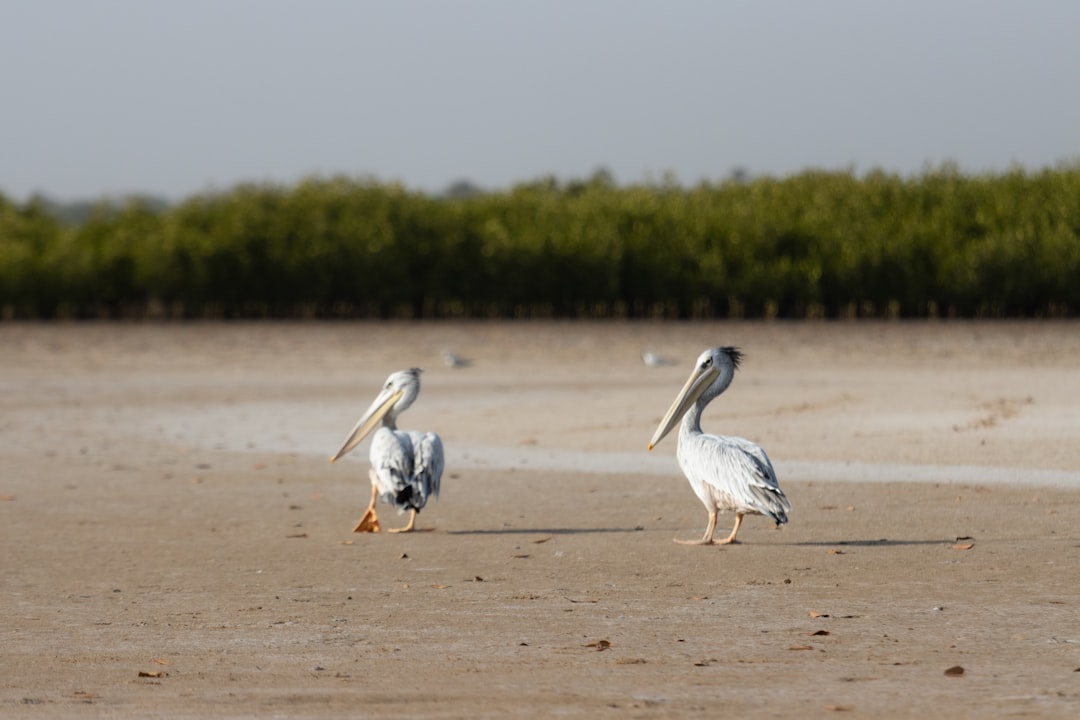
- Djoudj National Bird Sanctuary — Third-largest bird sanctuary on Earth, hosting over 1.5 million migratory birds including 30,000 pelicans each winter.
- Île de Gorée — A UNESCO-listed island 3.5 km off Dakar that served as a major Atlantic slave trade departure point for over 200 years.
Scroll down for our complete travel guide with tips on getting there, where to stay, costs and more.
Getting There & Transport
Which airports are the best entry points into Senegal?
Blaise Diagne International Airport (DSS) near Dakar is Senegal’s primary and best entry point. It opened in 2017, sits 45 km from central Dakar, and handles virtually all international traffic. In my experience, flying into DSS on Air France, Turkish Airlines, or Royal Air Maroc gives the best connection options from Europe, North America, and the rest of Africa. A secondary option is Ziguinchor Airport (ZIG) in the Casamance region for direct domestic connections, but international access there is minimal. What surprised me: DSS looks beautiful on paper but the taxi infrastructure outside arrivals is predatory — have a plan before you land.
How do I get from the airport to my first accommodation in Senegal?
Take the AIBD Express bus for 1,500 CFA (about $2.50) directly to Dakar’s Petite Corniche / Plateau area — it’s the most honest option. The journey takes 45–60 minutes depending on traffic. My tip: avoid the unlicensed taxi drivers who swarm arrivals demanding 15,000–25,000 CFA for the same ride. Licensed Dakar Dem Dikk airport buses depart every 30 minutes. If you need a taxi, pre-negotiate a fixed fare of 8,000–10,000 CFA before getting in. What most guides omit: the N1 highway into Dakar suffers severe gridlock between 5–8 PM, turning that 45-minute ride into 2+ hours — schedule arrivals before noon when possible.
What transport options are there within Senegal?
Within Senegal, your main options are sept-place shared taxis, Dakar Dem Dikk buses, domestic flights, and pirogue boats in the south. Sept-places — Peugeot 504 station wagons taking 7 passengers — are the true backbone of intercity travel, departing from Gare Routière de Pompiers in Dakar. A Dakar–Saint-Louis sept-place costs roughly 3,500 CFA ($6) and takes 3 hours. I recommend sept-places for medium distances under 300 km; they’re fast, cheap, and authentically local. For Casamance, Transair or Air Sénégal domestic flights cost 40,000–80,000 CFA but save an exhausting 10-hour road trip. Honest caveat: seat comfort is minimal and departure times are genuinely ‘when full,’ not scheduled.
Do I need a rental car in Senegal?
No, you do not need a rental car for a standard Senegal trip. In my experience, sept-place taxis and organized tours cover 80% of destinations travelers actually want to reach. However, if you’re exploring the Sine-Saloum Delta, the Casamance bush, or remote villages near Tambacounda, a 4WD rental dramatically expands your options. Rental costs run 40,000–70,000 CFA per day from reputable agencies like Budget Dakar or local operators near Plateau district. The honest warning most guides skip: Senegalese road conditions outside major highways are brutal — potholes are axle-destroyers, and driving at night is genuinely dangerous due to unmarked speed bumps, wandering livestock, and absent road lighting.
How good is the public transport network between regions in Senegal?
Between major cities, it’s functional but not comfortable. Sept-place routes connect Dakar to Saint-Louis (270 km), Touba, Kaolack, Ziguinchor, and Tambacounda reliably. The Dakar-Thiès-Diourbel axis is particularly well-served with departures every 30 minutes from Gare Routière de Pompiers. My tip: the TER train (Train Express Régional) launched in 2021 connects central Dakar to Diamniadio in 45 minutes for just 1,500 CFA — a genuine regional infrastructure achievement. What surprised me: reaching the Casamance region south of the Gambia by land requires either crossing the Gambia (passport control adds 2–3 hours) or taking a long coastal detour — most travelers underestimate this geographic complication.
Accommodation
Which regions should I stay in when traveling Senegal?
Stay in Dakar’s Plateau or Les Almadies neighborhood for your first base — it gives beach access, restaurants, and transport connections within 10 minutes. For beach relaxation, Saly-Portudal on the Petite Côte is Senegal’s established resort strip, 80 km south of Dakar. For authentic delta experiences, Toubakouta in the Sine-Saloum is unbeatable. The Casamance region, centered on Ziguinchor, is Senegal’s most lush and culturally distinct area — worth at least 3 nights. My honest caveat: Saly has become heavily package-tourism dominated with all-inclusive European resorts that insulate you completely from real Senegalese life — wonderful for beach rest, poor for cultural depth.
What does good accommodation cost per night in Senegal?
Expect to pay 25,000–50,000 CFA ($40–85) per night for a solid mid-range guesthouse or boutique hotel. In Dakar’s Plateau, respected options like Hôtel Indépendance or Villa Fatou fall in this range with breakfast included. Budget travelers can find clean guesthouses in Saint-Louis’s Île district for 10,000–15,000 CFA ($17–25). Luxury lodges in the Sine-Saloum Delta like Lodge des Collines de Niassam run 100,000–180,000 CFA ($165–300) but are genuinely world-class eco-experiences. What most guides omit: prices quoted in CFA to local-looking visitors often jump 40% when spoken in French or English — negotiate calmly and always confirm the price before dropping your bag.
When should I book hotels in Senegal — how far in advance?
Book at least 6–8 weeks ahead for travel in December–February peak season. In my experience, the best lodges in Sine-Saloum and Casamance fill up 3–4 months in advance for Christmas and New Year weeks — I’ve seen the Lodge des Collines de Niassam fully booked by September for December arrivals. For Dakar city hotels year-round, 2–3 weeks is usually sufficient outside major events. The Grand Magal de Touba pilgrimage (dates shift annually with the Islamic calendar) causes a complete transport and accommodation blackout across central Senegal — book nothing during that week without checking its date first. Shoulder season (March–May) allows last-minute booking without penalty.
When is the best time to travel to Senegal?
November through February is definitively the best time — dry harmattan winds keep humidity low, temperatures sit at a comfortable 24–28°C, and wildlife viewing in national parks peaks as animals gather near water sources. January is the single optimal month based on climate analysis. In my experience, the light in January is extraordinary for photography, and the Atlantic is warm enough for swimming at 26°C. My tip: the Saint-Louis Jazz Festival in May is worth braving the shoulder heat for — it’s one of West Africa’s finest cultural events. Avoid July–September entirely if you dislike sweating through your clothes: daily humidity exceeds 85% and rainfall in Casamance can reach 1,500 mm in that 3-month window.
How does peak season affect prices in Senegal?
Peak season (December–February) inflates accommodation prices by 30–50% across the board. A guesthouse costing 20,000 CFA in October routinely jumps to 30,000–35,000 CFA by Christmas week. Flight prices from Europe to DSS rise sharply — expect €600–900 return from Paris in December versus €350–500 in October. In my experience, package tourists in Saly are most insulated from this because all-inclusives fix prices months ahead. What surprised me: domestic transport (sept-places) barely changes in price seasonally — that 3,500 CFA Dakar–Saint-Louis fare stays consistent year-round, making overland travel a stable budget anchor even when hotels spike.
Best Time to Visit
Which regions in Senegal have different climate zones?
Senegal splits into 3 distinct climate zones. The northern Sahel zone around Saint-Louis and the Ferlo Desert receives under 300 mm of rain annually and sees temperatures peaking above 42°C in May–June — this is semi-arid, harsh, and stunning. The central zone covering Dakar, Thiès, and Kaolack has a classic Sahelian climate with a short rainy season from July–September. The southern Casamance region operates on a true tropical climate receiving 1,200–1,600 mm of rain annually — it stays green year-round and resembles coastal Guinea more than northern Senegal. My tip: travelers who only visit Dakar and the Petite Côte miss this extraordinary ecological diversity entirely.
What are the rainy seasons in Senegal?
Senegal’s rainy season runs July through September nationally, but intensity varies dramatically by region. In Dakar, expect 150–250 mm total across those 3 months — heavy but brief afternoon downpours that clear quickly. In Casamance (Ziguinchor area), the same period delivers intense daily rain exceeding 400 mm in August alone, making bush tracks impassable. In my experience, the Casamance rainy season is actually beautiful if you embrace it — the forest turns vivid green and crowds disappear entirely. The honest warning: roads to Sine-Saloum Delta lodges flood regularly in August and some close completely. Always call ahead before booking Casamance or Delta lodges between July 15 and September 30.
What does a trip to Senegal cost per person per day?
Budget travelers spending nights in guesthouses and eating at local dibiteries (grilled meat stalls) manage on 20,000–30,000 CFA ($33–50) per day. A comfortable mid-range day — decent hotel, two restaurant meals, transport, entry fees — runs 60,000–100,000 CFA ($100–165). Luxury travelers at delta lodges with guided excursions spend 200,000+ CFA ($330+) daily easily. In my experience, food and local transport are genuinely cheap in Senegal; the costs that blindside people are organized excursions and park entry fees — a guided pirogue day in Sine-Saloum costs 25,000–40,000 CFA alone. Factor that into your daily average rather than treating it as a surprise.
How expensive is food in Senegal?
Food in Senegal is one of the great travel bargains globally. A full plate of thiéboudienne (Senegal’s national fish rice dish) at a local gargote (street canteen) costs 500–1,500 CFA ($0.85–2.50). A sit-down lunch at a mid-range Dakar restaurant runs 3,000–6,000 CFA ($5–10). Dinner at a quality restaurant in Les Almadies costs 8,000–15,000 CFA ($13–25). My tip: the Sandaga Market area in central Dakar has excellent rice-and-sauce lunch spots for under 1,000 CFA that feed you properly. The caveat: tourist-facing restaurants in Saly beach resort strip charge Paris prices — 20,000+ CFA for mediocre grilled fish that locals buy fresh for 2,000 CFA nearby.
What hidden costs should I expect when traveling Senegal?
Park entry fees are the biggest surprise — Djoudj National Park charges 5,000 CFA entry plus 5,000 CFA for guides (mandatory). Niokolo-Koba National Park fees plus transport from Tambacounda easily reach 50,000 CFA for a day visit. SIM card data top-ups, pirogue rentals in the Delta, and obligatory tips to guesthouse staff add up faster than expected. In my experience, the most underestimated cost is organized transfers between regions when public transport doesn’t fit your schedule — private car hire for a day runs 30,000–50,000 CFA. The honest warning: bargaining is expected in markets, but aggressive touting in Dakar’s Marché Kermel can lead inexperienced travelers to overpay by 200–300% on crafts.
Budget & Costs
How much cash should I bring to Senegal?
Bring enough cash to cover your first 3 days — roughly 100,000–150,000 CFA ($165–250) — before you locate a reliable ATM. West African CFA (XOF) is the currency; ATMs in Dakar’s Plateau and Les Almadies neighborhoods reliably dispense it. Outside Dakar, ATM coverage drops sharply — Saint-Louis has 4 reliable ATMs, Ziguinchor has 2 functioning machines, and remote Delta lodges are 100% cash-only. My tip: CBAO and Ecobank ATMs accept Visa and Mastercard most reliably; I’ve had repeated rejections at Société Générale machines with foreign cards. Withdraw larger amounts (200,000 CFA) when you find a working ATM rather than hoping the next village has one.
Which credit cards are accepted in Senegal?
Visa is accepted at upscale Dakar hotels, large supermarkets, and tourist restaurants — but only in about 15% of transactions you’ll actually encounter. Mastercard works at the same limited venues. In my experience, carrying plastic as backup is smart but relying on it is a genuine mistake — even 4-star hotels in Les Almadies occasionally experience payment terminal outages. American Express is functionally useless outside 2–3 top Dakar hotels. The honest trade-off: mobile money (Wave and Orange Money) is transforming Senegalese payments faster than card infrastructure — locals pay everything via phone, and some guesthouses now prefer Wave transfers to cash. Download the Wave app before arrival if your card issuer allows international top-ups.
Which regions of Senegal must I not miss?
Three regions are non-negotiable: Dakar and Cap-Vert Peninsula, the Sine-Saloum Delta, and Casamance. Dakar’s Gorée Island (3.5 km offshore) and the Les Almadies headland — the westernmost point of mainland Africa — anchor the capital visit. The Sine-Saloum Delta, a UNESCO Biosphere Reserve covering 180,000 hectares of mangroves and islands, is unlike anything else in West Africa. Casamance, centered on Ziguinchor, 460 km south of Dakar, feels like a different country — lusher, slower, more animist in cultural flavor. My honest caveat: northern Senegal (Saint-Louis and Djoudj) is spectacular but only between November and February; outside that window the heat and lack of birds makes it a hard sell.
What are the tourist highlights of Senegal?
The undisputed highlights are Île de Gorée (UNESCO slave trade history site, 20-minute ferry from Dakar), Lac Rose (the pink saltwater lake 35 km from Dakar), Djoudj National Bird Sanctuary (3rd-largest bird reserve globally), Saint-Louis (a UNESCO-listed colonial city on a river island), and the Sine-Saloum Delta pirogues. In my experience, the Monument de la Renaissance Africaine in Dakar — a 52-meter bronze statue taller than the Statue of Liberty — surprises people with its scale and provokes fascinating conversations about African identity politics. The honest caveat: Gorée Island’s Maison des Esclaves museum has been disputed by some historians regarding actual capacity, but its symbolic power remains profound and worth visiting critically.
What experiences in Senegal are found nowhere else on earth?
Three experiences are genuinely unique to Senegal. First, wrestling (laamb) — Senegal’s national sport and spiritual spectacle, where wrestlers perform elaborate protective rituals before bouts at Arène Nationale in Dakar drawing crowds of 20,000+. Second, saltwater lake bathing at Lac Rose where water density keeps you effortlessly afloat while workers harvest salt by hand exactly as they have for 400 years. Third, the Grand Magal de Touba — a pilgrimage drawing over 3 million Mouride Muslims to the holy city of Touba, creating one of the largest peaceful mass human gatherings on the planet. In my experience, witnessing any of these three events resets your understanding of West African culture more powerfully than any museum.
Regions & Highlights
Which areas of Senegal are overcrowded — and what are the quieter alternatives?
Gorée Island gets dangerously crowded on weekend afternoons when Dakar day-trippers join tourists — visit on a Tuesday or Wednesday morning on the 7:30 AM ferry instead. Saly beach resort strip is overwhelmed with European package tourists December–February and loses all authentic character. My alternative: Popenguine or Joal-Fadiouth, 90 km south of Dakar, where a village built on a shell island has no resort hotels and extraordinary atmosphere. In the Sine-Saloum Delta, Ndangane village is quieter than the more-visited Toubakouta by a measurable margin. What surprised me: Saint-Louis during its Jazz Festival (May) is packed to capacity — wonderful energy but book 4 months ahead or you’ll sleep in Thiès.
How many days do I need for Senegal?
Minimum 10 days to experience Senegal meaningfully — anything less leaves you only scratching Dakar’s surface. My recommended structure: 3 days Dakar (Gorée, Lac Rose, city exploration), 2 days Sine-Saloum Delta (pirogue in mangroves, bird watching), 3 days Casamance (Ziguinchor, Carabane Island, Basse Casamance forest), 2 days Saint-Louis (colonial architecture, Langue de Barbarie National Park). That’s a tight 10-day circuit covering Senegal’s true range. With 14 days, add Djoudj Bird Sanctuary and a night in Toubakouta lodge. The honest caveat: transport between regions eats time — the Dakar-to-Casamance leg alone costs a full travel day by sept-place (10 hours) or 1.5 hours flying at 60,000 CFA.
Do I need a visa for Senegal?
Citizens of the EU, USA, Canada, UK, and most West African nations enter Senegal visa-free for 90 days — no advance application required. Citizens of over 70 countries qualify for this visa-on-arrival or visa-free arrangement. My tip: confirm your specific nationality at visasenegal.gouv.sn since the list updates periodically. Nationals of India, China, and several Asian countries require advance visas, currently processed at Senegalese embassies for approximately $50–80. The honest warning: passport validity requirements are strictly enforced — your passport must be valid for at least 6 months beyond your entry date. Immigration officers at DSS airport do check this and have turned travelers away.
What languages are spoken in Senegal?
French is the official language and essential for navigating formal situations, hotels, and government services. However, Wolof is the true national lingua franca — spoken by approximately 80% of the population across all ethnic groups. Learning 10 words of Wolof (’Nanga def’ = how are you, ‘Mangi fi’ = I’m fine, ‘Jërëjëf’ = thank you) unlocks a warmth that French never will. In my experience, locals light up visibly when a foreigner speaks even broken Wolof. Pulaar, Serer, Mandinka, and Diola are major regional languages particularly dominant in Casamance. English is spoken in upscale Dakar hotels and tourist businesses but not reliably elsewhere — carry a French phrasebook as your genuine backup, not an English one.
What cultural rules do I need to know before visiting Senegal?
The right hand rules everything — never eat, hand money, or receive items with your left hand (considered unclean in Muslim culture). Senegal is 95% Muslim, so dress modestly outside beach resorts — shoulders and knees covered in markets, mosques, and smaller towns. In my experience, the single most important cultural rule is ’teranga’ — Senegalese hospitality is not performance, it’s a sacred social obligation. Refusing offered tea or food is genuinely rude; accept, taste, and express gratitude. Photographing people requires permission — always ask first, and many Senegalese decline. During Ramadan (dates shift annually), eating or drinking publicly in non-tourist areas is disrespectful. Women traveling alone: harassment in Dakar exists but is verbal, not physical — firm, calm refusals work effectively.
Practical Tips
How safe is Senegal for travelers?
Senegal is West Africa’s most politically stable country and generally safe for tourists. Dakar sees petty theft — pickpocketing in Marché Sandaga and phone snatching on the Corniche road at night — but violent crime targeting tourists is rare by regional standards. The Casamance region had a low-level separatist conflict for decades; as of 2024, it’s largely resolved and Ziguinchor city and main tourist routes are fully safe, but avoid unmarked forest tracks far from established paths. My honest warning: the biggest danger most guides omit is traffic accidents — Senegalese roads have a fatality rate roughly 12 times higher per capita than France. Road travel after dark carries serious risk; always prioritize morning departures.
What health precautions should I take before visiting Senegal?
Yellow fever vaccination is mandatory — you must carry the physical yellow card as proof; officers check it at DSS airport arrivals. Malaria prophylaxis is strongly recommended — atovaquone/proguanil (Malarone) is the most effective option; Casamance has year-round transmission risk. I recommend starting it 2 days before arrival. Get vaccinations for Hepatitis A, Typhoid, and Tetanus updated before departure. In my experience, the most overlooked health issue is tap water — drink exclusively bottled or purified water everywhere including Dakar. Heatstroke risk in northern Senegal (Ferlo region) is severe May–June when temperatures exceed 42°C. Pack oral rehydration salts. The honest caveat: medical facilities outside Dakar are extremely limited — Clinique du Cap in Les Almadies is the best hospital in Senegal but even it falls short of European standards for serious emergencies.
What SIM card or eSIM options are available in Senegal?
Orange Senegal and Free Senegal (formerly Tigo) offer the best coverage nationally. Buy an Orange SIM at the Orange store in Dakar Airport arrivals for 1,000 CFA — it’s the most painless option. A 10 GB data package costs approximately 5,000 CFA ($8.50) and lasts 30 days. In my experience, Orange covers major highways, cities, and tourist areas reliably; signal disappears in remote Sine-Saloum mangrove channels and deep Casamance forest regardless of carrier. eSIM options via Airalo or Holafly are available for Senegal at roughly $15 for 3 GB — convenient but more expensive than buying locally. The honest caveat: 4G speeds in Dakar are comparable to European cities; outside urban areas, expect consistent 3G at best.
Which apps do you recommend for traveling Senegal?
Wave (mobile money) is the single most useful app — load it with CFA and pay guesthouses, restaurants, and taxi drivers without cash arguments. InDrive works in Dakar for affordable ride-hailing at negotiated prices 30–40% below taxi touts. Maps.me with offline Senegal maps downloaded before arrival is essential — Google Maps coverage outside Dakar is patchy and unreliable for rural roads. In my experience, WhatsApp is how every Senegalese business communicates — save your hotel’s number and confirm reservations via WhatsApp, not email. XE Currency for CFA conversion. The honest caveat: the official Dakar bus app exists but updates inconsistently — ask locals at bus stops rather than trusting digital timetables.
What are the most common traveller mistakes in Senegal?
Underestimating distances and transit times is the number-one mistake. Senegal looks compact on a map but the Dakar-to-Ziguinchor overland route is 10 hours minimum and often longer. Second mistake: changing money at airport desks losing 5–8% on exchange rates when CBAO bank ATMs give the official rate. Third: booking only Dakar and missing the Sine-Saloum Delta entirely, which many travelers call their trip highlight in retrospect. In my experience, travelers who hire beach boys as ‘guides’ on Saly or Dakar beaches pay 3x prices for everything — politely decline unsolicited guiding. Final warning: don’t schedule tight onward connections the morning after a Senegal arrival — DSS immigration queues regularly run 90+ minutes even at off-peak hours.
Senegal at a Glance
| Population | 16,876,720 |
|---|---|
| Currency | West African CFA franc (F) |
| Official language | French, Wolof, Badyara |
| Time zone | UTC±00:00 |
Source: Wikidata, retrieved August 2026.
Essential Resources for Planning Your Trip to Senegal
- Senegal – UNESCO World Heritage Convention — official visitor information, passes & events
- Wikipedia: Senegal — history, geography & background
- Wikivoyage: Senegal — community travel guide & practical tips
- Senegal travel – Africa — expert itineraries & travel inspiration
- THE 15 BEST Things to Do in Senegal (2026) — hotels, restaurants & traveller reviews
- Goge Africa — how to get around
- Numbeo: Cost of Living in Senegal — current prices & cost comparison
- Timeanddate: Senegal Weather & Climate — forecasts & climate statistics
- Senegal – UNESCO World Heritage Convention
More Perspectives on Senegal
- Senegal Travel Guide
- Senegal Travel Guide 2026: What to See & Do, Costs, …
- Senegal Travel Advisory | Travel.State.gov
Senegal Travel Videos
Watch these videos for a visual preview before your trip:
- Senegal Travel Guide 2025 | Top Places, Culture & Food Explained
- Senegal Travel Vlog With One Week Senegal Travel Itinerary
- My Ultimate Senegal Travel Guide with 14 Senegal Travel Tips
Senegal Travel Discussions on Reddit
Real traveller experiences and community advice:
- 2 weeks visiting Senegal – my review
- What is Senegal like, and is it safe?
- 1st Time in Senegal, what should I do?
Data Sources
This page was compiled using data from Wikipedia, Wikidata, Open-Meteo (climate), Numbeo (cost of living) and REST Countries. Information is updated regularly.