
Slovakia: The Complete Travel Guide (2026)
Last reviewed: August 2026 · key facts checked against Wikidata
Slovakia Travel Guide: Everything You Need to Know (2026)
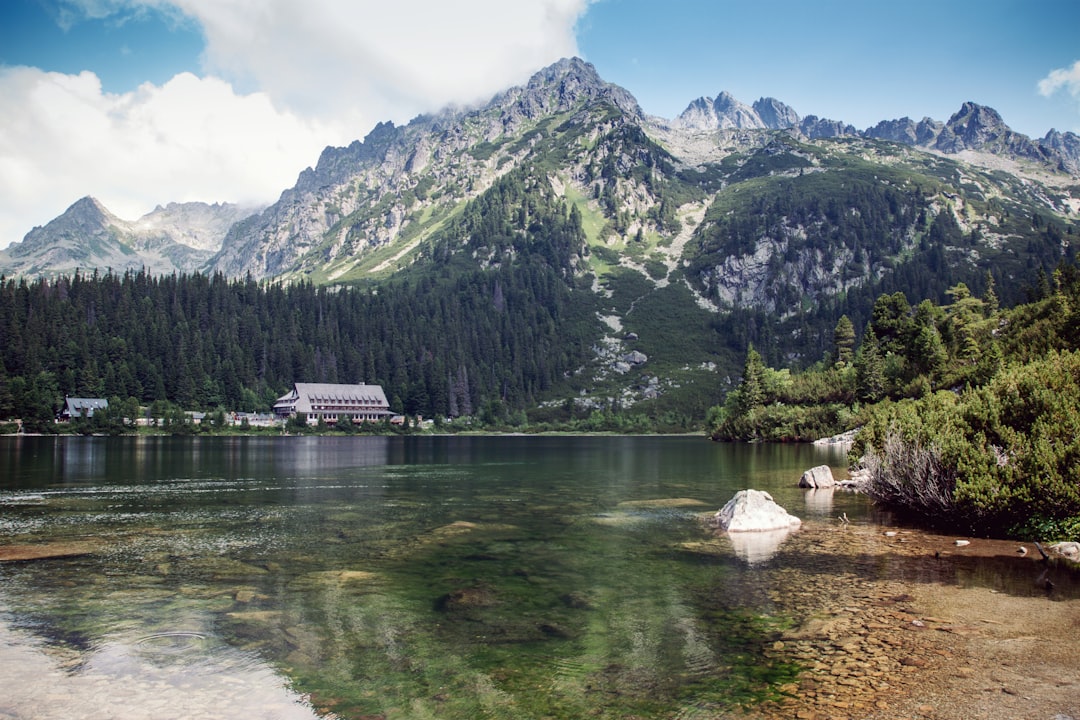
Slovakia, a landlocked Central European gem with a population of 5,397,036, packs 49,000 km² of dramatic mountain terrain, medieval castles, and thermal spa towns into one compact country. Founded as an independent republic in 1993 after the peaceful dissolution of Czechoslovakia, it remains one of Europe’s most underrated destinations despite sharing borders with five countries. The High Tatras — home to Gerlachovský štít at 2,655 m, the highest peak in the Carpathians — are a 90-minute drive from the capital Bratislava.
Top 3 Highlights at a Glance
- High Tatras National Park — Slovakia’s alpine crown jewel, with 600 km of hiking trails and peaks topping 2,600 m above sea level.
- Bratislava Old Town — A walkable medieval core with a hilltop castle overlooking the Danube, all within 1 km of each other.
- Bojnice Castle — Slovakia’s most visited castle, a fairy-tale neo-Gothic fortress dating to the 12th century with annual ghost festivals.
Scroll down for our complete travel guide with tips on getting there, where to stay, costs and more.
Getting There & Transport
Which airports are the best entry points into Slovakia?
Bratislava Airport (BTS) is the main international hub, though frankly it handles far fewer routes than Vienna Airport (VIE), just 60 km away. In my experience, flying into Vienna and busing or taking the train to Bratislava in under 1.5 hours opens vastly more flight options, often at lower prices. Košice Airport (KSC) in eastern Slovakia handles domestic and a handful of European routes — ideal if you’re heading straight to the High Tatras or eastern regions. Poprad-Tatry Airport (TAT) near the mountains handles seasonal charter flights. My tip: check Vienna first, then Bratislava — the caveat is that VIE immigration queues can add 45 minutes to your journey.
How do I get from the airport to my first accommodation in Slovakia?
From Bratislava Airport (BTS), bus Line 61 runs directly to the city centre in 25 minutes for around €1.20. Taxis cost €15–20 to the Old Town — use Bolt instead of street taxis to avoid overcharging. From Vienna Airport (VIE), the FlixBus or Slovak Lines coach drops you at Bratislava’s Mlynské Nivy bus station for roughly €5–10 in 75 minutes. From Košice Airport (KSC), a taxi to the city centre costs €10–15. What surprised me: there is no direct rail connection between Bratislava Airport and the city centre — the bus is your only affordable option, which many first-timers don’t realise until they arrive.
What transport options are there within Slovakia?
Slovakia’s backbone is its rail and bus network. Regiojet and Slovak Railways (ZSSK) connect major cities like Bratislava, Žilina, Banská Bystrica, and Košice at ticket prices often under €15 one way. The Bratislava–Košice express takes around 4.5 hours. FlixBus and Slovak Lines cover intercity routes cheaply. For mountain areas like the High Tatras, the Tatra Electric Railway (TEŽ) links resort towns like Poprad, Štrbské Pleso, and Tatranská Lomnica efficiently for €1–3. I recommend renting a car only if you plan to visit remote castles or spa villages in central Slovakia. The honest caveat: rural bus frequency drops sharply on weekends, sometimes to 2 buses per day.
Do I need a rental car to explore Slovakia?
Not for a Bratislava-focused trip or High Tatras hiking holiday — no. But for exploring central Slovakia (Banská Štiavnica, Vlkolínec UNESCO village, Orava Castle), a car cuts travel time from 3+ hours by bus to under 90 minutes. Car rental starts at €30–40 per day from agencies at Bratislava Airport — Europcar and Sixt are reliable. My tip: book at least 2 weeks ahead for summer to avoid inflated last-minute rates. The trade-off is that parking in Bratislava’s Old Town is restricted and expensive — around €3–5 per hour — so drop the car the moment you reach the city and use public transport.
How good is the public transport network between regions in Slovakia?
Between major cities, it’s genuinely good and affordable. ZSSK trains link Bratislava to Žilina in 2 hours and to Košice in 4.5 hours. Regiojet offers comfortable coaches with Wi-Fi on the same corridors for competitive prices. The High Tatras are well served by the mountain railway from Poprad. What most guides omit: secondary routes in south-central Slovakia are served by diesel trains running hourly at best — visiting places like Červený Kláštor or Vlkolínec without a car involves multiple changes and waits. I recommend planning all regional trips on cp.sk (journey planner), which shows real-time connections and is available in English.
Accommodation
Which regions should I stay in when visiting Slovakia?
Stay in Bratislava for your first night to orient yourself — the Old Town puts everything within walking distance. For mountain adventure, base yourself in Starý Smokovec or Tatranská Lomnica in the High Tatras — both are on the electric mountain railway. Banská Bystrica is ideal for central Slovakia exploration, with a beautiful main square and day-trip access to Donovaly ski resort and historic mining towns. Košice, Slovakia’s second city, is the gateway to the undiscovered east and has a superb Gothic cathedral. In my experience, splitting 3 nights Bratislava / 3 nights Tatras / 2 nights Košice covers Slovakia’s essence without feeling rushed.
What does good accommodation cost per night in Slovakia?
A solid mid-range hotel in Bratislava’s Old Town costs €80–130 per night. In the High Tatras, mountain lodges and three-star hotels run €60–100. Budget hostels in Bratislava like Patio Hostel offer dorms from €18–25. Boutique stays in smaller towns like Banská Štiavnica can be exceptional value at €50–70 for a double room with breakfast. What surprised me: thermal spa hotels in Piešťany — Europe’s most famous Slovak spa town — often include full board and spa access for €100–150 per person, which is outstanding value compared to Austrian or Swiss equivalents. Prices jump 20–30% in July and August.
When should I book hotels in Slovakia — how far in advance?
Book 3–4 months ahead for summer travel in the High Tatras — trail-side lodges like Chata pri Zelenom plese fill up by May for July and August slots. In Bratislava, 4–6 weeks is usually sufficient except during the Bratislava Jazz Days in October or the Christmas markets in December, when the city fills fast. My tip: the Bojnice Castle Ghost Festival in late April books local accommodation 2–3 months out. The honest caveat: Slovakia’s booking infrastructure lags behind Western Europe — many mountain huts and family pensions don’t list on Booking.com and require direct email or phone booking, sometimes only in Slovak.
When is the best time to travel to Slovakia?
Based on verified climate data, June through September are the optimal months. July and August deliver warm temperatures ideal for High Tatras hiking, castle visits, and river rafting on the Dunajec. June offers lush green landscapes with smaller crowds and lower prices than peak summer. September is my personal favourite — trails are quieter, the forested mountain slopes turn amber and gold, and accommodation costs drop roughly 15%. December is worth considering specifically for Bratislava’s Christmas market, one of Central Europe’s most atmospheric. Avoid November and March — the mountains are icy and inaccessible while lowland sights look bleak and many mountain hotels close entirely.
How does peak season affect prices in Slovakia?
July and August see hotel prices rise 20–30% above shoulder season rates, particularly in the High Tatras and Bratislava. Popular trails like the path to Rysy peak get crowded — expect to share mountain ridges with hundreds of hikers on summer weekends. Bratislava fills with river-cruise tourists from May to September. My honest warning: the Christmas market in December (especially weekends in early December) turns Hlavné námestie square into an elbow-to-elbow experience — prices for mulled wine and gingerbread are tourist-inflated at €3–5 per item. Book accommodation 8–10 weeks ahead for peak summer and at least 6 weeks ahead for December in Bratislava.
Best Time to Visit
Which regions of Slovakia have different climate zones?
Slovakia splits into three distinct climatic bands. The High Tatras in the north operate on full alpine rules — snow is possible 10 months of the year above 2,000 m, and Gerlachovský štít at 2,655 m can see temperatures drop below -15°C in winter. The lowland south along the Danube around Bratislava, Komárno, and Nitra has a continental climate with hot summers exceeding 30°C and mild winters. Central Slovakia — the Banská Bystrica and Žilina regions — sits between these extremes with heavy snowfall in winter (great for ski resorts like Jasná) and warm summers. Plan your packing for the specific region, not the country generally.
What are the rainy seasons in Slovakia?
Slovakia has no true monsoon, but May and June bring the heaviest rainfall nationally, with afternoon thunderstorms common in the mountains — I’ve been caught in violent 30-minute storms on High Tatras ridges even in late June. November is consistently grey and damp across the lowlands. The High Tatras can receive sudden storm systems year-round; the Slovak Mountain Rescue Service (HZS) reports weather changes in under 30 minutes on exposed ridges. My tip: always carry a lightweight waterproof jacket regardless of month. July and August are statistically drier but still see occasional intense afternoon showers, particularly in the central mountain belt around Ružomberok.
What does a trip to Slovakia cost per person per day?
Budget travellers staying in hostels like Patio Hostel Bratislava and eating at local lunch restaurants can manage €40–55 per day. Mid-range travellers with a three-star hotel, restaurant meals, and entrance fees should budget €100–140 per day. Comfortable travellers including a four-star hotel, guided hikes, and spa access at Piešťany should expect €180–250 per day. What surprised me: Slovakia is genuinely one of the most affordable EU countries — a full sit-down lunch with soup, main, and beer at a Slovak pub (known as a reštaurácia) rarely exceeds €8–12. The hidden cost driver is transport to remote attractions, where taxis fill the gap that buses leave.
How expensive is food in Slovakia?
Food is excellent value by EU standards. A lunch menu (polievka plus main course) at a local Slovak restaurant costs €6–10. A traditional bryndzové halušky (sheep cheese dumplings) — the national dish — runs €5–8. A half-litre of Zlatý Bažant beer in a local pub costs €1.50–2.50. Restaurant dinners in Bratislava’s Old Town targeting tourists charge €15–25 per person without drinks — a 30–40% premium over identical meals one street back. My tip: eat lunch at market halls or self-service canteens (jedáleň) which serve fresh Slovak cooking for under €5. Avoid anything directly on Hlavné námestie — the markup is unjustifiable.
What hidden costs should I expect when visiting Slovakia?
The sneaky ones add up fast. Mountain rescue insurance is technically mandatory for High Tatras hiking — a full-year HZS-linked policy costs around €10 and is worth every cent given the mountain rescue call-out fee of €1,000+ without it. National park entry fees for the Tatras are €2 per day. Castle entry fees average €8–12 per site — visiting Bojnice, Orava, and Bratislava Castle in one trip adds €30+ quickly. Parking meters in Bratislava’s zones 1 and 2 charge €2–3 per hour. What most guides omit: many mountain huts require cash only, and the nearest ATM can be 15 km away down in the valley — plan accordingly.
Budget & Costs
How much cash should I bring to Slovakia?
Slovakia uses the euro (€) — no currency exchange needed from eurozone countries. I recommend carrying €100–150 cash for a week-long trip, primarily for mountain huts, rural guesthouses, small-town restaurants, and market purchases. Bratislava and Košice are highly card-friendly — I’ve gone entire days without touching cash in both cities. The warning most guides skip: ATMs in mountain resort towns like Štrbské Pleso and Ždiar run out of cash on summer weekends and have €200 withdrawal limits. Withdraw cash at Tesco or Lidl ATMs in Poprad before heading into the mountains — these are fee-free and well-stocked.
Which credit cards are accepted in Slovakia?
Visa and Mastercard are accepted virtually everywhere in cities and tourist areas. American Express is hit-or-miss — roughly 30% of Slovak terminals reject it, in my experience. Contactless payment works well in Bratislava supermarkets, restaurants, and hotels. Apple Pay and Google Pay are functional at most modern terminals. The honest caveat: rural Slovakia operates predominantly in cash — family-run pensions in villages like Vlkolínec or Čičmany, small hiking refreshment stops, and entrance kiosks at minor castles will often not have card readers. My tip: always confirm card acceptance before sitting down to eat in any village with a population under 2,000.
Which regions of Slovakia must I not miss?
Four regions stand out as non-negotiable. Bratislava Region for the capital’s Old Town, castle, and Danube waterfront. Prešov Region for the High Tatras, Slovak Paradise National Park’s ladder gorges, and the medieval town of Levoča (UNESCO). Banská Bystrica Region for Banská Štiavnica (another UNESCO site), Jasná ski resort, and the Slovak National Uprising Museum. Žilina Region for Orava Castle, the folk architecture village of Čičmany, and the Malá Fatra mountains. What surprised me: most visitors skip eastern Slovakia entirely — Košice and the Zemplín region offer extraordinary Gothic churches, untouched villages, and zero tourist crowds even in peak summer.
What are the tourist highlights of Slovakia?
The undeniable headline attractions: Bratislava Old Town and Castle for the capital experience; High Tatras National Park for alpine hiking at Europe’s northernmost high-altitude peaks; Bojnice Castle — Slovakia’s most photographed castle with over 600,000 visitors annually; Banská Štiavnica (UNESCO World Heritage) for its baroque townscape and historic mining heritage; Slovak Paradise National Park for its unique iron-rung gorge climbs through waterfalls; and Spiš Castle — one of Central Europe’s largest castle ruins at over 4 hectares of fortifications. My honest note: Spiš Castle’s interior is sparse — it’s the exterior silhouette dominating the Spiš plain that justifies the visit, not the exhibitions inside.
What experiences in Slovakia are found nowhere else?
Three things are genuinely Slovak and irreplaceable. First: climbing the iron-rung gorges of Slovak Paradise National Park (Slovenský raj) — vertical canyon walls with fixed ladders and chains that put you inside waterfalls, a system found nowhere else in Central Europe. Second: eating bryndzové halušky made from bryndza — a PDO-protected sheep cheese produced only in Slovak mountain regions — in a mountain shepherd’s hut (salash). Third: visiting Čičmany, a village of white-painted log houses with geometric folk motifs dating to the 17th century, the only architectural tradition of its kind in the world. What surprised me: all three experiences cost under €20 total and most tourists skip at least two of them.
Regions & Highlights
Which areas of Slovakia are overcrowded — and what are the quieter alternatives?
Štrbské Pleso and Smokovec in the High Tatras are genuinely packed July–August, with trail bottlenecks forming as early as 7 AM. The quieter alternative is the Belianske Tatry (White Tatras) — a protected sub-range with limited access permits that keeps crowds thin. Bratislava Old Town around Čumil statue is permanently tourist-dense — escape two blocks north to Medická záhrada park for the same historic atmosphere with 90% fewer people. Bojnice overwhelms on summer weekends — visit on a Tuesday morning in late September instead. My tip: Banská Štiavnica gives you UNESCO heritage, a castle, baroque squares, and lake-dotted hills with a fraction of the footfall of any Tatras resort.
How many days do I need to see Slovakia properly?
A focused 7-day trip covers Slovakia’s core: 2 nights Bratislava, 3 nights High Tatras (including a full-day ridge hike and Slovak Paradise day trip), 2 nights Banská Štiavnica or Košice. For a thorough experience including Orava, Spiš, and eastern Slovakia, allow 12–14 days. The honest trade-off: Slovakia rewards slow travel — rushing between regions by bus eats 4–5 hours per transition and you arrive tired. My tip: do not attempt Bratislava, Tatras, and Košice in under 5 days — you’ll spend more time on trains than experiencing the country. If you only have 3 days, stay in Bratislava and do a day trip to Bojnice — it’s 145 km and absolutely worthwhile.
Do I need a visa to visit Slovakia?
Slovakia is a Schengen Area member — EU and EEA citizens need only a valid ID card. US, Canadian, Australian, and UK passport holders get 90 visa-free days within any 180-day Schengen period. From 2026, the ETIAS travel authorisation (€7, valid 3 years) becomes mandatory for previously visa-exempt non-EU nationalities before entering any Schengen country — apply online at least 72 hours before travel. Citizens of countries including India, China, and South Africa require a Schengen visa — apply at the Slovak Embassy in your country or, practically, at the Austrian or German Embassy which often has faster appointment availability. Processing typically takes 10–15 business days.
What languages are spoken in Slovakia?
Slovak is the official language, a West Slavic language closely related to Czech — the two are mutually intelligible. In Bratislava and tourist areas, English is widely spoken among anyone under 45; hotel staff, tour guides, and restaurant workers in cities communicate comfortably in English. In rural areas and among older generations, German is more useful than English, particularly in western Slovakia near the Austrian border. Hungarian is spoken by roughly 8.5% of the population, primarily in southern Slovakia near Komárno and Dunajská Streda. My tip: learning three Slovak phrases — ďakujem (thank you), prosím (please), and dobrý deň (good day) — creates immediate warmth with locals that no amount of English will replicate.
What cultural rules do I need to know before visiting Slovakia?
Greeting etiquette matters — always say dobrý deň (good day) when entering a shop or restaurant; walking in without greeting is considered rude by Slovak standards. Remove shoes when invited into a Slovak home — hosts will provide slippers. Tipping is customary at 10% in restaurants; rounding up the bill is the local norm rather than leaving coins. At Catholic churches (and Slovakia has hundreds of active ones), cover shoulders and knees — this applies to both men and women. What surprised me: Slovaks are reserved with strangers but extraordinarily generous once you’re in their circle — don’t mistake initial coolness for unfriendliness. Avoid making jokes about Czech-Slovak reunification — it’s a sensitive topic even 30+ years later.
Practical Tips
How safe is Slovakia for travellers?
Slovakia is genuinely safe — petty crime rates are low by European standards and violent crime against tourists is rare. Bratislava’s Old Town sees occasional pickpocketing on Obchodná Street and around bus station areas, particularly at night. The mountain environment presents the real risk: High Tatras weather changes in under 30 minutes — the Slovak Mountain Rescue Service (HZS) responds to over 400 incidents annually, many involving unprepared hikers in jeans and trainers. My non-negotiable rule: register your Tatras hike plan with the Mountain Rescue headquarters in Starý Smokovec (free, takes 5 minutes) and carry a paper trail map — phone signal drops in gorges. Traffic outside cities involves fast drivers on narrow roads — drive defensively.
What health precautions should I take before visiting Slovakia?
Slovakia requires no vaccinations for entry, but I recommend being current on tick-borne encephalitis (TBE) vaccination if you’re hiking in forested areas — Slovakia has one of Europe’s higher TBE rates, with ticks active from March through November below 1,500 m. Use DEET-based repellent and check for ticks after every forest walk. Tap water is safe to drink throughout Slovakia — mountain spring water is excellent. EU citizens should carry their EHIC card for free emergency healthcare. Non-EU visitors should have travel health insurance covering mountain rescue (minimum €50,000 coverage). The nearest hospital to the High Tatras is in Poprad — a 30-minute drive from most resort villages, which is relevant in serious emergencies.
What SIM card or eSIM options are available in Slovakia?
EU roaming rules mean any EU-issued SIM works at domestic rates — no action required for European visitors. For non-EU travellers, a Slovak Telekom or Orange Slovakia prepaid SIM costs €10–15 and includes 5–10 GB data — buy at their shops in Bratislava’s Aupark mall or at the airport. Airalo eSIM for Slovakia costs around €5 for 1 GB to €15 for 5 GB and activates before you land — my preferred option for short trips. The honest caveat: mountain connectivity is poor throughout the Tatras — T-Mobile (Slovak Telekom) has the widest rural coverage, but gorges in Slovak Paradise and remote High Tatras valleys regularly drop to zero signal. Download offline maps before entering the mountains.
Which apps do you recommend for travelling Slovakia?
These six apps are my non-negotiables. cp.sk (or its app) for train and bus journey planning — the most accurate source for Slovak public transport. Bolt for taxis in Bratislava and Košice — cheaper and more transparent than street cabs. Mapy.cz for offline hiking maps covering Slovakia’s trails in extraordinary detail — far superior to Google Maps in the mountains. Zomato or Wolt for restaurant discovery and food delivery in cities. iMHD.sk for real-time Bratislava public transport (trams, buses, trolleybuses). HZS app (Mountain Rescue Slovakia) for weather alerts and trail conditions in the High Tatras. What surprised me: Slovak mobile apps are often only in Slovak — Mapy.cz is the exception with full English interface.
What are common traveller mistakes in Slovakia?
Six mistakes I see repeatedly. First: flying into Bratislava when Vienna has cheaper flights just 60 km away. Second: visiting Slovak Paradise without booking the gorge entrance time slot online — on-site queues reach 2 hours on summer weekends. Third: assuming High Tatras trails are easy — the ridge walk from Chata pod Soliskom to Predné Solisko involves scrambling at 2,093 m and kills unprepared visitors annually. Fourth: exchanging money at Bratislava Airport kiosks — rates are 15–20% worse than ATMs in the city. Fifth: skipping eastern Slovakia because it seems remote — Košice’s St. Elisabeth Cathedral is larger and more spectacular than anything in Bratislava. Sixth: buying food and drinks in Bratislava Castle’s café when identical options are 40% cheaper 200 m down the hill.
Slovakia at a Glance
| Population | 5,409,407 |
|---|---|
| Currency | EUR (€) |
| Official language | Slovak |
| Time zone | UTC+01:00 |
Source: Wikidata, retrieved August 2026.
Essential Resources for Planning Your Trip to Slovakia
- SLOVAKIA TRAVEL joins GSTC — official visitor information, passes & events
- Wikipedia: Slovakia — history, geography & background
- Wikivoyage: Slovakia — community travel guide & practical tips
- Slovakia travel – Lonely Planet | Europe — expert itineraries & travel inspiration
- THE 15 BEST Things to Do in Slovakia (2026) — hotels, restaurants & traveller reviews
- Slovakia travel – Overhere.eu — how to get around
- Numbeo: Cost of Living in Slovakia — current prices & cost comparison
- Timeanddate: Slovakia Weather & Climate — forecasts & climate statistics
- Slovakia – UNESCO World Heritage Convention
More Perspectives on Slovakia
- Ultimate Travel Guide to Slovakia
- Slovakia Travel Guide by Rick Steves
- Slovakia Travel Guide (Updated 2026)
Slovakia Travel Videos
Watch these videos for a visual preview before your trip:
- Top 10 Places To Visit In Slovakia – Travel Guide
- Best Things to Do in Bratislava, Slovakia – 2-Day Itinerary (TRAVEL GUIDE)
- Magical Slovakia – Unreal Places You Were Never Meant to Discover – 4K Travel Guide
Slovakia Travel Discussions on Reddit
Real traveller experiences and community advice:
- Is Slovakia a good country to visit for an American who’s …
- First time travelling to slovakia, i need help please
- Travel advice?? : r/Slovakia
Data Sources
This page was compiled using data from Wikipedia, Wikidata, Open-Meteo (climate), Numbeo (cost of living) and REST Countries. Information is updated regularly.