
Saint Vincent and the Grenadines: The Complete Travel Guide (2026)
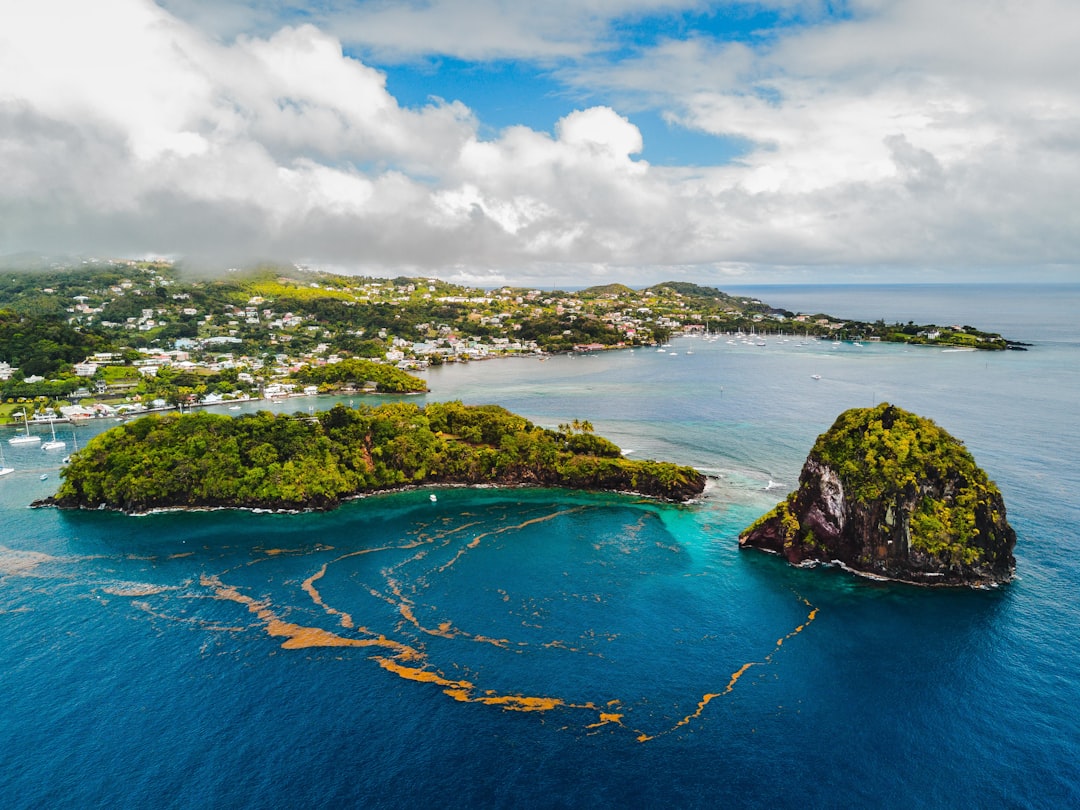
Saint Vincent and the Grenadines Travel Guide: Everything You Need to Know (2026)
Saint Vincent and the Grenadines is an archipelagic Caribbean nation of 32 islands and cays, home to 80,948 people and anchored by the volcanic main island of Saint Vincent. The country stretches roughly 45 km from north to south, with the Grenadines chain extending toward Grenada — giving you everything from black-sand volcanic beaches near Kingstown to the white-sand perfection of the Tobago Cays. This is one of the least mass-touristed destinations in the Eastern Caribbean, which is precisely its greatest asset.
Top 3 Highlights at a Glance
- Tobago Cays Marine Park — A protected five-island snorkelling paradise where hawksbill turtles feed in the shallows just metres from your boat.
- La Soufrière Volcano Hike — SVG’s 1,234 m active volcano rewards a 4-hour round-trip hike with a dramatic crater lake and cloud-forest scenery.
- Bequia Island — The Grenadines’ most characterful island, with a working boatbuilding tradition and Port Elizabeth’s reef-sheltered anchorage.
Scroll down for our complete travel guide with tips on getting there, where to stay, costs and more.
Getting There & Transport
Which airports are the best entry points into Saint Vincent and the Grenadines?
Argyle International Airport (SVD) on Saint Vincent is your primary entry point. **SVD** opened in 2017 and handles direct regional flights from **Barbados (BGI)**, **Trinidad (POS)**, and **Antigua (ANU)**, plus seasonal direct service from **New York (JFK)** and **Toronto (YYZ)**. In my experience, flying via **Barbados** offers the most reliable connections from Europe and North America, with carriers like LIAT, Caribbean Airlines, and InterCaribbean covering the final leg. The caveat most guides omit: **Canouan Airport (CIW)** and **Mustique Airport (MQS)** in the Grenadines are served by small prop aircraft only — budget an extra **$150–$250 USD** return for inter-island hops if you want to skip the ferry.
How do I get from the airport to my first accommodation in Saint Vincent and the Grenadines?
Taxis from **Argyle International Airport (SVD)** to **Kingstown** take roughly **20 minutes** and cost a fixed **$25–$30 USD**. I recommend agreeing the price before you get in — meters are not standard here. Minibuses run along the leeward and windward corridors for under **$2 USD** but don’t serve the airport directly; you’d walk about **1 km** to the main road first. My tip: if your hotel is in the **Villa Beach or Indian Bay** area (the most popular tourist strip), the taxi fare drops to around **$20 USD** since it’s closer to the airport. What surprised me: there is no airport shuttle service, so pre-arrange a pickup with your accommodation if you arrive after dark.
What transport options are there within Saint Vincent and the Grenadines?
Three modes dominate: **minibuses**, **ferries**, and **water taxis**. Minibuses on Saint Vincent run fixed routes from **Kingstown’s Little Tokyo Bus Terminal** for **$1–$3 USD** per trip, covering most of the main island. Ferries connect Saint Vincent to **Bequia (1 hour)**, **Canouan (3.5 hours)**, and **Union Island (5 hours)** daily. In my experience, the **Admiralty Transport** and **MV Barracuda** ferries are the backbone of inter-island travel — cheap at **$8–$20 USD** per leg but operating on Caribbean time. Water taxis between the Grenadines cost **$20–$60 USD** and are faster. The honest caveat: rental cars exist on Saint Vincent but roads in the north are narrow and steep — many visitors find a driver-guide more practical for day trips.
Do I need a rental car in Saint Vincent and the Grenadines?
On Saint Vincent itself, a rental car is useful but not essential. **Rental rates start at $55 USD per day** from operators like **Avis SVG** or local firms near **Argyle Airport**. You’ll need a local driver’s permit ($20 USD, issued at the airport), and you drive on the **left**. In my experience, a car gives you real freedom to reach **Falls of Baleine**, the **Mesopotamia Valley**, and the windward coast villages that minibuses serve infrequently. The trade-off: parking in Kingstown is chaotic, fuel is expensive at roughly **$1.60 USD per litre**, and the steep hairpin roads around **Georgetown** will test your nerves. On the Grenadine islands — **Bequia, Mustique, Union Island** — walking and golf carts or scooters replace cars entirely.
How good is the public transport network between regions of Saint Vincent and the Grenadines?
On Saint Vincent, the minibus network is genuinely functional — **Kingstown to Layou** costs under **$2 USD** and takes 25 minutes. The windward coast route reaches **Georgetown** in about 1 hour for **$3 USD**. Between islands, the **Bequia ferry runs 4 times daily** (first departure 06:30 from Kingstown), making it reliable for day-tripping. Further south, the **MV Barracuda** does a once-weekly southern run through the Grenadines, which is impractical for time-pressed travellers. My honest assessment: inter-island public transport works if you’re flexible with your schedule, but for the southern Grenadines beyond Canouan, charter sailboats or water taxis become the realistic option, adding **$40–$100 USD** per leg to your budget.
Accommodation
Which regions of Saint Vincent and the Grenadines should I stay in?
Stay in **Villa Beach / Indian Bay** on Saint Vincent for convenience — it’s 5 minutes from the airport, has the highest concentration of mid-range hotels, and puts you within 15 minutes of Kingstown. For atmosphere, **Port Elizabeth on Bequia** is my top recommendation: the harbour view is spectacular, restaurants line the waterfront, and it feels lived-in rather than resort-sanitised. **Mustique** suits ultra-luxury travellers willing to pay **$1,500+ USD per night**. **Union Island’s Clifton** is the base for accessing the **Tobago Cays** and attracts the sailing crowd. What surprised me: there’s almost no tourist infrastructure in northern Saint Vincent, so if you plan to hike **La Soufrière**, base yourself in **Georgetown** the night before rather than driving from Kingstown at dawn.
What does good accommodation cost per night in Saint Vincent and the Grenadines?
Expect to pay **$80–$150 USD per night** for a clean, well-located guesthouse or small hotel on Saint Vincent — **Young Island Resort** (on its own private islet) runs **$350–$500 USD** in high season. On **Bequia**, mid-range rooms at guesthouses like those around **Belmont Walkway** cost **$90–$160 USD**. Budget travellers can find locally-run guesthouses in **Kingstown** for **$50–$70 USD**, though these are basic. In my experience, the sweet spot for value is a self-catering apartment in the **Villa Beach** area at **$100–$130 USD** per night — you save significantly on meals by cooking breakfast and lunch. The caveat: Mustique operates at a completely different price tier, with the cheapest villa rental exceeding **$1,500 USD per night** through **The Mustique Company**.
When should I book hotels in Saint Vincent and the Grenadines — how far in advance?
Book **at least 3 months ahead** for travel between December and April. I recommend booking **Bequia accommodation 4–5 months ahead** if you’re visiting during the **Easter Bequia Regatta** in April — the island’s roughly 5,000-person capacity gets overwhelmed. Outside peak season, **4–6 weeks** is usually sufficient on the main island. The warning most guides omit: Saint Vincent and the Grenadines has limited total accommodation inventory — fewer than **1,000 hotel rooms** island-wide — so popular properties like **Firefly on Mustique** or **Frangipani on Bequia** sell out fast. For **Carnival in July**, book **6 months ahead** for anything near **Kingstown**. Last-minute deals are rare here; this is not a place that responds to spontaneous booking the way larger Caribbean islands do.
When is the best time to travel to Saint Vincent and the Grenadines?
Based on climate data, the best months are **June, August, September, and October**. I know that surprises people — those months fall in the nominal hurricane season — but in my experience, **August and October** offer dramatically fewer crowds, lower prices, and perfectly acceptable weather with brief afternoon showers rather than sustained rain. **January to April** is the classic dry season peak, with near-zero rain, temperatures around **27–29°C**, and the sailing season in full swing. The honest caveat: **September** carries real hurricane risk, and in 2021 **La Soufrière erupted in April**, proving that even the ‘best’ months have unpredictable local hazards. Check the **NOAA hurricane tracker** and buy travel insurance that covers volcanic events — non-negotiable here.
How does peak season affect prices in Saint Vincent and the Grenadines?
Peak season runs **December 15 to April 15**, when hotel rates rise **30–50%** compared to low season. A **$100 USD** guesthouse room in August easily becomes **$145 USD** in February. Charter sailboat rates — the primary way to explore the Grenadines properly — jump from roughly **$2,500 USD per week** in low season to **$3,500–$5,000 USD** in high season for a comparable vessel. In my experience, the price-to-experience ratio is best in **June and August**: the water is warm, the Tobago Cays are less crowded, and flights from **Barbados** to **SVD** cost around **$120–$180 USD return** versus **$200–$280 USD** in February. Restaurant prices barely change seasonally — that’s where you won’t feel the peak-season squeeze.
Best Time to Visit
Which regions of Saint Vincent and the Grenadines have different climate zones?
Saint Vincent’s topography creates stark micro-climates across a single island. The **windward (east) coast** receives significantly more rainfall — annual totals can exceed **3,800 mm** around the central mountains — while the **leeward (west) coast** from Kingstown to **Layou** sits in a rain shadow and stays noticeably drier. The northern interior around **La Soufrière** (1,234 m) is cloud-wrapped and wet year-round, even on sunny days below. In my experience, you can be swimming in sunshine at **Villa Beach** while the volcano summit is shrouded in cloud. The Grenadines — **Bequia, Canouan, Union Island** — are flatter, drier, and windier than Saint Vincent itself, averaging under **1,200 mm** of annual rainfall and offering reliably sunnier conditions.
What are the rainy seasons in Saint Vincent and the Grenadines?
The rainy season officially runs **June through November**, with the peak of rainfall in **September and October**. In practice, even the wettest months rarely produce all-day rain — the pattern is typically a sunny morning, a sharp afternoon shower, and a clear evening. What surprises most visitors: **May and June** can be wetter than expected, and **December** occasionally brings heavy pre-Christmas rain. The northern slopes of Saint Vincent near **Georgetown and Biabou** receive rain in nearly every month. My tip: plan outdoor activities — **La Soufrière hikes, waterfall visits, snorkelling at Tobago Cays** — for mornings, and you’ll almost always get clear skies. Hurricane season peaks in **August–October**; always travel with insurance covering weather disruption during those months.
What does a trip to Saint Vincent and the Grenadines cost per person per day?
Budget travellers staying in basic guesthouses and eating at local **roti shops and fish fry stalls** can manage on **$80–$100 USD per day**. A comfortable mid-range experience — decent hotel in **Villa Beach**, two restaurant meals, a ferry or boat trip — runs **$150–$200 USD per day**. Add a chartered yacht day trip to the **Tobago Cays** (around **$120–$180 USD per person** on a shared trip) and you’re at **$250 USD** for that day alone. In my experience, the biggest budget spike comes from inter-island water taxis and boat excursions — not accommodation or food. A realistic 10-day itinerary covering Saint Vincent and 3 Grenadine islands costs a couple approximately **$3,500–$5,000 USD total**, excluding international flights to Barbados.
How expensive is food in Saint Vincent and the Grenadines?
Eating local keeps costs very manageable. A **roti with curried chicken or saltfish** from a Kingstown street vendor costs **$3–$5 USD**. A full plate at a local restaurant — **baked fish, breadfruit, and rice** — runs **$10–$15 USD**. Tourist-facing restaurants in **Bequia’s Port Elizabeth** or the **Villa Beach strip** charge **$20–$35 USD per main course**. In my experience, the **Friday Night Fish Fry at Owia** on Saint Vincent’s windward coast is the best-value authentic food experience on the island — grilled mahi-mahi with provisions for under **$12 USD**. The honest caveat: imported goods like cheese, wine, and packaged snacks are heavily taxed, often costing **40–60% more** than you’d pay in Europe or North America, so stock up at duty-free in Barbados if you’re self-catering.
What hidden costs should I expect in Saint Vincent and the Grenadines?
Three costs catch visitors off guard. First, the **local driver’s permit ($20 USD)** required even with a valid foreign licence if you rent a car. Second, **departure taxes**: SVG charges an **airport departure tax of $40 USD** for international flights, often not included in budget airline fares. Third, boat and tour operators frequently add a **10% service charge plus 15% VAT** to quoted prices — always ask whether prices are ‘all-in’. In my experience, the costliest surprise is the **national park fee for Tobago Cays Marine Park ($10 USD per person per day)**, which charter boats sometimes forget to mention. Moorings in the Grenadines cost **$25–$30 USD per night** if you arrive by sailboat. Budget an extra **$50–$80 USD** per person for these unavoidable add-ons per week.
Budget & Costs
How much cash should I bring to Saint Vincent and the Grenadines?
Bring **$200–$300 USD in cash** as a baseline for one week. The local currency is the **Eastern Caribbean Dollar (XCD)**, fixed at **2.70 XCD to 1 USD** — one of the most stable exchange rates in the Caribbean. **ATMs exist in Kingstown** at **Bank of Saint Vincent and the Grenadines on Halifax Street** and a few other locations, but they run out of cash on weekends and holidays. In my experience, cash is king outside Kingstown — small guesthouses on **Union Island** and food stalls throughout the Grenadines are cash-only. My tip: convert a portion to XCD on arrival (you’ll get better rates than exchanging USD abroad), keep USD for boat charters and larger hotels, and never rely solely on your card once you leave the main island.
Which credit cards are accepted in Saint Vincent and the Grenadines?
**Visa and Mastercard** are accepted at hotels, larger restaurants, and car rental companies — particularly in **Kingstown and the Villa Beach corridor**. In my experience, **American Express** is rejected more often than not, even at mid-range properties that claim to accept it. Expect a **3–5% credit card surcharge** at many local businesses — technically against card network rules, but widely practised and rarely waived. On **Bequia**, roughly 60% of restaurants and guesthouses I visited preferred or required cash. On smaller islands like **Mayreau and Palm Island**, assume cash-only entirely. My tip: always carry **$50–$100 USD cash** as backup per day of island-hopping, and notify your bank before departure — fraud alerts on Caribbean transactions are common and will freeze your card at the worst possible moment.
Which regions of Saint Vincent and the Grenadines must I not miss?
Three areas are non-negotiable. **The Tobago Cays** — five uninhabited islands within a horseshoe reef in the southern Grenadines — offer the best snorkelling in the Eastern Caribbean, full stop. **Bequia** is the most rewarding island to spend multiple nights: it has a genuine community, excellent sailing culture, and the **Mount Pleasant viewpoint** overlooks a world-class anchorage. On Saint Vincent itself, the **Mesopotamia Valley** — a lush agricultural interior of nutmeg, cocoa, and banana plantations — is unlike anything else in the Caribbean. In my experience, travellers who stick only to **Villa Beach** miss 80% of what makes this country special. Allow at least 3 nights away from the main island to appreciate the Grenadines properly.
What are the tourist highlights of Saint Vincent and the Grenadines?
Beyond the **Tobago Cays Marine Park**, the **La Soufrière volcano hike** (1,234 m, 4-hour return from the trailhead near **Georgetown**) is the most dramatic terrestrial experience in SVG. **Falls of Baleine** — a 20 m waterfall accessible only by boat on the northwestern coast — is genuinely spectacular and sees fewer than 50 visitors on a typical day. In **Kingstown**, the **Botanic Gardens** (established 1765, the oldest in the Western Hemisphere) house a breadfruit tree descended from the original stock brought by Captain Bligh. **Mustique** — even if you can’t afford to stay — is worth a day trip to see **Basil’s Bar** and the extraordinary private villas clustered around **Macaroni Beach**. Each of these offers something you simply cannot replicate elsewhere in the Caribbean.
What experiences in Saint Vincent and the Grenadines are found nowhere else?
Two experiences are genuinely unique to SVG. First, **swimming with hawksbill turtles at Tobago Cays** in water shallow enough to stand in — I have snorkelled across the Caribbean and nowhere else do turtles feed this close and this calmly to humans in a protected marine environment. Second, the combination of **active volcano and Caribbean beach within 30 km of each other** — hiking **La Soufrière’s crater** in the morning and swimming at **Villa Beach** by afternoon is a contrast you cannot replicate. Beyond that, **Bequia’s hand-built wooden boat tradition** — the island maintains a sustainable humpback whale quota and builds whaling boats using 19th-century techniques — is a living cultural relic found nowhere else in the Caribbean.
Regions & Highlights
Which areas of Saint Vincent and the Grenadines are overcrowded, and what are the quieter alternatives?
**Bequia** gets crowded during **Easter Regatta week** (April) and around Christmas — **Port Elizabeth harbour** fills with charter yachts and the island’s capacity feels strained. The quieter alternative is **Canouan**, which has upscale resort infrastructure but far fewer independent travellers. **Tobago Cays** can feel busy between **January and March** when charter fleets converge; visit on a weekday morning, arriving before **09:00**, for near-solitude. The **most overlooked island** in SVG is **Mayreau** — population under 300, one road, one bar (**Dennis’ Hideaway**), and direct access to the Tobago Cays by water taxi for **$15 USD** each way. In my experience, spending 2 nights on Mayreau instead of looping through Bequia gives you a more authentic and far less crowded Grenadines experience.
How many days do I need for Saint Vincent and the Grenadines?
**A minimum of 10 days** to do SVG justice — 14 days is better. Here’s how I’d split it: **3 nights on Saint Vincent** (Kingstown, La Soufrière hike, Mesopotamia Valley), **3 nights on Bequia** (boat trips, beaches, local restaurants), **2 nights on Union Island** (base for Tobago Cays day trips), and **2 nights on Mayreau or Canouan**. A 7-day trip forces uncomfortable choices — you either rush the main island or skip the outer Grenadines entirely. What most guides omit: factor **half-day buffer time** around ferry schedules, because the **MV Barracuda** frequently runs 1–2 hours late and missing it strands you without alternatives. If you have only **5 days**, focus entirely on Saint Vincent and Bequia — do not attempt to reach Union Island.
Do I need a visa for Saint Vincent and the Grenadines?
Citizens of **UK, USA, Canada, EU, Australia, and most Commonwealth nations** do not need a visa — entry is granted on arrival for **up to 30 days**, extendable to 6 months at the immigration office in **Kingstown**. You must show a **return or onward ticket** at entry; border officers enforce this consistently, and I have seen travellers denied boarding in Barbados for lacking proof of onward travel. Bring **proof of accommodation** for your first night. Nationals of a small number of countries — including some African and Asian nations — require a visa in advance from the **SVG High Commission in London or Ottawa**. The processing time is typically **10–15 business days**. Passport validity must extend **at least 6 months beyond your planned departure date**.
What languages are spoken in Saint Vincent and the Grenadines?
**English is the official language** and the only language you need — it is spoken universally across all islands by the entire population of 80,948. A **Vincentian Creole** dialect is widely spoken in informal settings, particularly in rural northern Saint Vincent and on **Union Island**, where the accent and idioms can catch first-time visitors off guard. In my experience, Vincentians speak more slowly and clearly with visitors once they realise you’re struggling — just say ‘sorry, could you repeat that?’ and you’ll get no frustration in return. On **Mustique and the private resort islands**, staff are accustomed to international guests and communicate in standard English. No translation apps or phrase books are necessary, though learning a few local expressions like ‘all good’ (no problem) earns genuine warmth.
What cultural rules do I need to know in Saint Vincent and the Grenadines?
Three rules matter most. First, **do not walk through Kingstown in beachwear** — it is considered disrespectful and locals will say so directly. Cover up when leaving beach areas; a **light linen shirt or wrap** is all it takes. Second, **greet before you transact** — walking into a shop and immediately asking for something without a ‘good morning’ or ‘good afternoon’ is considered rude. In my experience, a genuine greeting opens doors that blunt directness closes. Third, **photography of people requires permission** — especially in the market areas of Kingstown and smaller villages. The **Garifuna community** on the windward coast is particularly sensitive about this. SVG is a **socially conservative** country; same-sex relationships are not legally recognised, and public displays of affection between same-sex couples may attract negative attention.
Practical Tips
How safe is Saint Vincent and the Grenadines?
SVG is **safer than most Caribbean destinations** for tourists, but not crime-free. **Kingstown’s downtown** — particularly the **Fish Market area and back streets near the bus terminal** — warrants standard urban vigilance after dark: don’t flash expensive cameras or phones. **Petty theft** from unlocked rental cars and unattended beach bags is the most common tourist incident. The Grenadine islands feel extremely safe — **Bequia, Mayreau, and Canouan** have negligible crime rates. In my experience, the main safety issue in SVG is **road conditions**: the mountain roads on the windward coast have no guardrails and poor lighting. **La Soufrière** is an active volcano — check **UWI Seismic Research Centre** alerts before hiking; the 2021 eruption gave only 24 hours of warning before a major explosive event.
What health precautions should I take before visiting Saint Vincent and the Grenadines?
**No mandatory vaccinations** are required for most travellers, but I recommend being up to date on **Hepatitis A, Typhoid, and Tetanus** — standard for Caribbean travel. **Dengue fever** is present year-round, with elevated risk May–November; use **DEET-based repellent (30%+ concentration)** consistently. **Tap water in Kingstown is generally safe** but quality varies outside the capital — drink bottled water in rural northern Saint Vincent and all Grenadine islands. The **Milton Cato Memorial Hospital in Kingstown** handles serious emergencies but has limited specialist capacity; medical evacuation to **Barbados or Trinidad** is the realistic option for anything complex. Travel insurance covering **emergency medical evacuation** (minimum $250,000 USD coverage) is non-negotiable for SVG. Sunscreen at SPF 50+ is essential — the equatorial Caribbean sun burns faster than most visitors expect.
What SIM card or eSIM options are available in Saint Vincent and the Grenadines?
**Digicel and Flow (C&W)** are the two carriers operating in SVG. Both sell prepaid SIM cards at the **Argyle Airport arrivals hall** and at shops throughout **Kingstown**. A **Digicel tourist SIM with 5 GB data costs approximately $15 USD** and covers Saint Vincent and most Grenadine islands reasonably well. Coverage on **Mayreau and the Tobago Cays** is patchy — expect intermittent signal at best. **eSIM options** through providers like **Airalo or Holafly** now cover SVG with regional Caribbean plans from around **$12–$18 USD for 3 GB over 30 days** — I used Airalo on my last visit and found it activated instantly after landing. My honest caveat: neither carrier provides reliable 4G in the **northern highlands of Saint Vincent** — the La Soufrière summit has zero signal, which is actually a feature, not a bug.
Which apps do you recommend for travelling in Saint Vincent and the Grenadines?
**WhatsApp** is essential — virtually every local business, guesthouse, and boat charter operator communicates via WhatsApp rather than email. Save your host’s number before you fly. **Navionics** (nautical charts app, around **$12 USD/year**) is invaluable if you’re sailing or joining charter boats through the Grenadines. **UWI Seismic Research Centre** has a website rather than a dedicated app but bookmark it for **La Soufrière** activity alerts. **XE Currency** for real-time XCD/USD conversions. **Google Maps** works on Saint Vincent for road navigation but is unreliable for smaller Grenadine islands — **OpenStreetMap via Maps.me** has better offline detail for **Bequia and Union Island**. What surprised me: Uber and Bolt do not operate here at all — you negotiate taxi fares directly, and having WhatsApp to contact drivers you’ve met previously is genuinely useful.
What are common traveller mistakes in Saint Vincent and the Grenadines?
Five mistakes I see repeatedly. First, **flying direct to SVD without a Barbados buffer day** — Caribbean connections are notoriously delayed, and missing your SVD connection strands you expensively. Second, **underestimating ferry times**: the southern Grenadines run takes **5 hours** on a slow boat — not a quick hop. Third, **booking only beach hotels** and missing the extraordinary interior of Saint Vincent. Fourth, **not carrying enough cash** once you leave Kingstown — **ATMs on Bequia sometimes run empty for days**. Fifth, and most critically: **not buying travel insurance that covers volcanic activity** — La Soufrière is active, and a repeat of the 2021 eruption could ground all flights from **SVD** with 24 hours’ notice. Any insurer that excludes ‘natural disaster’ events is worthless here.
Saint Vincent and the Grenadines at a Glance
| Population | 109,897 |
|---|---|
| Currency | Eastern Caribbean dollar (EC$) |
| Official language | English |
| Time zone | UTC−04:00 |
Source: Wikidata, retrieved August 2026.
Essential Resources for Planning Your Trip to Saint Vincent and the Grenadines
- Saint Vincent and the Grenadines – Latest News — official visitor information, passes & events
- Wikipedia: Saint Vincent and the Grenadines — history, geography & background
- Wikivoyage: Saint Vincent and the Grenadines — community travel guide & practical tips
- St Vincent & the Grenadines travel – Caribbean — expert itineraries & travel inspiration
- Saint Vincent and the Grenadines — TripAdvisor — hotels, restaurants & traveller reviews
- Getting To and Around St Vincent and the Grenadines — how to get around
- Numbeo: Cost of Living in Saint Vincent and the Grenadines — current prices & cost comparison
- Timeanddate: Saint Vincent and the Grenadines Weather & Climate — forecasts & climate statistics
- Saint Vincent and the Grenadines – Latest News
More Perspectives on Saint Vincent and the Grenadines
- St. Vincent & The Grenadines Travel Guide
- St. Vincent and the Grenadines
- 10 Best Things to Do in St Vincent and the Grenadines
Saint Vincent and the Grenadines Travel Videos
Watch these videos for a visual preview before your trip:
- Ultimate St Vincent & The Grenadines Travel Guide
- 9 TOP Things to Do in Saint Vincent and the Grenadines (& Places to Visit)
- Top 8 THINGS TO DO for in St Vincent and the Grenadines w/Gladys and Kenny
Saint Vincent and the Grenadines Travel Discussions on Reddit
Real traveller experiences and community advice:
- St Vincent & the Grenadines is one of the Caribbean’s least …
- 10 days in Saint Vincent and the Grenadines : r/travel
- St Vincent and the Grenadines or Barbados’s : r/Caribbean
Data Sources
This page was compiled using data from Wikipedia, Wikidata, Open-Meteo (climate), Numbeo (cost of living) and REST Countries. Information is updated regularly.