
Eswatini: The Complete Travel Guide (2026)
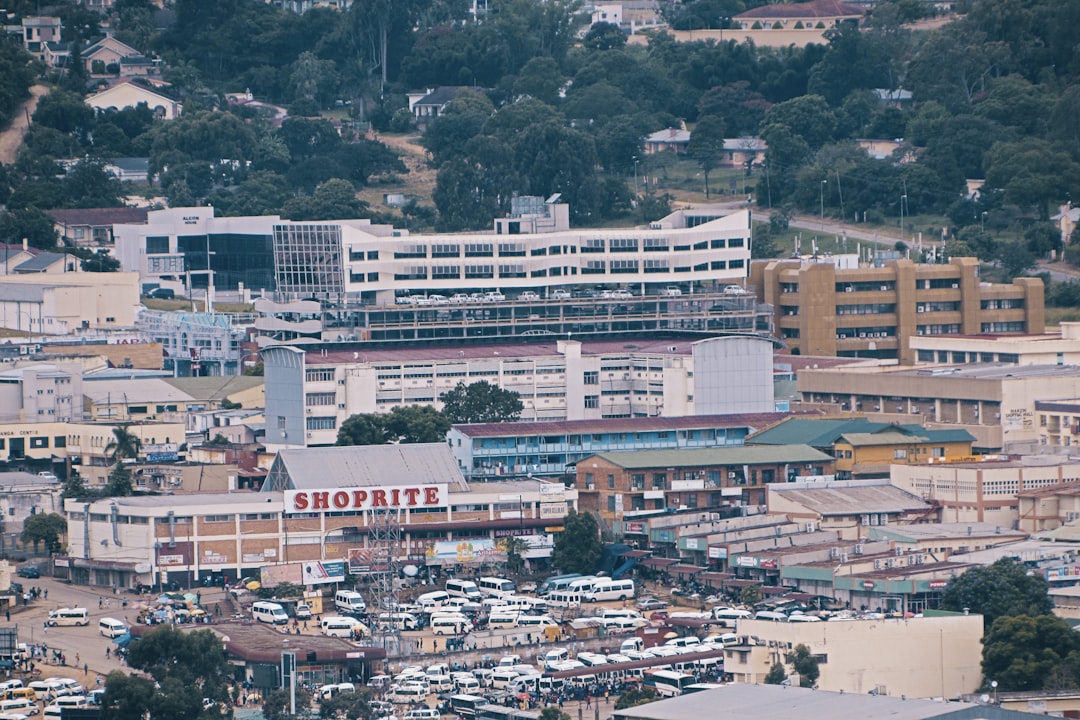
Last reviewed: August 2026 · key facts checked against Wikidata
Eswatini Travel Guide: Everything You Need to Know (2026)
Eswatini — one of Africa’s last absolute monarchies — packs extraordinary diversity into a country no larger than 200 km north to south and 130 km east to west, with a population of 349,233. Formerly known as Swaziland until King Mswati III renamed it in 2018, this landlocked kingdom sits tucked between South Africa and Mozambique at altitudes ranging from 200 m in the Lowveld to over 1,800 m in the Highveld. What surprised me most is how few travelers even consider it — making it one of Southern Africa’s most rewarding off-the-beaten-track destinations in 2026.
Top 3 Highlights at a Glance
- Hlane Royal National Park — Eswatini’s largest protected area hosts the Big Four — lions, elephants, rhinos, and leopards — within 30,000 hectares.
- Sibebe Rock — The world’s second-largest exposed granite dome rises 350 m above the valley floor just 8 km from Mbabane.
- Swazi Cultural Village at Mantenga — A living museum preserving 19th-century Swazi homestead life with twice-daily traditional dance performances.
Scroll down for our complete travel guide with tips on getting there, where to stay, costs and more.
Getting There & Transport
Which airports are the best entry points into Eswatini?
King Mswati III International Airport (SHO) near Manzini is your primary entry point. In my experience, most international visitors fly into OR Tambo International (JNB) in Johannesburg, South Africa, then drive the 360 km to Eswatini — a journey of roughly 4 hours. King Mswati III handles regional flights from Johannesburg and occasionally Maputo, Mozambique. The caveat most guides skip: SHO has limited scheduled services, so check availability well before booking. Flying via Kruger Mpumalanga International (MQP) in Nelspruit cuts the road transfer to just 90 minutes, making it my preferred routing if fares are comparable.
How do I get from the airport to my first accommodation in Eswatini?
Take a pre-booked transfer — it is the most reliable option at SHO. Taxis from the airport to Manzini cost around $15–20, while the 40 km ride to Mbabane runs $30–40. In my experience, metered taxis at SHO are scarce, so I always arranged a hotel pickup in advance. Shared minibus taxis (called ‘combis’) exist but have no fixed schedules and stop frequently. My tip: if arriving via Johannesburg by road, the Ngwenya border post is the smoothest crossing — open 24 hours and well-staffed. Avoid arriving at rural border posts after dark.
What transport options are there within Eswatini?
Combis (minibus taxis) are the backbone of local transport, connecting Mbabane, Manzini, and most towns for $0.50–2 per trip. They are cheap but cramped and run unpredictably. Metered taxis operate in both cities but must be arranged by phone — apps like Jenga cover urban routes. I recommend renting a car for any serious exploration beyond city centres. Eswatini has no passenger rail service. The honest trade-off: combis give you authentic local interaction but arrive on no fixed schedule. Road quality on the MR3 highway between Mbabane and Manzini is good; rural dirt roads demand a high-clearance vehicle.
Do I need a rental car in Eswatini?
Yes, a rental car is essential for visiting national parks and rural areas. Combis only reach towns — Mlilwane Wildlife Sanctuary, Hlane Royal National Park, and Sibebe Rock are inaccessible without your own wheels. I recommend booking through Avis Mbabane or Europcar at SHO airport; expect to pay $45–70 per day for a standard saloon. My tip: upgrade to a 4WD for $80–100/day if you plan gravel roads in the Lubombo region. The warning most guides omit: fuel stations in rural areas close by 6pm — always fill up before leaving town.
How good is the public transport network between regions in Eswatini?
Honestly, it is basic. Combis connect Mbabane, Manzini, Nhlangano, and Siteki reliably, but frequency drops sharply after 3pm. There are no buses between regions with fixed timetables. What surprised me: even reaching the entrance of Mlilwane Wildlife Sanctuary from Mbabane requires either a $15 taxi or a combi plus a 2 km walk. Cross-border buses to Johannesburg (operated by Intercape) depart from Manzini and are a legitimate option for budget travelers. My honest assessment: for a country this size, the network covers basics but fails nature-focused itineraries entirely.
Accommodation
Which regions should I stay in when visiting Eswatini?
Base yourself in Ezulwini Valley — Eswatini’s tourist heartland, sitting 18 km south of Mbabane. It hosts Mlilwane Wildlife Sanctuary, the Mantenga Cultural Village, and the best lodge accommodation. Mbabane (the capital) suits business travelers and offers urban convenience but fewer tourist draws. For wildlife, stay inside Hlane Royal National Park in the Lubombo region — the park’s own bush camps put you meters from rhino and elephant at night. The caveat: Ezulwini Valley gets congested on Swazi public holidays. Malkerns Valley, just south, is quieter and has excellent craft markets worth an overnight.
What does good accommodation cost per night in Eswatini?
Budget guesthouses in Mbabane start at $25–35 per night. Mid-range lodges in Ezulwini Valley run $60–100, including breakfast. The standout value: a thatched chalet inside Mlilwane Wildlife Sanctuary costs $80–120 per person and includes guided activities. Luxury lodges like Royal Villas at Ezulwini push to $200–350 per night. In my experience, Eswatini accommodation punches above its price point — $80 here buys you an experience that would cost $200 in neighboring South Africa’s Kruger region. The trade-off: true budget hostels are rare; the cheapest options are often noisy city-center guesthouses.
When should I book hotels in Eswatini — how far in advance?
Book 6–8 weeks ahead for peak season (June–August) and during the Umhlanga Reed Dance ceremony in August or Incwala in December/January. Hlane Royal National Park’s own camps fill 3 months in advance for the August school-holiday period. In my experience, shoulder months like April and September allow last-minute bookings with 1–2 weeks’ notice. The mistake I see repeatedly: travelers book flights into Johannesburg but leave Eswatini lodges as an afterthought — then discover Mlilwane is fully booked. Always lock in accommodation before finalizing your flights, especially for park lodges.
When is the best time to travel to Eswatini?
March, April, May, September, and November are the optimal months based on climate analysis. April–May gives lush green landscapes after rains with minimal crowds and excellent wildlife visibility in the Lowveld. September is my personal favorite: dry, warm (around 25°C), animals congregate at water sources in Hlane, and the Highveld wildflowers bloom. November is warm and atmospheric before heavy rains arrive. Avoid December–February for hiking — afternoon thunderstorms are intense. June–August is popular with South African school holidaymakers, driving lodge prices up 20–30%. The cultural ceremonies in August (Reed Dance) are worth planning around specifically.
How does peak season affect prices in Eswatini?
June–August peak season pushes lodge rates up 20–30% across the board. A Mlilwane chalet that costs $85 in April climbs to $110+ in July. Entry fees to national parks stay fixed, but guided game drives book out faster — limiting your activity options without advance reservations. What surprised me: Eswatini’s peak season is almost entirely driven by South African school holidays, not international tourism. This means accommodation availability collapses specifically around June 20–July 20 and December 1–January 10. The honest trade-off: visiting during the August Umhlanga Reed Dance is culturally unmissable but requires booking everything 3+ months ahead.
Best Time to Visit
Which regions of Eswatini have different climate zones?
Eswatini has four distinct topographic zones each with a different climate. The Highveld (west, 1,000–1,800 m) is cool and misty — Mbabane sits here and receives 1,400 mm of rain annually. The Middleveld (600–1,000 m), home to Ezulwini Valley, is temperate and most comfortable year-round. The Lowveld (150–300 m) around Hlane is hot and semi-arid — temperatures regularly hit 40°C in January. The narrow Lubombo plateau in the east offers cooler relief. My tip: pack layers even in summer — Highveld evenings drop sharply. The caveat: Lowveld summers are genuinely punishing; plan game drives at 6am or after 4pm.
What are the rainy seasons in Eswatini?
The main rainy season runs October through March, peaking in January and February with heavy afternoon thunderstorms across all zones. The Highveld around Mbabane receives the heaviest rainfall — up to 200 mm in January alone. The Lowveld around Hlane stays drier overall but experiences dramatic flash flooding on dirt access roads after downpours. In my experience, the rains rarely last all day — mornings are typically clear for activities. The trade-off most guides miss: January–February rains make the landscape spectacularly green and birdwatching peaks, but gravel roads to remote areas can become impassable without a 4WD for 24–48 hours after major storms.
What does a trip to Eswatini cost per person per day?
Budget travelers spending $50–70/day can cover a guesthouse, combi transport, street food, and one paid activity. Mid-range travelers should budget $120–180/day — this covers a decent lodge in Ezulwini Valley, meals at a proper restaurant, and a guided game drive. A comfortable independent trip with a rental car, lodge accommodation, and daily activities realistically runs $150–200/day. What surprised me: national park entry fees are genuinely affordable — Mlilwane charges around $5 entry, Hlane around $8. The hidden budget killer is car hire, which alone adds $50–80/day. Eswatini is noticeably cheaper than neighboring Kruger Park-area lodges.
How expensive is food in Eswatini?
Local food is very affordable. A plate of sishwala (thick maize porridge with beef stew) at a market stall in Manzini market costs $2–3. A sit-down lunch at a mid-range restaurant in Mbabane runs $8–15. Dinner at the Malandela’s complex in Malkerns — one of the best dining experiences in the country — costs $20–30 per person including drinks. Imported beer is $2–3, local Sibebe Lager is $1.50. My honest caveat: tourist-facing restaurants in Ezulwini Valley charge South African equivalent prices, so eating local at Manzini market on a Wednesday morning is both cheaper and far more authentic than any hotel restaurant.
What hidden costs should I expect in Eswatini?
Border crossing fees catch many travelers off-guard — entering from South Africa costs $0 for most nationalities, but the road tax levy of $5–10 applies to rental vehicles crossing the border. Conservation levies inside national parks add $5–15 per activity on top of entry fees. In my experience, guided activities like rhino tracking at Mkhaya Game Reserve cost $60–90 and are rarely included in lodge rates. ATM availability outside Mbabane and Manzini is poor — I once drove 45 km to find a working ATM. Tips for guides and lodge staff are expected at 10–15% and add up quickly over a week-long trip.
Budget & Costs
How much cash should I bring to Eswatini?
Bring $100–150 in South African Rand (ZAR) as cash for daily essentials — Eswatini’s Lilangeni (SZL) is pegged 1:1 to the Rand, and Rand is accepted everywhere. ATMs exist in Mbabane (Standard Bank on Allister Miller Street is reliable) and Manzini, but rural areas have none. I always carry enough cash for 3 days of expenses when leaving the capital. Credit cards work at lodges and supermarkets but frequently fail at smaller guesthouses. The warning most guides skip: ATM skimming has been reported at standalone machines — use bank-branch ATMs exclusively. Market stalls, combis, and rural roadside vendors are cash-only, no exceptions.
Which credit cards are accepted in Eswatini?
Visa and Mastercard are accepted at hotels, lodges, supermarkets (Pick n Pay in Mbabane), and larger restaurants. American Express is rarely accepted outside top-end lodges. In my experience, roughly 60% of tourist-facing businesses in Ezulwini Valley take cards reliably; outside that corridor, assume cash-only. Card machines frequently time out due to connectivity issues — I always carry backup Rand. Notify your bank before traveling; Eswatini triggers fraud alerts on many US and European cards. The practical tip: Standard Bank and FNB ATMs in Mbabane give the best exchange rates for withdrawing Lilangeni against international cards, saving 2–4% versus hotel cash exchange.
Which regions of Eswatini must I not miss?
Three regions are non-negotiable. The Ezulwini Valley (the ‘Valley of Heaven’) is the cultural and tourist core — pack it with Mlilwane, Mantenga, and craft markets. The Lubombo region (east) hosts Hlane Royal National Park — Eswatini’s best Big Four wildlife destination — and the remote Mkhaya Game Reserve, home to black rhino. The Highveld around Mbabane offers Sibebe Rock and the lush Malolotja Nature Reserve with 120 km of hiking trails. What most itineraries miss: the Malkerns Valley between Ezulwini and Manzini has the country’s best craft studios and the excellent Malandela’s restaurant complex — a half-day that punches far above expectations.
What are the tourist highlights of Eswatini?
The undisputed highlights: Hlane Royal National Park for white rhino, elephant, and lion encounters; Mlilwane Wildlife Sanctuary for walking safaris — the only park in Eswatini where you can walk freely among hippos and antelopes; Sibebe Rock for a 4-hour round-trip hike up the world’s second-largest exposed granite dome; Mantenga Cultural Village for traditional Swazi dance and homestead life; and Mkhaya Game Reserve for exclusive black rhino tracking with expert guides. The honest caveat: Eswatini’s parks are small compared to Kruger — Hlane covers 30,000 hectares versus Kruger’s 2 million — but the intimacy and crowd-free experience is the entire point.
What experiences in Eswatini are found nowhere else?
Three things are genuinely unique. First, the Umhlanga Reed Dance — an annual ceremony where thousands of unmarried Swazi women cut reeds and present them to the Queen Mother, held each August at Ludzidzini Royal Village; one of Africa’s largest surviving royal traditions. Second, walking safaris at Mlilwane Wildlife Sanctuary where you share trails with hippos and zebras on foot with no fence and no guide required — almost no African park allows this. Third, the Incwala ceremony in December/January is the sacred kingship ritual of the Swazi nation — attendance is permitted for respectful visitors and it remains entirely uncommercialized. These three have no equivalent anywhere else in Africa.
Regions & Highlights
Which areas of Eswatini are overcrowded — and what are quieter alternatives?
Mlilwane Wildlife Sanctuary gets noticeably busy during South African school holidays — June–July sees day-tripper crowds from Johannesburg that clog the main reception area. My alternative: drive 2 hours east to Mkhaya Game Reserve, which limits visitors to 12 guests per night maximum, guaranteeing total exclusivity. Mantenga Cultural Village at 10am on weekdays is packed with coach tours; arrive at the 3pm afternoon dance performance instead for a fraction of the crowd. The Malolotja Nature Reserve in the Highveld receives only 8,000 visitors per year — I had entire trail systems to myself on a Tuesday in April. It is Eswatini’s best-kept secret.
How many days do I need to see Eswatini properly?
5–7 days gives you a well-rounded experience. A tight 3-day trip covers Ezulwini Valley, Mlilwane, and Sibebe Rock — workable as an add-on to South Africa. Seven days lets you add Hlane Royal National Park (2 nights), a day at Mkhaya, and hiking in Malolotja. I spent 9 days and still felt I hadn’t exhausted it. The honest trade-off: most travelers bolt Eswatini onto a South Africa itinerary as a 2-day detour and leave underwhelmed — not because Eswatini fails, but because they saw nothing beyond Mlilwane. Give it at minimum 5 full days to reach the Lubombo region where the best wildlife genuinely lives.
Do I need a visa to enter Eswatini?
Most Western nationalities — including US, UK, EU, Australian, and Canadian passport holders — enter Eswatini visa-free for 30 days. South African passport holders enter freely. A 30-day extension is available at the immigration office in Mbabane for a nominal fee. The caveat most travelers overlook: if entering via South Africa, ensure your South African visa (if required for your nationality) allows multiple entries — re-entering South Africa after Eswatini counts as a new entry. Check this before booking. Passport must be valid for 6 months beyond your travel date. The Ngwenya, Oshoek, and Lavumisa border posts are the most efficient crossings.
What languages are spoken in Eswatini?
siSwati and English are both official languages. In my experience, English is spoken confidently across tourism, business, and government — you will encounter zero language barriers at lodges, restaurants, and national parks. In rural markets and among older generations, siSwati dominates. Learning three words transforms interactions: ’Sawubona’ (hello), ’Ngiyabonga’ (thank you), and ’Yebo’ (yes). The pleasant surprise: Swazi people respond with genuine warmth to any attempt at siSwati — it opens doors that dollars cannot. No translation app is needed for daily tourism, but Google Translate handles siSwati adequately if you venture deep into rural communities.
What cultural rules do I need to know before visiting Eswatini?
Eswatini is a conservative monarchy — show respect for the King and royal family in all conversations; criticism of the monarchy is illegal and can result in detention. During the Incwala and Umhlanga ceremonies, photography rules are strict — always ask permission before pointing a camera at participants. Dress modestly outside resort areas: women should cover shoulders and knees in villages and markets. The hidden rule most guides miss: driving through Ludzidzini Royal Village without authorization is prohibited. Never photograph government buildings or military installations. Greet elders first and accept offered food or drink with both hands — refusing is considered rude. Sunday is family-centered; many rural businesses close.
Practical Tips
How safe is Eswatini for travelers?
Eswatini is generally safe for tourists in comparison to regional neighbors. Petty theft (bag snatching, pickpocketing) occurs in Manzini market and busy areas of Mbabane — keep phones in front pockets and avoid displaying cameras. The UK Foreign Office rates Eswatini as ‘exercise normal precautions.’ The honest caveat: driving at night carries real risk — livestock on unlit rural roads causes serious accidents; I never drive after 8pm outside major towns. Politically, the country has seen protest activity since 2021; avoid any visible demonstrations. Solo female travelers report feeling safe in tourist areas but should arrange trusted transportation rather than flagging down unmarked vehicles.
What health precautions should I take before visiting Eswatini?
Malaria prophylaxis is essential for the Lowveld regions — Hlane and Mkhaya are in active malaria zones, especially October through April. Consult a travel clinic at least 4 weeks before departure; mefloquine, doxycycline, or atovaquone/proguanil are the standard options. The Highveld around Mbabane is malaria-free. Vaccinations recommended by WHO: Hepatitis A, Typhoid, and up-to-date routine vaccines. HIV prevalence in Eswatini is the highest in the world at approximately 27% — standard precautions apply. Drink only bottled water in rural areas. Medical facilities in Mbabane (Mbabane Clinic on Gilfillan Street) are adequate for basic care; serious emergencies require evacuation to Johannesburg, so comprehensive travel insurance with evacuation cover is non-negotiable.
What SIM card or eSIM options are available in Eswatini?
MTN Eswatini is the dominant and most reliable network, covering urban areas and main tourist corridors well. Eswatini Mobile (formerly Swazi MTN) offers competitive data bundles. Buy a SIM at OR Tambo Airport in Johannesburg before crossing the border — MTN South Africa roams in Eswatini at fair rates if you have an existing MTN SA SIM. Local SIMs cost around $2 with registration; 1 GB of data runs approximately $3–5. Coverage at Hlane and Mkhaya in the Lowveld is patchy — expect 2G only in remote park areas. eSIM options via Airalo work in Eswatini through regional Africa bundles; I tested this successfully in 2024 with solid 4G in Mbabane and Ezulwini.
Which apps do you recommend for traveling in Eswatini?
Maps.me is essential — download Eswatini offline maps before leaving Mbabane; Google Maps has significant gaps on rural roads. iNaturalist is brilliant for wildlife identification in Malolotja. WhatsApp is how locals communicate and how most guesthouses confirm bookings — install it before you arrive. XE Currency for live Lilangeni/Rand/Dollar conversions, since prices can be quoted in any of the three. Airalo for eSIM top-ups without finding a physical store. The app most guides never mention: BirdLasser — Eswatini has over 500 recorded bird species and birdwatchers will find it indispensable at Mlawula Nature Reserve. Offline first-aid apps are worth downloading given limited rural medical access.
What are the most common traveller mistakes in Eswatini?
The biggest mistake: treating Eswatini as a 1-day detour from Kruger and seeing only Mlilwane before rushing back to South Africa. You miss everything that makes the country extraordinary. Second: arriving without Rand cash — many border-area vendors and rural guesthouses are cash-only and ATMs outside Mbabane fail regularly. Third: booking game drives without checking malaria prophylaxis for Lowveld parks — I’ve met travelers at Hlane who had no medication. Fourth: skipping the Manzini Wednesday market — it’s the most authentic local experience in the country and costs nothing to visit. Fifth: photographing people, ceremonies, or military sites without explicit permission — fines and confiscated equipment are real consequences, not hypothetical ones.
Eswatini at a Glance
| Population | 1,230,506 |
|---|---|
| Currency | lilangeni (E) |
| Official language | English, Swazi |
| Time zone | South Africa Standard Time |
Source: Wikidata, retrieved August 2026.
Essential Resources for Planning Your Trip to Eswatini
- Heritage tourism project funded by EU and UNESCO in … — official visitor information, passes & events
- Wikipedia: Eswatini — history, geography & background
- Wikivoyage: Eswatini — community travel guide & practical tips
- eSwatini (Swaziland) travel – Africa — expert itineraries & travel inspiration
- THE 15 BEST Things to Do in Eswatini (Swaziland) (2026) — hotels, restaurants & traveller reviews
- Eswatini | Travel and Tourism Information — how to get around
- Numbeo: Cost of Living in Eswatini — current prices & cost comparison
- Timeanddate: Eswatini Weather & Climate — forecasts & climate statistics
More Perspectives on Eswatini
- Eswatini (Swaziland) travel guide – Responsible Travel
- eSwatini Travel Information and Guide
- The Kingdom of Eswatini (Swaziland): Official Tourism Website
Eswatini Travel Videos
Watch these videos for a visual preview before your trip:
- ESWATINI (SWAZILAND) | Beautiful Places To Visit In Eswatini (+ Travel Tips)
- 13 Top-Rated Tourist Attractions in Swaziland (eSwatini) | Travel Video | Travel Guide | SKY Travel
- Top 10 Must-See Attractions in Eswatini
Eswatini Travel Discussions on Reddit
Real traveller experiences and community advice:
- Visiting Eswatini : r/Swaziland
- Is this a terrible idea? SA + Eswatini + Lesotho self drive solo
- r/howislivingthere – What is life like in Swaziland/Eswatini
Data Sources
This page was compiled using data from Wikipedia, Wikidata, Open-Meteo (climate), Numbeo (cost of living) and REST Countries. Information is updated regularly.