
Bled: The Complete Travel Guide (2026)
Last reviewed: September 2026 · key facts checked against Wikidata
Bled Travel Guide: Everything You Need to Know (2026)
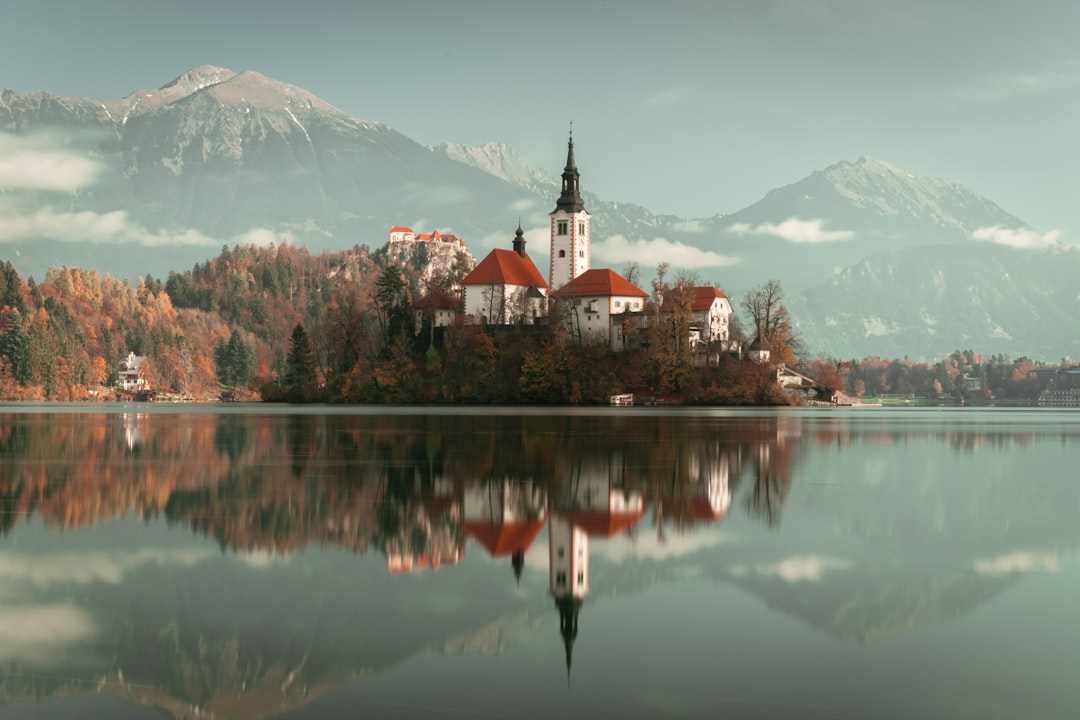
Bled sits at 501m above sea level on the shores of glacial Lake Bled in northwestern Slovenia, home to just 4,969 permanent residents yet welcoming over a million visitors annually. The town’s medieval castle perched on a sheer 130m cliff has overlooked this valley since the 11th century. What surprises most travellers is how small the town actually is — the lake circumference is only 6km, yet Bled consistently ranks among Europe’s most photogenic destinations.
Three Things Not to Miss in Bled
- Bled Island & Church of the Assumption — Slovenia’s only natural island, reached by traditional wooden pletna boat — ring the 99-step church bell for good luck.
- Bled Castle (Blejski Grad) — Perched 130m above the lake on a vertical cliff, offering the most dramatic panoramic view in the Julian Alps.
- Vintgar Gorge — A 1.6km wooden walkway carved into a thundering limestone gorge just 4km from Bled’s centre — utterly non-negotiable.
Scroll down for our complete travel guide with tips on getting there, where to stay, costs and more.
Getting to Bled from the Airport
How do I get to Bled — by train, bus, or car?
The fastest option is bus from Ljubljana, taking 1 hour 20 minutes and costing around €6–€7 one way. I recommend the bus over driving — it drops you right at Bled Bus Station on Ljubljanska cesta, a 5-minute walk from the lake. Direct buses run roughly every hour from Ljubljana’s main bus terminal. Trains exist but stop at Lesce-Bled station, 4km from town, requiring a taxi or local bus connection — an annoying extra step most travel blogs skip over. My tip: book the bus through the Arriva Slovenia app to confirm schedules, especially on weekends when departures fill up fast.
Which airport is closest to Bled?
Ljubljana Jože Pučnik Airport (LJU) is your primary gateway, just 35km from Bled — roughly 45 minutes by car or transfer. A direct GoOpti shared shuttle costs around €9–€15 per person and is far cheaper than a taxi, which runs €50–€65 for the same journey. What surprised me: no public bus connects the airport directly to Bled, so budget travellers must take the airport bus to Ljubljana first (€4.10), then connect to Bled by regional bus. If flying from within Europe, also check Trieste Airport (TRS) in Italy at roughly 90km — sometimes cheaper fares land there.
How long does the journey to Bled take from Ljubljana?
By direct bus from Ljubljana city centre, expect 1 hour 20 minutes — timetabled, reliable, and running from 5am to 10pm daily. By car via the A2 motorway it’s 55 minutes in normal traffic, but summer weekends can add 30–45 minutes of congestion at the Bled turnoff. In my experience, arriving before 9am or after 6pm avoids the worst of it. The honest trade-off: the bus deposits you centrally near the lake, while driving gives you flexibility for reaching Vintgar Gorge or Pokljuka plateau without taxi costs piling up.
Do I need a rental car to explore Bled and the surrounding area?
For Bled town itself, absolutely not — the lake loop is 6km and walkable. However, for Triglav National Park, Bohinj Lake (26km away), or the Soča Valley (60km), a car transforms the trip entirely. I recommend renting from Ljubljana Airport rather than Bled itself — rates start around €35–€50 per day for a compact car, and Bled town’s parking is genuinely painful in July and August with fees of €2–€3 per hour in the lakeside zones. The honest caveat: if your itinerary is purely Bled plus day trips by organized tour, skip the rental and save both money and parking stress.
Moving Around Bled
Which towns in Bled make good bases for exploration?
Bled town itself is the obvious base — staying within 500m of the lake puts you within walking distance of the pletna boats, castle entrance, and main restaurants. The Mlino area on the southwestern shore is quieter and roughly 10% cheaper for accommodation than the main lakefront strip. If you want fewer crowds, Bohinjska Bistrica (22km west) works as an alternative base for Bohinj Lake and gives honest local pricing. In my experience, staying directly on the lake’s east shore near Hotel Park gives unbeatable morning light on the island — worth paying extra for at least 2 nights.
Where should I stay in Bled?
Stay on the eastern or southern lake shore for the classic island view without fighting tour groups at every turn. The Mlino hamlet area offers family-run guesthouses at genuine local prices, while the strip near Grand Hotel Toplice caters to luxury seekers with direct lake access. Hostel beds in Bled Garden or similar run €22–€30 per night. Mid-range guesthouses in the Ribno area, 1.5km from the lake, deliver excellent value. My tip: avoid booking anything advertised as “lake view” without checking actual photos — many “lake view” rooms face a car park with a sliver of water visible at an angle.
What does accommodation cost per night in Bled?
Budget hostel dorm: €22–€35. Mid-range double room in a guesthouse: €80–€130. Boutique hotel with lake view: €150–€220. Luxury at Vila Bled or Grand Hotel Toplice: €250–€450+. These are July–August prices — shoulder season rates in May or October drop roughly 30–40%. The honest trade-off: Bled is unambiguously more expensive than most Slovenian towns. What surprises travellers is that tiny family-run pensions in Ribno or Rečica deliver comfortable rooms at €65–€90 — solid value compared to anything lakefront.
How far in advance should I book accommodation in Bled during high season?
For July and August, book 3–5 months ahead — no exaggeration. Bled receives over a million visitors annually in a town of under 5,000 residents, and lakefront properties sell out by April for peak summer weeks. For the June or September shoulder window, 6–8 weeks ahead is workable. I recommend booking mid-June or early September deliberately — you get 85–90% of the summer experience with roughly 25% lower prices and noticeably thinner crowds at the island and castle. The hidden pitfall: many guesthouses have a 2-night minimum in July and August, so one-night stays require flexibility on property choice.
Choosing a Neighbourhood in Bled
When is the best time to visit Bled?
June, July, August, and September are the verified best travel months based on climate data — warm, mostly dry, and with the lake at its most swimmable. My personal pick is mid-June or September: the lake is calm, wildflowers on the Pokljuka plateau are in full bloom or autumn colours are emerging, and you avoid the 40-coach-tour-per-day August chaos. July and August bring reliable sunshine but also shoulder-to-shoulder crowds at the pletna dock. Winter (December–February) is genuinely beautiful with snow on the castle, but temperatures drop below 0°C and most boat services to the island are suspended.
What local festivals in Bled are worth attending?
The Bled Days festival (usually early July) is the standout — fireworks over the lake, live music along the promenade, and rowing regattas that turn the lake into a spectacle. The Okarina World Music Festival in late July and August brings international artists to an open-air stage near the lake for 2–3 weeks. In December, the Bled Advent transforms the promenade with markets and mulled wine. The honest caveat: Bled Days weekend sees accommodation prices spike a further 20–30% and the town becomes genuinely packed by 10am — book your pletna boat ride for sunrise (around 6:30am) that weekend or skip it entirely.
How does the weather in Bled affect activities throughout the year?
Summer (June–August) averages comfortable warm temperatures ideal for swimming, cycling the lake loop, and hiking. The lake itself is swimmable from mid-June through early September, peaking around the Grajsko kopališče (Castle Beach). Afternoon thunderstorms in July and August are common — plan hikes for mornings before 1pm. Autumn (October) brings spectacular colour but also rain and the first frost. Winter locks in snow on the surrounding mountains, making Bled a base for skiing at Straža (vertical drop: 170m — honest, it’s a beginner hill) and snowshoeing on Pokljuka. Spring (April–May) is cold with unpredictable showers but remarkably uncrowded.
How crowded does Bled get in peak season?
Peak July–August is genuinely overwhelming — tour buses arrive from 8am, the island pletna queue can stretch to 90-minute waits by midday, and the viewpoint at Ojstrica (782m, 20-minute hike above the lake) gets crowded by 9am. In my experience, arriving at the pletna dock before 7am is the single best move in high season — glassy water, no crowds, and the light is extraordinary. The hard truth: if you’re visiting in August on a weekend without pre-planning your mornings, Bled can feel like a theme park. Weekdays are measurably better than weekends — noticeably so.
Top Sights in Bled
How safe is Bled for tourists?
Bled is extremely safe — Slovenia consistently ranks in Europe’s top 10 safest countries, and violent crime targeting tourists is essentially unheard of here. The main real risks are petty theft in crowded areas near the lake dock in July–August and traffic accidents on the narrow roads around the lake, where cyclists and pedestrians mix with tour buses. My tip: keep valuables in your accommodation safe rather than on the beach at Grajsko kopališče or the public swimming area. One overlooked hazard: the mountain trails toward Mala Osojnica can be slippery after rain — proper footwear is not optional on the steeper paths.
Is English widely spoken in Bled?
Yes — English is near-universal in Bled’s hospitality industry, shops, and restaurants. As one of Slovenia’s most international destinations, Bled’s service workers are often more comfortable in English than Slovene with foreign visitors. In my experience, even older guesthouse owners in Ribno or Mlino manage solid conversational English. Learning a few Slovene phrases — ‘Hvala’ (thank you) and ‘Prosim’ (please) — earns immediate warmth and the occasional unrequested discount on homemade cake. The honest trade-off: English signage is so dominant that you can visit Bled without engaging meaningfully with local culture at all, which would be a shame.
What is the daily budget for visiting Bled?
Budget traveller (hostel, self-catering, free hikes): €45–€65 per day. Mid-range (guesthouse, restaurant lunches, pletna boat): €100–€150 per day. Comfortable with lake-view hotel and activities: €180–€250 per day. The pletna boat to the island costs €18–€20 per person round trip — non-negotiable if it’s your first visit. Castle entry is €15. The honest hidden cost: Bled is not a budget destination by Slovenian standards — it prices closer to Austrian lake towns than to Ljubljana. My tip: buy your cream cake (kremšnita) at the Park café for €4.50 rather than from lakeside tourist kiosks charging €7+ for the same slice.
Is Bled more expensive than other parts of Slovenia?
Significantly yes — Bled runs 30–50% more expensive than Ljubljana for equivalent accommodation and meals, and is the priciest destination in the country outside of Ljubljana’s top-end hotels. A sit-down dinner for two with wine costs €55–€80 at a lake-view restaurant versus €35–€50 for the same quality in Ljubljana. The honest trade-off: you’re paying a scenery premium, and for many travellers it’s worth it for 2–3 nights. My recommendation is to eat your main hot meal at lunch rather than dinner — set lunch menus (‘dnevno kosilo’) at restaurants like Gostilna Pri Planincu run €12–€15 for two courses, cutting evening costs sharply.
Where to Eat in Bled
What free highlights are there in Bled?
The 6km lake circumference walk costs nothing and takes about 90 minutes at a relaxed pace with stops — it’s genuinely one of the best free walks in Central Europe. The Ojstrica viewpoint (a 20-minute steep hike from the southwestern shore) and Mala Osojnica (30 minutes from near Camping Bled) deliver the postcard panoramas without any entry fee. Vintgar Gorge charges €10 — not free, but unmissable. The honest reality: Bled’s iconic experiences — island, castle, gorge — all cost money. Pure free experiences are beautiful but limited to hiking and lakeside walking. The sunset from Straža hill is free and rivals the paid viewpoints.
What do local specialities cost in Bled?
Bled’s famous kremšnita (cream cake) costs €4.50 at the iconic Park Hotel café — the original and still the best version. A local trout dish at a traditional gostilna runs €16–€22. Slovenian žlikrofi (stuffed pasta) as a starter: €8–€11. A half-litre of Laško or Union beer at a lakeside bar: €4–€5. In my experience, the kremšnita is genuinely spectacular and the price is fair — it’s one of those rare cases where the hyped local speciality actually delivers. The honest caveat: tourist restaurants near the main dock inflate prices by 20–30% over gostilnas 3 minutes inland — always walk one street back.
Which route do you recommend for 5–7 days based in Bled?
Day 1: Arrive, walk the lake loop at sunset, kremšnita at Park café. Day 2: Pletna to the island at 7am, castle by 10am, Ojstrica viewpoint afternoon. Day 3: Vintgar Gorge morning (arrive by 8:30am), afternoon swim at Grajsko kopališče. Day 4: Full day at Bohinj Lake (26km, bus €3.50) — calmer, deeper, and free to swim. Day 5: Drive or tour to Triglav National Park — Soča Valley or Vršič Pass (1,611m). Days 6–7: Hike Pokljuka plateau, visit Radovljica old town (7km, medieval gem, free to walk), and slow morning in Mlino. The honest warning: don’t over-programme — Bled rewards lingering more than rushing.
What are the must-see sights in Bled?
Bled Island (Blejski otok) with its 15th-century church is the non-negotiable centrepiece — reach it by pletna for €18–€20. Bled Castle at 130m above the lake dates to the 11th century and costs €15 entry. Vintgar Gorge, 4km from town with €10 entry, is a 1.6km boardwalk through roaring canyon water. The Ojstrica viewpoint is free and 20 minutes on foot. What most visitors miss: Radovljica (7km, free old town with a remarkable medieval square) and the Pokljuka plateau (1,300m, 20km by road), which offers silence and alpine meadows that feel entirely separate from tourist Bled.
Before You Go to Bled
What natural highlights are near Bled?
Beyond the lake itself, Triglav National Park begins essentially at Bled’s doorstep — Triglav peak (2,864m, Slovenia’s highest) is visible on clear days. Vintgar Gorge (4km) and Bohinj Lake (26km) are the nearest dramatic natural features. The Pokljuka plateau at 1,300m elevation sits 20km by road and offers cross-country skiing in winter and pristine Nordic walking in summer. In my experience, Bohinj Lake is what Bled would look like without the tourists — 20% wilder, 30% cheaper, and the water is colder but dramatically beautiful. The hidden gem: Tolmin Gorges (60km, €6 entry) combine two converging gorges in a single unforgettable walk.
What makes Bled unique compared to other Slovenian towns?
No other town in the country — arguably in the Alps — combines a glacial lake, a cliff-top medieval castle, and a church-topped island in a single viewpoint. That trifecta is genuinely rare on a global scale, not just a regional one. What distinguishes Bled further is its scale: the 6km lake loop means the entire spectacle is walkable in an afternoon. The honest caveat: that uniqueness means Bled has leaned hard into tourism, and parts of the lakefront feel overly polished. The rawer, more Slovenian experience lives in the surrounding villages — Ribno, Zasip, and Bodešče — within 3km of the lake but rarely on any tourist map.
What public transport options are available in and around Bled?
Within Bled, the lake loop is walkable (6km, 90 minutes) and no internal transit is needed. Regional bus line Arriva connects Bled Bus Station to Ljubljana hourly (€6–€7, 1hr 20min) and to Bohinj (€3.50, 40min). A local shuttle runs to Vintgar Gorge from the bus station in peak season (July–August) for €4 return. The Lesce-Bled train station (4km from town) connects to Ljubljana by rail in about 1 hour. My honest assessment: public transport covers the essentials, but reaching Triglav National Park’s interior or the Soča Valley without a car requires expensive organized tours or complex multi-bus routing.
Which apps do you recommend for visiting Bled?
Arriva Slovenia — essential for real-time bus timetables between Bled, Ljubljana, and Bohinj. Karta Ljubljana handles transit if you’re connecting through the capital. Mapy.cz is my preferred offline mapping app for Slovenia — it covers Triglav hiking trails with elevation profiles far better than Google Maps. Komoot for cycling and hiking route planning around the Pokljuka plateau. Meteoblue gives hyperlocal Alpine weather forecasting — critical for planning hikes, since afternoon thunderstorms can roll in within 30 minutes with no warning. The honest caveat: mobile coverage drops to 2 bars or less in Vintgar Gorge and on the upper Pokljuka trails — download offline maps the night before, not at the trailhead.
Bled at a Glance
| Population | 4,969 |
|---|---|
| Currency | EUR (€) |
| Official language | Slovene |
| Time zone | UTC+01:00 |
Source: Wikidata, retrieved September 2026.
Slovenia › Bled
Essential Resources for Planning Your Trip to Bled
- Visiting SLOVENIA? Don’t make THESE Mistakes: Bled, … — official visitor information, passes & events
- Wikipedia: Bled — history, geography & background
- Wikivoyage: Bled — community travel guide & practical tips
- Lake Bled travel – Slovenia, Europe — expert itineraries & travel inspiration
- THE 15 BEST Things to Do in Bled (2026) — hotels, restaurants & traveller reviews
- Visiting SLOVENIA? Don’t make THESE Mistakes: Bled, … — how to get around
- Numbeo: Cost of Living in Bled — current prices & cost comparison
- Timeanddate: Bled Weather & Climate — forecasts & climate statistics
More Perspectives on Bled
Bled Travel Videos
Watch these videos for a visual preview before your trip:
- Things to do in Lake Bled, Slovenia | One Day in Bled Travel Guide
- Top 10 Things to do in BLED | Travel Guide
- Lake Bled, Slovenia: The Perfect Day Trip Guide!
Bled Travel Discussions on Reddit
Real traveller experiences and community advice:
- I went to Bled, Slovenia. It’s beautiful and worth it! : r/travel
- Is Lake Bled a tourist trap? : r/Interrail
- My wife and I spent 6 days in the Bled Lake, Slovenia, area …
Data Sources
This page was compiled using data from Wikipedia, Wikidata, Open-Meteo (climate), Numbeo (cost of living) and REST Countries. Information is updated regularly.