
Bosanska Krajina: The Complete Travel Guide (2026)
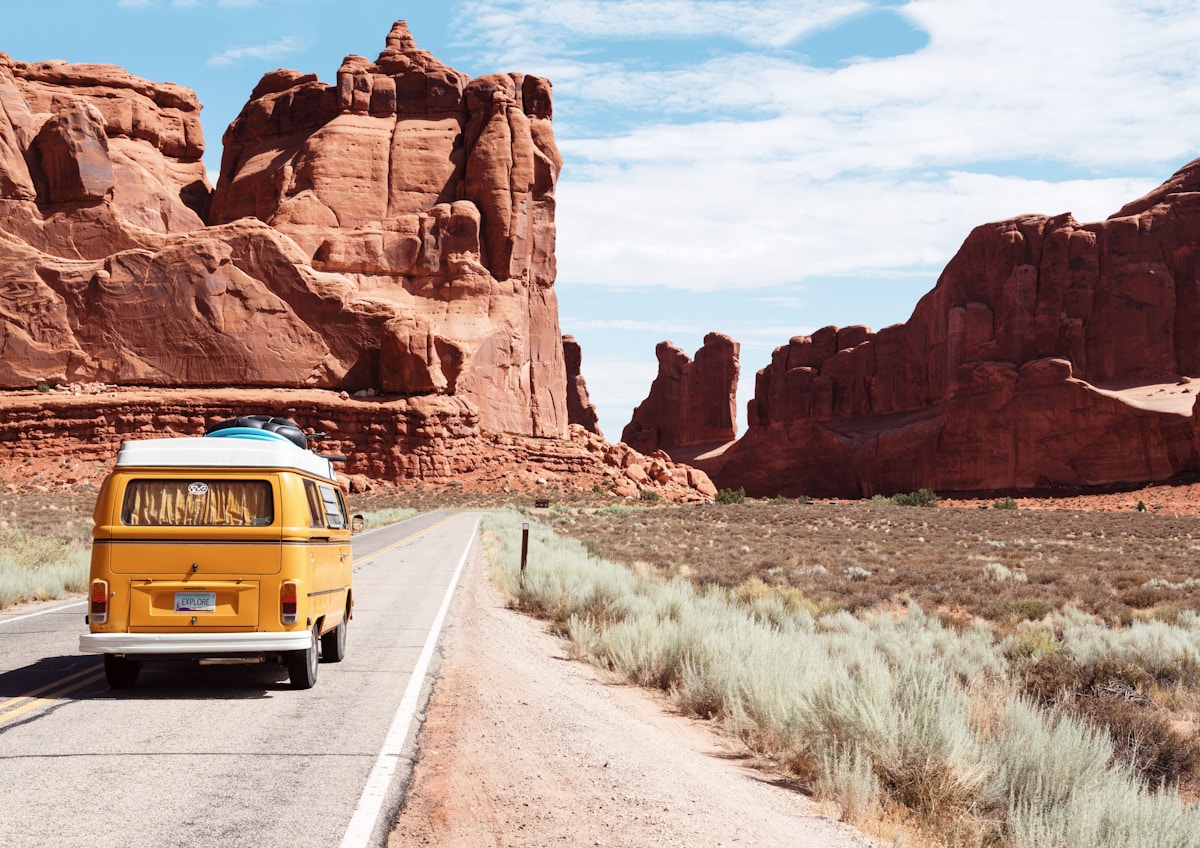
Bosanska Krajina Travel Guide: Everything You Need to Know (2026)
Bosanska Krajina is a rugged frontier region in western Bosnia and Herzegovina, bounded by the Sava River to the north and the Vrbas River to the east — a landscape that has shaped distinct cultural and natural identities for centuries. The region covers roughly 10,000 square kilometres and encompasses the city of Banja Luka, Bosnia’s second-largest urban centre with a population of around 185,000. What most travellers don’t realise is that Bosanska Krajina remains one of the least-visited corners of the Western Balkans, meaning genuinely untouched nature and authentic encounters are still the norm here in 2026.
Three Things Not to Miss in Bosanska Krajina
- Vrbas River Canyon — A dramatic 30-kilometre gorge offering Class IV rapids and some of the Balkans’ finest whitewater rafting.
- Banja Luka Old Town & Kastel Fortress — A 6th-century riverside fortress that anchors the region’s capital — free to enter and lit spectacularly at night.
- Una National Park — Emerald waterfalls and UNESCO-listed river scenery at Štrbački buk, only accessible via Bosanska Krajina’s western fringe.
Scroll down for our complete travel guide with tips on getting there, where to stay, costs and more.
Arriving in Bosanska Krajina
How do I best reach Bosanska Krajina?
Fly into Banja Luka International Airport (BNX) or drive from Zagreb in roughly **2.5 hours**. In my experience, driving from Zagreb gives you the most flexibility, especially if you plan to explore the region’s scattered natural sites. The E661 highway is modern and well-maintained for most of the route. Alternatively, buses from Sarajevo reach **Banja Luka** in about **3.5 hours** and cost around **BAD 20–28**. The honest caveat: rail connections into the region are painfully slow and infrequent — I would never recommend the train as a primary entry method unless you’re a committed rail enthusiast with zero time pressure.
Which airport is closest to Bosanska Krajina?
**Banja Luka International Airport (BNX)** is the closest, sitting just **23 km north of the city centre**. In my experience, it’s a small but efficient airport. The trade-off: flight connections are limited — you’ll mostly find routes to **Ljubljana**, Belgrade, and Zürich, with seasonal additions. If those routes don’t match your origin, fly into **Zagreb Airport (ZAG)** in Croatia, which is roughly **170 km away** and offers vastly more international connections. From Zagreb airport, a direct bus or rental car gets you to Banja Luka in under **3 hours**. My tip: BNX is convenient but don’t count on it for last-minute bookings — seats fill fast on its few routes.
How long is the journey from the Bosnian capital to Bosanska Krajina?
From Sarajevo to Banja Luka — Bosanska Krajina’s main hub — expect **3.5 to 4 hours by bus**. I recommend the **FlixBus or Centrotrans services** operating the Sarajevo–Banja Luka corridor; they’re punctual and affordable at roughly **BAD 22–30 per person**. By car the same route takes about **3 hours** via the M-16 highway, but be warned: road quality deteriorates noticeably on mountain sections near **Jajce**, and winter driving can be genuinely hazardous between November and March. What surprised me was that there’s no direct motorway — the route winds through mountain terrain, which is scenic but adds time. Budget extra time for stops.
Are there direct bus connections into Bosanska Krajina?
Yes — direct buses connect Bosanska Krajina well to regional neighbours. **Banja Luka’s main bus station** on Vojvode Stepe Street runs direct services to Sarajevo (**12 daily departures**), Zagreb (**6 daily**), and Belgrade (**8 daily**). Tickets to Zagreb cost around **BAD 35–45**. My tip: book at the station rather than online for domestic routes — the booking systems for local carriers are often glitchy. The honest caveat is that smaller towns within Bosanska Krajina — places like **Ključ or Mrkonjić Grad** — are served by infrequent regional buses, sometimes just **1–2 departures per day**, so those require careful planning or a rental car.
Is a rental car necessary to explore Bosanska Krajina?
For any serious exploration beyond Banja Luka, yes — a rental car is essential. The region’s top natural attractions, including the **Vrbas Canyon**, **Krupa na Vrbasu**, and villages along the **Una River**, are simply unreachable without private transport. Rental rates from **Banja Luka Airport** start at around **BAD 70–100 per day** for a compact car. My tip: book through international platforms like **Rentalcars.com** rather than local desks — prices are consistently 20–30% lower. The honest warning most guides skip: Bosnian roads outside the main corridors are narrow, poorly marked, and sometimes unpaved. A small SUV is worth the marginal extra cost.
Bases & Accommodation in Bosanska Krajina
Which towns in Bosanska Krajina make good bases?
**Banja Luka** is the obvious base — it has the most accommodation, restaurants, and transport links, and it positions you within **60 km** of most regional highlights. For a quieter, nature-focused base, I recommend **Jajce**, a medieval town at the confluence of the Pliva and Vrbas rivers, roughly **90 km southeast**. Jajce’s waterfall — which flows directly into the town centre — is genuinely one of Bosnia’s most dramatic sights. The trade-off: Jajce has limited accommodation options, so you’ll need to book well ahead in summer. **Bihać**, on the western edge of Bosanska Krajina near Una National Park, suits travellers prioritising river activities and park access.
Where should I stay in Bosanska Krajina?
In **Banja Luka**, stay in or near the **city centre around Gospodska Street** — you’re walking distance from Kastel Fortress, riverside cafes, and the best restaurants. Mid-range hotels like **Hotel Bosna** offer solid quality at fair prices. For nature immersion, I recommend guesthouses along the **Vrbas Canyon** near **Krupa na Vrbasu** — family-run operations that include breakfast and organise rafting. In **Jajce**, the handful of small hotels near the waterfall fill up fast in July and August, so book at least **6 weeks ahead**. What surprised me: rural agritourism stays in Bosanska Krajina are exceptional value and often include home-cooked meals featuring locally smoked meats.
What does accommodation cost in Bosanska Krajina?
Accommodation in Bosanska Krajina is genuinely affordable by European standards. A **mid-range hotel room in Banja Luka** runs **BAD 100–160 per night** including breakfast. Budget guesthouses and hostels start at **BAD 40–60 per night**. Rural agritourism rooms — my personal favourite for authenticity — cost **BAD 50–80 per night**, often with dinner included. Upscale options like **Hotel Palas** in Banja Luka charge around **BAD 180–240 per night**. The caveat most guides omit: prices spike sharply during the **Banja Luka Summer Music Festival** in July — expect 40–50% markups during that week specifically, and availability evaporates if you haven’t booked at least **2 months** in advance.
How far in advance should I book accommodation in Bosanska Krajina?
For peak summer travel in **July and August**, book Banja Luka city hotels at least **6–8 weeks** in advance. Rural guesthouses along the **Vrbas Canyon** and near **Una National Park** have very limited inventory — sometimes just **4–6 rooms** per property — so I’d book those **10–12 weeks** ahead. Shoulder season (May–June, September–October) allows **2–3 weeks** notice comfortably. The honest caveat: Bosanska Krajina hasn’t been fully integrated into global booking platforms — many guesthouses only appear on **Booking.com** or require direct WhatsApp contact. My tip: always confirm by phone or message after booking online, as cancellations sometimes aren’t updated on the platform in real time.
When is the best time to visit Bosanska Krajina?
**August is the peak month** for weather and river activities based on 5-year climate data, but I personally prefer **late May to mid-June**. By late May the Vrbas and Una rivers are high and fast — ideal for rafting — the valleys are vividly green, and crowds are minimal. August brings reliable warmth but also Banja Luka’s busiest tourism period. **September is an underrated gem**: temperatures remain comfortable, river levels are still adequate for kayaking, and the forested hills begin turning amber. The honest warning: **January through March** brings genuine mountain cold, icy roads, and many rural guesthouses simply close. Unless you’re after skiing near **Šipovo**, avoid winter.
Bosanska Krajina Through the Year
How does the weather affect activities in Bosanska Krajina?
Weather is the single biggest factor shaping your Bosanska Krajina itinerary. **Rafting and kayaking on the Vrbas** require adequate water levels — optimal between **April and September**, with peak flows in May and June after snowmelt. Summer heat in July–August regularly reaches **35°C** in the Banja Luka basin, making midday hiking uncomfortable; I recommend starting any trail before **8 AM**. The **Una National Park** waterfalls are most dramatic in spring when meltwater volume peaks. Winter closes most rural roads above **800m elevation** from December to February. My tip: always check weather for the specific sub-zone you’re visiting — the northern lowlands and the southern highlands behave very differently within the same week.
Are there local festivals in Bosanska Krajina worth attending?
Absolutely — the **Banja Luka Summer Festival** (late July) transforms Kastel Fortress into an open-air concert venue drawing regional and international acts, with tickets ranging from **BAD 25–80**. The **Dani Pive Beer Festival** in August is a lively local affair centred on the city’s famous brewery — entry is free and a half-litre costs around **BAD 3**. For something more cultural, the **Carnival of Mrkonjić Grad** in winter is one of Bosnia’s oldest folk celebrations, genuinely attended by locals rather than tourists. What surprised me: Bosanska Krajina has a strong tradition of rural ethnographic festivals celebrating Krajina food, costume, and music — ask locally in **Ključ** or **Drvar** for exact 2026 dates.
When does Bosanska Krajina get crowded?
The region peaks in **July and August**, primarily driven by domestic tourism from Sarajevo and the Bosnian diaspora returning from Western Europe for summer. **Banja Luka’s riverside promenade** gets genuinely busy on summer evenings, and Una National Park near **Bihać** sees day-tripper congestion on weekends. However, compared to Croatian or Slovenian destinations, even peak-season Bosanska Krajina feels uncrowded by Western European standards — I’ve never waited more than **15 minutes** for anything here. The honest note: **Štrbački buk waterfall** in Una NP gets a rush between **10 AM and 2 PM** daily in August — arrive before 9 AM or after 4 PM to have it largely to yourself.
What does a daily budget cost in Bosanska Krajina?
Bosanska Krajina is one of the most affordable destinations in Europe. A **budget traveller** spending nights in guesthouses, eating local food, and using buses can manage on **BAD 60–80 per day**. A **mid-range traveller** with a rental car, mid-tier hotel, and one activity per day should budget **BAD 150–200 per day**. A **comfortable traveller** enjoying the best hotels, guided rafting, and restaurant dinners will spend **BAD 250–350 per day**. My tip: the biggest daily expense for most visitors is the **rental car** — factor in BAD 70–100 for that alone. Food and entry fees are so low they barely register as a budget line.
Is Bosanska Krajina cheaper or more expensive than other Bosnian regions?
Bosanska Krajina is broadly comparable in price to **central Bosnia** but noticeably cheaper than **Mostar or Sarajevo** for accommodation and dining. In Banja Luka, a restaurant meal that would cost **BAD 25** in Sarajevo’s tourist centre will run **BAD 15–18** in a local konoba. Petrol prices are roughly the same nationwide. The honest caveat: if you’re staying in rural guesthouses with activities bundled in, Bosanska Krajina can actually appear slightly more expensive than budget city hostels — but the value-per-experience ratio is far superior. Adventure tourism packages (rafting day trips, guided hikes) on the **Vrbas** are about **30% cheaper** than equivalent Tara Canyon packages across the border in Montenegro.
Budgeting for Bosanska Krajina
What free highlights are there in Bosanska Krajina?
Several of Bosanska Krajina’s best experiences cost nothing. **Kastel Fortress** in Banja Luka is free to enter and stunning at sunset. The entire **Vrbas riverside promenade** — including its cafes, parks, and sculpture trail — costs zero. The **Jajce waterfall** can be viewed from public paths at no charge. **Crkva Sv. Luke** (the medieval Church of St Luke) in Jajce is free and dates to the **15th century**. Hiking trails through **Manjača plateau** are unmarked but accessible at no cost. What surprised me: some of the region’s best scenery — the river bends above **Krupa na Vrbasu** — is visible from public roads without entering any paid park or reserve.
What do local specialities cost in Bosanska Krajina?
Local food is extremely affordable. A plate of **ćevapi** (grilled minced meat rolls) with somun bread at a Banja Luka grill runs **BAD 6–9**. A full **roštilj mixed grill** for two people costs **BAD 25–35**. The region’s famous **Krajina lamb** slow-roasted under a peka (dome) costs around **BAD 18–24 per portion** in a village restaurant — that’s one of the great food bargains in the Balkans. A **Pivo (Banja Luka Beer)** at a bar is **BAD 3–4**. My tip: the best value meal is burek from a bakery in the old market — a generous slice of the local meat-filled pastry costs **BAD 2.50** and keeps you going for hours.
Which route do you recommend for 5–7 days in Bosanska Krajina?
I recommend a circular route starting and ending in **Banja Luka**. Day 1: arrive, explore Kastel Fortress and Gospodska Street. Day 2: drive south along the Vrbas Canyon — stop at **Krupa na Vrbasu** for a rafting session (**BAD 40–60 per person**). Day 3: continue to **Jajce** (**90 km**), see the waterfall and Pliva Lake. Day 4: head west to **Bihać** and spend the afternoon at **Štrbački buk** in Una National Park. Day 5: explore Una NP hiking trails and the Una River. Day 6: return north through **Ključ**, stopping at the medieval fortress. Day 7: back in Banja Luka for a final evening on the riverfront. Total driving: roughly **400 km** for the full loop.
What are the must-see sights in Bosanska Krajina?
My non-negotiable list: **Kastel Fortress** in Banja Luka (free, 6th-century origins, river views); **Jajce Waterfall** where the Pliva drops **21 metres** directly into the town; **Štrbački buk** in Una National Park — arguably the most beautiful waterfall in the Western Balkans; the **Vrbas Canyon** south of Banja Luka for dramatic gorge scenery; and the **Pliva Watermills** near Jajce, a cluster of 17 wooden mills on a lake that is unlike anything else in Bosnia. What tourists miss: the **Fortified Church of Krupa na Uni**, a riverside monastery with Ottoman-era battle scars still visible on its walls, reachable in **45 minutes** from Bihać.
What natural highlights does Bosanska Krajina offer?
The natural wealth of Bosanska Krajina is its defining asset. The **Vrbas River Canyon** — up to **200 metres deep** in sections — provides some of the best whitewater in the Balkans. **Una National Park** on the western edge protects pristine river ecosystems with waterfalls, travertine barriers, and crystal-clear water you can drink directly. **Manjača** is a high plateau with panoramic views and minimal tourism infrastructure — I’ve hiked there for a full day without seeing another foreign visitor. The **Pliva Lakes** near Jajce are ideal for kayaking. The honest warning: most of these natural sites lack visitor infrastructure — no toilets, no cafes, sometimes no marked trails. Come prepared with water, snacks, and offline maps.
Driving & Walking Routes in Bosanska Krajina
What local specialities should I try in Bosanska Krajina?
Bosanska Krajina has a distinct food identity within Bosnia. The standout is **Krajina lamb** — slow-roasted in a peka or on a spit, with a depth of flavour that reflects the region’s pasture quality. **Banja Luka ćevapi** are notably different from Sarajevo’s — thicker, served with raw onion and kaymak cream. Try **sudžuk** (spiced dried sausage) from a local market stall — a **BAD 3** snack that’s addictive. **Tufahija** (poached walnut-stuffed apple) is the traditional dessert. To drink: **Banja Luka Pivo** is the regional beer brewed here since **1873** — absolutely try it fresh from a tap. In rural areas, home-distilled **šljivovica** plum brandy will be pressed on you as hospitality — refusing is mildly impolite.
What activities are available in Bosanska Krajina?
The activity range is genuinely impressive for a region this size. **Whitewater rafting** on the Vrbas ranks among the top 5 experiences in the Balkans — organised from **Banja Luka** or **Krupa na Vrbasu** for around **BAD 50 per person** for a half-day. **Kayaking and canoeing** on the Una River near Bihać suits beginners and intermediates. **Hiking** on Manjača plateau and around Una NP offers full-day routes with zero crowds. **Rock climbing** routes exist along the Vrbas Canyon walls — a local guide costs around **BAD 80–100 for a half-day**. **Fishing** in the Una River is renowned regionally — a day permit costs roughly **BAD 20**. Winter brings **skiing at Šipovo** (70 km south), a small but uncrowded resort.
What distinguishes Bosanska Krajina from other Bosnian regions?
Bosanska Krajina feels rawer and less packaged than the rest of Bosnia. While **Mostar and Sarajevo** have developed polished tourism infrastructure, Bosanska Krajina remains genuinely unexplored by international visitors — in my experience, you’ll share its best sights with Bosnian families rather than tour groups. The landscape is distinct: the Vrbas Canyon, karst plateaus, and Una River ecosystem feel more Central European than Mediterranean. The cultural identity here is also notably different — the region’s **Krajina dialect, cuisine, and folk traditions** developed in relative isolation. What surprised me most: Banja Luka’s cafe culture rivals any Balkan city in quality and costs a fraction of Sarajevo prices — a flat white is **BAD 2.50**.
Which day trips are possible from Bosanska Krajina?
From Banja Luka, you can reach **Jajce** (**90 km, 1.5 hours**) comfortably as a day trip — the waterfalls and Pliva Mills justify the drive alone. **Prijedor** (**50 km north**) offers a stark but important historical site at **Kozarac** for those interested in 1990s war history. From Bihać on the western edge, **Plitvice Lakes National Park** in Croatia is only **90 km away** — a world-class UNESCO site reachable in under **90 minutes**, though Croatia charges **EUR 25–40 entry**. The **Kozara National Park** (**60 km northwest of Banja Luka**) is a beautiful forest massif for a half-day. My tip: the Vrbas Canyon drive south from Banja Luka is itself a destination — even a **2-hour drive with stops** is deeply rewarding.
Are there language barriers in Bosanska Krajina?
English is spoken reliably in **Banja Luka’s hotels, larger restaurants, and tourism businesses** — I’ve never had a serious communication problem there. Outside the city, especially in rural guesthouses and smaller towns like **Ključ or Šipovo**, English knowledge drops sharply. German is surprisingly useful here — many older residents worked as *Gastarbeiter* in Germany and Austria. In my experience, a translation app on your phone (Google Translate works offline for Bosnian) resolves almost every situation. The Bosnian/Croatian/Serbian language is the only practical necessity for deep rural travel. Learning **10 basic phrases** — greetings, numbers, food words — goes an exceptionally long way and generates visible appreciation from locals.
Local Know-How for Bosanska Krajina
Which apps do you recommend for travelling Bosanska Krajina?
**Maps.me** or **OsmAnd** with offline Bosnia maps are essential — Google Maps underperforms on rural roads here. **Booking.com** covers Banja Luka hotels but misses many rural guesthouses — supplement with direct searches and Facebook recommendations from local tourism groups. **WhatsApp** is universal for contacting accommodation and guides — have it ready. **Google Translate** offline (download Bosnian/Croatian language pack) handles menus and signs. For rafting and adventure bookings, **Raftingvrbas.com** is the most reliable local operator website. My tip: download the **Gde Jesti** restaurant discovery app — it’s the regional equivalent of Yelp and surfaces genuinely local places invisible on TripAdvisor. **Waze** outperforms Google Maps for real-time road conditions on mountain routes.
Are there medical facilities in Bosanska Krajina?
**Banja Luka** has a functioning university hospital — **University Clinical Centre of the Republic of Srpska** — capable of handling serious emergencies. In my experience, waiting times for non-emergency treatment are long, and English-speaking staff are not guaranteed. In smaller towns like **Jajce or Bihać**, you’ll find basic health centres but limited specialist capacity. For adventure activities like rafting and canyoning, operators are required by law to carry first aid, but standards vary — always check. The honest warning: rural areas more than **30 km from Banja Luka or Bihać** have extremely limited medical access. Travel insurance with **helicopter evacuation cover** is not paranoid here — it’s sensible, especially if hiking or rafting. A basic pharmacy (**apoteka**) is found in every town.
How safe is Bosanska Krajina?
Bosanska Krajina is safe for travellers in everyday terms — petty crime is low and violent crime against tourists is essentially unheard of. **Banja Luka** feels relaxed and walkable even late at night along the riverfront. The honest warning that most guides suppress: **landmines from the 1990s war** remain a real hazard in some rural and forested areas, particularly on hillsides and unmarked land away from established paths. The **Bosnia Mine Action Centre (BHMAC)** maintains maps, but the risk is not zero — stick to marked trails and established paths, and never venture off-trail in forested highlands without local guidance. Road safety is a more statistically likely concern: Bosnian driving standards are erratic, especially on mountain roads at night.
What are common traveller mistakes in Bosanska Krajina?
The biggest mistake I see repeatedly: **underestimating distances and road quality**. What looks like a **60 km drive** on a map can take **2 hours** on winding mountain roads — plan accordingly. Second: exchanging money at airport or hotel desks — you lose **8–12%** versus a local **mjenjačnica (exchange bureau)** in Banja Luka’s city centre. Third: assuming rural guesthouses accept cards — **cash in BAD is essential** outside cities. Fourth: visiting Una National Park on a summer weekend without arriving before 9 AM — the park road near **Štrbački buk** backs up badly. Fifth: packing light on layers — even August nights in highland areas drop to **12–15°C**, and unprepared travellers get cold fast. Sixth: booking accommodation without confirming by phone or WhatsApp.
Which accommodation types suit Bosanska Krajina best?
For first-time visitors, a **city hotel in Banja Luka** gives the best logistical base — breakfast is usually included and parking is manageable. For the authentic Bosanska Krajina experience, I strongly advocate **rural agritourism guesthouses** (called *seoski turizam* locally) — family-run properties in river valleys that typically offer home cooking, local schnapps on arrival, and insider knowledge no guidebook carries. These run **BAD 50–80 per night** with meals. Along the **Vrbas Canyon**, several adventure lodges cater specifically to rafters and climbers, bundling accommodation with guided activities for around **BAD 120–150 per person per day** all-inclusive. **Apartments** in Banja Luka via Airbnb offer excellent value for stays over **4 nights** — expect to pay **BAD 70–110 per night** for a well-equipped flat near the centre.
Bosanska Krajina at a Glance
| Currency | Bosnia and Herzegovina dinar (BAD) |
|---|---|
| Official language | Bosnian, Croatian, Serbian |
| Time zone | Central European Time |
Source: Wikidata, retrieved September 2026.
Bosnia and Herzegovina › Bosanska Krajina
Essential Resources for Planning Your Trip to Bosanska Krajina
- What are some must-see destinations and experiences in … — official visitor information, passes & events
- Wikipedia: Bosanska Krajina — history, geography & background
- Wikivoyage: Bosanska Krajina — community travel guide & practical tips
- Bosanska Krajina — Lonely Planet — expert itineraries & travel inspiration
- THE 10 BEST Things to Do in Cazin (2026) — hotels, restaurants & traveller reviews
- Bosnia and Herzegovina – Sage Reference — how to get around
- Numbeo: Cost of Living in Bosanska Krajina — current prices & cost comparison
- Timeanddate: Bosanska Krajina Weather & Climate — forecasts & climate statistics
- Supporting local tourism in the Old City of Mostar, Bosnia …
More Perspectives on Bosanska Krajina
- What are some must-see destinations and experiences in …
- bihać and banja luka as the centres of bosanska krajina
- BOSNIA-HERZEGOVINA ULTIMATE TRAVEL GUIDE …
Bosanska Krajina Travel Videos
Watch these videos for a visual preview before your trip:
- Top Things to do in BOSNIA | The ULTIMATE Travel Guide 🇧🇦
- 12 Best Places To Visit In Bosnia and Herzegovina | Bosnia Travel Guide
- Ovako izgleda DIVLJA BOSANSKA KRAJINA | Martin Brod i Drvar
Bosanska Krajina Travel Discussions on Reddit
Real traveller experiences and community advice:
- Strange symbols on Gravestones in Bosnia (Bosanska …
- Our trip to Bosnia: what do you think?
- Vacation – road trip Bosnia : r/bosnia
Data Sources
This page was compiled using data from Wikipedia, Wikidata, Open-Meteo (climate), Numbeo (cost of living) and REST Countries. Information is updated regularly.