
North Macedonia: The Complete Travel Guide (2026)
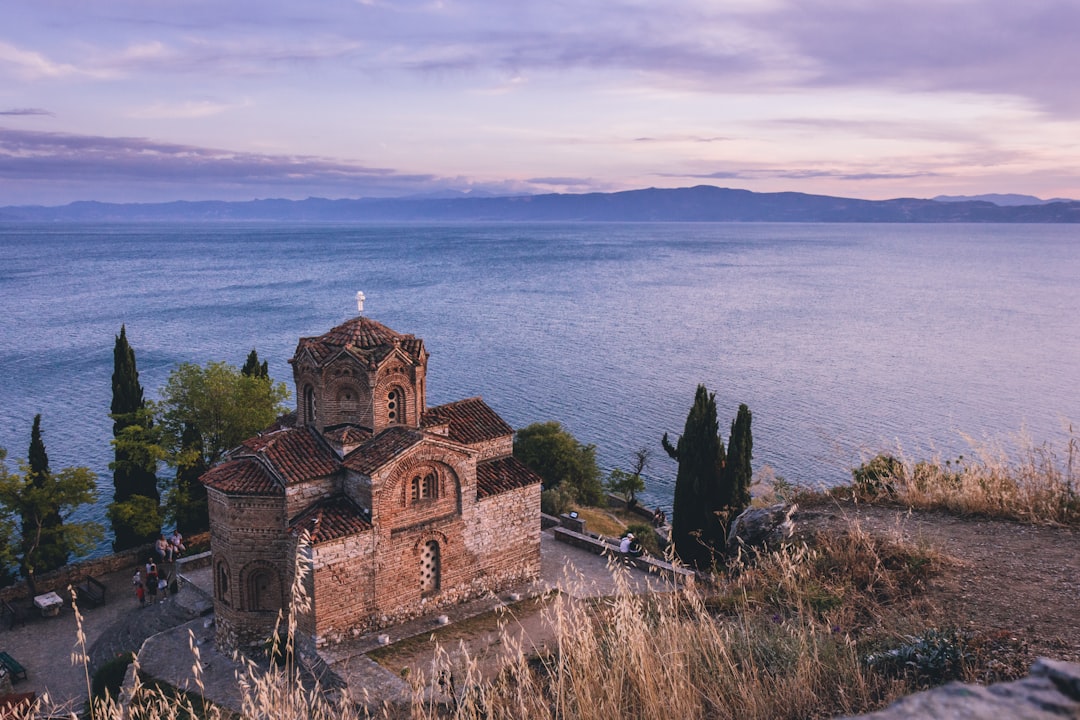
North Macedonia Travel Guide: Everything You Need to Know (2026)
North Macedonia, a landlocked country in Southeast Europe with a population of 1,836,713, sits at the crossroads of ancient civilizations — Skopje alone has been rebuilt 7 times after earthquakes and invasions. The country shares borders with 5 nations including Greece, Bulgaria, and Albania, making it a natural hub for Balkan multi-country itineraries. Lake Ohrid, one of Europe’s oldest lakes at an estimated 3–5 million years old, alone justifies the journey.
Three Things Not to Miss in North Macedonia
- Lake Ohrid Old Town — A UNESCO-listed town on Europe’s oldest lake, with over 365 historic churches packed into one hillside.
- Matka Canyon — A dramatic gorge just 15 km from Skopje with boat rides into caves estimated to be 10,000 years old.
- Skopje Bazaar (Čaršija) — The largest surviving Ottoman bazaar in the Balkans outside Istanbul, still fully functioning after 500 years.
Scroll down for our complete travel guide with tips on getting there, where to stay, costs and more.
Arriving in North Macedonia: Airports & Transport
Which airports are the best entry points into North Macedonia?
**Skopje International Airport (SKP)** is your primary entry point — it handles the vast majority of international flights. In my experience, **Ohrid Airport (OHD)** is worth considering if Ohrid is your first stop, though it operates seasonal flights only, mostly from April to October. SKP is located **23 km east of Skopje city centre** and is served by Wizz Air, Turkish Airlines, and Pegasus, among others. My tip: budget travelers flying from Western Europe will find the best deals via **Wizz Air from Vienna or London Luton**. The honest caveat most guides skip: OHD has extremely limited flight schedules, so never rely on it as your only exit point.
How do I get from the airport to my first accommodation in North Macedonia?
**Take the official taxi from SKP — budget DEN 1,200–1,500 for the 30-minute ride to central Skopje.** In my experience, the licensed taxi stand just outside arrivals is reliable, but always confirm the price before getting in. There is no direct public bus from SKP to the city centre, which surprises most first-timers. A cheaper option is to walk **5 minutes to the main road** and catch a local bus toward **Skopje Bus Station** for around DEN 35, but this requires a connection and luggage juggling. What surprised me: several hostels in the **Čaršija (Old Bazaar) area** offer airport pickup for around DEN 800 if you arrange it in advance — always worth asking.
What transport options are there within North Macedonia?
**Intercity buses are the backbone of transport in North Macedonia — fast, cheap, and widely available.** The main hub is **Skopje Bus Station**, where you can catch coaches to Ohrid (**3 hours, DEN 350**), Bitola (**2.5 hours, DEN 250**), and Tetovo. Trains exist but are slow and infrequent — I recommend avoiding them unless you enjoy scenic rail experiences for their own sake. Shared minibuses (kombi) connect smaller towns and villages where buses don’t reach, typically costing DEN 50–150. My tip: book bus tickets at the station rather than online, as many routes don’t have functional e-booking. The trade-off: rural destinations like **Mavrovo National Park** are nearly impossible to reach without a car or organized tour.
Do I need a rental car in North Macedonia?
**Yes, a rental car unlocks the best 40% of North Macedonia that buses simply don’t reach.** I strongly recommend renting at **SKP Airport**, where international agencies like Europcar and Budget operate alongside local firms. Expect to pay **DEN 1,800–2,500 per day** for a compact car including basic insurance. A car is essential for **Mavrovo National Park**, the **Tikveš wine region**, and village guesthouses in the Mariovo plateau. The honest caveat: roads in rural areas can be poorly maintained, and signage often switches between Cyrillic and Latin without warning. My tip: download **offline maps on Maps.me** before leaving Skopje — mobile data coverage drops in mountain valleys. Fuel costs roughly **DEN 75 per litre**.
How good is the public transport network between regions in North Macedonia?
**Between major cities, public transport is functional but infrequent — expect 4–8 buses per day on key routes.** The **Skopje–Ohrid** corridor is the best-served route, with multiple daily departures from **Skopje Bus Station**. Bitola, Tetovo, and Gostivar are reachable but with fewer options. What surprised me: there is no direct public bus between **Ohrid and Bitola** despite them being just 70 km apart — you backtrack through Skopje or take a taxi. The train network covers fewer than 700 km of track nationally, and delays are common. My honest assessment: if your itinerary includes more than Skopje and Ohrid, public transport alone will cost you a full extra day in waiting time.
Accommodation Across North Macedonia
Which regions should I stay in when travelling North Macedonia?
**Stay in Skopje for your first 2 nights, then base yourself in Ohrid for the rest.** Skopje’s **Čaršija district** puts you within walking distance of the Kale Fortress, the bazaar, and the best restaurants. In Ohrid, the **Old Town** on the hill above the lake is the most atmospheric base — staying here means you walk to the Church of St. John at Kaneo and the ancient theatre. For wine lovers, a night in the **Tikveš region** near Kavadartsi is genuinely rewarding. The overlooked option: **Mavrovo village** in Mavrovo National Park has excellent guesthouses and gives you the mountains without the crowds. Avoid staying in **Tetovo** as a base — it’s a transit town with little charm.
What does good accommodation cost per night in North Macedonia?
**Expect to pay DEN 2,500–4,500 per night for a solid mid-range hotel in North Macedonia.** In Skopje, the **Hotel Arka** or similar 4-star properties in the city centre run DEN 4,000–6,000. In Ohrid’s Old Town, a well-reviewed guesthouse with lake views costs DEN 2,200–3,500. Budget hostels in both cities hover around **DEN 800–1,200 per bed**. What most guides omit: Ohrid prices spike by 40–60% in **July and August** when domestic tourists from the region pack the lakefront. My tip: guesthouses (called “privatno smeštaj”) often offer better value and more character than hotels — look for them on Booking.com with the filter set to **”bed & breakfast.”**
When should I book hotels in North Macedonia — how far in advance?
**Book Ohrid accommodation at least 2 months ahead for any July or August travel.** In my experience, lakefront properties in Ohrid’s Old Town sell out entirely for peak summer weekends by May. Skopje has more supply and can usually be booked **3–4 weeks out**, even in high season. For Mavrovo or rural guesthouses, a direct phone call or email 1 month ahead is enough — many aren’t on booking platforms. What surprised me: **Orthodox Easter weekend** (date varies, but typically April/May) causes a full blackout of accommodation in Ohrid as Macedonian families fill every room. If your dates coincide, book 3 months in advance or pivot to Bitola instead.
When is the best time to travel to North Macedonia?
**July and August offer the best combination of weather, lake swimming, and festival activity in North Macedonia.** Based on verified climate data, these are the peak months for warmth and low rainfall. My personal preference, however, is **May and June** — temperatures are pleasant (around 22–25°C), the landscape is green, and tourist crowds at Ohrid are a fraction of summer levels. September is a hidden gem: the lake stays warm enough to swim until mid-month, harvest season fills restaurants with fresh produce, and the **Ohrid Summer Festival** wraps up. Avoid January and February unless you’re heading to **Mavrovo ski resort**, where snow is reliable from December through February.
How does peak season affect prices in North Macedonia?
**Peak season (July–August) pushes Ohrid accommodation prices up by 40–60% compared to May or October.** Restaurants along the Ohrid lakefront add a “tourist premium” that can make a fish dinner cost **DEN 1,200 instead of DEN 700** at an inland restaurant. Transport prices remain relatively stable — buses don’t surge price. What surprises most travelers: Skopje is far less affected by seasonal pricing than Ohrid, so using Skopje as a base in August is a budget-smart move. My tip: book a **private apartment in Ohrid’s upper Old Town** (above **Plaošnik church**) rather than on the main strip — 20% cheaper with better views. Car rental rates at SKP also climb 25% in peak weeks — book those 6 weeks out.
North Macedonia Season by Season
Which regions of North Macedonia have different climate zones?
**North Macedonia has three distinct climate zones packed into a country smaller than Switzerland.** The **Vardar Valley** (Skopje, Veles) has a continental Mediterranean hybrid — hot, dry summers above 35°C and cold winters. The **western lake region** (Ohrid, Prespa) benefits from the lakes’ moderating effect, giving milder winters and marginally cooler summers. The **Šar Mountains and Mavrovo highlands** in the northwest experience an alpine climate — snow arrives in November and lingers until April at elevations above 1,500 m. My tip: if you’re combining Skopje and Ohrid in the same trip, pack layers even in summer — the mountain pass road via **Stража** can be 8°C cooler than the lakeside.
What are the rainy seasons in North Macedonia?
**The wettest months in North Macedonia are November through February, with a secondary wet spell in April–May.** Skopje averages its highest rainfall in these periods, though “rainy” here means grey days rather than tropical downpours. The lake region around Ohrid sees more moisture than the Vardar Valley. Summer (June–August) is reliably dry — afternoon thunderstorms in the mountains are the main exception, typically short and dramatic. My honest caveat: spring travel (March–April) is hit or miss — one week can be gloriously sunny, the next cold and wet. If you’re planning **hiking in Pelister National Park**, stick to May onwards when trails are dry and snow-free above 1,800 m.
What does a trip to North Macedonia cost per person per day?
**Budget DEN 2,500–3,500 per person per day for a comfortable mid-range experience in North Macedonia.** A backpacker sleeping in hostels, eating at local restaurants, and using buses can get by on **DEN 1,500 daily**. A couple splitting a guesthouse room in Ohrid, eating two meals out, and doing one activity (boat tour, national park entry) spends closer to **DEN 3,000–4,000 per person**. Top-end travelers at 4-star hotels with car rental should budget **DEN 6,000+**. What surprised me: entrance fees to churches, monasteries, and museums are remarkably low — most charge **DEN 50–150** — so sightseeing rarely blows the budget. The biggest hidden cost is car rental if you go that route.
How expensive is food in North Macedonia?
**Food in North Macedonia is genuinely affordable — a full sit-down lunch at a local restaurant costs DEN 350–600.** In my experience, the best-value meals are at **kafanas** (traditional taverns) in non-tourist areas — a grilled meat plate with salad and bread runs DEN 400. Ohrid’s lakefront restaurants are the priciest in the country: a grilled lake trout (**Ohrid pastrmka**) will cost DEN 600–900. Street food options include **burek** (pastry filled with cheese or meat) at DEN 60–80 from any bakery. Supermarket groceries are cheap — a week’s worth of basics costs under DEN 3,000. My tip: eat your big meal at lunch (**ruček**) — many restaurants offer a fixed menu with soup, main, and drink for DEN 350.
What hidden costs should I expect in North Macedonia?
**The biggest hidden cost in North Macedonia is the tourist tax charged by accommodation — usually DEN 30–80 per person per night, rarely included in listed prices.** Border crossing costs surprise overland travelers: some crossings into Kosovo or Greece have unofficial “handling fees” demanded by private taxi drivers — avoid using unlicensed transport at borders. Monastery and church entry is cheap (DEN 50–150) but adds up fast if you’re doing a monastery trail. Boat tours on **Lake Ohrid** are priced per person at DEN 400–800 and non-negotiable in peak season. My honest warning: **ATM fees at non-bank machines** (common near tourist sites) charge DEN 150–300 per withdrawal — always use a **Stopanska Banka or Komercijalna Banka ATM** inside a branch.
Budgeting Your North Macedonia Trip
How much cash should I bring to North Macedonia?
**Bring enough DEN for your first 2 days — roughly DEN 3,000–5,000 — then withdraw locally at ATMs.** The Macedonian denar is not widely available outside the country, so exchange euros or US dollars at Skopje airport or at exchange offices in **Čaršija bazaar**, which offer better rates than airport counters. Cash is king outside Skopje and Ohrid — rural guesthouses, monastery shops, market vendors, and kombi drivers only accept cash. My tip: exchange euros rather than dollars — the euro rate in Macedonia is consistently better. Avoid exchanging at hotels, where you’ll lose 3–5% compared to street exchange offices. Keep **DEN 500 in small bills** at all times for buses, bakeries, and tips.
Which credit cards are accepted in North Macedonia?
**Visa and Mastercard are accepted at hotels, larger restaurants, and supermarkets in Skopje and Ohrid — but not reliably elsewhere.** In my experience, at least 50% of transactions in North Macedonia are cash-only, including most guesthouses, local restaurants, taxis, and transport. American Express is accepted at fewer than 10% of terminals nationally. **Skopje City Mall** and supermarkets like **Tinex and Ramstore** reliably take cards. What surprised me: even some mid-range restaurants in Ohrid Old Town display card terminals but claim they’re “broken” during peak season — always carry DEN 1,500–2,000 in cash as backup. My tip: a **Revolut or Wise card** gives you the interbank exchange rate when paying in DEN directly.
Which regions of North Macedonia must I not miss?
**Do not leave North Macedonia without visiting the Ohrid region and spending at least one night in the Old Town.** The **southwestern lake region** (Ohrid and Prespa lakes) is the country’s crown jewel. The **Skopje Valley** gives you the capital’s bizarre baroque makeover and the authentic Ottoman bazaar. For nature, **Mavrovo National Park** in the northwest — home to the Balkan lynx and the Radika River gorge — is the most dramatic landscape in the country. The underrated region most travelers skip: **Pelagonia** around Bitola, which holds the ruins of **Heraclea Lyncestis** (a genuine Roman city with intact mosaics) and the best-preserved Ottoman-era bazaar street outside Skopje.
What are the tourist highlights of North Macedonia?
**The top 5 highlights of North Macedonia are: Lake Ohrid UNESCO site, Skopje’s Čaršija bazaar, Matka Canyon, Heraclea Lyncestis ruins, and Mavrovo National Park.** Lake Ohrid is the undisputed centerpiece — the **Church of St. John at Kaneo** perched on a cliff above the lake is the single most photographed spot in the country. Matka Canyon, just **15 km west of Skopje**, rewards visitors with boat rides into **Vrelo Cave**, one of the world’s deepest underwater caves. What surprised me: **Stobi**, an ancient Roman city near Gradsko, has extraordinary mosaics and draws a fraction of the crowds that comparable sites in Greece or Turkey attract, yet entry is just **DEN 150**.
What experiences in North Macedonia are found nowhere else on Earth?
**Swimming in Lake Ohrid — one of the world’s 17 ancient lakes, over 3 million years old — is genuinely irreplaceable.** The lake’s endemic species, including the **Ohrid trout (pastrmka)** and the endemic Ohrid sponge, exist nowhere else on the planet. The **Galičica National Park** ridge walk between Lake Ohrid and Lake Prespa gives you the only vantage point in Europe where you can see two countries across two ancient lakes simultaneously. In my experience, attending a liturgy in the **Monastery of Saint Naum** — active since 905 AD, right on the Albanian border — is a spiritual atmosphere unlike any church I’ve entered in Western Europe. The acoustic phenomenon inside the nave, where whispers carry across 20 metres of stone, is extraordinary.
Which Part of North Macedonia to Choose
Which areas of North Macedonia are overcrowded — and what are quieter alternatives?
**Ohrid Old Town’s main waterfront strip gets genuinely overrun in July and August — 1.5 million annual visitors squeeze into a very small area.** The quieter alternative within Ohrid: walk 15 minutes uphill to the **Upper Gate and Samuil’s Fortress** area — 80% fewer tourists, same lake views. For a completely crowd-free lake experience, **Lake Prespa** (45 km south of Ohrid) has the same ancient geology, endemic species, and mountain backdrop with almost zero tourist infrastructure. In Skopje, the overbuilt **Macedonia Square** with its statues is tourist-trap territory — escape to the **Debar Maalo neighbourhood** for authentic café culture. My tip: visit **Matka Canyon before 9 a.m.** — after 10 a.m. the boat queue becomes a 45-minute wait.
How many days do I need to see North Macedonia properly?
**7 days is the minimum to see North Macedonia’s key regions without feeling rushed.** A solid 7-day plan: **2 nights Skopje** (city + Matka Canyon day trip), **3 nights Ohrid** (Old Town, lake, Galičica hike, Saint Naum monastery), **1 night Bitola** (Heraclea ruins, Ottoman bazaar), and **1 night Mavrovo** for mountains. With **10 days**, you can add the **Tikveš wine region** south of Skopje and the Mariovo plateau. The honest trade-off: North Macedonia is small — **25,713 km²** — so distances between highlights are short (Skopje to Ohrid is 167 km), but roads are slow enough that a 3-hour journey is typical. I would not do this country in fewer than 5 days — you’d miss everything beyond Skopje and Ohrid.
Do I need a visa for North Macedonia?
**EU, US, UK, Canadian, and Australian passport holders can enter North Macedonia visa-free for up to 90 days.** This covers the vast majority of Western travelers. Citizens of most Balkan countries (Serbia, Kosovo, Albania, Bosnia) also enter without a visa. What most guides skip: North Macedonia is **not a Schengen member**, so entry does not count against your 90-day Schengen allowance — making it a legal and practical way to reset your Schengen clock during a Balkan trip. My tip: register with the police within **24 hours of arrival** if you’re staying in a private home rather than a hotel — hotels do this automatically, but Airbnb hosts and friends’ homes often forget, which technically creates a problem at the border when you exit.
What languages are spoken in North Macedonia?
**Macedonian is the official language and uses the Cyrillic alphabet — learning 10 key Cyrillic letters before you arrive pays dividends.** Albanian is the second official language, spoken predominantly in the western regions around **Tetovo, Gostivar, and parts of Skopje**. English proficiency is good among people under 40 in Skopje and Ohrid — hotel and restaurant staff almost universally speak it. In rural areas and among older locals, German and Serbian are more useful than English. What surprised me: many Macedonians are delighted when travelers attempt even one word of Macedonian — **”Blagodaram”** (thank you) gets a smile every time. Street signs in tourist areas use both Latin and Cyrillic, so navigation is manageable.
What cultural rules do I need to know before visiting North Macedonia?
**Dress modestly when entering Orthodox churches and monasteries — bare shoulders and shorts are not permitted, and this rule is enforced.** Most monasteries offer cloth wraps at the entrance for DEN 0–50. In the **Čaršija (Old Bazaar)** area of Skopje, which has a significant Muslim population, dress respectfully and avoid loud behavior near mosques during prayer times. Tipping is appreciated but not mandatory — **10% at restaurants** is the norm and rounds up to the nearest DEN 50. What surprised me: Macedonians nod their head for “no” and shake it for “yes” — the opposite of Western convention — which causes genuine confusion in markets and restaurants. Don’t photograph military installations, border infrastructure, or people without asking.
Before You Go to North Macedonia
How safe is North Macedonia for travelers?
**North Macedonia is one of the safest countries in the Balkans — violent crime against tourists is extremely rare.** Skopje’s city centre and Ohrid Old Town are safe to walk at night. Petty theft (pickpocketing) is the primary risk, concentrated around **Skopje Bus Station** and crowded market areas in the bazaar. The 2001 inter-ethnic conflict is 24 years in the past and has no bearing on current travel safety. My honest caveat: road safety is a genuine concern — North Macedonia has one of Europe’s highest traffic fatality rates per capita, and overtaking on mountain roads can be aggressive. Drive defensively, especially on the **Skopje–Ohrid highway through the Kičevo pass**. Solo female travelers report no specific issues beyond standard awareness.
What health precautions should I take before visiting North Macedonia?
**No mandatory vaccinations are required for North Macedonia — standard EU-level health infrastructure applies.** I recommend ensuring your routine vaccinations (tetanus, hepatitis A) are current. Tap water in Skopje is officially safe to drink, but outside the capital, stick to bottled water — **DEN 30–60 for 1.5 litres** at any shop. In summer, tick-borne encephalitis is a real risk if you’re hiking in forested mountain areas above 800 m — ask your travel doctor about the TBE vaccine 6 weeks before departure. The **Skopje Clinical Centre** on **”Vodnjanska” street** handles emergencies adequately for non-critical situations. For serious medical issues, many travelers cross into Thessaloniki, Greece (**170 km south**), which has superior hospital facilities. Travel insurance with medical evacuation is non-negotiable.
What SIM card or eSIM options are available in North Macedonia?
**Buy a local SIM at the airport from A1 Macedonia or Telekom Macedonia — a tourist SIM with 10 GB of data costs around DEN 600.** A1 and One.Vip (formerly T-Mobile Macedonia) have the best national coverage. In my experience, coverage is excellent in Skopje, Ohrid, and along main highways but drops to 2G in mountain valleys like Mavrovo and Mariovo. What surprised me: North Macedonia is **not in the EU**, so your European roaming plan does not apply here — EU SIM card holders face roaming charges. International eSIM options like **Airalo** offer North Macedonia data packages from approximately USD 5 for 1 GB — convenient but pricier than a local SIM for stays over 5 days. Activation at the airport takes under **10 minutes** with your passport.
Which apps do you recommend for travelling North Macedonia?
**Download Maps.me with North Macedonia offline maps before you land — it’s the most reliable offline navigation tool for the country.** Google Maps works in cities but has major gaps on rural roads. **Booking.com** is the dominant accommodation platform — more listings than Airbnb in this market. For transport, the **ProAuto** app covers some bus routes but is inconsistent; checking directly at **Skopje Bus Station** remains more reliable. The **Viber** messaging app is used by virtually every Macedonian — guesthouses and local guides prefer Viber over WhatsApp for communication. For currency conversion, **XE Currency** with offline mode is useful since the Macedonian denar is an exotic currency most converter apps don’t update frequently. **Wolt** food delivery operates in Skopje if you need a lazy evening in.
What are the most common traveller mistakes in North Macedonia?
**The single biggest mistake: treating North Macedonia as a 2-day Skopje stopover and missing Lake Ohrid entirely.** The second most common error: underestimating how car-dependent the countryside is and spending hours waiting for buses that don’t connect. My tip: rent a car for at least 3 of your 7 days. Mistake three: exchanging money at hotel desks — you lose DEN 100–200 per DEN 10,000 compared to the **Čaršija exchange offices**. What surprised me: many travelers photograph the baroque statues in **Macedonia Square** assuming they’re ancient — they’re all post-2010 constructions. And finally, the mistake that costs real time: arriving at **Matka Canyon after 10 a.m.** in July or August — the boat queue alone consumes 45 minutes of your day.
North Macedonia at a Glance
| Population | 1,836,713 |
|---|---|
| Currency | Macedonian denar (DEN) |
| Official language | Macedonian, Albanian |
| Time zone | UTC+01:00 |
Source: Wikidata, retrieved September 2026.
Essential Resources for Planning Your Trip to North Macedonia
- Macedonia Official Tourism Website – Macedonia Timeless — official visitor information, passes & events
- Wikipedia: North Macedonia — history, geography & background
- Wikivoyage: North Macedonia — community travel guide & practical tips
- North Macedonia travel – Lonely Planet | Europe — expert itineraries & travel inspiration
- Top 30 Things to Do in Republic of North Macedonia — hotels, restaurants & traveller reviews
- Macedonia Official Tourism Website – Macedonia Timeless — how to get around
- Numbeo: Cost of Living in North Macedonia — current prices & cost comparison
- Timeanddate: North Macedonia Weather & Climate — forecasts & climate statistics
More Perspectives on North Macedonia
- Ultimate Guide to North Macedonia 2024
- North Macedonia travel guide
- North Macedonia Tour Packages & Travel Guide | Trafalgar US
North Macedonia Travel Videos
Watch these videos for a visual preview before your trip:
- 10 Best Places To Visit In North Macedonia | North Macedonia Travel Guide
- The Ultimate North Macedonia Travel Guide
- North Macedonia Travel Guide | Is it CHEAPEST Country in Europe?!
North Macedonia Travel Discussions on Reddit
Real traveller experiences and community advice:
- Is North Macedonia a cool place to visit ? : r/AskEurope
- My recent visit to North Macedonia : r/travel
- A tourist perspective on Albania vs. North Macedonia…
Data Sources
This page was compiled using data from Wikipedia, Wikidata, Open-Meteo (climate), Numbeo (cost of living) and REST Countries. Information is updated regularly.