
Amsterdam: The Complete Travel Guide (2026)
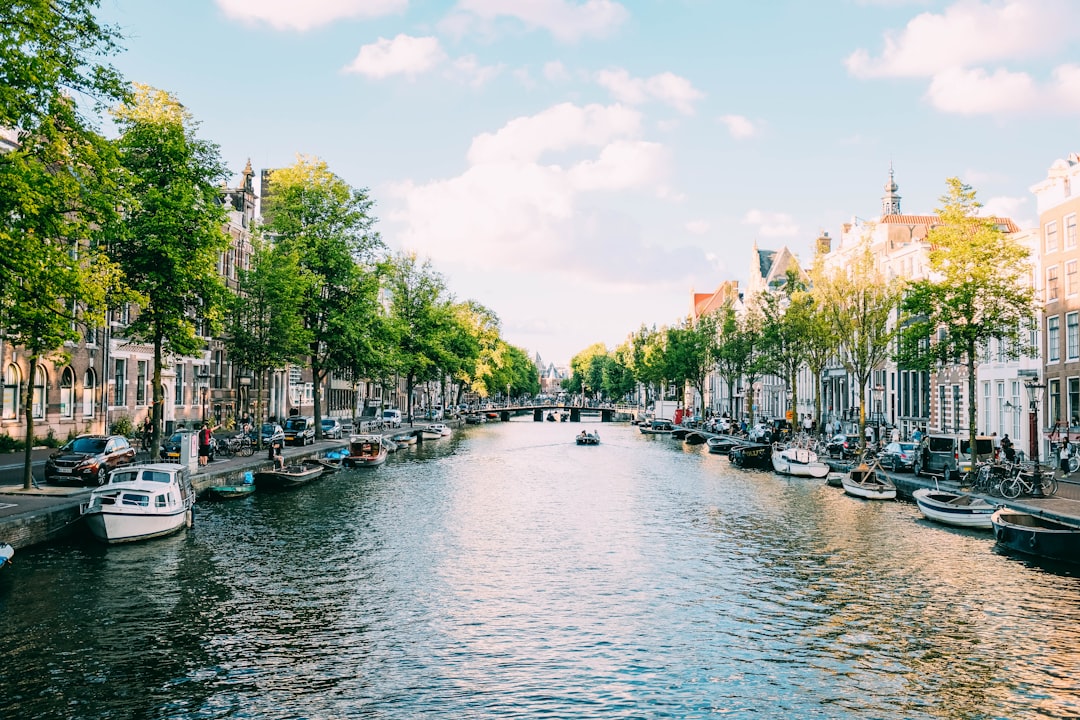
Amsterdam Travel Guide: Everything You Need to Know (2026)
Amsterdam sits at -2 meters below sea level and is home to 825,080 residents within the city proper, making it one of Europe’s most densely populated capitals. Founded in the 13th century as a dam in the Amstel river, it now draws over 20 million visitors annually across its 165 canals and 1,500+ bridges. What surprises most first-timers is how compact and walkable the historic core actually is — you can cross it on foot in under 30 minutes.
Top 3 Highlights at a Glance
- Anne Frank House — The preserved secret annex where Anne Frank hid for 761 days is one of Europe’s most emotionally powerful sites.
- Rijksmuseum — Home to Rembrandt’s The Night Watch — an 11.9-square-meter canvas — inside a stunning 19th-century national palace.
- Jordaan Canal District — Amsterdam’s most photogenic neighbourhood, with 17th-century gabled houses reflected in the Prinsengracht canal.
Scroll down for our complete travel guide with tips on getting there, where to stay, costs and more.
Arrival & Airport
How do I get to Amsterdam — by train, plane, or bus?
Fly into **Amsterdam Airport Schiphol (AMS)**, just **17 km southwest** of the city centre — it’s one of Europe’s busiest hubs. In my experience, the train from Schiphol to **Amsterdam Centraal** takes exactly **17 minutes** and costs around **$6** — it’s the fastest and most reliable option. I recommend booking an Intercity Direct ticket at the yellow NS machines inside the terminal. What surprises most travellers: Schiphol is considered a single-terminal airport but is enormous — budget **25 minutes** just to reach the train platform from the gate. If you’re arriving from elsewhere in Europe, **Eurostar and Thalys trains** pull directly into Centraal Station, making flying unnecessary from London, Paris, or Brussels.
Which airport is closest to Amsterdam?
**Amsterdam Airport Schiphol (AMS)** is the only relevant airport, located **17 km** from the city centre. In my experience, it handles virtually all international and domestic traffic for Amsterdam. My tip: a taxi from Schiphol to the city centre costs around **$55–$65** — nearly 10 times the train fare for the same journey. The honest caveat most guides skip: Schiphol’s train station sits below Terminal 1, and if you’re arriving at a remote pier like **Pier H or G**, the walk alone takes **15–20 minutes** before you even reach the platform. Factor this into tight connections.
How long does the journey from Schiphol Airport to Amsterdam city centre take?
The train from **Schiphol Airport** to **Amsterdam Centraal** takes exactly **17 minutes** and runs every **10 minutes** throughout the day. In my experience, this is one of the most seamless airport-to-city rail connections in all of Europe. A single ticket costs approximately **$6** on the **NS (Nederlandse Spoorwegen)** network. The honest trade-off: trains run less frequently after midnight — roughly every 30 minutes — so if you land after **11 PM**, a taxi or ride-share to **the Jordaan or De Pijp** neighbourhoods may be more practical, even at the **$55–$65** fare.
Do I need a rental car to explore Amsterdam?
Absolutely not — a car in Amsterdam is a liability, not an asset. In my experience, parking costs **$5–$8 per hour** in the centre, and **most of the historic city is inaccessible by car** due to narrow canal-side streets. I recommend cycling or using the **GVB tram network** for everything within the city. What surprised me: Amsterdam has **881,000 bicycles** for 825,080 residents — more bikes than people. Rent a basic city bike from **MacBike near Centraal Station** for around **$15/day**. If you plan day trips to **the Hoge Veluwe National Park** or the tulip fields near **Lisse**, renting a car for a single day at the airport makes more sense than keeping one throughout your stay.
City Transport
Which are the best areas to stay in Amsterdam?
**The Jordaan** is my top recommendation for first-timers — it sits inside the canal ring, is walkable to every major museum, and has Amsterdam’s best independent cafés and restaurants. **De Pijp** is ideal if you prefer a younger, local vibe with the **Albert Cuyp Market** on your doorstep. **Museum Quarter (Oud-Zuid)** suits travellers who want quieter streets and direct access to the **Rijksmuseum and Van Gogh Museum**. My honest caveat: the **Red Light District (De Wallen)** is central and cheap, but noise, bachelor parties, and late-night crowds make sleeping genuinely difficult — I’d steer clear unless you specifically want that atmosphere.
What does accommodation cost per night in Amsterdam?
Budget on **$120/night for an economy hotel** based on verified Numbeo data for 2025–2026. Mid-range hotels in **the Jordaan or Museum Quarter** run **$180–$260/night**. In my experience, boutique canal-house hotels charge a premium of **20–30%** over standard hotels purely for the view — sometimes worth it, sometimes not. My tip: check **Booking.com** for apartments in **Amsterdam-Noord** (a 5-minute ferry from Centraal), where rates can drop to **$90–$110/night** for a full apartment. The honest caveat: Amsterdam’s **tourist tax is 12.5%** of the room rate — one of Europe’s highest — and it’s rarely included in advertised prices, so a $150 room actually costs $169.
How far in advance should I book accommodation in Amsterdam during high season?
Book **at least 3 months ahead** for visits between **April and August** — Amsterdam’s canal ring fills up fast, and prices spike dramatically with short notice. In my experience, **King’s Day (April 27)** and the **Tulip Season (late March to mid-May)** are the two hardest periods to find anything under $150/night. What surprises most travellers: even **October** is tighter than expected due to the **Amsterdam Dance Event (ADE)**, which draws 400,000 visitors in a single week and books out hotels across the entire city. My tip: for ADE weekend specifically, book **6 months in advance** or consider staying in **Haarlem (20 minutes by train)** and commuting in.
Are there special or unique accommodation types worth trying in Amsterdam?
**Houseboat rentals** on the canals are Amsterdam’s most distinctive stay — and genuinely unlike anything else in Europe. In my experience, a private houseboat on **the Prinsengracht or Brouwersgracht** costs **$150–$220/night** and puts you directly on the water with a private deck. Book via **Airbnb** or **Houseboat Hotel Amsterdam**. My honest caveat: houseboats rock slightly with passing boat traffic, which some people find charming and others find unbearable — if you’re a light sleeper, opt for one on a quieter canal. A second unique option is the **Lloyd Hotel** in the **Eastern Docklands**, a former emigrant hotel with rooms rated 1 to 5 stars under one roof, starting at **$95/night**.
Accommodation & Neighbourhoods
What are the absolute must-sees in Amsterdam?
Three sights I consider non-negotiable: the **Anne Frank House** on the **Prinsengracht** (book online — walk-ins are virtually impossible), the **Rijksmuseum** for Rembrandt and Vermeer, and a self-guided canal walk through the **Jordaan** at golden hour. In my experience, the **Van Gogh Museum** is technically excellent but chronically overcrowded — book the **first entry slot at 9 AM** to avoid the worst of it. What most guides omit: the **Dutch Resistance Museum (Verzetsmuseum)** in **Plantage** is one of Amsterdam’s most affecting and least-visited major museums, and a morning there hits harder than a second visit to the Rijksmuseum.
What can I experience for free in Amsterdam?
More than most European capitals, honestly. The **Rijksmuseum Garden** is free and worth 30 minutes. **NEMO Science Museum’s rooftop terrace** is free and gives the best skyline view in the city — most visitors don’t know it exists. Walking the **canal ring in the Jordaan** costs nothing and is objectively one of Europe’s great urban experiences. In my experience, the **Begijnhof**, a hidden medieval courtyard off **Spui Square**, is free and completely unknown to most tourists despite being a 5-minute walk from the busy **Kalverstraat**. The **Albert Cuyp Market in De Pijp** runs Tuesday to Saturday and is free to browse — budget **$3–$5** for a stroopwafel and fresh herring.
Which day trips from Amsterdam are most worthwhile?
**Keukenhof Gardens near Lisse** (30 km, open March–May only) is the world’s largest tulip garden with 7 million flowers — absolutely unmissable in season, entry **$22**. **Haarlem** is my personal favourite day trip: **20 minutes by train**, less than **$6 return**, and it has the **Frans Hals Museum** and medieval centre with almost no tourist crowds. **Zaanse Schans** (windmill village, **17 km north**) is genuinely scenic but arrives coaches of tourists by 10 AM — go at opening time (**9 AM**) or skip it. What surprised me: **Utrecht** is only **30 minutes by Intercity train** and has a more authentic Dutch canal experience with far fewer visitors than Amsterdam itself.
What local specialities should I eat and drink in Amsterdam?
**Raw herring (haring)** with chopped onion is Amsterdam’s iconic street food — eat it the Dutch way, tilting your head back. Find it at **Vishandel Volendammer** near **Spui** for around **$5**. **Stroopwafels** (fresh, not packaged) at the **Albert Cuyp Market** cost **$1.50** and are a different food altogether from the supermarket version. In my experience, **Dutch brown cafés (bruine kroegen)** like **Café ‘t Smalle** on the **Egelantiersgracht** are the best place to drink **Heineken, Amstel, or Grolsch** on tap at around **$5/pint** with genuine local atmosphere. My honest caveat: most restaurants around **Leidseplein and Rembrandtplein** serve mediocre food at inflated prices — walk two blocks into **De Pijp** or the **Jordaan** for the same quality at 30% less.
Highlights & Must-Sees
What makes Amsterdam truly unique compared to other European capitals?
Amsterdam is the only major European capital where **cycling genuinely trumps every other transport mode** — not as a tourist gimmick, but as everyday infrastructure. In my experience, renting a bike and riding along the **Amstel River south toward Ouderkerk aan de Amstel** feels like being inside a 17th-century Dutch painting. The **canal ring (Grachtengordel)**, a UNESCO World Heritage Site, was purpose-built in the 1600s as a planned urban expansion — there’s nothing architecturally comparable at this scale. What surprised me: Amsterdam has more **Michelin-starred restaurants per capita** than any other Dutch city, yet it also sustains a **$20 street-food culture** — the gap between cheap and excellent is smaller here than in Paris or Copenhagen.
How many days do I need to properly explore Amsterdam?
**3 full days covers the essential Amsterdam** comfortably; **5 days** lets you add day trips and go deeper into neighbourhoods. In my experience, day 1 should be the **canal ring and Jordaan**, day 2 the **museum cluster (Rijksmuseum, Van Gogh, Moco)**, and day 3 **Amsterdam-Noord and the NDSM Wharf** — a post-industrial creative district most tourists never reach. My honest caveat: Amsterdam suffers from what I call ‘museum fatigue’ — trying to squeeze **Anne Frank House, Rijksmuseum, and Van Gogh** into a single day leaves you emotionally and physically exhausted. Spread them across **2 days minimum**. If you only have **1 day**, prioritise **Anne Frank House in the morning** and the **Jordaan on foot** in the afternoon.
When is the best time to visit Amsterdam?
**June is the optimal month** based on verified 5-year climate data — long daylight hours, warm temperatures, and the canal-side terraces are fully open. **Late April and May** are spectacular for tulip season but bring the heaviest tourist volumes of the year. In my experience, **September** is Amsterdam’s best-kept secret: summer crowds are gone, temperatures are still pleasant at around **18°C**, and cultural events like the **Open Monumentendag** open private canal houses for free. My honest caveat: **July and August** see the city absolutely packed — **Vondelpark** feels like a festival ground every weekend, accommodation prices jump **40–60%** above June rates, and the **Anne Frank House** queue stretches beyond 2 hours without pre-booked tickets.
What local festivals in Amsterdam are worth planning a trip around?
**King’s Day (Koningsdag) on April 27** is Amsterdam’s most electric day of the year — 800,000 people fill the streets in orange, the canals become floating parties, and the city transforms into the world’s largest flea market. In my experience, it’s worth planning an entire trip around, but book accommodation **6 months ahead** — prices triple. **Amsterdam Dance Event (ADE)** in **mid-October** is the world’s largest club music festival, running **5 days across 200 venues**. **Amsterdam Light Festival** runs **November to January**, projecting art installations onto canal bridges — genuinely beautiful and much less crowded than summer. My caveat: **Sinterklaas weekend in late November** draws enormous family crowds that are fun but clog the entire city centre.
Food & Drink
How does Amsterdam’s weather affect what activities are possible throughout the year?
Amsterdam’s weather is notoriously unpredictable — even in **June and July**, rain arrives without warning. In my experience, always carry a **compact waterproof jacket** regardless of the forecast; I’ve been caught in downpours on what started as 25°C afternoons. The honest reality: Amsterdam’s flat geography and canal network make it extremely **wind-exposed** — cycling in November feels brutal, not charming. **Museum visits** are the natural rainy-day fallback, and Amsterdam has world-class options. **Winter (December–February)** is grey and cold but the city is quieter, canal-side Christmas markets in the **Jordaan** are magical, and hotel rates drop to near **$90–$100/night** — the best value window of the year.
How crowded does Amsterdam get in peak season and is it still enjoyable?
**Peak season (late April to August) is genuinely overwhelming** in the historic centre — the **Anne Frank House queue** stretches 90+ minutes without tickets, the **Van Gogh Museum** is shoulder-to-shoulder, and the **Jordaan’s narrow streets** feel claustrophobic by midday. In my experience, the city is still absolutely enjoyable if you front-load your mornings: every major museum is dramatically emptier at **9 AM** versus **noon**. What most guides omit: **Amsterdam-Noord**, reached via the free **GVB ferry behind Centraal Station**, is largely tourist-free even in August — the **NDSM Wharf** and **Eye Film Museum** over there feel like a different city entirely. My tip: schedule all canal district walks before **9:30 AM** in peak season.
How safe is Amsterdam for tourists?
Amsterdam is **very safe by European capital standards** — violent crime against tourists is rare. In my experience, the main threats are **pickpocketing on trams 1, 2, and 5** near **Centraal Station**, and **bicycle theft** (always use two locks). What surprised me: the **Red Light District (De Wallen)** feels threatening to some first-timers but is actually heavily policed and statistically safer than it looks — the real risk there is being so distracted by the surroundings that you don’t notice a hand in your pocket. My honest caveat: **cycling under the influence** is locally normalised but genuinely dangerous — Amsterdam’s **cyclist-tram track intersections** catch tourists off guard and cause real injuries every season. Stay alert on **Leidsestraat** specifically.
Is English widely spoken in Amsterdam?
**Yes — Amsterdam has among Europe’s highest English proficiency rates**, with over **90% of residents speaking it fluently**. In my experience, you can navigate the entire city, order food, buy tickets, and negotiate at markets without a single word of Dutch. What surprised me: Dutch locals genuinely appreciate any attempt at basic phrases — even a simple **’dank je wel’** (thank you) gets a noticeably warmer response than defaulting immediately to English. My honest caveat: in the **Albert Cuyp Market** or at older **brown cafés (bruine kroegen)** in less-touristed neighbourhoods like **Oud-West**, you’ll occasionally encounter older vendors with limited English — a translation app like **Google Translate** covers these gaps in seconds.
Practical Tips
What is the daily budget for travelling in Amsterdam?
**Budget on $130–$160/day per person** for a comfortable mid-range experience. Breakdown: economy hotel at **$120/night** split two ways = **$60**, a cheap meal at **$20**, a mid-range dinner share at **$24**, **2 tram rides at $3.40 each** = **$6.80**, and one paid attraction averaging **$22**. In my experience, the biggest budget leak is drinks — a craft beer at a **Jordaan bar** costs **$7–$9** and adds up fast over an evening. My tip: the **I Amsterdam City Card** at **$75 for 24 hours** covers unlimited GVB transport and free entry to **Rijksmuseum, Van Gogh Museum**, and **40+ other attractions** — it pays for itself in a single museum day. The honest caveat: Amsterdam’s **12.5% tourist tax** on accommodation is rarely pre-included and effectively adds **$15–$30/night** to your real cost.
How does Amsterdam’s public transport network work for tourists?
Amsterdam’s **GVB network** covers trams, buses, metro, and ferries — all on a single **OV-chipkaart** (contactless smart card). In my experience, **trams 1, 2, 4, 5, and 26** from **Centraal Station** cover 95% of tourist destinations. A single journey costs **$3.40**; a **24-hour pass costs around $9**. My tip: buy the OV-chipkaart at any GVB service point inside **Centraal Station** for **$8 deposit** plus credit — you can return it and get the deposit back on departure. The honest caveat: **always tap in AND tap out** when boarding trams — failing to tap out results in a **maximum fare deduction of $6+** and is the most common accidental overspend tourists make on their first day.
Which apps do you recommend for navigating and enjoying Amsterdam?
**Google Maps** is essential and works flawlessly for Amsterdam’s tram, metro, and ferry times in real-time. **NS (Nederlandse Spoorwegen)** is the official train app — mandatory if you’re doing day trips to **Haarlem, Utrecht, or Keukenhof shuttle stops**. In my experience, **9292** is the superior local transit app, combining all Amsterdam public transport into one schedule with live disruption alerts. For cycling, **Swapfiets** is an app-based bike subscription starting at **$20/week** that’s cheaper and more reliable than tourist rental shops near Centraal. My honest caveat: **Uber** operates in Amsterdam but surge pricing during peak hours on **Leidseplein or Rembrandtplein** at midnight can hit **$30–$45** for a 2 km ride — always check the GVB night bus as an alternative first.