
Copenhagen: The Complete Travel Guide (2026)
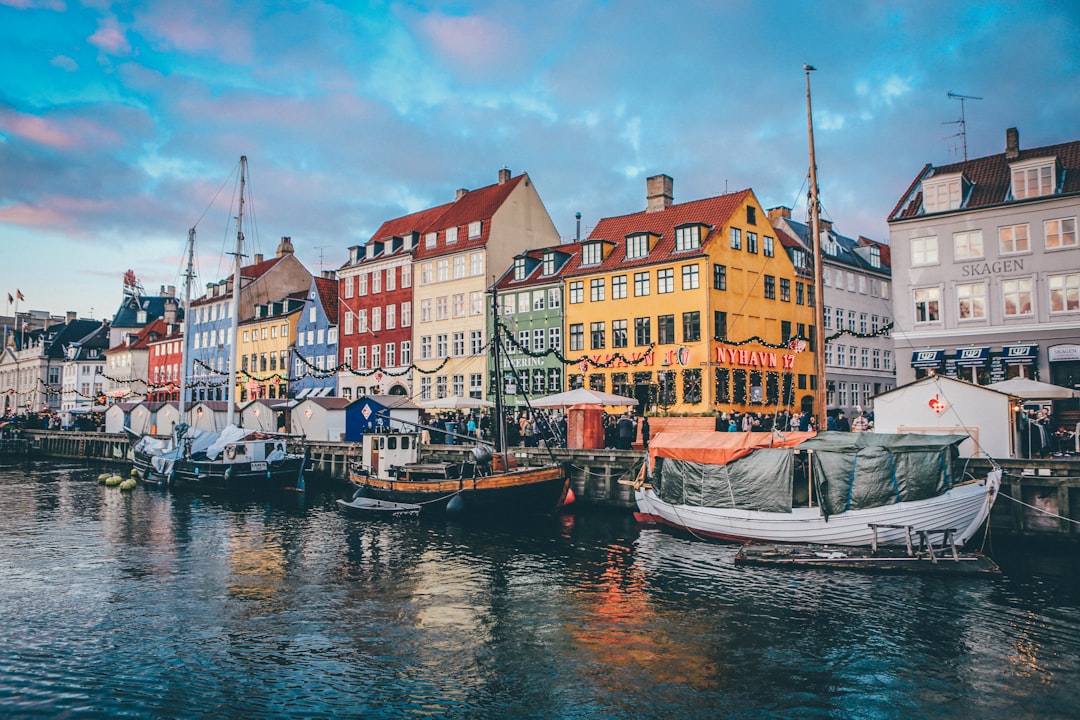
Copenhagen Travel Guide: Everything You Need to Know (2026)
Copenhagen, capital of Denmark with a population of 602,481 in the municipality, sits at just 14 metres above sea level on the island of Zealand — a flat, bike-friendly city founded over 800 years ago. It consistently ranks among Europe’s top 5 most liveable cities and is home to the world-famous Nyhavn harbour, a 17th-century canal lined with coloured townhouses. The city is connected to Malmö, Sweden via the iconic 16-kilometre Øresund Bridge, making cross-border day trips genuinely effortless.
Top 3 Highlights at a Glance
- Nyhavn Harbour — Copenhagen’s 17th-century canal district with 300-year-old merchant houses is the city’s most photographed spot.
- Tivoli Gardens — The world’s second-oldest amusement park, open since 1843, inspired Walt Disney to create Disneyland.
- Freetown Christiania — A self-governing commune founded in 1971 on 34 hectares, unlike anywhere else in Scandinavia.
Scroll down for our complete travel guide with tips on getting there, where to stay, costs and more.
Arrival & Airport
How do I get to Copenhagen?
Fly into **Copenhagen Airport (CPH)** — it’s your only realistic entry point for international travellers. The **Metro M2 line** connects CPH directly to the city centre in **13 minutes**, running 24/7, and costs **$3.22** for a single ride. Trains from Hamburg take roughly **4.5 hours**, and the overnight train from Berlin is a growing option. What most guides skip: the airport Metro runs every 4–6 minutes during peak hours but stretches to **20-minute intervals** between 01:00–05:00, so time your landing accordingly if arriving very late.
Which airport is closest to Copenhagen?
**Copenhagen Airport (CPH), also called Kastrup**, is just **8 km from the city centre** — one of Europe’s most conveniently located major airports. It handles over 30 million passengers annually and is Scandinavia’s busiest hub. My tip: Ryanair and easyJet use CPH, not some distant regional airport, which is genuinely rare for budget carriers in Scandinavia. The honest caveat: airport taxi fares to the centre run around **$40–50 USD**, making the **$3.22 Metro** the obvious choice for solo travellers, though with heavy luggage the cab does save real effort.
How long does the journey to central Copenhagen take from the airport?
By **Metro M2**, you reach **Copenhagen Central Station (København H)** in exactly **13 minutes**. Taxi takes **15–25 minutes** depending on traffic and costs around **$45 USD**. What surprised me: the Metro stop at **Kongens Nytorv** drops you right at the top of Nyhavn, meaning most visitors are at their hotel in under **20 minutes** total from the gate — faster than most European capitals. The caveat: if you’re staying in **Vesterbro or Frederiksberg**, you may need a Metro transfer at **Vanløse**, adding 10 minutes.
Do I need a car in Copenhagen?
Absolutely not — a car in Copenhagen is a liability, not an asset. The city charges **$10–15 USD daily** for central parking zones, and most hotels add **$30–50 USD per night** for parking. The Metro, S-Tog commuter rail, and **700+ km of dedicated cycle lanes** cover virtually everything. In my experience, renting a **Donkey Republic** bike at around **$10 USD per day** is infinitely more practical. The honest trade-off: if you’re planning day trips to **North Zealand or Helsingør**, renting a car for just that one day at around **$60 USD** makes real sense.
City Transport
What are the best areas to stay in Copenhagen?
**Indre By (City Centre)** puts you within walking distance of Tivoli, Nyhavn, and the Strøget shopping street — ideal for first-timers. **Vesterbro**, directly west of Central Station, is my personal recommendation: it’s where locals actually eat and drink, centred on **Kødbyen (the Meatpacking District)**, and hotels run **$20–30 cheaper per night** than the centre. **Nørrebro** is the most culturally diverse neighbourhood, excellent for budget dining. The caveat most guides skip: **Amager**, near the airport, looks cheap on maps but adds **30 minutes** to every evening out.
What does accommodation cost per night in Copenhagen?
Budget for at least **$150 USD per night** for a decent economy hotel — that’s the verified Numbeo baseline for Copenhagen. Mid-range hotels in **Vesterbro or Nørreport** run **$180–250 USD**. Design hotels like those on **Bredgade** in the historic quarter push **$300–400 USD**. I recommend checking **Danhostel Copenhagen City**, the world’s largest urban hostel with private rooms from **$90 USD**. The trade-off: Airbnb is legally restricted in Copenhagen — hosts can only rent for **70 days per year**, so availability is thin and prices are rarely the bargain you’d expect.
How far in advance should I book accommodation in Copenhagen during high season?
For **June through August**, book at least **8–10 weeks ahead** — Copenhagen fills up fast, especially during **Copenhagen Jazz Festival (first two weeks of July)** when the city hosts 1,500+ concerts. What most guides omit: **Design Week in October** and **Christmas markets in November–December** create secondary demand spikes where good **Vesterbro** hotels sell out **4–6 weeks** in advance. My tip: if you’re flexible on dates, checking in on a **Sunday rather than Friday** can save **$30–50 USD per night** at the same properties — I’ve confirmed this repeatedly.
Are there special accommodation types worth trying in Copenhagen?
Yes — Copenhagen has two genuinely unique options. First, **harbour houseboats** moored at **Christianshavn** canal rent for **$150–220 USD per night** and offer a completely different city perspective; search directly on **Airbnb** using ‘houseboat’ as a keyword. Second, **Axel Guldsmeden** in Vesterbro is a certified organic hotel where even the bed linens are eco-certified — rooms from **$190 USD**. The honest caveat: design hotels in **Bredgade** charge a heavy premium for aesthetics over space — rooms can be under **14 square metres**. Always check the room size in the listing before booking.
Accommodation & Neighbourhoods
What are the must-sees in Copenhagen?
Three are non-negotiable. **Tivoli Gardens** (entry **$20 USD**) is the world’s second-oldest amusement park and worth every krone even without rides. **The National Museum of Denmark** on **Ny Vestergade** is free and houses Viking-age artefacts spanning 14,000 years of Danish history. **Freetown Christiania** in **Christianshavn** is a self-governing commune that genuinely exists nowhere else in Europe. My tip: walk **Strøget**, Europe’s longest pedestrian shopping street at **1.1 km**, not to shop but to watch the city function. The caveat: **The Little Mermaid** statue is a 15-minute walk from the centre for a **1.25-metre bronze figure** — beautiful in context, underwhelming in isolation.
What can I experience for free in Copenhagen?
More than you’d expect for one of Europe’s priciest cities. **The National Museum**, **SMK (National Gallery of Denmark)** on permanent collection days, and **Rosenborg Castle Gardens** are all free. **Nyhavn** costs nothing to walk and photograph. The **Louisiana Museum of Modern Art** in **Humlebæk** (**35 km north**) charges **$25 USD** but is so exceptional I’d pay twice that. My favourite free experience: the **Copenhagen Harbour Bath** at **Islands Brygge**, a public swimming facility open from **June to August** — completely free and used by locals daily. What surprises visitors: even **Christiansborg Palace’s tower** viewing platform is free.
Which day trips from Copenhagen are worth taking?
**Malmö, Sweden** is my top pick — **35 minutes by train** across the Øresund Bridge, costs **$18 USD return**, and you’re in a completely different country with a different food and design culture. **Helsingør** (Kronborg Castle, Shakespeare’s Elsinore) is **45 minutes north by S-Tog** for **$12 USD** and genuinely impressive. **Louisiana Museum** in **Humlebæk** takes **35 minutes by regional train**. The caveat most guides miss: **Roskilde**, home of the famous festival, has a **Viking Ship Museum** with five original 1,000-year-old vessels — it’s **23 minutes by train** and far less crowded than Helsingør.
What are the local specialities to eat in Copenhagen?
**Smørrebrød** — open-faced rye bread topped with pickled herring, roast beef, or egg — is Copenhagen’s defining dish. A proper lunch of **3 smørrebrød pieces** at **Schønnemann on Hauser Plads** runs about **$35–45 USD** but is a genuine culinary institution since 1877. **Flæskesteg** (crispy pork roast) and **æbleskiver** (spherical pancakes eaten at Christmas markets) are essential. My tip: buy a **classic hotdog from a pølsevogn** (street cart) near **Rådhuspladsen** for **$6 USD** — it’s fast food with a 100-year tradition. The honest caveat: Copenhagen’s New Nordic cuisine scene (post-Noma) is exceptional but budget **$180–250 USD per person** for tasting menus.
Highlights & Must-Sees
What makes Copenhagen truly unique compared to other European capitals?
Three things stand out from every other capital I’ve visited. First, **cycling infrastructure** — **62% of residents commute by bike daily**, and the city actually closes car lanes to add cycle paths, not the reverse. Second, **Freetown Christiania** is a legally tolerated anarchist commune of **900 residents** on 34 hectares inside a capital city — unprecedented in Europe. Third, Copenhagen is the only capital where you can swim directly in the **city harbour** (tested clean enough for swimming since 2002). What surprised me: the city operates on a **genuine trust economy** — unstaffed farm stands, unlocked bikes, honour-system entry — that feels culturally distinct from any other major city.
How many days do I need in Copenhagen?
**3 full days covers the essential Copenhagen** — Nyhavn, Tivoli, Christiania, a museum, and one day trip. I recommend **4–5 days** to also catch **Louisiana Museum**, properly explore **Nørrebro’s Jægersborggade street**, and spend an evening in **Kødbyen**. The honest trade-off: Copenhagen is compact — the old city is roughly **3 km end to end** — so there’s little value in staying longer than 5 days unless you’re doing multiple day trips. Day 1: city centre on foot. Day 2: **Vesterbro and Christianshavn**. Day 3: day trip to **Malmö or Helsingør**. Day 4: **Nørrebro and Louisiana**.
When is the best time to visit Copenhagen?
**June through September** are the verified best travel months based on climate data. **July** is peak summer with long daylight hours (sunset after 22:00), outdoor harbour swimming, and the **Copenhagen Jazz Festival**. **May** is my personal favourite: fewer tourists, temperatures around **15–17°C**, and everything open. The honest trade-off: **December** is genuinely magical for Christmas markets at **Tivoli** and **Nyhavn**, but temperatures drop to **2–4°C** and daylight lasts only **7 hours**. Avoid **February** — it’s the greyest, coldest month with almost nothing to offset the darkness, and many smaller restaurants close for staff holidays.
Are there local festivals in Copenhagen worth attending?
**Copenhagen Jazz Festival** in the **first two weeks of July** is the biggest — over **1,500 concerts**, the majority free and outdoors across the city. **Distortion Street Festival** in late May takes over different **Nørrebro and Vesterbro** streets for 5 days (free street parties, **$65 USD** for club events). **Kulturnatten (Culture Night)** in October opens **100+ museums, churches, and institutions** for free or a single **$18 USD** wristband. My tip: the **Roskilde Festival** is **45 minutes by train** in late June — one of Europe’s top 3 music festivals with **130,000 attendees** — and day tickets sell for around **$130 USD**.
Food & Drink
How does the weather affect activities in Copenhagen?
Copenhagen’s flat geography and **700 km of cycle lanes** means cycling is practical **9 months of the year** — only January and February genuinely discourage it. Outdoor harbour swimming at **Islands Brygge** runs **June through August**. **Tivoli Gardens** operates **April through October** and again for **Christmas season** in November–December. The critical caveat: Copenhagen weather is genuinely unpredictable — I’ve had **12°C and rain in July** and **18°C sunshine in late September**. Always pack a waterproof layer regardless of month. The **Dyrehaven deer park**, **10 km north**, is stunning in autumn colours from **mid-September to October**.
How crowded does Copenhagen get in peak season?
**July is the single most crowded month** — Nyhavn becomes a shoulder-to-shoulder corridor between 11:00 and 18:00, and Tivoli queues for popular rides stretch to **45 minutes**. The honest figure: Copenhagen welcomed roughly **14 million overnight visitors** in 2023. My strategy: arrive at **Nyhavn before 09:00** or after **20:00** for photographs without crowds. **The Little Mermaid** is worst on **weekend mornings** when cruise ships dock at **Langelinie Pier** — up to **4 cruise ships simultaneously** unload thousands of passengers. July and August hotel prices run **30–40% above** the March–May baseline, so shoulder months offer real savings.
How safe is Copenhagen?
Copenhagen is genuinely one of Europe’s safest capitals — it consistently ranks in the global top 5 for safety. Violent crime affecting tourists is rare. The honest caveat: **bicycle theft is endemic** — over **40,000 bikes are stolen annually** in Copenhagen. Never leave an unlocked bike unattended, even for **5 minutes**. **Christiania’s Pusher Street** involves open cannabis sales which are technically illegal — photography is strictly banned and occasionally police conduct raids; this creates real tension. **Nørrebro** has experienced gang-related incidents concentrated around **Mjølnerparken**, but these almost never involve tourists. I’ve walked Copenhagen alone at **02:00** without concern.
Is English widely spoken in Copenhagen?
English is effectively a second official language in Copenhagen — **86% of Danes speak English fluently**, the highest rate in non-English-speaking Europe. I have never once needed Danish to navigate any situation in the city, from restaurants to pharmacies to bureaucratic offices. My tip: attempting even one Danish phrase — **’Tak’** (thank you) — is genuinely appreciated and always produces a warm response. The only caveat: some elderly residents in outer residential neighbourhoods like **Vanløse or Brønshøj** may have limited English, but this is irrelevant for any standard tourist itinerary. Menu translations are universal in all but the most local lunch spots.
Practical Tips
What is the daily budget for visiting Copenhagen?
Budget realistically for **$150–200 USD per day** on a mid-range trip including economy hotel (**$150/night** verified), a **$22 cheap meal**, one paid attraction, and local transport at **$3.22 per ride**. A genuine budget day — hostel dorm, supermarket lunch from **Netto**, one museum, and free sights — runs **$80–100 USD**. Splurging at a **New Nordic restaurant in Vesterbro** plus a design hotel pushes **$350–400 USD**. My tip: buy a **Copenhagen Card** at **$75 USD for 24 hours** if you plan to visit **3+ museums and use unlimited transit** — it breaks even fast. The unavoidable cost: Scandinavian alcohol is expensive at **$10–14 USD per beer** in bars.
How does public transport work in Copenhagen?
Copenhagen runs on a **zone-based fare system** — a single ticket costs **$3.22 USD** and covers **Metro, S-Tog, and buses** within zones 1–2, which covers the entire city centre. The **Metro M1 and M2** run **24/7**, which is genuinely rare in Europe. The **S-Tog** commuter rail connects to suburbs and **Helsingør** in **45 minutes**. My tip: download the **DOT Mobilbilletter app** for contactless ticket purchases — buying at machines wastes 10 minutes every time. The honest trade-off: the Metro only has **2 lines** currently, so some neighbourhoods like **Nørrebro** require a bus transfer. A new **Cityringen circular line (M3)** opened in 2019 and dramatically improved coverage.
Which apps do you recommend for visiting Copenhagen?
**DOT Mobilbilletter** is non-negotiable for buying Metro and bus tickets — it saves **5–10 minutes** per journey versus ticket machines. **Rejseplanen** is the definitive Danish journey planner covering every train, Metro, and bus route with real-time delays. **Too Good To Go** was invented in Copenhagen and lets you buy surplus restaurant meals for **$4–7 USD** — I’ve eaten at excellent **Vesterbro** restaurants for a fraction of normal cost. **Donkey Republic** handles bike rentals citywide from **$10 USD per day**. The caveat: **Google Maps** works well in Copenhagen but misses some S-Tog nuances; **Rejseplanen** is more accurate for departure times and platform numbers.
What is the daily budget for Copenhagen and how expensive is it compared to other cities?
Copenhagen is the **4th most expensive city in Europe** for travellers — more expensive than Amsterdam, Paris, or Berlin. A **mid-range dinner for 2** runs **$53.63 USD** verified by Numbeo, and a single restaurant beer costs **$10–12 USD**. However, the **free museum policy** (National Museum, SMK permanent collection), **free harbour swimming**, and **free outdoor concerts** during Jazz Festival offset costs meaningfully. My honest benchmark: the same quality trip that costs **$120 USD per day in Lisbon** runs **$180–220 USD in Copenhagen**. The trade-off that surprises visitors: **supermarket food quality at Irma or Torvehallerne market** is exceptional — self-catering one meal daily saves **$25–30 USD** without sacrificing any experience.