
Bahamas: The Complete Travel Guide (2026)
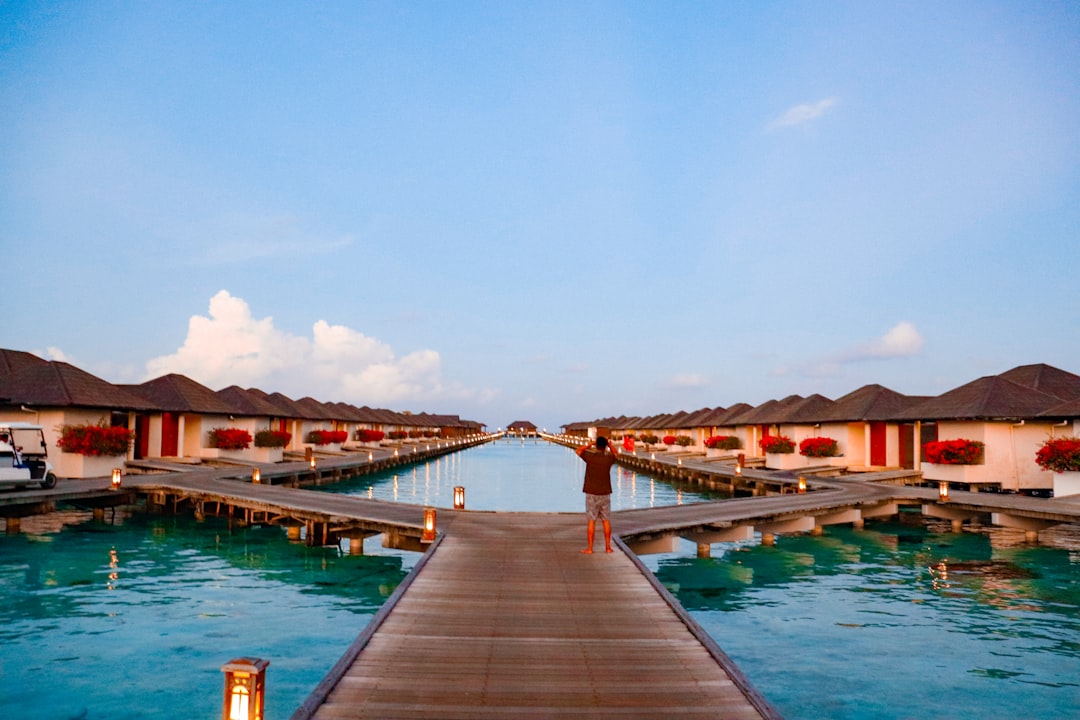
Last reviewed: August 2026 · key facts checked against Wikidata
Bahamas Travel Guide: Everything You Need to Know (2026)
The Bahamas is an archipelagic nation of 700 islands and 2,500-plus cays stretching across 300,000 square kilometres of the Atlantic Ocean, with a population of 399,440 concentrated mainly on New Providence and Grand Bahama. Nassau, the capital, sits just 290 kilometres east of Miami, making The Bahamas one of the closest Caribbean destinations for North American travellers. The country gained independence from Britain in 1973 and today ranks among the wealthiest nations in the Caribbean, which is reflected directly in its travel costs.
Three Things Not to Miss in Bahamas
- Swimming Pigs of Exuma — Wild pigs swim out to greet boats at Big Major Cay — one of the world’s most surreal wildlife encounters.
- Dean’s Blue Hole, Long Island — The world’s second-deepest known ocean blue hole at 202 metres, perfect for free-diving and cliff jumping.
- Harbour Island Pink Sand Beach — Three kilometres of genuinely pink sand caused by crushed coral and shell fragments — not a filter trick.
Scroll down for our complete travel guide with tips on getting there, where to stay, costs and more.
Getting to Bahamas & Getting Around
Which airports are the best entry points into the Bahamas?
Lynden Pindling International Airport (NAS) in Nassau is the primary gateway — fly here first. It handles the overwhelming majority of international arrivals and has direct flights from New York (JFK), Miami (MIA), Toronto (YYZ), and London (LHR). My tip: if your goal is the Exuma Cays specifically, fly directly into Exuma International Airport (GGT) from Nassau or Miami on Bahamasair or American — it saves you a full day of island-hopping. Grand Bahama International Airport (FPO) in Freeport is a third option, but flight options are limited and the island itself saw significant damage from Hurricane Dorian in 2019. For most travellers, NAS is the correct choice.
How do I get from the airport to my first accommodation in the Bahamas?
Official taxis from Lynden Pindling Airport to Cable Beach or downtown Nassau cost a fixed $32 USD for two passengers — metres are not used, so confirm the rate before you get in. The ride takes 25–35 minutes depending on traffic. What surprised me: there is no public bus from NAS to the city centre that most tourists can easily navigate with luggage. My tip: if you’re staying at Atlantis Paradise Island, factor in the causeway bridge — taxis add roughly $10–15 USD to the base fare. Rideshare apps like Uber are not operational in Nassau. Hotel shuttles exist for larger resorts, so always check when you book.
What transport options are there within the Bahamas?
Within Nassau, blue-and-white jitneys (minibuses) cost a flat $1.25 USD per ride and cover most routes, but schedules are informal — I recommend them only for short hops once you know the routes. Taxis dominate for tourists, and fixed zone prices apply. Between islands, Bahamasair operates inter-island flights, typically $80–180 USD one-way depending on route. Fast ferries from Potter’s Cay Dock in Nassau to Eleuthera take about 2 hours and cost roughly $65 USD each way. Water taxis and private charter boats fill the gaps. The honest caveat: inter-island travel is expensive and time-consuming — under-planning island-hopping is the single biggest mistake travellers make here.
Do I need a rental car in the Bahamas?
On New Providence (Nassau), I would skip the rental car — traffic congestion is real, parking is frustrating, and taxis plus jitneys cover tourist areas well. On Grand Bahama (Freeport), a car makes sense because attractions are spread across a large, flat island. On the Family Islands like Long Island or Andros, a rental car is essential — public transport is effectively non-existent. Remember: The Bahamas drives on the left side of the road (British legacy), which catches many American visitors completely off guard. Rental rates start at around $75–90 USD per day through local operators; international chains like Avis operate at NAS airport.
How good is the public transport network between regions of the Bahamas?
Public transport between Bahamian islands is poor by any standard comparison. The mail boat network — officially called Mailboats — connects Nassau to the Family Islands on a weekly schedule for as little as $30–60 USD per route, but journeys take 8–20 hours overnight on slow cargo vessels. This is an adventure, not a convenience. Bahamasair flies between Nassau and 13 island destinations, but flights are frequently delayed and occasionally cancelled without notice. My honest warning: do not build a tight multi-island itinerary — buffer at least one full day per island hop. The inter-island infrastructure is simply not reliable enough for precise scheduling.
Where to Stay in Bahamas
Which regions of the Bahamas should I stay in?
Nassau and Paradise Island suit first-time visitors and those wanting nightlife, casinos, and resort infrastructure. Exuma is the island for nature lovers — the swimming pigs, nurse sharks, and crystal-water cays are genuinely extraordinary. Eleuthera and Harbour Island offer a quieter, boutique-hotel atmosphere with that famous pink sand beach; Harbour Island is particularly beloved by design-conscious travellers. Abaco is recovering post-Dorian but rebuilding strongly, especially Marsh Harbour. I recommend against basing yourself solely in Freeport on Grand Bahama — it still carries a subdued atmosphere since 2019. For a first visit, split your time between Nassau (2 nights) and Exuma or Harbour Island (3–4 nights).
What does good accommodation cost per night in the Bahamas?
Good accommodation in the Bahamas is expensive — budget $180–280 USD per night for a solid mid-range hotel or guesthouse. At the higher end, Atlantis Paradise Island rooms start at $350–500 USD in shoulder season, climbing past $700 USD in peak weeks. In Harbour Island, boutique hotels like The Landing or Pink Sands Hotel run $400–900 USD per night. Vacation rentals through Airbnb on islands like Exuma offer better value at $120–200 USD per night for a whole cottage. The honest trade-off: budget accommodation in The Bahamas is limited and often poor quality — do not expect a $80-a-night room to be acceptable. This is not a backpacker-friendly destination.
When should I book hotels in the Bahamas — how far in advance?
Book at least 4–6 months ahead for travel between December and April. For New Year’s and Presidents’ Day weeks, 8–12 months in advance is not excessive for quality properties. In Harbour Island, top boutique hotels sell out for January–March by September of the previous year — I have seen travellers turned away completely. My tip: if you want a specific property in the Exumas, book the moment your dates are confirmed, as there are fewer than 20 quality accommodation options on the main island. Summer (June–August) offers last-minute availability with 20–35% lower rates, but you must weigh hurricane risk. Always book directly with small properties — they sometimes hold rooms back from OTAs.
When is the best time to travel to the Bahamas?
January, February, and March are the optimal months — confirmed by climate data and matching my personal experience. Temperatures sit around a comfortable 24–27°C, rain is minimal, and trade winds keep humidity bearable. The water is crystal-clear with visibility reaching 30+ metres for diving and snorkelling. What surprised me: February is genuinely perfect — the post-Christmas price spike eases slightly mid-month, and crowds thin after the school-holiday rush. March brings Spring Break energy, particularly in Nassau, which some love and others loathe. Avoid late August through October — this is peak Atlantic hurricane season and the risk of a ruined trip is real and under-discussed in mainstream travel guides.
How does peak season affect prices in the Bahamas?
Peak season (mid-December through April) drives prices 30–60% higher across hotels, boat charters, and tours compared to summer rates. A boat charter to the Exuma Cays swimming pigs that costs $150 USD per person in June can jump to $200–220 USD in February. Flight prices from Miami to Nassau spike by $100–200 USD roundtrip during President’s Week and Spring Break. My honest warning: some Nassau resorts implement mandatory meal plans and resort fees totalling $60–80 USD per night in peak season — always read the full rate breakdown before booking. The shoulder months of November and late April offer the best balance of good weather and reasonable pricing.
Best Time to Visit Bahamas
Which regions of the Bahamas have different climate zones?
The Bahamas spans roughly 970 kilometres from north to south, and the climate does shift meaningfully. Northern islands like Grand Bahama and Abaco experience occasional cold fronts from November through February, with temperatures dipping to 17–19°C — bring a light jacket. The central islands (Nassau, Eleuthera, Exuma) maintain the classic Caribbean warmth year-round, averaging 22–30°C. The southern islands — Inagua, Mayaguana, Acklins — are hotter and drier, more similar to the Turks and Caicos in feel. Inagua, home to the world’s largest flamingo colony at 80,000 birds, gets significantly less rain than Nassau and has a more arid microclimate. Most tourists never reach the southern islands, which is their loss.
What are the rainy seasons in the Bahamas?
The rainy season runs May through October, with the heaviest rainfall in August and September. Nassau receives around 1,400mm of rain annually, with June–September accounting for roughly 60% of that total. Rain in The Bahamas typically arrives as intense afternoon showers lasting 30–90 minutes rather than all-day grey skies — mornings are usually fine even in summer. The real concern is hurricanes: the official Atlantic season runs June 1–November 30, with peak intensity between August 20 and October 10. Hurricane Dorian in 2019 devastated Abaco and Grand Bahama as a Category 5 storm. My tip: purchase comprehensive travel insurance with hurricane cancellation cover if visiting between July and October — this is non-negotiable.
What does a trip to the Bahamas cost per person per day?
Realistic daily budgets: budget traveller staying in a guesthouse, eating local, using jitneys — $120–160 USD per day. Mid-range traveller at a decent hotel with tours and restaurant meals — $250–350 USD per day. Luxury traveller at a boutique resort with chartered activities — $600–1,200 USD per day. My experience: the mid-range is deceptively expensive because boat tours to key attractions like the Exuma Cays or Blue Lagoon Island run $100–200 USD per person per outing. The hidden multiplier is activities, not just accommodation. A four-night trip to the Bahamas costs a couple realistically $3,000–5,000 USD total including flights from the US East Coast — budget accordingly.
How expensive is food in the Bahamas?
Food costs are high. A sit-down lunch at a local Bahamian restaurant in Nassau’s Arawak Cay (Fish Fry) costs $12–18 USD for a full plate of cracked conch with peas and rice — this is the best value eating in the country. A mid-range dinner at a tourist-area restaurant runs $35–60 USD per person before drinks. At resort restaurants — particularly on Paradise Island — expect to pay $70–120 USD per person for dinner. Grocery stores like Solomon’s SuperCentre in Nassau are 30–40% more expensive than equivalent US mainland prices due to import costs. My tip: eat your main meal at lunch at local spots and self-cater breakfast at your accommodation to keep food costs manageable.
What hidden costs should I expect in the Bahamas?
Several costs blindside travellers. First, resort fees: major Nassau hotels add $35–65 USD per night on top of advertised rates — always check before booking. Second, boat tour prices rarely include the $10–15 USD port tax and sometimes exclude snorkel gear rental. Third, inter-island flights are significantly more expensive than visitors expect — a Nassau-to-Exuma roundtrip on Bahamasair costs $160–220 USD. Fourth, a $25 USD departure tax is built into most airfares but charged separately on some domestic legs. Finally, tipping culture is American-standard — 15–20% at restaurants and for tour guides, which adds up fast. Budget an extra $40–60 USD per person per day beyond your accommodation costs just for these incidentals.
What a Trip to Bahamas Costs
How much cash should I bring to the Bahamas?
The Bahamian dollar is pegged 1:1 with the US dollar — US dollars are accepted everywhere, so bring USD. I carry roughly $200–300 USD cash per person per week for The Bahamas. Cash is essential for jitneys, small island restaurants, beach vendors, and smaller tour operators on the Family Islands who do not accept cards. In Nassau and Paradise Island, cards are accepted almost universally. On remote islands like Rum Cay or Cat Island, ATMs are unreliable or non-existent — withdraw cash in Nassau before heading to any Family Island. The Royal Bank of Canada ATM at Lynden Pindling Airport is reliable; use it on arrival. Do not rely on finding a working ATM once you leave New Providence.
Which credit cards are accepted in the Bahamas?
Visa and Mastercard are accepted at virtually all hotels, mid-range restaurants, and tour operators in Nassau and Paradise Island. American Express is accepted at upscale resorts but often declined at smaller businesses. On the Family Islands, card acceptance drops dramatically — budget to pay cash in Exuma, Long Island, and Eleuthera outside of hotels. My warning: foreign transaction fees apply unless you carry a fee-free card like the Chase Sapphire or Capital One Venture — a 3% fee on a $4,000 Bahamas trip adds $120 in unnecessary charges. Always pay in Bahamian or US dollars when given a currency choice at point of sale — never select your home currency, as dynamic currency conversion adds a hidden 3–5% markup.
Which regions of the Bahamas must I not miss?
The Exuma Cays are non-negotiable — nowhere else in The Bahamas matches the clarity of the water, the concentration of wildlife, and the raw, undeveloped beauty of the 365-cay chain. Harbour Island off northern Eleuthera is the second essential stop — it is only 5 kilometres long but contains what many experienced Caribbean travellers (myself included) rate as the best boutique hotel scene in the entire region. Nassau is a must for at least 2 nights to understand the culture, eat at Arawak Cay, and explore the colonial architecture of Parliament Square. If you can add a fourth destination, Long Island with Dean’s Blue Hole and the dramatic Stella Maris cliffs is extraordinary and sees fewer than 5% of the tourists that Exuma does.
What are the tourist highlights of the Bahamas?
The swimming pigs at Big Major Cay in Exuma are the iconic bucket-list moment — accessible by boat tour from Staniel Cay or George Town. The Thunderball Grotto nearby was used in two James Bond films and offers snorkelling through a sea cave with bioluminescent plankton. Atlantis Aquaventure Water Park on Paradise Island is genuinely impressive — the waterslide through a shark lagoon at The Mayan Temple is worth a day pass at $149 USD even if you are not staying there. The Pirates of Nassau Museum is a well-produced, underrated history experience at $15 USD entry. And the flamingos at Inagua National Park — where 80,000 flamingos nest — is one of the most extraordinary wildlife spectacles in the entire Atlantic basin.
What experiences in the Bahamas are found nowhere else on earth?
Three things are genuinely unique to The Bahamas. First, swimming with wild pigs in open ocean at Big Major Cay — these pigs have lived on the uninhabited island for decades and actively swim to boats. Second, the Lucayan Caves on Grand Bahama contain the world’s longest known underwater cave system at over 9 kilometres of mapped passages — cave diving here is a pilgrimage for serious divers. Third, the bioluminescent bay near Comfort Bay on Andros where the ocean glows electric blue when disturbed at night. I have experienced bioluminescence on three continents, and Andros is among the most intense I have seen. These three experiences alone justify the trip’s high cost for adventurous travellers.
Regions & Highlights of Bahamas
Which areas of the Bahamas are overcrowded — and what are the quieter alternatives?
Nassau/Paradise Island is heavily touristed year-round — cruise ships disgorge up to 10,000 passengers per day into downtown Nassau, making Bay Street nearly unbearable from 10am to 4pm. Exuma is increasingly crowded at the swimming pigs site, with up to 20 boats arriving simultaneously in peak season. Quieter alternatives: Long Island offers nearly identical water quality and wildlife without the crowds — a boat snorkel from Stella Maris Marina feels like the Exumas did 15 years ago. Andros — the largest Bahamian island at 5,957 square kilometres — has exceptional bonefishing, cave diving, and blue holes, yet receives a fraction of Exuma’s visitors. Acklins and Crooked Island are almost entirely tourist-free and hauntingly beautiful.
How many days do I need in the Bahamas?
Minimum 7 days to do The Bahamas justice — fewer days means you only see Nassau and barely scratch the surface. My recommended structure: 2 nights in Nassau (explore the city, eat at Arawak Cay, visit the Cabbage Beach area), then 4 nights in Exuma or Harbour Island for the island experience. A 10–14 day trip allows you to add a third island — Long Island or Eleuthera — and feels unhurried. The honest caveat: inter-island travel eats time. A Nassau-to-Exuma day that includes a delayed flight realistically costs you an entire travel day. I always advise adding one buffer day per island transition in The Bahamas — this is not Europe with reliable connections.
Do I need a visa to visit the Bahamas?
US, Canadian, UK, and EU citizens do not need a visa for stays up to 90 days — entry is granted on arrival. You need a valid passport (at least 6 months validity beyond your travel dates), proof of onward travel, and proof of accommodation. Citizens of most other countries should check with the Bahamas Immigration Department or their nearest Bahamian consulate — over 120 nationalities qualify for visa-free entry. My tip: complete the Bahamas Customs and Immigration forms (C12) online before arrival through the Bahamas Customs portal to speed up processing at NAS, which can have queues of 45–90 minutes on busy arrival days. Keep your hotel booking confirmation easily accessible on your phone.
What languages are spoken in the Bahamas?
English is the official and sole language of The Bahamas — navigating the country linguistically is effortless for English speakers. Bahamians speak with a distinctive lilt and cadence influenced by West African and British English patterns that is warm, musical, and immediately distinctive. On Inagua and in pockets of Nassau, Haitian Creole is spoken by communities of Haitian descent, which comprises a significant portion of the unskilled labour workforce. Spanish is not widely spoken — do not assume Caribbean Spanish skills transfer here. My observation: Bahamians are genuinely friendly and conversational, and engaging locals at places like the Fish Fry at Arawak Cay or in neighbourhood bars leads to the most authentic experiences. Language is never a barrier; connection is always an opportunity.
What cultural rules do I need to know before visiting the Bahamas?
The Bahamas is a conservative Christian society — church attendance is high and Sunday is genuinely observed as a day of rest, with many businesses closed. Wearing bikinis or swimwear away from the beach or pool is considered disrespectful and will draw pointed disapproval, particularly in downtown Nassau or on the Family Islands. My experience: locals find it genuinely offensive, not just mildly unusual. Tipping is expected at American rates — 15–20% at restaurants. Photography of locals requires implicit consent — always ask before pointing a camera at people. Marijuana remains illegal in The Bahamas despite what you might observe, and penalties are real. The phrase “be cool” goes a long way — Bahamians value respectful, unhurried interaction above all.
Practical Tips for Bahamas
How safe is the Bahamas for travellers?
Nassau has a genuine crime problem that most resort-focused travel guides underplay. Gang-related violent crime occurs in the Over-the-Hill neighbourhood south of downtown Nassau — this area is not for tourists wandering at night. Petty theft and bag snatching occur on Bay Street during cruise ship days. However, the tourist areas of Cable Beach, Paradise Island, and the Family Islands are genuinely safe — I have never felt threatened there. The Family Islands (Exuma, Eleuthera, Long Island) have very low crime rates. My firm advice: don’t leave valuables visible in rental cars, avoid walking alone in downtown Nassau after 10pm, and purchase travel insurance. The US State Department rates The Bahamas at Level 2: Exercise Increased Caution as of 2024.
What health precautions should I take before visiting the Bahamas?
No vaccinations are mandatory for entry to The Bahamas from the US, Canada, or EU. However, I recommend being current on Hepatitis A, Typhoid (if eating at local spots), and Tetanus. Mosquito-borne illnesses including Dengue fever are present — use DEET 30%+ repellent particularly at dawn and dusk. The Bahamas had Zika virus circulation in 2016–2017; check CDC guidance if pregnant. Tap water in Nassau is treated and technically safe, but I drink bottled water as stomach upsets from unfamiliar water are common. The Princess Margaret Hospital in Nassau handles most medical needs; the Family Islands have limited medical facilities — anyone with serious health conditions should get comprehensive evacuation insurance. A basic first aid kit with antidiarrhoeal medication is worth packing.
What SIM card or eSIM options are available in the Bahamas?
BTC (Bahamas Telecommunications Company) is the dominant carrier — buy a prepaid SIM at the airport or in downtown Nassau for $20–30 USD including data. Coverage is excellent on New Providence and Grand Bahama, acceptable on Exuma, and genuinely patchy to non-existent on the more remote Family Islands like Acklins or Mayaguana. eSIM options through providers like Airalo or Holafly work well — a 7-day Bahamas eSIM with 3GB data costs roughly $12–18 USD and activates before you land, which I strongly prefer. My tip: US visitors with T-Mobile often get free international data in The Bahamas at reduced speeds — check your plan before paying for a SIM. Wi-Fi at Nassau hotels is reliable; on the Family Islands, manage your expectations significantly.
Which apps do you recommend for travelling the Bahamas?
Google Maps works reasonably well on New Providence and Grand Bahama but has significant gaps on the Family Islands — download offline maps before leaving Nassau. WhatsApp is essential — virtually every Bahamian tour operator, guesthouse owner, and boat captain communicates via WhatsApp rather than email. Windy (weather and wind forecasting) is critical for planning boat trips and snorkelling days — a whitecap day in the Exuma Sound cancels tours. XE Currency keeps you oriented on USD-to-Bahamian dollar equivalence (it’s 1:1, but useful for quick math on tips and taxes). Duetto or HotelTonight for last-minute accommodation deals in Nassau. The US Embassy Nassau website should be bookmarked for emergency consular contacts, especially if visiting during hurricane season.
What are the most common traveller mistakes in the Bahamas?
The biggest mistake is underestimating inter-island travel time and cost — travellers book 3 islands in 5 days and spend most of their trip in transit or waiting for delayed flights. Second mistake: eating exclusively at resort restaurants and never visiting Arawak Cay or a local Fish Fry, which is where authentic Bahamian cuisine lives at a quarter of the resort price. Third: visiting Nassau cruise ship stops for only 6 hours and concluding they have “seen the Bahamas” — it is one of the most diverse archipelago countries on earth. Fourth: not booking boat tours at least 2–3 days in advance in peak season — the best operators in Exuma fill up completely. Fifth: failing to check whether their Family Island accommodation has a restaurant — some remote guesthouses have no food options within 15 kilometres.
Bahamas at a Glance
| Population | 399,440 |
|---|---|
| Currency | Bahamian dollar (B$) |
| Official language | English |
Source: Wikidata, retrieved August 2026.
Essential Resources for Planning Your Trip to Bahamas
- The Bahamas International Travel Information — official visitor information, passes & events
- Wikipedia: Bahamas — history, geography & background
- Wikivoyage: Bahamas — community travel guide & practical tips
- A guide to the Bahamas — expert itineraries & travel inspiration
- THE 15 BEST Things to Do in The Bahamas (2026) — hotels, restaurants & traveller reviews
- The Bahamas has issued a health travel advisory for … — how to get around
- Numbeo: Cost of Living in Bahamas — current prices & cost comparison
- Timeanddate: Bahamas Weather & Climate — forecasts & climate statistics
More Perspectives on Bahamas
- Helpful Nassau Bahamas Travel Tips
- The Bahamas Travel Guide – Things to Know Before You Go
- Notes for Tourists : r/bahamas
Bahamas Travel Videos
Watch these videos for a visual preview before your trip:
- BAHAMAS Travel Guide 🇧🇸 Everything You Need To Know
- The Bahamas: What Tourists NEED to Know Before They Go 🇧🇸
- 17 Travel Tips to Know BEFORE Traveling to the BAHAMAS
Bahamas Travel Discussions on Reddit
Real traveller experiences and community advice:
- Notes for Tourists : r/bahamas
- Is it really safe to travel to the Bahamas now? Any US …
- Bahamas – Too Touristy? : r/travel
Data Sources
This page was compiled using data from Wikipedia, Wikidata, Open-Meteo (climate), Numbeo (cost of living) and REST Countries. Information is updated regularly.