
El Salvador: The Complete Travel Guide (2026)
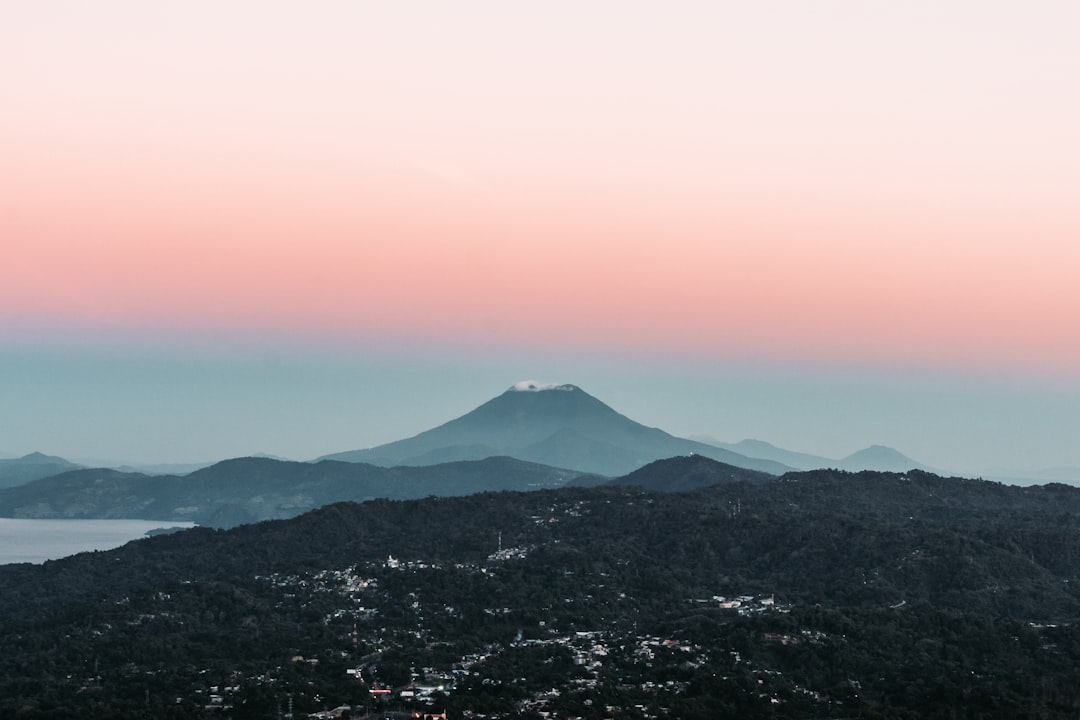
Last reviewed: October 2026 · key facts checked against Wikidata
El Salvador Travel Guide: Everything You Need to Know (2026)
El Salvador is Central America’s smallest and most densely populated country, covering just 21,041 km² yet home to 6 million people — roughly the population density of Belgium. Founded as a Spanish colonial territory in 1524, San Salvador sits at 658 metres above sea level and anchors a nation that has transformed dramatically since President Bukele’s security crackdown reduced homicide rates by over 70% between 2019 and 2023. From Pacific surf breaks at El Tunco to the ancient Maya ruins at Joya de Cerén, El Salvador rewards travellers willing to look past outdated reputation.
Top 3 Highlights at a Glance
- Ruta de las Flores — A 36 km mountain road linking four colonial towns bursting with weekend markets, coffee farms, and waterfalls few tourists reach.
- El Tunco Beach — The Pacific’s most consistent left-hand surf break, working year-round with waves averaging 1.5 metres during peak November–April swell.
- Joya de Cerén UNESCO Site — A Maya farming village buried by a volcanic eruption in 590 AD — the only preserved pre-Columbian commoner settlement in the Americas.
Scroll down for our complete travel guide with tips on getting there, where to stay, costs and more.
Getting There & Transport
Which airports are the best entry points into El Salvador?
Monseñor Óscar Arnulfo Romero International Airport (SAL) is the only major international entry point — full stop. Located in Comalapa, 44 km south of San Salvador, it handles all major international routes. In my experience, direct flights operate from Miami (3 hrs), Los Angeles (5.5 hrs), New York JFK (5 hrs), and Madrid (12 hrs). Airlines including Avianca, American, United, and Copa all serve SAL. There is no practical alternative airport for international arrivals. My tip: book SAL-routed itineraries rather than connecting through Guatemala City, which adds 4+ hours of unnecessary ground travel. The single-airport reality simplifies planning considerably.
How do I get from the airport to my first accommodation in El Salvador?
Take an official ACACYA taxi or pre-booked shuttle — do not use unmarked cabs outside the terminal. The 44 km journey to central San Salvador takes 45–60 minutes depending on traffic on the CA-4 highway. In my experience, official airport taxis cost $25–35 to San Salvador centre, while shared shuttle services charge $10–15 per person if booked 24 hours ahead through operators like King Quality or Transportes Pullman. What surprised me: Uber works reliably at SAL and costs $18–22 to Zona Rosa — significantly cheaper than the taxi rank. The caveat: rush-hour traffic between 4–7 PM can stretch the journey to 90 minutes.
What transport options are there within El Salvador?
El Salvador offers chicken buses (repainted US school buses), modern coaches, and rental cars as your three realistic options. The colourful local buses cost $0.25–0.50 per ride but run on chaotic schedules with no apps tracking them. I recommend King Quality or Tica Bus coaches for intercity routes — a San Salvador to Santa Ana journey costs $3 and takes 1.5 hours. Uber operates in San Salvador and Santa Tecla only. For beach destinations like El Tunco, direct shuttle services from the capital cost $8–12 per person and take 50 minutes. The honest caveat: no rail network exists, so every journey is road-based, and highway traffic near San Salvador is genuinely bad during rush hour.
Do I need a rental car in El Salvador?
Yes, for maximum flexibility outside San Salvador — a rental car transforms the experience. In my experience, driving in El Salvador is manageable compared to Guatemala or Honduras. Roads connecting Santa Ana, Suchitoto, and the Ruta de las Flores are paved and signed. Rental costs start at $35–50 per day for a basic sedan from companies at Comalapa Airport including Hertz, Alamo, and Toyota Rent-a-Car. I recommend a 4WD for $55–75 per day if visiting Lago de Coatepeque or beach areas with unpaved access roads. The unavoidable warning: always purchase the full insurance package — local policies rarely cover theft, which adds $12–18 per day but is non-negotiable for peace of mind.
How good is the public transport network between regions in El Salvador?
Functional but slow — the intercity bus network covers all major destinations but lacks reliability. The Terminal de Oriente in San Salvador connects to eastern destinations like San Miguel and La Unión, while Terminal de Occidente serves Santa Ana and the Ruta de las Flores. Journeys are cheap — San Salvador to San Miguel costs $2.50 and takes 2.5 hours on a direct coach. What surprised me: Pullman-class express buses on the western routes run on fixed schedules and are surprisingly comfortable with air conditioning. The real caveat: buses to smaller villages like Suchitoto run only every 45 minutes and stop service by 6 PM, so afternoon wandering requires planning your return carefully.
Accommodation
Which regions of El Salvador should I stay in?
Stay in San Salvador’s Zona Rosa or Colonia Escalón for urban convenience, El Tunco for surf and beach culture, or Suchitoto for colonial charm. In my experience, Zona Rosa is the safest and most walkable neighbourhood in the capital, with restaurants, ATMs, and hotels clustered within 10 walkable blocks. For nature, Juayúa on the Ruta de las Flores offers mountain weather at 1,100 metres altitude and the famous weekend food festival. Budget travellers do best basing themselves in El Tunco — accommodation is cheaper than the capital, the Pacific beach is 2 minutes walk, and the vibe is relaxed. My honest caveat: basing yourself only in San Salvador means missing the country’s genuine highlights, which lie outside the capital.
What does good accommodation cost per night in El Salvador?
Expect to pay $60–100 per night for a solid mid-range hotel with air conditioning and private bathroom. In San Salvador’s Zona Rosa, quality boutique hotels like Hotel Grecia Real and Hilton Princess run $90–150 per night. At El Tunco, guesthouses with ocean views cost $40–70 — considerably better value. Budget hostels across the country charge $12–20 per dorm bed. What surprised me: Airbnb in Colonia San Benito offers modern apartments for $55–80 per night, which beats comparable hotels on price and privacy. The caveat: the cheapest places under $25 per night in San Salvador often sit outside safe walking zones, so location matters more here than in most Central American capitals.
When should I book hotels in El Salvador — how far in advance?
Book 4–6 weeks ahead for peak season (December–April) and at least 2 weeks ahead year-round for coastal properties. In my experience, El Tunco fills completely during Semana Santa (Holy Week before Easter) — the single most chaotic booking period in the country, when beach accommodation sells out 3 months in advance at double the normal price. San Salvador’s business hotels often have last-minute availability midweek since they cater to corporate travellers, but weekends in January and February see leisure demand spike. My tip: use Booking.com for urban hotels and contact beach guesthouses directly by WhatsApp for better rates. The honest warning: cancellation policies at small coastal properties are strict — often no refund within 72 hours.
When is the best time to travel to El Salvador?
Travel December through April — El Salvador’s dry season offers blue skies, consistent surf, and comfortable temperatures. Based on verified climate data, January, February, March, April, and December are the optimal months. In my experience, February hits the sweet spot: crowds thinner than December holidays, temperatures around 28°C at sea level, and the Ruta de las Flores in full bloom. March brings the best surf to El Sunzal and Punta Roca. The specific caveat most guides omit: even in dry season, San Salvador at 658 metres can experience afternoon fog and temperatures dropping to 16°C at night — pack a light layer regardless of when you visit.
How does peak season affect prices in El Salvador?
Peak season inflates accommodation prices by 40–80% and makes coastal areas uncomfortably crowded. December 15 through January 5 and Semana Santa are the two absolute peaks — El Tunco guesthouses charge $120+ for rooms that cost $55 in September. In my experience, domestic Salvadoran tourists flood the beaches during these periods, not international visitors — so the crowds are real but the vibe remains local. Airline prices from Miami or Houston also surge by $150–300 during US holiday weeks. My honest tip: January 6 through February 15 offers nearly identical weather with prices snapping back to normal — this two-week window after New Year is the genuine sweet spot that almost no travel guide mentions.
Best Time to Visit
Which regions of El Salvador have different climate zones?
El Salvador has three distinct zones: **hot Pacific lowlands below 800 metres, temperate central highlands at 800–1,200 metres, and cool cloud forest above 1,500 metres. The Pacific coast around La Libertad and El Tunco sits near sea level and stays 30–33°C year-round with high humidity. San Salvador at 658 metres runs cooler at 22–27°C with pleasant evenings. The Apaneca-Ilamatepec mountain range near Juayúa and Apaneca reaches 2,381 metres at Cerro El Pital — temperatures there drop to 7–10°C at night even in dry season. What surprised me: you can experience a 20-degree temperature difference by driving just 90 minutes from El Tunco to Apaneca** — pack accordingly for a single-day road trip.
What are the rainy seasons in El Salvador?
The rainy season runs May through October, with August and September being the heaviest months. Rainfall in San Salvador during peak wet season averages 280–320 mm per month — expect heavy afternoon downpours lasting 1–3 hours almost daily. The Pacific coast receives even higher volumes. In my experience, the rainy season is not a write-off: mornings are often sunny, volcanoes like Santa Ana (Ilamatepec) are stunningly green, and accommodation costs drop 30–40%. The serious warning most guides omit: September and October bring genuine hurricane-adjacent tropical storm risk — Hurricane Ida in 2021 caused flooding across the western lowlands. Check the National Emergency Management (COEN) alerts if travelling during these months.
What does a trip to El Salvador cost per person per day?
Budget $45–60 per day as a backpacker, $90–130 per day as a mid-range traveller, and $180–250+ for comfort travel. The budget figure covers a $15 hostel dorm, $12 in meals, $8 in local transport, and $10 in activities. Mid-range assumes a $70 hotel, $30 in restaurants, and $20 in tours or transport. In my experience, El Salvador is noticeably cheaper than Costa Rica — a comparable mid-range day in Costa Rica costs $160–200. The hidden cost most travellers miss: guided volcano hikes cost $25–45 per person for mandatory police escorts to summits like Volcán Santa Ana — budget at least $100 extra per week for structured excursions.
How expensive is food in El Salvador?
Food in El Salvador is exceptionally affordable — local meals cost $2–5, mid-range restaurants $8–15 per person. A pupusa (El Salvador’s iconic stuffed corn tortilla) costs $0.50–0.75 from a street vendor and represents the single best-value food item in Central America. In my experience, the Mercado Central in San Salvador serves a full lunch including drink for $3–4. Sit-down restaurants in Zona Rosa charge $10–18 for mains. What surprised me: seafood on the coast is cheaper than in the capital — a whole grilled fish at Puerto de La Libertad costs $8–12 with rice and salad. The caveat: imported wine and craft beer inflate restaurant bills fast — a glass of wine in Zona Rosa costs $6–9.
What hidden costs should I expect in El Salvador?
Four costs catch most visitors off guard in El Salvador. First, the $32 airport departure tax is sometimes included in airfare — check your ticket, because if it is not, you pay cash at the airport. Second, mandatory police escorts for volcano hikes cost $10–20 per group on top of park fees. Third, ATM withdrawal fees at Scotiabank and Banco Agrícola run $3–5 per transaction — withdraw larger amounts less frequently. Fourth, travel insurance rarely covers adventure activities like surfing lessons or volcano boarding without a specific rider, which costs an extra $15–30 on most policies. In my experience, budgeting an extra $15 per day beyond your planned spend covers these surprises comfortably.
Budget & Costs
How much cash should I bring to El Salvador?
Bring $200–300 in US dollars cash for the first two days, then use ATMs strategically. El Salvador uses the US dollar as its official currency since 2001, eliminating any exchange-rate confusion for American visitors — a genuine practical advantage over other Central American destinations. In my experience, markets, pupuserías, local buses, and smaller beach towns operate cash-only. The Banco Agrícola and Scotiabank ATMs in San Salvador are reliable, but coastal areas like El Cuco have only 1–2 ATMs that frequently run empty on weekends. My specific tip: carry $50 in small bills ($1s and $5s) at all times — change is perpetually scarce and vendors genuinely cannot break a $20 for a $0.75 pupusa.
Which credit cards are accepted in El Salvador?
Visa and Mastercard are accepted at most mid-range and upscale establishments — American Express is accepted at roughly 30% of those places and rarely in smaller towns. In my experience, Zona Rosa restaurants, larger supermarkets like Super Selectos, and chain hotels take cards without issue. However, street food vendors, local markets, chicken buses, and most surf hostels in El Tunco are strictly cash. What surprised me: since Bitcoin became legal tender in 2021, the government’s Chivo Wallet app theoretically allows BTC payments at participating merchants — but in practice fewer than 15% of businesses actively use it, and tourists find the system clunky. My honest recommendation: treat El Salvador as a cash-primary destination and use cards only as a backup.
Which regions of El Salvador must I not miss?
The Ruta de las Flores, La Libertad surf coast, and the colonial gem of Suchitoto are non-negotiable. The Ruta de las Flores in the western highlands connects Nahuizalco, Salcoatitán, Juayúa, Apaneca, and Ataco — each town within 10 km of the next, making it driveable in a single day or explorable over a relaxed weekend. La Libertad Department holds the country’s best Pacific beaches and the famous Punta Roca left-hand break. Suchitoto, 47 km north of San Salvador, is the best-preserved colonial town in the country, overlooking Lago de Suchitlán. In my experience, travellers who skip the western highlands and only visit San Salvador and the beach miss the most visually rewarding 30% of the country.
What are the tourist highlights of El Salvador?
The six standout highlights are Joya de Cerén UNESCO site, Volcán Santa Ana, Lago de Coatepeque, El Tunco Beach, Suchitoto, and the Ruta de las Flores. Joya de Cerén near San Juan Opico is the Maya Pompeii — a village frozen in 590 AD that entry costs $5. Volcán Santa Ana at 2,381 metres offers the most dramatic crater lake in Central America — a turquoise sulphurous lagoon inside an active caldera. Lago de Coatepeque is a volcanic crater lake where weekenders swim from floating docks. In my experience, combining Volcán Santa Ana, Coatepeque, and the Ruta de las Flores into a 3-day western loop delivers more concentrated visual rewards than almost any comparable route in Central America at the same price point.
What experiences in El Salvador are found nowhere else?
Three experiences are genuinely unique to El Salvador. First, surfing Punta Roca in La Libertad — consistently ranked among the top 10 left-hand point breaks worldwide, breaking over a rocky reef that produces long, predictable waves unlike anything on the Caribbean side of Central America. Second, eating at a pupusería on Calle de las Pupusas in Olocuilta — a roadside strip of 40+ family-run stalls serving rice-flour pupusas unavailable outside El Salvador. Third, camping inside the crater rim of Volcán Santa Ana — a permitted overnight experience at 2,381 metres where you wake to views of three countries on a clear morning. In my experience, the Olocuilta pupusa strip alone justifies a detour from any San Salvador itinerary.
Regions & Highlights
Which areas of El Salvador are overcrowded, and what are quieter alternatives?
El Tunco is genuinely overcrowded during Semana Santa and December — the beach shrinks to 30 metres wide and the main street becomes impassable. The quieter alternative 2 km east is El Sunzal, which offers an equally good surf break with a fraction of the crowd and better-quality beach restaurants. San Salvador’s historic centre around Plaza Barrios is relentlessly busy and not tourist-friendly — instead, explore Colonia San Benito’s gallery district which has better architecture and safer streets. In my experience, the Bahía de Jiquilisco on the eastern Pacific coast — a mangrove-fringed lagoon near Usulután — is virtually unknown to foreign tourists despite being the largest coastal wetland in El Salvador and genuinely beautiful.
How many days do I need to see El Salvador?
7 days is the realistic minimum to see the highlights without rushing — 10–12 days allows genuine depth. My recommended split: 2 nights in San Salvador (city orientation, day trip to Joya de Cerén), 3 nights on the Ruta de las Flores (Juayúa base, Apaneca coffee farms, Ataco nightlife), 2 nights at El Tunco (surfing or swimming, La Libertad fish market). A 12-day itinerary adds Suchitoto (2 nights) and a Perquín war history tour (1 night) in the eastern mountains near the Honduran border. What surprised me: El Salvador’s compact size — just 271 km coast to coast — means you lose almost no time to transit, unlike Guatemala or Costa Rica where driving eats enormous chunks of each day.
Do I need a visa for El Salvador?
Most Western passport holders enter El Salvador visa-free for 90 days. Citizens of the US, EU, UK, Canada, Australia, and Japan require no visa — just a valid passport and proof of onward travel. The CA-4 agreement means a single entry covers El Salvador, Guatemala, Honduras, and Nicaragua for 90 days combined, not 90 days each — a critical detail most travellers miss. If you plan multi-country travel, the 90-day clock starts the moment you enter any CA-4 country. There is a $12 entry fee payable at the border in cash — the airport fee is typically included in airfare. In my experience, immigration at Comalapa Airport is efficient and English-speaking officers are present at the international arrivals desk.
What languages are spoken in El Salvador?
Spanish is the sole official language — English is limited outside tourist zones. In my experience, staff at hotels in Zona Rosa and El Tunco speak functional English, as do most surf instructors. However, venture to local markets in Santa Ana, chicken bus stations, or smaller villages and English disappears entirely. The Nahuatl-influenced local Spanish features distinct expressions — ’chivo’ means cool, ’cipote’ means kid — worth learning to connect with locals. I recommend learning 20 core travel phrases in Spanish before arriving, as even basic attempts are met with warmth and often better service. The honest caveat: Google Translate’s offline Spanish pack is essential — download it before landing, as rural data coverage is patchy.
What cultural rules do I need to know before visiting El Salvador?
Four rules matter most in El Salvador. First, greet with ‘buenos días/tardes/noches’ before any transaction — skipping the greeting reads as rude in Salvadoran culture. Second, dress modestly when visiting churches — the Catedral Metropolitana in San Salvador and colonial churches on the Ruta de las Flores require covered shoulders and knees. Third, photography of military and police — who are now highly visible under Bukele’s security state — is technically restricted and always requires permission. Fourth, tipping is not mandatory but appreciated: 10% in restaurants, $1 per bag for porters, $2–3 for guides. What surprised me: Salvadorans are exceptionally warm to visitors who show genuine curiosity about the country’s history — ask about the 1979–1992 civil war respectfully and you will hear extraordinary first-hand accounts.
Practical Tips
How safe is El Salvador in 2026?
Significantly safer than a decade ago — but situational awareness remains essential. President Bukele’s state of emergency, launched in March 2022, dramatically reduced gang control, cutting the homicide rate from 106 per 100,000 in 2015 to under 8 per 100,000 by 2023 — one of history’s fastest crime drops. In my experience, Zona Rosa, El Tunco, Suchitoto, and the Ruta de las Flores feel genuinely safe for tourists in 2026. The honest caveat: petty theft — phone snatching and pickpocketing — persists in San Salvador’s historic centre and crowded bus terminals. Avoid displaying expensive cameras or jewellery, use Uber rather than street taxis at night, and don’t walk alone after 10 PM in unfamiliar areas. Most Western governments now rate El Salvador Level 2 (exercise increased caution) — the same as France and Mexico.
What health precautions should I take before visiting El Salvador?
Get Hepatitis A and Typhoid vaccinations before travel — both are strongly recommended for El Salvador. The CDC also recommends ensuring Tetanus-Diphtheria, Measles, and standard routine vaccines are current. In my experience, mosquito-borne illness is the primary day-to-day health risk — Dengue fever is endemic year-round, spiking dramatically during the May–October rainy season. Use DEET 30%+ repellent, wear long sleeves at dusk, and avoid stagnant water areas. Zika remains a low-level risk — relevant for pregnant travellers. Tap water is not safe to drink anywhere in El Salvador — bottled water costs $0.50–1 per litre and is universally available. Malaria risk is low but exists in rural eastern departments — consult your doctor about prophylaxis 6 weeks before departure.
What SIM card or eSIM options are available in El Salvador?
Tigo and Claro SIM cards are the best options — buy at the Comalapa Airport arrivals hall immediately after landing for $5–10 including 5–10 GB of data. In my experience, Tigo offers the most reliable 4G coverage across both urban and coastal areas, including decent signal at El Tunco and along the Ruta de las Flores. Claro is slightly cheaper but coverage drops noticeably in eastern departments near Morazán. For eSIM users, Airalo’s El Salvador Tigo eSIM offers 3 GB for $6.50 — purchase and install before your flight. The honest caveat: rural mountain areas around Apaneca and Perquín drop to 2G or lose signal entirely — download offline maps on Maps.me or Google Maps before entering the highlands.
Which apps do you recommend for travelling in El Salvador?
Six apps are essential for El Salvador travel. Uber — the only reliable ride-hailing option in San Salvador, significantly safer than street taxis at night. Google Maps with offline El Salvador download — road navigation, though it occasionally misses unpaved rural tracks. WhatsApp — Salvadoran guesthouses, tour operators, and even restaurants communicate exclusively via WhatsApp; book everything through it. Duolingo or Google Translate with offline Spanish — non-negotiable outside tourist zones. Waze for driving — more accurate than Google Maps for local traffic on the CA-1 Pan-American Highway. XE Currency — useful for double-checking prices when vendors quote in local context despite the dollar being official. In my experience, downloading Maps.me offline maps for El Salvador as a backup to Google Maps has saved me repeatedly in areas with no data signal.
What are common traveller mistakes in El Salvador?
The five most costly mistakes I see repeatedly in El Salvador. First, basing the entire trip in San Salvador — the capital is the least rewarding part of the country. Second, visiting during Semana Santa without booking 3 months ahead — travellers arrive to find zero coastal accommodation available. Third, underestimating the CA-4 90-day combined rule — planning 90 days in El Salvador alone then onward to Guatemala means immigration problems at the border. Fourth, dismissing the east — the Perquín war museum and Morazán mountains tell El Salvador’s most important story and see fewer than 5,000 foreign visitors per year. Fifth, carrying a bag through San Salvador’s historic market district — petty theft here is the most consistent risk tourists actually experience, and it is easily avoided by leaving valuables at the hotel.
El Salvador at a Glance
| Population | 6,029,976 |
|---|---|
| Currency | United States dollar ($) |
| Official language | Spanish |
| Time zone | UTC−06:00 |
Source: Wikidata, retrieved October 2026.
Essential Resources for Planning Your Trip to El Salvador
- El Salvador Tourism and Attractions Guide — official visitor information, passes & events
- Wikipedia: El Salvador — history, geography & background
- Wikivoyage: El Salvador — community travel guide & practical tips
- El Salvador travel – Lonely Planet | Central America — expert itineraries & travel inspiration
- THE 15 BEST Things to Do in El Salvador (2026) — hotels, restaurants & traveller reviews
- Affordable El Salvador — how to get around
- Numbeo: Cost of Living in El Salvador — current prices & cost comparison
- Timeanddate: El Salvador Weather & Climate — forecasts & climate statistics
More Perspectives on El Salvador
- Going to EL Salvador soon, any tips? : r/ElSalvador
- About El Salvador
- Travel to El Salvador: A 5-Day Experience Recap
El Salvador Travel Videos
Watch these videos for a visual preview before your trip:
- Top 10 Places To Visit in El Salvador – Travel Guide
- El Salvador Travel Guide | MOST UNDERRATED Country in the World?
- El Salvador Travel Guide| Most UNDERRATED Country In the World?
El Salvador Travel Discussions on Reddit
Real traveller experiences and community advice:
- El Salvador tourism is growing fast, and will probably look …
- El Salvador? : r/travel
- El Salvador Travel Tips from an American woman
Data Sources
This page was compiled using data from Wikipedia, Wikidata, Open-Meteo (climate), Numbeo (cost of living) and REST Countries. Information is updated regularly.