
Ecuador: The Complete Travel Guide (2026)
Last reviewed: October 2026 · key facts checked against Wikidata
Ecuador Travel Guide: Everything You Need to Know (2026)
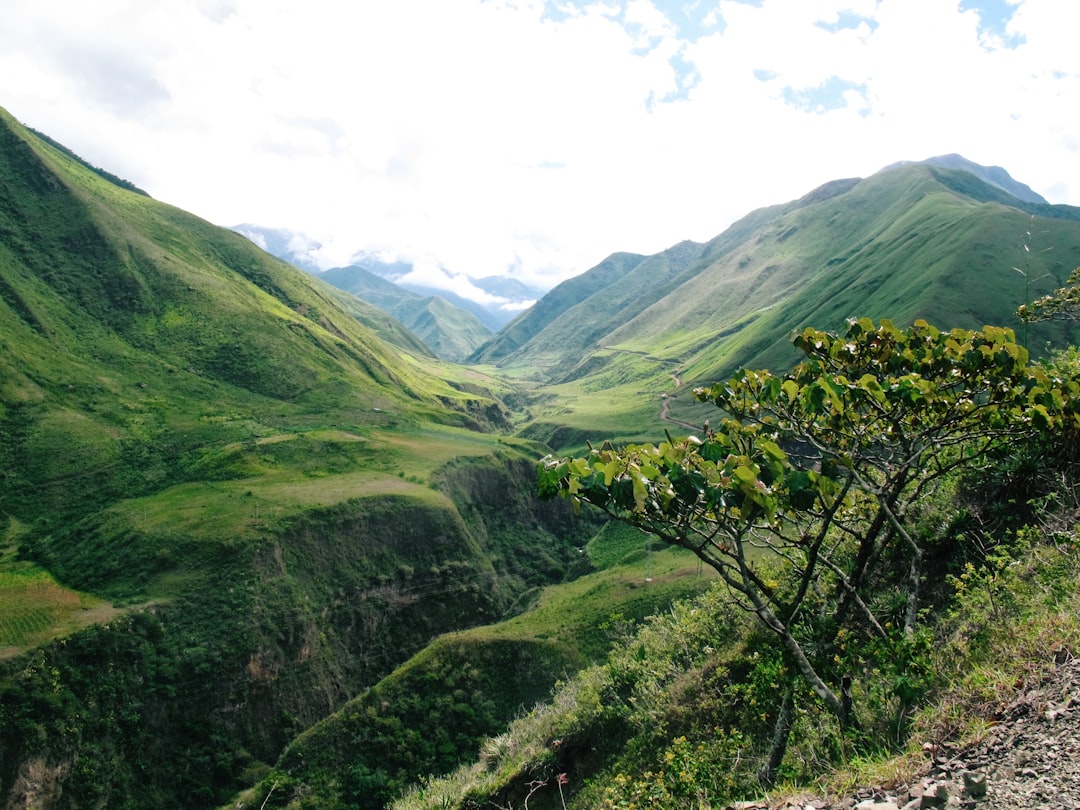
Ecuador packs four distinct worlds into a country smaller than Nevada: the Amazon basin, Andean highlands peaking at Chimborazo (6,263 m, the point farthest from Earth’s center), Pacific coast, and the Galápagos Islands sitting 1,000 km offshore. Quito, the capital, sits at 2,850 m altitude and was the first city declared a UNESCO World Heritage Site in 1978. With a population of 16,938,986 in Quito’s metro area alone, this is a destination of staggering density of experience per kilometer traveled.
Top 3 Highlights at a Glance
- Galápagos Islands — Nowhere else on Earth can you snorkel with sea lions and walk among giant tortoises in their wild habitat, just 1,000 km from the mainland.
- Quilotoa Crater Lake — A turquoise volcanic caldera at 3,914 m altitude, reachable by a 3-hour loop hike with zero crowds compared to Andean rivals.
- Quito Historic Centre — The best-preserved colonial old town in Latin America, with La Compañía de Jesús church featuring 7 tonnes of gold leaf inside.
Scroll down for our complete travel guide with tips on getting there, where to stay, costs and more.
Getting There & Transport
Which airports are the best entry points into Ecuador?
Fly into Mariscal Sucre International Airport (UIO) in Quito or José Joaquín de Olmedo International Airport (GYE) in Guayaquil — these are Ecuador’s two main international gateways. In my experience, UIO is the better entry point if you plan to explore the highlands or head to the Galápagos, while GYE suits the coast and Amazon routes faster. Quito receives direct flights from Miami, Atlanta, Amsterdam, and Madrid. My tip: Quito’s altitude of 2,850 m hits hard on arrival — caveat most guides skip is that UIO’s high altitude means turboprop flights to Galápagos (via Baltra island, GPS) feel rougher than expected.
How do I get from the airport to my first accommodation in Ecuador?
Take the Aeroservicio airport bus from UIO to La Mariscal neighborhood for $2 USD — it runs every 20 minutes and takes about 45 minutes to the historic center. Taxis from UIO to central Quito cost a fixed $25–30 USD and take 30–40 minutes. In my experience, avoid unmarked taxis entirely — only use Cabify or InDriver apps or official yellow airport taxis with meters. What surprised me: the bus is genuinely comfortable and drops near most mid-range hotels in La Mariscal and La Floresta. Warning most guides omit: ride-share apps like Uber operate in a legal gray zone in Ecuador — use InDriver instead, which is fully legal and cheaper.
What transport options are there within Ecuador?
Ecuador’s backbone is its intercity bus network, which is cheap, frequent, and covers virtually every corner of the country. Quito’s Quitumbe terminal sends buses to Guayaquil (8 hours, $10–12 USD), Cuenca (9 hours, $12 USD), and Baños (3.5 hours, $4 USD). Domestic flights on LATAM and Avianca connect Quito to Guayaquil in 35 minutes for $60–120 USD. I recommend renting a car only for specific coastal or rural routes. My tip: the Tren Ecuador scenic railway from Quito to Latacunga is a memorable experience at $28 USD, though it runs limited days. Honest caveat: night buses are common but luggage theft is a real risk — always use overhead racks and keep valuables on your person.
Do I need a rental car in Ecuador?
No, you don’t need a rental car for Ecuador’s main destinations. In my experience, buses handle 90% of routes efficiently and cheaply. I recommend a rental car specifically for the Ruta del Sol coastal highway, the Quilotoa Loop, or independent exploration of remote cloud forest lodges near Mindo. Car hire runs $35–60 USD per day from agencies like Localiza or Budget at UIO. The honest trade-off most guides omit: Ecuador’s road quality varies wildly — the Pan-American Highway is excellent, but many Andean side roads are unpaved and require a 4WD after rain. Driving in Guayaquil city traffic is genuinely stressful and not recommended for first-time visitors.
How good is the public transport network between regions in Ecuador?
Ecuador’s inter-regional bus network is excellent value and genuinely reliable for a South American country. Cooperativa de Transportes companies run frequent services between all major hubs — Quito to Cuenca costs $12 USD and buses depart every hour from Quitumbe terminal. What surprised me: even small towns like Otavalo (2 hours north of Quito, $2.50 USD) are well connected. The caveat is the Amazon region — getting to Tena or Puyo involves 5–6 hour journeys on winding mountain roads that cause motion sickness. My tip: buy tickets at the terminal on the day for short routes, but book 24 hours ahead for Guayaquil or Cuenca departures on weekends to guarantee a seat.
Accommodation
Which regions of Ecuador should I stay in?
Stay in Quito’s La Floresta or La Mariscal for highland base, Cuenca’s historic center for the south, Montañita for surf culture, or Puerto Ayora on Santa Cruz Island for the Galápagos. In my experience, Baños de Agua Santa is the perfect adventure hub — it sits at 1,820 m at the base of Tungurahua volcano with rafting, cycling, and zip-lining all within 10 km. For the Amazon, Tena is more authentic and accessible than Lago Agrio. My honest warning: Montañita has a party-heavy reputation that attracts theft — keep valuables locked in your accommodation. Each region is genuinely a different world; plan at least two base points.
What does good accommodation cost per night in Ecuador?
A solid mid-range hotel in Ecuador runs $50–90 USD per night. In Quito’s La Floresta, boutique guesthouses like Casa Gangotena charge $180–220 USD at the luxury end, while clean, well-reviewed hostels in La Mariscal start at $15–25 USD per dorm bed. In Cuenca, charming colonial-style hotels in the historic center cost $60–80 USD. Galápagos accommodation is the major exception — expect $120–200 USD per night minimum on Santa Cruz Island, and live-aboard dive boats run $300–500 USD per day. My tip: Ecuador’s accommodation quality per dollar is genuinely high outside the Galápagos. Book through Booking.com rather than local sites for reliable cancellation policies.
When should I book hotels in Ecuador — how far in advance?
Book Galápagos accommodation at least 3–4 months in advance — this is non-negotiable, especially for live-aboards. For mainland Ecuador, 4–6 weeks ahead is sufficient for most of the year. In my experience, Carnival weekend (February/March) and Semana Santa (Holy Week) are the two periods that sell out mainland hotels fastest — Ecuadorians travel heavily domestically. Quito’s New Year’s Eve (Año Viejo) festivities also fill the city. My honest tip: Cuenca and Baños can usually be booked 1–2 weeks out except during their own festivals. Warning most guides omit: many family-run hostales in small towns don’t list on booking platforms — arrive before 3 PM to secure walk-in rooms.
When is the best time to travel to Ecuador?
Based on verified climate analysis, September, October, November, and December are Ecuador’s best travel months. In the highlands, this corresponds to the dry season with clearer skies for volcano views. The Galápagos is excellent June–December when the Humboldt Current brings nutrient-rich water — whale shark sightings peak around August. In my experience, October is my personal favorite month: the Andes are green from earlier rains but sunny, crowds are thin, and prices are lower than the December holiday spike. My honest caveat: Ecuador straddles the equator so ‘dry season’ is relative — the Amazon receives rain year-round, and even the ‘dry’ coast sees occasional showers. Pack a light rain jacket regardless of month.
How does peak season affect prices in Ecuador?
Peak season in Ecuador runs December through January and June through August, driven by Northern Hemisphere holidays and Galápagos high season. Galápagos prices increase 25–40% in high season — a live-aboard that costs $280 USD/day in October jumps to $380+ USD in July. Quito hotel prices rise 15–20% during Christmas week. In my experience, the domestic peak — Carnival and Semana Santa — hits coastal destinations like Salinas and Atacames hardest, with hotels tripling in price over those specific weekends. My tip: mainland Ecuador outside the Galápagos remains genuinely affordable even in high season compared to neighboring Colombia or Peru. The honest trade-off: visiting Galápagos in shoulder season saves money but means missing peak wildlife behavior.
Best Time to Visit
Which regions of Ecuador have different climate zones?
Ecuador has four starkly different climate zones within a country of just 283,561 km². The Costa (Pacific coast) is hot and humid, averaging 26–30°C with a dry season May–December. The Sierra (Andes) at 2,000–4,000 m stays cool at 10–20°C year-round with two dry seasons. The Oriente (Amazon basin) is hot and rainy year-round, averaging 25°C with 3,000+ mm of annual rainfall. The Galápagos has a warm wet season (January–May) and cool dry season (June–December). What surprised me most: you can experience summer on the coast and near-freezing temperatures on Cotopaxi volcano (5,897 m) on the same day with a 3-hour drive between them — this contrast is Ecuador’s single greatest travel asset.
What are the rainy seasons in Ecuador?
The Andean highlands have two rainy seasons: October–November and February–May, with the heavier rains in the latter period. The Pacific coast’s rainy season runs December–May, with January–March being the wettest months — Guayaquil receives most of its 1,000 mm annual rainfall in this window. The Amazon has no true dry season but sees slightly less rain August–October. The Galápagos warm season (January–May) brings showers but also calm seas and excellent snorkeling visibility. My honest warning most guides omit: highland rains typically fall as afternoon thunderstorms, not all-day downpours — mornings are usually clear for hiking. Plan Cotopaxi or Chimborazo summit attempts before 11 AM regardless of season.
What does a trip to Ecuador cost per person per day?
Budget travelers in mainland Ecuador can manage $35–50 USD per day covering a hostel dorm, local meals, and buses. Mid-range travelers spending at guesthouses and restaurants should budget $80–120 USD per day. The Galápagos is a separate financial universe — a live-aboard budget of $300–500 USD per day is realistic, while an island-based Galápagos trip (staying in Puerto Ayora) costs $150–200 USD per day including tours. In my experience, Cuenca is Ecuador’s cheapest city for mid-range travel — a comfortable hotel, two restaurant meals, and a museum entry runs about $65 USD total. My honest caveat: entrance fees to Galápagos National Park alone cost $200 USD per person — budget this separately from the start.
How expensive is food in Ecuador?
Food in Ecuador is remarkably affordable on the mainland. A almuerzo (set lunch) — soup, main course, juice, and rice — costs $2.50–4 USD at local restaurants called huecas or comedores. Sit-down mid-range restaurants in Quito’s Mariscal Foch area charge $8–15 USD per main. A fresh ceviche on the coast in Manta runs $4–6 USD. My tip: the best value meal in Ecuador is the almuerzo — I’ve had three-course lunches in Cuenca for $3.50 USD that were genuinely excellent. The honest caveat: tourist-facing restaurants in Galápagos charge $15–25 USD per main — nearly mainland Quito fine-dining prices for average food. Budget accordingly if Galápagos is on your itinerary.
What hidden costs should I expect when visiting Ecuador?
The biggest hidden cost is the Galápagos National Park entrance fee of $200 USD per person (as of 2024, up from $100), paid cash or card on arrival at Baltra or San Cristóbal airport. A transit control card for the Galápagos costs an additional $20 USD. In my experience, Quito’s tourist-zone restaurants add 12% IVA tax plus 10% service charge — your $10 meal becomes $12.20 before you tip. Yellow fever vaccination (required if entering from certain Amazon countries) costs $30–50 USD if not done at home. My honest warning: ATM fees at non-bank machines in tourist areas run $3–5 USD per transaction — use Banco Pichincha or Banco del Pacífico ATMs to minimize charges.
Budget & Costs
How much cash should I bring to Ecuador?
Bring $200–300 USD in cash for your first few days, plus budget extra cash specifically for the Galápagos ($220 USD minimum for park fees alone). Ecuador uses the US dollar as its official currency, so there’s no exchange needed for Americans — a genuine advantage. In my experience, smaller towns like Otavalo or Baños are still largely cash-based, and market vendors, rural hostales, and local buses don’t accept cards. My tip: carry a mix of $1, $5, and $10 bills — $20 bills are hard to break at small shops. The honest caveat: ATMs in smaller cities like Tena or Macas occasionally run out of cash on weekends, so withdraw in major cities before heading to the Amazon or remote Andes.
Which credit cards are accepted in Ecuador?
Visa and Mastercard are accepted at mid-range and upscale hotels, larger restaurants, and tour operators in Quito, Cuenca, and Guayaquil. In my experience, American Express is accepted at roughly 30% of places that take cards — significantly less reliable. Many businesses add a 3–5% surcharge for card payments — this is legal and common in Ecuador. My tip: use a Charles Schwab or Wise debit card to avoid foreign transaction fees, as Ecuador’s dollar economy means no currency conversion loss. Honest warning most guides omit: card skimming at independent ATMs in tourist areas is a documented issue — stick exclusively to bank-branded ATMs (Banco Pichincha has the widest network) and shield your PIN.
Which regions of Ecuador must I not miss?
Do not miss the Galápagos Islands, Quito’s historic center, the Avenue of the Volcanoes, and Cuenca. In my experience, the Avenue of the Volcanoes — the Andean corridor between Quito and Cuenca with 8 volcanoes over 4,000 m visible on clear days — is one of the world’s great road journeys and criminally underrated. Quilotoa crater lake at 3,914 m and Cotopaxi National Park are unmissable Andes experiences. For coast lovers, Montañita to Canoa on the Ruta del Sol delivers untouched Pacific beaches. My honest warning: the Amazon around Tena is far more accessible and authentic than the oil-affected Lago Agrio zone — choose your Amazon gateway carefully.
What are the tourist highlights of Ecuador?
Ecuador’s top draws are the Galápagos Islands (UNESCO World Heritage, wildlife found nowhere else), Quito’s Old Town (first UNESCO Heritage city, 1978), Cotopaxi volcano (5,897 m, one of world’s highest active volcanoes), Otavalo indigenous market (largest in South America, runs every Saturday), and the Middle of the World monument at Mitad del Mundo (22 km north of Quito). In my experience, the Otavalo Saturday market starting at 7 AM is among the most atmospheric market experiences I’ve had in 10 years of South America travel — arrive before 9 AM before tour buses arrive. The Galápagos needs no selling: 13 major islands, giant tortoises, marine iguanas, and blue-footed boobies coexist with fearless proximity to humans.
What experiences in Ecuador are found nowhere else on Earth?
Three Ecuador experiences are genuinely impossible to replicate anywhere else. First: snorkeling with Galápagos sea lions, marine iguanas, and hammerhead sharks in the same hour off Kicker Rock near San Cristóbal. Second: standing at Chimborazo’s summit (6,263 m), the point physically farthest from Earth’s center due to equatorial bulge — more remote from the planet’s core than Everest. Third: the cloud forest of Mindo — just 80 km from Quito at 1,200 m — where you spot 400+ bird species in a single day, including cock-of-the-rock and dozens of hummingbird species at feeders you can sit beside for $5 USD. My tip: Mindo is a stunning day trip or overnight from Quito that most visitors skip entirely.
Regions & Highlights
Which areas of Ecuador are overcrowded — and what are the quieter alternatives?
Quito’s Mitad del Mundo monument is overcrowded and frankly underwhelming — go instead to the Intiñan Solar Museum 300 m away for $5 USD, which has the actual GPS-confirmed equator and hands-on demonstrations. The Galápagos main harbor of Puerto Ayora (Santa Cruz) feels congested in July–August — visit Española or Fernandina islands via day tour for solitude. Montañita beach is overrun during South American summer — head to Canoa (3 hours north) for the same surf culture without the crowds. In my experience, Vilcabamba in the southern highlands near Loja is an almost criminally quiet alternative to Baños with stunning hiking and a genuine expat community who chose it for exactly that reason.
How many days do I need in Ecuador?
Plan a minimum of 14 days to experience Ecuador meaningfully: 3 days in Quito, 4–5 days in the Galápagos, 2 days in the Andes (Cotopaxi/Quilotoa/Baños), and 2–3 days in Cuenca. If Galápagos isn’t in your budget, 10 days covers the mainland beautifully. In my experience, travelers who budget only 7 days leave frustrated — Ecuador’s distances look small on a map but mountain roads make journey times deceptively long. A 21-day itinerary adding the Amazon (Tena, 3 days) and coast (Montañita or Manta, 3 days) hits all four worlds. My honest tip: the Galápagos deserves a minimum of 4 nights — anything less means you’re spending more time in transit than with wildlife.
Do I need a visa for Ecuador?
Citizens of the USA, EU, UK, Canada, and Australia do not need a visa for stays up to 90 days. Ecuador grants visa-free entry to over 90 nationalities. What surprised me: Ecuador extended its visa-free policy significantly in recent years, including to Chinese citizens (30 days). You will need a return or onward ticket and proof of sufficient funds ($50 USD per day is the official guideline). My honest caveat most guides skip: immigration officers at UIO occasionally ask to see proof of accommodation for the first night — have a hotel confirmation screenshot ready. For the Galápagos, add the $20 Transit Control Card purchased before boarding your domestic flight from Quito or Guayaquil.
What languages are spoken in Ecuador?
Spanish is the official language, spoken by virtually all Ecuadorians. Kichwa (Quechua) is co-official and spoken by approximately 1 million indigenous people in the highlands and Amazon. In my experience, English is spoken reliably in Quito’s tourist district (La Mariscal), Galápagos tour operations, and upscale hotels, but outside these zones, zero English should be your assumption. My tip: learning 10 Spanish phrases goes dramatically further in Ecuador than in Mexico or Costa Rica, because fewer Ecuadorians work in tourism-facing English roles. The honest trade-off: this language barrier is also what keeps Ecuador more authentic than over-touristed neighbors. Google Translate’s offline Spanish pack (download before you go) solves most communication challenges.
What cultural rules do I need to know before visiting Ecuador?
Greet with a handshake for men and a single cheek kiss for women — skipping this in small-town settings marks you as rude. In my experience, punctuality is flexible socially but expected for tour departures and buses. Indigenous communities around Otavalo and Saraguro deserve respectful photography etiquette — always ask before photographing people, and offer a small purchase rather than a tip. Catholic church interiors require covered shoulders and no shorts — carry a light scarf. My honest warning most guides omit: bargaining at markets is acceptable at artisan stalls in Otavalo but considered offensive at food stalls and comedores where prices are fixed. Tipping is not mandatory but $1 USD per person on tours is genuinely appreciated by guides earning modest wages.
Practical Tips
How safe is Ecuador for travelers in 2026?
Ecuador’s safety situation deteriorated significantly between 2022–2024 due to organized crime spillover from Colombia. Quito’s historic center and La Mariscal carry elevated petty theft risk after dark — I recommend staying in after 9 PM in those areas. Guayaquil’s Malecón 2000 is safe during daylight but avoid Isla Trinitaria and Suburbio entirely. In my experience, the Galápagos, Cuenca, Baños, Otavalo, and Mindo remain genuinely safe for tourists. My honest warning: the Esmeraldas province and Huaquillas border crossing should be avoided in 2026 per multiple government advisories. Use InDriver (not street taxis) in cities at night. Ecuador’s tourist zones are actively policed, but situational awareness is non-negotiable — leave flashy jewelry and expensive cameras in your hotel safe.
What health precautions should I take before visiting Ecuador?
Get a yellow fever vaccination — it’s mandatory if arriving from certain countries and strongly recommended regardless. Altitude sickness is real: Quito sits at 2,850 m and Cotopaxi base camp at 4,500 m — spend 2 days acclimatizing before attempting hikes. In my experience, acetazolamide (Diamox, prescription required) taken 24 hours before arrival genuinely prevents symptoms for most people. For the Amazon, take malaria prophylaxis (consult a travel doctor 6 weeks before departure) and apply DEET repellent against dengue-carrying mosquitoes. Drink bottled water only — even in Quito and Guayaquil. My honest warning most guides omit: Ecuador’s public hospitals outside Quito and Guayaquil have limited capacity — purchase comprehensive travel insurance with medical evacuation covering at least $100,000 USD.
What SIM card or eSIM options are available in Ecuador?
Buy a Claro or Movistar SIM card at the airport arrivals hall at UIO — costs $5–10 USD including initial data. A 10 GB data plan costs approximately $12–15 USD and lasts 30 days. In my experience, Claro has the best coverage in the Andes and Amazon regions; Movistar is stronger in coastal cities. For the Galápagos, coverage is limited to Puerto Ayora and Puerto Baquerizo Moreno — don’t count on data while island-hopping. My tip: Airalo eSIM for Ecuador (Claro network) works before you land and costs around $13 USD for 10 GB — ideal if your phone is unlocked. Honest caveat: remote Amazon lodges around Cuyabeno Reserve have zero mobile coverage — download offline Maps.me maps before departure.
Which apps do you recommend for traveling in Ecuador?
Install these 6 apps before landing: InDriver (legal ride-share, cheaper than Uber in Quito and Guayaquil), Maps.me (offline maps essential for areas without data), Google Translate (download Spanish offline pack), Booking.com (widest Ecuador hotel inventory), WhatsApp (literally every Ecuadorian business communicates via WhatsApp — use it to confirm reservations), and iNaturalist (transforms Galápagos wildlife spotting into a documented experience). In my experience, WhatsApp is non-negotiable — guesthouses, private drivers, tour guides, and restaurants all operate primarily through it. My honest tip: download XE Currency even though Ecuador uses USD — it’s useful for understanding prices quoted in local context and converting for neighboring country crossings into Colombia or Peru.
What are the most common traveller mistakes in Ecuador?
The top mistakes I see repeatedly: First, underestimating Galápagos costs — people arrive without budgeting the $200 park fee and scramble for cash. Second, flying into Guayaquil when Quito is the better hub for 80% of itineraries. Third, not acclimatizing to altitude — jumping straight to a Cotopaxi day hike from sea level ends trips early. Fourth, using street taxis at night instead of InDriver — this is the single most common way tourists get robbed. Fifth, skipping Cuenca to save time — it’s Ecuador’s most livable city and deserves 2 full days minimum. My honest final warning: traveling to Ecuador’s northern border region near Carchi and Esmeraldas without checking current advisories is a serious mistake — the security situation there remains fluid in 2026.
Ecuador at a Glance
| Population | 16,938,986 |
|---|---|
| Currency | United States dollar ($) |
| Official language | Spanish, Northern Quichua, Shuar |
Source: Wikidata, retrieved October 2026.
Essential Resources for Planning Your Trip to Ecuador
- Joint IUCN/UNESCO Mission Report / Rapport de mission — official visitor information, passes & events
- Wikipedia: Ecuador — history, geography & background
- Wikivoyage: Ecuador — community travel guide & practical tips
- Ecuador travel – Lonely Planet | South America — expert itineraries & travel inspiration
- THE 15 BEST Things to Do in Ecuador (2026) — hotels, restaurants & traveller reviews
- UNESCO World Heritage Sites Of Ecuador Vacations — how to get around
- Numbeo: Cost of Living in Ecuador — current prices & cost comparison
- Timeanddate: Ecuador Weather & Climate — forecasts & climate statistics
- Joint IUCN/UNESCO Mission Report / Rapport de mission
More Perspectives on Ecuador
- Travel Tips? : r/ecuador
- Ecuador Travel Guide (Updated 2026)
- Things To Do In Ecuador | Ecuador Travel Guide
Ecuador Travel Videos
Watch these videos for a visual preview before your trip:
- ECUADOR TRAVEL TIPS: Top 22 Things To Know Before You Visit Ecuador
- Ecuador Travel Guide 🇪🇨 – Ultimate 7 Day Travel Itinerary (All You Need to Know)
- Top 10 Things to Do in Ecuador (Ecuador Travel Guide)
Ecuador Travel Discussions on Reddit
Real traveller experiences and community advice:
- Would you recommend visiting Ecuador? : r/travel
- Safe to travel? Which places should I visit and which ones …
- r/TravelEcuador
Data Sources
This page was compiled using data from Wikipedia, Wikidata, Open-Meteo (climate), Numbeo (cost of living) and REST Countries. Information is updated regularly.