
Grenoble: The Complete Travel Guide (2026)
Grenoble Travel Guide: Everything You Need to Know (2026)
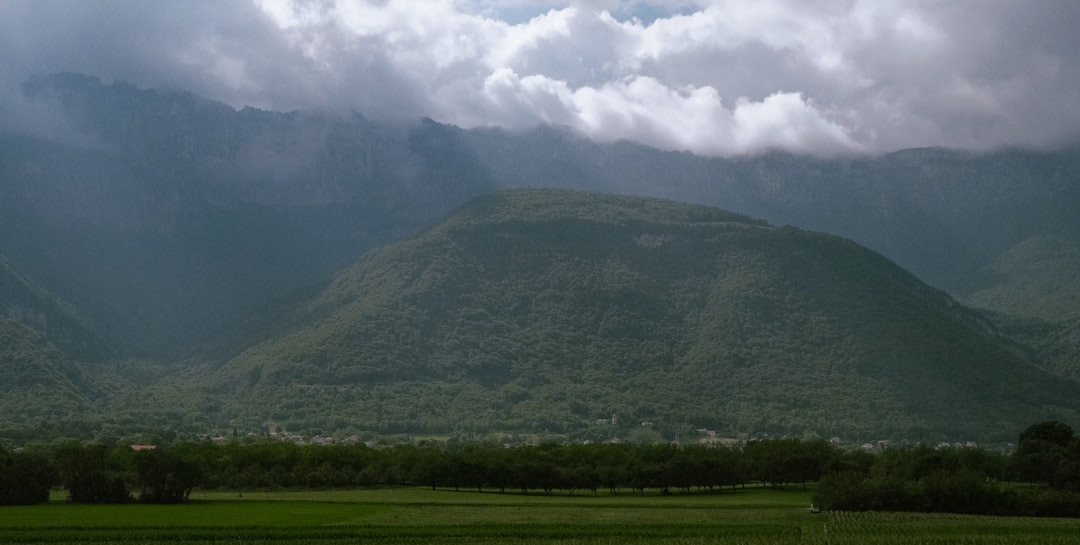
Grenoble, sitting at 212m elevation where the Drac meets the Isère river, is home to 160,779 residents and serves as the historic capital of the Dauphiné province in southeastern France. Founded as the Roman settlement Cularo around 43 BC, it is encircled on three sides by Alpine massifs — the Belledonne, Chartreuse, and Vercors — making it one of Europe’s most dramatically situated cities. It hosted the 1968 Winter Olympics and today ranks as France’s leading research and technology hub.
Top 3 Highlights at a Glance
- Bastille Fortress & Cable Car — Europe’s oldest urban cable car, running since 1934, delivers panoramic views of three Alpine massifs from 476m.
- Musée de Grenoble — One of France’s finest fine-arts museums outside Paris, housing over 900 works including Picasso and Matisse for just €8.
- Vercors Regional Park — A wild limestone plateau beginning 15km from the city centre, offering gorges, hiking, and near-zero tourist crowds.
Scroll down for our complete travel guide with tips on getting there, where to stay, costs and more.
Arrival & Airport
How do I get to Grenoble?
Take a direct train from Paris Gare de Lyon — it’s the fastest and most practical route. **TGV trains** cover the **550km journey in roughly 3 hours** and depart multiple times daily, with advance tickets from around **€30 one-way** via SNCF. From Lyon, regional trains reach Grenoble in **1 hour 10 minutes**. In my experience, the train station drops you right in the city centre, eliminating any transfer stress. The caveat most guides skip: booking more than 3 weeks ahead on SNCF.com can slash fares by 60%, but last-minute prices spike brutally, especially on Friday evenings.
Which airport is closest to Grenoble?
**Grenoble-Isère Airport (GNB)** is the dedicated local airport, **45km northwest** of the city centre. It handles strong winter ski-season traffic with direct UK and Nordic routes, but only operates seasonally — check carefully before booking. My honest caveat: outside ski season, flight options to GNB shrink dramatically. **Lyon-Saint Exupéry Airport (LYS)**, **100km north**, offers far more year-round international connections, including transatlantic flights. I always fly into **LYS** for flexibility, then catch the **Satobus Alpes shuttle** that runs directly to Grenoble in about **1 hour 10 minutes** for **€24**.
How long does the journey to Grenoble take from Paris or Lyon?
From **Paris Gare de Lyon**, the TGV takes **approximately 3 hours**. From **Lyon Part-Dieu**, regional TER trains take **1 hour 10 minutes** and run roughly every hour. What surprised me: the scenic section after Voreppe where the Alps suddenly frame the entire horizon is genuinely jaw-dropping — sit on the right side heading south. The caveat is that **Lyon-to-Grenoble regional trains** fill up fast on Sunday evenings in winter as ski crowds return, so book those tickets at least 24 hours ahead even though they’re not TGV reservations.
Do I need a car in Grenoble?
No — Grenoble’s compact centre makes a car unnecessary and actively inconvenient. The tram network covers all major sights and neighbourhoods, and the city’s famous **700km of cycling infrastructure** means renting a bike is often faster than driving. My tip: the **Métrovélo** bike rental scheme charges around **€5 per day** for a standard bike from the main station. The honest caveat most guides omit: if you plan to explore **Vercors** or **Chartreuse** massifs independently, a car becomes essential — no reliable bus service reaches the deep valleys. For a pure city stay, park at **Europole** and forget the keys.
City Transport
What are the best areas to stay in Grenoble?
Stay in the **Presqu’île** district or directly around **Place Grenette** for the most walkable, central experience. **Presqu’île**, wedged between the two rivers, is Grenoble’s innovation quarter — clean, modern, with excellent tram access. For character, the **Bastille-Saint-Laurent** hillside neighbourhood on the north bank offers narrow medieval lanes and the cable car at your doorstep. I recommend avoiding **Villeneuve** and the far-south districts for first-time visitors — they’re residential with little tourist infrastructure. **Europole**, near the main station, suits business travellers and those arriving late by train, with a **10-minute walk** to the historic core.
What does accommodation cost in Grenoble?
Expect to pay around **$75 per night** for a decent economy hotel, based on verified Numbeo data. Mid-range hotels in the **Presqu’île** or centre typically run **$100–140 per night**. What surprised me is how competitive Grenoble’s hotel prices are compared to Lyon or Annecy — a student-city economy keeps rates honest year-round. The caveat: during the **January ski season opening weekends** and major **university graduation weeks in June**, rates jump 40–60%. Apartments via Airbnb near **Place Victor Hugo** often beat hotel prices for stays over 3 nights, typically landing at **$60–85 per night** with a kitchen.
How far in advance should I book accommodation in Grenoble during high season?
Book **at least 6–8 weeks ahead** for July, August, and the peak ski-transfer weekends in January and February. In my experience, the most characterful small hotels near the **Bastille cable car** and **Saint-André quarter** carry only 10–20 rooms and sell out completely for summer festival weekends. For the **Grenoble Jazz Festival** (usually March) or the **Cabaret Frappé** summer music festival, 10–12 weeks advance booking is not overkill. The honest caveat: Grenoble is primarily a university and tech city, not a mass-tourism destination, so shoulder-season bookings (April, October) can safely wait until **2–3 weeks out** without penalty.
Are there special or unique accommodation types in Grenoble?
Yes — mountain refuges and gîtes within **30 minutes of the city** are genuinely unique to Grenoble’s position. The **Refuge de la Chartreuse de Prémol** in the Belledonne massif offers overnight stays in a converted medieval monastery for roughly **€45 per person including breakfast**. In the city itself, the **Grand Hôtel** on **Place de la Gare**, built in 1878, retains Belle Époque architecture at mid-range prices. My tip: Grenoble’s student-housing networks also offer **furnished studio rentals** from **€55 per night** for stays of 5+ days — search via **Lokaviz** platform, which most travel guides completely ignore.
Accommodation & Neighbourhoods
What are the must-sees in Grenoble?
Three experiences are non-negotiable. First, ride the **Téléphérique de la Bastille** — the bubble cabins have operated since 1934 and the **476m summit** gives you a 360-degree Alpine panorama that genuinely stops people in their tracks. Second, the **Musée de Grenoble** on **Place de Lavalette** holds one of France’s best painting collections outside Paris, with admission at **€8**. Third, walk the **Île Verte** riverfront at dusk when the Belledonne range turns pink — it costs nothing and most tourists completely miss it. In my experience, the Bastille fortress walls themselves, which date to the 16th century, are worth 2 hours of exploration beyond the view.
What can I experience for free in Grenoble?
Grenoble offers genuinely exceptional free experiences. The **Jardin de Ville** — a formal French garden established in 1620 — is free and beautiful. **Musée de l’Ancien Évêché** (the former bishop’s palace on **Place Notre-Dame**) charges no admission and houses Roman-era archaeological remains discovered beneath the floor. Walking the **Berges de l’Isère** riverside path costs nothing and reveals the mountain panorama that defines the city. My tip: the **Bibliothèque d’Étude** public research library on **Boulevard Maréchal Lyautey** opens free exhibitions on Dauphiné history. The caveat: free museum days (first Sunday of each month at **Musée de Grenoble**) attract serious crowds — arrive before 10am.
Which day trips from Grenoble are worthwhile?
**Vercors Plateau** is my top recommendation — the **Gorges de la Bourne** are **35km from Grenoble** and accessible by car in 40 minutes; the scale of the limestone cliffs is shocking. **Chartreuse Monastery** (**28km north**) where the famous liqueur has been made since 1737 offers a distillery tour for **€10**. By train, **Annecy** is **1 hour 20 minutes** away and its lake is among the cleanest in Europe. The caveat: the hugely popular **Les Deux Alpes** ski resort is only **75km** away, but accessing it without a car in summer is genuinely difficult — buses are infrequent and poorly timed for a comfortable day trip.
What are the local specialities in Grenoble?
**Gratin dauphinois** is the defining dish — thinly sliced potatoes baked in cream and garlic, found on every local brasserie menu for around **$14** as part of a set lunch. **Noix de Grenoble** (Grenoble walnuts) hold **AOP protected status** — the only walnuts in France to do so — and appear in salads, pastries, and cheese boards across the region. Try **ravioles du Royans**, tiny cheese-stuffed pasta parcels from the nearby Vercors, at **Le Village** restaurant near **Place aux Herbes**. In my experience, the **Halles Sainte-Claire** market (open Tuesday, Thursday, Saturday mornings) is the single best place to buy local charcuterie and walnut oil directly from producers.
Highlights & Must-Sees
What makes Grenoble unique compared to other French cities?
Grenoble is the only major French city completely encircled by Alpine massifs on three sides — a geographical fact that shapes every aspect of daily life. It has the highest density of research laboratories per capita in France, home to **CNRS, CEA, and ESRF** (the European Synchrotron). What surprised me: locals hike or ski from the city boundary — the **Bastille trail** starts at the **Quai Perrière** in the city centre. The honest caveat: Grenoble lacks the polished tourist infrastructure of Lyon or Strasbourg — restaurants close early, signage is minimal in English, and the city genuinely functions for its **160,779 residents** rather than visitors. That authenticity is either a charm or a frustration, depending on your style.
How many days in Grenoble are worthwhile?
**3 days is the sweet spot** for a satisfying visit. Day 1: explore the historic centre, Bastille cable car, and **Musée de Grenoble**. Day 2: a day trip to **Vercors** or the **Chartreuse** distillery. Day 3: morning at **Halles Sainte-Claire** market, afternoon at the **Musée de l’Ancien Évêché**, evening on **Place Saint-André**. In my experience, 2 days leaves you feeling rushed with the mountain excursions untouched. The caveat for active travellers: if hiking or cycling is your priority, budget **5 days minimum** — the trails off the **Belledonne massif** alone justify an entire extra day, and most guides pretend you can do them as quick add-ons.
When is the best time to visit Grenoble?
**June through September** delivers the best combination of weather, trail access, and festival activity, based on verified 5-year climate data. July and August see the city quiet down slightly as students leave — locals call it a bonus, not a drawback. **September** is my personal favourite: harvests begin, **Grenoble’s festival season** peaks, and trail conditions remain excellent without summer heat. The caveat: January and February attract ski-transfer crowds passing through, which inflates hotel prices without adding much city energy. **April and October** are pleasant, underpriced shoulder months — I paid **$68 per night** for a central hotel in October that cost $115 in August.
Are there local festivals in Grenoble worth attending?
**Cabaret Frappé** (late July, **Parc Paul Mistral**) is a free outdoor music festival drawing 50,000 attendees over 3 days — extraordinary value and genuinely beloved by locals, not a tourist product. **Grenoble Jazz Festival** (March) has run for over 40 years and fills the **Centre Culturel Summum** with world-class acts from **€15 per concert**. The **Fête des Lumières overflow from Lyon** (December 8) sees Grenoble run its own smaller light installations across the old town facades. My tip: the **Foire de Grenoble** (October) is an agricultural and regional food fair at the **Alpexpo centre** — **€7 entry** — where you can taste 6 months of local charcuterie in one afternoon.
Food & Drink
How does the weather in Grenoble affect activities?
Grenoble’s valley position creates a specific microclimate: the city can be foggy and cold in the **basin floor** while summits above 1,000m are brilliantly sunny. Winter temperatures regularly drop below **-5°C** at city level, making outdoor café culture miserable from December to February. Summer brings intense heat — the valley traps warmth, pushing July temperatures above **35°C** on multiple days. My honest warning: the infamous **Grenoble fog** (locally called *bourrin*) can settle for days in November and January, cutting views completely. For hiking, **mid-June to mid-October** is the reliable window when passes above **1,500m** are snow-free and the **Vercors** trails are accessible without specialist equipment.
How crowded does Grenoble get in peak season?
Grenoble never reaches the saturation of Nice or Paris — it’s fundamentally a working city of **160,779 people** rather than a tourism machine. Peak crowding occurs on **Bastille cable car** queues on summer weekends (wait times hit **45 minutes** by 11am in August). The **Halles Sainte-Claire** market on Saturday mornings becomes genuinely shoulder-to-shoulder. The honest caveat: the city floods briefly during **January ski season** as a transit hub — hotels fill and restaurant queues grow, but this is functionally different from tourism crowding; most people are passing through to resorts. In my experience, arriving at the Bastille by **8:30am** in summer bypasses queues entirely.
How safe is Grenoble?
The historic centre, **Presqu’île**, and **Europole** districts are safe for tourists at all hours. I walked alone after midnight around **Place Grenette** without issue. The honest caveat that most guides completely omit: Grenoble has a statistically above-average violent crime rate for a French city its size — concentrated in the **Villeneuve** and **Mistral** districts to the south, which tourists have zero reason to visit. The area around **Gare de Grenoble** requires the same awareness as any major French station: keep bags closed, avoid lingering at night. Petty theft targets distracted tourists near the **Bastille cable car** departure point on busy summer weekends.
Is English widely spoken in Grenoble?
English is more widely spoken in Grenoble than in most French provincial cities, thanks to **25,000+ international students and researchers** at institutions like **Université Grenoble Alpes** and the **ESRF synchrotron**. In my experience, staff at hotels, the **tourist office on Rue de la République**, and the Bastille cable car speak functional English. The honest caveat: neighbourhood brasseries, market vendors at **Halles Sainte-Claire**, and older shopkeepers genuinely do not. A basic French phrase repertoire — *bonjour, s’il vous plaît, l’addition* — opens doors immediately and noticeably changes service quality. The city leans into its French identity harder than Lyon or Paris, and that’s part of its charm.
Practical Tips
What is the daily budget for visiting Grenoble?
A realistic budget: **$150–180 per person per day** covering economy accommodation ($75), a cheap lunch ($14), mid-range dinner split between two ($12.50 per person from the $25 verified figure), local transport ($1.70 per ride), and one paid attraction (~$10). Travelling as a couple and self-catering breakfast from **Halles Sainte-Claire** market trims this to **$110–130 per day**. In my experience, Grenoble runs 15–20% cheaper than Lyon for equivalent quality. The caveat: cable car ($13 return), museum entry ($8), and a mountain day trip with fuel or bus costs can push a single day to **$220** without feeling extravagant — budget days require deliberate free-activity planning.
How does public transport work in Grenoble?
**TAG (Transports de l’Agglomération Grenobloise)** operates 5 tram lines and 30+ bus routes with a single-ticket price of **$1.70**, verified from current data. Lines **A, B, C, D, and E** cover all tourist zones, with **Line B** connecting the train station to the university and **Line C** running through **Presqu’île**. A day pass costs **€5.40** (approximately **$5.90**) and is the smart buy for any day involving 4+ journeys. My tip: validate every ticket — inspectors board frequently and the on-the-spot fine is **€75**. The caveat: night service ends around **midnight** on weekdays and **1am weekends**, so late-night returns from restaurants require a taxi or the **Kapten** app.
Which apps do you recommend for visiting Grenoble?
**SNCF Connect** is non-negotiable for train bookings from Paris or Lyon — buy tickets the moment your dates are fixed. **TAG Mobile** handles tram and bus tickets without cash or machines. **Komoot** covers the **Vercors** and **Chartreuse** trail networks with offline maps that work when phone signal drops in gorges. **The Fork (LaFourchette)** lists Grenoble restaurants with real-time availability and occasional 20–30% discount slots for off-peak dining. My tip: download **MetéoBleu** rather than generic weather apps — it gives **Grenoble valley vs. summit elevation forecasts** separately, which is critical for planning mountain days. Google Maps works reliably for city navigation and correctly shows tram stops.