
Strasbourg: The Complete Travel Guide (2026)
Strasbourg Travel Guide: Everything You Need to Know (2026)
Strasbourg, home to 284,677 residents and sitting at 150m above sea level in Alsace, northeastern France, is the only city outside Brussels to host a full EU institution — the European Parliament meets here 12 times per year. Founded as a Roman settlement called Argentoratum around 12 BC, it straddles the Rhine border with Germany, giving it a dual Franco-German identity found nowhere else in Europe. The UNESCO-listed Grande Île is entirely surrounded by the Ill River, making the historic core a literal island of medieval architecture.
Top 3 Highlights at a Glance
- Strasbourg Cathedral (Cathédrale Notre-Dame) — The 142m Gothic spire was the world’s tallest building for 227 years — the astronomical clock alone justifies the climb.
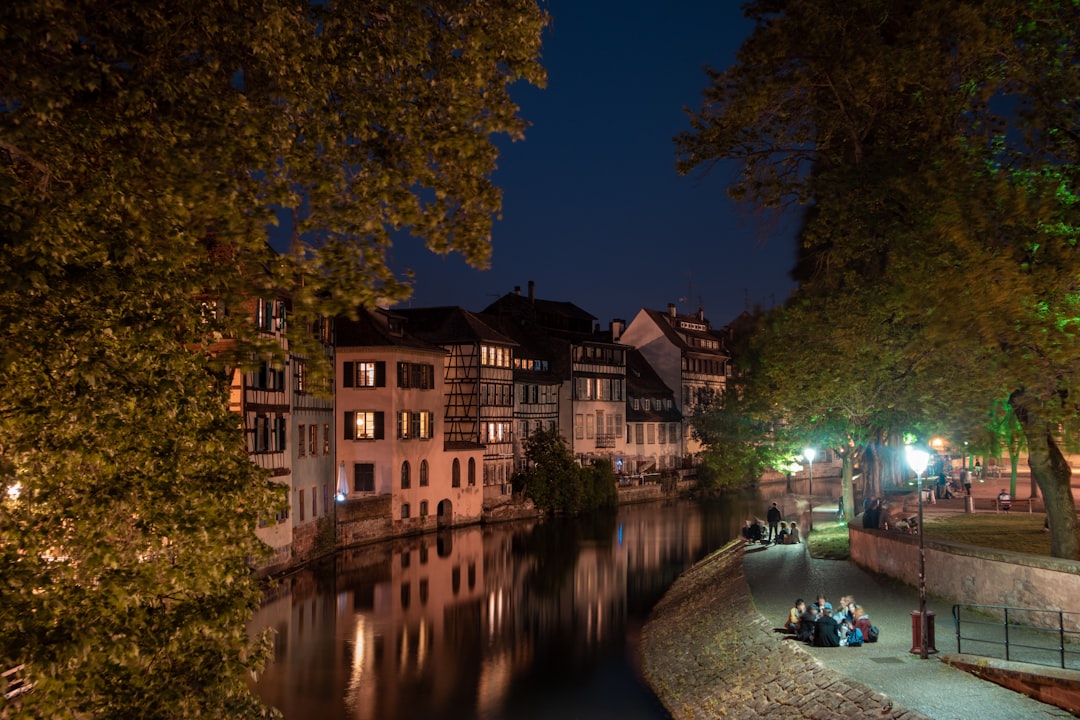
- Petite France Quarter — A 16th-century tanner’s district of half-timbered houses reflected in the Ill River canals — most photogenic at dawn before crowds arrive.
- European Parliament Visitor Tour — Free guided tours inside the actual EU Parliament hemicycle run on weekdays — book at least 2 weeks ahead online.
Scroll down for our complete travel guide with tips on getting there, where to stay, costs and more.
Arrival & Airport
How do I get to Strasbourg — by train, plane, or car?
The TGV train from Paris Gare de l’Est to Strasbourg is the best option — it takes **1h50min** and costs **$40–$90** booked in advance. In my experience, flying makes no sense: **Strasbourg Airport (SXB)** is small, connections are limited, and you lose time. From Frankfurt Airport (**FRA**, 140km away), a direct train reaches Strasbourg in **1h45min** for around **$35** — a genuine alternative if you’re flying transatlantic into Germany. The honest caveat: cheap TGV fares sell out **6–8 weeks** before travel, so booking late means paying double.
Which airport is closest to Strasbourg?
**Strasbourg Airport (SXB)**, also called Entzheim Airport, sits **12km southwest** of the city centre. A dedicated tram-train line (**Line F**) connects it to the central station in **30 minutes** for **$2–$4**. However, SXB is a regional airport with limited international routes — mostly Air France, Lufthansa, and budget carriers to London and Madrid. In my experience, most international travellers fly into **Frankfurt (FRA)** or **Paris CDG** and take the TGV instead. The trade-off with SXB: convenient if you find a direct flight, but fares are often higher than CDG for the same destination.
How long does the journey to Strasbourg take from major hubs?
From **Paris Gare de l’Est** the TGV takes exactly **1h50min**. From **Frankfurt Hauptbahnhof** the ICE/TGV connection runs in **1h45min**. From **Basel** (Switzerland) a regional train takes **1h20min**. From **Lyon Part-Dieu** allow **3h45min** by TGV. What surprised me is how fast the cross-border connections are — Strasbourg genuinely functions as a hub for the Upper Rhine region. The caveat: trains from southern Germany via **Offenburg** are scenic but slower (**2h30min**) and not worth it unless you enjoy the Rhine Valley countryside.
Do I need a rental car in Strasbourg?
Absolutely not for Strasbourg itself — the city centre is one of France’s most walkable, and the tram network covers every major sight. I recommend skipping the car entirely if you’re staying on **Grande Île** or in the **Neustadt** district. The honest warning most guides skip: parking inside the historic core costs **$25–$35 per day** in central garages, and many streets are pedestrianised. Where a car adds value is for day trips into **Alsace wine villages** like Obernai or Ribeauvillé — renting for **one day at $40–$60** from **Europcar at the train station** is smarter than keeping it throughout your stay.
City Transport
What are the best areas to stay in Strasbourg?
Stay on or directly adjacent to **Grande Île** for maximum walkability — every major sight is within **15 minutes on foot**. The **Petite France** end of the island is the most atmospheric but books out fast. My tip: the **Neustadt** (Imperial Quarter, UNESCO-listed since 2017) offers cheaper hotels, quieter streets, and a **10-minute tram ride** to the cathedral. Avoid booking in the **Robertsau** or **Meinau** suburbs unless you have a car — they’re residential and disconnected. For budget travellers, hostels cluster around **Place de la République**, which is safe and well-connected.
What does accommodation cost per night in Strasbourg?
An economy hotel runs **$85/night** based on verified Numbeo data. Mid-range hotels on **Grande Île** — think **Hôtel Régent Petite France** category — cost **$160–$220/night**. Budget hostels like those near **Place de la République** start at **$30–$40/night** in a dorm. In my experience, Strasbourg is pricier than other French cities its size because of the EU Parliament effect — **plenary session weeks** (roughly 12 times per year) push hotel rates up **40–60%** and availability collapses. The trade-off: apartments on **Airbnb** in Neustadt average **$90–$120/night** and offer far more space for the money.
How far in advance should I book accommodation in Strasbourg during high season?
Book **at least 8 weeks ahead** for June and September visits — the verified best travel months. During the **Christmas Market** (late November through December 24), book **4–6 months** in advance without exaggeration; Strasbourg hosts one of Europe’s oldest Christmas markets, drawing over **2 million visitors** annually and filling every hotel within **30km**. EU Parliament plenary weeks are the hidden trap most guides ignore: check the **European Parliament’s official session calendar** before booking and avoid those dates unless you’ve already secured a room. My tip: Wednesday and Sunday nights are consistently **15–20% cheaper** than Friday/Saturday.
Are there special or unique accommodation types in Strasbourg?
Yes — Strasbourg has a handful of genuinely memorable options beyond standard hotels. The **Hôtel Régent Petite France** occupies a converted 16th-century ice factory directly on the Ill River canal, with rooms from **$180/night**. Several half-timbered **maisons alsaciennes** in the Petite France quarter have been converted into boutique chambres d’hôtes, typically **$110–$150/night** including breakfast. What surprised me: the **European Parliament area** near Wacken has modern business hotels that drop to **$70–$85/night** on weekends when the parliamentary crowd leaves. The trade-off on the historic properties: they’re charming but rooms are small and soundproofing is minimal.
Accommodation & Neighbourhoods
What are the must-see sights in Strasbourg?
The **Cathédrale Notre-Dame** is non-negotiable — the astronomical clock performance runs daily at **12:30pm** and costs **$4** to watch inside. The **Petite France** quarter is the photogenic heart of the city. The **Palais Rohan** houses three museums in one building for **$7.50 combined entry**. In my experience, the **European Parliament visitor tour** (free, weekdays only, book online 2 weeks ahead) is the most intellectually surprising experience — sitting in the actual hemicycle where 705 MEPs vote is genuinely moving. The honest caveat: the **Musée Alsacien** is small but reveals more about local culture than any of the showier attractions.
What can I experience for free in Strasbourg?
More than most French cities of this size. Walking the entire **Grande Île** UNESCO zone costs nothing and takes **2–3 hours** properly. The **European Parliament exterior and public areas** are freely accessible on weekdays. The **Parc de l’Orangerie** — Strasbourg’s oldest park at **26 hectares** — has free entry and a small stork enclosure (Alsace’s symbol). My tip: the **Cathédrale terrace view** is free to observe from **Place de la Cathédrale** at any hour, though climbing the tower costs **$6**. What surprised me: the **Neustadt Imperial Quarter** is an open-air architecture museum — 19th-century German Empire buildings on streets like **Avenue de la Paix** require no ticket whatsoever.
Which day trips are possible from Strasbourg?
The **Alsace Wine Route** is the standout day trip — rent a car or join a guided tour to hit **Obernai**, **Ribeauvillé**, and **Riquewihr** (considered France’s prettiest village) in one loop of about **120km**. By train, **Colmar** is **30 minutes away** and deserves a half-day minimum. **Baden-Baden** in Germany is **45 minutes by train** and pairs Roman baths with casino elegance. My tip: the **Mont Sainte-Odile** pilgrimage site (**763m altitude**) requires a car or bus and rewards with panoramic Rhine valley views. The caveat: Colmar in July and August is genuinely overwhelmed — go on a **Tuesday or Wednesday** to avoid weekend tour buses.
What are the local specialities I must try in Strasbourg?
**Tarte flambée (Flammekueche)** is the defining Alsatian dish — a thin-crust flatbread with crème fraîche, onions, and lardons, costing **$12–$15** at a winstub. **Choucroute garnie** (sauerkraut with multiple cuts of pork and sausage) is the hearty classic, running **$18–$22** at restaurants like **Maison Kammerzell** on Place de la Cathédrale. **Baeckeoffe** (a slow-braised meat and potato casserole) needs ordering a day in advance at traditional establishments. In my experience, the **Alsatian Riesling and Gewurztraminer** wines drunk locally by the glass (**$4–$6**) are superior to anything exported. The honest caveat: tourist restaurants around the cathedral overcharge by **30–40%** — walk two blocks to find the same food at honest prices.
Highlights & Must-Sees
What makes Strasbourg unique compared to other French cities?
Strasbourg is the only city in continental Europe that is simultaneously French in culture, German in architectural DNA, and supranational in function — hosting the **European Parliament**, the **Council of Europe**, and the **European Court of Human Rights** within **2km** of each other. The **Alsatian dialect** (Elsässisch) is still spoken by older residents. The cuisine is a genuine Franco-German hybrid found nowhere else — not Parisian, not Bavarian, but unmistakably its own. What surprised me most: street signs are bilingual, bakeries sell **Bretzel** alongside **baguette**, and crossing the **Passerelle des Deux Rives** footbridge puts you physically in Germany within **10 minutes** of the cathedral.
How many days do I need to see Strasbourg properly?
**3 full days** covers the city comprehensively. Day 1: Grande Île, the cathedral, Petite France on foot. Day 2: European Parliament tour, Neustadt, Palais Rohan museums. Day 3: day trip to **Colmar** or the wine villages. In my experience, 2 days feels rushed if you want to eat properly and absorb the atmosphere — Strasbourg rewards slow walking, not sight-ticking. Extend to **5 days** if you want to combine a day in **Baden-Baden** and one in the **Northern Vosges**. The honest caveat: first-time visitors consistently underestimate how much time they spend in Petite France — budget an extra **2 hours** beyond what you planned.
When is the best time to visit Strasbourg?
**June and September** are the verified optimal months based on climate analysis — warm days, lower rainfall, and manageable crowds. June gives long daylight hours (sunset after **9:30pm**) ideal for evening canal walks. September is harvest season in Alsace — wine festival atmosphere and ripe Gewurztraminer grapes in the vineyards. My tip: **early May** is underrated, with spring flowers along the Ill and no summer crowds. The honest warning: **late November through December 24** brings the famous Christmas market but also **2 million visitors**, tripled hotel prices, and queues of **45+ minutes** for mulled wine stalls. Beautiful but operationally stressful.
What local festivals in Strasbourg are worth attending?
The **Strasbourg Christmas Market (Christkindelsmärik)**, running since **1570**, is the oldest in France — it opens **late November** and draws crowds to **12 distinct market zones** across the city. The **Foire Européenne** in September is a massive trade and culture fair running **11 days** and attracting over **250,000 visitors**. **Musicora** and the **Strasbourg Music Festival** (June) fill the cathedral square with free outdoor concerts. My tip: the **Alsace Beer Festival** in October in nearby **Obernai** pairs perfectly with a Strasbourg base. The caveat: the Christmas market, while magical, means **every restaurant is fully booked** and hotel prices hit **$200+/night** for budget properties.
Food & Drink
How does the weather affect activities in Strasbourg throughout the year?
Strasbourg has a continental climate — cold winters with occasional snow (January averages around **2°C**), hot summers pushing **28–32°C** in July. The outdoor canal terraces, cycling along the **Ill River**, and wine route driving are best between **May and October**. Winter is viable if you embrace the Christmas market atmosphere — but pack for cold, damp days. In my experience, **August can feel oppressively hot** in the stone streets of Grande Île — arrive early, take a 2-hour midday break, and resume late afternoon. The honest trade-off: Strasbourg’s enclosed historic core holds heat in summer and cold in winter, making weather more extreme than the surrounding countryside.
How crowded does Strasbourg get in peak season?
Summer (July–August) brings significant crowds to Petite France and the cathedral — expect **30–40 minute waits** to climb the cathedral tower and shoulder-to-shoulder conditions at the main canal viewpoints between **10am and 4pm**. The Christmas market period is the most extreme: **2 million visitors** over 4 weeks in a city of **284,677** residents creates genuine infrastructure strain. My tip: **arrive at Petite France before 8:30am** in summer for empty streets and perfect light. The quietest periods are **January through March** — cold but functional, with museums crowd-free and restaurants happy to seat walk-ins. EU Parliament plenary weeks inflate mid-week crowds and prices without the tourist atmosphere.
How safe is Strasbourg for travellers?
Strasbourg is safe for tourists by any European standard. The historic centre (**Grande Île**, Petite France, Neustadt) presents minimal risk day or night. In my experience, the areas to exercise standard urban awareness — not avoid entirely — are around **Gare Centrale** (the main train station) late at night and the **Hautepierre** suburb, which is residential and offers nothing for tourists anyway. Petty theft (phone snatching, bag dipping) occurs in crowded Christmas market conditions. The honest context most guides skip: Strasbourg had a **2018 Christmas market attack** that killed 5 people — security has since been substantially reinforced with **vehicle barriers and bag checks** at market entrances.
Is English widely spoken in Strasbourg?
Yes — more reliably than in most French cities outside Paris. The **European Parliament and EU institutions** employ thousands of English-speaking staff who live throughout the city, normalising English in restaurants, hotels, and shops. In my experience, staff at any establishment near **Grande Île or Neustadt** speak functional to fluent English. The honest caveat: venture into neighbourhood **winstubs** (traditional Alsatian taverns) in residential areas and you’ll encounter older owners who speak French and Alsatian but minimal English — carry a translation app. **Google Translate’s camera function** handles French menus instantly. Learning three phrases — ‘une tarte flambée, s’il vous plaît’, ‘l’addition’, and ‘merci’ — will earn genuine goodwill.
Practical Tips
What is the daily budget for a trip to Strasbourg?
A realistic daily budget breaks down as follows: economy hotel **$85**, two meals at mid-range restaurants **$45–$55** (a cheap meal costs **$15**, mid-range dinner for 2 runs **$31.25** per Numbeo data), local transport **$2–$6**, museum entries **$10–$15**, and snacks/drinks **$10**. Total: **$150–$175/day** for a comfortable independent trip. Budget travellers using hostels (**$35/night**), eating tarte flambée lunches (**$12**), and walking everywhere can manage **$80–$95/day**. The hidden cost most travellers miss: Alsatian wine is seductive and easy to overspend on — a bottle at a wine bar in Petite France averages **$28–$45**, which adds up faster than expected.
How does public transport work in Strasbourg?
Strasbourg runs one of France’s best urban tram networks — **6 lines (A through F)** covering the entire city and both universities. A single ticket costs **$2** and is valid for **60 minutes** with transfers. A **24-hour pass costs approximately $6** and covers unlimited tram and bus travel. The tram runs from **4:30am to midnight** with 10-minute frequencies at peak times. My tip: **Line D** connects the train station to the European Parliament area in **12 minutes** — perfect for the EU visitor tour. The honest limitation: the historic core of **Grande Île is largely pedestrianised**, so the tram drops you at the edge and you walk the final **5–10 minutes** — which is genuinely pleasant, not a hardship.
Which apps do you recommend for visiting Strasbourg?
**Vélhop** is essential — it’s the city’s bike-share app with **800 bikes at 80 stations** and day passes at **$1.50**. **CTS (Compagnie des Transports Strasbourgeois)** is the official tram app for real-time departures and ticket purchase. **SNCF Connect** handles all TGV bookings to and from Strasbourg. **DB Navigator** (German rail app) is better for cross-border trips to **Offenburg, Karlsruhe, or Frankfurt**. My tip: **Komoot** with the Alsace wine route cycling maps downloaded offline is the best tool for day trips into the countryside. The caveat: Google Maps’ public transport data for Strasbourg trams is **occasionally inaccurate** at platform level — use the CTS app for precise stop information.