
Guyana: The Complete Travel Guide (2026)
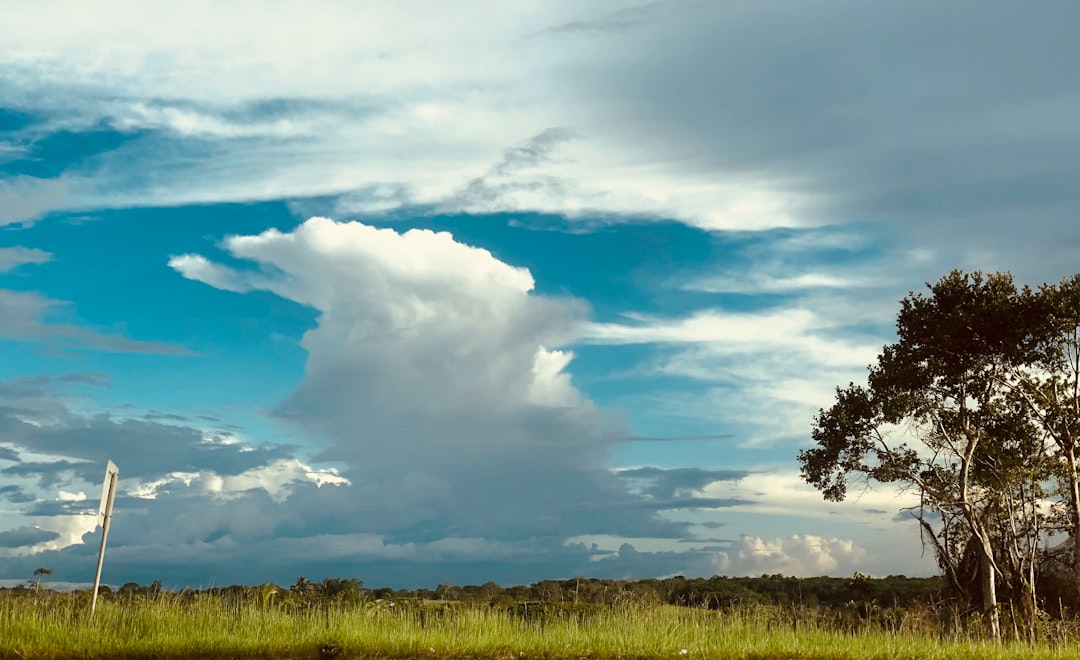
Last reviewed: August 2026 · key facts checked against Wikidata
Guyana Travel Guide: Everything You Need to Know (2026)
Guyana, the only English-speaking country in South America, sits on the continent’s northeastern coast with a population of 878,674 — making it one of the least densely populated nations in the hemisphere. Georgetown, the capital, was founded in 1781 by the British and sits just below sea level, protected by a colonial-era seawall along the Atlantic. Guyana shares borders with Venezuela, Brazil, and Suriname, and roughly 80% of its land mass is covered by pristine Amazonian rainforest.
Top 3 Highlights at a Glance
- Kaieteur Falls — The world’s most powerful waterfall by flow-to-drop ratio — a single plunge of 226 metres into untouched jungle.
- Iwokrama Rainforest Reserve — One of the last intact Amazonian wilderness blocks, covering 371,000 hectares with jaguar, tapir, and harpy eagle sightings.
- Georgetown’s Stabroek Market & Wooden Architecture — The 19th-century cast-iron Stabroek Market clocktower anchors a cityscape of colonial wooden buildings found nowhere else in South America.
Scroll down for our complete travel guide with tips on getting there, where to stay, costs and more.
Getting There & Transport
Which airports are the best entry points into Guyana?
Cheddi Jagan International Airport (GEO) in Timehri, 40 km south of Georgetown, is the only realistic entry point for international travellers. In my experience, there is no practical alternative — the country has no other airport with scheduled international service. Caribbean Airlines from Trinidad’s Port of Spain offers the most connections, while American Airlines flies direct from Miami in roughly 4.5 hours. My tip: Copa Airlines via Panama City is often cheaper and worth checking. What surprised me is how few airlines serve GEO — book early because seats on international routes fill fast, especially around Guyanese holidays.
How do I get from the airport to my first accommodation in Guyana?
Take a licensed taxi directly outside arrivals — expect to pay USD 25–35 for the 40 km ride to Georgetown, which takes roughly 45–60 minutes depending on the East Bank Demerara highway traffic. In my experience, shared minibuses exist but are impractical with luggage and run infrequently at night. My tip: arrange your pickup through your hotel in advance — they know reliable drivers and often charge the same rate. The honest caveat most guides omit: unofficial taxi touts inside the terminal will quote USD 50 or more — walk past them and use the official rank outside the arrivals hall.
What transport options are there within Guyana?
Domestic transport in Guyana is a genuine adventure. Internal flights with Air Services Limited (ASL) are the only practical way to reach the interior — a flight to Kaieteur Falls costs roughly USD 160–200 return and takes 45 minutes from Ogle Domestic Airport (OGL) in Georgetown. Minibuses connect coastal towns cheaply (Georgetown to New Amsterdam costs under USD 2) but are crowded and schedule-free. River boats serve Bartica and the Essequibo region. My honest warning: roads into the interior are unpaved and require 4WD; the Linden–Lethem road to Brazil is roughly 500 km and takes 10–12 hours in dry season, longer in wet.
Do I need a rental car to travel around Guyana?
Along the coast, no — minibuses and taxis cover Georgetown and the Demerara–Mahaica corridor adequately. For the interior, yes, a 4WD is non-negotiable. Rental cars in Georgetown start at USD 60–80 per day from operators like Buddy’s Car Rental on Sheriff Street. In my experience, self-driving into the Rupununi or toward Lethem is only advisable for confident off-road drivers — the laterite roads flood dramatically in wet season. My tip: for jungle destinations like Iwokrama or Karanambu Ranch, book a lodge transfer or guided tour instead; it costs more but removes serious logistical headaches and vehicle breakdown risk.
How good is the public transport network between regions of Guyana?
Frankly, it is functional on the coast and almost nonexistent inland. Minibuses from Georgetown’s Stabroek Market reach coastal towns like Berbice and Essequibo for under USD 3, running from roughly 05:00 to 18:00 daily. Beyond the coast, public transport disappears entirely — there are no scheduled buses to the Rupununi savannahs or the Pakaraima mountains. In my experience, travellers relying solely on public transport will be locked out of Guyana’s most spectacular destinations. The honest trade-off: joining an organised tour from a Georgetown-based operator like Wilderness Explorers is expensive at USD 150–300 per day but is genuinely the most practical solution for interior travel.
Accommodation
Which regions of Guyana should I stay in?
Georgetown is the mandatory base — all logistics radiate from here. Stay in Brickdam or the Pegasus Hotel corridor on Seawall Road for safety and convenience. For nature, Iwokrama River Lodge in the Central Rainforest Region is the gold standard for jungle immersion. The Rupununi Savannahs around Lethem and Karanambu offer a completely different landscape — open grassland, giant river otters, and authentic Amerindian village culture. In my experience, splitting your Guyana trip between Georgetown for 2 nights and then flying or driving to the interior for 4–5 nights gives the most complete picture of this extraordinarily diverse country.
What does good accommodation cost per night in Guyana?
A solid mid-range hotel in Georgetown costs USD 80–130 per night — the Cara Lodge on Quamina Street (a restored 19th-century colonial mansion) sits at the upper end of that range and is worth every dollar. Budget guesthouses on Camp Street run USD 30–50. Interior eco-lodges like Iwokrama River Lodge charge USD 150–250 per night including meals, which is fair given their remote location and all-inclusive structure. My honest caveat: Georgetown’s cheaper hotels below USD 40 often have unreliable air conditioning and variable hot water — in a city averaging 27°C year-round, functional AC is not optional, it is survival.
When should I book hotels in Guyana — how far in advance?
Book interior eco-lodges at least 8–12 weeks in advance — places like Karanambu Lodge in the Rupununi have limited capacity of 10–16 guests and fill quickly during the September–November dry season. Georgetown hotels can typically be booked 2–3 weeks ahead outside of Carnival and Mashramani (Republic Day, February 23). In my experience, leaving interior lodges to chance is the single biggest mistake first-time Guyana visitors make — I have seen travellers arrive in Georgetown with no interior booking and spend their entire trip in the capital by default. My tip: book directly with lodges by email; most do not list full availability on third-party platforms.
When is the best time to travel to Guyana?
September is the single best month, combining the end of the long dry season with lower tourist numbers and excellent wildlife viewing. The short dry season from September to November keeps interior roads passable and rivers at ideal levels for boat wildlife spotting. February and March also work well for the coast — Mashramani festival on February 23 is one of South America’s most underrated street celebrations. My honest warning: avoid May through July if you want to access the interior — the long wet season turns laterite roads into impassable mud and can ground domestic flights to remote airstrips for days at a time.
How does peak season affect prices in Guyana?
Guyana’s tourism volume is low enough that price surges are moderate rather than dramatic. International flights to GEO spike 30–50% during North American and Caribbean school holidays — particularly December 20 to January 5 and July. Interior eco-lodge rates rarely change seasonally, but availability, not price, is the real constraint. Georgetown hotels do not change rates significantly year-round. What surprised me: the Mashramani festival week in late February is the one moment Georgetown hotels genuinely fill up — book 6 weeks ahead for that period. The honest trade-off: visiting in wet season saves money but closes access to the interior destinations that make Guyana worth visiting in the first place.
Best Time to Visit
Which regions of Guyana have different climate zones?
Guyana has 4 distinct climate zones within a compact geography. The Atlantic coast strip around Georgetown is hot and humid year-round at roughly 27–30°C, with two wet seasons. The Central Rainforest around Iwokrama is the wettest zone — annual rainfall exceeds 2,000 mm. The Rupununi Savannahs in the south are drier and hotter — temperatures regularly hit 35°C in dry season — and feel geographically closer to Brazil than to Georgetown. The Pakaraima Mountains in the west, where Kaieteur Falls sits, are cooler and frequently cloud-covered at elevations above 1,000 metres. In my experience, pack for all four zones even on a 7-day trip.
What are the rainy seasons in Guyana?
Guyana has two wet seasons, which is unusual and catches travellers off guard. The long wet season runs from mid-April to mid-August — this is when interior roads become genuinely impassable and the Rupununi floods spectacularly. The short wet season runs from late November to late January. In between, the long dry season (August to November) and short dry season (February to April) offer the best travel windows. My honest warning: even in dry season, afternoon thunderstorms are common in the interior — always carry waterproof bags for cameras and electronics. What surprised me: Georgetown itself can flood even in light rain due to its below-sea-level elevation and drainage infrastructure.
What does a trip to Guyana cost per person per day?
Budget for USD 120–180 per person per day for a comfortable independent trip — this covers a mid-range Georgetown hotel, meals, and transport. A pure backpacker budget in Georgetown can reach USD 50–70 per day using guesthouses and local cook shops. However, interior travel resets the equation entirely — guided eco-lodge packages at Iwokrama or Rock View Lodge run USD 200–350 per person per day all-inclusive. In my experience, Guyana is not a cheap destination by South American standards once you factor in the domestic flights and guided access that the best experiences require. Budget the interior honestly or you will be disappointed staying only on the coast.
How expensive is food in Guyana?
Food is genuinely affordable at the local level. A full plate of pepperpot, rice, and roti at a Georgetown cook shop on Water Street costs USD 3–5. A sit-down meal at a mid-range restaurant like Shanta’s on Church Street runs USD 10–18 per person including a drink. A Banks Beer at a local bar costs USD 1.50–2. The caveat most guides skip: Georgetown’s better restaurants cluster around Sheriff Street in Campbellville — venturing there rather than eating at your hotel saves 40% and delivers far more authentic Guyanese-Chinese-Indian fusion food. Interior lodge meals are included in package rates, so your food costs effectively disappear once you leave the coast.
What hidden costs should I expect in Guyana?
Domestic flights are the biggest budget surprise — a return flight to Kaieteur with Air Services Limited costs USD 160–200 and is not optional if you want to see the falls. National park and conservation fees for Iwokrama add USD 25–40 per visit. Guided wildlife tours in the Rupununi typically cost USD 50–100 per half-day per person on top of lodge rates. Yellow fever vaccination (mandatory, see health section) costs USD 50–120 depending on your home country. My honest warning: ATMs in Georgetown occasionally run out of Guyanese dollars over weekends — always carry USD cash as backup since most interior lodges price and accept dollars directly.
Budget & Costs
How much cash should I bring to Guyana?
Bring a minimum of USD 300–500 in cash per person even if you plan to use cards. Interior lodges, domestic airlines, and small operators outside Georgetown either prefer or require cash. Guyanese dollars (GYD) are available from cambios on Robb Street in Georgetown at better rates than airport counters — the approximate rate is GYD 210 per USD 1. In my experience, USD cash is accepted almost universally for tourism services, so you do not always need to convert. My honest warning: counterfeit USD bills are occasionally spotted in Georgetown — break larger bills at banks rather than street cambios, and always carry small USD denominations for tips and local purchases.
Which credit cards are accepted in Guyana?
Visa and Mastercard are accepted at Georgetown hotels, larger restaurants, and the main supermarkets like Nigel’s Supermarket on Robb Street. Beyond the capital, card acceptance drops to near zero. ATMs are concentrated in Georgetown — Republic Bank and Scotiabank on Camp Street are the most reliable. In my experience, interior lodges, domestic airlines at Ogle Airport, and minibus operators are cash-only without exception. Amex is accepted at perhaps 10% of Georgetown businesses. My tip: notify your bank before travel — Guyana triggers fraud alerts frequently, and having your card blocked in a country with limited ATM access is a genuine emergency scenario I have watched happen to fellow travellers.
Which regions of Guyana must I not miss?
Three regions are non-negotiable. Georgetown’s historic waterfront district — the Stabroek Market area, St. George’s Cathedral (one of the world’s tallest wooden buildings at 43 metres), and the colonial Promenade Gardens — deserves a full day. The Pakaraima Mountains region centred on Kaieteur Falls is Guyana’s signature experience and worth every logistical effort. The Rupununi Savannahs around Lethem and the North Rupununi wetlands near Caiman House Lodge offer giant river otters, black caimans, and Makushi Amerindian culture that I have found more authentic and accessible than almost anywhere in the Amazon basin. Do not skip the savannahs to save money — it is Guyana’s most underrated asset.
What are the tourist highlights of Guyana?
Kaieteur Falls leads every honest list — a 226-metre single-drop waterfall in a national park with no fences, no crowds, and no souvenir stalls. Iwokrama Rainforest offers canopy walkway access and near-guaranteed jaguar tracking with expert naturalist guides. Georgetown’s Demerara architecture — specifically the wooden colonial buildings on Main Street — is genuinely unique in South America. Caiman House in Yupukari village, a community-run research lodge in the Rupununi, lets you participate in live caiman tagging research at night on the river. In my experience, the almost complete absence of mass tourism at all of these sites is Guyana’s greatest asset in 2026.
What experiences in Guyana are found nowhere else on earth?
Three experiences are genuinely irreplaceable. Standing alone at Kaieteur Falls — the most powerful waterfall per unit width on earth, with no tourist infrastructure — is an encounter with raw nature that Iguazu and Victoria Falls, for all their grandeur, cannot replicate. Participating in nocturnal caiman tagging research with Caiman House Lodge in the Rupununi puts you in a flat-bottomed boat at midnight catching 2-metre black caimans for data collection — I have done this and nothing compares. Finally, visiting a Wai Wai Amerindian community in the Konashen district near the Brazilian border offers access to one of the most isolated indigenous cultures in the Western Hemisphere, accessible only by small charter aircraft.
Regions & Highlights
Which areas of Guyana are overcrowded — and what are the quieter alternatives?
Nowhere in Guyana is genuinely overcrowded by global standards, but Kaieteur Falls on day-trip days from Georgetown can see 20–40 tourists at once during peak season — still tiny by any comparison, but a noticeable change from the solitude of off-peak visits. My tip: fly to Kaieteur on a Monday or Tuesday when tour operators run fewer group departures; the falls feel entirely private. The quieter alternative to the Iwokrama canopy walk (which books out weeks ahead) is the Atta Rainforest Lodge harpy eagle nest site in the same forest block — fewer visitors, equal or better wildlife encounters, and 30% cheaper per night.
How many days do I need to properly see Guyana?
10–14 days is the honest minimum to experience Guyana properly beyond Georgetown. A 10-day itinerary works as follows: 2 nights in Georgetown, 1-day flight to Kaieteur Falls (day trip), 3 nights at Iwokrama River Lodge, 3 nights in the Rupununi savannahs at Rock View or Caiman House. Anything shorter forces you to choose between the rainforest and the savannahs. In my experience, a 7-day trip is workable only if you fly between regions — do not attempt a 7-day trip that includes overland travel to Lethem; the 10–12-hour road journey from Georgetown eats too much of your time. Budget travellers who skip the interior can manage Georgetown adequately in 3–4 days.
Do I need a visa to visit Guyana?
Citizens of the USA, UK, Canada, EU countries, Australia, and most Caribbean nations do not need a visa for stays up to 30–90 days depending on nationality. In my experience, US and UK passport holders receive 90-day entry stamps on arrival at GEO airport with no pre-application required. Citizens of China, India, and most African nations do require a visa — apply through the Guyanese Embassy in Washington DC or London at least 6 weeks ahead. The honest caveat: always confirm current requirements at guyanaembassydc.org before travel — Guyana has updated its visa policy several times in recent years, and third-party travel sites frequently carry outdated information.
What languages are spoken in Guyana?
English is the official and dominant language — Guyana is the only South American country where English is the primary language, which is a genuine practical advantage for anglophone travellers. The everyday spoken variety is Guyanese Creole, which blends English with African, Indian, and Dutch elements — comprehensible but occasionally requiring a moment of adjustment, particularly in rural areas and markets. Hindi and Urdu are spoken in Indo-Guyanese communities, particularly in Berbice region. In the interior, Amerindian languages including Makushi, Wapishana, and Akawaio are spoken in villages. In my experience, you will face zero language barriers anywhere in Guyana’s tourist circuit — a rare luxury in South America.
What cultural rules do I need to know before visiting Guyana?
Guyanese society is deeply multicultural — Afro-Guyanese, Indo-Guyanese, Amerindian, Chinese, and Portuguese communities coexist in a social fabric that rewards respectful curiosity. When visiting Hindu temples in the Berbice corridor or mosques in Georgetown, remove shoes and dress modestly (shoulders and knees covered). In Amerindian villages in the interior, always ask permission before photographing people — many communities have formal protocols. My honest warning: avoid any unsolicited political commentary about the Venezuela border dispute over Essequibo — it is an extremely sensitive national issue. Tipping is 10% at restaurants and expected for guides; a half-day Rupununi guide typically expects USD 10–15 tip beyond their fee.
Practical Tips
How safe is Guyana for travellers?
Georgetown requires genuine vigilance — petty theft and opportunistic crime occur in the Tiger Bay area, Albouystown, and around Stabroek Market after dark. The city is not dangerous by regional standards, but it is not a place for casual night-time wandering in unfamiliar neighbourhoods. In my experience, sticking to Brickdam, Queenstown, and the Pegasus Seawall area at night and using taxis after dark rather than walking eliminates most risk. The interior of Guyana is strikingly safe — I have walked freely in Rupununi villages at all hours with zero concern. The honest trade-off: Guyana’s crime is concentrated in Georgetown’s inner-city areas that most tourists have no reason to visit, making the practical risk lower than headlines suggest.
What health precautions should I take before visiting Guyana?
Yellow fever vaccination is mandatory for entry to Guyana — carry your physical yellow card as proof, as it is checked at GEO airport. Malaria prophylaxis is essential for anyone visiting the interior — consult your travel doctor about doxycycline or Malarone at least 4 weeks before departure. Dengue fever is present year-round and has no vaccine — use DEET-based repellent at 40%+ concentration religiously. In my experience, travellers who skip malaria prophylaxis for the Rupununi because it feels inconvenient are taking a serious risk. Also pack oral rehydration sachets — Guyana’s heat and humidity cause dehydration faster than most travellers expect. Georgetown Public Hospital handles emergencies, but for serious illness, medical evacuation to Trinidad or Miami should be covered by your travel insurance.
What SIM card or eSIM options are available in Guyana?
Digicel and GTT (Guyana Telephone & Telegraph) are the two providers. Buy a Digicel SIM at Cheddi Jagan Airport arrivals or at any Digicel store on Camp Street in Georgetown — a SIM costs under USD 2 and a 7-day data package with 3GB runs roughly USD 8–10. My honest warning: mobile coverage outside the coastal strip is poor to nonexistent — in the Rupununi and Iwokrama, expect zero data and patchy voice coverage. Interior lodges use satellite internet, which is slow. eSIM options from providers like Airalo work for Georgetown data needs but face the same interior coverage problem. My tip: download offline maps for the Rupununi region via Maps.me before leaving Georgetown — you will have no data to load them in the field.
Which apps do you recommend for travelling in Guyana?
Maps.me with offline Guyana maps downloaded before departure is essential — Google Maps coverage outside Georgetown is unreliable and data-hungry. WhatsApp is the universal communication tool in Guyana — your hotel, guide, taxi driver, and lodge all use it; have it installed and working before arrival. XE Currency for GYD/USD conversions. iNaturalist is genuinely rewarding in the interior for identifying the extraordinary biodiversity around you. For flights, book directly with Air Services Limited via email — they have no functional app or booking platform. In my experience, the most useful single app is WhatsApp by a wide margin; Guyanese businesses respond to WhatsApp messages faster than email or phone calls without exception.
What are the most common traveller mistakes in Guyana?
The biggest mistake is underestimating the logistics and time required to reach interior destinations. I regularly see travellers arrive in Georgetown with a 5-day itinerary expecting to see Kaieteur, Iwokrama, and the Rupununi — it is physically impossible without pre-booked charter flights. Second mistake: not carrying enough USD cash — being cashless at an interior lodge 300 km from the nearest ATM is a real problem. Third: skipping yellow fever vaccination and being turned back at GEO arrivals — it happens. Fourth: booking accommodation only in Georgetown and treating the interior as a day trip; Guyana’s greatest experiences require overnight stays in the field. My final tip: contact Wilderness Explorers in Georgetown for a logistics consultation even if you plan to travel independently — their free advice has saved many trips.
Guyana at a Glance
| Population | 878,674 |
|---|---|
| Currency | Guyanese dollar (G$) |
| Official language | English |
| Time zone | UTC−04:00 |
Source: Wikidata, retrieved August 2026.
Essential Resources for Planning Your Trip to Guyana
- Guyana Travel Advisory | Travel.State.gov — official visitor information, passes & events
- Wikipedia: Guyana — history, geography & background
- Wikivoyage: Guyana — community travel guide & practical tips
- Guyana travel – Lonely Planet | South America — expert itineraries & travel inspiration
- THE 15 BEST Things to Do in Guyana (2026) — hotels, restaurants & traveller reviews
- Department of Public Information Guyana | WATCH | GS … — how to get around
- Numbeo: Cost of Living in Guyana — current prices & cost comparison
- Timeanddate: Guyana Weather & Climate — forecasts & climate statistics
More Perspectives on Guyana
- Travel advice and advisories for Guyana
- Guyana Travel Guide | Places to Visit & Travel Tips
- Know Before You Travel To Guyana
Guyana Travel Videos
Watch these videos for a visual preview before your trip:
- Guyana Travel Guide: 10 BEST Things to do in Guyana
- Wonders of Guyana | The Most Amazing Places In Guyana | Travel Video
- Nobody Visits This Country… And Now We Know Why
Guyana Travel Discussions on Reddit
Real traveller experiences and community advice:
- Thoughts on travel to Guyana?
- My Honest experience visiting Guyana as an American
- I am of guyanese heritage and I am travelling Guyana for …
Data Sources
This page was compiled using data from Wikipedia, Wikidata, Open-Meteo (climate), Numbeo (cost of living) and REST Countries. Information is updated regularly.