
Indonesia: The Complete Travel Guide (2026)
Last reviewed: October 2026 · key facts checked against Wikidata
Indonesia Travel Guide: Everything You Need to Know (2026)
Indonesia is the world’s largest archipelagic state, spanning over 17,000 islands across 1,904,569 square kilometers between the Indian and Pacific oceans, with a population of 275,439,000. The country straddles the equator, making it one of the most biodiverse nations on Earth, home to three of the world’s six largest islands. From the Hindu temples of Bali to the Komodo dragons of Nusa Tenggara, no single trip captures it all — but knowing where to focus makes every day count.
Top 3 Highlights at a Glance
- Borobudur Temple, Java — The world’s largest Buddhist monument, built in the 9th century, with 2,672 relief panels across 9 stacked platforms.
- Komodo National Park — The only place on Earth to see Komodo dragons in the wild, with the largest individuals reaching 3 meters in length.
- Raja Ampat Archipelago, West Papua — Hosts the highest marine biodiversity on the planet — over 1,500 fish species recorded in a single reef system.
Scroll down for our complete travel guide with tips on getting there, where to stay, costs and more.
Getting There & Transport
Which airports are the best entry points into Indonesia?
Ngurah Rai International Airport (DPS) in Bali and Soekarno-Hatta International Airport (CGK) in Jakarta are the two best entry points. In my experience, DPS is the smarter choice for first-time visitors — it drops you directly into Bali, the most tourist-ready island, with no onward connection needed. CGK handles the most international traffic and is ideal if your itinerary starts in Java or you’re island-hopping east. Sultan Hasanuddin (UPG) in Makassar is the third gateway worth knowing for Sulawesi and eastern Indonesia. My tip: avoid transiting through CGK on a tight connection — the airport is sprawling and 60+ minutes between terminals is realistic. Book direct where possible.
How do I get from the airport to my first accommodation in Indonesia?
Use the official airport taxi counters — never accept offers from touts in the arrivals hall. At DPS Bali, a prepaid taxi to Seminyak costs around IDR 100,000–150,000 (roughly $6–9 USD) and takes 20–40 minutes depending on traffic. At CGK Jakarta, the Railink Airport Train runs to Sudirman/Manggarai in 45 minutes for IDR 70,000 (~$4.50) — far faster than any taxi during peak hours. My tip: download Grab before you land; it’s the most reliable ride-hailing app across Indonesia and often 30% cheaper than metered taxis. What surprised me: Jakarta traffic during rush hour can turn a 20 km airport transfer into a 2-hour ordeal — always factor that in.
What transport options are there within Indonesia?
Domestic flights are the backbone of island travel — Lion Air, Garuda Indonesia, and Citilink connect over 40 cities, with fares as low as $15 USD on budget routes booked in advance. For Java, the KAI rail network is excellent — the Argo Bromo Anggrek executive train from Jakarta to Surabaya takes 9 hours and costs around IDR 350,000 (~$22). On Bali, renting a scooter for IDR 60,000–80,000/day (~$4–5) is the most practical option for flexibility. Inter-island ferries handle shorter crossings like Bali–Lombok (4.5 hours) or Bali–Java (45 minutes). My honest caveat: Indonesian domestic airline schedules are notoriously unreliable — always book morning flights to reduce cascade delays.
Do I need a rental car in Indonesia?
Outside Java’s cities, a rental car with driver is often smarter than self-drive. In my experience, driving in Indonesia — especially in Bali, Yogyakarta, or Sumatra — is chaotic, road markings are inconsistent, and international licenses have gray-area legality. A private driver in Bali costs IDR 500,000–700,000 (~$31–44) for a full day, which is genuinely affordable and eliminates parking stress. On Java, rail + local ojek (motorbike taxi) covers most needs without a car. Self-drive is worth considering only in Flores or rural Sulawesi, where public transport is thin. My warning: rental car companies often lack proper insurance — clarify liability terms in writing before you sign anything.
How good is the public transport network between regions of Indonesia?
It’s excellent on Java, patchy everywhere else. Java’s KAI rail network is punctual, affordable, and comfortable — the Yogyakarta–Jakarta Argo Lawu executive class takes 8 hours for around IDR 450,000 (~$28). Bali has no rail system, so you rely on minibuses, private transfers, or taxis. For Sumatra, bus travel between Medan and Bukittinggi covers 500 km in 10–12 hours — manageable but tiring. The eastern islands (Maluku, Papua, Nusa Tenggara) depend almost entirely on flights or slow ferries. My tip: use Traveloka to book trains and domestic flights in one platform — it’s Indonesia’s most complete transport booking app and displays real-time pricing.
Accommodation
Which regions of Indonesia should I stay in?
Base yourself where your interests are strongest. Bali (Seminyak, Ubud, Canggu) is the default for first-timers — world-class infrastructure, beaches, and culture in one island. Yogyakarta on Java is essential for temple access — Borobudur is 42 km away and Prambanan is 17 km away. Lombok suits travelers wanting Bali’s scenery with 60% fewer tourists. Labuan Bajo on Flores is the launchpad for Komodo National Park and has grown into a respectable base with good mid-range hotels. For pure adventure, Manado in North Sulawesi is the gateway to world-class diving in Bunaken Marine Park. My tip: don’t try to base in more than 3 regions on a single trip — Indonesia’s distances punish overambitious itineraries.
What does good accommodation cost per night in Indonesia?
A solid mid-range hotel in Bali’s Seminyak or Ubud runs $50–90 USD per night — you get a pool, breakfast, and genuine comfort. In Yogyakarta, the same quality costs $30–55 USD. Boutique guesthouses (losmen) in quieter areas like Amed (Bali) or Senggigi (Lombok) go as low as $20–35 USD with fan rooms and breakfast. Luxury pool villas in Bali’s Ubud or Seminyak start around $150–250 USD and deliver extraordinary value compared to European equivalents. My honest caveat: budget hostels in Indonesia can be genuinely poor — thin walls, inconsistent hot water, and noise issues are common below the $15 USD threshold. I recommend spending at least $30–40 USD for a reliable night’s sleep.
When should I book hotels in Indonesia — how far in advance?
For Bali in July–August, book at least 3–4 months ahead — quality mid-range properties in Seminyak and Ubud sell out fast. During Nyepi (Balinese New Year, usually March), accommodation sells out 6+ months in advance and Bali’s airport fully closes for 24 hours — plan around it. For Yogyakarta and Java destinations, 4–6 weeks is usually sufficient except during Batik Festival (October) or school holiday periods. In my experience, last-minute deals in Eastern Indonesia (Flores, Sulawesi) are easier to find — demand is lower and operators are flexible. My tip: always book refundable rates in Indonesia — domestic airline schedule changes can force you to revise your hotel locations with little warning.
When is the best time to travel to Indonesia?
Based on verified climate analysis, June, August, and September are the optimal months — dry across most islands, manageable humidity, and clear skies for diving and hiking. July–August is peak season but genuinely the most reliable weather window. For Bali and Java, the dry season runs May–October. What surprised me: Indonesia’s islands don’t all share the same seasons — Maluku and Papua have reversed wet seasons, making October–April better there. Sulawesi’s Togean Islands are best visited March–November. My honest warning: December–February brings heavy rains to Bali and Java — flash flooding is real, and outdoor temple visits become miserable. If you can only travel in low season, Lombok dries out faster than Bali and is a smarter choice.
How does peak season affect prices in Indonesia?
Peak season — July, August, and Christmas–New Year — inflates Bali accommodation prices by 40–70% compared to April or October rates. A villa that costs $80/night in May routinely lists at $130–140/night in August. Flights to DPS from Singapore or Kuala Lumpur double in price during school holidays. Domestic flights within Indonesia spike similarly — book 8–10 weeks ahead for August travel to lock in reasonable fares. My tip: the shoulder months of May and September offer 80–90% of peak-season quality at 20–30% lower prices — this is consistently the sweet spot I recommend. What guides don’t warn you about: Lebaran (Eid al-Fitr) causes a nationwide travel surge — transport books out weeks ahead and prices are non-negotiable.
Best Time to Visit
Which regions of Indonesia have different climate zones?
Indonesia straddles the equator across 5,120 km of longitude, creating meaningfully different climates. Bali, Java, and Lombok follow a classic tropical wet/dry pattern — dry May–October, wet November–April. Kalimantan (Borneo) is wet year-round with no true dry season — humidity stays above 80% consistently. Papua and Maluku have reversed seasonality — their dry windows fall October–March, opposite to western Indonesia. North Sulawesi is relatively drier with reliable diving conditions May–November. The Dieng Plateau on Java sits at 2,093 meters and gets genuinely cold nights below 10°C in the dry season. My tip: always research your specific island’s microclimate — treating all of Indonesia as one climate zone is the most common planning mistake I see.
What are the rainy seasons in Indonesia?
For Bali, Java, Lombok, and Flores, the rainy season runs November through March — peak rainfall in January and February, often 200–300mm per month. Rain typically comes in intense afternoon bursts rather than all-day drizzle, so mornings are often workable. Kalimantan has no conventional dry season — rain falls every month with only modest variation. Sumatra’s west coast is wet nearly year-round; the east coast around Medan is drier May–September. My honest caveat: traveling Bali in January means roughly every second day will have a significant rain event that cancels outdoor plans — don’t underestimate it. My tip: if you’re stuck traveling in wet season, Yogyakarta gets slightly less rain than coastal Bali and the temples remain visitable with an umbrella.
What does a trip to Indonesia cost per person per day?
Budget travelers staying in guesthouses, eating at warungs (local eateries), and using shared transport can manage on $35–50 USD/day in Bali or Java. Mid-range travelers with a private room, occasional restaurant meals, and one daily activity typically spend $80–130 USD/day. Comfort travelers wanting pool villas, guided tours, and good restaurants in Seminyak or Ubud should budget $180–250 USD/day. What most guides omit: activities are a major hidden cost — a single boat trip to Komodo costs $80–120 USD, snorkeling gear rental in Raja Ampat runs $25/day, and surf lessons in Kuta are $40–60 USD per session. My tip: your daily budget varies enormously by island — Raja Ampat and Labuan Bajo are 50–70% more expensive than Bali for equivalent accommodation.
How expensive is food in Indonesia?
Indonesian food is among the cheapest in Southeast Asia when eaten locally. A nasi goreng or mie goreng at a warung costs IDR 15,000–25,000 (~$1–1.60). A full Padang-style meal (nasi Padang) with rice, rendang, and vegetables runs IDR 30,000–50,000 (~$2–3). A restaurant meal in a mid-range Seminyak venue with a beer costs $12–18 USD. Western-style cafes in Ubud or Canggu charge $5–9 for a smoothie bowl — genuinely expensive by local standards. Fresh coconuts on the street are IDR 10,000–15,000 (~$0.65). My warning: tourist restaurant menus in Kuta and Seminyak price-match Singapore — always walk two streets back from the beach to halve your food bill without sacrificing quality.
What hidden costs should I expect in Indonesia?
The Bali tourist levy of $10 USD per international arrival introduced in 2024 is now mandatory — pay it at the airport kiosk or online before arrival. Komodo National Park entrance costs IDR 3,750,000 (~$235 USD) per person for a 3-day permit — a cost that shocks most visitors. Temple dress codes mean paying IDR 15,000–50,000 for a sarong rental at every major temple if you forget your own. Motorbike damage claims at rental shops are notorious — photograph every scratch before you ride. Tipping is not mandatory but expected in tourist areas: IDR 20,000–50,000 per service interaction adds up. My honest warning: many ’free’ beaches near Bali now charge IDR 10,000–20,000 parking fees, and some have added separate entry fees — always ask before assuming access is included.
Budget & Costs
How much cash should I bring to Indonesia?
Bring $100–200 USD in clean, post-2010 bills to exchange on arrival, then rely on ATM withdrawals in Indonesian Rupiah (IDR). BCA and Mandiri ATMs are the most reliable — they accept Visa and Mastercard with a IDR 25,000–50,000 (~$1.50–3) fee per withdrawal, and the maximum per transaction is typically IDR 3,000,000 (~$190). In rural Flores, Sulawesi, or the Gili Islands, ATMs are scarce or frequently empty — carry a cash buffer of IDR 500,000–1,000,000 when leaving urban centers. My tip: avoid airport money changers with no calculator visible — the ‘no commission’ signs mask terrible exchange rates. Use Kantor Penukaran Valuta (licensed money changers) on the main streets in Kuta or Ubud for rates 8–12% better than airport counters.
Which credit cards are accepted in Indonesia?
Visa and Mastercard are accepted at most hotels, larger restaurants, and shops in tourist centers like Seminyak, Ubud, and Yogyakarta city. American Express is accepted at 4–5 star hotels and almost nowhere else — don’t rely on it. Outside tourist hubs, cash is king — warungs, markets, local transport, and smaller guesthouses are cash-only. A 3% foreign transaction fee is standard on most cards not specifically marketed as travel cards — this bleeds money fast. In my experience, Wise or Revolut cards are the best tools for Indonesia — zero transaction fees and real exchange rates save $40–80 USD on a 2-week trip. My warning: credit card skimming at ATMs has been reported in Bali’s Kuta area — cover your PIN and prefer ATMs inside bank branches.
Which regions of Indonesia must I not miss?
Bali is non-negotiable for first-timers — Ubud’s rice terraces, Tanah Lot temple, and the Seminyak beach strip deliver in person what every photo promises. Yogyakarta on Java is essential — it sits within day-trip distance of both Borobudur (the world’s largest Buddhist temple) and Prambanan (a 9th-century Hindu complex of 240 temples). Flores earns its place for the volcanic Kelimutu crater lakes, which change color seasonally and feel genuinely otherworldly. For experienced travelers, Sulawesi’s Tana Toraja region — a 6-hour drive from Makassar — offers funeral ceremonies and cliff graves unlike anything in Southeast Asia. My recommendation: if time is limited, Bali + Yogyakarta + Lombok is the most efficient 14-day combination of culture, temples, beaches, and trekking.
What are the tourist highlights of Indonesia?
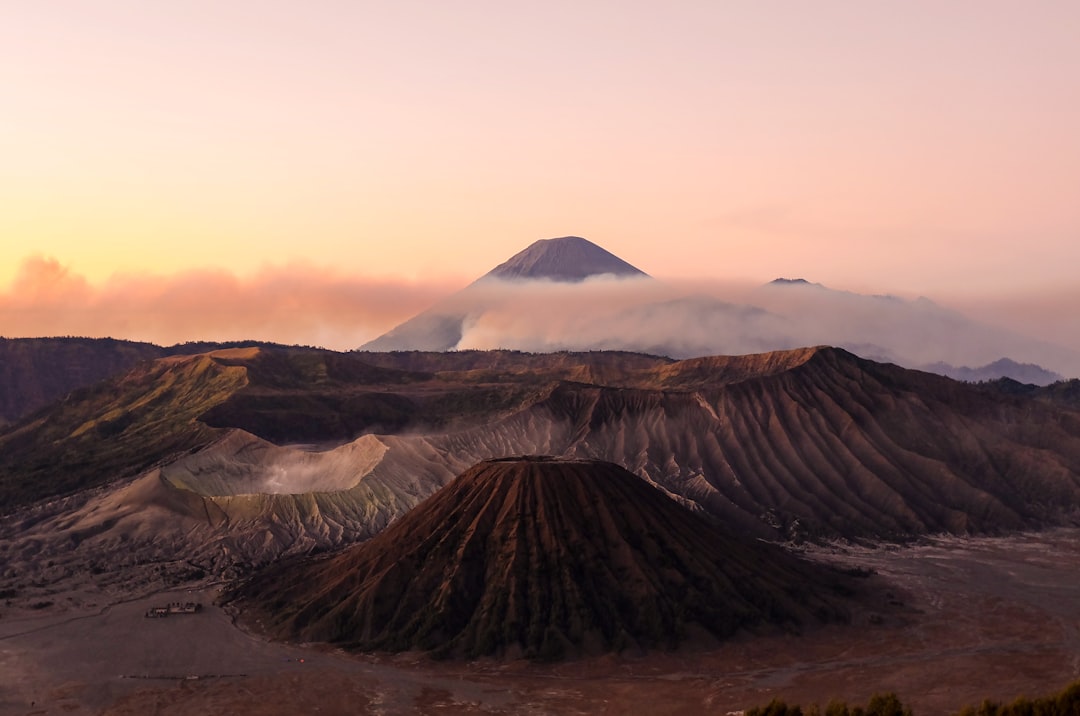
The undisputed highlights are Borobudur Temple (Java, world’s largest Buddhist monument), Komodo National Park (Nusa Tenggara, home to Komodo dragons and pink-sand beaches), and Raja Ampat (West Papua, the planet’s most biodiverse marine environment with over 1,500 fish species). On Bali, Tegallalang Rice Terraces and Uluwatu Temple perched 70 meters above the Indian Ocean are genuinely spectacular. Mount Bromo on Java — an active volcano at 2,329 meters with a sulfurous crater you can walk to — remains one of the most dramatic landscapes in Asia. My honest take: Bali’s Ubud Monkey Forest is overrated and overpriced — the macaques are aggressive and the IDR 80,000 entry fee is not worth it. Spend that time at Tirta Gangga water palace instead.
What experiences in Indonesia are found nowhere else on Earth?
Watching Komodo dragons hunt in the wild on Rinca Island — seeing a 3-meter reptile ambush prey is a primal experience unavailable anywhere else on the planet. Attending a Torajan funeral ceremony in Tana Toraja, Sulawesi — weeks-long rituals involving water buffalo sacrifice and cliff-side grave sites that have no parallel in Southeast Asia. Diving the WWII wreck sites in Banda Sea — visibility of 40+ meters and schooling hammerheads make it one of the world’s top 5 dive sites by expert consensus. Witnessing the sunrise over Mount Bromo’s Sea of Sand from Penanjakan viewpoint at 4 a.m. — the caldera filled with cloud below you is an image impossible to manufacture elsewhere. In my experience, all four of these require deliberate planning — none happen accidentally.
Regions & Highlights
Which areas of Indonesia are overcrowded — and what are the quieter alternatives?
Kuta, Seminyak, and Ubud on Bali are severely overcrowded in July–August — Kuta Beach has lost most of its charm to hawkers and traffic. My alternatives: Amed on Bali’s northeast coast is 75 km from Kuta, has excellent snorkeling right off the beach, and sees a fraction of the visitors. Gili Trawangan (Lombok) is popular but Gili Meno — 10 minutes by boat — is peaceful with the same water quality. Lombok’s Senggigi has the infrastructure of a tourist town with 20% of Bali’s crowds. For Java, Magelang near Borobudur beats staying in Yogyakarta city for proximity to the temple at dawn. My honest warning: Raja Ampat’s liveaboards are booking out 12 months ahead — it is no longer a secret, but the reefs themselves remain pristine.
How many days do I need in Indonesia?
14 days is the realistic minimum to see two distinct regions properly. A 7-day trip to Bali alone works if you’re returning, but trying to add Yogyakarta or Lombok to a 7-day trip creates a rushed transport itinerary. My recommended structure: 7 days Bali + 3 days Yogyakarta + 4 days Lombok covers beaches, temples, and trekking without feeling chaotic. For eastern Indonesia (Flores, Raja Ampat, Sulawesi), add a minimum of 5–7 days per island — distances and flight connections demand it. What most guides omit: travel days in Indonesia eat your itinerary — a Bali-to-Labuan Bajo journey involves a flight, boat, and transfer that consumes a full day each direction. Budget 10% of your total trip for transit time and you’ll stay sane.
Do I need a visa to visit Indonesia?
Citizens of 90+ countries receive a Visa on Arrival (VoA) at major entry points including DPS and CGK, costing IDR 500,000 (~$31 USD) for a 30-day stay, extendable once for another 30 days at a local immigration office. Citizens of ASEAN nations enter visa-free. In 2024, Indonesia launched the B211A Social/Cultural Visa — valid 60 days, extendable to 180 days — popular with digital nomads based in Canggu. My warning: the VoA queue at DPS during peak August arrivals can take 45–75 minutes — use the e-VoA system (apply online before departure at molina.imigrasi.go.id) to bypass it entirely. Always enter with at least 6 months remaining on your passport — immigration officers do check and have turned travelers away.
What languages are spoken in Indonesia?
Bahasa Indonesia is the national language — spoken and understood by virtually all 88 million Indonesians across all islands. It’s actually one of the easier Asian languages to learn basics of: phonetically consistent and no tones. In Bali, Yogyakarta, Seminyak, and Ubud, English is widely understood in tourist contexts — hotels, restaurants, and tour operators handle it without difficulty. Outside tourist zones — rural Sulawesi, Flores, or Kalimantan — English competency drops sharply. Learning 10 key phrases in Bahasa (greetings, prices, directions) earns disproportionate goodwill. Each island also has its own local language — Balinese, Javanese, Sundanese — distinct from Bahasa. My tip: download Google Translate with Indonesian offline before you leave; it works on menus and road signs when you have no signal.
What cultural rules do I need to know in Indonesia?
Cover your shoulders and knees at all temples — this is enforced, not just suggested, and sarongs are provided but renting costs IDR 15,000–30,000. In Muslim-majority areas (Java, Lombok, Sumatra, Sulawesi), dress modestly in public, avoid public displays of affection, and be respectful during Ramadan — eating and drinking in public before sunset is considered rude. On Bali, never step over temple offerings placed on the ground — walk around them. In Tana Toraja, funerals are community events and outsiders are welcome but must observe quietly and dress appropriately. My honest warning: Bali is Hindu, not Muslim — the cultural rules differ island by island, and applying Balinese norms to Lombok or vice versa causes genuine offense. Research each island separately.
Practical Tips
How safe is Indonesia for travelers?
Indonesia is broadly safe for tourists — violent crime against foreigners is rare. The primary risks are petty theft (bag snatching on scooters in Kuta and Jakarta), traffic accidents (Indonesia has one of Southeast Asia’s highest road fatality rates), and scams (fake money changers, overpriced tours, and taxi overcharging near airports). Bali’s Kuta has a reputation for drink spiking at nightlife venues — I recommend not leaving drinks unattended. Seismically, Indonesia sits on the Pacific Ring of Fire — earthquakes are real and the 2018 Lombok earthquake (6.9 magnitude) demonstrated genuine risk. Download the BMKG app for official Indonesian earthquake and weather alerts. My honest advice: the biggest danger most travelers face in Indonesia is motorbike accidents — always wear a helmet and avoid night riding on unfamiliar roads.
What health precautions should I take before visiting Indonesia?
Get Hepatitis A and Typhoid vaccinations at minimum — both are transmitted through food and water, and Indonesian street food, however delicious, carries real risk. Rabies vaccination is strongly recommended if you’re going to Bali (where monkey bites at temples are common) or rural areas. Dengue fever is endemic year-round — no vaccine for most travelers, so use DEET-based repellent religiously. Malaria prophylaxis is advised for Papua, Maluku, Flores, and rural Kalimantan — confirm with a travel clinic 6 weeks before departure. Drink only bottled or filtered water — tap water is not safe anywhere in Indonesia. My honest warning: Bali’s Denpasar RSUP Sanglah Hospital is acceptable for emergencies, but for serious conditions, medical evacuation to Singapore (a 2.5-hour flight) is the standard recommendation — buy comprehensive travel insurance before you leave.
What SIM card or eSIM options are available in Indonesia?
Buy a local SIM at the airport arrivals hall immediately — Telkomsel (SimPATI) and XL Axiata are the two most reliable networks with the widest coverage across islands. A Telkomsel tourist SIM with 30GB data costs around IDR 150,000–200,000 (~$9–12) and lasts 30 days — excellent value. Registration requires your passport — bring it to the counter. For eSIM users, Airalo sells Indonesian data plans from $6 for 1GB but Telkomsel’s physical SIM offers better rural coverage at lower cost per GB. My honest caveat: 4G coverage disappears fast outside of Java and Bali — in Raja Ampat, rural Flores, or the Togean Islands, expect 2G or no signal at all. Download offline maps (Maps.me or Google Maps offline) before leaving any urban center.
Which apps do you recommend for traveling in Indonesia?
Grab — ride-hailing, food delivery, and payments in one app; works in all major Indonesian cities and is safer than hailing street taxis. Traveloka — book domestic flights, trains, and hotels in one platform with Indonesian Rupiah pricing and local payment options. Gojek — the local competitor to Grab, often cheaper for short rides and essential in Jakarta and Surabaya. BMKG — Indonesia’s official meteorological app for earthquake alerts and typhoon tracking — genuinely important, not optional. Google Maps with offline areas downloaded covers navigation reliably in urban zones. XE Currency for real-time IDR conversion. My tip: WhatsApp is how Indonesians conduct business — hotel bookings, tour confirmations, and driver arrangements all happen over WhatsApp, not email. Set it up before you arrive and keep your home number active.
What are common traveller mistakes in Indonesia?
Underestimating distances is the top mistake — Indonesia is the size of the continental USA and Bali to Raja Ampat is a 4-flight journey. Cramming 6 islands into 2 weeks means you spend more time in airports than anywhere meaningful. Exchanging money at the airport loses you 10–15% versus licensed street changers in Kuta or Ubud. Renting a scooter without prior experience and riding on the left — Indonesia drives left — causes accidents daily in Bali’s tourist zones. Booking tours through hotel lobbies adds a 30–50% commission versus booking direct with operators. What surprised me: many travelers skip Lombok entirely assuming it’s just ‘lesser Bali’ — it has Mount Rinjani (3,726 meters), a genuinely world-class multi-day trek, that Bali cannot match. Don’t skip it.
Explore Indonesia by Region
Indonesia at a Glance
| Population | 275,439,000 |
|---|---|
| Currency | rupiah (Rp) |
| Official language | Indonesian |
| Time zone | Indonesia Western Standard Time |
Source: Wikidata, retrieved October 2026.
Essential Resources for Planning Your Trip to Indonesia
- Visit Indonesia: Official Indonesia Tourism Website — official visitor information, passes & events
- Wikipedia: Indonesia — history, geography & background
- Wikivoyage: Indonesia — community travel guide & practical tips
- Indonesia travel – Lonely Planet | Asia — expert itineraries & travel inspiration
- THE 15 BEST Things to Do in Indonesia (2026) — hotels, restaurants & traveller reviews
- Visit Indonesia: Official Indonesia Tourism Website — how to get around
- Numbeo: Cost of Living in Indonesia — current prices & cost comparison
- Timeanddate: Indonesia Weather & Climate — forecasts & climate statistics
- General information for the sixth session of the Committee
More Perspectives on Indonesia
- The Ultimate Indonesia Travel Guide
- Thinking of Visiting Indonesia? Don’t Stop at Bali
- Indonesia Travel Guide (Updated 2026)
Indonesia Travel Videos
Watch these videos for a visual preview before your trip:
- Indonesia Travel Guide: Things To Know Before Visiting Indonesia 2026
- The ONLY Travel Guide You’ll Need to Bali, Indonesia
- Bali or OTHER islands? My 3 suggestions from 3 months in Indonesia
Indonesia Travel Discussions on Reddit
Real traveller experiences and community advice:
- Questions about traveling in Indonesia
- Hi Reddit! I’m Krisna, An Indonesian Travel Expert Sharing …
- What’s the best place to start my trip in Indonesia? : r/travel
Diving in Indonesia
Sitting in the heart of the Coral Triangle, Indonesia offers everything from Raja Ampat’s biodiversity to the muck diving of Lembeh Strait. You can browse dive centres across Indonesia and the individual dive sites in our diving directory.
Data Sources
This page was compiled using data from Wikipedia, Wikidata, Open-Meteo (climate), Numbeo (cost of living) and REST Countries. Information is updated regularly.