
Iran: The Complete Travel Guide (2026)
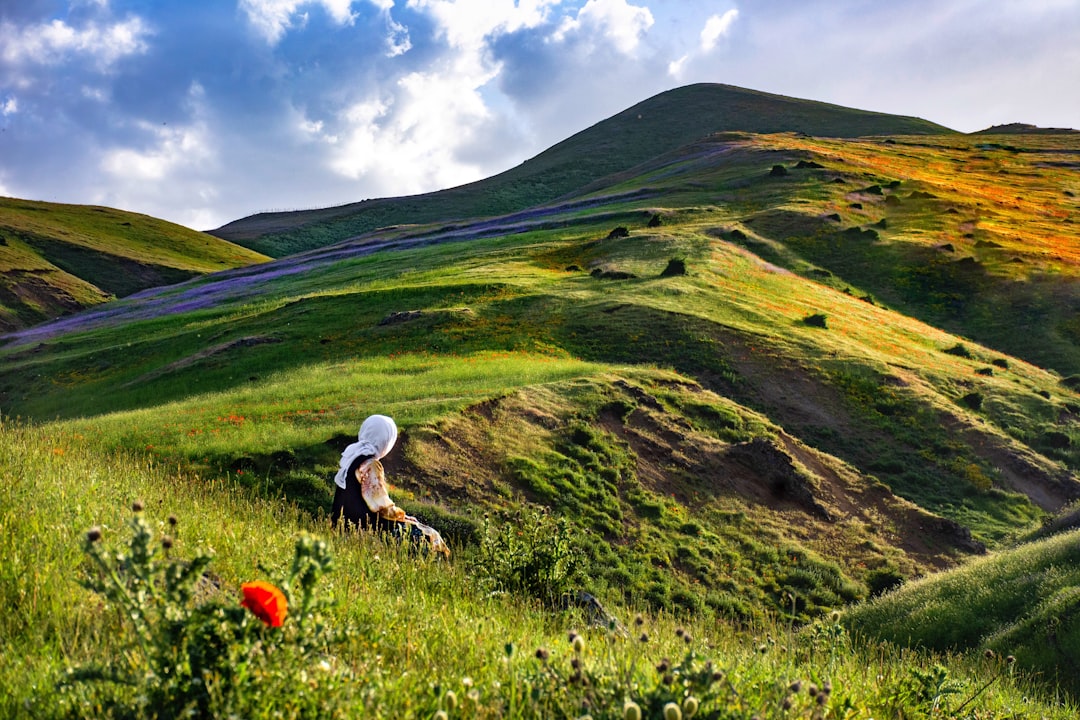
Last reviewed: October 2026 · key facts checked against Wikidata
Iran Travel Guide: Everything You Need to Know (2026)
Iran, home to 92,417,700 people and one of the world’s oldest civilizations with a history spanning over 7,000 years, stretches across 1,648,195 square kilometers between the Caspian Sea and the Persian Gulf. The country sits at an average altitude of 1,200 meters above sea level, with its capital Tehran perched at 1,191 meters — one of the highest-altitude capitals in Asia. From the UNESCO-listed ruins of Persepolis to the turquoise domes of Isfahan, Iran rewards travelers willing to navigate its unique entry requirements with experiences that genuinely exist nowhere else on Earth.
Top 3 Highlights at a Glance
- Persepolis — The ceremonial capital of the Achaemenid Empire, founded around 515 BC, with towering 20-meter stone columns still standing.
- Naqsh-e Jahan Square, Isfahan — One of the largest squares on Earth at 512 meters long, flanked by two mosques, a palace, and a bazaar.
- Dasht-e Kavir Desert — Iran’s Great Salt Desert covers 77,600 square kilometers — a surreal landscape of salt flats almost no Western tourists visit.
Scroll down for our complete travel guide with tips on getting there, where to stay, costs and more.
Getting There & Transport
Which airports are the best entry points into Iran?
Imam Khomeini International Airport (IKA) near Tehran is by far the best entry point for most travelers. In my experience, IKA handles over 95% of international arrivals and sits 35 km south of Tehran city center. For southern Iran, Shiraz International Airport (SYZ) offers direct regional connections and puts you immediately near Persepolis. Mashhad Hashemi Nejad Airport (MHD) serves the northeast and is useful if you’re entering from Central Asia. The honest caveat most guides omit: airlines serving Iran are limited due to sanctions — Mahan Air, Iran Air, and Turkish Airlines via Istanbul are your most reliable options, but schedule changes happen frequently.
How do I get from the airport to my first accommodation in Iran?
Take the Tehran Metro Line 1 directly from IKA — it costs under 50,000 IRR (roughly $1 USD) and runs straight into the city center. In my experience, this is the smartest move for independent travelers arriving at Imam Khomeini Airport. The journey takes approximately 45 minutes to Imam Khomeini Station, then transfer to Line 7 for most central hotels. Taxis from IKA are available but negotiate firmly — a fair price to central Tehran is around 500,000–800,000 IRR. The warning most guides skip: licensed airport taxis queue outside arrivals, but unofficial drivers will aggressively approach you inside the terminal — ignore them entirely.
What transport options are there within Iran?
Iran has genuinely impressive domestic transport for a country of its size. Domestic flights connect Tehran with Shiraz, Isfahan, Mashhad, Tabriz, and Ahvaz — tickets cost $15–$50 USD on Iran Air or Mahan Air. Intercity buses are the backbone of budget travel: VIP sleeper coaches between major cities cost $3–$8 USD and are modern and punctual. Iran Railways runs comfortable trains; the Tehran–Isfahan route takes 7 hours and costs roughly $6 USD. My tip: the Snap app (Iran’s Uber equivalent) works brilliantly for city transport. The trade-off — rental cars are theoretically available but foreigners face significant insurance and navigation challenges.
Do I need a rental car in Iran?
Honestly, no — Iran’s bus and rail network makes a rental car unnecessary for most itineraries. In my experience, the combination of VIP buses, domestic flights under $50 USD, and the Snap ride-hailing app covers everything. Between major cities like Tehran, Isfahan, Shiraz, and Yazd, public transport is frequent and reliable. However, if you’re planning to reach remote villages in Lorestan Province or the villages of Kandovan in East Azerbaijan, a rental car or hired driver makes sense. The caveat most guides hide: international driving licenses are not reliably accepted, and car hire for foreigners is legally complicated — hiring a local driver for roughly $50–$80 USD per day is far more practical and gives you a cultural guide simultaneously.
How good is the public transport network between regions in Iran?
Surprisingly excellent for a country of Iran’s geographic scale. The intercity bus network covers over 400 destinations nationally, with VIP coaches offering reclining seats, meals, and air conditioning. Iran Railways connects Tehran to Mashhad (the busiest domestic route at roughly 900 km) with overnight sleepers costing around $10–$15 USD. Domestic flights take 1–2 hours between major cities for under $50 USD. My tip: buy bus tickets at Tehran’s Southern Bus Terminal (Jonob) or through the Alibaba.ir app — Iran’s equivalent of booking.com for transport. The honest trade-off: rural connections, particularly to villages in Gilan Province along the Caspian coast, are infrequent and slow.
Accommodation
Which regions should I stay in when visiting Iran?
Isfahan’s historic core around Jolfa and Naqsh-e Jahan is my top pick — walkable, beautiful, and loaded with rooftop teahouses. Tehran’s Darband and Jordaan-equivalent Tajrish neighborhood suits travelers who want urban energy. Shiraz’s Vakil Bazaar area places you 60 km from Persepolis with excellent local guesthouses. For desert experiences, stay in a traditional caravanserai in Yazd’s old city, a UNESCO-listed earthen city that is genuinely unlike anywhere else. What surprised me: Tabriz in Azerbaijan Province is Iran’s fourth-largest city and has a magnificent bazaar but receives a fraction of foreign tourists — it’s an outstanding base for northwestern Iran.
What does good accommodation cost per night in Iran?
A solid mid-range hotel in Iran costs $25–$60 USD per night — extraordinary value by any global standard. In my experience, traditional guesthouses (mehmanpazir) in Yazd and Isfahan offer the most atmospheric stays for $20–$40 USD, including breakfast. Budget travelers can find clean hostel dorms for $8–$12 USD in major cities. Top-end hotels like the Abbasi Hotel in Isfahan — one of the most beautiful hotels I’ve stayed in anywhere on Earth, set in a 300-year-old caravanserai — run $80–$120 USD per night. The caveat: international credit cards do not work in Iran due to sanctions, so all accommodation must be paid in cash USD, EUR, or Iranian Rial.
When should I book hotels in Iran — how far in advance?
Book at least 6–8 weeks ahead for April, May, September, and October — Iran’s peak foreign travel months. In my experience, the Abbasi Hotel in Isfahan and Moshir al-Mamalek Garden Hotel in Yazd sell out weeks in advance during Nowruz (Persian New Year, around March 20) when domestic tourism explodes. For travel in summer or winter, 2–3 weeks advance booking is usually sufficient. The critical warning most guides omit: because international booking platforms like Booking.com partially work but payment fails, use 1stQuest.ir or Snapptrip.ir — Iran’s domestic booking platforms — or email guesthouses directly and pay cash on arrival.
When is the best time to travel to Iran?
April–May and September–October are the optimal months based on verified climate analysis. Spring brings wildflowers to the Alborz Mountains and temperatures of 18–25°C across most of the country — perfect for sightseeing in Tehran, Isfahan, and Shiraz. October sees clear skies, golden light on desert architecture, and temperatures dropping to a comfortable 20°C in Yazd. In my experience, April in Isfahan during cherry blossom season is one of the most beautiful travel experiences I’ve had anywhere. The honest trade-off: Nowruz week (March 20–27) brings massive domestic crowds and price hikes of 30–50% at popular sites — avoid this window unless you specifically want to witness it.
How does peak season affect prices in Iran?
Peak season — April, May, and the Nowruz holiday period — drives hotel prices up 30–50% versus low season. Domestic tourism, not foreign tourism, drives Iran’s peak season dynamics, which surprises most visitors. In my experience, guesthouses in Yazd and Kashan triple their prices during Nowruz week (late March). Flights between Tehran and Shiraz can jump from $15 to $45 USD during holiday periods. The trade-off worth knowing: July and August bring extreme heat (45°C+ in Khuzestan Province and the Persian Gulf coast) but hotel rates drop 25–40% and popular sites like Persepolis are far less crowded — viable only if you visit early morning and stay in air-conditioned accommodation.
Best Time to Visit
Which regions in Iran have different climate zones?
Iran contains 5 distinct climate zones within its borders — remarkable for a single country. The Caspian coast (Gilan and Mazandaran provinces) receives over 1,400mm of rain annually and is subtropical and green year-round. The Central Plateau (Isfahan, Yazd, Kerman) is arid with hot summers and cold winters. The Persian Gulf coast (Hormozgan Province) is tropical and brutally humid in summer, reaching 48°C. The Alborz and Zagros mountain ranges receive heavy snowfall November–March — Dizin Ski Resort sits at 2,650 meters and is fully operational January–March. Khorasan Province in the northeast has a continental climate with harsh winters. My tip: plan a multi-zone itinerary only in spring or autumn.
What are the rainy seasons in Iran?
Iran’s rainy seasons vary dramatically by region. The Caspian coast (Rasht city area) receives rain year-round, peaking October–December with up to 200mm per month — pack waterproofs if visiting Gilan Province. The central and southern plateau (Yazd, Shiraz, Isfahan) receives almost no rain between May and October. Tehran and the Alborz foothills see their wettest months in January–March, averaging 40–60mm. The honest caveat: spring rains in April can briefly affect sightseeing in Tehran but rarely disrupt travel plans seriously. What surprised me: Dezful and Ahvaz in Khuzestan Province receive under 250mm annually despite being geographically close to the wet Caspian coast.
What does a trip to Iran cost per person per day?
Budget: $25–$35 USD/day. Mid-range: $55–$80 USD/day. Iran is one of the cheapest destinations on Earth for foreign travelers right now due to the weak Rial exchange rate. In my experience, a mid-range day in Isfahan — traditional guesthouse ($35), meals ($10), entrance fees ($5), transport ($5) — totals around $55 USD. Budget travelers in hostels eating from street stalls can survive on $20–$25 USD daily. The critical caveat: you must bring all money in cash (USD or EUR) as international cards don’t work — carry your entire trip budget physically. I recommend $100–$150 USD per day to include a domestic flight and a higher-end meal.
How expensive is food in Iran?
Food is extremely affordable — a full restaurant meal costs $3–$8 USD. In my experience, a bowl of dizi (lamb stew) at a traditional restaurant in Tehran’s Bazaar-e Bozorg area costs under $4 USD. Street food like sangak bread with feta and walnuts costs under $1 USD. A sit-down dinner for two at a mid-range Tehran restaurant in Darband neighborhood — including kebabs, rice, salad, and doogh (yogurt drink) — runs about $12–$18 USD total. Upscale restaurant dining in North Tehran’s Tajrish costs $15–$25 per person. The honest trade-off: finding alcohol is impossible legally — restaurant bills never include wine or beer, which actually keeps dining costs low.
What hidden costs should I expect when traveling in Iran?
Dual-pricing for foreigners at major sites is the biggest hidden cost. Foreign visitors pay 5–10x the Iranian price at UNESCO sites — Persepolis entry is roughly $15 USD for foreigners versus $0.50 for locals. In my experience, this adds up fast on a cultural itinerary. Mandatory travel insurance is required at the Iranian border for most nationalities — budget $30–$50 USD for a 2-week policy. Currency exchange fees at Tehran’s Grand Bazaar money changers typically take 1–2%. Guided tours, which are recommended for visiting sites like Chogha Zanbil ziggurat, add $40–$80 USD per day. My tip: factor in $20–$30 USD per day in hidden costs beyond your basic budget.
Budget & Costs
How much cash should I bring to Iran?
Bring your entire trip budget in cash USD or EUR — no exceptions. International credit and debit cards are completely non-functional in Iran due to US-led financial sanctions. In my experience, a 14-day mid-range trip requires approximately $800–$1,100 USD in cash. Bring 50% in small USD bills ($5s, $10s, $20s) for daily expenses and the remainder in $100 bills for larger hotel payments. Exchange to Iranian Rial or Toman at licensed exchange offices (sarafi) in Tehran’s Ferdowsi Square area — they offer better rates than airport counters. The honest warning: Iranian ATMs do not dispense cash for foreign cards. If you run out of money, your only option is a wire transfer through specialist services.
Which credit cards are accepted in Iran?
No international credit or debit cards work in Iran — zero exceptions. Visa, Mastercard, Amex, and UnionPay are all blocked due to SWIFT sanctions. In my experience, travelers who arrive assuming their card will somehow work face a genuine crisis. Iranian domestic cards (Shetab network) work everywhere locally but are only issued to Iranian residents. Some high-end hotels in Tehran’s Elahiyeh district will process payments through intermediary services, but this is unreliable and carries a 5–10% surcharge. My firm recommendation: treat Iran as a fully cash economy. Carry your entire budget in USD or EUR, use licensed sarafi exchange offices for Rial, and keep cash divided between your bag, hotel safe, and money belt.
Which regions of Iran must I not miss?
Isfahan, Yazd, and Shiraz form the unmissable cultural triangle — allocate at least 8 days to cover them properly. Isfahan has the greatest concentration of Islamic architecture in the world. Yazd is the world’s oldest continually inhabited desert city, with wind towers (badgirs) that have cooled buildings for 3,000 years. Shiraz is the gateway to Persepolis and has its own UNESCO-listed Persian garden. Beyond the triangle: Kashan is genuinely extraordinary — its 19th-century merchant houses like Tabatabaei House are among the most beautiful domestic interiors I’ve seen anywhere. In my experience, Iranian Azerbaijan with Tabriz and Kandovan village is the most underrated region in the entire country.
What are the tourist highlights of Iran?
Persepolis, Naqsh-e Jahan Square, and the old city of Yazd are the three anchors of any Iran itinerary. The Golestan Palace complex in Tehran is UNESCO-listed and takes a full half-day. Naqsh-e Rostam — the cliff-cut tombs of Achaemenid kings, 12 km from Persepolis — is rarely mentioned in top-10 lists but overwhelmed me. The Vakil Bazaar in Shiraz is one of the finest covered bazaars on Earth. Chogha Zanbil, a 3,000-year-old Elamite ziggurat in Khuzestan Province, is the oldest ziggurat outside Mesopotamia and receives almost no visitors. My tip: don’t skip Si-o-se-pol Bridge in Isfahan at dusk — nothing prepares you for the scale and beauty of 33 arches reflected in the Zayandeh River.
What experiences in Iran are found nowhere else on Earth?
Staying in a 1,000-year-old caravanserai converted to a guesthouse in Yazd’s old city is genuinely unreplicable. In my experience, the Zein-o-din Caravanserai, 65 km southeast of Yazd in open desert, offers overnight stays in a 16th-century circular caravanserai that predates most European countries’ current borders. Zoroastrian Fire Temples in Yazd have burned continuously for over 1,500 years — the only places on Earth where this ancient religion is still practiced publicly. Ice houses (yakhchal) in Meybod are 2,000-year-old conical mud brick structures that produced ice in the desert without electricity. Nothing in my 10+ years of travel compares to the spontaneous hospitality (ta’arof culture) — strangers regularly invite you for tea, meals, and overnight stays.
Regions & Highlights
Which areas of Iran are overcrowded and what are the quieter alternatives?
Isfahan’s Imam Square gets overwhelmed during Nowruz and Iranian holidays — visit at 7am to have it nearly to yourself. Persepolis in peak April–May sees tour buses stacking up after 10am. My tip: the Pasargadae royal complex (45 km north of Persepolis, tomb of Cyrus the Great) receives a fraction of visitors and is equally moving. Instead of crowded Mashhad pilgrimage crowds, visit Nishapur (birthplace of Omar Khayyam, 130 km away) — an extraordinary city that sees almost no Western tourists. Kashan’s Fin Garden is far less visited than Isfahan’s gardens but equally beautiful. What surprised me: the entire province of Lorestan with its dramatic Zagros mountain landscapes is virtually tourist-free.
How many days do I need for Iran?
Minimum 10 days; 14–18 days is ideal for a meaningful trip. In my experience, the classic Isfahan–Yazd–Shiraz triangle requires 7 full days alone — 2 days each in Isfahan and Shiraz, 1.5 days in Yazd, plus transit. Add 2 days in Tehran for the Golestan Palace, Grand Bazaar, and National Museum of Iran. Adding Kashan (2 days) and a desert overnight near Dasht-e Kavir turns 10 days into a genuinely deep experience. The honest trade-off: Iran is geographically enormous at 1,648,195 square kilometers — trying to add Tabriz and the northwest to a southern cultural circuit in under 3 weeks means exhausting back-and-forth. Use domestic flights strategically — Tehran to Shiraz is 1.5 hours and under $30 USD.
Do I need a visa for Iran?
Most nationalities need a visa — the process is manageable but requires planning. As of 2026, Iran offers visa on arrival at Tehran’s IKA airport for citizens of 60+ countries, typically costing $30–$75 USD for a 30-day stay. My tip: apply for an e-Visa through the Iranian Ministry of Foreign Affairs website 2–4 weeks in advance — approval is typically confirmed by email within 5 business days. US, UK, Canadian, and Australian passport holders cannot obtain tourist visas independently and require a licensed Iranian tour guide for the entire trip — this is non-negotiable. The critical warning: having an Israeli stamp in your passport results in automatic visa denial. Israeli stamps must be on a separate document or absent entirely.
What languages are spoken in Iran?
Persian (Farsi) is the official language, but English is more widely spoken than most travelers expect. In my experience, staff at guesthouses in Isfahan, Yazd, and Shiraz speak functional to fluent English — Iran’s high university enrollment rate (over 4.5 million students) means younger Iranians often speak excellent English. In Tabriz and East Azerbaijan Province, Turkish (Azerbaijani dialect) is the first language of roughly 15 million people. Kurdish is spoken in Kermanshah and Sanandaj. Arabic is used in Khuzestan Province near Iraq. The honest caveat: in rural villages and small towns, English disappears entirely — download Google Translate’s Persian offline pack before arrival and learn the Farsi script for reading signs, which is genuinely worthwhile.
What cultural rules do I need to know before visiting Iran?
Dress code enforcement is the single most important rule — non-compliance causes real problems. Women must wear a hijab (headscarf) covering all hair) and a manteau (long coat) in all public spaces — this is legally mandatory, not optional, even for foreign tourists. Men must wear long trousers; shorts are not acceptable in public. In my experience, Iranians are extraordinarily generous and won’t embarrass you privately, but police can stop and fine women for ‘improper hijab.’ Physical contact between unrelated men and women in public is prohibited — no hugging or kissing. Never photograph military installations, government buildings, or police. Alcohol is illegal nationwide. Ta’arof (Persian ritual politeness) means Iranians will offer things multiple times they don’t mean — politely decline twice before accepting.
Practical Tips
How safe is Iran for travelers in 2026?
Iran is safer for tourists than most Western media portrays — petty crime against tourists is rare. In my experience, I’ve walked through Tehran’s Grand Bazaar and Shiraz at midnight without any concern. Violent crime targeting foreigners is extremely uncommon. The honest and critical caveat: geopolitical instability along border regions — particularly within 150 km of the Iraq and Afghanistan borders, and the Sistan-Baluchestan Province in the southeast — carries genuine security risks and should be avoided entirely. US, UK, and dual-nationality travelers face heightened detention risk and should register with their embassy. Follow your government’s travel advisory closely in 2026, as the regional situation with Israel and the broader Middle East can shift rapidly.
What health precautions should I take before traveling to Iran?
No mandatory vaccinations are required, but hepatitis A and typhoid shots are strongly recommended. In my experience, tap water safety varies significantly — Tehran’s tap water is technically treated, but I drank only bottled water (cost: under $0.30 USD per 1.5-liter bottle) everywhere. Bottled water is universally available. Pack prescription medications in their original labeled packaging with a doctor’s letter — Iranian customs scrutinizes medications carefully. Altitude sickness is a real concern in Tehran (1,191 meters) and especially around Tabriz and the Alborz region — take a rest day on arrival. The honest warning: medical care in Tehran is actually excellent (several internationally-trained doctors operate private clinics), but in rural Lorestan or Sistan-Baluchestan, facilities are very basic — carry comprehensive travel insurance covering medical evacuation.
What SIM card or eSIM options are available in Iran?
Buy a local SIM card at Tehran’s IKA airport immediately on arrival — it costs $5–$10 USD. Iran’s two main providers are Hamrah Aval (MCI) and Irancell (MTN) — both sell tourist SIM cards at the airport arrivals hall. A 1GB data package costs roughly $1.50–$3 USD and is valid for 30 days. In my experience, Irancell has slightly better coverage outside major cities, particularly in mountain regions. The critical caveat: most major international websites (Instagram, Twitter/X, WhatsApp, and Google) are filtered by Iran’s national internet system — you’ll need a reliable VPN downloaded before arrival as VPN app stores are also blocked inside Iran. Psiphon and Lantern are widely used VPNs that work in Iran — download both before your flight.
Which apps do you recommend for traveling in Iran?
Download these 6 apps before your flight — you cannot easily access app stores inside Iran. First, Snap (ride-hailing, equivalent to Uber — works in Tehran, Isfahan, Mashhad, Shiraz) is essential for city transport. Alibaba.ir books domestic flights, buses, and trains in English. 1stQuest.ir is the best platform for booking Iranian hotels with English support. Balad is the best offline map app for Iran — OpenStreetMap-based and works without data. Google Translate with Persian (Farsi) offline pack downloaded. A VPN (Psiphon or Lantern) for accessing filtered sites. My tip: Snapptrip.ir is a secondary hotel booking platform worth having. What surprised me: Snapp Food delivers restaurant meals across major cities — incredibly useful for late-night arrivals.
What are the most common traveler mistakes in Iran?
Arriving without enough cash is the single most dangerous mistake. I’ve met travelers at Isfahan’s Imam Square who had maxed out their budget with no way to access more money. Bring 20–30% more cash than you think you need. The second mistake: underestimating distances — Tehran to Shiraz is 919 km; travelers think it’s a quick bus ride and book only 1 night in each city. Third: not downloading a VPN before arrival — you cannot access WhatsApp, Instagram, or Google Maps without one inside Iran. Fourth: photographing police, military, or government buildings — this has resulted in detentions. Fifth: booking through Booking.com and assuming payment will work — it won’t. Use 1stQuest.ir or Snapptrip.ir exclusively for Iranian accommodation bookings.
Iran at a Glance
| Population | 92,417,700 |
|---|---|
| Currency | Iranian rial (﷼) |
| Official language | Persian |
| Time zone | UTC+03:30 |
Source: Wikidata, retrieved October 2026.
Essential Resources for Planning Your Trip to Iran
- Iran Tourism Plunges Over 39% As Global Travellers Turn … — official visitor information, passes & events
- Wikipedia: Iran — history, geography & background
- Wikivoyage: Iran — community travel guide & practical tips
- Iran travel – Lonely Planet | Middle East — expert itineraries & travel inspiration
- THE 15 BEST Things to Do in Iran (2026) – Tripadvisor — hotels, restaurants & traveller reviews
- Transportation in Iran How to Travel Between Cities Easily — how to get around
- Numbeo: Cost of Living in Iran — current prices & cost comparison
- Timeanddate: Iran Weather & Climate — forecasts & climate statistics
- Sparking tomorrow’s tourist explosion, 3: Iran
More Perspectives on Iran
- TraveIing to Iran: 21 Tips for Traveling to Iran
- Iran Travel Advisory | Travel.State.gov
- The Ultimate Two Week Iran Travel Guide
Iran Travel Videos
Watch these videos for a visual preview before your trip:
- Exploring IRAN As An American Tourist
- Top 10 Places to Visit in Iran – Travel Documentary
- IRAN: A Hidden World Beyond the Headlines | Travel Documentary
Iran Travel Discussions on Reddit
Real traveller experiences and community advice:
Data Sources
This page was compiled using data from Wikipedia, Wikidata, Open-Meteo (climate), Numbeo (cost of living) and REST Countries. Information is updated regularly.