
Le Havre: The Complete Travel Guide (2026)
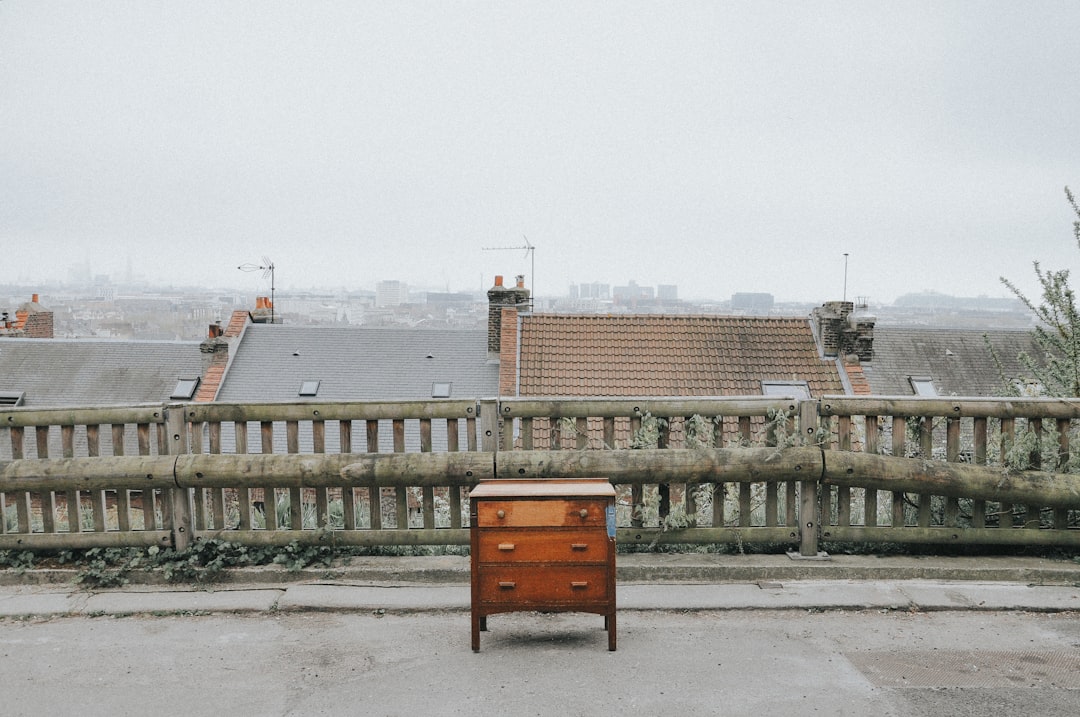
Le Havre Travel Guide: Everything You Need to Know (2026)
Le Havre sits at the mouth of the Seine on the English Channel, a port city of 172,074 residents that was almost entirely destroyed in WWII and rebuilt by architect Auguste Perret — earning UNESCO World Heritage status in 2005 for that very reconstruction. Just 200 km northwest of Paris, it handles more container freight than any other port in France. What surprises most visitors is how genuinely compelling this concrete modernist city is once you stop expecting cobblestones.
Top 3 Highlights at a Glance
- MuMa – Musée d’Art Moderne André Malraux — Houses the second-largest Impressionist collection in France, with over 200 Monet and Boudin works in a stunning glass pavilion.
- Saint-Joseph Church — Perret’s 107-metre concrete tower floods the interior with light through 12,768 coloured glass panels — utterly unlike any church in Europe.
- Les Bains des Docks — Jean Nouvel-designed public pool complex in the old dock quarter; a geometric masterpiece open to the public for around €4.
Scroll down for our complete travel guide with tips on getting there, where to stay, costs and more.
Arrival & Airport
How do I best get to Le Havre?
The fastest option is the **direct train from Paris Saint-Lazare**, taking **2 hours 10 minutes** and costing roughly **€25–€45** booked in advance on SNCF. In my experience, this is by far the most comfortable approach — you arrive directly in the city centre at **Gare du Havre**. Driving from Paris takes around **2 hours 15 minutes** via the **A13/A29 motorway**, but parking in the centre costs money and the train is faster door-to-door. My tip: book SNCF tickets at least 2 weeks ahead to secure the cheapest ‘Ouigo’ or TGV fares. The honest caveat: weekend trains fill quickly, especially in summer.
Which airport is closest to Le Havre?
**Le Havre Octeville Airport (LEH)** is just **5 km** from the city centre, but it operates almost no commercial passenger routes — don’t bank on flying in directly. In practice, **Rouen Airport** and **Paris Charles de Gaulle (CDG)**, approximately **200 km** away, are the realistic international arrival points. My recommendation: fly into **CDG** and take the direct train; the entire journey costs under **€50** and is completely stress-free. What most guides omit: there is no direct airport bus linking CDG to Le Havre — you must go via Paris Saint-Lazare, which adds a Metro transfer to your journey.
How long does the journey to Le Havre take from Paris?
From **Paris Saint-Lazare**, the direct Intercités train reaches Le Havre in **2 hours 10 minutes**. By car via the **A13 and A29 motorways**, expect **2 hours 15 minutes** in normal traffic — but the **Pont de Normandie toll alone costs €5.80** for a standard car. In my experience, the train wins on every metric: no parking stress, no toll, arrives at the central **Gare du Havre** steps from the UNESCO district. The honest trade-off: the train schedule thins out after 8pm, so late arrivals should book carefully or consider an overnight stay in Rouen instead.
Do I need a car in Le Havre?
No — the city centre, the **Perret UNESCO district**, **MuMa**, and the beach at **Plage du Havre** are all walkable or reachable by the local **LiA bus network** for **€1.70 per trip**. I explored the entire city for 3 days without a car. That said, a car becomes useful if you want to day-trip to **Étretat’s cliffs** (30 km north) or explore the **Normandy coast** beyond bus range. The honest caveat: parking in the central districts costs **€1.50–€2 per hour**, and the port area creates confusing one-way systems. Rent from **Europcar at the train station** only if day-tripping.
City Transport
What are the best areas to stay in Le Havre?
I recommend basing yourself in the **UNESCO Perret district** around Rue de Paris and the **Hôtel de Ville** — you’re within 10 minutes’ walk of MuMa, Saint-Joseph Church, and the ferry terminal. The **beach and Sainte-Adresse** neighbourhood to the northwest is quieter and more residential, great for families. Avoid booking anything near the **industrial port zones** east of the centre — they’re loud and offer zero character. Budget travellers often land in the **Saint-François quarter** near the old harbour, which has charm but can feel rough after dark. My tip: **Sainte-Adresse** gives you sea views without tourist pricing.
What does accommodation cost per night in Le Havre?
A solid **3-star hotel in the Perret district** costs **€80–€120 per night**. Budget options like **ibis Styles Le Havre Centre** run around **€65–€85**. The boutique **Hôtel Vent d’Ouest** in the city centre charges approximately **€100–€140** and is genuinely excellent. Airbnb apartments near the waterfront average **€70–€100 for two people**. What surprises most visitors: Le Havre is notably cheaper than Rouen or Honfleur for equivalent quality. The honest caveat: during **Armada de Rouen** years or **Le Havre Grand Pavois sailing events**, prices spike by **30–50%** and availability collapses — book 3 months ahead for those dates.
How far in advance should I book accommodation in Le Havre during high season?
For **July and August**, book at least **6–8 weeks ahead** — the city fills with ferry passengers crossing to Portsmouth and with Normandy coast tourists. For the **Étretat cliff hiking season** in June, **4 weeks** is usually sufficient. In my experience, the sweet spot is booking **Hôtel Vent d’Ouest or Pasino Le Havre hotel** around 5 weeks out for the best rate-to-availability ratio. The honest warning most guides skip: **cruise ship days** — Le Havre is a major cruise port — cause sudden hotel sell-outs even on random mid-week dates in spring. Check the port schedule at **havre-port.fr** before assuming a Tuesday in May is quiet.
Are there special or unusual accommodation types in Le Havre?
Yes — and this is one of Le Havre’s genuine surprises. You can stay in **converted dock-side lofts** in the **Docks Vauban** regeneration district, several of which are listed on Airbnb for **€85–€130 per night**. The **Pasino Le Havre**, attached to the casino right on the seafront, offers rooms with direct Channel views from **€110**. For something truly local, **chambre d’hôtes** in **Sainte-Adresse** — the clifftop suburb where Monet painted — put you in Belle Époque villas for **€75–€95**. My tip: the Sainte-Adresse option is 20 minutes by **LiA bus Line 1** from the centre and worth every euro for the atmosphere.
Accommodation & Neighbourhoods
What are the must-sees in Le Havre?
Three are non-negotiable. **Saint-Joseph Church** (free entry, open daily) is the emotional centrepiece of Perret’s rebuilt city — its 107-metre tower and coloured glass interior are genuinely breathtaking. **MuMa** charges **€10 entry** and holds France’s second-largest Impressionist collection, including works by Monet, Boudin, and Dufy. The **Appartement Témoin** — a preserved 1950s show flat in the Perret block at **Rue de Turenne** — costs **€7** and explains the UNESCO reconstruction better than any guidebook. What I’d add: walk the **Docks en Seine promenade** at sunset for free — the container cranes silhouetted against the Channel light are unexpectedly beautiful.
What can I experience for free in Le Havre?
More than you’d expect. **MuMa is free every first Sunday of the month** and the permanent collection is accessible without paying on certain days — check their schedule. The **Jardins Suspendus** (Hanging Gardens) in Fort de Sainte-Adresse are free and offer panoramic Channel views. The **Perret architectural walking route** costs nothing — pick up the free map at the tourist office on **Rue du 119ème Régiment d’Infanterie**. The seafront promenade from **Plage du Havre to Sainte-Adresse** is a free 4 km coastal walk. My honest caveat: the city’s industrial scale can feel cold without context — do the free walking route first or everything looks like concrete sprawl.
Which day trips from Le Havre are most worthwhile?
**Étretat** is the undisputed winner — its white chalk arches and cliffs are **30 km north**, reachable by **Keolis bus Line 24 in 45 minutes** for **€2.50**. In my experience, arriving before **9am** is essential in summer; by 11am the cliff paths are shoulder-to-shoulder. **Honfleur**, the picturesque harbour town, is **60 km east** and takes **1 hour by car** or a longer bus connection. **Rouen’s Gothic cathedral and old town** sit **90 km east**, accessible by direct train in **1 hour** for around **€15**. The honest trade-off: Honfleur is stunning but jaw-droppingly overpriced — budget **€20+ for a basic lunch** in the harbour square.
What local specialities should I try in Le Havre?
**Demoiselles de Cherbourg** — small clawed lobsters — appear on menus across the port quarter and are worth every euro. The Norman tradition of **moules marinières** (mussels in white wine) is done exceptionally well at brasseries around **Bassin du Commerce**. Don’t miss **teurgoule** — a slow-baked cinnamon rice pudding that is the defining dessert of the Normandy coast, available at **Boulangerie Grégoire** near Saint-Joseph Church for around **€4**. **Calvados** and **Cidre Normand** are the regional drinks; a glass of calvados costs **€4–€6** in a local bar. My tip: avoid the tourist traps on the ferry terminal strip — prices are **20–30% higher** for identical food.
Highlights & Must-Sees
What makes Le Havre unique compared to other French cities?
Le Havre is the only city in France — and one of very few in the world — where an entire city centre is UNESCO-listed not for medieval heritage but for **20th-century modernist reconstruction**. Auguste Perret rebuilt it from rubble after **WWII bombing destroyed 82% of the city** using standardised concrete modules — a radical, controversial, and ultimately visionary approach. What surprised me: this creates an urban landscape that feels nothing like the rest of France, closer in spirit to a Scandinavian city than a Norman town. It is also France’s largest container port, meaning the industrial scale of the working docks is part of the experience, not just background noise.
How many days are worthwhile in Le Havre?
**2 full days** covers the city properly; **3 days** allows a day trip to Étretat. Day 1: Saint-Joseph Church, MuMa, Appartement Témoin, and the Perret walking route. Day 2: Sainte-Adresse, the Jardins Suspendus, Les Bains des Docks, and the port promenade at sunset. Day 3: bus to Étretat, return for dinner in the Saint-François quarter. In my experience, visitors who allocate only **1 day** leave underwhelmed — the city’s character reveals itself slowly and rewards time. The honest caveat: Le Havre works brilliantly as part of a **Normandy circuit** (Rouen → Le Havre → Étretat → Honfleur) rather than as a standalone destination for most travellers.
When is the best time to visit Le Havre?
**June is the optimal month** — days are long (sunset after 10pm), the Channel is calm, and the Étretat cliffs are at their most dramatic in clear light without July’s crowd levels. **May and September** are excellent shoulder months with fewer visitors and hotel rates **15–25% lower** than peak summer. July and August bring the most sun but also ferry-passenger crowds and sold-out hotels. I’d personally avoid **November through February**: the Channel coast gets relentless grey winds off the Atlantic, and while the city functions normally, outdoor sightseeing becomes genuinely unpleasant. The honest fact: Le Havre averages **1,800 sunshine hours annually**, significantly less than Paris.
What are local festivals and events worth attending in Le Havre?
**Les Escales du Cargo** in October is a free world music festival held in the port warehouses — utterly unique and completely off the tourist radar. **Le Havre Plage** runs through July and August, transforming the seafront with beach volleyball, concerts, and temporary pools. The **Normandie Impressionniste festival** (biennial, next edition 2026) turns MuMa and the city into one giant Impressionist celebration with temporary exhibitions and outdoor projections — book hotels **4–6 months ahead** for this. The **Armada tall ships race** occasionally docks at Le Havre between its Rouen editions. My tip: check **lehavretourisme.com** for the 2026 Normandie Impressionniste programme specifically — it’s the most compelling reason to visit that year.
Food & Drink
How does the weather in Le Havre affect what I can do?
The Channel climate means **wind is the real variable**, not temperature. Summer highs reach **20–23°C** but a westerly wind makes cliff walks at Étretat feel 5 degrees colder. Rain can arrive on any day of the year — I carry a packable jacket year-round here. The indoor offer — **MuMa, Saint-Joseph, Appartement Témoin, Les Bains des Docks** — means a rainy day is never wasted. The beach at **Plage du Havre** is genuinely pleasant in June and July but is pebble, not sand, and the water temperature rarely exceeds **18°C**. My honest caveat: if your trip depends on beach swimming, the Mediterranean is a better choice — this is a cultural and architectural destination first.
How crowded does Le Havre get in peak season?
Crowded at specific pressure points, not overall. **Étretat** 30 km away is genuinely overwhelmed in July and August — **2,000+ visitors on busy summer days** squeeze onto narrow cliff paths. The city itself never feels as saturated as Paris or Nice. The ferry terminal area around **Quai de Southampton** gets chaotic when crossings to Portsmouth depart — avoid that zone on summer afternoons. **MuMa on sunny July weekends** has queues of **20–30 minutes**; buy tickets online at **muma-lehavre.fr** for **€10** to skip them. In my experience, Le Havre remains a genuinely local city even in high summer — you will eat alongside French dock workers, not just other tourists.
How safe is Le Havre?
Le Havre is safe for tourists by any reasonable standard. The **Perret district, Sainte-Adresse, and the seafront** are completely problem-free day and night. The **Saint-François quarter** near the old harbour has pockets of street-level drug activity after dark — not dangerous but uncomfortable for solo travellers unfamiliar with French port cities. The **Caucriauville and Mont-Gaillard** districts in the northeast are residential working-class areas with higher crime statistics — you have no reason to go there as a visitor. My honest assessment: Le Havre has a rougher edge than Honfleur or Rouen, but I have walked it at midnight without concern. Keep the standard urban awareness you’d apply in **Marseille or Lyon**.
Is English widely spoken in Le Havre?
Less than you might expect for a major port city. At **MuMa, the tourist office, and ferry-connected hotels**, English is reliable. In local brasseries and bakeries in the **Perret district**, French is the working language and staff often have limited English. In my experience, a phrase-book level of French — bonjour, je voudrais, l’addition s’il vous plaît — gets you through 95% of interactions with goodwill. What surprised me: dock workers and market traders are often more patient with struggling foreign speakers than Parisians. Download **Google Translate with French offline pack** before you arrive — menus at local spots like **Brasserie de la Halle** are French-only.
Practical Tips
What is the daily budget for Le Havre?
**Budget traveller: €70–€85 per day** (hostel/budget hotel, self-catering breakfast, one restaurant lunch, bus transport). **Mid-range: €130–€160 per day** (3-star hotel, café breakfast, two restaurant meals, 1 museum entry). **Comfortable: €200+ per day** (boutique hotel, wine with dinner, day-trip hire car to Étretat). Food is the biggest variable — a **plat du jour lunch in a local brasserie costs €12–€15**, while a Norman seafood dinner with calvados easily reaches **€45 per person**. My tip: the **covered market at Place Gambetta** sells exceptional Norman cheese, charcuterie, and bread for a picnic under **€10** — the best-value meal in the city by a wide margin.
How does Le Havre’s public transport work?
The **LiA network** runs buses and trams across the city and is genuinely easy to use. A single ticket costs **€1.70**, a 10-trip carnet costs **€13.50**, and a 24-hour pass costs **€4.50**. **Tram Line A** connects the train station to the city centre and beach in **12 minutes**. Buses cover Sainte-Adresse (Line 1) and the dock districts reliably between 6am and midnight. In my experience, you need at most 3–4 trips per day, making the 24-hour pass worthwhile from day one. The honest caveat: Sunday services run on a reduced schedule — **30-minute headways** on some lines — so plan museum visits and day trips accordingly. The **LiA app** shows real-time arrivals.
Which apps do you recommend for visiting Le Havre?
**SNCF Connect** is essential for booking and managing your train tickets from Paris — buy in advance for the cheapest fares. **LiA** (the local transport app) gives real-time bus and tram departures across the city. **Google Maps** works reliably for walking navigation in the **Perret UNESCO district**. **muma-lehavre.fr** (browser, not app) is worth bookmarking for MuMa exhibition schedules and online ticket purchase at **€10**. For day trips, **Normandie Fraîche Minute** helps locate farm-direct Norman food producers within **30 km** of the city — a genuinely useful find. My honest caveat: offline maps via **Maps.me or Google Maps offline** are worth downloading; mobile signal drops unpredictably near the **container port infrastructure**.