
Lille: The Complete Travel Guide (2026)
Last reviewed: October 2026 · key facts checked against Wikidata
Lille Travel Guide: Everything You Need to Know (2026)
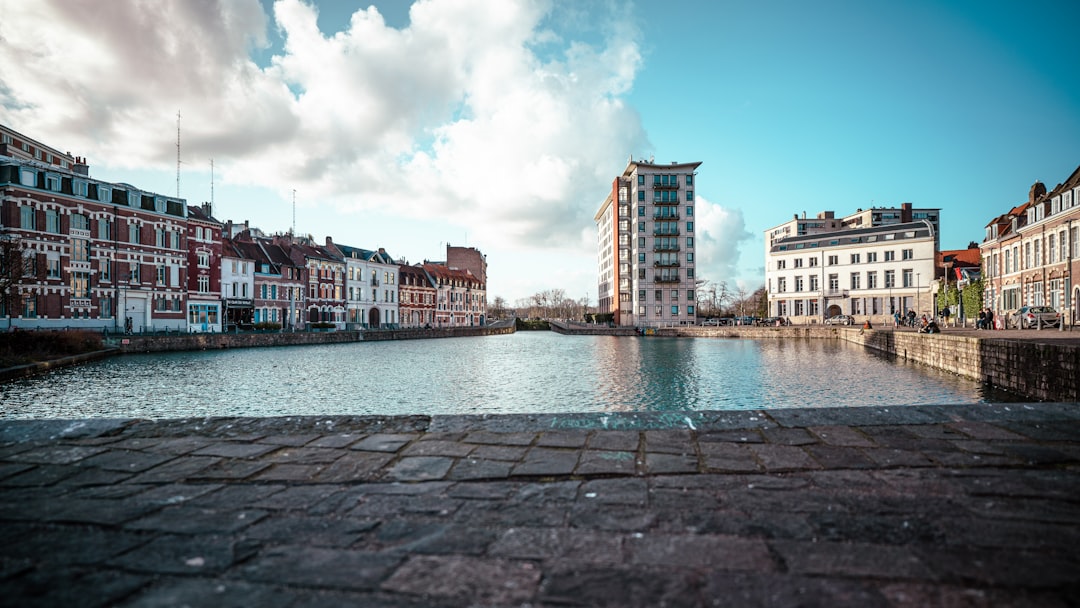
Lille is a vibrant French city of 238,246 residents sitting just 10 km from the Belgian border, built around the historic Grand’Place and the meandering Deûle river. Founded as a Flemish trading hub, it became French only in 1667 under Louis XIV, giving it a unique Franco-Flemish architectural identity found nowhere else in France. It sits at 30 metres above sea level and is connected to Paris by TGV in just 1 hour, making it one of northern Europe’s most underrated city-break destinations.
Top 3 Highlights at a Glance
- Palais des Beaux-Arts — France’s second-largest fine arts museum after the Louvre, housing 15th–20th century masterpieces across 22,000 m².
- Vieux-Lille — A labyrinth of 17th-century Flemish baroque townhouses in terracotta brick — the most intact old town in northern France.
- Grande Braderie de Lille — Europe’s largest flea market, drawing 2 million visitors each September across 100 km of street stalls.
Scroll down for our complete travel guide with tips on getting there, where to stay, costs and more.
Arrival & Airport
How do I get to Lille?
Take the TGV from Paris Gare du Nord — it arrives in 1 hour at Lille-Europe station, the fastest and most convenient option. From London St Pancras via Eurostar, the journey is 1 hour 20 minutes direct. From Brussels, it’s just 35 minutes by Thalys or IC train. Budget airlines serve Lille-Lesquin Airport (LIL), located 9 km southeast of the centre, but in my experience the train is far superior for comfort and city-centre arrival. Warning: driving into Lille’s old town triggers a low-emission zone fine if your vehicle doesn’t meet Euro 4 standards.
Which airport is closest to Lille?
Lille-Lesquin Airport (LIL) is the closest, just 9 km from the city centre — a 20-minute taxi ride costing roughly €25–30. A navette shuttle bus connects the airport to Lille-Flandres station for around €8 and runs every 20–30 minutes. What surprised me is how limited LIL’s international routes are; most travellers coming from outside Europe actually fly into Brussels Airport (BRU), just 95 km away, or Paris CDG (130 km), then take a direct TGV. The caveat: if you use Brussels or Paris airports, factor in €50–70 extra in train fares.
How long does the journey to Lille take from major hubs?
From Paris Gare du Nord, the TGV takes exactly 1 hour. From London St Pancras, the Eurostar is 1 hour 20 minutes non-stop. From Brussels-Midi, IC or Thalys trains take 35 minutes. My tip: book TGV tickets through SNCF Connect at least 3 weeks ahead to lock in fares from €19 one-way from Paris. Standard walk-up fares hit €60–80. The honest trade-off is that Lille’s own airport, LIL, serves fewer direct routes, so most international visitors combine a connecting flight with a fast rail leg anyway.
Do I need a car in Lille?
No — a car in Lille is a liability, not an asset. The entire historic core, including Vieux-Lille and the Grand’Place, is walkable within 20 minutes end-to-end. Parking in the centre costs €2–3 per hour, and the low-emission zone (ZFE) penalises older vehicles. In my experience, the metro (VAL system) and tram lines cover every major sight efficiently. The only reason to rent a car is for a day trip to Flanders battlefields or rural Artois, where public transport is sparse. If you do rent, expect €40–55 per day from agencies at Lille-Lesquin Airport.
City Transport
What are the best areas to stay in Lille?
Stay in Vieux-Lille for atmosphere — cobblestone streets, Flemish facades, and the best restaurant density in the city. The Wazemmes neighbourhood is my top pick for budget-conscious travellers who want a local, market-town feel rather than a tourist bubble; it’s 1.5 km southwest of Grand’Place. Euralille, surrounding Lille-Europe station, suits business travellers with modern hotels and instant TGV access. I’d caution against Fives and Moulins for first-time visitors — these districts are in regeneration and lack tourist infrastructure. For families, Roubaix (15 minutes by metro) offers cheaper hotels near La Piscine museum.
What does accommodation cost per night in Lille?
A budget-friendly economy hotel in Lille runs around €75 per night based on verified Numbeo data. Mid-range boutique hotels in Vieux-Lille average €110–150 per night. Design hotels like L’Hermitage Gantois (a converted 15th-century hospice) charge €180–220 in peak periods. My tip: apartments on Airbnb in the Wazemmes or Gambetta areas undercut hotels by 30–40%, often from €55 per night for a studio. The honest caveat: during the Braderie de Lille weekend in early September, prices triple city-wide — book that specific weekend 6 months in advance or accept paying €200+ for an economy room.
How far in advance should I book accommodation in Lille during high season?
For standard weekends from May to August, booking 3–4 weeks ahead is sufficient for mid-range options. The critical exception is Braderie de Lille (first weekend of September) — this event draws 2 million visitors and every hotel within 30 km fills up. In my experience, 6 months ahead is not excessive for that weekend. For the Christmas market period (late November–December), book 8 weeks out minimum. What most guides omit: Tuesday–Thursday nights year-round in Lille are significantly cheaper because the city attracts heavy business travel on weekdays, pushing rates up Monday and Wednesday nights paradoxically — always check SNCF Connect hotel bundles for midweek discounts.
Are there special or unique accommodation types in Lille?
Yes — L’Hermitage Gantois is a genuinely unmissable stay: a 15th-century Flemish hospice converted into a 4-star hotel with a spa, just 400 metres from Grand’Place, rooms from €180. Several maisons d’hôtes (chambres d’hôtes) in Vieux-Lille occupy authentic Flemish townhouses with period fireplaces — expect €90–130 per night for a double. The Couvent des Minimes near Euralille offers monastery-style design rooms. My tip: check Gîtes de France for certified local B&Bs. The trade-off with character properties is noise — Vieux-Lille streets have cobblestones that amplify late-night foot traffic on weekends, so ask for a rear-facing room.
Accommodation & Neighbourhoods
What are the must-see sights in Lille?
The Palais des Beaux-Arts on Place de la République is the non-negotiable first stop — France’s second-largest fine art museum after the Louvre, free on the first Sunday of each month. Vieux-Lille around Rue de la Monnaie is the second essential: 17th-century Flemish baroque architecture at its most intact. The Citadelle de Vauban (built 1667, a UNESCO World Heritage candidate) sits in a 60-hectare park and is free to walk around externally. What surprised me: the La Piscine museum in Roubaix — a converted Art Deco swimming pool, 15 minutes by metro, housing a world-class textile and fine art collection for just €6 entry.
What can I experience for free in Lille?
Quite a lot. The Palais des Beaux-Arts is free the first Sunday of every month. Walking the entirety of Vieux-Lille costs nothing and takes a satisfying 2–3 hours. The Citadelle park and Vauban fortifications are free to access daily. The Wazemmes market (Sunday mornings, Place Nouvelle Aventure) is free to browse and one of the most authentic multicultural markets in northern France. In my experience, simply sitting at a Grand’Place café and watching the city’s street life is a highlight — though expect to pay €3–4 for a coffee. The honest caveat: Lille’s best museums charge entry, so budget €15–20 if you want to go beyond the free tier.
Which day trips from Lille are worth it?
Ghent (Belgium) is my top recommendation — 55 minutes by train, medieval canal city, totally distinct from Bruges in atmosphere and far less crowded. Bruges itself is 1 hour 10 minutes and worth a dedicated day despite the crowds. For history, the WWI Flanders Fields battlefields (Ypres/Ieper, 50 km west) are deeply moving — rent a car or join a guided tour from €45 per person. Roubaix (15 minutes by metro) punches above its weight with La Piscine and the Condition Publique cultural centre. What most guides omit: Cassel, a hilltop Flemish village 50 km west, is a perfect half-day with panoramic views and almost no tourist infrastructure.
What are the local food specialities in Lille?
Lille’s signature dish is Welsh — not what you expect in France: melted cheddar sauce over ham on bread, a pub staple in every estaminet (traditional Flemish tavern) for €10–13. Carbonnade flamande (Flemish beef stew braised in Belgian beer) costs €14–18 at restaurants like Estaminet ‘t Kastelein in Vieux-Lille. Moules-frites (mussels and fries) are omnipresent during the Braderie and available year-round for €14–16. The local beer culture is inseparable from the food — order Ch’ti blonde or Septante-cinq on tap. My tip: skip the Grand’Place terrace restaurants for food — prices are 25–30% higher than identical dishes 3 streets away.
Highlights & Must-Sees
What makes Lille unique compared to other French cities?
Lille is the only large French city where Flemish baroque architecture dominates over French classical style — the result of centuries under Spanish and Habsburg rule before Louis XIV’s 1667 conquest. The estaminet culture (cosy Flemish taverns with regional beer and hearty food) exists nowhere else in France. The city has a student population of 110,000, making it one of France’s youngest cities by average age, which drives a bar and arts scene out of proportion to its size. What surprised me most: Lille is bilingual in cultural heritage — street names in Vieux-Lille still carry Flemish origins, and the regional dialect Ch’ti is still heard among locals, adding a layer of authenticity no southern French city can replicate.
How many days do I need to see Lille properly?
2 full days cover Lille’s core — Vieux-Lille, Grand’Place, Palais des Beaux-Arts, Citadelle, and Wazemmes market. Add a third day for a day trip to Ghent or Bruges. In my experience, trying to compress Lille into a single day is the most common mistake — you miss the evening estaminet experience entirely, which is when the city reveals its true character. A 4-day stay is ideal if you want to include La Piscine in Roubaix and the Flanders battlefields. The honest caveat: Lille is compact enough that you won’t feel rushed in 2 days, but rushed visitors consistently regret not allocating time for the unhurried café and market culture.
When is the best time to visit Lille?
September is the optimal month based on climate data — temperatures are comfortable, the legendary Braderie de Lille (first weekend) draws 2 million visitors and is the world’s largest flea market, and summer crowds have thinned. May and June are excellent for terrace weather and fewer tourists. I’d avoid July and August not for heat (Lille rarely exceeds 25°C) but because the student population of 238,246 largely leaves, draining the city of much of its energy. Winter is atmospheric — the Christmas market on Grand’Place runs late November through December — but expect grey, damp days. The least-advised months are January and February: cold, dark, and low on events.
What local festivals in Lille are worth planning around?
The Grande Braderie de Lille (first weekend of September) is the absolute headline event — 2 million visitors, 100 km of street stalls, and the tradition of eating mountains of mussels with fries in front of your home. Lille3000 is a triennial international arts festival (next edition: 2026) that transforms the entire city into an open-air exhibition — perfectly timed for your 2026 trip. The Marché de Noël (late November to December 26) on Grand’Place is one of northern France’s most charming Christmas markets. My tip: the Fête de la Musique (June 21) is free, city-wide, and genuinely electric in Lille thanks to its large student population — far less commercial than in Paris.
Food & Drink
How does Lille’s weather affect activities?
Lille sits in one of France’s rainiest corridors — Nord department averages 700–750 mm of rain annually, spread fairly evenly across the year. This means outdoor plans need a backup. In my experience: schedule indoor anchors (Palais des Beaux-Arts, La Piscine) on days forecast for rain, and save Vieux-Lille walking and the Citadelle park for dry windows. Summer temperatures rarely exceed 25°C, so heat is never a concern. The honest trade-off: Lille’s grey, overcast skies actually enhance the Flemish architecture aesthetically — the terracotta brick looks richer in diffused northern light, and many photographers deliberately visit in overcast conditions for this reason.
How crowded does Lille get in peak season?
The Braderie weekend (first weekend September) is Lille at maximum capacity — 2 million people in a city of 228,652. Hotels sell out months ahead and street movement in Vieux-Lille becomes genuinely difficult. Outside that event, Lille is never oppressively crowded by major European city standards. Grand’Place and Rue de Béthune (the main shopping street) fill on Saturday afternoons year-round. What most guides omit: the Christmas market period (late November–December) brings the second-largest crowds of the year, and Lille3000 events (2026 edition) create micro-surges around specific installation openings. In my experience, arriving Tuesday–Thursday avoids crowds at every major sight.
How safe is Lille?
Lille is safe for tourists in all areas you’re likely to visit. Vieux-Lille, Grand’Place, and the Euralille station zone are well-policed and low-risk. The honest caveat: Gare de Lille-Flandres and its immediate surroundings warrant normal city vigilance after 10 pm — pickpocketing and opportunistic theft occur near the station exits. Neighbourhoods like Fives, Moulins, and Hellemmes have higher-than-average crime rates but are not on any tourist itinerary. In my experience, the biggest real risk is bicycle theft — if you rent a bike, use the provided lock on a fixed structure. The Wazemmes market area is safe but crowded on Sundays; keep bags in front of you.
Is English widely spoken in Lille?
English is spoken adequately in tourist zones but less reliably than in Paris. In Vieux-Lille restaurants, boutique hotels, and at the Palais des Beaux-Arts, English is sufficient. At the Wazemmes market, local shops, and traditional estaminets, French is essential. In my experience, making the effort to open with ”Bonjour, parlez-vous anglais?” transforms interactions dramatically — Lillois are warm but value the formality. The student population of 110,000 means younger residents generally speak functional English. The honest trade-off: Lille’s unique regional identity means some locals take pride in Ch’ti dialect and Flemish heritage, and speaking even basic French signals respect for that culture.
Practical Tips
What is the daily budget for visiting Lille?
Budget travellers can manage €60–75 per day including a hostel bed (€25–35), a cheap meal at €14, metro transport at €1.88 per trip, and free sights. A comfortable mid-range day — economy hotel at €75, a sit-down lunch, dinner for 2 at €32.50, and 1–2 paid museum entries — runs €120–150 per person. My tip: the Lillois lunch culture (menu du midi, 2 courses + drink) delivers exceptional value at €12–16 at non-tourist restaurants in Wazemmes or Gambetta. The hidden cost most visitors miss: the Braderie weekend inflates every price — accommodation, food, and transport — by 50–100% compared to a normal September weekend.
How does Lille’s public transport work?
Lille’s public transport is operated by Ilévia and centres on 2 automated metro lines (VAL system), 2 tram lines, and an extensive bus network. A single ticket costs €1.88 and is valid for 1 hour across all modes including transfers. A 10-trip carnet costs approximately €14.60, the best value for a 2–3 day stay. In my experience, the metro line 2 connects the key tourist corridor from Lille-Europe station through Grand’Place area to Wazemmes and onward to Roubaix (for La Piscine). The honest caveat: the VAL metro runs on rubber tyres and is fast but the network is limited — some Vieux-Lille streets are only reachable on foot, which is actually part of the pleasure.
Which apps do you recommend for visiting Lille?
Ilévia (iOS/Android) is essential for real-time metro, tram, and bus times across the Lille metropolitan network — buy tickets directly in-app. SNCF Connect handles all TGV and regional train bookings including day trips to Ghent or Bruges. Google Maps works reliably for navigation in Lille, including walking routes through Vieux-Lille. The Fork (LaFourchette) is the dominant restaurant reservation platform in France — I’ve saved €5–10 per head using its promotional menus at mid-range restaurants. The honest trade-off: offline maps via Maps.me are worth downloading before arrival because Vieux-Lille’s narrow lanes can cause GPS drift, and data roaming costs vary for non-EU travellers visiting in 2026 post-Brexit on UK SIMs.
More Destinations in Europe
Explore our complete travel guides for more Europe destinations: Copenhagen Travel Guide (2026), Segovia Travel Guide (2026), Île de Glénan Travel Guide (2026), Rome Travel Guide (2026), Languedoc-Roussillon Travel Guide (2026).
Lille at a Glance
| Population | 238,246 |
|---|---|
| Currency | EUR (€) |
| Official language | French |
| Time zone | UTC+01:00 |
Source: Wikidata, retrieved October 2026.
Useful Resources for Planning Your Trip to Lille
- Wikipedia: Lille — history, geography and background
- Lonely Planet: Lille — itineraries and travel inspiration
- TripAdvisor: Lille — hotels, restaurants and traveller reviews
🎥 Lille Travel Videos
9 Things You MUST Do When Visiting Lille France (48-hour …
Andrew & Megan

Lille, Flandres, France – The Ultimate Guide
Cruise Doris Visits
A trip to Lille France travel vlog
Janica´s Journey
You are currently viewing a placeholder content from Vimeo. To access the actual content, click the button below. Please note that doing so will share data with third-party providers.
More InformationYou are currently viewing a placeholder content from YouTube. To access the actual content, click the button below. Please note that doing so will share data with third-party providers.
More InformationYou need to load content from reCAPTCHA to submit the form. Please note that doing so will share data with third-party providers.
More InformationYou are currently viewing a placeholder content from GetYourGuide. To access the actual content, click the button below. Please note that doing so will share data with third-party providers.
More Information