
Lebanon: The Complete Travel Guide (2026)
Last reviewed: August 2026 · key facts checked against Wikidata
Lebanon Travel Guide: Everything You Need to Know (2026)
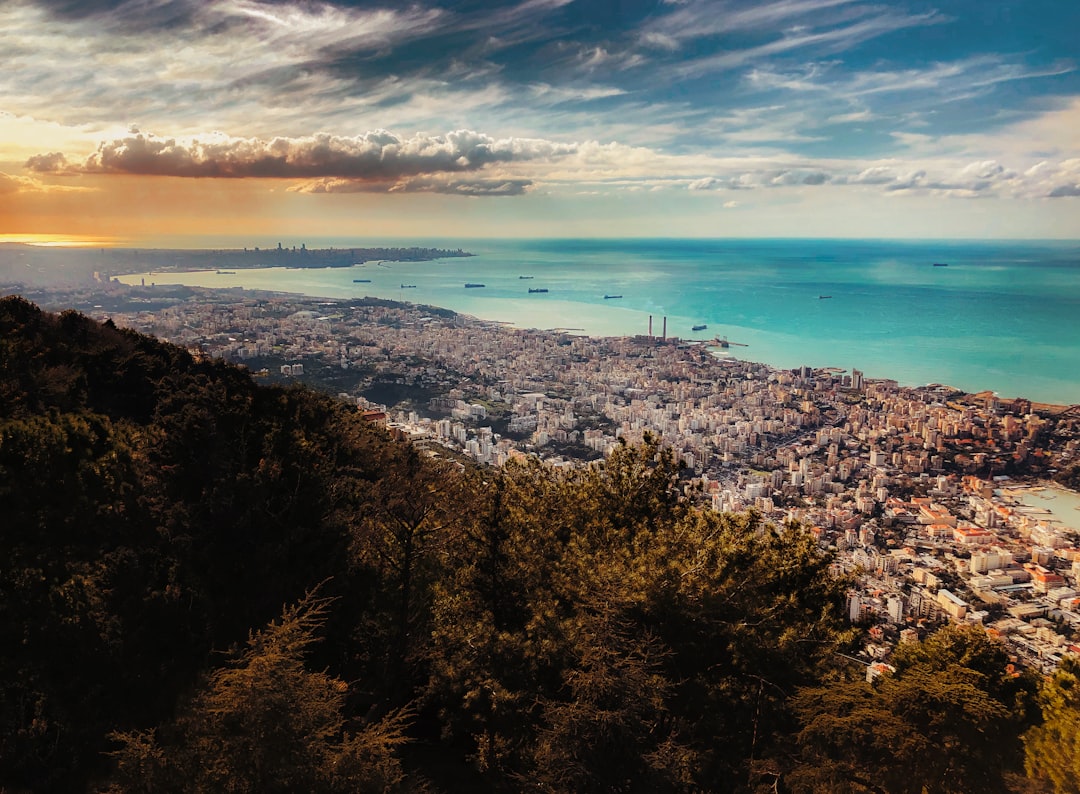
Lebanon packs extraordinary diversity into a country just 10,452 km² in size, with a capital Beirut home to 6,100,075 people and a history stretching back over 5,000 years as one of the oldest continuously inhabited regions on earth. The Lebanese coastline sits at sea level while the Mount Lebanon range peaks at 3,088 metres at Qornet es Sawda, meaning you can ski in the morning and swim in the Mediterranean by afternoon. Despite ongoing economic turbulence since 2019, Lebanon remains one of the most compelling, layered, and genuinely surprising destinations in the entire Middle East.
Top 3 Highlights at a Glance
- Jeita Grotto — A 9-km limestone cave system with an underground river — the largest stalactite on earth hangs here at 8.2 metres.
- Baalbek Roman Temples — The Temple of Jupiter contains 6 surviving columns standing 22 metres tall — the largest Roman temple complex ever built.
- Byblos Old City — Continuously inhabited for 7,000 years, this Phoenician port town holds Crusader castles directly beside working fishing harbours.
Scroll down for our complete travel guide with tips on getting there, where to stay, costs and more.
Getting There & Transport
Which airports are the best entry points into Lebanon?
Beirut–Rafic Hariri International Airport (BEY) is the only functioning commercial airport in Lebanon — full stop. There is no practical alternative entry airport. BEY handles all international traffic and sits 9 km south of Beirut’s city centre in the Khalde area. In my experience, BEY is surprisingly compact and fast to clear on arrival — immigration typically takes 20–40 minutes. My tip: avoid connecting through Amman (AMM) or Istanbul (IST) if you can book direct, as delays cascade. The honest caveat most guides omit: the airport road has historically been a flashpoint during political unrest, so always check Lebanese news 24 hours before your arrival date.
How do I get from Beirut airport to my first accommodation in Lebanon?
Take a pre-booked private transfer or licensed airport taxi — the fare to central Beirut is roughly $20–35 USD and the ride takes 15–25 minutes without traffic. In my experience, the unlicensed drivers who approach you in arrivals will quote $50+ and won’t use a meter. My tip: book through Uber Lebanon before you land — the app works at BEY and prices are transparent. The trade-off: Uber surge pricing during airport rush hours (5–8 pm) can push fares to $45. Public buses technically exist (OCFTC Line 5) for under $2, but they are unreliable, slow, and stop nowhere near most hotel districts in Hamra or Gemmayzeh.
What transport options exist within Lebanon for getting around?
Lebanon’s internal transport relies almost entirely on three options: shared minivans (service taxis), private taxis, and rental cars. Service taxis run fixed routes — a seat costs $0.50–2 USD — and they depart from Charles Helou Bus Station in Beirut for destinations like Tripoli, Sidon, and Zahle. Uber covers Greater Beirut effectively. What surprised me: Lebanon has no functioning passenger rail network — the tracks exist but haven’t operated since the 1990s civil war ended. My honest warning: road quality outside major cities is poor, signage is inconsistent, and driving culture is aggressive. For the Bekaa Valley or north Lebanon, a rental car genuinely transforms the trip.
Do I need a rental car in Lebanon?
Yes, for anything beyond central Beirut, a rental car saves hours. My tip: hire from Budget or Sixt at BEY airport — expect to pay $35–60 USD per day for a compact car including basic insurance. The Bekaa Valley, Qadisha Valley, Baalbek, and northern coastal towns like Anfeh are nearly inaccessible without one. The honest caveat: Lebanese driving is chaotic, lane discipline doesn’t exist, and parking in Downtown Beirut is a genuine ordeal. I recommend hiring for day trips from a Beirut base rather than navigating city parking daily. An international driving permit is technically required alongside your national licence — carry both.
How good is the public transport network between regions in Lebanon?
Bluntly: Lebanon’s intercity public transport is functional but uncomfortable and slow. Service shared taxis connect Beirut to most major towns — Tripoli is 85 km north and costs under $3 USD by service, though the ride takes 90 minutes. LCC buses run Beirut–Tripoli for around $1.50. What most guides omit: there is zero integrated ticketing, no published schedules online, and the last departures from regional hubs often leave before 6 pm. In my experience, the system works fine for budget travellers hitting Sidon, Tyre, and Byblos as day trips from Beirut, but relying on it for the Bekaa Valley or mountain villages will cost you flexibility and half a day.
Accommodation
Which regions of Lebanon should I stay in?
For most first-time visitors, Beirut (specifically the neighbourhoods of Gemmayzeh, Mar Mikhael, or Hamra) makes the strongest base — everything is accessible within a day trip. For beach focus, base yourself in Jounieh, 22 km north of Beirut, where waterfront hotels are cheaper. History-first travellers should consider a night in Byblos or Batroun in northern Lebanon — both walkable old towns. My honest warning: despite its beauty, basing yourself in the Bekaa Valley (Zahle) is only worth it if wine estates and Roman ruins are your primary goal, as transport back to Beirut is slow. Avoid basing in areas south of Saida unless you have specific reasons.
What does good accommodation cost per night in Lebanon?
Good mid-range hotels in Beirut cost $80–130 USD per night for a clean double room with air conditioning in Hamra or Achrafieh. Boutique guesthouses in Byblos Old Town run $70–110. Budget hostels in Beirut’s Mar Mikhael neighbourhood charge $15–25 per dorm bed. What surprised me: Lebanon’s economic crisis since 2019 means many hotels now quote prices in USD and expect USD cash payment — Lebanese Lira pricing is nearly extinct in hospitality. The trade-off: luxury hotels like Le Grey Beirut or Four Seasons offer genuinely world-class experiences at $250–400/night, but the value equation is complicated given infrastructure instability including frequent power cuts.
When should I book hotels in Lebanon — how far in advance?
Book at least 6–8 weeks ahead for travel in June, July, and August — Lebanese diaspora from the Gulf, Europe, and the Americas floods back home in summer and good mid-range rooms sell out fast. For the Byblos International Festival in July, book 3 months ahead — hotels within walking distance of the Old City are gone by April. In my experience, shoulder months (May and October) allow booking just 2–3 weeks out without issue. The honest caveat: Lebanon’s political situation can change rapidly — I strongly recommend booking fully refundable rates regardless of season, even if they cost 10–15% more. Flexible cancellation is not a luxury here, it’s a necessity.
When is the best time to travel to Lebanon?
June through September offers the most reliable weather based on verified climate analysis — warm, dry Mediterranean conditions with coastal temperatures around 28–32°C. My personal recommendation is late May or early October: the sea is still warm enough for swimming, the mountains are green, crowds are 40% thinner than peak July, and prices drop noticeably. Spring (April–May) is spectacular in the Chouf Mountains when wildflowers cover the Cedar Reserve. The honest caveat: Lebanese summers in Beirut are intensely humid and the city itself can feel overwhelming in August — if heat is a concern, base yourself 800 metres up in Bcharre or Ehden and drive down to the coast.
How does peak season affect prices in Lebanon?
July and August push hotel prices up by 30–50% compared to shoulder months. A hotel room in Jounieh that costs $70 in May regularly hits $110–130 in August. Restaurant bills in tourist areas like Zaitunay Bay in Beirut spike as weekend crowds arrive. What most guides omit: Lebanon’s peak season is driven by returning Lebanese diaspora, not Western tourists — meaning the busy period feels culturally vibrant rather than tourist-trap-ish, but it does mean locals know exactly what they can charge. My tip: restaurant lunches, even during peak season, remain relatively affordable if you eat where Lebanese families eat rather than waterfront tourist strips.
Best Time to Visit
Which regions of Lebanon have different climate zones?
Lebanon has four distinct climate zones compressed into a tiny geography. The Mediterranean coast (Beirut, Byblos, Tyre) stays mild year-round with hot summers and rainy winters. The Mount Lebanon range above 1,500 metres — including Faraya ski resort — sees heavy snow from December to March. The Bekaa Valley experiences a semi-continental climate: hotter summers reaching 38°C and colder winters than the coast. The far north around Akkar is the wettest part of the country, receiving over 1,000 mm of rain annually. In my experience, this range means you can genuinely experience four different landscapes in a single day’s drive of under 100 km.
What are the rainy seasons in Lebanon?
November through March is Lebanon’s wet season. Beirut receives most of its annual ~900 mm of rainfall between December and February, with January being the wettest month. Mountain areas above 1,800 metres receive this precipitation as heavy snow — Cedars ski resort typically opens by late December. What surprised me: Lebanese winters are genuinely cold and grey on the coast, and most beach infrastructure closes entirely. The honest trade-off: visiting in winter means empty ruins at Baalbek, uncrowded streets in Byblos Old City, and entrance fees at a fraction of summer prices — ideal for history-focused travellers who don’t mind carrying an umbrella and a warm jacket.
What does a trip to Lebanon cost per person per day?
Budget travellers spending carefully can manage $50–70 USD per day — hostels in Mar Mikhael, street shawarma, and service taxis. A comfortable mid-range traveller should budget $120–160 per day covering a decent hotel, restaurant meals, and one paid attraction. My honest experience: Lebanon feels deceptively cheap at street level (a falafel wrap costs $1.50) but adds up quickly with restaurant dinners, drinks, and tours. The critical caveat: virtually all tourism pricing is now in USD and cash is king — many ATMs are dysfunctional or dispense Lebanese Lira at unfavourable rates. Budget a 15% cash buffer beyond your estimated daily spend for unexpected USD-only transactions.
How expensive is food in Lebanon?
Food ranges dramatically. A falafel or shawarma wrap from a street stall in Hamra costs $1–2 USD. A sit-down lunch at a traditional Lebanese restaurant — mezze spread for two — runs $20–35. Dinner at a mid-range Gemmayzeh restaurant with wine averages $40–60 per person. What surprised me: Lebanese mezze culture means ordering 8–12 small dishes is the norm, so bills at decent restaurants climb faster than menus suggest. My tip: the best value meal in the country is the $4 mixed mezze plate at neighbourhood bakeries (furn) in areas like Bourj Hammoud — hummus, mutabal, and fresh bread made that morning. Tourist-facing waterfront restaurants at Zaitunay Bay charge double for the same quality.
What hidden costs should I expect in Lebanon?
Three costs catch most visitors off guard. First: generator surcharges — hotels and apartments facing daily power cuts (sometimes 12+ hours) pass generator fuel costs onto guests, adding $5–15 per night to bills not shown at booking. Second: water costs — tap water is not potable anywhere in Lebanon; budget $2–3 per day for bottled water. Third: security checkpoint delays — driving to Baalbek or south Lebanon means passing through Lebanese Army or UNIFIL checkpoints which occasionally require ID checks and add 30–45 minutes. My tip: always carry your physical passport in the car, not just a photo. These three costs together can add $15–25 per day beyond your planned budget.
Budget & Costs
How much cash should I bring to Lebanon?
Bring $300–500 USD cash per week as a mid-range traveller — more if you plan extended travel outside Beirut. Lebanon’s banking crisis means ATMs frequently dispense Lebanese Lira at terrible official rates or are empty entirely. In my experience, most hotels, tours, and restaurants outside central Beirut are cash-only in USD. The honest warning: do not rely on being able to withdraw USD from Lebanese ATMs — I’ve seen travellers stranded in Baalbek with only cards. Exchange dollars at official money changers (sarrafa) in Hamra Street or Dora for competitive rates — they’re legal, fast, and reliable. Avoid hotel exchange desks, which offer rates 10–15% worse.
Which credit cards are accepted in Lebanon?
Visa and Mastercard are accepted at upscale Beirut hotels, major supermarkets like Spinneys, and some high-end restaurants in Achrafieh and Downtown Beirut. American Express has very limited acceptance. The critical caveat most guides omit: since Lebanon’s 2019 financial collapse, many businesses that display card terminals will still ask for cash on the day — terminals malfunction, merchant accounts are frozen, or owners simply prefer USD cash. My experience: assume 70% of transactions outside five-star hotels will require cash. Even Jeita Grotto and some major tourist sites have moved to cash-only ticketing at times. Always have USD bills in small denominations — $1, $5, and $20 notes are most useful.
Which regions of Lebanon must I not miss?
Four regions are non-negotiable. Beirut itself — specifically the contrast between the rebuilt Downtown, the lived-in Gemmayzeh, and the chaotic energy of Bourj Hammoud (Beirut’s Armenian quarter). The Bekaa Valley for Baalbek’s Roman temples and Chateau Ksara winery, Lebanon’s oldest and largest at 1,857 founding date. The North Coast and Byblos — the 7,000-year-old port town is genuinely unmissable. And the Chouf Mountains for the Beiteddine Palace and Al Shouf Cedar Nature Reserve, which protects the last significant stands of the biblical Cedars of Lebanon. What surprised me: the south around Tyre (Sour) is far safer and more accessible than most foreign ministries suggest, and its Roman hippodrome is extraordinary.
What are the top tourist highlights in Lebanon?
The headline attractions: Baalbek (largest Roman temple complex in the world), Jeita Grotto (9 km cave system with underground river, $16 entry), Byblos Old City (7,000 years of continuous habitation), Beiteddine Palace (19th-century Druze emir’s palace in the Chouf Mountains), and Tyre’s Roman Hippodrome (one of the best-preserved in existence). In my experience, the Beirut National Museum on Damascus Road is consistently underrated — its Phoenician gold collection and Bronze Age artefacts rival anything in the region for $5 entry. My honest tip: don’t sleep on Batroun — a northern coastal town with a 2,300-year-old Phoenician sea wall still standing on the beach.
What experiences in Lebanon are found nowhere else on earth?
Three things are genuinely unreplicable. First: skiing in the morning and swimming in the afternoon on the same day — Faraya ski resort sits 45 minutes from Jounieh beach, making this logistically real between January and March. Second: Lebanese mezze culture as a social institution — a properly assembled table of 25+ dishes at a village restaurant in the Chouf Mountains is not just a meal but a 3-hour cultural performance. Third: Baalbek at sunrise with almost no other tourists — arrive at 7 am when the gates open and you can stand alone in front of the 22-metre Temple of Jupiter columns, which are the largest ever quarried and placed by human hands. Nothing else looks like this.
Regions & Highlights
Which areas of Lebanon are overcrowded — and what are the quieter alternatives?
Downtown Beirut’s Zaitunay Bay and Jeita Grotto are the most congested spots in summer — Jeita queues can hit 90 minutes on August weekends. Byblos harbour gets cruise-ship crowded between 10 am and 4 pm. My alternatives: instead of Zaitunay Bay, eat at the fishing harbour in Batroun (160 km north) — better food, half the price, no Instagram crowds. Instead of Jeita, combine Nahr Ibrahim gorge hiking nearby for free. The entirely overlooked region: Akkar in the far northeast — waterfalls, Roman ruins at Andarin, and zero tourist infrastructure, meaning you’ll have entire historical sites to yourself. The trade-off: Akkar requires a rental car and offline maps as mobile signal is patchy.
How many days do I need to see Lebanon properly?
7–10 days covers Lebanon’s essential highlights without feeling rushed. My recommended breakdown: 3 days Beirut (city, day trip to Byblos and Batroun), 2 days Bekaa Valley (Baalbek, Ksara winery, Zahle overnight), 2 days Chouf Mountains (Beiteddine, Cedar Reserve), 1 day Sidon and Tyre. In my experience, Lebanon is one of the most dense-per-kilometre countries in the world — driving the entire north-south length takes under 3 hours. The honest caveat: 5 days is enough for a focused highlights trip, but you’ll leave wanting more. Budget travellers rushing through in 3 days will see Beirut and Baalbek but miss the Lebanon that actually changes how you think about the Middle East.
Do I need a visa to enter Lebanon?
Citizens of around 40 countries including the USA, EU member states, UK, Canada, and Australia receive a free visa on arrival valid for 1 month, extendable at the General Security directorate in Adlieh, Beirut. The extension costs approximately $17 USD and takes 1–2 working days. The critical warning most guides omit: if your passport contains an Israeli entry stamp or Israeli border crossing evidence, you will be denied entry to Lebanon — Israeli and Lebanese law both make this binary. Additionally, as of 2026, travellers should check whether their nationality requires a pre-arranged visa through a Lebanese embassy, as the list shifts with political relations. Check General Directorate of General Security (gsn.gov.lb) directly.
What languages are spoken in Lebanon?
Arabic (Lebanese dialect) is the official and dominant language. French is widely spoken as a second language, especially in Achrafieh, Downtown Beirut, and among the Christian community — a legacy of the French Mandate period ending in 1943. English is broadly understood in Beirut, tourism sectors, and among anyone under 40. In my experience, you can navigate Lebanon entirely in English in cities. The honest caveat: in rural villages in the Bekaa Valley, Akkar, or older parts of Tripoli, you’ll encounter people who speak only Arabic — basic Arabic phrases (shukran = thank you, kam? = how much?) get genuine warmth. Menus in tourist areas are typically in Arabic, French, and English simultaneously.
What cultural rules do I need to know before visiting Lebanon?
Lebanon is more socially liberal than most of its neighbours, but key rules apply. Dress modestly when visiting mosques — women need a headscarf and covered shoulders; men need long trousers. In the Bekaa Valley’s more conservative villages, women should cover shoulders and knees in public spaces regardless. Photography of military installations, checkpoints, and the airport is strictly prohibited — I’ve seen cameras confiscated at Lebanese Army positions in the south. The important nuance: Lebanon is a multi-confessional country across 18 officially recognised religious communities — avoid expressing political opinions about Hezbollah, sectarian politics, or the Palestinian situation publicly; the conversation turns serious fast. Ramadan changes restaurant hours and public eating norms significantly.
Practical Tips
How safe is Lebanon for travellers in 2026?
Lebanon requires real situational awareness — not paranoia, but active monitoring. Beirut and the main tourist circuit (Byblos, Baalbek, Chouf, Sidon, Tyre) are functional and visited by thousands of travellers without incident. The honest assessment: the security situation can escalate with almost no warning along the southern border with Israel and in certain Tripoli neighbourhoods (Bab al-Tabbaneh). My strong recommendation: register with your country’s embassy, download the Lebanese Red Cross emergency app, check your government’s travel advisory 48 hours before each leg of the trip (not once before you fly), and avoid any area your hotel staff advises against. Travel insurance covering political evacuation is not optional in Lebanon — it’s essential.
What health precautions should I take before travelling to Lebanon?
Ensure standard travel vaccinations are current: Hepatitis A, Typhoid, and routine immunisations (MMR, Tdap). Hepatitis B is recommended for longer stays. Tap water is not safe to drink anywhere in Lebanon — drink bottled or filtered water exclusively; this is non-negotiable. In my experience, food safety in Beirut restaurants is generally reliable at mid-range establishments, but be cautious with raw shellfish from the coast during summer. The overlooked issue: Lebanon’s healthcare system has been severely strained since 2019 — pharmacies frequently lack basic medicines due to import shortages, so bring a full personal medication supply plus extras. The best hospital for emergencies is American University of Beirut Medical Center (AUBMC) — know its address (Hamra, Beirut) before you need it.
What SIM card or eSIM options are available in Lebanon?
Lebanon has two mobile operators: Alfa and touch — both are government-controlled and sell tourist SIM cards at BEY airport arrivals for approximately $10–15 USD including 5–10 GB of data. Coverage is good in Beirut and along the coast but patchy in Akkar, remote Chouf, and some Bekaa Valley valleys. My tip: buy at the Alfa or touch kiosks in the arrivals hall rather than from street vendors who sell the same cards at inflated prices. eSIM options: Airalo and Holafly both offer Lebanon eSIM packages from $6–12 USD for 1 GB — useful if you want connectivity before landing. The honest caveat: Lebanese mobile data speeds are inconsistent and international calls over the local SIM are expensive at $0.30–0.50 per minute.
Which apps do you recommend for travelling in Lebanon?
Six apps I consider essential: Uber Lebanon — more reliable than hailing street taxis and fully functional in Greater Beirut. Maps.me — download Lebanon offline before you arrive; Google Maps has significant gaps outside cities. XE Currency — essential for tracking USD-to-Lebanese Lira rates which fluctuate daily. WhatsApp — the universal communication tool in Lebanon; every hotel, tour guide, and restaurant uses it for bookings. Lebanese Red Cross (153) — emergency contacts and first aid locator. Windy — for mountain weather if hiking in the Qadisha Valley or Chouf. The honest note: mobile data can be slow enough in remote areas that offline-first apps (Maps.me over Google Maps) are the practical choice. Download everything before leaving Beirut.
What are the most common traveller mistakes in Lebanon?
Five mistakes I see repeatedly. First: bringing only cards and assuming ATMs work — they often don’t; bring USD cash. Second: booking non-refundable accommodation — Lebanon’s situation changes; always book flexible rates. Third: underestimating driving distances due to traffic — the 35 km from Beirut to Byblos can take 90 minutes in summer traffic, not 30. Fourth: visiting Baalbek without an early start — arrive at 7 am when it opens to beat tour buses that arrive from 10 am. Fifth: treating Lebanon as a single cultural monolith — Gemmayzeh feels like Lisbon, Tripoli’s old souk feels like medieval Syria, the Bekaa feels like rural Turkey — these require different mindsets and different clothing. Travellers who approach Lebanon with rigid expectations leave confused; those who embrace the contradictions leave obsessed.
Lebanon at a Glance
| Population | 6,100,075 |
|---|---|
| Currency | Lebanese pound (ل.ل.) |
| Official language | Arabic |
| Time zone | UTC+02:00 |
Source: Wikidata, retrieved August 2026.
Essential Resources for Planning Your Trip to Lebanon
- 13 Stunning Places to Visit in Lebanon — official visitor information, passes & events
- Wikipedia: Lebanon — history, geography & background
- Wikivoyage: Lebanon — community travel guide & practical tips
- Lebanon travel – Middle East — expert itineraries & travel inspiration
- THE 15 BEST Things to Do in Lebanon (2026) — hotels, restaurants & traveller reviews
- UNESCO World Heritage Sites in Lebanon — how to get around
- Numbeo: Cost of Living in Lebanon — current prices & cost comparison
- Timeanddate: Lebanon Weather & Climate — forecasts & climate statistics
- UNESCO Beirut
More Perspectives on Lebanon
Lebanon Travel Videos
Watch these videos for a visual preview before your trip:
- The ULTIMATE Lebanon Travel Guide (15 Places to visit in 2025) 🇱🇧
- Lebanon is NOT What You Think! Here’s Why
- Lebanon 🇱🇧 Travel 2024 | Top 12 MUST-SEE Places to Visit/Travel
Lebanon Travel Discussions on Reddit
Real traveller experiences and community advice:
- Help deciding whether to travel : r/lebanon
- Who is still traveling to Lebanon this summer? – Beirut
- Anyone been to Lebanon recently? Thinking about visiting …
Data Sources
This page was compiled using data from Wikipedia, Wikidata, Open-Meteo (climate), Numbeo (cost of living) and REST Countries. Information is updated regularly.