
Luxembourg: The Complete Travel Guide (2026)
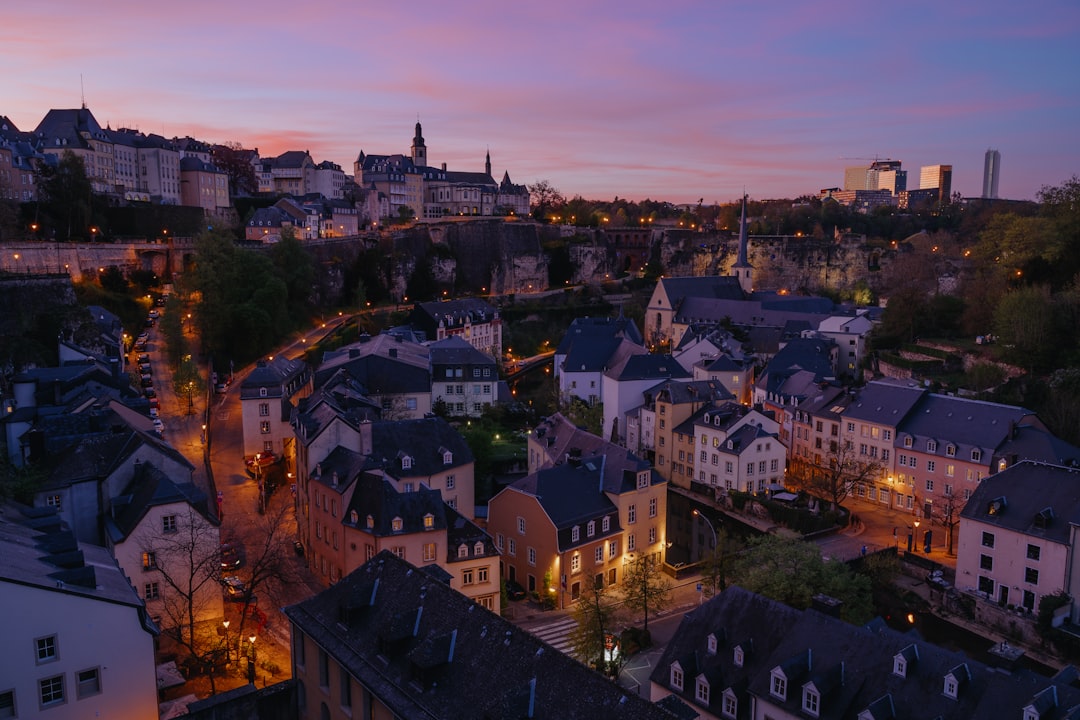
Last reviewed: October 2026 · key facts checked against Wikidata
Luxembourg Travel Guide: Everything You Need to Know (2026)
Luxembourg, officially the Grand Duchy of Luxembourg, is a landlocked microstate of 690,959 people wedged between Belgium, Germany, and France — yet it packs one UNESCO-listed capital, dramatic river gorges, and medieval castles into just 2,586 square kilometres. Founded as a county in 963 AD, it became one of the wealthiest nations on earth per capita and hosts several EU institutions in Luxembourg City. What surprises most visitors is how empty the countryside feels despite its central European location.
Top 3 Highlights at a Glance
- Luxembourg City Casemates du Bock — 17km of underground rock-carved fortification tunnels beneath the capital, carved from 963 AD — free on EU Open Monuments Day.
- Müllerthal Trail — 112km of sandstone gorge hiking nicknamed ‘Little Switzerland,’ with rock arches found nowhere else in the Benelux region.
- Vianden Castle — One of Europe’s largest preserved Romanesque-Gothic castles, perched 300m above the Our River valley on the German border.
Scroll down for our complete travel guide with tips on getting there, where to stay, costs and more.
Getting There & Transport
Which airports are the best entry points into Luxembourg?
Luxembourg Airport (LUX) is your single best entry point — it sits 6 km from Luxembourg City centre. In my experience, LUX handles all major European hubs: direct flights operate from London Heathrow, Frankfurt, Amsterdam, Paris CDG, and Munich year-round. What most guides omit: LUX is a small airport with only 4 million passengers annually, which means bag retrieval is fast and immigration queues rarely exceed 10 minutes. The honest caveat is intercontinental connections are limited — travellers from North America or Asia often connect through Frankfurt (FRA) or Brussels (BRU), both under 3 hours by car. My tip: Brussels is 2h15 by train, making it a viable alternative entry city if transatlantic fares are significantly cheaper.
How do I get from Luxembourg Airport to my first accommodation in Luxembourg?
Take Bus Line 16 directly from the airport terminal to Luxembourg City Gare Centrale (central station) — journey time is 30 minutes and costs $0, as all public transport in Luxembourg has been free since March 2020. In my experience, this makes Luxembourg the easiest country in Europe for an airport transfer. The bus runs every 10-15 minutes during daytime hours. What most guides omit: the free transport applies to standard-class travel on all national buses and trains — a genuine money-saver. A taxi to the Kirchberg EU quarter or Grund neighbourhood costs roughly $25-35 and takes under 15 minutes in light traffic, but with free buses there is no practical reason to pay for one unless you arrive after midnight.
What transport options are there within Luxembourg?
All trains, trams, and buses in Luxembourg are completely free — every single line, nationwide, including the Tram T1 through Luxembourg City and national rail connections to Clervaux, Vianden, and Ettelbruck. In my experience, this is the single most liberating aspect of travelling Luxembourg. The national rail network (CFL) connects all major towns. What surprised me: the free system covers second class only — first class still costs extra. The honest trade-off is that rural areas like the Müllerthal region have infrequent bus service, with some villages seeing only 2-3 buses per day, making a rental car genuinely useful for countryside exploration. My tip: download the CFL app for real-time departure boards before every journey.
Do I need a rental car to explore Luxembourg?
For Luxembourg City alone, no car is needed at all. For the countryside, yes — I strongly recommend renting one. In my experience, reaching Vianden Castle, the Our Valley, and deep Müllerthal gorges on public transport requires careful timetable planning and occasionally long waits. A compact rental car from Luxembourg Airport costs roughly $45-70 per day through Europcar or Hertz, and parking in rural villages is free. The honest caveat most guides skip: Luxembourg’s road network is excellent but fuel prices are among the cheapest in Western Europe — diesel averages $1.40/litre — which makes driving economical. My tip: base yourself in Luxembourg City and rent a car for just 2-3 days to explore the Ardennes and Moselle wine region, then return it.
How good is the public transport network between regions in Luxembourg?
Good between main towns, limited in rural areas. The CFL rail network reliably connects Luxembourg City to Ettelbruck (30 min), Clervaux (55 min), and Pétange (25 min) at no cost. In my experience, the train is genuinely pleasant and punctual. What most guides omit: the national bus network fills in gaps but frequencies drop sharply in the Ardennes north and Müllerthal east — some trailhead buses run once every 2 hours. The tram T1 covers Luxembourg City’s main axis from Cloche d’Or to Kirchberg efficiently. My honest trade-off: if your itinerary includes wine villages along the Moselle Valley or remote castles like Bourscheid, free public transport simply will not get you there conveniently. Plan accordingly.
Accommodation
Which regions of Luxembourg should I stay in?
Luxembourg City is the obvious first base for most visitors. The Grund and Clausen neighbourhoods sit inside the old fortified valley — atmospheric, walkable, and close to everything. In my experience, staying in Kirchberg (EU quarter) offers modern hotels at lower weekend rates but feels corporate. For countryside immersion, base yourself in Vianden (north) for castle scenery or Echternach for Müllerthal trail access — both towns have solid guesthouses. What most guides omit: Moselle Valley villages like Remich or Stadtbredimus offer vineyard guesthouses that undercut city prices by 40% while being only 30 minutes from the capital. My tip: split your stay — 2 nights in Luxembourg City, then 2 nights in Echternach or Vianden for a complete picture of the country.
What does good accommodation cost per night in Luxembourg?
Expect $130-180 per night for a solid mid-range hotel in Luxembourg City. Budget hostels in Grund start around $40-55 per dorm bed. In my experience, Luxembourg is unambiguously expensive — it mirrors Swiss or Scandinavian pricing. A mid-range dinner for 2 runs $43.50 according to current data. The Sofitel Luxembourg Europe in Kirchberg or Hotel Le Place d’Armes in the old town run $250-350 per night. What most guides omit: rural guesthouses (chambres d’hôtes) in the Ardennes or Moselle charge $70-100 for a double with breakfast — genuinely good value by local standards. My tip: book on weekdays if possible, as EU institution business travel inflates rates from Monday to Thursday significantly.
When should I book hotels in Luxembourg — how far in advance?
Book at least 6-8 weeks ahead for summer visits, 3-4 weeks for off-season. In my experience, EU summit weeks and the European court calendar fill Luxembourg City hotels unexpectedly fast — dates that look like ordinary mid-weeks can suddenly show zero availability. The Echternach International Procession in late May and the Schueberfouer fair in late August to September create local peaks. What most guides miss: small villages like Vianden have very few hotels — sometimes 3-5 properties total — meaning a single tour group can wipe out all availability. My tip: check rates on a Tuesday or Wednesday when business travellers have checked out — I have personally found $40-60 savings per night on the same properties by shifting check-in one day.
When is the best time to travel to Luxembourg?
June is the optimal month based on verified climate data — long daylight hours, blooming countryside, and manageable crowds. In my experience, May through September offers the most dependable conditions for hiking the Müllerthal and exploring castles. June specifically gives you roughly 16 hours of daylight and the Moselle vineyards in full green. What most guides omit: October is genuinely spectacular — Ardennes forest turns amber and gold, and the Vianden chairlift runs with almost no queues. Winter (December) has the Christmas markets in Luxembourg City’s Place d’Armes which are intimate and far less tourist-saturated than those in Cologne or Bruges. The honest caveat: April can still deliver cold rain and grey skies — do not underestimate it.
How does peak season affect prices in Luxembourg?
Peak summer adds roughly 30-50% to hotel rates in Luxembourg City. In my experience, July and August push mid-range rooms from $130 to $180-200 per night in the Ville Haute (upper town). Flights into LUX from London or Amsterdam see similar surges. What surprised me: Luxembourg is not a mass beach destination, so peak season here is driven by EU institutional schedules and business travel rather than pure leisure tourism. This means a Friday arrival in July can actually be cheaper than a Monday arrival in March because EU professionals leave for the weekend. The honest trade-off: shoulder months of May and September offer identical scenery at meaningfully lower costs — I would target these without hesitation for a cost-conscious trip.
Best Time to Visit
Which regions of Luxembourg have different climate zones?
Luxembourg has two distinct micro-climates despite its tiny size. The Oesling (Ardennes) in the north sits at elevations up to 560m and receives significantly more rain and snow — winters can see 30-50 cm of snow and temperatures drop to -5°C to -10°C. In my experience, hiking the northern Ardennes in November feels like a different country from the south. The Gutland (Good Land) in the south — including the Moselle Valley and Luxembourg City — is warmer, sunnier, and sheltered, producing actual wine grapes at the Wormeldange and Remich appellations. What most guides omit: the Moselle corridor is one of the northernmost sparkling wine regions in Europe, and its microclimate explains why. My tip: pack layers if hiking north in any shoulder season.
What are the rainy seasons in Luxembourg?
Luxembourg has no distinct dry season — rain is distributed year-round. In my experience, November through February brings the most persistent grey drizzle, particularly in the Ardennes north. Spring (March-April) delivers unpredictable showers. What most guides omit: Luxembourg receives roughly 800-900mm of annual rainfall, similar to the UK, meaning even summer months see regular afternoon thunderstorms — especially in July and August in the northern highlands. The honest caveat: there is no truly rain-free window, so pack a waterproof jacket regardless of month. My tip: the Müllerthal gorges are actually dramatically atmospheric in light rain — sandstone turns deep orange and crowds disappear entirely. I have walked the Mullerthal Trail Route 1 in October drizzle and found it more beautiful than any sunny July photo I have seen.
What does a trip to Luxembourg cost per person per day?
Budget $80-100/day for careful travellers, $150-200/day at mid-range. Since all public transport is free, ground movement costs $0, which genuinely helps. A cheap meal runs $22 and a mid-range dinner for 2 is $43.50 per current Numbeo data. In my experience, accommodation is the dominant expense — budget hostels in Grund from $45/night push the budget floor up. A mid-range day with a museum entry ($10-15), lunch at a brasserie ($25), dinner ($25-30), and a guesthouse ($80-100) lands around $150. What most guides omit: museum entry in Luxembourg City is actually low — the MUDAM contemporary art museum charges $12 and the National Museum of History and Art is free on the first Sunday of each month. Alcohol is relatively cheap — a local Diekirch beer costs $4-5 in a bar.
How expensive is food in Luxembourg?
Food in Luxembourg is expensive by European standards — budget $22 minimum for a solo cheap meal. A mid-range two-person dinner costs $43.50 per verified Numbeo data. In my experience, the best value is eating at lunchtime menus — many Luxembourg City brasseries in the Clausen district offer a two-course plat du jour for $16-20, which is the same kitchen as the evening menu at twice the price. Supermarkets (Cactus and Delhaize) are genuinely affordable for self-catering — a quality sandwich and drink costs $7-9. What most guides omit: cross-border dining in Remich near the French border saves 20-30% on similar food quality. My tip: avoid the tourist restaurants immediately surrounding Place Guillaume II — they charge a landmark premium of roughly 25% over comparable places 3 streets away.
What hidden costs should I expect when visiting Luxembourg?
Parking in Luxembourg City costs $2.50-4 per hour — the biggest surprise for drivers. In my experience, the free public transport creates a false sense that everything is cheap, then parking fees, museum cafes, and hotel minibar pricing hit hard. What most guides omit: Luxembourg charges a tourist tax (taxe de séjour) of $2-4 per person per night in most hotels — it is rarely included in booking platform prices. Vineyard wine tasting in the Moselle Valley is technically free at many estates but buying bottles is expected and prices run $12-20 per bottle. What surprised me: tipping culture is understated — service is included in restaurant bills but rounding up 5-10% is normal. My tip: book accommodation with breakfast included — standalone breakfasts in Luxembourg City cafes run $12-18 and erode your daily budget fast.
Budget & Costs
How much cash should I bring to Luxembourg?
Bring $50-80 in euros as a safety reserve — cashless is the norm. In my experience, Luxembourg is one of the most card-friendly countries in Europe — I spent an entire 3-day trip using contactless payment for everything except a market purchase. ATMs (Bancomat) are widely available across Luxembourg City and in most town centres like Ettelbruck and Esch-sur-Alzette. What most guides omit: a handful of rural farm shops, hiking trail kiosks, and Ardennes village cafes are cash-only — and the nearest ATM might be 15 km away in a smaller village. The honest caveat: dynamic currency conversion at ATMs will cost you 3-5% — always select local currency (EUR) when prompted. My tip: withdraw euros at your home bank before departure if your bank charges low foreign ATM fees.
Which credit cards are accepted in Luxembourg?
Visa and Mastercard are accepted virtually everywhere in Luxembourg. American Express works at larger hotels and restaurants but is refused at roughly 30% of smaller establishments in my experience. The Bancontact system (Belgian debit network) also works widely given the cross-border population. What most guides omit: contactless payment via Apple Pay and Google Pay is exceptionally well-adopted — I used Google Pay in petrol stations, supermarkets, and museum gift shops without a single rejection in Luxembourg City or Echternach. The honest caveat: always carry a PIN-enabled card, not just a contactless one — some older terminals in rural areas require chip-and-PIN. My tip: notify your bank before travel regardless, as Luxembourg transactions sometimes trigger fraud alerts due to its high average transaction values.
Which regions of Luxembourg must I not miss?
Three regions stand out: Luxembourg City, the Müllerthal, and the Moselle Valley. Luxembourg City’s Casemates, Bock promontory, and Grund quarter are genuinely world-class. In my experience, skipping the Müllerthal (Little Switzerland) is the most common mistake — the sandstone landscape along Route 1 between Echternach and Berdorf is like nothing else in the Benelux region. The Moselle Valley from Schengen to Wasserbillig produces surprising sparkling wines and Rieslings you can taste directly at estate cellars. What most guides omit: the Our Valley and Vianden in the north is the most dramatically scenic area — the Victor Hugo House Museum in Vianden is authentic and rarely crowded. My tip: the Ardennes north around Clervaux rewards travellers who push past the obvious sights with real solitude.
What are the tourist highlights of Luxembourg?
The top unmissable sights are the Casemates du Bock, Vianden Castle, and the Müllerthal Trail. In my experience, Luxembourg City’s old town — a UNESCO World Heritage Site since 1994 — is genuinely extraordinary, with the Alzette River valley visible 70 metres below the cliff-edge Chemin de la Corniche. Vianden Castle, fully restored and open year-round, is one of Europe’s great medieval fortresses. The Müllerthal Trail’s 112 km of waymarked paths through eroded sandstone are free to walk. What most guides omit: the American Military Cemetery at Hamm — where General Patton is buried — is free, moving, and only 4 km from Luxembourg City centre. My tip: the Bourscheid Castle ruins north of Ettelbruck are visited by a fraction of those who go to Vianden but are equally impressive.
What experiences in Luxembourg are found nowhere else on earth?
Walking the Casemates — 17 km of underground military tunnels beneath a living city — is unique worldwide. In my experience, no other capital city has fortifications on this scale integrated into its daily urban fabric. The Schueberfouer fair, held every year since 1340 in Luxembourg City, is one of Europe’s oldest travelling fairs — still running as a major funfair in late August. What surprised me: Luxembourg produces sparkling Crémant de Luxembourg using the same méthode traditionnelle as Champagne, from vineyards facing the Moselle — and you can taste it free at Caves Bernard-Massard in Grevenmacher. The honest caveat: some of these experiences require timing your visit carefully around opening seasons. My tip: the Echternach Dancing Procession (UNESCO Intangible Heritage, held on Whit Tuesday) is genuinely extraordinary and seen by few foreign tourists.
Regions & Highlights
Which areas of Luxembourg are overcrowded — and what are the quieter alternatives?
Luxembourg City’s Chemin de la Corniche gets genuinely crowded from 10am-4pm daily in summer. In my experience, Vianden Castle draws tour buses from 11am-2pm — arrive before 9:30am or after 3:30pm for a peaceful visit. What most guides omit: the Müllerthal Route 1 near Echternach is busy on sunny weekends but Routes 2 and 3 through Consdorf and Larochette see a fraction of the foot traffic with equally beautiful scenery. The Moselle wine villages around Wormeldange are quieter than Remich by a significant margin — same landscape, fewer tourist coaches. My tip: the Esch-sur-Sûre village and surrounding reservoir in the northwest is arguably Luxembourg’s most scenic village yet sees almost no international tourists — a genuinely overlooked gem under 45 minutes from the capital.
How many days do I need to properly see Luxembourg?
Minimum 4 days, ideally 6-7 days for the full country. In my experience, 2 days in Luxembourg City covers the Casemates, Corniche, Grund quarter, and MUDAM comfortably. Day 3 in Müllerthal hiking. Day 4 in Vianden. Days 5-6 for Moselle wine country and the Ardennes north. What most guides omit: Luxembourg rewards slow travel — the country is only 82 km from north to south, so you are never far from your base, which makes day trips extremely efficient. The honest trade-off: a rushed 2-day visit to the capital alone misses 80% of what makes Luxembourg exceptional. My tip: if you have only a weekend, stay in the Grund neighbourhood, walk the fortifications, take the train to Echternach for 4 hours, and you will leave with a genuinely strong impression of the country.
Do I need a visa to visit Luxembourg?
EU/EEA citizens need no visa — just a valid ID card. Luxembourg is a Schengen Area member, so travellers from the USA, Canada, Australia, UK, and most other Western nations get 90 days visa-free within any 180-day period. In my experience, border crossings between Luxembourg, Belgium, Germany, and France are completely open — I have crossed multiple times without any passport check. What most guides omit: the UK post-Brexit no longer has freedom of movement, but Britons still enter visa-free for tourism under the 90/180 rule. The honest caveat: ETIAS (European Travel Information and Authorisation System) is expected to launch in 2025-2026 — travellers from visa-exempt non-EU countries including the USA, UK, and Australia will need to register online for approximately €7 before entering any Schengen country. Check current status before your 2026 trip.
What languages are spoken in Luxembourg?
Luxembourg has three official languages: Luxembourgish, French, and German. In my experience, English is the fourth working language in practice — EU institutions and the financial sector have made it near-universal in Luxembourg City. Street signs are in Luxembourgish, restaurant menus switch between French and German, and shop staff will address you first in Luxembourgish or French. What most guides omit: Luxembourgish (Lëtzebuergesch) is a genuine Germanic language, not a dialect — learning 3 words like ’Moien’ (hello) and ’Merci villmols’ (thank you very much) earns immediate warmth. The honest caveat: in deep rural villages of the Ardennes north, older residents may speak limited English — German or French will serve you better there. My tip: download a Luxembourgish phrasebook on Google Translate — locals genuinely appreciate any effort.
What cultural rules do I need to know before visiting Luxembourg?
Punctuality, quiet demeanour, and greeting shopkeepers are the three key rules. In my experience, walking into a shop or restaurant in Luxembourg without saying ’Moien’ or ‘Bonjour’ is considered genuinely rude — the greeting culture is strong. What surprised me: Luxembourg is extremely environmentally conscious — littering even a cigarette butt in public areas can result in fines up to $500. Sundays are genuinely quiet — most shops close except in Cloche d’Or shopping centre and tourist zones, so stock up on Saturday. What most guides omit: Luxembourg has strict rules around noise after 10pm in residential areas — the Grund valley amplifies sound and complaints to police from residents are not uncommon during summer weekends. My tip: tipping 5-10% in restaurants is polite but never obligatory — service charge is already included in prices.
Practical Tips
How safe is Luxembourg?
Luxembourg is one of the safest countries in Europe — violent crime against tourists is extremely rare. In my experience, I have walked Grund and Clausen at midnight without any concern. Luxembourg City consistently ranks in the top 10 safest capitals globally by the Global Peace Index. What most guides omit: petty theft exists around Gare Centrale (central station) — the area immediately around the station has occasional pickpocketing and low-level drug activity, notably unlike the rest of the city. The honest caveat: Esch-sur-Alzette, Luxembourg’s second city, has rougher neighbourhoods not suitable for aimless night wandering. My tip: the biggest safety risk in Luxembourg is underestimating trail conditions in the Müllerthal — wet sandstone paths become genuinely slippery, and ankle injuries are the most common travel incident I have heard of among hikers there.
What health precautions should I take before visiting Luxembourg?
No vaccinations are required for Luxembourg beyond standard routine immunisations. In my experience, the country has excellent water quality — tap water throughout Luxembourg is safe to drink directly and some of the best I have tasted in Europe. What most guides omit: tick-borne encephalitis (TBE) is present in forested areas, particularly in the Müllerthal and Ardennes — if you plan extensive hiking, a TBE vaccination is worth considering, especially for long trail days. The honest caveat: TBE vaccination requires two doses spaced 4 weeks apart, so plan well ahead of departure. European Health Insurance Card (EHIC for EU citizens or GHIC for UK citizens) provides emergency medical coverage — Luxembourg’s healthcare system is world-class but bills without coverage run very high. My tip: bring a standard travel insurance policy with medical evacuation coverage regardless.
What SIM card or eSIM options are available in Luxembourg?
Buy a POST Luxembourg SIM at the airport arrivals hall for immediate connectivity. In my experience, POST Telecom Luxembourg is the dominant carrier with the best rural coverage — essential if you are hiking the Müllerthal or driving the Ardennes. A tourist SIM with 10GB data costs approximately $15-20 at the airport or any POST shop in the city. What most guides omit: EU roaming rules mean EU citizens pay domestic rates across all of Luxembourg — no extra charge needed if you already have a European SIM. For non-EU travellers, eSIM providers like Airalo or Holafly offer Luxembourg/Benelux data packages from $10 for 5GB — activatable before you land. The honest caveat: coverage in the deep Our Valley gorge near Vianden drops to 2G on all networks — download offline maps before heading there.
Which apps do you recommend for travelling Luxembourg?
Download CFL (national rail), Waze, and Maps.me before you land. In my experience, the CFL app (Luxembourg national railways) is the essential tool — it gives real-time departures, free journey planning, and works offline for timetables. Maps.me with Luxembourg downloaded offline is invaluable in the Müllerthal where data drops. What surprised me: Visit Luxembourg (official tourism app) has a genuinely useful trail map function for the Müllerthal Trail with GPS waypoints — one of the better national tourism apps I have used. For restaurant hunting, The Fork (TheFork) works well in Luxembourg City with real-time booking. Google Maps covers Luxembourg comprehensively but burns data — download the offline Luxembourg map (roughly 80MB). My tip: Waze is universally used by Luxembourg drivers for real-time traffic on the A1 and A6 motorways which see significant cross-border commuter congestion.
What are the most common traveller mistakes when visiting Luxembourg?
The biggest mistake is treating Luxembourg as a half-day stop between Brussels and Frankfurt. In my experience, visitors who arrive on a day trip from Trier or Brussels see the Corniche and one café and leave thinking they have seen the country. What most guides omit: not using the free public transport is a significant and unnecessary expense — I still meet tourists who paid $25 for taxis unaware that the bus was free. Underestimating food costs is common — budget travellers used to Eastern European prices get shocked paying $22 for a basic meal. The honest caveat: visiting in July-August without pre-booked accommodation leaves you competing with EU institutional summer events for the last available rooms. My tip: the most painful mistake I have seen repeatedly is skipping the countryside entirely — the capital is stunning, but the Müllerthal and Vianden are what make Luxembourg genuinely unforgettable.
Luxembourg at a Glance
| Population | 690,959 |
|---|---|
| Currency | EUR (€) |
| Official language | Luxembourgish, French, German |
| Time zone | UTC+01:00 |
Source: Wikidata, retrieved October 2026.
Essential Resources for Planning Your Trip to Luxembourg
- Visit Luxembourg: Welcome to Luxembourg — official visitor information, passes & events
- Wikipedia: Luxembourg — history, geography & background
- Wikivoyage: Luxembourg — community travel guide & practical tips
- Luxembourg travel – Europe — expert itineraries & travel inspiration
- THE 15 BEST Things to Do in Luxembourg (2026) — hotels, restaurants & traveller reviews
- Visit Luxembourg: Welcome to Luxembourg — how to get around
- Numbeo: Cost of Living in Luxembourg — current prices & cost comparison
- Timeanddate: Luxembourg Weather & Climate — forecasts & climate statistics
- Accessible cultural tourism in the Old City of Luxembourg
More Perspectives on Luxembourg
- Visit Luxembourg: Welcome to Luxembourg
- How to Spend Two Nights & One Day in Luxembourg City
- A Complete Luxembourg Travel Guide
Luxembourg Travel Videos
Watch these videos for a visual preview before your trip:
- Luxembourg Travel Guide – How To See The City In One Day!
- Luxembourg Travel Guide | What to Eat & See in Luxembourg City | Tiny Capital with Big Surprises
- Discover Luxembourg – from Notre Dame Cathedral to the Chemin de Corniche
Luxembourg Travel Discussions on Reddit
Real traveller experiences and community advice:
- Luxembourg – worth a day? : r/travel
- Luxembourg City worth visiting? : r/travel
- What to do in Luxembourg for a weekend trip ! (From a local)
Data Sources
This page was compiled using data from Wikipedia, Wikidata, Open-Meteo (climate), Numbeo (cost of living) and REST Countries. Information is updated regularly.