
Mexico: The Complete Travel Guide (2026)
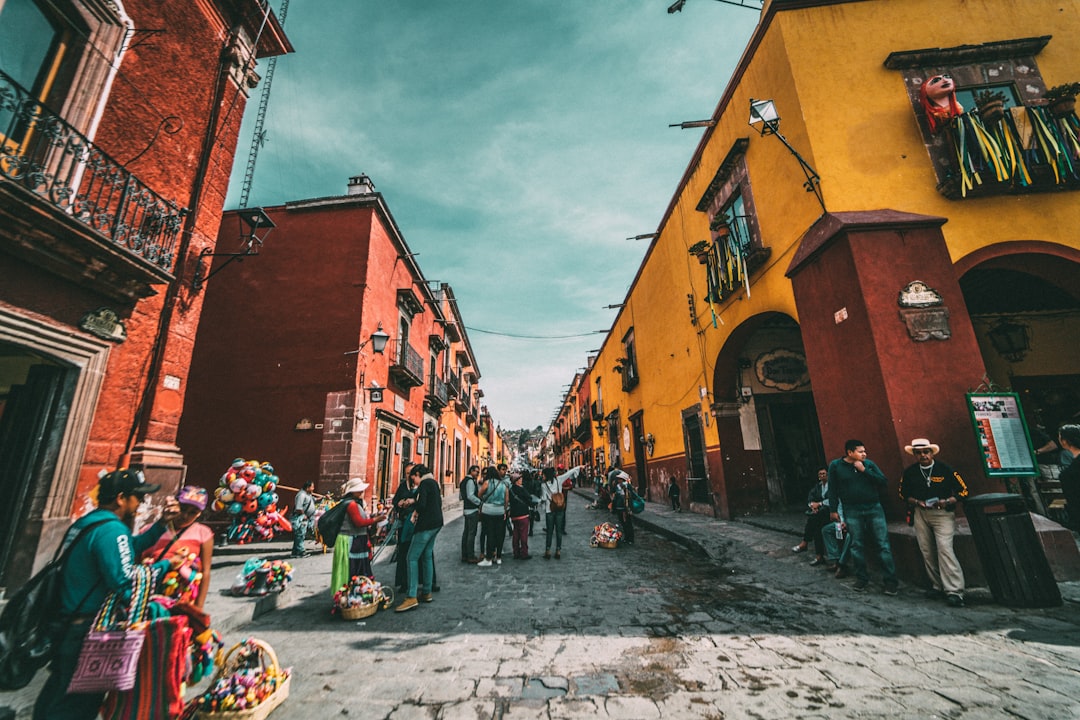
Last reviewed: August 2026 · key facts checked against Wikidata
Mexico Travel Guide: Everything You Need to Know (2026)
Mexico, officially the United Mexican States, is home to 132,274,416 people and spans 1,964,375 km², making it the 13th largest country on Earth. Founded as an independent nation in 1821, it stretches from the Sonoran Desert in the north to tropical rainforests bordering Guatemala and Belize in the south. With 35 UNESCO World Heritage Sites and coastlines on both the Pacific Ocean and the Caribbean Sea, it rewards travelers who go beyond the resort zones.
Three Things Not to Miss in Mexico
- Chichén Itzá — The 30-meter El Castillo pyramid is one of the New Seven Wonders of the World and aligns perfectly with the equinox sun.
- Mexico City’s Historic Centre — Built directly over the Aztec capital Tenochtitlán, the Zócalo plaza sits at 2,240 meters altitude with free murals by Diego Rivera.
- Cenotes of the Yucatán Peninsula — Over 6,000 flooded sinkholes offer crystal-clear freshwater swimming inside an ancient Mayan underground river network.
Scroll down for our complete travel guide with tips on getting there, where to stay, costs and more.
Arriving in Mexico: Airports & Transport
Which airports are the best entry points into Mexico?
Mexico City Benito Juárez (MEX) and Cancún International (CUN) handle the overwhelming majority of international arrivals. In my experience, MEX is your hub if you’re exploring central Mexico, Oaxaca, or the Pacific coast — it connects to 60+ domestic routes. CUN is the gateway for the Yucatán Peninsula and Caribbean resorts. My tip: Guadalajara (GDL) is criminally underused as an entry point for western Mexico, often with cheaper fares than MEX. What surprised me: Los Cabos (SJD) in Baja California is now the third busiest international airport for Americans but serves almost exclusively resort travelers. Warning — MEX Terminal 1 and Terminal 2 are not connected airside, so double-check your connection terminal before booking.
How do I get from the airport to my first accommodation in Mexico?
Take the Metro Line 5 from MEX airport directly to downtown Mexico City for MXN 5 (roughly USD 0.25) — the cheapest airport transfer on the planet. In my experience, authorized TAXIMEX taxis from the official booth inside arrivals cost around MXN 250–350 to the Centro Histórico or Roma neighborhoods, taking 25–45 minutes depending on traffic. My tip: never flag a street taxi outside MEX — use the prepaid booths only. In Cancún, the ADO bus to the Hotel Zone costs MXN 104 and takes 30 minutes; the shared shuttle colectivo runs MXN 200–350 per person. Warning — many ‘official-looking’ private transfer desks in arrivals halls charge 4x the fair rate; book transfers in advance through your hotel or the airport’s licensed counters only.
What transport options are there within Mexico?
Mexico has three practical layers of internal transport. ADO and ETN long-distance buses are the backbone — comfortable, air-conditioned, and connecting nearly every city. A Mexico City to Oaxaca bus ticket costs MXN 500–700 and takes 6 hours. Domestic flights via Aeromexico, Volaris, and VivaAerobus cover the big distances fast; a MEX–CUN ticket can be as cheap as MXN 800 booked 6 weeks ahead. In my experience, first-class buses in Mexico rival European standards and are safer than driving yourself at night. My tip: the Maya Train (Tren Maya), opened in 2023, now connects Cancún to Palenque across the Yucatán — tickets start at MXN 480 and it’s genuinely scenic. Warning — second-class rural buses lack AC and operate on unpredictable schedules in remote Sierra Madre areas.
Do I need a rental car in Mexico?
It depends entirely on your itinerary. In my experience, for Mexico City, Oaxaca city, and the Cancún Hotel Zone you absolutely do not need one — buses and ride-shares work perfectly. However, for Baja California, the Copper Canyon (Barrancas del Cobre), rural Chiapas, and the Pacific Mixtec Coast around Mazunte, a car transforms your trip. Budget USD 35–60 per day for a standard manual car from agencies like Europcar at Guadalajara Airport. My tip: always pay for the full CDW insurance from the rental company — Mexican third-party insurance sold at the counter is legally required and non-negotiable. Warning — driving at night in rural Guerrero, Michoacán, and parts of Tamaulipas carries real security risks; most travel advisories specifically flag night driving in these states.
How good is the public transport network between regions in Mexico?
Between major cities, Mexico’s intercity bus network is genuinely excellent. ADO GL and ETN operate luxury coaches with reclining seats, onboard wifi, and punctual schedules connecting Mexico City, Guadalajara, Puebla, Oaxaca, Mérida, and Cancún. What surprised me: the bus terminal in TAPO (Mexico City’s eastern terminal) alone dispatches over 1,000 buses daily. The new Tren Maya adds a rail option across the Yucatán for the first time in decades. My tip: for remote states like Nayarit’s Sierra or the Chihuahua highlands, colectivos — shared minivans — are the only option and cost MXN 20–80 per hop. Warning — the public transport network between northern border cities like Reynosa and Matamoros and their surroundings is functional but operates in areas with elevated safety concerns for foreign travelers.
Accommodation Across Mexico
Which regions of Mexico should I stay in?
Base yourself in Mexico City’s Roma Norte or Condesa for urban culture — walkable, full of restaurants, and central. For colonial architecture, San Miguel de Allende’s Centro Histórico or Oaxaca Centro are the gold standards. Beach travelers should choose between the Riviera Maya (Tulum or Playa del Carmen over Cancún’s Hotel Zone) for Caribbean culture or Sayulita in Nayarit for Pacific surf vibes. In my experience, Oaxaca offers the best single-destination combination of food, indigenous culture, and day-trip archaeology. My tip: Mérida in the Yucatán is the most underrated urban base in Mexico — safe, walkable, with Chichén Itzá just 120 km away and a booming restaurant scene. Warning — staying exclusively in Cancún’s Hotel Zone means you leave Mexico having experienced essentially none of it.
What does good accommodation cost per night in Mexico?
Good accommodation costs USD 60–120 per night for a well-reviewed mid-range hotel in most Mexican cities. In my experience, a boutique hotel in Oaxaca Centro runs USD 75–110, while an equivalent room in Mexico City’s Roma Norte sits at USD 80–130. Tulum’s design hotels demand a premium — expect USD 150–300 for anything close to the beach road. My tip: hacienda-style hotels in Mérida deliver colonial grandeur for just USD 70–100 per night — far better value than comparable Tulum properties. Budget hostels in Oaxaca and Mexico City cost USD 15–25 per dorm bed. Warning — Airbnb in popular neighborhoods like Tulum and Roma Norte has inflated prices significantly since 2022, often exceeding boutique hotel rates without the service.
When should I book hotels in Mexico — how far in advance?
Book at least 3 months ahead for peak periods. In my experience, Día de los Muertos in Oaxaca (October 31–November 2) sells out 4–6 months in advance — I’ve seen entire hotel inventories disappear in 48 hours after the dates are confirmed on booking platforms. Semana Santa (Easter week) and Christmas–New Year require the same lead time, especially in San Cristóbal de las Casas and San Miguel de Allende. My tip: for shoulder season travel in May or September, 2–4 weeks advance booking is usually sufficient, and you’ll find genuine last-minute deals in Mérida. Warning — the Tulum hotel zone operates with non-refundable policies almost universally; book refundable rates even at a premium if your dates are uncertain, because flight disruptions to Tulum’s Felipe Carrillo Puerto Airport (TQO) are common.
When is the best time to travel to Mexico?
March through May is the sweet spot for most of Mexico. Based on 5-year climate analysis, the best travel months are March, April, May, June, July, August, and September — but the practical peak is March–May before summer heat peaks. In my experience, March and April deliver dry, warm weather across the Yucatán, Oaxaca, and Mexico City simultaneously. October and November are my personal favorite months — the rainy season ends, Día de los Muertos transforms Oaxacan cemeteries into unforgettable spectacles, and crowds thin. My tip: July and August are hot and humid on both coasts but excellent for Mexico City at 2,240 meters altitude, where temperatures stay pleasant at 18–24°C. Warning — June through October is Atlantic hurricane season; the Caribbean and Gulf coasts carry genuine storm risk, with September being statistically the most active month.
How does peak season affect prices in Mexico?
Peak season inflates Mexico hotel prices by 40–80% compared to low season. In my experience, a Tulum beachfront room that costs USD 180 in October jumps to USD 320+ in late December. Cancún’s Hotel Zone operates on Christmas and New Year surcharges that can triple rack rates. My tip: domestic Mexican tourism drives prices up just as hard as international tourism — Semana Santa sees Mexican families filling resorts from Acapulco to Puerto Vallarta, making it as expensive as European peak season. The most price-sensitive window is September and October, when the combination of hurricane season anxiety and post-summer Mexican school calendars drops occupancy sharply. Warning — San Miguel de Allende during its September Independence Day celebrations is a notable exception: prices spike hard in mid-September despite technically being low season, and rooms within 2 blocks of the Jardín Principal become genuinely scarce.
Mexico Season by Season
Which regions of Mexico have different climate zones?
Mexico contains 12 of the world’s 13 major climate zones — a staggering range for a single country. The Sonoran and Chihuahuan Deserts in the north see summer temperatures above 45°C and near-freezing winter nights. Mexico City sits at 2,240 meters, giving it a permanent spring climate averaging 18–22°C year-round. The Yucatán Peninsula is tropical, hot, and humid all year with a defined rainy season. Chiapas transitions from coastal heat to cool highland towns like San Cristóbal de las Casas at 2,200 meters, where you’ll need a jacket even in summer. In my experience, Oaxaca at 1,550 meters has the most pleasant year-round climate in the country. Warning — Los Tuxtlas in Veracruz receives over 4,000mm of annual rainfall, making it Mexico’s wettest region and genuinely difficult to visit outside of February–April.
What are the rainy seasons in Mexico?
Mexico’s main rainy season runs June through October across most of the country. In my experience, afternoon thunderstorms in Mexico City during July–September are intense but short — typically 1–2 hours — and rarely ruin a full day. The Pacific Coast from Mazatlán to Puerto Escondido receives its heaviest rainfall July–September, with some roads washing out. The Yucatán Peninsula rainy season peaks September–October, coinciding exactly with Caribbean hurricane season. My tip: Baja California’s southern tip (Los Cabos) has a different pattern — it’s technically desert and receives less than 180mm annually, making it a year-round destination. Warning — Tabasco and Chiapas lowlands experience flooding severe enough to close roads every year in September–October; if you’re visiting Palenque ruins, stick to November–April to avoid trails turning into rivers.
What does a trip to Mexico cost per person per day?
Budget travelers can manage USD 40–55 per day staying in hostels and eating at markets. A comfortable mid-range trip in Mexico costs USD 100–150 per day per person, covering a boutique hotel, 3 meals, entry fees, and local transport. In my experience, Oaxaca and Mérida are the best value mid-range destinations — your USD 120 daily budget feels luxurious there. Tulum is the outlier: the same budget feels tight, as a single beachfront dinner can cost USD 60. My tip: allocate a separate USD 15–25 per day for entry fees if you’re on an archaeology circuit — Monte Albán charges MXN 90, Chichén Itzá MXN 657, and Teotihuacán MXN 90. Warning — alcohol costs are deceptively high in resort towns; a single mezcal cocktail in Tulum can run MXN 280–350 (USD 16–20), easily blowing a daily budget.
How expensive is food in Mexico?
Street food and market meals are genuinely cheap in Mexico. In my experience, 3 tacos at a taquería in Oaxaca cost MXN 45–60 (USD 2.50–3.50), and a full comida corrida set lunch in a local restaurant runs MXN 80–120 (USD 4.50–7). A mid-range restaurant dinner for two with drinks costs MXN 600–1,200 (USD 35–70) in Mexico City’s Polanco or Condesa. My tip: the Mercado 20 de Noviembre in Oaxaca is the best single food experience in the country — eat a full tlayuda with grilled tasajo beef for MXN 120. Warning — tourist-facing restaurants in Tulum’s La Veleta neighborhood now charge Mexico City Polanco prices without the culinary quality; always walk one block off the main tourist strip to find honest local pricing, where the same dish can cost 60% less.
What hidden costs should I expect in Mexico?
Expect these costs most guides skip. First, the airport departure tax is sometimes not included in budget airline fares — verify before booking with Volaris or VivaAerobus. Second, cenote entry fees in the Yucatán add up fast: Gran Cenote near Tulum charges MXN 450, Ik Kil charges MXN 180, and prices have risen 30% since 2022. Third, colectivo bag fees — rural shared taxis often charge MXN 10–20 per large bag. In my experience, the stealth cost that surprises most travelers is mezcal tourism in Oaxaca: a palenque tasting tour runs USD 60–90 per person, and it’s hard to resist. My tip: budget MXN 200–300 daily for tips — tipping is genuinely expected at 10–15% in restaurants, and hotel housekeeping staff earn poverty wages without them. Warning — ATM fees in tourist zones can hit MXN 60–120 per withdrawal; use HSBC or Citibanamex ATMs which typically charge the lowest fees.
Budgeting Your Mexico Trip
How much cash should I bring to Mexico?
Carry MXN 1,500–2,500 (USD 90–150) in cash at all times outside major cities. In my experience, markets, street food stalls, colectivos, small museums, and rural guesthouses across Mexico are cash-only, and ATMs in small towns like Huatulco or Bacalar run out of money on weekend evenings. My tip: withdraw cash from airport ATMs on arrival — Citibanamex at MEX airport gives a fair exchange rate and charges MXN 30 per transaction. Avoid exchanging currency at hotel desks, which typically offer 8–12% below market rate. The live USD to MXN rate as of 2025 hovers around MXN 17–18 per dollar — confirm current rates on arrival. Warning — counterfeit MXN 200 and MXN 500 notes circulate in tourist markets; check for the security thread and watermark when receiving change, especially in Tepito market in Mexico City or bus station kiosks.
Which credit cards are accepted in Mexico?
Visa and Mastercard are accepted at the vast majority of hotels, larger restaurants, and supermarkets in urban Mexico. In my experience, American Express works reliably at upscale hotels and Liverpool and Palacio de Hierro department stores but fails at 40% of mid-range restaurants. My tip: notify your bank before travel — Mexican POS terminals trigger fraud alerts with alarming frequency, and having your card blocked in San Cristóbal de las Casas on a Sunday is a genuine nightmare. Contactless payments via Apple Pay and Google Pay work at OXXO convenience stores and most modern restaurants in Mexico City and Guadalajara. Warning — surcharges of 3–5% for card payments are technically illegal in Mexico but widely applied in tourist shops and smaller hotels; always ask “¿hay cargo por tarjeta?” (is there a card charge?) before paying, or negotiate a cash discount of equivalent value.
Which regions of Mexico must I not miss?
Four regions are non-negotiable. Oaxaca — the state, not just the city — combines the best food in Mexico, living Zapotec culture, and ruins like Monte Albán perched at 1,940 meters. The Yucatán Peninsula has the Mayan archaeological circuit, Caribbean cenotes, and Mérida’s colonial grandeur. Mexico City’s Historic Centre and Roma-Condesa corridor represent one of the world’s great urban experiences. And Chiapas — specifically San Cristóbal de las Casas, the Sumidero Canyon, and Palenque ruins — is the most visually dramatic state in the country. In my experience, travelers who skip Chiapas because of outdated safety perceptions miss the most photogenic region in Mexico. My tip: connect Oaxaca and Chiapas overland via the Tehuantepec Isthmus bus route — it takes 8 hours but reveals a Mexico that almost no tourist sees.
What are the tourist highlights of Mexico?
The anchors are Chichén Itzá (the most visited archaeological site in Mexico with over 2.5 million annual visitors), Teotihuacán (just 50 km northeast of Mexico City, with the 65-meter Pyramid of the Sun), and Palenque (the most atmospherically beautiful Mayan site, half-swallowed by Chiapas jungle). For cities, San Miguel de Allende wins every international magazine list for its pink baroque La Parroquia church and walkable cobblestone streets. In my experience, Bacalar’s Lagoon of Seven Colors in Quintana Roo is the most visually spectacular non-archaeological destination in the country. My tip: combine Teotihuacán at sunrise (gates open at 8:00 AM, arrive 30 minutes early) with a pulque tasting at a nearby maguey farm — it’s a half-day experience that most group tours miss entirely.
What experiences in Mexico are found nowhere else on Earth?
Three are genuinely unreplicable. First, Día de los Muertos in Oaxaca’s Panteón General cemetery on November 1–2 — marigold-covered graves, mezcal, and Zapotec music in a setting no stage designer could recreate. Second, swimming in a cenote inside a cave, specifically Cenote Dos Ojos near Tulum — the underwater visibility exceeds 100 meters in a flooded Mayan sacred site. Third, the Monarch Butterfly Biosphere Reserve near Angangueo in Michoacán between December and March — standing inside a forest where 100 million butterflies cover every surface creates a sound like rainfall. In my experience, this last experience is the most emotionally overwhelming natural spectacle I’ve witnessed anywhere in the world. My tip: visit the Rosario sanctuary, which sees slightly fewer visitors than the El Rosario access point, for a more personal encounter with the butterflies.
Which Part of Mexico to Choose
Which areas of Mexico are overcrowded — and what are the quieter alternatives?
Tulum is now a cautionary tale of over-tourism — its beach road is gridlocked from December through March. The alternative is Bacalar, 165 km south, with a stunning lagoon, far fewer visitors, and accommodation at half the price. Chichén Itzá receives 2.5 million annual visitors and is genuinely shoulder-to-shoulder in high season — Uxmal, 80 km south of Mérida, has comparable Mayan architecture, UNESCO status, and a fraction of the crowds. San Miguel de Allende’s Jardín Principal fills with American expatriates and wedding tourists year-round — Guanajuato city, just 90 minutes away, offers even more dramatic colonial architecture with a real university-town atmosphere. In my experience, Puerto Escondido in Oaxaca still maintains authentic fishing-village character despite growing surf tourism, whereas Puerto Vallarta’s Zona Romántica has tipped into saturation for independent travelers.
How many days do I need in Mexico?
Minimum 10 days for a single region; 3 weeks for a meaningful multi-region trip. In my experience, first-time visitors who budget only 7 days end up trapped in one resort area and leave feeling they’ve seen nothing. A focused 10-day Oaxaca itinerary — city, villages, Monte Albán, Hierve el Agua — is deeply satisfying. A 21-day route covering Mexico City (4 nights), Oaxaca (5 nights), San Cristóbal de las Casas (3 nights), Palenque (2 nights), and the Yucatán (7 nights) hits the major highlights without feeling rushed. My tip: build in 1 rest day per 5 travel days — Mexico’s distances are deceptive and the food, heat, and sensory intensity are genuinely exhausting in the best way. Warning — trying to add Copper Canyon, Baja, and the colonial cities to the above route in 3 weeks creates a trip that becomes logistical management rather than actual travel.
Do I need a visa to travel to Mexico?
Citizens of the USA, Canada, EU, UK, and Australia do not need a visa for tourist stays up to 180 days. In my experience, Mexican immigration officers at MEX and CUN airports ask for your intended length of stay and sometimes your accommodation address — have your first hotel booking printed or accessible. My tip: request 180 days when the officer asks your stay duration — they routinely stamp only 30 days if you say ‘two weeks,’ and extending a tourist permit costs MXN 676 and requires a trip to a government office. A Forma Migratoria Múltiple (FMM) is issued digitally upon entry since 2022 — keep your receipt email. Warning — losing your entry stamp documentation can create real problems at departure; some airports have flagged tourists for overstay when digital records failed to sync, so photograph your stamped passport page immediately upon arrival.
What languages are spoken in Mexico?
Spanish is the official language, spoken by approximately 97% of Mexico’s 132,274,416 residents. However, Mexico legally recognizes 68 indigenous languages, and in Oaxaca, Chiapas, and Yucatán you’ll encounter communities where Zapotec, Tzotzil, or Yucatec Maya is the primary daily language. In my experience, English proficiency is high in Mexico City’s Roma and Polanco neighborhoods, Cancún, and Tulum, but drops sharply in rural areas and smaller colonial cities. My tip: learning 20 Spanish phrases — specifically food and transport vocabulary — transforms your experience in a way that no translation app replicates. Google Translate’s offline Spanish pack is essential, but voice translation fails in noisy markets. Warning — in San Cristóbal de las Casas, some indigenous vendors do not speak fluent Spanish either, meaning a transaction can involve two non-native language speakers trying to communicate through translation apps simultaneously.
What cultural rules do I need to know before visiting Mexico?
Four matter most. First, dress modestly in churches — bare shoulders and shorts will get you turned away at Oaxaca’s Santo Domingo Basilica and most rural churches. Second, photographing indigenous people requires explicit permission — in Zinacantán and San Juan Chamula in Chiapas, photography inside the church is strictly forbidden and has caused genuine confrontations with tourists. Third, punctuality is fluid — a dinner invitation for 8 PM means 9–9:30 PM in social contexts, though restaurants and transport operate on schedule. Fourth, the day of the dead is a family religious ceremony, not a costume festival — observe respectfully and never enter a family gravesite space uninvited during November 1–2. In my experience, Mexicans are extraordinarily warm to travelers who show basic respect — a genuine “buenas tardes” before asking for help changes every interaction.
Before You Go to Mexico
How safe is Mexico for travelers?
Mexico is safe for the vast majority of tourist itineraries when you apply basic urban common sense. In my experience, Oaxaca, Mérida, San Miguel de Allende, Mexico City’s Roma-Condesa, and the Yucatán Peninsula are genuinely low-risk destinations comparable to Southern European cities. The US State Department’s travel advisories currently rate Oaxaca, Yucatán, and Campeche at Level 1 (Exercise Normal Precaution) — the same as France. The advisories rate Guerrero (including Acapulco), Colima, Tamaulipas, and Sinaloa at Level 4 (Do Not Travel) — take these seriously. My tip: use Uber rather than street taxis in Mexico City — every kidnapping-related incident I’ve researched involved unregistered taxis, never app-based rides. Warning — nighttime road travel in Michoacán, Guerrero, and Zacatecas carries risks beyond tourist crime statistics; these are active cartel transit corridors that even locals navigate carefully.
What health precautions should I take before visiting Mexico?
Get Hepatitis A and Typhoid vaccinations at least 2 weeks before departure — both are transmitted through food and water and are relevant across all of Mexico. In my experience, traveler’s diarrhea affects roughly 30–50% of first-time visitors within the first week — bring Ciprofloxacin 500mg (available over-the-counter in Mexican pharmacies for MXN 120 but smarter to carry from home). Never drink tap water in Mexico, including in Mexico City — even locals use purified water. My tip: oral rehydration salts (Pedialyte) are sold at every Farmacia del Ahorro for MXN 35 and are far more effective than sports drinks for recovery. Dengue fever is a genuine risk in tropical coastal areas from June through November — apply DEET repellent religiously after sunset in Playa del Carmen, Puerto Vallarta, and Oaxacan coast. Warning — altitude sickness in Mexico City at 2,240 meters is surprisingly common; avoid alcohol for the first 24 hours and expect headaches and breathlessness on your first day.
What SIM card or eSIM options are available in Mexico?
Telcel dominates Mexico’s network and offers the best rural coverage across 132,274,416 Mexicans’ worth of territory. Buy a Telcel SIM at the airport arrivals hall for MXN 100–200 including a starter data bundle. A 30-day 20GB plan costs MXN 299 and covers calls, texts, and data across most of Mexico’s territory. In my experience, Movistar’s coverage collapses completely outside major cities, making it a poor choice for any regional travel. eSIM options via Airalo offer Mexico data plans from USD 4.50 for 1GB — practical for short visits but expensive per GB for stays over 10 days. My tip: if crossing into Guatemala or Belize from Chiapas, a Telcel plan does not roam affordably — buy a local SIM at the border. Warning — Oaxaca’s Sierra Juárez mountains and the Copper Canyon (Barrancas del Cobre) have near-zero coverage from any Mexican carrier; download offline Maps.me maps before entering these zones.
Which apps do you recommend for traveling in Mexico?
Uber is non-negotiable for Mexico City, Guadalajara, and Monterrey — open the app and a car arrives in under 4 minutes in Roma Norte, far safer than hailing street taxis. inDrive offers better rates in secondary cities like Oaxaca and Mérida where Uber is present but less active. For buses, ADO’s official app lets you book tickets with seat selection and real-time boarding passes — I’ve used it dozens of times without a single issue. iOverlander is essential for road-trippers in Baja and Copper Canyon, showing verified campsites and fuel stops. In my experience, Google Maps offline downloads are reliable for urban navigation but miss rural tracks — supplement with Maps.me in Chiapas and Oaxaca’s Sierra. My tip: install Rappi (Mexico’s dominant food delivery app) for late-night grocery orders in cities; it’s also useful for checking neighborhood restaurant quality by local ratings. Warning — Waze has dangerous routing in Mexico City that occasionally sends drivers through Tepito or Doctores at night to avoid traffic.
What are the most common traveller mistakes in Mexico?
I’ve watched travelers make the same errors repeatedly. First, flying into Cancún and never leaving the Hotel Zone — they return home having seen nothing authentically Mexican. Second, underestimating distances — the Mexico City to Palenque route is 1,100 km and not driveable in a day safely. Third, eating only at hotel restaurants and missing the street food scene where Mexico’s real culinary identity lives. Fourth, dismissing altitude in Mexico City — I’ve seen fit travelers spend day one bedridden with headaches from the 2,240-meter elevation. Fifth, booking non-refundable Tulum hotels then discovering the beach road has flooded or a beach seaweed (sargassum) event has made swimming impossible — sargassum blooms have affected 60–80% of Caribbean beaches in peak summer months since 2018. My tip: check real-time sargassum forecasts at sargazoalerta.com before committing to any Caribbean beach destination in Mexico between May and October.
Mexico at a Glance
| Population | 132,274,416 |
|---|---|
| Currency | peso ($) |
| Official language | Spanish, Nahuatl, Yucatec Maya |
| Time zone | Central Time Zone |
Source: Wikidata, retrieved August 2026.
Essential Resources for Planning Your Trip to Mexico
- National Strategy for Tourism in Mexico will have a cultural … — official visitor information, passes & events
- Wikipedia: Mexico — history, geography & background
- Wikivoyage: Mexico — community travel guide & practical tips
- Mexico travel – Lonely Planet | North America — expert itineraries & travel inspiration
- THE 15 BEST Things to Do in Mexico (2026) — hotels, restaurants & traveller reviews
- a guide to visiting UNESCO heritage sites in Mexico by bus — how to get around
- Numbeo: Cost of Living in Mexico — current prices & cost comparison
- Timeanddate: Mexico Weather & Climate — forecasts & climate statistics
- National Strategy for Tourism in Mexico will have a cultural …
More Perspectives on Mexico
- 50 + Essential Mexico Travel Tips to Know BEFORE You Go
- Travelling to Mexico? Here are some tips/ideas/lessons …
- Mexico Travel Advisory | Travel.State.gov
Mexico Travel Videos
Watch these videos for a visual preview before your trip:
- ULTIMATE first timer’s Mexico travel guide (with must-know tips!)
- Mexico Travel Guide: 20 Best Things To Do in 2026 4K
- Mexico City Vacation Travel Guide | Expedia
Mexico Travel Discussions on Reddit
Real traveller experiences and community advice:
- r/MexicoTravel
- Mexico Tourism – how are you feeling? : r/chubbytravel
- Going to Mexico for the first time : r/traveladvice
Diving in Mexico
Mexico covers two very different underwater worlds: the cenotes and reefs of the Yucatán on one coast, the big-animal diving of Baja California on the other. Both are represented in our directory of dive centres in Mexico.
Data Sources
This page was compiled using data from Wikipedia, Wikidata, Open-Meteo (climate), Numbeo (cost of living) and REST Countries. Information is updated regularly.