
Moldova: The Complete Travel Guide (2026)
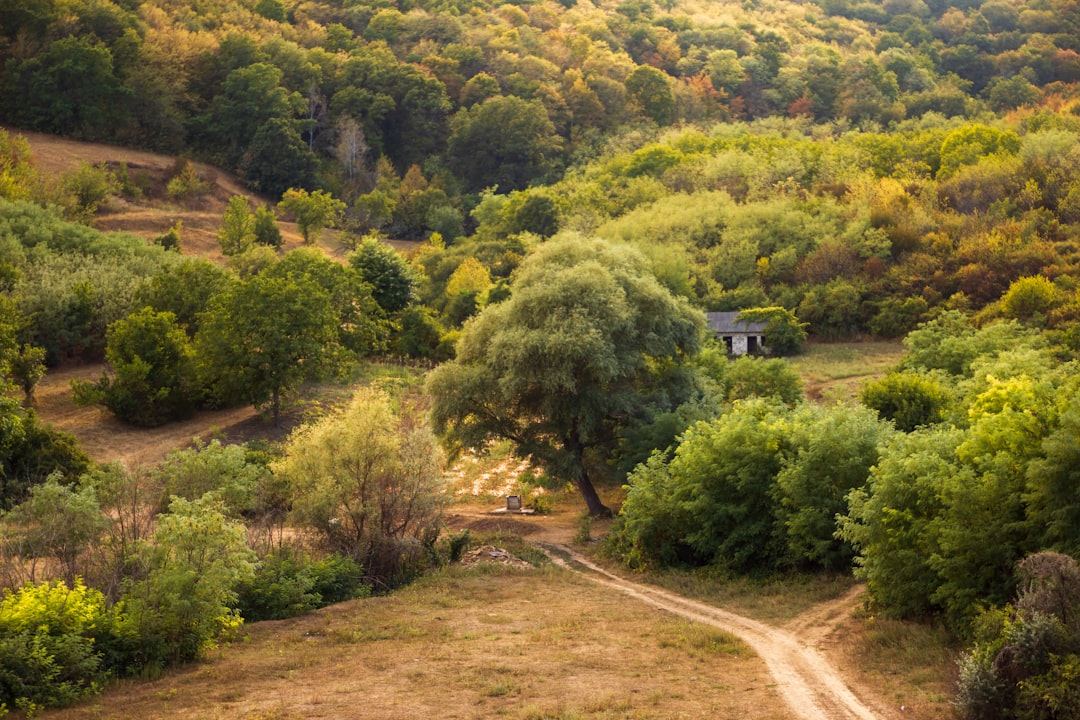
Last reviewed: August 2026 · key facts checked against Wikidata
Moldova Travel Guide: Everything You Need to Know (2026)
Moldova, a landlocked Eastern European nation of 2,409,207 people covering 33,843 km², is one of Europe’s least-visited yet most rewarding destinations — fewer than 160,000 international tourists arrive annually. Wedged between Romania and Ukraine, it holds the continent’s densest concentration of wineries, with over 150 registered wine producers and underground cellars stretching up to 120 km. Founded as a principality in 1359, Moldova rewards travellers who dig past the surface with Soviet architecture, Orthodox monasteries, and world-class Pinot Noir at prices that feel impossible elsewhere in Europe.
Top 3 Highlights at a Glance
- Cricova Underground Wine City — A 120 km labyrinth of limestone wine tunnels holding 1.25 million bottles, including Hermann Göring’s confiscated collection.
- Orheiul Vechi Cave Monastery — A 13th-century Orthodox cave monastery carved into a limestone cliff above the Răut River, still inhabited by monks today.
- Mileștii Mici Wine Cellar — The world’s largest wine cellar by bottle count — 1.5 million bottles stored in 55 km of underground galleries you tour by car.
Scroll down for our complete travel guide with tips on getting there, where to stay, costs and more.
Getting There & Transport
Which airports are the best entry points into Moldova?
Chișinău International Airport (KIV) is Moldova’s only significant entry airport — full stop. It sits 12 km southeast of the capital and handles all major international routes. In my experience, the best-value connections come from Bucharest (OTP) via TAROM or Air Moldova, with flight times of 45 minutes. Budget travelers often fly into Iași Airport (IAS) in Romania, just 100 km west, then cross by bus or taxi — saving up to 60% on airfare. Be warned: KIV has limited direct routes outside Europe, so North American or Asian travelers will always need at least one connection, typically in Istanbul, Vienna, or Frankfurt.
How do I get from Chișinău Airport to my first accommodation in Moldova?
A taxi from KIV to central Chișinău costs around $8–12 USD and takes 20 minutes — always use the official taxi desk inside arrivals or book via the Yandex Go app to avoid the touts who charge 3x more at the curb. My tip: the trolleybus route 30 runs from a stop outside arrivals directly to Piața Centrală for under $0.30, but it runs only until 9 PM and takes 40 minutes with luggage. Uber does not operate here. What surprised me is that even licensed airport taxis occasionally try to negotiate upfront — insist on the meter or confirm the app price before getting in.
What transport options are there within Moldova?
Moldova’s internal transport relies on marshrutkas (minibuses) and a thin rail network centered on Chișinău’s Central Bus Station. Intercity marshrutkas leave when full — the Chișinău–Cahul route costs about $3 USD and takes 2.5 hours. The national railway CFM connects Chișinău to Bălți, Ungheni, and Tiraspol, but trains are slow and infrequent — a 180 km journey can take 4+ hours. I recommend combining marshrutkas for speed with trains for the experience. Honest caveat: rural connections can mean waiting 90+ minutes for a departure, so budget extra time when visiting villages like Butuceni or Saharna.
Do I need a rental car to explore Moldova properly?
Yes, for anything beyond Chișinău, a rental car transforms the trip. In my experience, 70% of Moldova’s best wineries and monasteries are unreachable without private wheels — public transport simply doesn’t serve places like Château Vartely near Orhei or the Saharna Monastery complex. Rental cars from KIV Airport start at $25–35 USD per day for a basic manual. Roads between major towns are paved but secondary roads to villages are often rough gravel. Warning most guides omit: international driving licenses are recommended, and Ukrainian-plated cars occasionally delay border crossings, so book from a Moldovan agency like AutoCar MD rather than a cross-border service.
How good is the public transport network between regions of Moldova?
Between major towns, public transport is functional but slow. Marshrutkas from Chișinău’s Autogara Centrală reach Soroca in 3 hours for $4 USD, Comrat in 2 hours for $2.50, and the Gagauzia region regularly. However, the network collapses in the evening — most last departures leave by 6 PM, and Sunday services are reduced by 50%. The rail option to Bălți takes 3 hours versus 1.5 hours by marshrutka, making trains uncompetitive for time-conscious travelers. I recommend using 1way.md — Moldova’s best route-planning site — to check live schedules. Critical caveat: Transnistria requires a separate transit mindset since Moldovan marshrutkas stop at the administrative boundary.
Accommodation
Which regions of Moldova should I stay in?
Chișinău is the logical base for first-timers — 80% of Moldova’s hotels and restaurants are concentrated here, and most sights are within a 100 km radius. For wine tourism, Cricova and Mileștii Mici are both under 20 km from the capital. I recommend Iargara or Hîncești district as a rural base if you want immersive village life — guesthouses here cost $20–30 per night. The Orhei district suits monastery seekers, with Orheiul Vechi just 60 km north. Avoid basing yourself in Bălți unless you have specific northern itinerary needs — it lacks tourist infrastructure and offers little evening life compared to the capital.
What does good accommodation cost per night in Moldova?
A solid mid-range hotel in Chișinău costs $45–80 USD per night — I’d point you toward the Dacia Hotel or Nobil Boutique Hotel, both on or near Strada 31 August in the center. Budget guesthouses and hostels run $12–25 USD, with Funky Mamaliga Hostel being the most social option. Upscale boutique hotels like Hotel Jolly Alon push to $110–130 USD but include breakfast. Outside the capital, village agrotourism guesthouses — especially in the Codru forest zone near Strășeni — offer full board for $30–40 USD. What surprised me: Airbnb exists in Chișinău but is poorly regulated, so I always cross-reference listings with Booking.com for verified reviews.
When should I book hotels in Moldova — how far in advance?
For Chișinău during June–September, book 4–6 weeks ahead — the city isn’t overrun, but good mid-range hotels have limited inventory. During the National Wine Festival (first weekend of October), which draws 300,000+ visitors to the capital, I recommend booking 3 months in advance — every decent room within 15 km of the center fills completely. Rural guesthouses and agrotourism stays rarely appear on major platforms, so contact them directly via Facebook or WhatsApp — most hosts respond within 24 hours. Honest caveat: last-minute deals are genuinely available outside festival season, but the narrow range of quality options means waiting risks landing in a tired Soviet-era property with no upgrades.
When is the best time to travel to Moldova?
June, August, and September are Moldova’s optimal travel months based on verified climate data. June delivers long days and blooming vineyards before summer heat peaks. September is my personal favorite — harvest season begins, temperatures sit around 22–25°C, and winery tours include live grape crushing. August is sunny but can push 33°C in the Bujor steppe south. Avoid January–February: temperatures drop to -8°C, rural roads ice over, and many agrotourism guesthouses close entirely. Spring (April–May) is beautiful for wildflowers in the Codru Nature Reserve but comes with unpredictable rain. The October Wine Festival justifies a shoulder-season trip despite cooling temperatures — it’s genuinely unmissable.
How does peak season affect prices in Moldova?
Moldova’s peak season (July–September) raises accommodation prices by 20–35% — modest compared to Western Europe but noticeable on a tight budget. The October Wine Festival weekend is the single biggest price spike: hotel rates in central Chișinău double, and taxis charge 2–3x normal rates on festival evenings. Flight prices into KIV from Bucharest or Istanbul also rise 40–60% during July–August. The honest trade-off: traveling in peak season gets you the best weather and fully-open wineries, but the country never reaches Western European crowd levels even at peak — Orheiul Vechi on a busy August Sunday still feels uncrowded compared to, say, Plitvice Lakes in Croatia.
Best Time to Visit
Which regions of Moldova have different climate zones?
Moldova’s climate is broadly continental, but three micro-zones create meaningful differences. The southern steppe around Cahul and Comrat (Gagauzia) is the hottest and driest — summers exceed 35°C and rainfall drops to under 400mm annually, making it ideal for bold red wine production. The central Codru hills near Strășeni are cooler by 3–5°C in summer with denser forest cover, suiting hikers. The Dniester River corridor running north-south creates a humidity buffer — towns like Soroca and Rezina experience foggier mornings and milder winters. The breakaway Transnistrian strip east of the Dniester shares the same continental patterns but sits in flatter terrain with harsher wind exposure.
What are the rainy seasons in Moldova?
Moldova’s wettest months are June and July, when convective thunderstorms dump 60–80mm in concentrated afternoon bursts. These are rarely all-day events — mornings typically clear for sightseeing and rain arrives by 3–5 PM. November and March see persistent drizzle rather than heavy downpours. The driest window is August through October, which aligns perfectly with harvest season. My tip: pack a compact rain jacket rather than an umbrella — the storms come fast and sideways in open vineyard terrain around Purcari and Ștefan Vodă. What most guides miss: flash flooding occasionally affects the lower Prut River valley near Cantemir during June peaks, which can temporarily close rural roads.
What does a trip to Moldova cost per person per day?
Budget travelers can manage $35–45 USD per day in Moldova, covering a hostel bed, local meals, marshrutka transport, and one winery visit. Mid-range comfort — a 3-star hotel, restaurant lunches and dinners, rental car share, and daily activities — runs $80–110 USD per day. A comfortable splurge with a boutique hotel, premium wine tastings at Château Purcari, and private transfers stays under $180 USD — exceptional value for what you get. I consistently find Moldova 40–50% cheaper than Romania for equivalent quality. Hidden note: guided wine tours with tastings at top cellars like Cricova cost $25–50 USD per person and are worth every cent — don’t cut this from the budget.
How expensive is food in Moldova?
Food in Moldova is among the cheapest in Europe — a full lunch at a local canteen (stolovaya) near Piața Centrală in Chișinău costs $3–5 USD for soup, main, and a drink. Sit-down dinner at a mid-range restaurant like La Taifas or Vatra Neamului runs $12–20 USD per person with wine. Street food — plăcinte (stuffed pastries) cost $0.50–0.80 each and are genuinely excellent. Supermarkets like Green Hills Market sell local wine bottles from $3 USD. Honest caveat: tourist-facing restaurants near Parcul Catedralei can charge 2–3x local prices for the same dish — walk one block off the main square and prices drop immediately.
What hidden costs should I expect in Moldova?
ATM fees and currency conversion losses are Moldova’s biggest hidden cost — many ATMs at KIV Airport charge 3–5% dynamic currency conversion if you accept their rate. Always decline and let your home bank convert. Winery entrance fees are rarely listed online — expect $10–30 USD per person for guided cellar tours that aren’t included in advertised tastings. If crossing into Transnistria, carry Transnistrian rubles (not convertible outside) — you’ll lose whatever you don’t spend. Taxi touts outside KIV arrivals charge $25–40 for a ride worth $10. My tip: the registration requirement for stays over 90 days can technically require hotel check-in documentation — rarely enforced but worth knowing if staying in private apartments long-term.
Budget & Costs
How much cash should I bring to Moldova?
Bring $150–200 USD in cash for the first 2 days until you find a reliable ATM. Moldova’s currency is the Moldovan Leu (MDL) — exchange at Victoriabank or Moldova Agroindbank branches in central Chișinău for the best rates, never at airport exchange desks which charge 5–8% commission. Rural markets, village guesthouses, marshrutka fares, and monastery donations are cash-only without exception. Card acceptance in Chișinău restaurants and hotels is now around 70%, but drops to under 20% in towns like Soroca or Leova. I always carry the equivalent of $50 USD in MDL as a rural buffer — it’s saved me multiple times at monastery guesthouses that haven’t seen a card terminal.
Which credit cards are accepted in Moldova?
Visa and Mastercard work in most Chișinău hotels, supermarkets, and mid-range restaurants — acceptance is roughly 65–70% in the capital. American Express is accepted at fewer than 10% of businesses and I’d treat it as unusable here. Contactless payment via Google Pay and Apple Pay works at Green Hills Market, Kaufland, and most central cafes. Outside Chișinău, plan for cash-only environments — even petrol stations in the Orhei or Hîncești districts frequently have card terminals that are offline. My experience: the Revolut or Wise card with no foreign transaction fees is the smartest tool for Moldova — withdraw MDL locally at interbank rates and use contactless where available.
Which regions of Moldova must I not miss?
The Codru wine corridor between Chișinău and Hîncești is Moldova’s heartland — rolling hills, 40+ wineries within 50 km, and the national character at its most accessible. The Orhei district, 60 km north, holds Orheiul Vechi, the cave monastery complex, and Butuceni village, one of Europe’s best-preserved rural communities. Gagauzia autonomous region around Comrat, 200 km south, is completely off the standard tourist map — Orthodox churches, Turkic-rooted culture, and surreally cheap local wine. I also strongly recommend the Dniester canyon near Rezina — limestone cliffs, kayaking, and monasteries like Saharna and Japca within a 25 km stretch that feels like a different country.
What are the tourist highlights of Moldova?
Cricova wine cellars, Orheiul Vechi, and Mileștii Mici are the undisputed top three. Beyond these, Château Purcari near Ștefan Vodă (founded 1827) offers the most photogenic vineyard estate experience with premium tastings. Soroca Fortress, a perfectly preserved circular Ottoman-era citadel on the Dniester River, is Moldova’s most dramatic piece of medieval architecture. The Chișinău Cathedral Park and Triumphal Arch anchor the capital’s sightseeing. Transnistria’s Tiraspol city center — frozen Soviet streetscapes, Lenin statues still standing, and a functioning Sheriff Supermarket empire — is unlike anything else in Europe and absolutely worth a half-day crossing.
What experiences in Moldova are found nowhere else on Earth?
Driving your own car through 55 km of underground wine galleries at Mileștii Mici is completely unique — no other wine cellar on the planet operates at this scale. Entering Transnistria, a self-declared state unrecognized by the UN, with its own currency, military, and Soviet-era time-warp aesthetic — complete with a working KGB office on Tiraspol’s main boulevard — exists nowhere else in Europe. The Moldovan tradition of wine-cellar feasting, where a 6-course meal is served 30 meters underground at 12°C among aging barrels, bridges gastronomy and heritage in a way I’ve never encountered elsewhere. My tip: book the underground dinner at Cricova’s presidential gallery at least 6 weeks ahead — it hosts 25 guests maximum per seating.
Regions & Highlights
Which areas of Moldova are overcrowded — what are quieter alternatives?
Cricova and Mileștii Mici receive coach-group traffic during summer weekends — expect 40-person tour groups moving through the tunnels from 10 AM to 2 PM. My tip: book the first slot at 8:30 AM or the last at 4 PM to avoid them entirely. Orheiul Vechi fills between 11 AM and 2 PM on Saturdays. Quieter alternatives with equal quality: Château Vartely near Orhei receives a fraction of Cricova’s visitors and has a better tasting menu. For monastery tourism, Saharna (130 km north on the Dniester) rivals Orheiul Vechi in beauty but sees 80% fewer visitors. The Tipova cave monastery complex, carved into cliffs 15 km from Rezina, is genuinely unknown outside Moldova.
How many days do I need to see Moldova properly?
A minimum of 5 days covers Moldova’s essential experiences without feeling rushed. I recommend: Day 1–2 in Chișinău (city exploration, evening wine bar crawl on Strada Alexandru cel Bun); Day 3 Cricova or Mileștii Mici cellar tour plus Orheiul Vechi in the afternoon; Day 4 day trip to Saharna Monastery and Soroca Fortress (round trip 280 km, doable with a rental car); Day 5 Transnistria half-day plus Purcari winery return. For 7–10 days, add Gagauzia, the southern wine route via Cahul, and a night in a village guesthouse in Butuceni. Honest caveat: Moldova rewards slow travel — rushing a 3-day itinerary means missing the country’s real appeal.
Do I need a visa to visit Moldova?
Citizens of EU, US, UK, Canada, Australia, and Japan enter Moldova visa-free for up to 90 days within a 180-day period. As of 2024, Moldova offers e-visa processing at evisa.gov.md for nationalities requiring one — processing takes 3 business days and costs $56 USD. Entering Transnistria adds complexity: you receive a separate Transnistrian entry slip at the administrative boundary (not a visa, but treat it like one) valid for 24–48 hours — carry your passport and the slip at all times and do not lose it. Travelers entering Transnistria from Ukraine (bypassing Moldovan control) can face complications upon return to Moldova — always enter through Chișinău-controlled territory first.
What languages are spoken in Moldova?
Romanian (officially rebranded from ‘Moldovan’ in 2023) is the state language and spoken by the majority. Russian remains widely used, especially in Chișinău’s older population, northern Bălți, and throughout Transnistria where it’s the dominant administrative language. In Gagauzia, the Turkic Gagauz language is co-official alongside Romanian and Russian. English is spoken by younger people in Chișinău — university areas and wine-tourism venues have reliable English — but drops sharply in rural areas and among anyone over 45. My tip: learning 5–10 Romanian phrases transforms interactions in villages. In Transnistria, Russian is essential — English is nearly nonexistent outside the capital Tiraspol’s main tourist spots.
What cultural rules do I need to know before visiting Moldova?
Cover shoulders and knees before entering any Orthodox monastery or church — this applies to both men and women, and women are expected to wear a headscarf inside. Scarves are often available at entrances for $0.50–1 USD. Wine culture is central to hospitality — refusing a offered glass in a village home is considered impolite; accepting even a small taste is respectful. Tipping 10% is appreciated but not obligatory in restaurants. In Transnistria, photograph military installations, border posts, and uniformed personnel only if explicitly permitted — I’ve seen cameras confiscated for pointing at a checkpoint. Age hierarchy matters deeply in rural Moldova — greet older people first and accept offers of food from village hosts without immediate refusal.
Practical Tips
How safe is Moldova for travelers?
Moldova is safe for tourists — petty crime levels are low by European standards and violent crime targeting foreigners is rare. Chișinău’s center, including Parcul Catedralei and Strada Ștefan cel Mare, is walkable safely at night. The main risks are taxi overcharging, currency exchange scams near Piața Centrală, and poorly lit rural roads after dark. Transnistria is stable and manageable for day visits but follow the 24-hour registration rule — overstaying without authorization creates bureaucratic complications. The war in Ukraine creates background tension but Moldova’s borders with Ukraine have remained stable. The UK and US government travel advisories as of 2025 rate Moldova at Level 1–2 (exercise normal/increased caution) — the same as many Western European nations.
What health precautions should I take before visiting Moldova?
No mandatory vaccinations are required for most nationalities entering Moldova, but the ECDC recommends being up to date on hepatitis A, typhoid, and routine vaccinations including MMR. Tap water in Chișinău is technically treated but I recommend drinking bottled water — mineral water brands Gura Căinarului or Vatra Dornei cost $0.40–0.80 per 1.5L everywhere. Rural well water should never be drunk untreated. Pharmacies (farmacii) are plentiful in Chișinău — the Felicia or Hippocrat chains have English-speaking staff and stock most European medications. Travel health insurance is strongly advised: public hospitals are underfunded, and the Medpark International Hospital in Chișinău is the only facility meeting Western standards, charging accordingly.
What SIM card or eSIM options are available in Moldova?
A local SIM with 10 GB data costs $5–8 USD — buy from Orange Moldova or Moldcell stores inside or adjacent to KIV Airport arrivals. Both networks cover 95%+ of Chișinău and major towns but signal drops in the Codru forest valleys and along the Dniester canyon. Transnistria uses a separate mobile network — your Moldovan SIM works there but may roam at higher rates; buy a cheap Interdnestrcom SIM for $2 if staying overnight. EU roaming doesn’t apply in Moldova, so European travelers need either a local SIM or a global eSIM. I use Airalo’s European eSIM ($6 for 1 GB) as a backup when testing new destinations — it activates instantly and covers Moldova without issue.
Which apps do you recommend for traveling in Moldova?
Yandex Go is Moldova’s dominant ride-hailing app — it works reliably in Chișinău and shows real prices before booking, eliminating taxi negotiation entirely. 1way.md is the only functional public transport planner for intercity marshrutka routes and rail schedules — bookmark it before arrival. Waze outperforms Google Maps for rural navigation in Moldova, especially for winery backroads. Google Translate with Romanian downloaded offline is essential for restaurant menus and village signs. Revolut or Wise for currency management. What surprised me: Facebook groups like ‘Expats in Moldova’ are genuinely more current than any guidebook for recent winery openings, border crossing updates, and accommodation tips — join before you travel.
What are the most common traveller mistakes made in Moldova?
Skipping Transnistria out of unfounded fear is the most common mistake — it’s the most unusual experience in the country and completely safe for day visits. Coming without a rental car and being stranded in Chișinău missing 90% of the country’s appeal is mistake two. Booking only Cricova and missing Château Purcari, Vartely, or Château Cojușna — Moldova has 150+ wineries and the famous ones aren’t always the best. Exchanging money at the airport — you’ll lose 6–8% versus a bank branch in the city center. My honest warning: underestimating distances — Soroca feels close on a map at 160 km but takes 2.5 hours on Moldovan roads. Build 30% extra time into every rural itinerary.
Moldova at a Glance
| Population | 2,409,207 |
|---|---|
| Currency | Moldovan leu (L) |
| Official language | Romanian |
| Time zone | UTC+02:00 |
Source: Wikidata, retrieved August 2026.
Essential Resources for Planning Your Trip to Moldova
- 7 Reasons to Visit Moldova — official visitor information, passes & events
- Wikipedia: Moldova — history, geography & background
- Wikivoyage: Moldova — community travel guide & practical tips
- Moldova travel – Lonely Planet | Europe — expert itineraries & travel inspiration
- THE 15 BEST Things to Do in Moldova (2026) — hotels, restaurants & traveller reviews
- In Moldova you can fly 🧡 Discover more experiences on … — how to get around
- Numbeo: Cost of Living in Moldova — current prices & cost comparison
- Timeanddate: Moldova Weather & Climate — forecasts & climate statistics
More Perspectives on Moldova
- Moldova travel guide: uncork Europe’s best-kept secret
- Moldova Travel Guide (Updated 2026)
- Travel advice and advisories for Moldova
Moldova Travel Videos
Watch these videos for a visual preview before your trip:
- Top 10 Best Things to Do in Moldova [Moldova Travel Guide 2024]
- Living in Moldova 🇲🇩 | Inside Europe’s Least Visited Country | 4K
- “Don’t Visit Moldova!” Reality of Europe’s Poorest Country (Chisinau)
Moldova Travel Discussions on Reddit
Real traveller experiences and community advice:
- Is Moldova underated? : r/TravelNoPics
- Our 3 days in Moldova, Europe’s least visited country : r/travel
- Is a trip to Chișinău, Moldova in March a good idea? Or …
Data Sources
This page was compiled using data from Wikipedia, Wikidata, Open-Meteo (climate), Numbeo (cost of living) and REST Countries. Information is updated regularly.